Is Lake Pukaki Or Tekapo Better For Stargazing?
A fact-based comparison of stargazing at Lake Pukaki and Lake Tekapo: operators, prices, ages, durations, weather fallbacks and which setting suits which traveller.
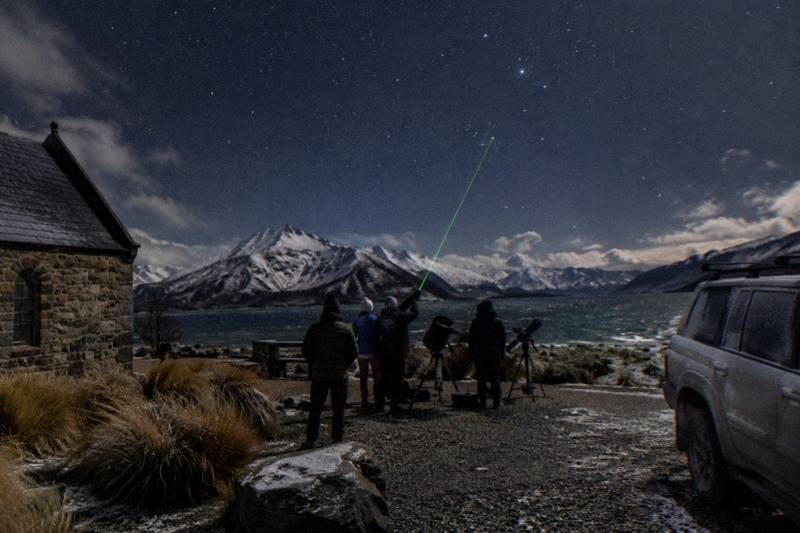
Neither lake is objectively better for stargazing: both sit inside the Aoraki Mackenzie International Dark Sky Reserve, and the real choice is between the styles of guided experience each one supports. Tekapo carries the deepest stack of tours, from the Mt John summit down to lakefront and hot pool options. Pukaki has no guided tour of its own on the current roster; the nearest listed option is Silver River's Mt Cook Stargazing Experience, run from the Tasman Glacier car park.
Neither lake wins outright, because both sit inside the same Aoraki Mackenzie International Dark Sky Reserve, awarded in April 2012. Tekapo offers the wider choice: at least seven guided stargazing products depart from the township or its lakeshore. Pukaki has no bookable tour of its own in the current lineup; the closest listed option is Silver River's Mt Cook Stargazing Experience, 75 minutes from the Tasman Glacier car park. The better pick depends on your group, your budget and where you are sleeping.
Lake Tekapo is the established stargazing town of the Mackenzie Basin. Dark Sky Project, founded in 2004 as Earth and Sky and now a Ngāi Tahu Tourism partner, runs its experiences from a base at 1 Motuariki Lane on the lakefront, and Tekapo Springs, Chameleon Stargazing, Astro Tekapo and Silver River Stargazing all operate from the same township. That concentration means choice in price, duration and format, and it means backup options if one night clouds over. For a fuller picture of the field, the Lake Tekapo stargazing tours compared guide sets out the whole Tekapo side in one table.
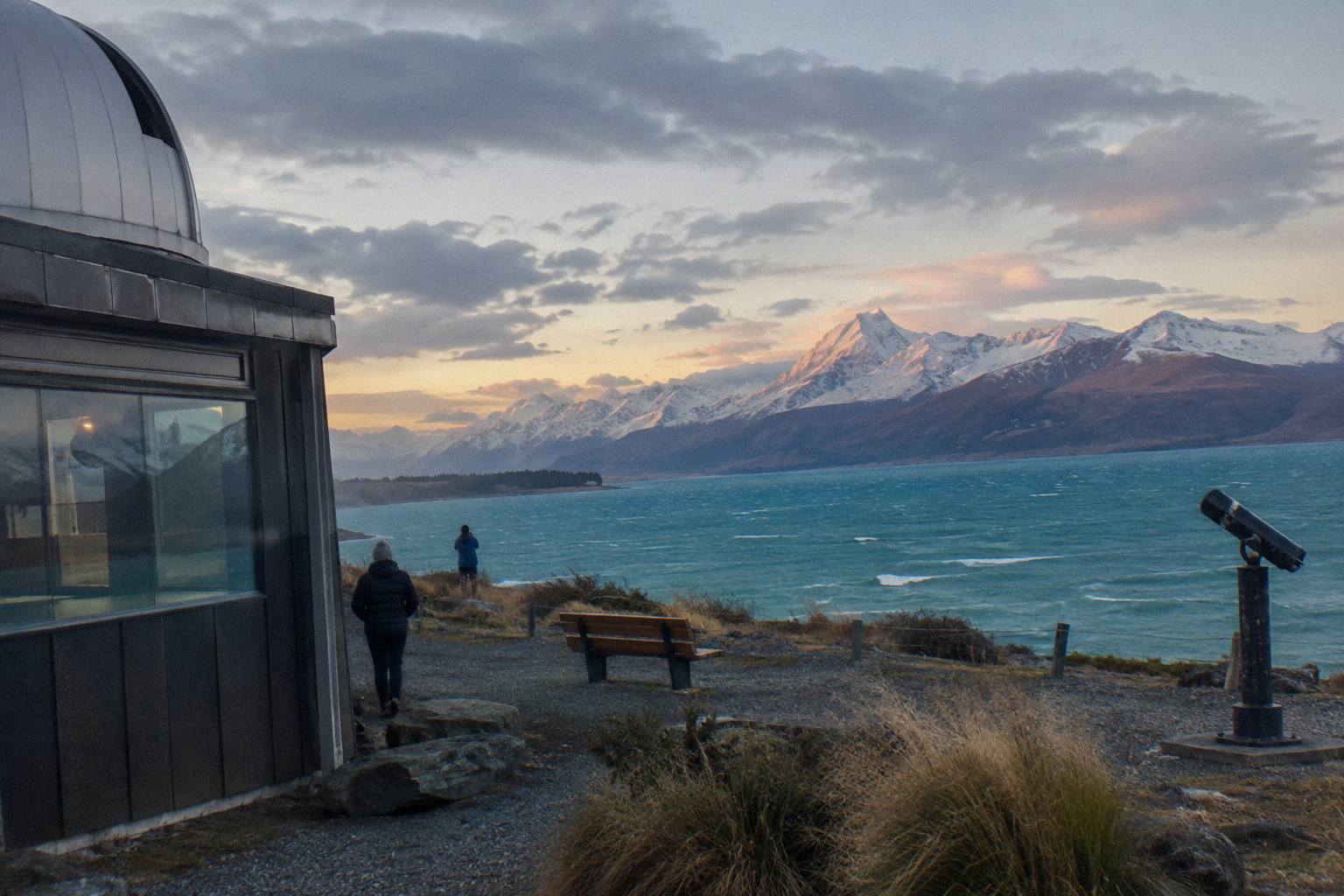
Lake Pukaki sits roughly an hour's drive north east along State Highway 8 and the Mt Cook road, closer to Aoraki/Mt Cook village. No guided tour is currently listed at the lake itself; the nearest bookable option is Silver River's Mt Cook Stargazing Experience, 75 minutes long, run from the Tasman Glacier car park with free cancellation up to 24 hours before on the booking page. Check availability
The honest framing is this: it is not Pukaki versus Tekapo as skies, it is Pukaki versus Tekapo as experiences. A family with a six year old will find the widest choice in Tekapo, while a couple staying near Twizel or Mt Cook village may find the Mt Cook Stargazing Experience more convenient than driving to Tekapo. Neither answer is wrong; the facts below let you match the option to your trip rather than to a ranking claim.
Where Each Lake Sits In The Dark Sky Reserve
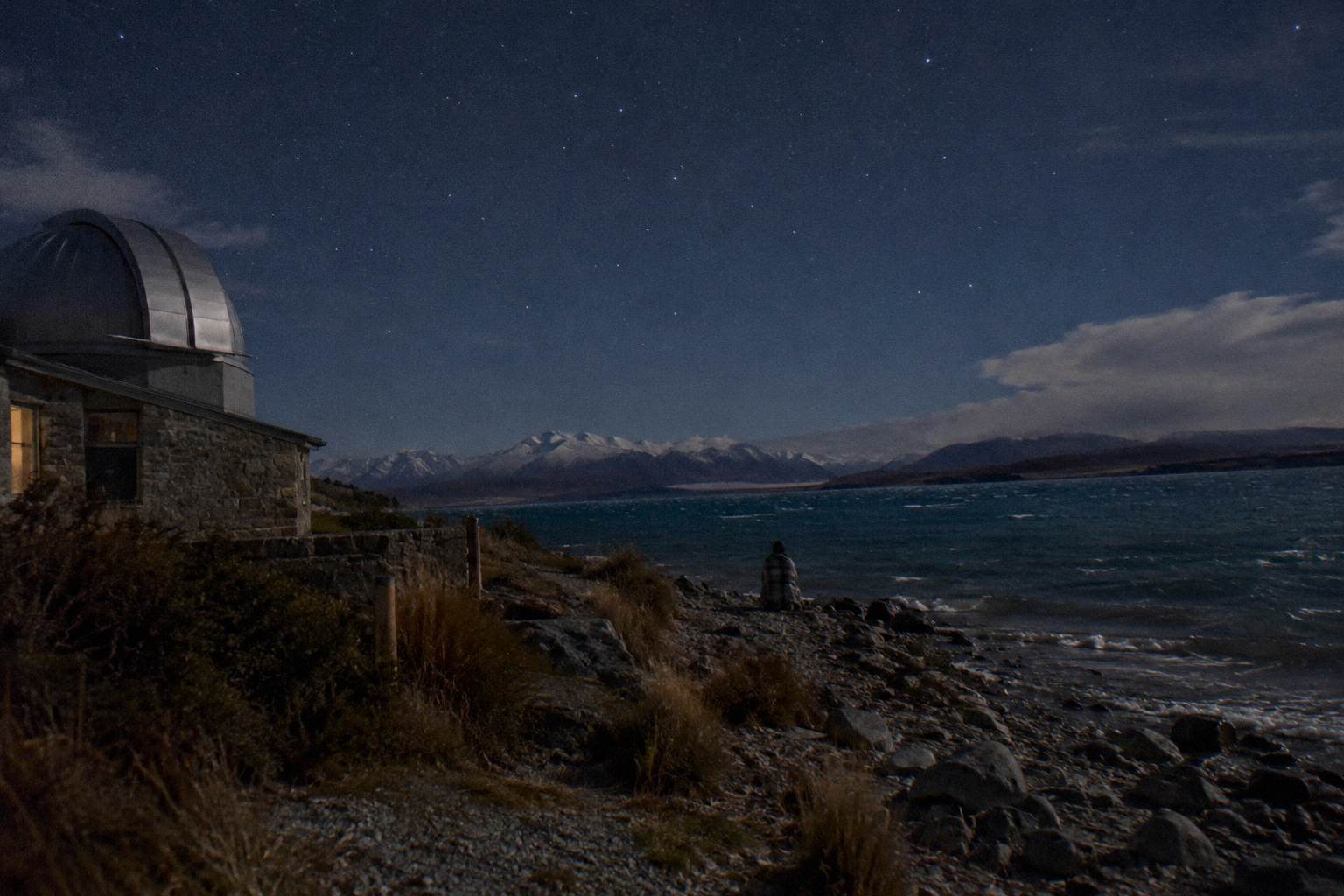
Both lakes lie inside the Aoraki Mackenzie International Dark Sky Reserve, the largest dark sky reserve in the Southern Hemisphere. The reserve, awarded status in April 2012, comprises Aoraki/Mt Cook National Park and the Mackenzie Basin, so Pukaki and Tekapo share the same protected night environment rather than competing over it. No part of either lake sits outside the reserve boundary.
The designation matters because it is what keeps both skies dark. The Mackenzie District Council runs lighting rules in its District Plan, covering artificial lighting district wide, including shielding so lights point downward and limits on how long and how often they run. Those rules apply basin wide, which is why the difference between the two lakes is not raw darkness but what is built on top of it: observatories, tour bases and transport. Dark Sky Project explains the reserve's scope on its own dark sky reserve page.
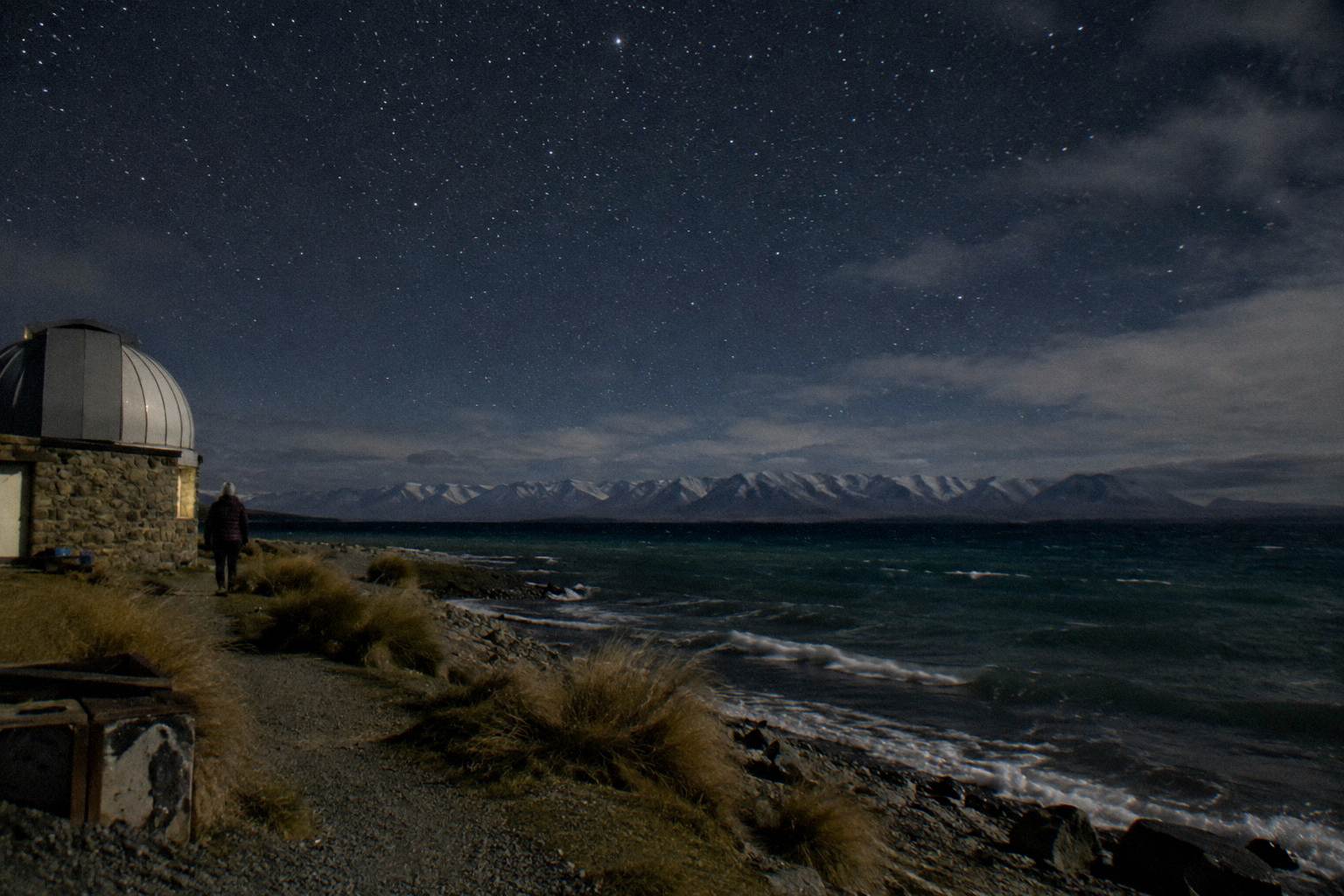
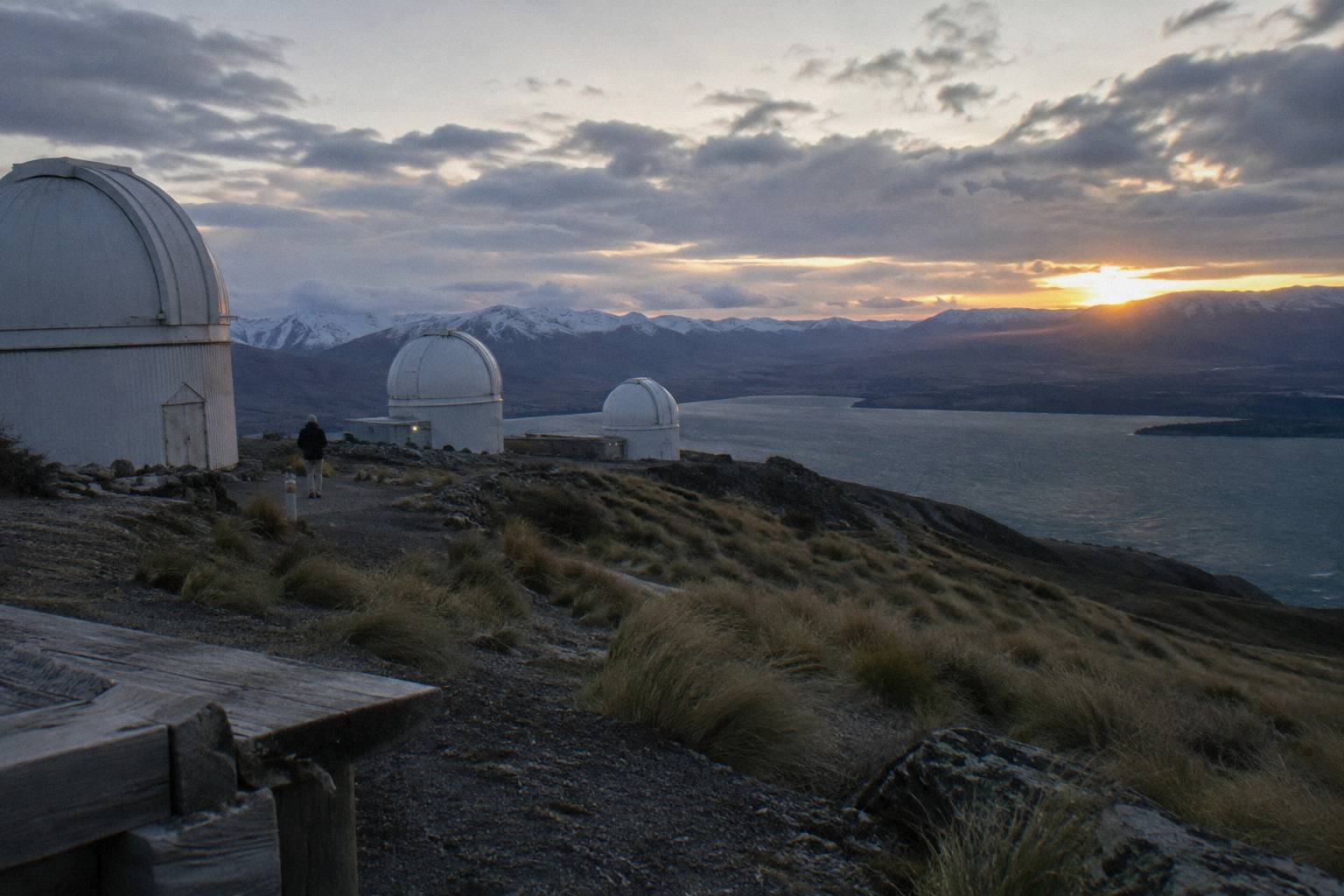
Tekapo's advantage is infrastructure. The University of Canterbury Mt John Observatory sits above the township at an elevation of 1,029 m, described by the University as New Zealand's largest professional research observatory, with four telescopes including the 1.8 m MOA instrument. Dark Sky Project's Summit Experience is the only stargazing tour that visits it, which is a Tekapo exclusive in practice. The mountain also carries the Astro Cafe, open daily 9am to 4pm, reached by an access road with a USD 14 per vehicle gate fee, and the 8.9 km return Summit Circuit track for anyone who wants to walk up by day.
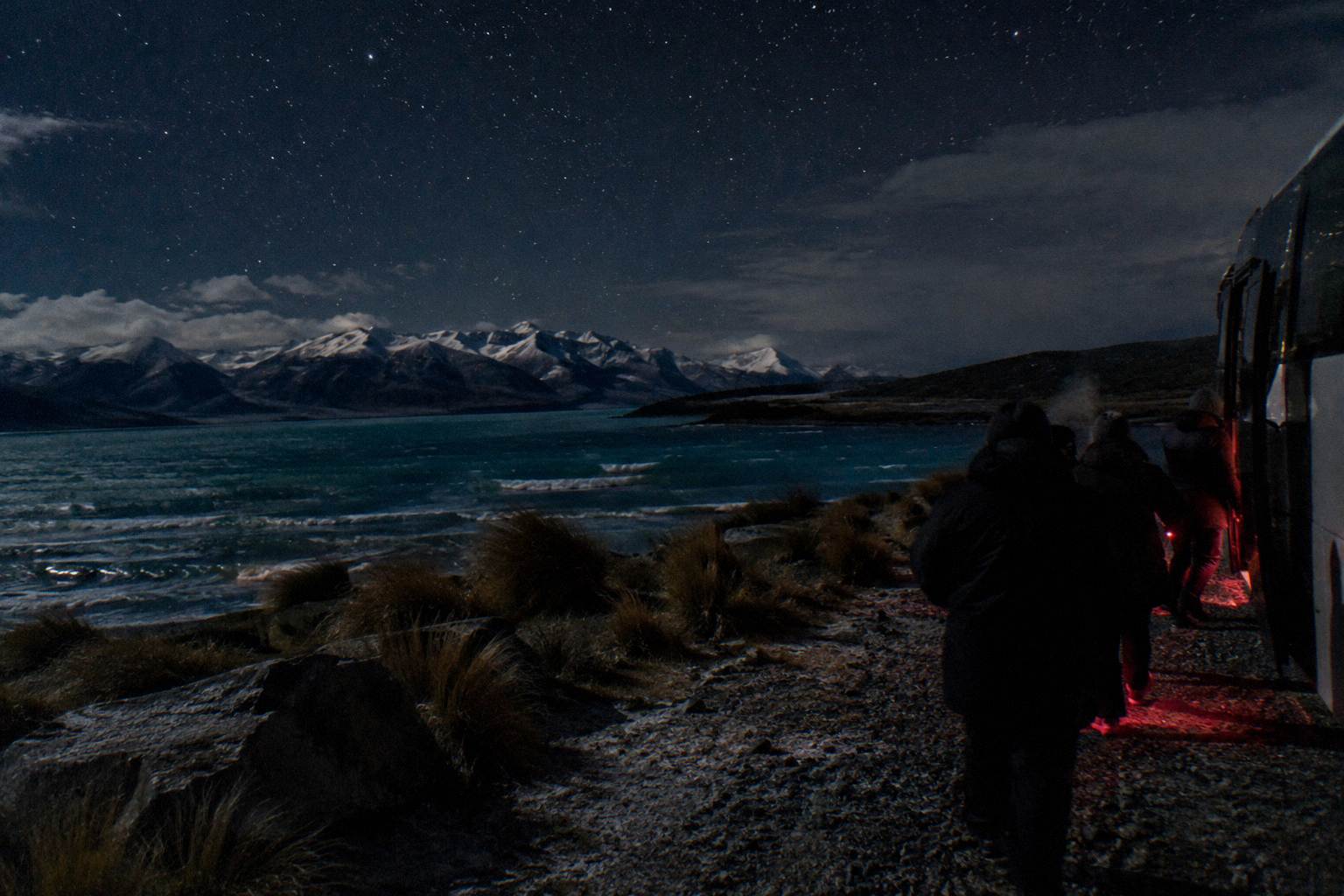
Pukaki's advantage is position. It sits between Tekapo and Aoraki/Mt Cook village on the reserve's western side, so it pairs naturally with a Mt Cook stay. Silver River Stargazing runs its Mt Cook Stargazing Experience from the Tasman Glacier car park, 75 minutes long with free cancellation up to 24 hours before on the booking page. Travellers basing themselves near the village can stargaze without the drive back to Tekapo at midnight, which on paper is the single strongest practical argument for the Pukaki side.
What The Tekapo Side Offers
Tekapo supports guided stargazing from at least five operators, with published prices from the operator's NZD 59 for the indoor Dark Sky Experience to NZD 239 for the Mt John Summit Experience. Durations run from 45 minutes to 2 hours, minimum ages from 5, and formats include a summit observatory, a sheltered crater, a lakefront and a hot pool.
The Dark Sky Project set is the backbone. The Summit Experience, 1 hour 45 minutes and rated 4.6 across 352 reviews, includes the 15 minute bus to the Mt John summit, telescopes up to 16 inch inside a private dome, and loan of an Extreme Cold Weather jacket, at NZD 239 for adults and children alike, minimum age 10. The Crater Experience at Cowan's Private Observatory, 75 minutes including transport, runs from NZD 139 adult and NZD 99 child with a family pass at NZD 377, minimum age 5, and wheelchair users can join if they drive their own vehicle to the site. The Dark Sky Experience is a 45 minute indoor daytime tour from NZD 59 adult with no stargazing at all, English sessions at 10:30am, 12:30pm and 2:30pm, and Tuesday and Wednesday 4:30pm as well.
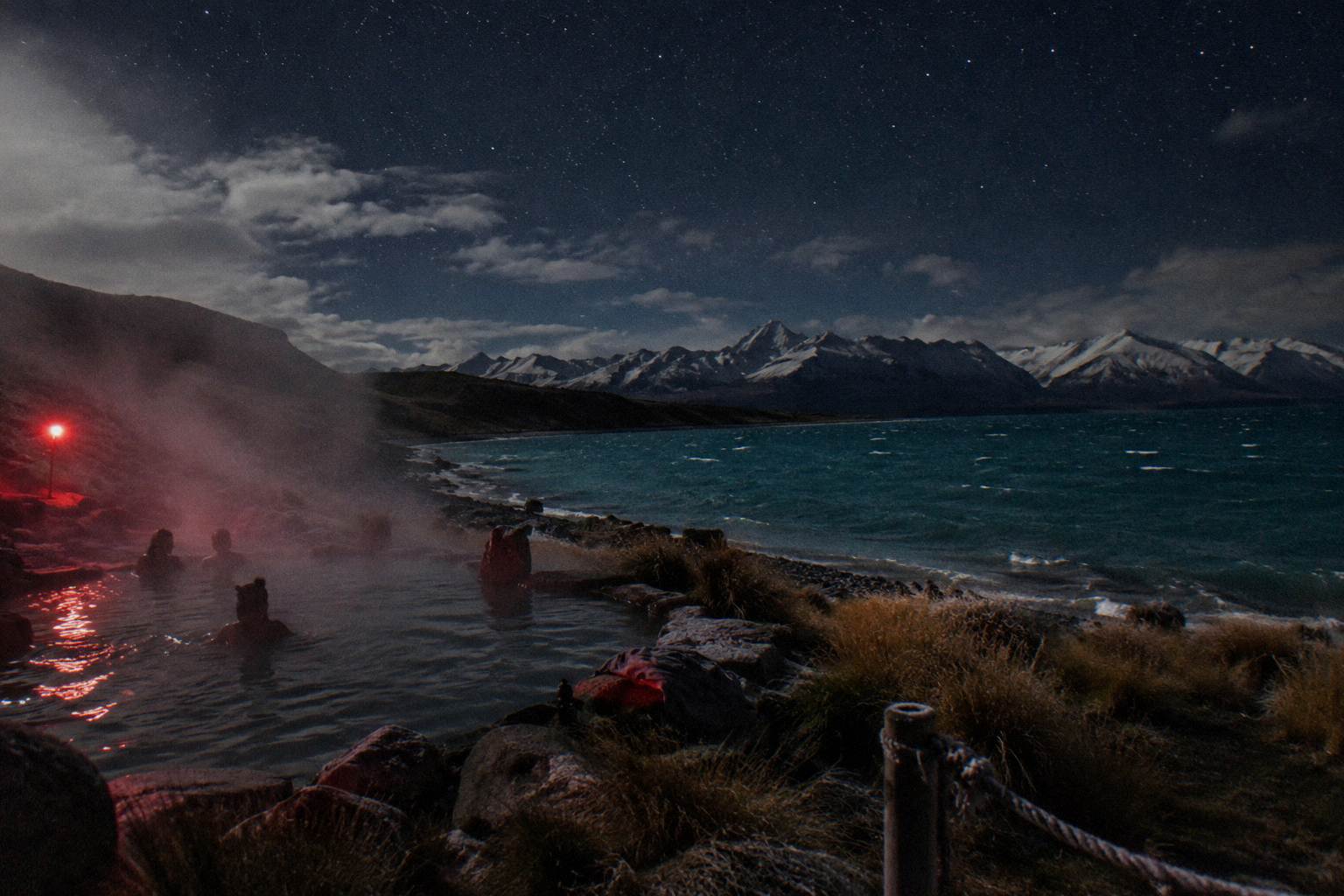
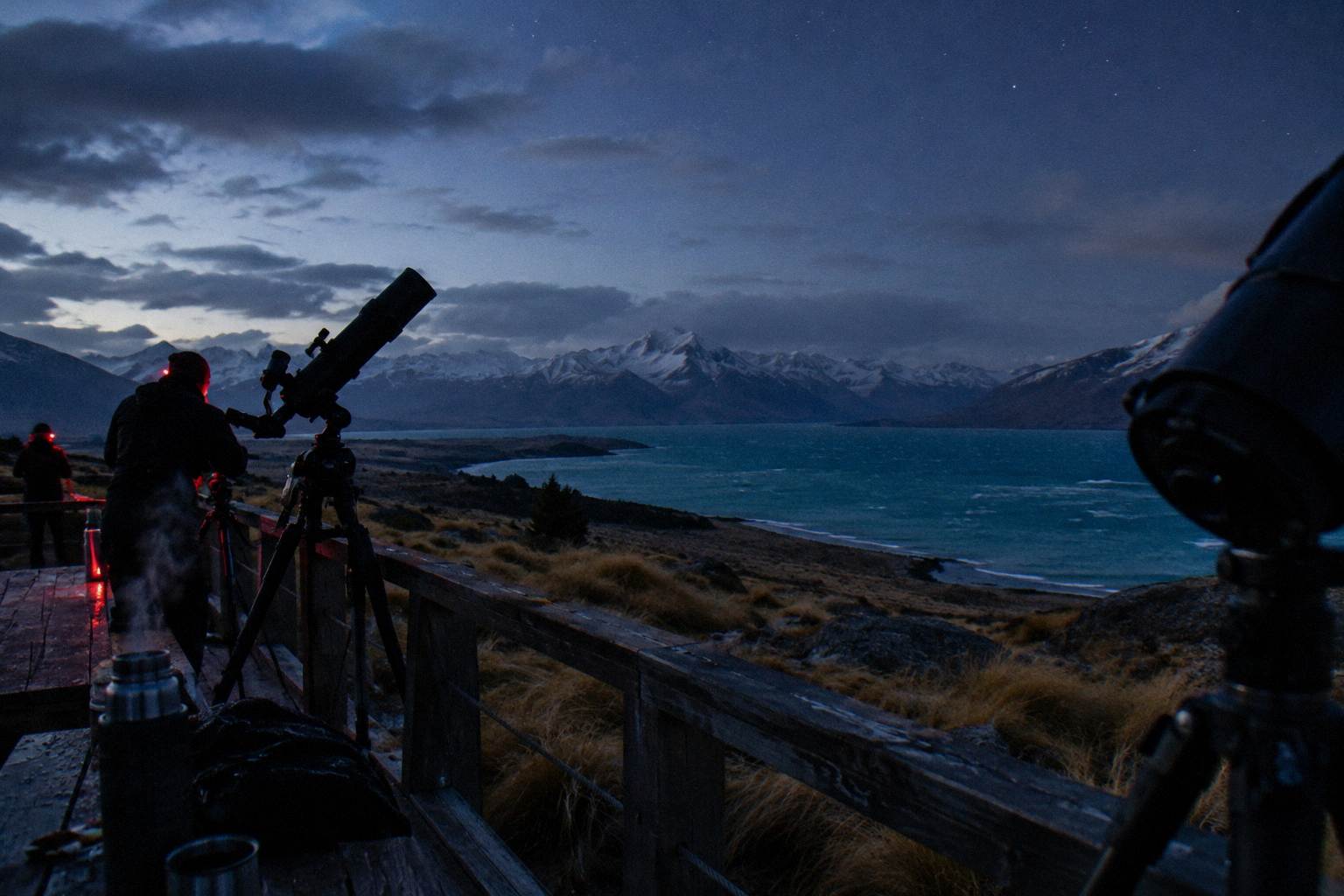
Tekapo Springs adds the comfort format. Soak in the Stars, 90 minutes at NZD 179 adult and NZD 115 child, minimum age 10, pairs guided telescope viewing with an exclusive hot pool at 37.5 to 38.5 degrees, with towels, robes, hot drinks and warm poncho coats included, and some tours beginning after midnight, for example 12:15am. Around those sit the smaller operators: Chameleon Stargazing's shared experience of about 1.5 hours, Astro Tekapo's 1.5 hour lakefront tour from Takapō Regional Park with a minimum age of 6, and Silver River's Alpine and Ultimate experiences of 75 minutes and 2 hours. Each is summarised in the Tekapo stargazing explained guide, and the Tekapo Springs stargazing hot pools guide covers the soak format in depth.
That spread is the core of the Tekapo case. Whatever your age, budget or tolerance for cold, something on the Tekapo side fits, and the operators' price schedules are public. The Tekapo Stargazing site and the Summit Experience page both publish their own current figures, which makes planning concrete.
Price, Age And Duration Side By Side
On published figures, Tekapo spans NZD 59 to NZD 239 per adult. Minimum ages split the market cleanly: Tekapo's outdoor tours start at 5. Durations run 45 minutes to 2 hours where stated; the Mt Cook Stargazing Experience lists 75 minutes with no minimum age stated.
The table below puts the Mackenzie side's stated facts next to the Tekapo anchors. Where a cell reads Not stated, the booking page does not give the figure; ask the operator rather than assuming. More of these guides are collected on Mt John Stargazing.
| Tour | Lake | Duration | Minimum age | Operator's price (NZD) |
|---|---|---|---|---|
| Mt Cook Stargazing Experience | Near Pukaki | 75 minutes | Not stated | Not stated |
| Mt John Summit Experience | Tekapo | 1 hour 45 minutes | 10 | Adult NZD 239, child NZD 239 |
| Crater Experience | Tekapo | 75 minutes | 5 | Adult NZD 139, child NZD 99, family NZD 377 |
| Soak In The Stars | Tekapo | 90 minutes | 10 | Adult NZD 179, child NZD 115, family NZD 499 |
| Dark Sky Experience (indoor) | Tekapo | 45 minutes | None stated | Adult NZD 59, child NZD 39, family NZD 157 |
| Chameleon Shared Experience | Tekapo | About 1.5 hours | Not stated | Not stated |
| Astro Tekapo Lakefront | Tekapo | 1.5 hours | 6 | Not stated |
Two readings fall out of the numbers. First, a family of four with children aged 6 and 8 has exactly one Tekapo option on this table under any child age limit besides none, the Crater Experience, plus the lakefront and soak tours depending on ages; Silver River's Twizel tour also takes age 6 if they are coming from the south. Second, an adult pair weighing Silver River's Mt Cook experience against Tekapo's Crater Experience knows the Crater price to the dollar, NZD 139 each, while the Mt Cook figure waits on a reply to an enquiry. Budget certainty favours Tekapo, setting and quiet favour the Mackenzie side, and the price column cannot arbitrate fully because one side of it is blank.
Weather, Cloud And Cancellation Rules
Dark Sky Project's terms are the most detailed in the basin. Its operator's weather page says clarity and specific objects cannot be guaranteed and that the go or no go decision is made as close to tour time as possible, with check in 15 minutes early for the update. If outdoor stargazing is not possible, guests are offered an indoor alternative or the Virtual Stargazing Experience, a reschedule subject to availability, a gift voucher valid three years, or a full refund. Direct bookings can be cancelled up to 24 hours before for a full refund; groups of 10 or more face 72 hour cutoffs on the Summit and Crater experiences.
Tekapo Springs inverts the model: tours run in all weather, and cloud swaps the telescopes for a VR indoor experience built on 360 degree imagery of the Church of the Good Shepherd and the Mt John summit. The operator's FAQ adds a partial refund, 25 percent per ticket when telescope viewing runs under 30 minutes, and free changes or cancellation up to 24 hours before. That is a different bargain: you go out regardless, and the refund is small rather than total.
The differences are easiest to compare line by line, so the table below sets each operator's stated rules against the others.
| Operator | Runs in cloud? | Cloud fallback | Refund or cancellation |
|---|---|---|---|
| Dark Sky Project (Tekapo) | Decided close to tour time | Indoor alternative or Virtual Stargazing Experience | Reschedule, voucher valid 3 years, or full refund; cancel direct bookings up to 24 hours before |
| Tekapo Springs (Tekapo) | Yes, all weather | VR indoor experience replaces telescope viewing | 25 percent refund per ticket if viewing under 30 minutes; change or cancel up to 24 hours before |
| Silver River (Mt Cook) | Not stated | Not stated | 24 hour free cancellation window on the booking page |
On the Mackenzie side, Silver River's Mt Cook experience shows a 24 hour free cancellation window on the booking page, which at least matches Tekapo's standard, though its cloud fallback is not stated. Anyone who wants a defined weather fallback on paper should weigh that gap, since Tekapo's two largest operators publish theirs in full.
Which Side Suits Families, Couples And Short Stays
Families with young children belong on the Tekapo side by rule, not preference: Tekapo's Crater Experience takes age 5 and the lakefront tours take age 6. Couples and adult groups based near Mt Cook get more value from the nearby Mt Cook Stargazing Experience than from a midnight drive back to Tekapo. Short stays of one night should book whichever lake they are sleeping beside.
The family logic is arithmetic. A household with a seven year old can book the Crater Experience at NZD 99 for the child, the Astro Tekapo lakefront tour from age 6, or Silver River's Twizel tour from age 6 if they are coming from the south. Tekapo Springs sets its own floor: no child under 6 on any of its tours, babies carried included, and Soak in the Stars needs age 10.
Couples and adult groups get a real choice instead. The counterweight is informational: Tekapo's Summit Experience offers the research observatory dome and the ECW jacket loan at a published NZD 239, and its 4.6 across 352 reviews is the largest stated review count of any tour in this comparison. One side sells setting, the other sells scale, and the Tekapo side's prices are public while the Mt Cook tour's is not.
Trip shape matters as much as taste. Takapō is about three hours' drive from both Queenstown and Christchurch, per Dark Sky Project's plan your visit page, so a Tekapo night slots into almost any South Island circuit. A Mt Cook focused trip, two or three nights at the village or Twizel, turns the Mt Cook Stargazing Experience into the local option and Tekapo into a detour. Travellers torn between the lakes may find the Mt Cook stargazing tours guide useful for the wider village picture; note that guide is part of this site's coverage, and the same facts apply here.
Common Mistakes When Choosing Between Pukaki And Tekapo
The mistakes are predictable: treating the two lakes as rival skies when they share one reserve, and booking a Tekapo tour for a child below its age floor. A third is ignoring the weather policy, where the operators' own rules differ sharply and one side's rule is unpublished.
The first mistake wastes the most research time. The skies are protected by the same designation, so the decision is about tours, not darkness. Read the table above for formats and ages and stop asking which lake is darker, because no fact on either operator's pages supports a darkness ranking between them.
The second and third mistakes cost money on the night. Booking the Summit Experience for a nine year old fails the stated age 10 floor at check in, and booking any Tekapo Springs tour with an infant in a carrier fails its under 6 rule including carried babies. On weather, know which bargain you are buying: Dark Sky Project may call the tour off and refund fully, while Tekapo Springs goes ahead and substitutes VR with a 25 percent refund if viewing runs short. Arriving without knowing which model applies is how evenings go wrong.
Common Questions About Pukaki Vs Tekapo Stargazing
Is Lake Pukaki Or Tekapo Better For Stargazing?
Neither is better on sky quality: both lakes sit inside the same Aoraki Mackenzie International Dark Sky Reserve. Tekapo offers far more tours with published prices and ages from 5; the closest listed option to Pukaki, Silver River's Mt Cook Stargazing Experience, publishes its duration and cancellation window but not a price. Choose by group and base, not by sky.
Which Tekapo Tour Is Closest To Pukaki In Style?
The Crater Experience at Cowan's Private Observatory is the closest match: a private observatory setting rather than a summit or lakefront, from NZD 139 adult and NZD 99 child, 75 minutes including transport, minimum age 5. It shares the intimate private observatory format with an evening built on telescope time.
What Happens If It Is Cloudy?
At Tekapo, Dark Sky Project decides close to tour time and offers an indoor alternative, reschedule, voucher or full refund, while Tekapo Springs runs in all weather with a VR experience under cloud and a 25 percent refund if telescope viewing is under 30 minutes. Silver River's cloud policy is not stated; ask before booking.
Is It Worth Driving From Mt Cook To Tekapo For Stargazing?
Only if the Tekapo formats matter to you. If you want the Mt John summit, the hot pool soak or a child friendly tour, the drive is the price of access. If you simply want a guided telescope session near your Mt Cook base, the Mt Cook Stargazing Experience at the Tasman Glacier car park is closer, per its booking page.