Tekapo Stargazing Explained: Reserve, Observatory And Tour Types
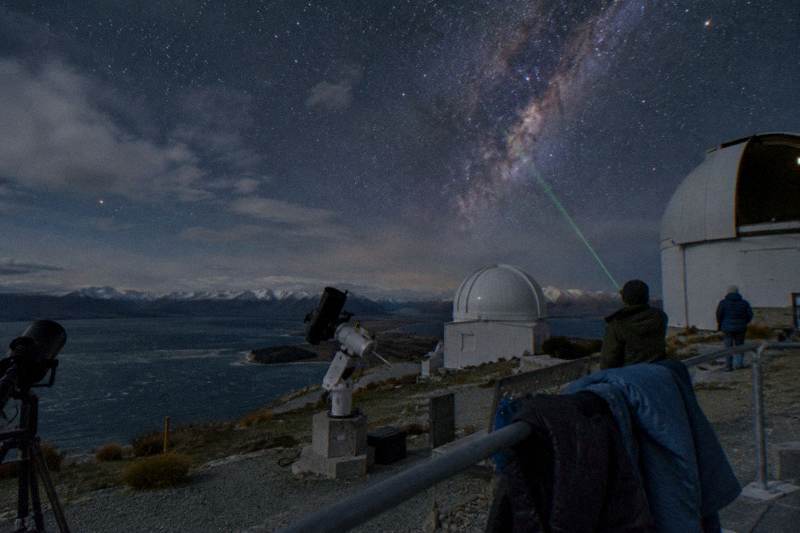
Tekapo stargazing means a night under the Aoraki Mackenzie International Dark Sky Reserve, the largest dark sky reserve in the Southern Hemisphere. This guide explains the reserve, the observatory on Mt John, and the tour types six operators run around Lake Tekapo.
Short answer
Tekapo stargazing is guided night viewing inside the Aoraki Mackenzie International Dark Sky Reserve, awarded reserve status in April 2012. Dark Sky Project runs the Mt John Summit Experience from NZD 239 and the Crater Experience from NZD 139, while Tekapo Springs and five smaller operators run lakefront, hot pool and small group tours.
| Fact | Detail |
|---|---|
| Reserve | Aoraki Mackenzie International Dark Sky Reserve, status awarded April 2012 |
| Reserve size claim | Largest dark sky reserve in the Southern Hemisphere |
| Reserve covers | Aoraki/Mt Cook National Park and the Mackenzie Basin |
| Observatory | University of Canterbury Mt John Observatory, elevation 1,029 m |
| Operators at Tekapo | Dark Sky Project, Tekapo Springs, Chameleon Stargazing, Astro Tekapo, Silver River Stargazing |
| Cheapest listed operator price | NZD 59 adult, Dark Sky Experience (indoor) |
| Weather policy | No operator guarantees clarity; each has a published fallback |
What Is Tekapo Stargazing?
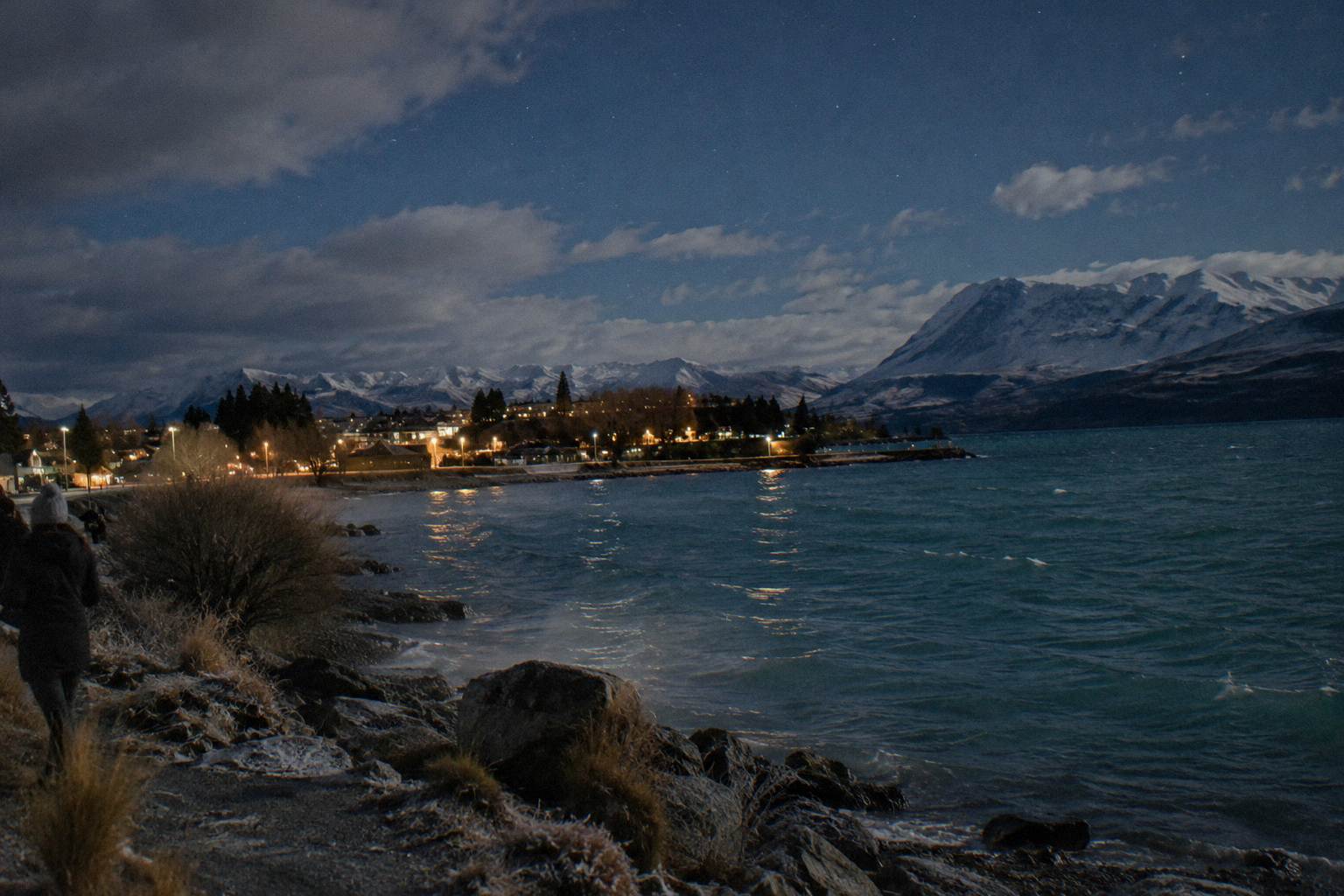
Tekapo stargazing is the practice of viewing the night sky from Lake Tekapo and the surrounding Mackenzie Basin, an area protected as an International Dark Sky Reserve since April 2012. The name covers everything from free lakeshore viewing to guided bus trips up Mt John to a working research observatory. Six operators sell ten tours under the Tekapo stargazing label, and the differences between them are bigger than the price gaps suggest.
The place most visitors mean by "Tekapo stargazing" is the lakefront township of Takapō on the shores of Lake Tekapo. The town sits inside the Aoraki Mackenzie International Dark Sky Reserve, which comprises Aoraki/Mt Cook National Park and the Mackenzie Basin. The University of Canterbury operates Mt John Observatory on the hill above the lake at 1,029 m, which it describes as New Zealand's largest professional research observatory, and the tourism industry has grown around that combination of protected darkness and professional instruments.
The spelling is worth a pause. Dark Sky Project writes the town's name as Takapō, the name recorded by Ngāi Tahu ancestors, and explains it uses that spelling to support revitalising Māori place names. Tekapo Springs and most visitors write "Tekapo". Both refer to the same place, and this site uses Tekapo in prose and Takapō where quoting Dark Sky Project directly.
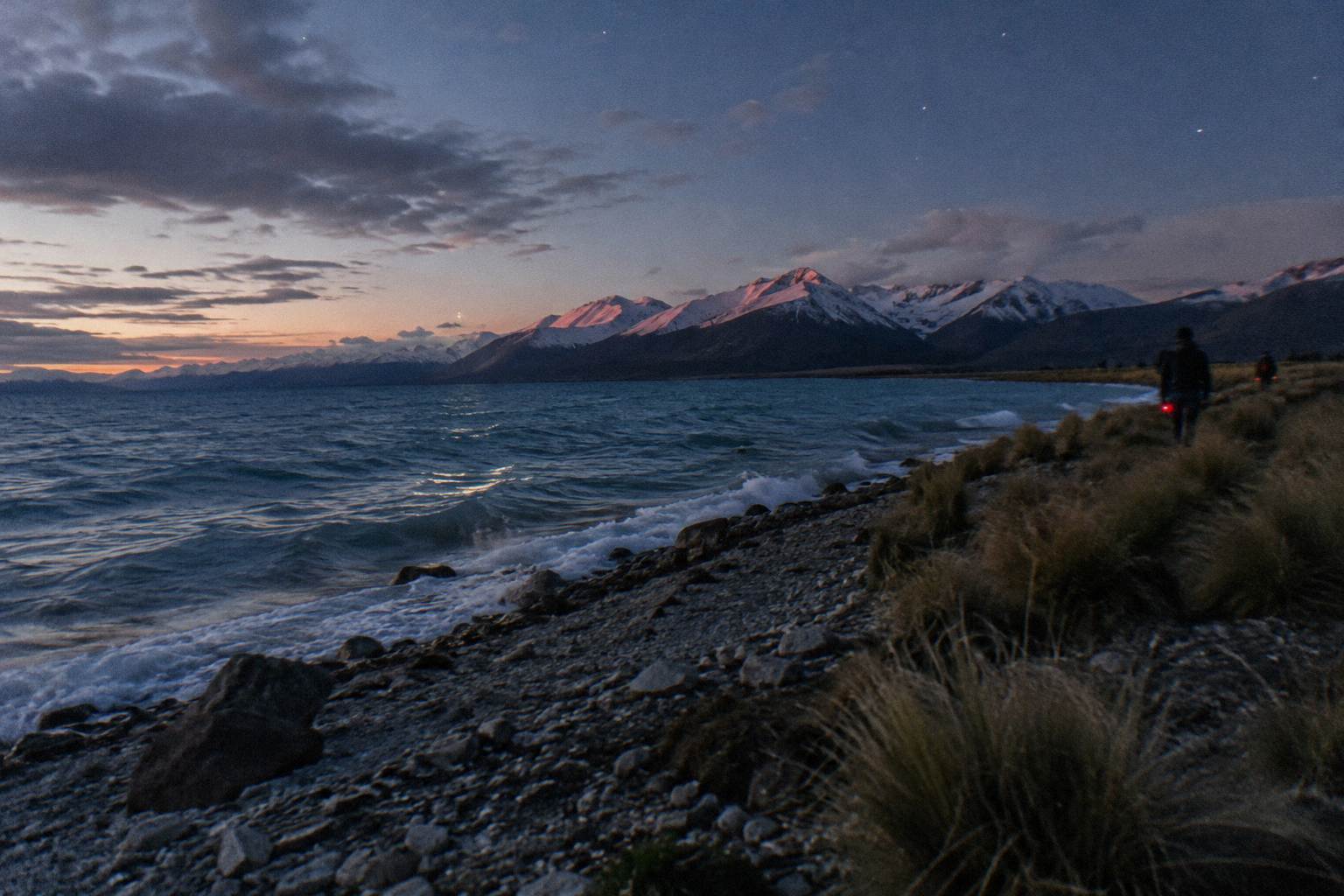
What Tekapo stargazing is not is a guaranteed light show. Dark Sky Project states plainly on its weather page that it cannot guarantee clarity or celestial objects, and that the go or no-go decision is made as close to tour time as possible. Tekapo Springs runs its tours in all weather and substitutes an indoor virtual reality experience when cloud blocks the telescopes. Any page or seller promising a specific sighting is overreaching what the operators themselves claim.
The buyer question behind this guide is simple: which kind of night tour fits you before you hand over money. The sections below explain the reserve, the observatory, the four tour types and the operators who run them, so you can match a tour to your budget, your group and your tolerance for a cold hilltop.
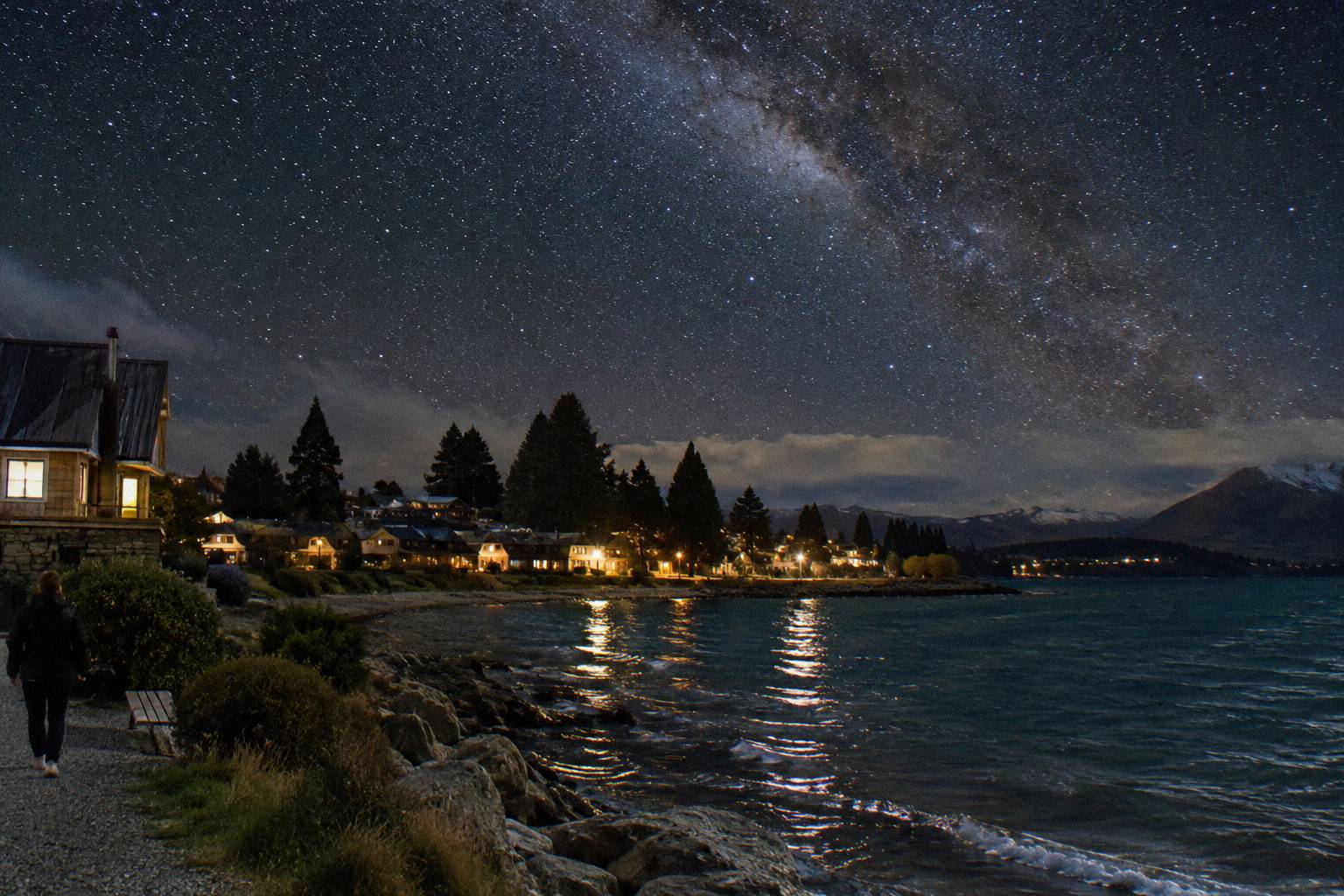
What Is The Aoraki Mackenzie International Dark Sky Reserve?
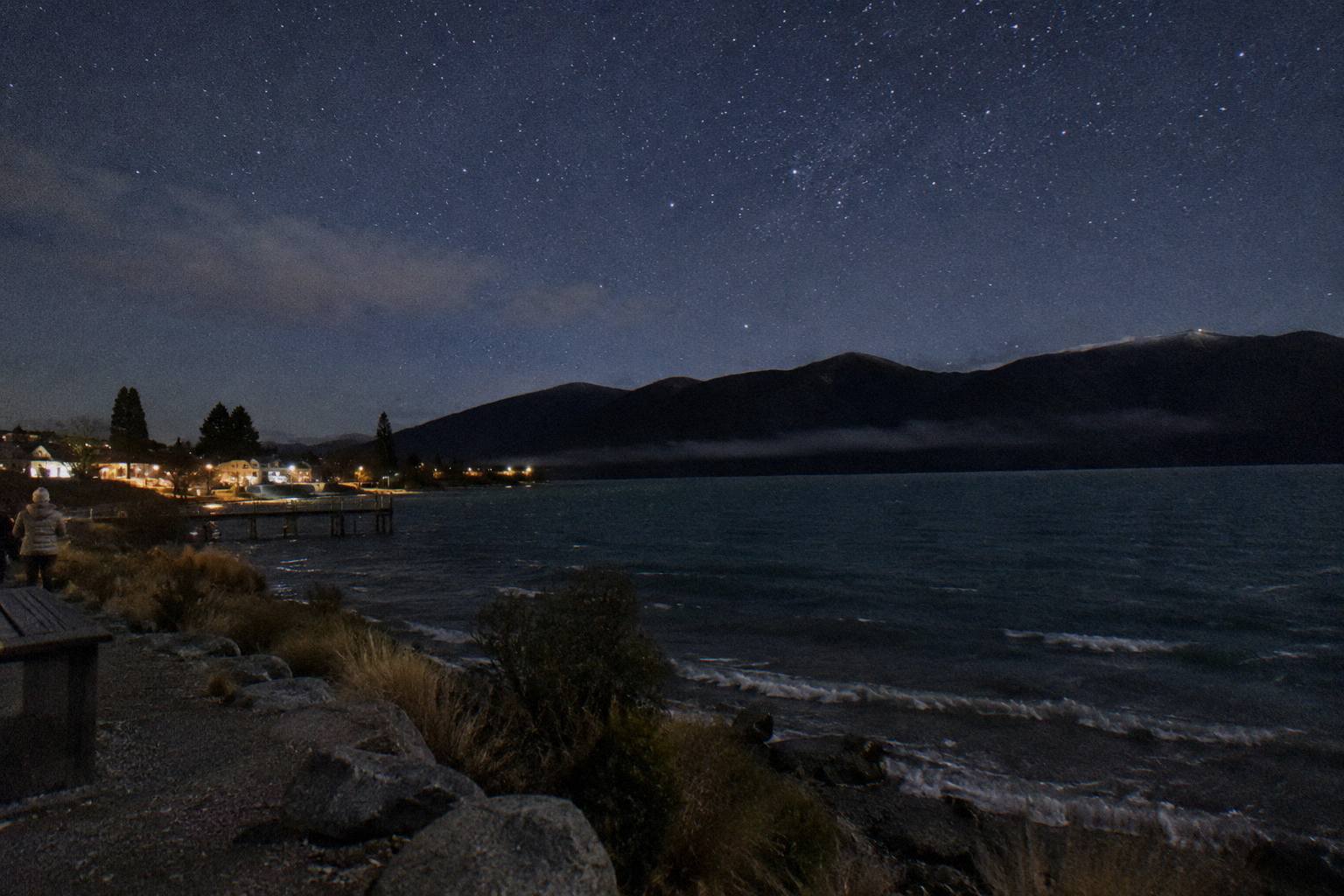
The Aoraki Mackenzie International Dark Sky Reserve is a protected area covering Aoraki/Mt Cook National Park and the Mackenzie Basin, awarded dark sky reserve status in April 2012. It is the largest dark sky reserve in the Southern Hemisphere. Protection works through the Mackenzie District's lighting rules, which restrict artificial lighting district-wide, and that regulation is why the sky above Tekapo stays dark enough for a research observatory.
The reserve's designation name matters when you are checking facts: Aoraki Mackenzie International Dark Sky Reserve. Dark Sky Project explains the reserve on its dark sky reserve page, including what the status covers and why the Mackenzie's darkness earned it. Tekapo Stargazing describes the reserve as one of 27 certified dark sky reserves worldwide and the largest in the Southern Hemisphere; this site sticks to the Southern Hemisphere claim, which both operators support.
The darkness is not accidental. Mackenzie District Council runs lighting rules in its District Plan that cover artificial lighting district-wide, including shielding of lights so they point downward and limits on how long and how often lights operate. Those restrictions were seen in search snippets from the council and reserve websites rather than full pages, so treat the detail as directional: the district has rules on outdoor lighting, and those rules are what keeps the basin dark.
For a visitor, the practical effect is that the darkness is layered. The township itself is dimmer than most towns its size. Drive five minutes out and the sky darkens further. Drive up Mt John, above the thin haze of village light, and you are at the elevation the University of Canterbury chose for professional telescopes in 1965. The reserve is the frame; the tours are ways to stand inside it with a guide and, on some tours, a telescope.
The reserve also extends well beyond Tekapo. Aoraki/Mt Cook National Park sits inside it, which is why the same protected darkness supports stargazing tours at Twizel and Mt Cook run by Stargaze Mackenzie and Silver River Stargazing. A fuller picture of those options is in the guide to Mt Cook stargazing tours.
Who Runs Tekapo Stargazing Tours?
Five operators sell guided stargazing at Tekapo itself: Dark Sky Project, Tekapo Springs, Chameleon Stargazing, Astro Tekapo and Silver River Stargazing. Dark Sky Project is the largest, founded in 2004 and now hosting over 45,000 visitors a year, and it holds the commercial access to the University of Canterbury observatory on Mt John. A further three operators run tours elsewhere in the Mackenzie Basin.
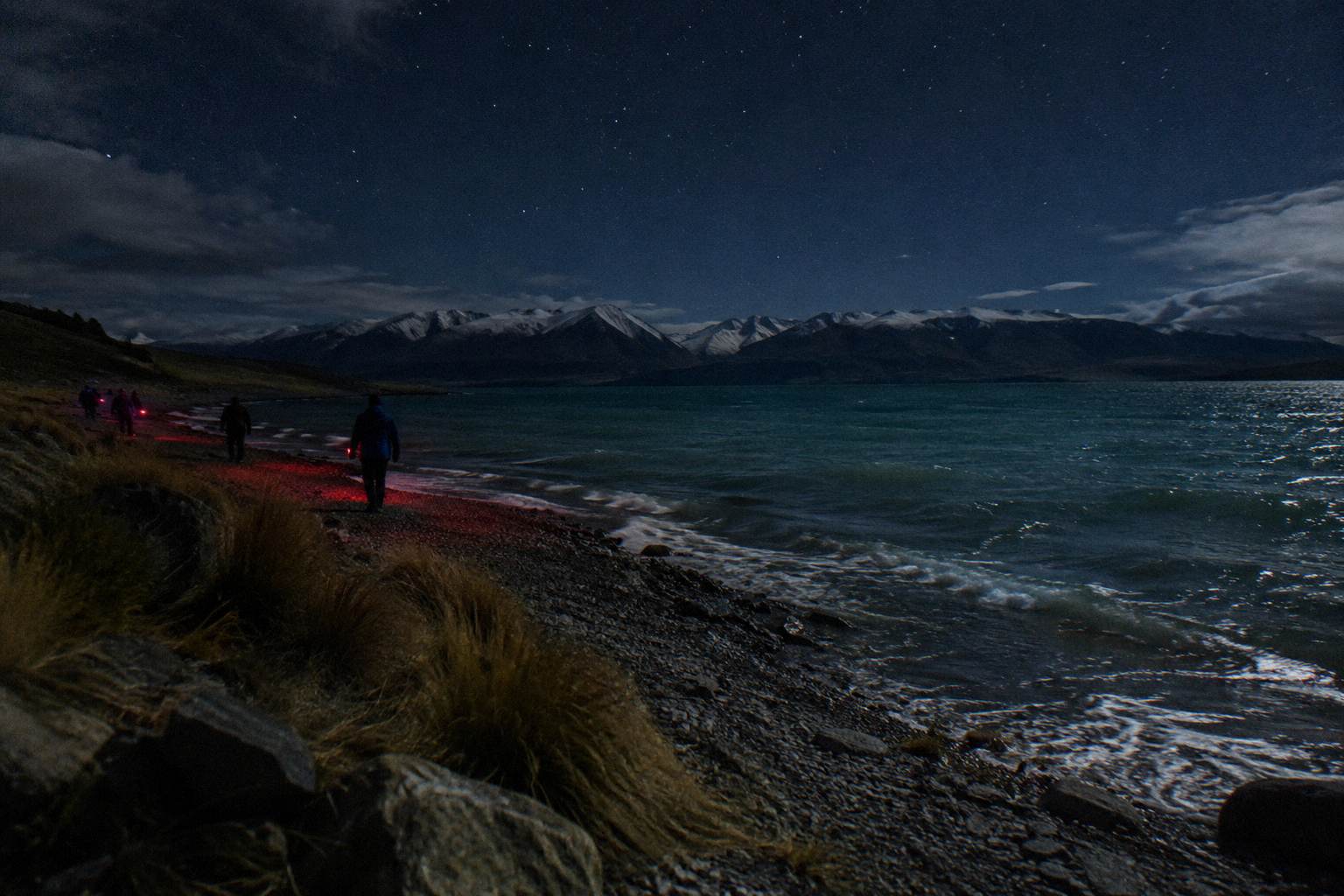
Dark Sky Project is the anchor operator. It was founded in 2004 as Earth & Sky, became a Ngāi Tahu Tourism partner in 2016, and moved into its Rehua building on the Takapō lakefront in 2019. Its base at 1 Motuariki Lane, between the Four Square and the YHA, is where all of its experiences depart from. It sells three bookable products through this site: the Summit Experience on Mt John, the Crater Experience at Cowan's Private Observatory, and the indoor Dark Sky Experience. Tātai Aroraki, Māori astronomy, is woven through all three, alongside Western astronomy.
Tekapo Springs, trading its stargazing arm as Tekapo Stargazing, runs the hot pools combination tours from 300 Lakeside Drive. Chameleon Stargazing, Astro Tekapo and Silver River Stargazing round out the Tekapo field with lakefront and small group formats. Silver River also sells a Mt Cook tour, and Stargaze Mackenzie operates in the wider basin.
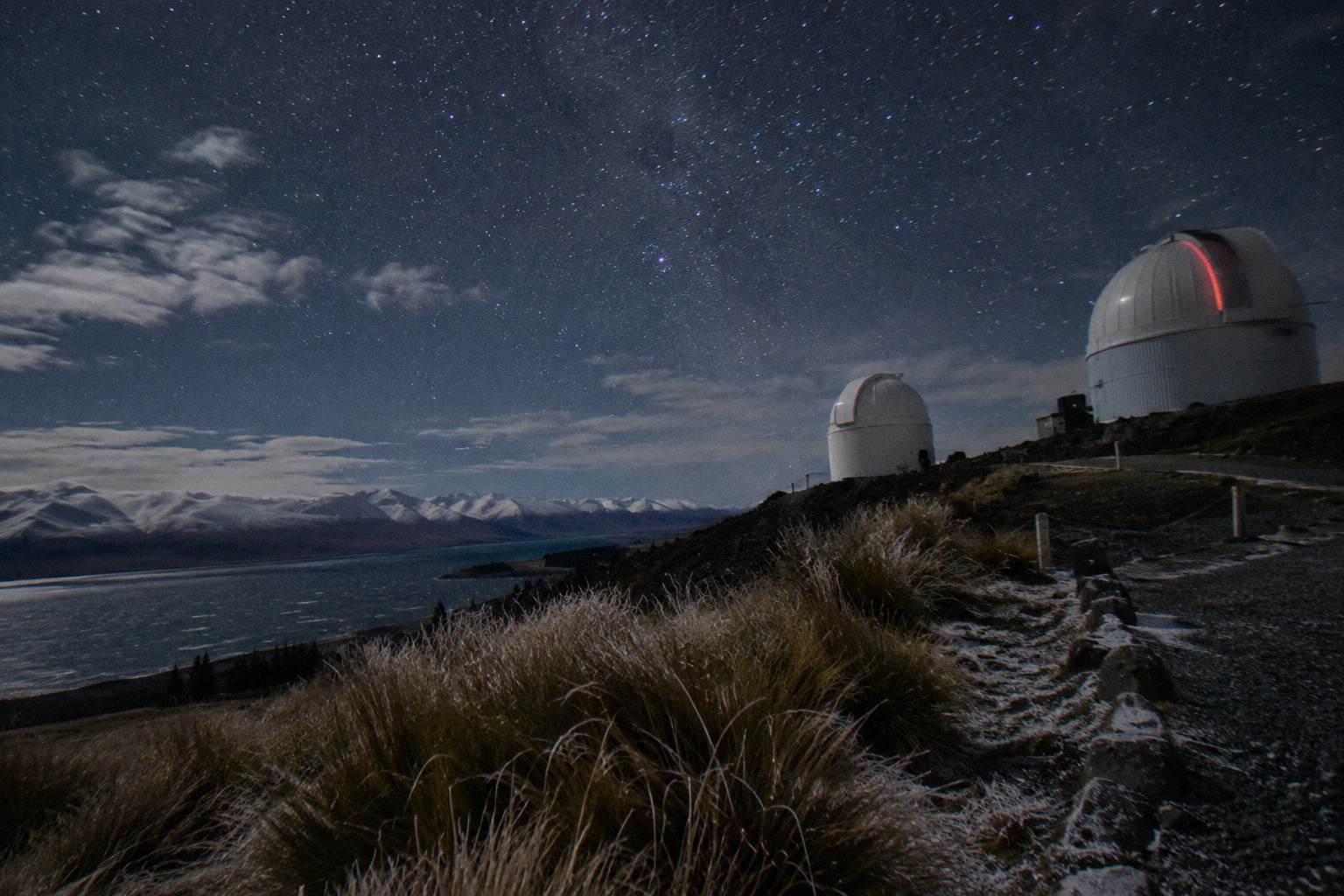
The three tours below are the most useful starting points for a first visit: the observatory trip, its lower priced sibling, and the hot pools combination.
Choosing between them comes down to setting and price. The Summit Experience is the only tour that puts you inside the University of Canterbury observatory itself, at NZD 239 with adults and children paying the same. The Crater Experience reaches Cowan's Private Observatory five minutes from the base, from NZD 139 adult. The Tekapo Springs product pairs telescope viewing with a soak in a 37.5 to 38.5 degree pool. Whichever way you lean, you can read more about the Summit Experience and check dates directly, or check availability on the operator's live listing.
What Are The Four Tour Types At Tekapo?
Tekapo's tours sort into four types: observatory trips up Mt John, observatory visits at ground level, lakeside or small group viewing, and combination experiences that add hot pools. A fifth category, indoor astronomy, exists for daytime and cloud cover. The types differ in elevation, telescope size, minimum age and price, more than in what the sky itself offers on a given night.
The flagship type is the summit trip. Dark Sky Project's Mt John Summit Stargazing Experience runs for 1 hour 45 minutes, including a 15 minute bus ride each way from the lakefront base, and uses telescopes up to 16 inch inside a private observatory dome at the University of Canterbury Mt John Observatory. It is rated 4.6 across 352 reviews. The operator's price is NZD 239 for adults and children alike, the minimum age is 10, and the tour includes transport, guiding and loan of an Extreme Cold Weather jacket. Moderate fitness is needed for a 100 m gravel incline walk and a few steps in the dark. Further detail is in the Summit Experience guide.
The second type stays closer to town. The Crater Stargazing At Cowan's Observatory tour runs 75 minutes including transport to Cowan's Private Observatory, five minutes' drive from the base, where purpose-built observation craters shelter viewers from wind and light. It uses 14 inch telescopes or a dome, takes children from age 5, and is rated 4.6 across 93 reviews. Wheelchair users can join but must drive their own vehicle to Cowan's.
| Tour | Operator | Duration | Min age | Operator price |
|---|---|---|---|---|
| Mt John Summit Stargazing Experience | Dark Sky Project | 1 hour 45 minutes | 10 | NZD 239 adult and child |
| Crater Stargazing At Cowan's Observatory | Dark Sky Project | 75 minutes | 5 | NZD 139 adult, NZD 99 child |
| Hot Pools And Stargazing (Soak in the Stars) | Tekapo Springs | 90 minutes | 10 | NZD 179 adult, NZD 115 child |
| Chameleon Shared Stargazing Experience | Chameleon Stargazing | About 1.5 hours | Not stated | Price on the booking page |
| Astro Tekapo Lakefront Stargazing | Astro Tekapo | 1.5 hours | 6 | Price on the booking page |
| Silver River Alpine Stargazing Experience | Silver River Stargazing | 75 minutes | Not stated | Price on the booking page |
| Silver River Ultimate Stargazing Experience | Silver River Stargazing | 2 hours | Not stated | Price on the booking page |
| Dark Sky Experience (indoor) | Dark Sky Project | 45 minutes | No minimum | NZD 59 adult, NZD 39 child |
The third type is lakeside and small group viewing. Chameleon Stargazing runs a shared experience of about 1.5 hours. Astro Tekapo runs a 1.5 hour lakefront tour from Takapō Regional Park with a minimum age of 6. Silver River Stargazing runs a 75 minute Alpine experience and a 2 hour Ultimate experience. None of these publishes an operator price; check the booking page for each.
The fourth type is the combination. Tekapo Springs' Soak in the Stars pairs guided telescope viewing with an exclusive hot pool at 37.5 to 38.5 degrees, with a guide poolside and towels, robes, hot drinks and warm poncho coats included. It runs 90 minutes, seven evenings a week from October to April and Thursday to Monday from May to September, and some departures begin after midnight. The Tekapo Springs hot pools guide covers it in full.
How Much Does Tekapo Stargazing Cost?
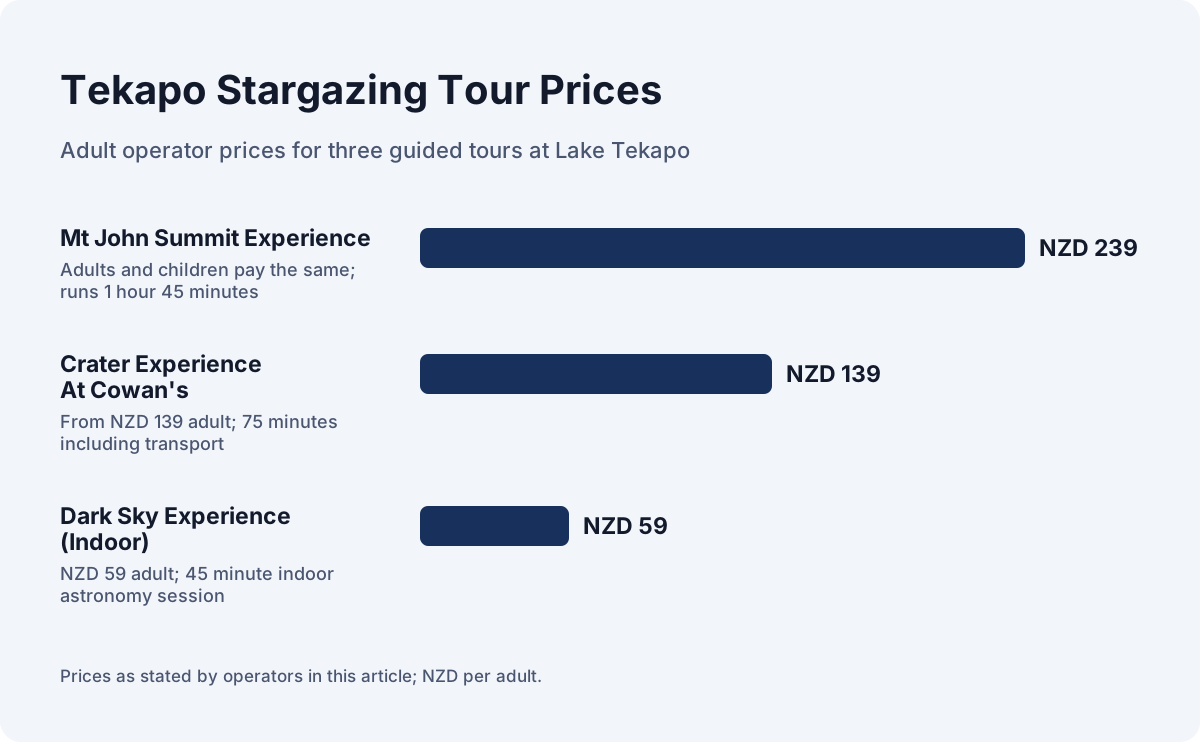
Only four tours publish operator prices: the Summit Experience at NZD 239 for every participant aged 10 plus, the Crater Experience from NZD 139 adult, the indoor Dark Sky Experience from NZD 59 adult, and Tekapo Springs' Soak in the Stars from NZD 179 adult. Every other Tekapo tour prices on the booking page. Family passes exist at three of the four, and all figures are the operators' current direct prices.
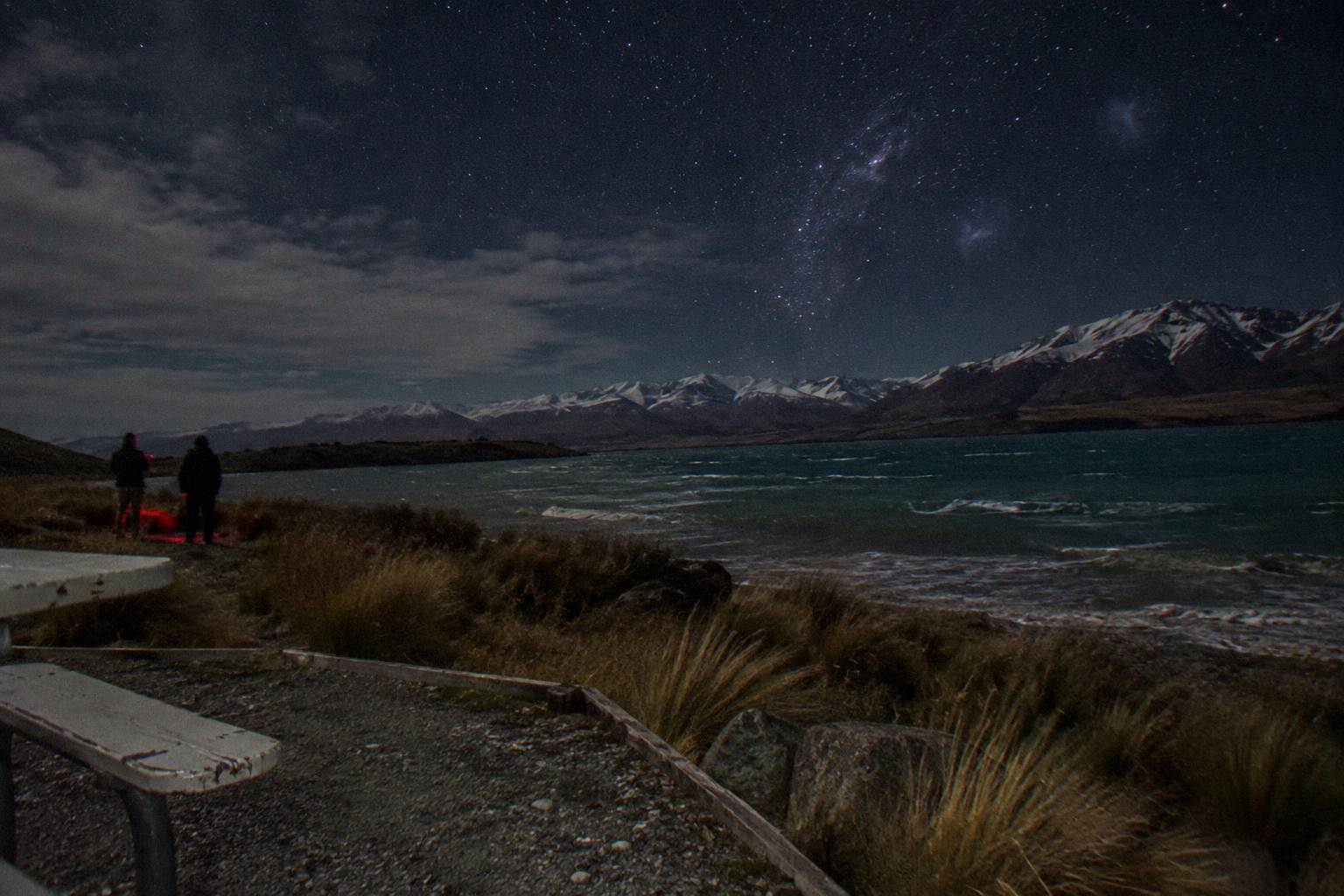
At the Summit Experience, adult and child tickets both cost NZD 239, and the minimum age is 10, so every member of a family pays the same per head at the operator's price. There is no child discount on this tour. The Crater Experience charges NZD 139 adult, NZD 99 for children aged 5 to 17, with a family pass covering two adults and two children at NZD 377 and extra children at NZD 99. The indoor Dark Sky Experience is NZD 59 adult and NZD 39 child, with a family pass at NZD 157, extra children at NZD 39, and under 5s free with an adult ticket. The full index of guides sits on Mt John Stargazing.
Tekapo Springs' Soak in the Stars is NZD 179 adult, NZD 159 senior or student, NZD 115 child and NZD 499 for a family. Its shorter Scope at the Stars tour is NZD 129 adult, NZD 84 child and NZD 359 family, though its senior and student price appears differently on two of the operator's own pages, so confirm that tier when booking.
The price you see on a booking platform may differ from these operator-direct figures, because platform pricing and cancellation terms follow the platform. The numbers above are what the operators themselves charge, and Dark Sky Project's and Tekapo Springs' schedules are stated as valid to 30 September 2027. Prices can change after that. For budget planning as a couple, the per head spread runs from NZD 59 each for the indoor session to NZD 239 each for the summit seats, and a family pass exists on every tour except the summit; for the tours without published prices, ask the operator or check the booking page. A broader costing discussion is in the post on how much Tekapo stargazing costs.
The cheapest bookable way to add guided astronomy is the indoor option, which brings its own logic: it is the one tour weather cannot change. The details follow in the weather section, and the tour card sits below.
What Happens If The Weather Turns?
Every Tekapo stargazing tour has a published weather plan, and none of them guarantees the sky. Dark Sky Project decides close to tour time and offers an indoor alternative, a reschedule, a voucher or a full refund. Tekapo Springs runs in all weather, swapping in a virtual reality indoor experience under cloud, and refunds 25 percent per ticket if telescope viewing falls under 30 minutes.
Dark Sky Project's terms are the most detailed. The operator states it cannot guarantee clarity or objects, and that the decision on whether outdoor stargazing goes ahead is made as close to tour time as possible, which is why it asks you to check in 15 minutes early for an update. If outdoor stargazing is not possible, you are offered an indoor alternative or the Virtual Stargazing Experience, or a reschedule subject to availability, a gift voucher valid three years, or a full refund. The full wording is on the operator's weather page.
Tekapo Springs takes the opposite approach to the night itself: tours run in all weather. Under cloud, a VR indoor experience with 360 degree imagery of the Church of the Good Shepherd and the Mt John summit replaces telescope viewing; it is not a standalone product. The operator's FAQ adds a concrete compensation rule: if telescope viewing is under 30 minutes, each ticket receives a 25 percent refund at the end of the tour.
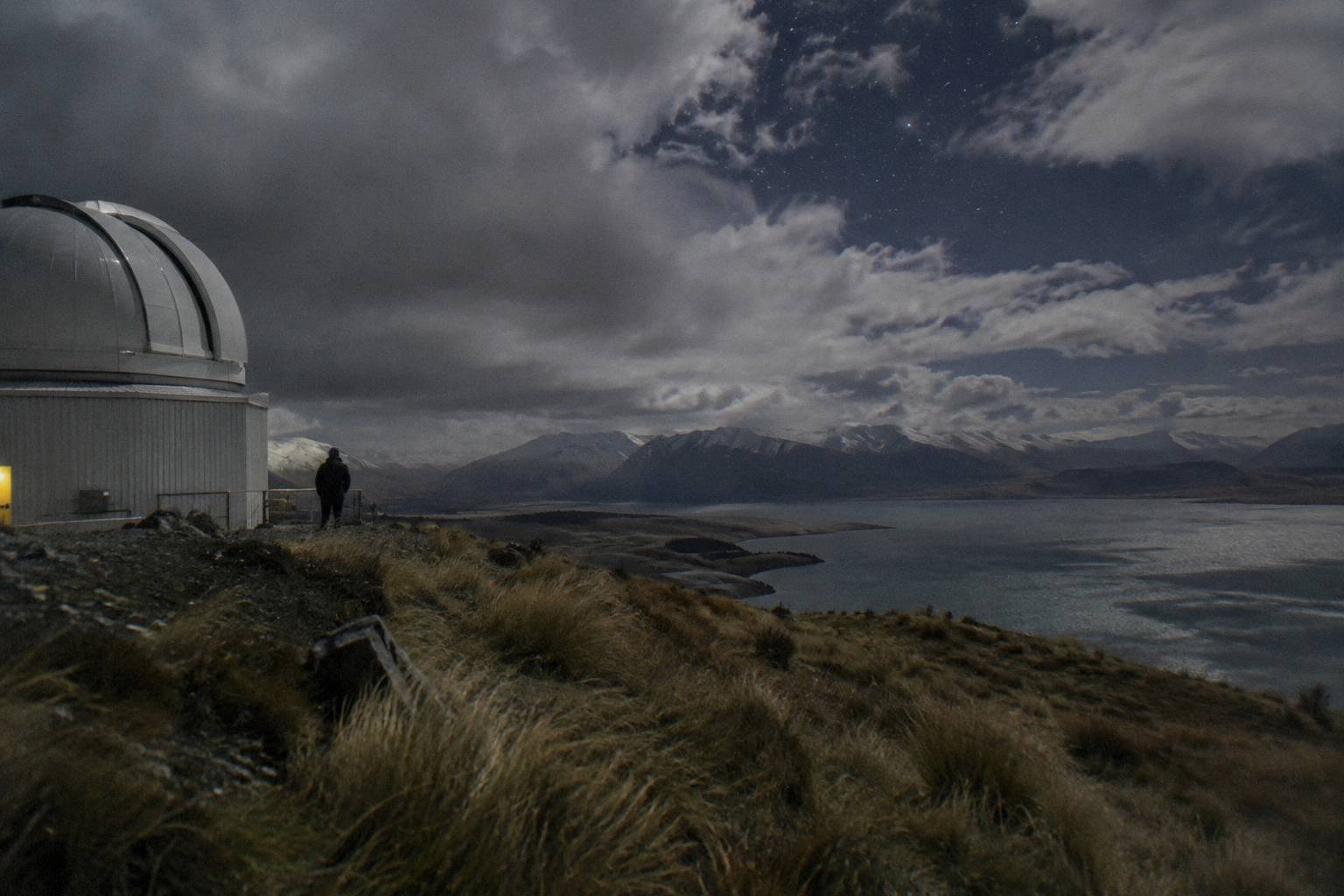
The moon is part of this too, and it divides the operators less than you might expect. Dark Sky Project says brighter moonlight affects fainter stars and galaxies, and also that the moon is a good target in its own right. Tekapo Springs says telescopes still show bright objects under moonlight and only naked eye Milky Way viewing is reduced. Neither operator treats a bright moon as a cancellation.
Cancellation on your side follows a similar pattern across the two big operators. Dark Sky Project gives a full refund on direct bookings cancelled up to 24 hours before; inside 24 hours the full price is charged, and late check-ins receive no refund. Tekapo Springs allows cancellation or change up to 24 hours before for a full refund, date change or voucher. The smaller operators each state a 24 hour free cancellation window on their booking pages. The booking pages' own terms govern bookings made through them.
Which Tekapo Tour Fits Which Traveller?
Families with children under 10 should shortlist the Crater Experience, which takes ages 5 and up, or the indoor Dark Sky Experience, which has no minimum age. Budget travellers have one published option under NZD 100, the indoor tour at NZD 59. Anyone wanting the research observatory itself has exactly one choice, the Summit Experience. Visitors who cannot face a cold hilltop should look at the hot pools tour.
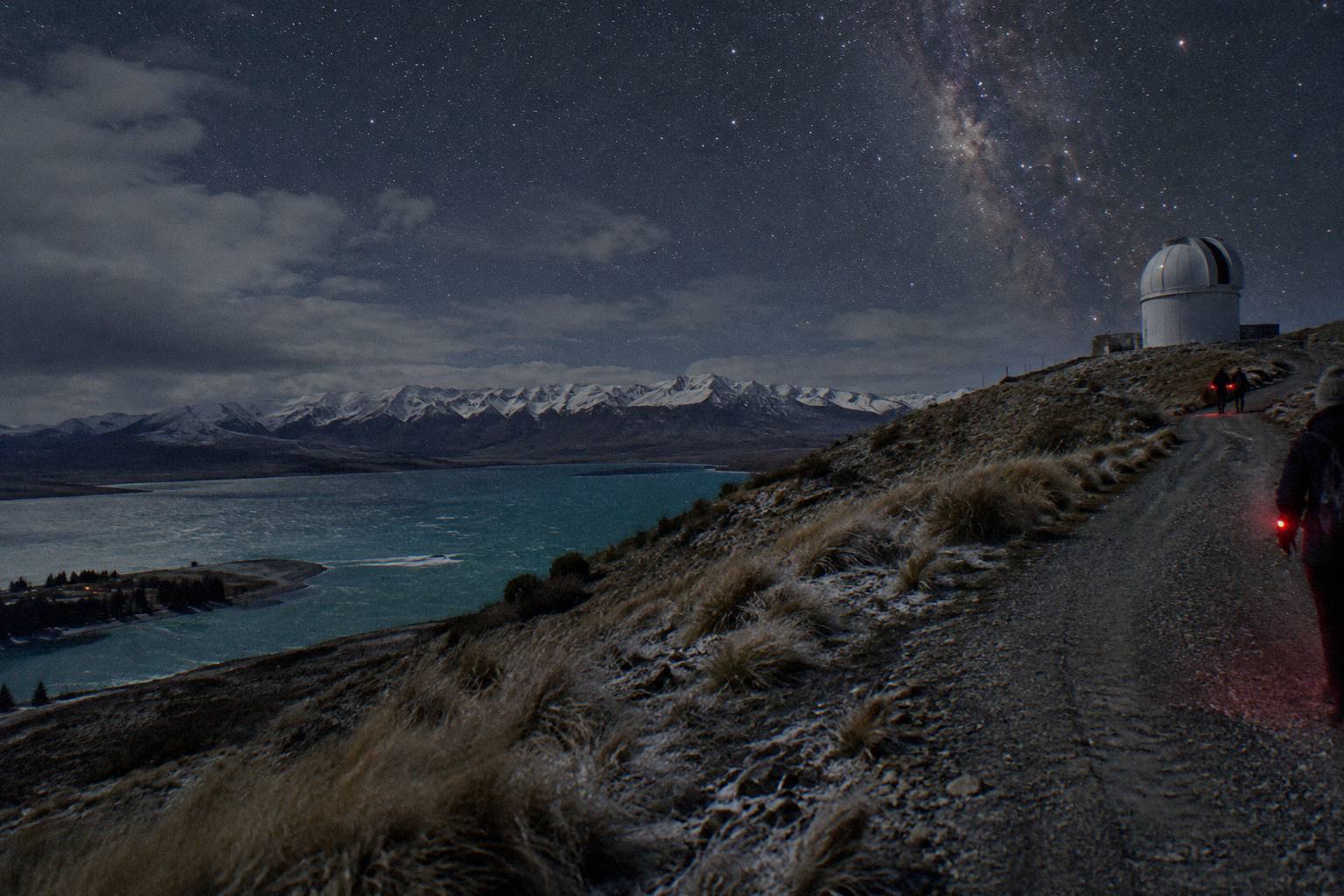
Working through the common traveller types makes the field clearer. A couple on a first visit with clear weather in mind usually weighs the Summit Experience against the Crater Experience: same operator, same 4.6 rating territory, but NZD 100 per head apart in operator pricing and a different setting, a 1,029 m summit versus sheltered craters five minutes from town. The summit buys the observatory dome, the bigger telescopes up to 16 inch and the ECW jacket loan; the crater buys a shorter, cheaper, younger-child-friendly night.
| Traveller | Best fit | Why |
|---|---|---|
| Family with a 6 year old | Crater Experience | Minimum age 5, family pass NZD 377 |
| Family with a baby | Indoor Dark Sky Experience | No minimum age, under 5s free with an adult |
| Visitor who gets cold easily | Soak in the Stars | Hot pool at 37.5 to 38.5 degrees, robes and hot drinks |
| Astronomy enthusiast | Summit Experience | Observatories up to 16 inch at the research site |
| Daytime or cloud-covered visit | Indoor Dark Sky Experience | Indoors, weather cannot change it |
| Traveller avoiding crowds | Silver River Ultimate or Chameleon | Small group formats, longer or shared sessions |
| Visitor staying in the wider basin | Twizel or Mt Cook tours | Same reserve, closer to where you are sleeping |
Travellers who want a smaller group have several options. Silver River's Ultimate Stargazing Experience runs two full hours, the longest bookable Tekapo tour. Chameleon's shared experience and Astro Tekapo's lakefront tour both run about 1.5 hours from the lakefront, with Astro Tekapo meeting at Takapō Regional Park. None publishes a group size, so ask the operator directly if cap size matters to you. The lakefront option below is a good starting point for that style of night.
Accessibility also narrows the field. The Summit Experience requires a 100 m walk up a gravel incline plus a few steps in the dark, which the operator describes as moderate fitness. The Crater Experience can take wheelchair users, who must drive their own vehicle to Cowan's rather than take the tour transport. The indoor Dark Sky Experience is at the lakefront base. Tekapo Springs allows no child under 6 on any of its tours, babies carried included.
What Trips People Up When Booking Tekapo Stargazing?
The common mistakes are assuming a start time exists before you book, expecting a child discount on the summit tour, turning up late, and booking the indoor Dark Sky Experience expecting stargazing. Summit times vary with sunset and are not published; adults and children both pay NZD 239 on the summit; late check-in carries no refund; and the indoor tour is a daytime cultural astronomy session with no viewing at all.
Start times are the biggest trap. Dark Sky Project runs the Summit Experience at "various times throughout the year, depending on time of sunset", seven days a week, and does not publish exact times. The Crater Experience runs "various tour times in the evening after twilight, 7 days a week". Neither tour has a clock time you can plan a dinner around until you book. Tekapo Springs' times are seasonal and set by calendar, and some Soak in the Stars tours begin after midnight, with a 12:15am departure given as an example. If you are planning around sleep, dinner or a young family, ask the operator for your date's time before booking anything non-refundable around it.
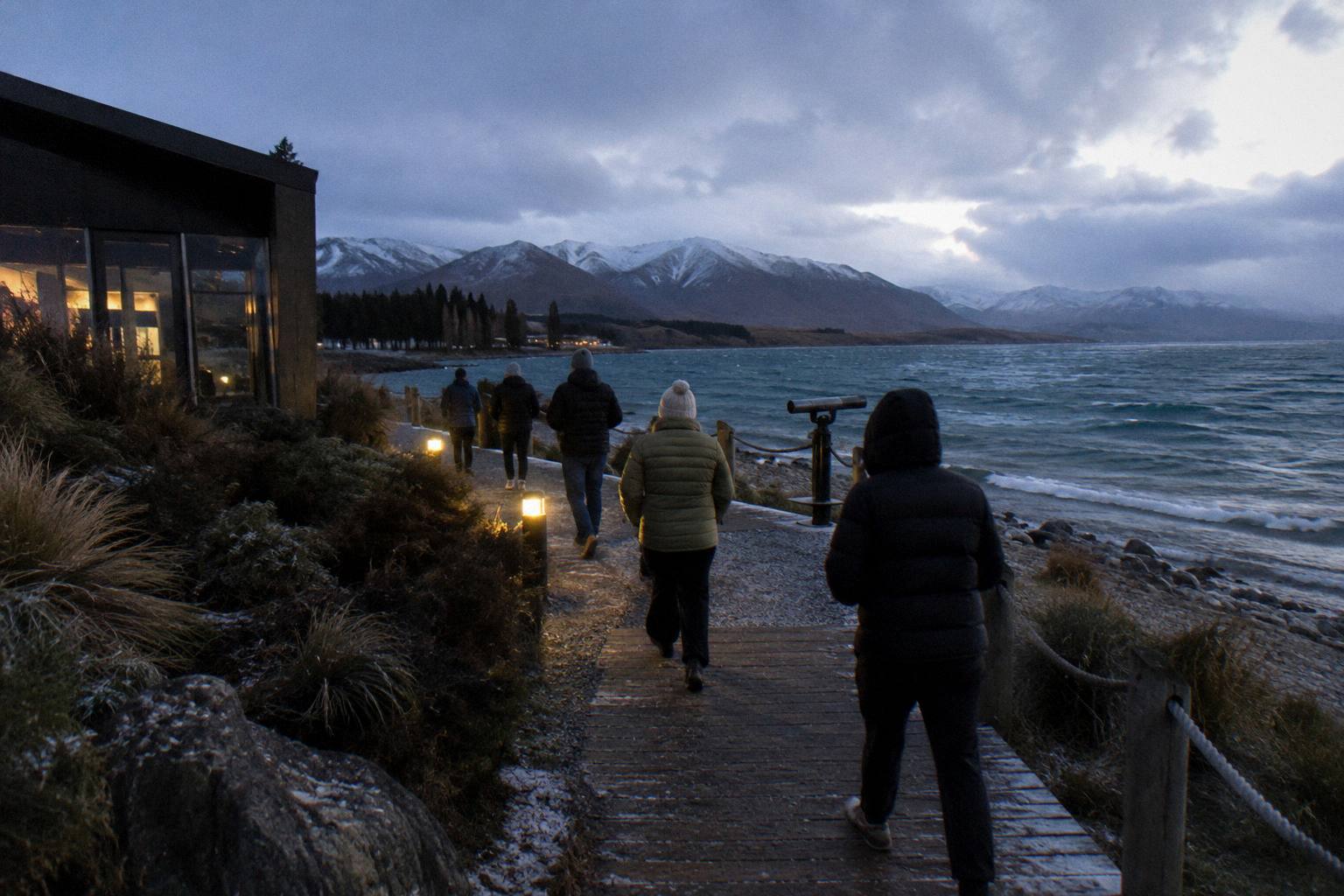
The second mistake is assuming the two Dark Sky Project outdoor tours are interchangeable for children. The summit's minimum age is 10 and its child ticket costs the same NZD 239 as an adult's. A family with two children aged 6 and 8 who book the summit will be rebooked or refunded; the tour designed for them is the crater, from age 5 at NZD 99 per child. The stargazing with kids guide works through the whole age ladder.
The third is check-in discipline. Dark Sky Project asks for check-in 15 minutes before departure, and its terms state that late check-in receives no refund. The bus to the summit leaves from the lakefront base, not from the mountain. Tekapo Springs likewise asks for check-in at reception 15 minutes before.
The fourth is misreading the indoor tour. The Dark Sky Experience is a 45 minute indoor guided astronomy session at the base, across four zones, featuring the restored 125 year old Brashear telescope and Māori astronomy. It offers no stargazing. It is excellent cover for a clouded evening or a daytime visit, but booking it as a substitute for a night under the reserve's sky misses what it is. English sessions run at 10:30am, 12:30pm and 2:30pm, with an extra 4:30pm session on Tuesday and Wednesday, subject to availability.
A final, quieter trap: expecting to drive yourself up Mt John at night. The summit access road is open 9am to 4pm daily, closes in some weather, charges a road user fee of NZD 14 per vehicle at the gate and bars vehicles over 12 seats. After dark, the road effectively belongs to the tours and the observatory, which is why every summit experience is a guided one. For a longer version of that story, see the longer small group and private comparison in the small group versus private stargazing guide.
Common Questions About Tekapo Stargazing
What Is Tekapo Stargazing?
Tekapo stargazing is night viewing of the sky above Lake Tekapo, inside the Aoraki Mackenzie International Dark Sky Reserve, awarded reserve status in April 2012. It ranges from free lakeshore viewing to guided tours of the University of Canterbury Mt John Observatory at 1,029 m. Six operators sell ten tours across Tekapo and the wider Mackenzie Basin.
Is Mt John Observatory Open To The Public At Night?
Only through a guided tour. The summit access road is open 9am to 4pm daily with a NZD 14 per vehicle road user fee, closes in some weather, and bars vehicles over 12 seats. Dark Sky Project's Summit Experience is the tour that visits the observatory at night, running 1 hour 45 minutes from NZD 239 with a minimum age of 10.
Which Tekapo Stargazing Tour Is Cheapest?
Of the tours with published operator prices, the indoor Dark Sky Experience is cheapest at NZD 59 adult and NZD 39 child, with under 5s free. The cheapest outdoor option is the Crater Experience at NZD 139 adult and NZD 99 child. The Chameleon, Astro Tekapo, Silver River, Twizel and Mt Cook tours price on their booking pages.
Can Children Go Tekapo Stargazing?
Yes, with age limits that differ by tour. The Crater Experience takes children from age 5, Astro Tekapo and the Twizel tour from age 6, and the Summit Experience and Soak in the Stars from age 10. The indoor Dark Sky Experience has no minimum age, with content the operator says suits about 7 and up, and under 5s enter free with an adult ticket.
What If It Is Cloudy On The Night?
Dark Sky Project cannot guarantee clarity and decides close to tour time; if outdoor stargazing is not possible it offers an indoor alternative, a reschedule, a voucher valid three years or a full refund. Tekapo Springs tours run in all weather, substituting a VR indoor experience, and refund 25 percent per ticket if telescope viewing is under 30 minutes. Contact details: Dark Sky Project on +64 3 680 6960, Tekapo Springs on +64 3 680 6550.
Do You Need A Tour To Stargaze At Tekapo?
No. The reserve's darkness is free to view from public lakeshore spots, and the free stargazing around Lake Tekapo guide covers where. A tour adds telescopes, guiding in both Māori and Western astronomy on the Dark Sky Project products, transport to the observatory sites and warm kit. Whether that is worth the ticket is a personal call; the tours exist because the summit road closes to the public after dark.