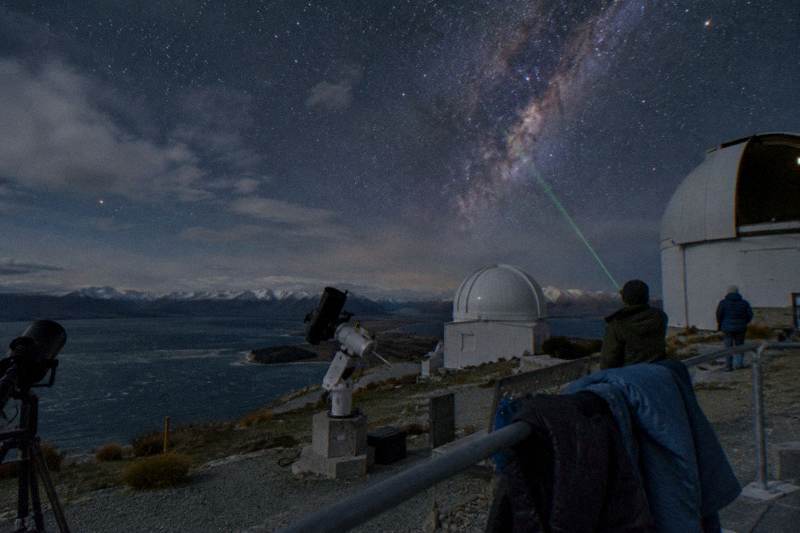
Dark Sky Project Summit Experience: The Night Tour Broken Down
The Summit Experience is Dark Sky Project's flagship night at the University of Canterbury Mt John Observatory: a 1 hour 45 minute guided stargazing tour by bus, telescope and naked eye, at the operator's price of NZD 239 for adults and children alike. Here is how the night works, clause by clause.
Short answer
The Summit Experience runs 1 hour 45 minutes from the Dark Sky Project base in Takapō (Tekapo), including a 15-minute bus to the Mount John summit and back. The operator's price is NZD 239 per person, adult and child the same, minimum age 10. It is rated 4.6 across 352 reviews. Exact start times are not published; they follow sunset.
In short: The Summit Experience is Dark Sky Project's flagship stargazing night, run at the University of Canterbury Mt John Observatory on the summit of Mount John above Lake Tekapo. It lasts 1 hour 45 minutes, including a 15-minute bus ride each way, costs NZD 239 per person at the operator's price with adult and child tickets the same, and takes children from age 10. Start times shift with sunset through the year and are not published in advance. If cloud closes the mountain, the operator offers an indoor alternative, a reschedule or a refund, decided as close to tour time as possible.
For the wider picture of all three Dark Sky Project nights, see the guide to Dark Sky Project's stargazing tours.
| Quick fact | Detail |
|---|---|
| Operator | Dark Sky Project, 1 Motuariki Lane, Takapō (Tekapo) |
| Location | University of Canterbury Mt John Observatory, Mount John summit |
| Duration | 1 hour 45 minutes, door to door |
| Price (operator) | NZD 239 adult, NZD 239 child, same price |
| Minimum age | 10 |
| Start times | Various times through the year, depending on sunset; not published |
| Rating | 4.6 across 352 reviews |
| Cancellation | Direct bookings: full refund up to 24 hours before |
| Included | Transport, guiding, ECW jacket loan, telescope viewing |
What Is The Summit Experience?
The Summit Experience is a guided night tour to the top of Mount John, run by Dark Sky Project inside the University of Canterbury Mt John Observatory, New Zealand's largest professional research observatory as the University describes it. The night lasts 1 hour 45 minutes in total, begins at the operator's lakefront base in Takapō (Tekapo), and combines telescope viewing up to 16 inch with naked-eye guiding under handheld lasers. It is the operator's most complete stargazing product.
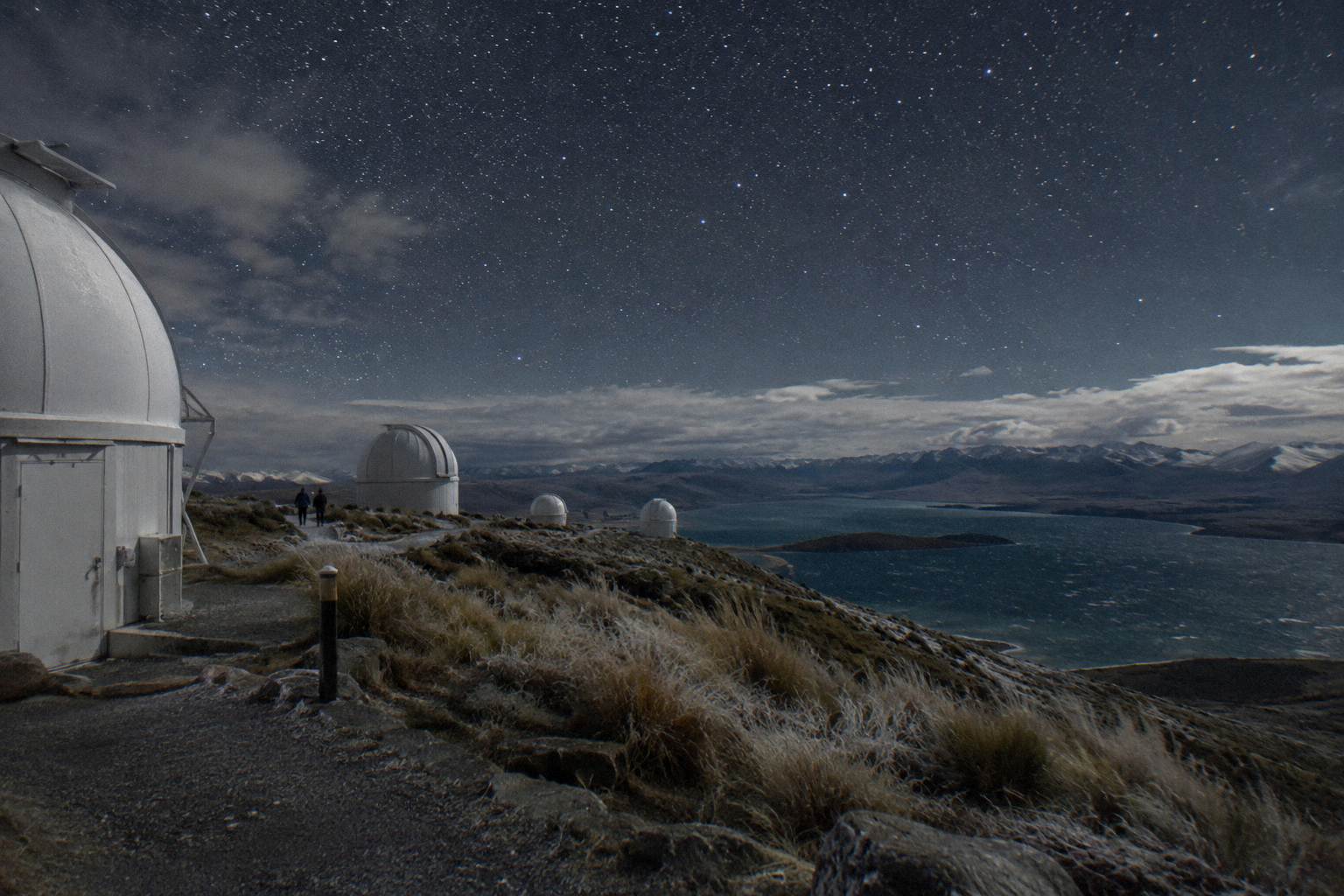
The mountain itself matters as much as the tour. Mount John sits at 1,029 m above Lake Tekapo, inside the Aoraki Mackenzie International Dark Sky Reserve, which was awarded reserve status in April 2012 and comprises Aoraki/Mt Cook National Park and the Mackenzie Basin. The reserve is the largest dark sky reserve in the Southern Hemisphere. The observatory on the summit is a working research facility with four telescopes, including the 1.8 m MOA telescope operated in partnership with Osaka University, and it officially opened in 1965.
Dark Sky Project, founded in 2004 as Earth & Sky and a Ngāi Tahu Tourism partner since 2016, holds the concession to run public nights there. The company says it hosts over 45,000 visitors a year across its experiences, and every one of those experiences departs from the same base at 1 Motuariki Lane, on the lakefront between the Four Square and the YHA, in the building with the large observatory dome. That is where a Summit night starts, whatever the sky is doing.
What separates the Summit Experience from the operator's other nights is scale and setting. The Summit Experience page describes telescopes up to 16 inch inside a private observatory dome, guiding that weaves together Māori astronomy, Tātai Aroraki, and Western astronomy, and the loan of an Extreme Cold Weather jacket, which the operator provides on the Summit night only. The bus ride to the top is part of the product: 15 minutes each way, with check-in at the base 15 minutes before departure.
How The Night Actually Runs
Your night runs like this: check in at the Dark Sky Project base 15 minutes before the tour, ride the bus 15 minutes up to the Mount John summit, then spend the middle of the night moving between a private observatory dome and open sky before the bus brings you back down. The whole outing lasts 1 hour 45 minutes with transport included, and check-in is when you get the weather go or no-go.
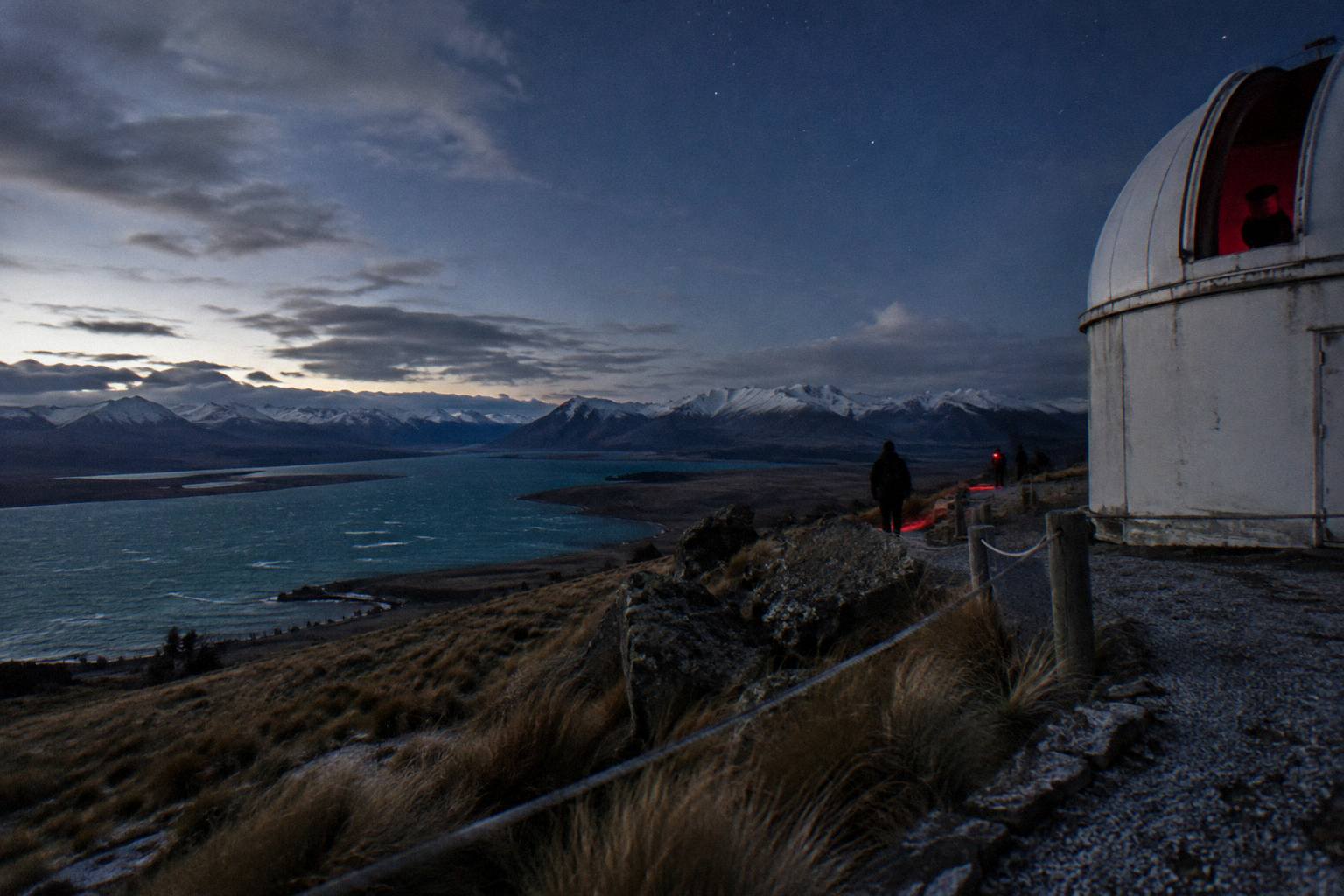
The sequence is fixed and worth knowing before you book. You arrive at the base on Motuariki Lane, check in, and get fitted with an Extreme Cold Weather jacket if you want one; the loan is included in the ticket and it exists because the summit at 1,029 m gets genuinely cold at night, at any time of year. The bus then climbs the mountain road to the observatory. That road is closed to general public vehicles outside daylight hours, which is why the tour travels together and why a self-drive visit at night is not an option.
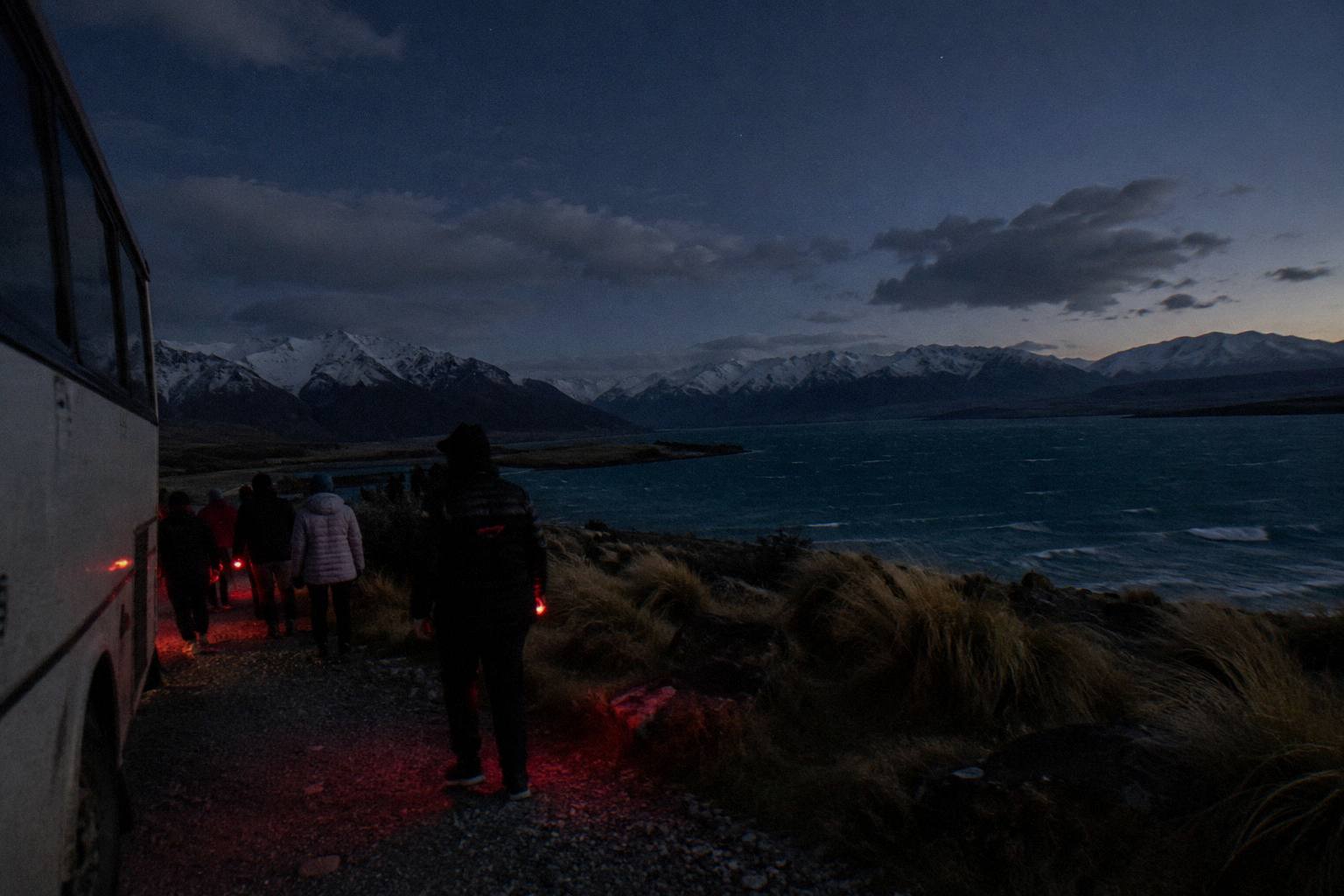
Once on the summit, the format moves between telescope time and naked-eye time. Inside the private dome, telescopes up to 16 inch are the operator's stated equipment; outside, guides use handheld lasers to point out features of the sky and tell the stories attached to them. The guiding content, as Dark Sky Project presents it, braids Tātai Aroraki, Māori astronomy, with Western astronomy. Takapō itself is the name recorded by Ngāi Tahu ancestors, and the operator uses it to support revitalising Māori place names.
The night ends with the bus back down to the base. In total you are out for 1 hour 45 minutes from the base, which is short enough to slot into an evening but long enough that warm clothing under the jacket still matters. The operator's own guidance on the walk and fitness is covered below, because it is the one physical requirement that catches people out.
Start times deserve a plain statement: they are not published. The operator says tours run at various times throughout the year, depending on time of sunset, seven days a week. In midwinter that can mean an early evening departure; in summer it can mean a departure close to or after midnight. When you book, the calendar you are shown carries the actual times for your date, and that is the only reliable source for them.
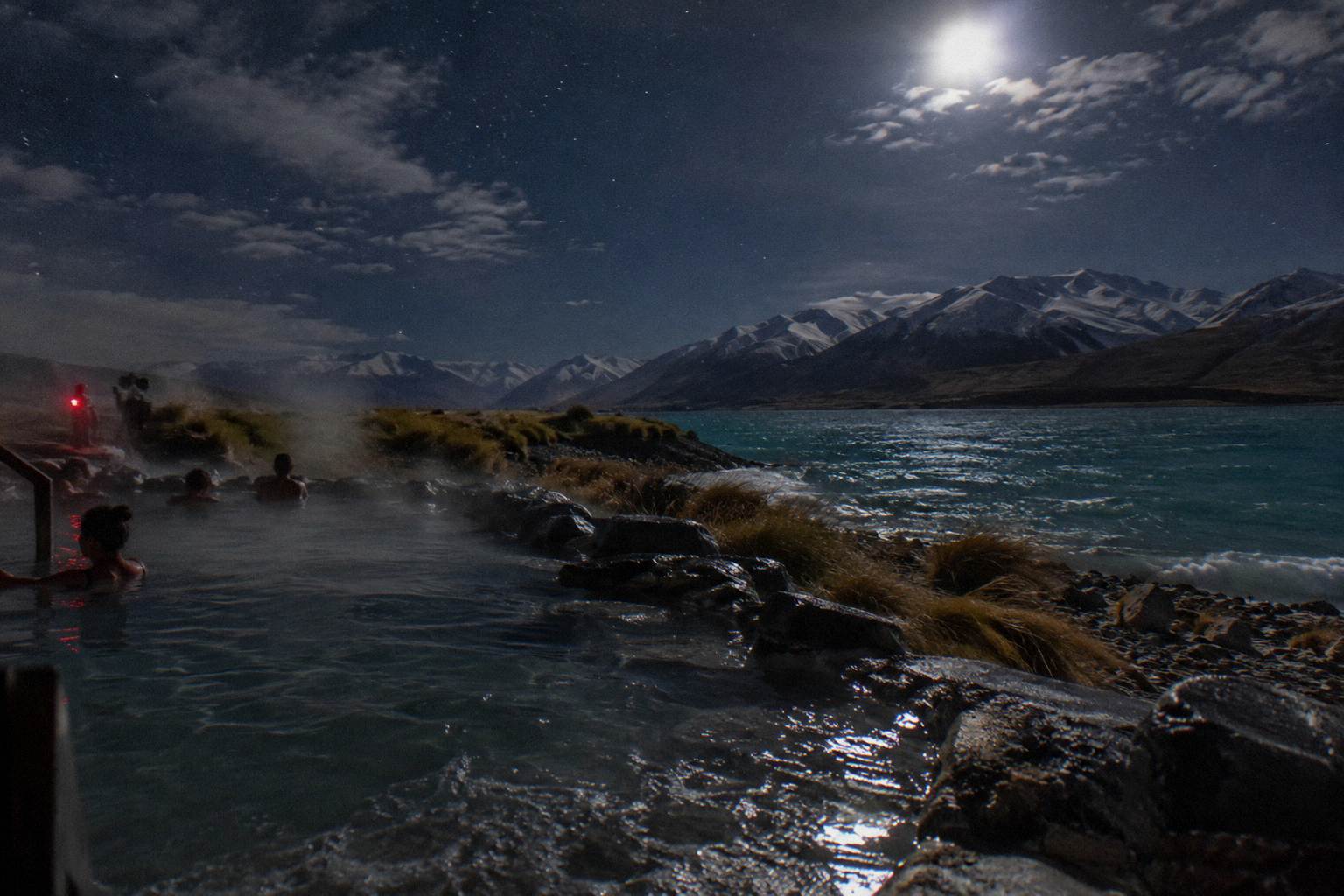
If you are weighing this night against staying warm in a hot pool while a guide works a telescope beside you, the comparison of Mount John versus the Tekapo Springs night works through that trade in detail.
What The Summit Experience Costs
The operator's price is NZD 239 per person, and adult and child tickets cost the same, so there is no child discount to plan around. The minimum age is 10. That single flat fare covers transport, guiding, the ECW jacket loan and the telescope session. Direct bookings can be cancelled up to 24 hours before for a full refund; inside 24 hours the full price applies.
The flat pricing is unusual and worth pausing on. Most family activities in New Zealand discount children; the Summit Experience does not, because a 10 year old on the mountain takes a seat on the bus, a jacket and a place at the eyepiece the same as an adult. For a family of four, the arithmetic is simply four times NZD 239 at the operator's price. The operator's schedule runs to 30 September 2027, and prices can change beyond it.
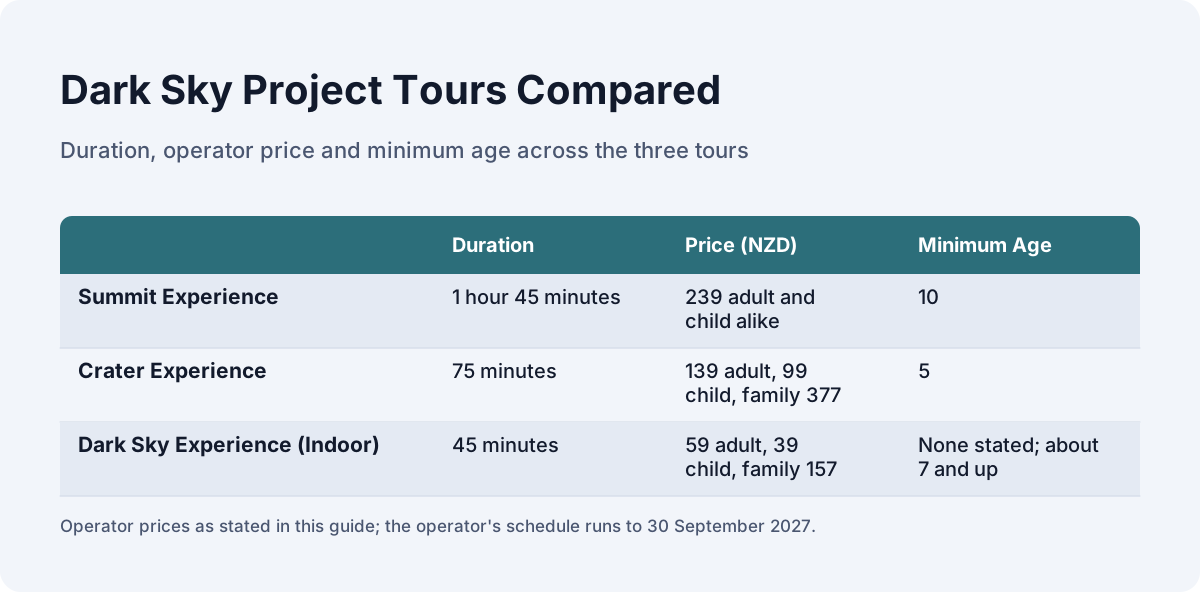
Set against the operator's own other products, the Summit sits at the top. The same money buys different nights depending on what you value:
| Dark Sky Product | Duration | Operator Price (NZD) | Minimum Age | Setting |
|---|---|---|---|---|
| Summit Experience | 1 hour 45 minutes | 239 adult and child alike | 10 | Mt John summit observatory, by bus |
| Crater Experience | 75 minutes | 139 adult, 99 child (5 to 17), family 377 (2 adults, 2 children) | 5 | Cowan's Private Observatory, 5-minute drive |
| Dark Sky Experience (indoor) | 45 minutes | 59 adult, 39 child, family 157 (2 adults, 2 children) | None stated; content suits about 7 and up | Indoor, at the base, daytime |
The pattern is clear: the further up the mountain you go, the more the night costs, and the indoor cultural experience is the budget and weather-proof end of the range. None of these prices is a platform price; the operator's own schedule is the only one stated here, and booking pages may carry different terms that follow their own rules.
For groups, the cancellation terms tighten. Dark Sky Project's terms say groups of 10 or more get no refunds inside 72 hours on the Summit and Crater nights, against the 24-hour window for smaller direct bookings. Late check-in earns no refund at all, which is why the 15-minute-early arrival is worth treating as a hard rule rather than a suggestion.
If your decision is down to the operator's two outdoor Tekapo nights, the Crater Experience explained in full covers the shorter, younger-family option at Cowan's Observatory.
Telescopes, Guiding And What The Night Contains
The Summit Experience's stated equipment is telescopes up to 16 inch inside a private observatory dome, with naked-eye sky guiding by handheld laser between telescope sessions. The interpretive content is explicitly dual: Tātai Aroraki, Māori astronomy, woven together with Western astronomy, as Dark Sky Project presents both. No specific object, planet, galaxy or aurora is promised, because the operator does not guarantee clarity or any sighting.
The telescope figures are the operator's own. The Summit Experience page lists telescopes up to 16 inch; the operator's home page gives a range of 9 1/4 to 16 inch across its dome work. What that means in practice is that the dome session is built around serious instruments rather than portable scopes, and the dome itself is private to the tour, on the summit of a working research observatory.
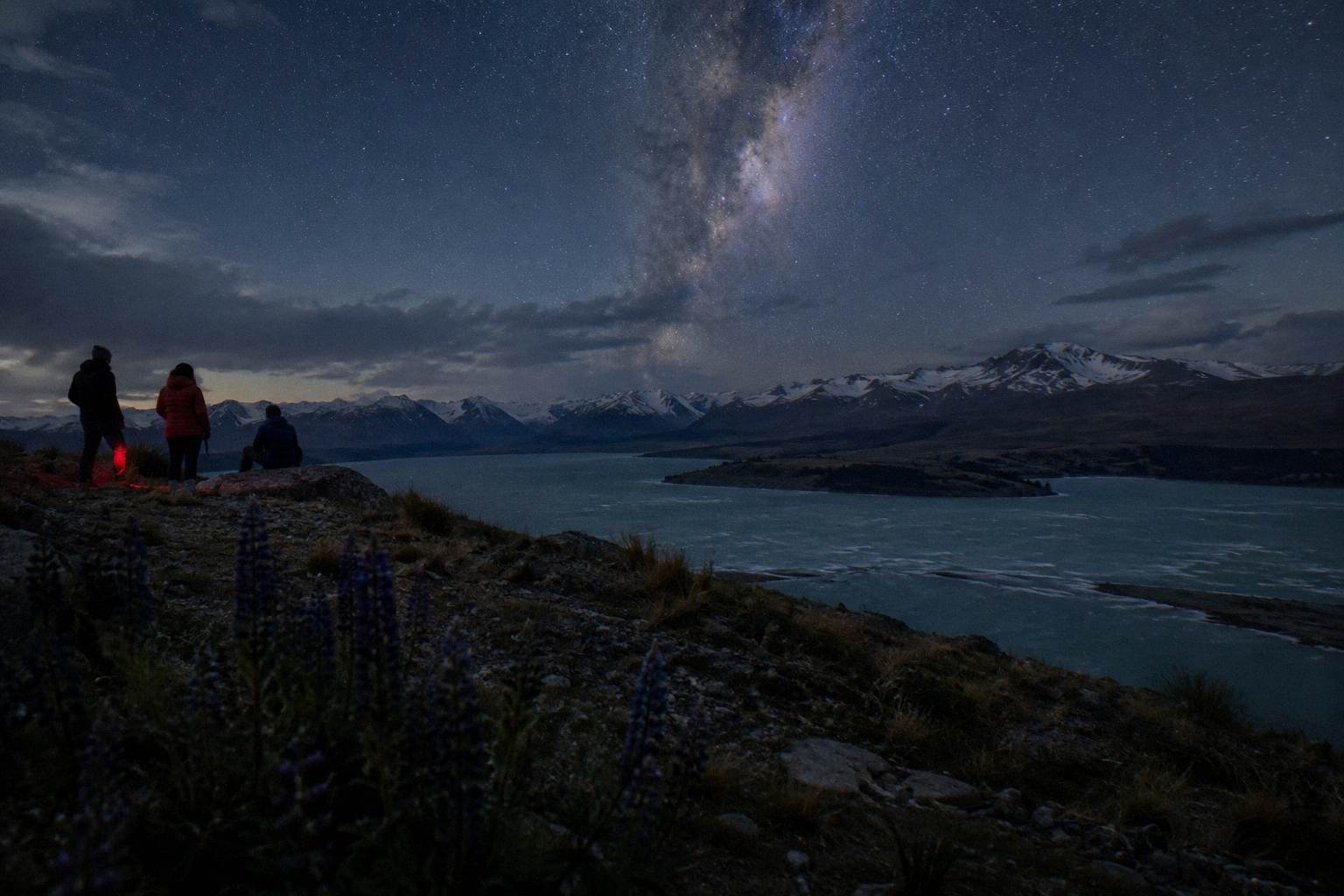
The guiding is where this tour differs from a self-guided look at the sky. Dark Sky Project says Tātai Aroraki is woven through the Summit Experience, the same framing it uses across its three products. Takapō, the lake's name in the record of Ngāi Tahu ancestors, anchors that storytelling, and the operator shares the proverb "Nā te pō, ko te ao, ko te ao mārama" as part of its cultural presentation. Western astronomy runs alongside it, so the same night can carry both a Māori reading of the sky and a conventional guide to what the telescopes are pointed at.
What no honest breakdown should do is promise the sky. Dark Sky Project's own materials state that clarity cannot be guaranteed, that the Milky Way and Aurora Australis depend on conditions, and that brighter moonlight affects fainter stars and galaxies, though the operator also says the moon is a good target in its own right. A night near full moon is not a wasted booking; it is a different night, with brighter objects favoured over faint galaxies at the eyepiece and less naked-eye Milky Way.
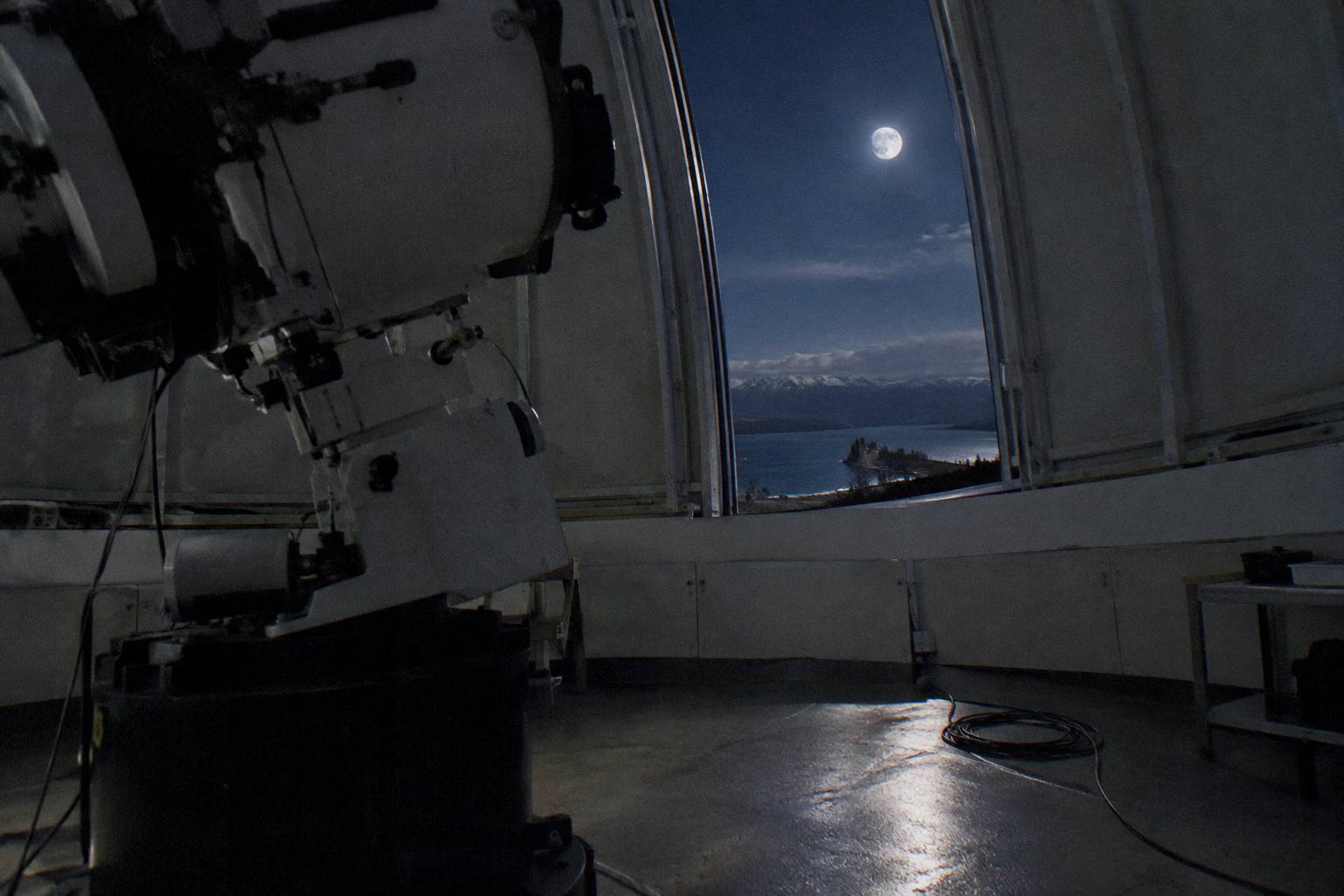
If your interest is specifically what the eyepiece shows rather than the summit setting, the guide to what you see through Tekapo stargazing telescopes covers targets and conditions without promising any of them.
How Hard Is The Walk And Who Can Go?
The minimum age is 10, and the operator describes the fitness requirement as moderate: a 100 m walk up a gravel incline plus a few steps, in the dark, between the bus and the dome. There is no stated upper age limit. Wheelchair access is not offered on the Summit route; the operator's accessible outdoor night is the Crater Experience, where wheelchair users can join but must drive their own vehicle to Cowan's.
That 100 m gravel incline is the single most under-read line on the booking page. It is short, but it is uphill, uneven underfoot and unlit beyond what the group carries, in subalpine night air at 1,029 m. Anyone comfortable with a few minutes of steady walking on a farm track will manage it; anyone who finds inclines or dark footing difficult should weigh the Crater Experience instead, which the operator positions as its accessible and younger-family option with a minimum age of 5.
Age limits across the local operators tell a tidy story, and they are the fastest way to rule options in or out:
| Tour | Minimum Age | Setting And Access |
|---|---|---|
| Summit Experience | 10 | Bus to summit, 100 m gravel incline, a few steps in the dark |
| Crater Experience | 5 | 5-minute drive to Cowan's; wheelchair users join in their own vehicle |
| Soak in the Stars (Tekapo Springs) | 10 | Telescope session then hot pool at the springs |
| Dark Sky Experience (indoor) | None stated, content about 7 and up | Indoor at the base; under 5 free with an adult ticket |
| Astro Tekapo Lakefront | 6 | Lakefront at Takapō Regional Park |
Tekapo Springs adds a blanket rule worth knowing if you have very young children: no child under 6 on any of its tours, including babies carried. Dark Sky Project's indoor Dark Sky Experience, by contrast, has no stated minimum age, with content the operator says suits about 7 and up, and children under 5 enter free with an adult ticket. Families with children between 6 and 9 therefore have real options at Tekapo, just not this one.
For what to wear on the mountain, beyond the loaned jacket, see the site's clothing guide for Tekapo stargazing.
What Happens If The Weather Turns?
Dark Sky Project states that it cannot guarantee clarity or any object in the sky, and that the go or no-go decision is made as close to tour time as possible, which is why check-in 15 minutes early matters. If outdoor stargazing is not possible, the operator offers an indoor alternative or its Virtual Stargazing Experience, a reschedule subject to availability, a gift voucher valid three years, or a full refund. Cloud does not cost you your money.
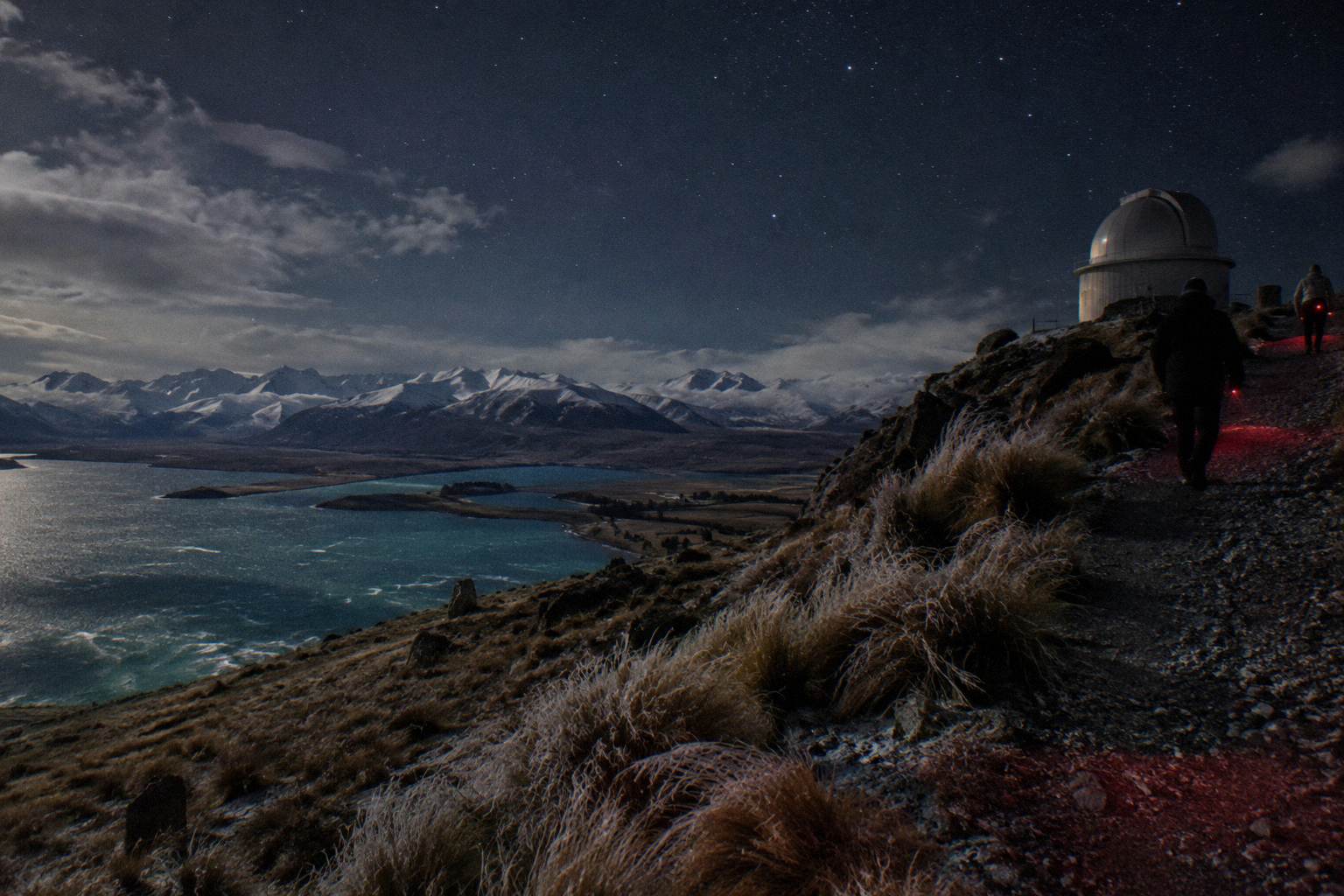
The mechanics are worth spelling out because they shape how you should plan a Tekapo stay. The operator's weather page is the authority on this: decisions are made late, when the actual summit sky, not the town forecast, can be judged. You therefore cannot know at lunchtime whether tonight runs, and the operator does not pretend otherwise. Budget at least two nights in Tekapo if stargazing is the point of the trip, and book the first night early so the second is a fallback.
If the night is called, your options are concrete. The indoor alternative or Virtual Stargazing Experience substitutes a dome-show format for the summit. A reschedule moves you to another night, subject to availability. A gift voucher keeps the value for three years. A full refund returns your money. Which you take is your choice, not the operator's.
| Outcome | What The Operator Offers |
|---|---|
| Tour runs, sky clear | Summit night as booked |
| Tour runs, moon bright | Fainter objects reduced; moon itself a stated good target |
| No outdoor stargazing possible | Indoor alternative or Virtual Stargazing Experience |
| You cannot take the alternative | Reschedule subject to availability, voucher valid 3 years, or full refund |
| You cancel (direct booking) | Full refund up to 24 hours before; inside 24 hours, full price |
The contrast with Tekapo Springs is instructive and honest to state. Soak in the Stars runs in all weather, and under cloud a VR indoor experience with 360 degree imagery replaces the telescope viewing; if telescope viewing runs under 30 minutes, the operator gives a 25 percent refund per ticket at the end of the tour. That is a different weather philosophy: the springs night always happens in some form, while the Dark Sky Project outdoor nights are called off and refunded. Neither approach is better; they suit different temperaments. The site's longer piece on cloud, weather and cancelled Tekapo stargazing works through the decision.
One indoor option deserves its own line. The Dark Sky Experience, the 45-minute daytime cultural astronomy tour at the base, is the operator's cloud-proof product: it is indoors, so weather does not change it, and it carries the same Tātai Aroraki content alongside the restored 125-year-old Brashear telescope. It offers no stargazing and should not be booked as if it did, but as a companion to a cancelled summit night, or as a daytime filler while you wait for a clear evening, it is the natural pick.
Summit Experience Or Crater Experience?
Choose the Summit Experience for the observatory summit, the largest telescopes and the full 1 hour 45 minute format at NZD 239 per person; choose the Crater Experience for a shorter, cheaper night at NZD 139 adult and NZD 99 child, a minimum age of 5, and wind-sheltered observation craters five minutes from base. The Summit is the flagship; the Crater is the family and accessibility pick. Both run seven days a week, both carry the same weather terms.
The differences are concrete rather than cosmetic. The Summit goes up the mountain by bus, into a private dome at a working research observatory, and requires the 100 m gravel walk and a minimum age of 10. The Crater stays low, at Cowan's Private Observatory, a five-minute drive from the base, in purpose-built observation craters sheltered from wind and light, with 14 inch telescopes or a dome, a 75-minute duration including transport, and wheelchair users able to join in their own vehicle.
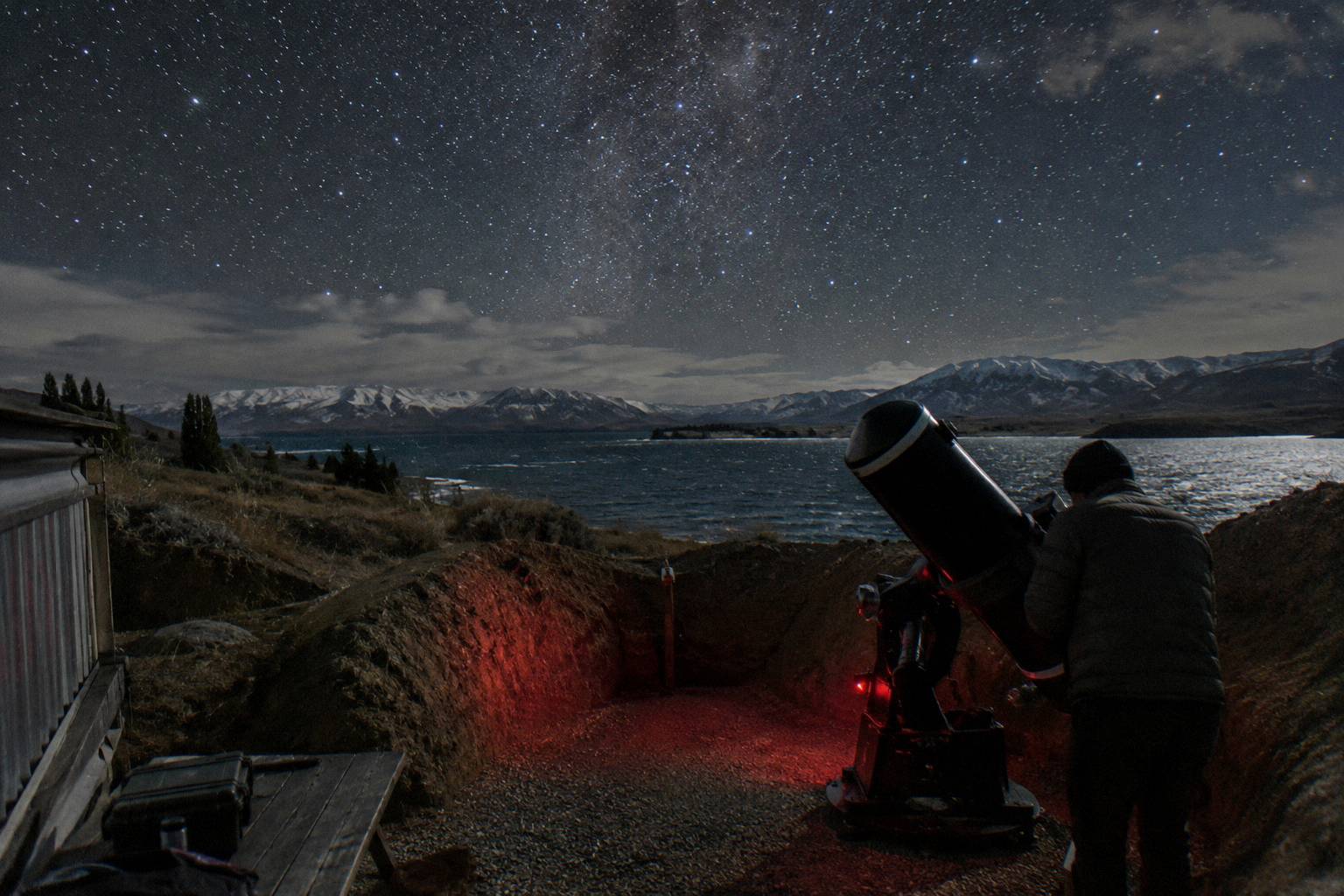
Money separates them as sharply as setting. A family of two adults and two children pays NZD 377 for the Crater family pass at the operator's price, against four flat NZD 239 Summit fares. Children aged 5 to 9 cannot enter the Summit at all. Children aged 10 to 17 cost NZD 99 on the Crater against NZD 239 on the Summit. If your group is adults only and you want the biggest night, the Summit's premium buys the summit itself; if the group mixes ages or budgets, the Crater is the rational default.
| Factor | Summit Experience | Crater Experience |
|---|---|---|
| Duration | 1 hour 45 minutes | 75 minutes including transport |
| Operator price | NZD 239, adult and child same | NZD 139 adult, NZD 99 child (5 to 17), family NZD 377 |
| Minimum age | 10 | 5 |
| Getting there | 15-minute bus to the summit | 5-minute drive to Cowan's |
| Walking | 100 m gravel incline, a few steps in the dark | Minimal, sheltered craters |
| Telescopes | Up to 16 inch, private dome | 14 inch telescopes or dome |
| Wheelchair access | Not stated | Yes, in your own vehicle |
| Rating | 4.6 across 352 reviews | 4.6 across 93 reviews |
Common Mistakes When Booking The Summit Experience
The mistakes that cost people money or the night itself are concrete: expecting a child discount that does not exist, arriving late and losing the fare, booking a single night in Tekapo with no weather fallback, and assuming a summit start time that was never published. Each one is avoidable with the operator's own terms in front of you. None of them is the operator's fault; all of them are on the booking page.
The first mistake is arithmetic. Adults and children both pay NZD 239, full stop, and the minimum age is 10, so there is no family pass and no under-5-free rule on this product; those belong to other tours in the operator's range. Families who book expecting the Crater's pricing structure get a surprise at checkout.
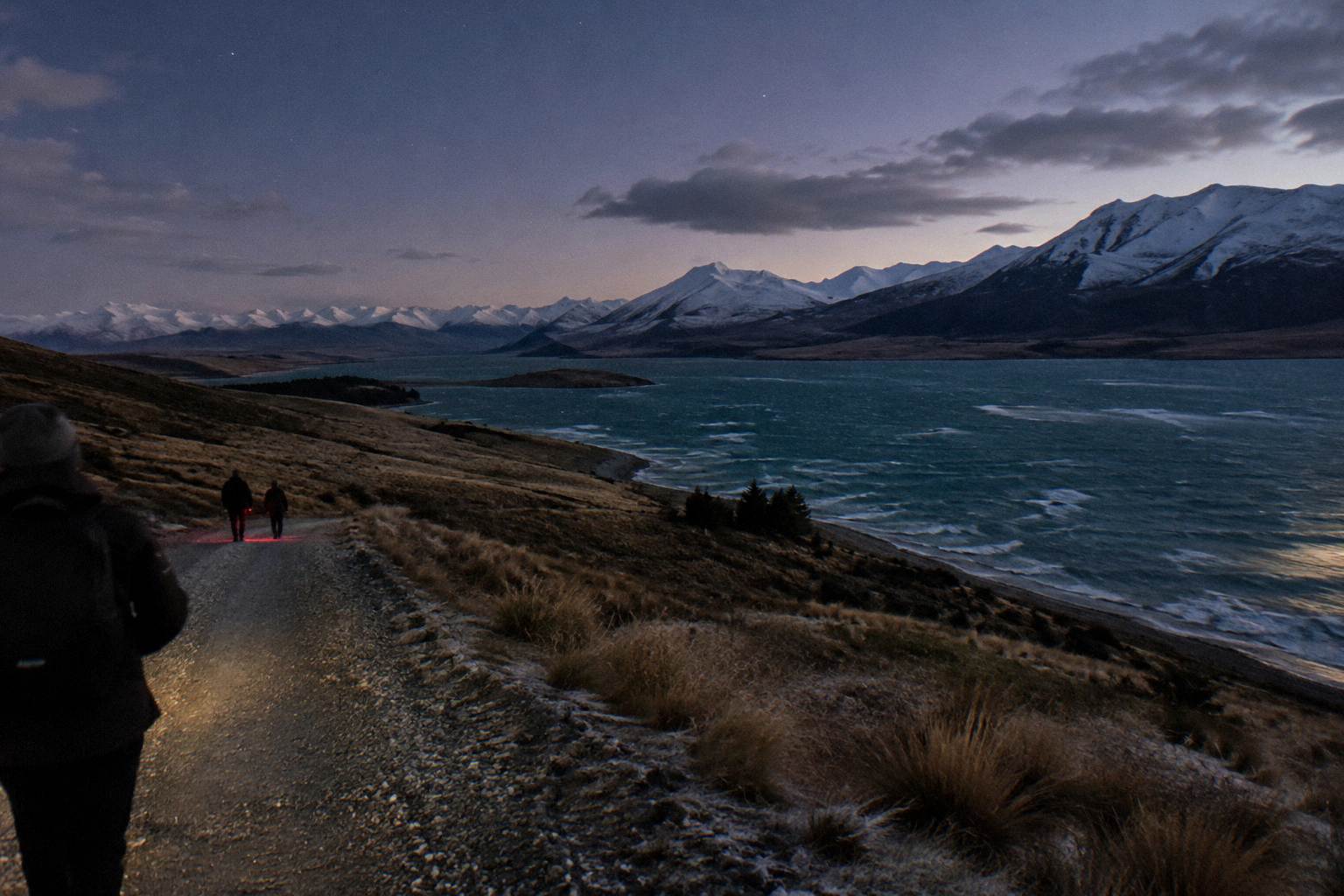
The second is timing. Late check-in earns no refund under the operator's terms, and the tour leaves from the base, not the mountain. The 15-minute-early check-in is also when you learn the weather decision, so arriving at the stated tour time is already too late.
The third is itinerary design. Tekapo sits about three hours' drive from both Queenstown and Christchurch, and a single night in town gives the weather exactly one chance. The operator decides late, so a one-night stop that turns cloudy has no recovery slot. Two nights doubles your odds in the most literal way possible.
The fourth is the moon. Brighter moonlight affects fainter stars and galaxies, and the naked-eye Milky Way shrinks near full moon; the operator nonetheless calls the moon a good target, and telescopes still show bright objects. Booking blind into a full-moon week and expecting wall-to-wall faint galaxies is the one disappointment the operator's weather guidance lets you avoid in advance. The site's piece on new moon versus full moon for Tekapo stargazing helps you pick the week.
Planning Around The Summit Night
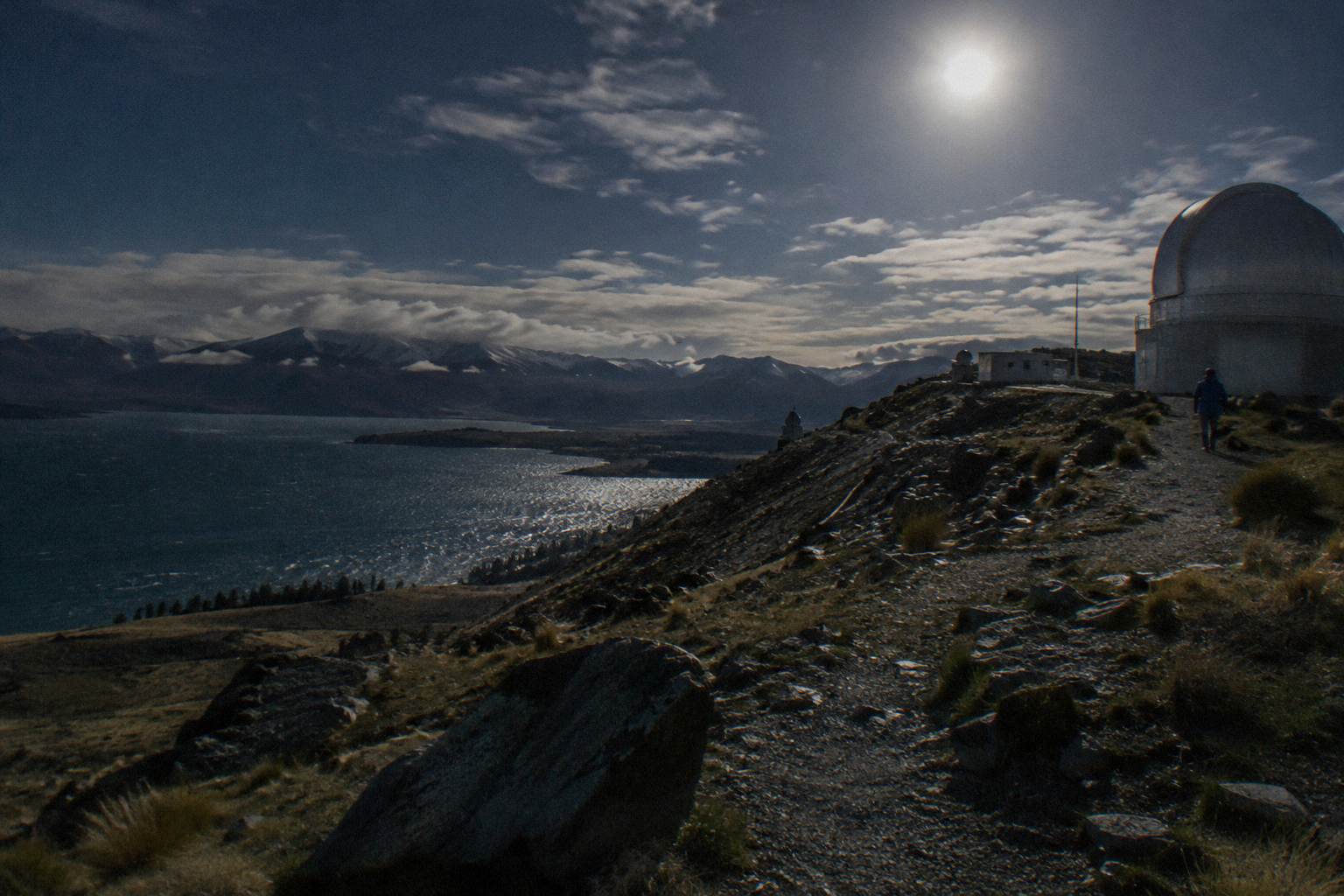
Book the first eligible night of your stay, hold the second as a fallback, and cancel free up to 24 hours before if your plans change. Check in at 1 Motuariki Lane 15 minutes early, in warm layers under the loaned jacket, ready for the gravel incline. Build the rest of the day around daylight summit access, the Astro Cafe, or the lakefront, none of which depends on the sky.
Daytime Mount John is its own small plan. The access road is open 9am to 4pm with a NZD 14 per vehicle fee at the gate, vehicles over 12 seats are not permitted, and the road closes in some weather. The Astro Cafe on the summit opens daily 9am to 4pm, and the Summit Circuit track, 8.9 km return, walks the ridge for those who want to earn the view before nightfall. Seeing the observatory by day, then riding up to it by night, is a satisfying way to bracket a Tekapo visit.
The rest of the decision is about who is in your group and what the night is for. A couple marking an occasion: the Summit, booked for the second night of a two-night stay. A family with a 7 year old: the Crater, or the indoor Dark Sky Experience, where under 5s are free and the session runs at fixed daytime times, 10:30am, 12:30pm and 2:30pm, with 4:30pm added on Tuesday and Wednesday, subject to availability. A traveller who wants warmth above all: Soak in the Stars at the operator's price of NZD 179 adult and NZD 115 child, telescope viewing followed by a 37.5 to 38.5 °C hot pool with towels, robes, hot drinks and poncho coats included.
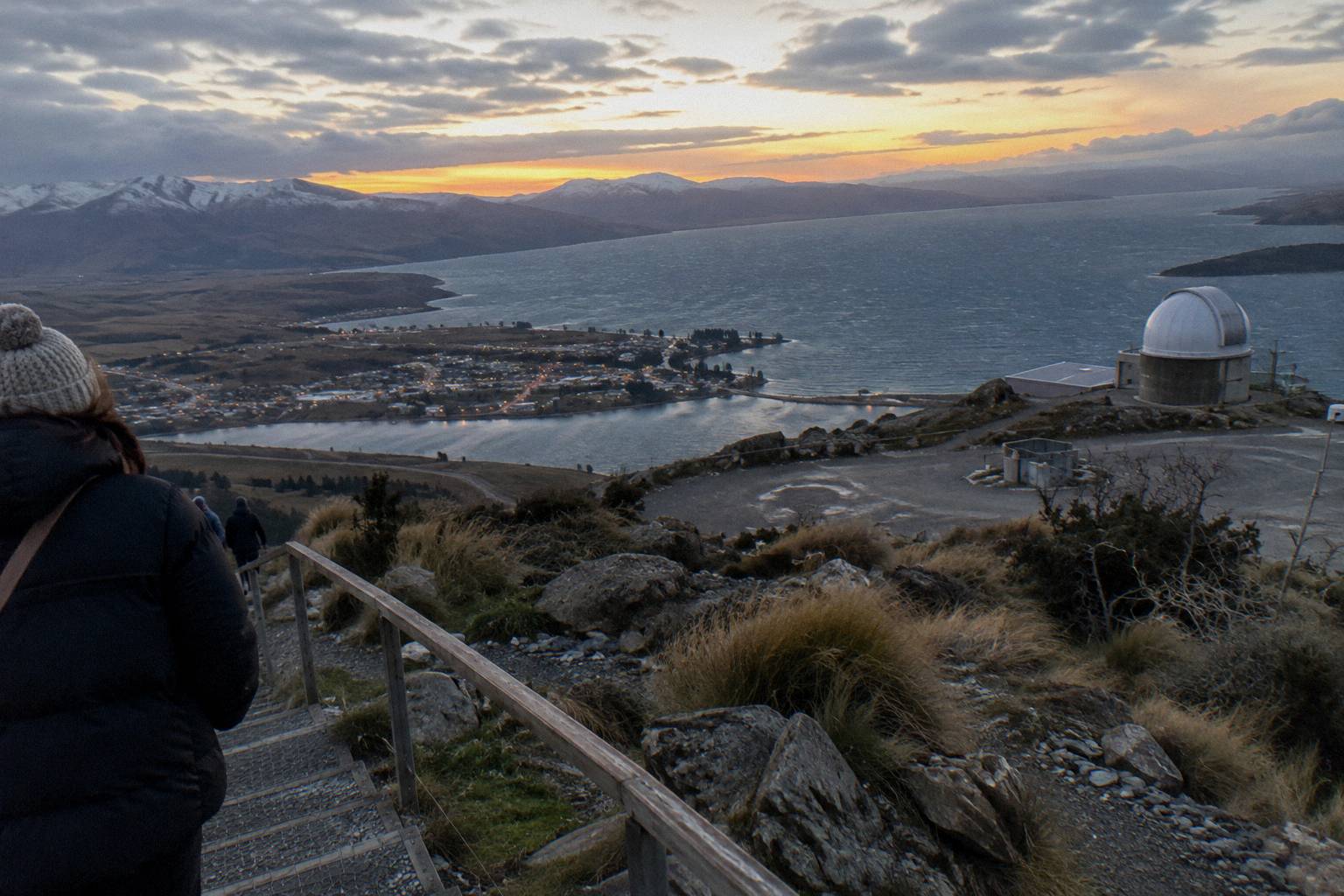
Whatever you choose, book it as a direct decision you can reverse: the 24-hour free cancellation on direct bookings means an early reservation costs you nothing but calendar space. You can also read the tour's full details on the Summit Experience tour page here on Mt John Stargazing, and check availability at the operator's live calendar for the dates you actually hold.
Common Questions About The Dark Sky Project Summit Experience
How Long Is The Dark Sky Project Summit Experience?
1 hour 45 minutes in total, from the base at 1 Motuariki Lane, Takapō (Tekapo), including the 15-minute bus ride to the Mount John summit and back. Check-in is 15 minutes before departure.
What Does The Summit Experience Cost?
The operator's price is NZD 239 per person, with adult and child tickets the same price. There is no child discount and no family pass on this product. The schedule runs to 30 September 2027 and prices can change.
What Is The Minimum Age For The Summit Experience?
Age 10. Younger children cannot join the summit night. Dark Sky Project's Crater Experience takes children from age 5, and the indoor Dark Sky Experience has no stated minimum age, with content the operator says suits about 7 and up.
What Time Does The Summit Experience Start?
Start times are not published. The operator says tours run at various times throughout the year, depending on time of sunset, seven days a week. The booking calendar for your date is the only reliable source.
Is The Walk To The Summit Dome Difficult?
The operator describes moderate fitness as sufficient: a 100 m gravel incline and a few steps, in the dark. Warm clothing is essential, and the included Extreme Cold Weather jacket is loaned on the Summit night only.
What Happens If It Is Cloudy?
Dark Sky Project cannot guarantee clarity and decides as close to tour time as possible. If outdoor stargazing is not possible, you are offered an indoor alternative or the Virtual Stargazing Experience, a reschedule subject to availability, a gift voucher valid three years, or a full refund.