Is It Better To Stay In Mount Cook Or Lake Tekapo For Stargazing?
A practical comparison of Mount Cook and Lake Tekapo as stargazing bases: tours, operators, weather fallbacks, ages, prices and which village suits which traveller.
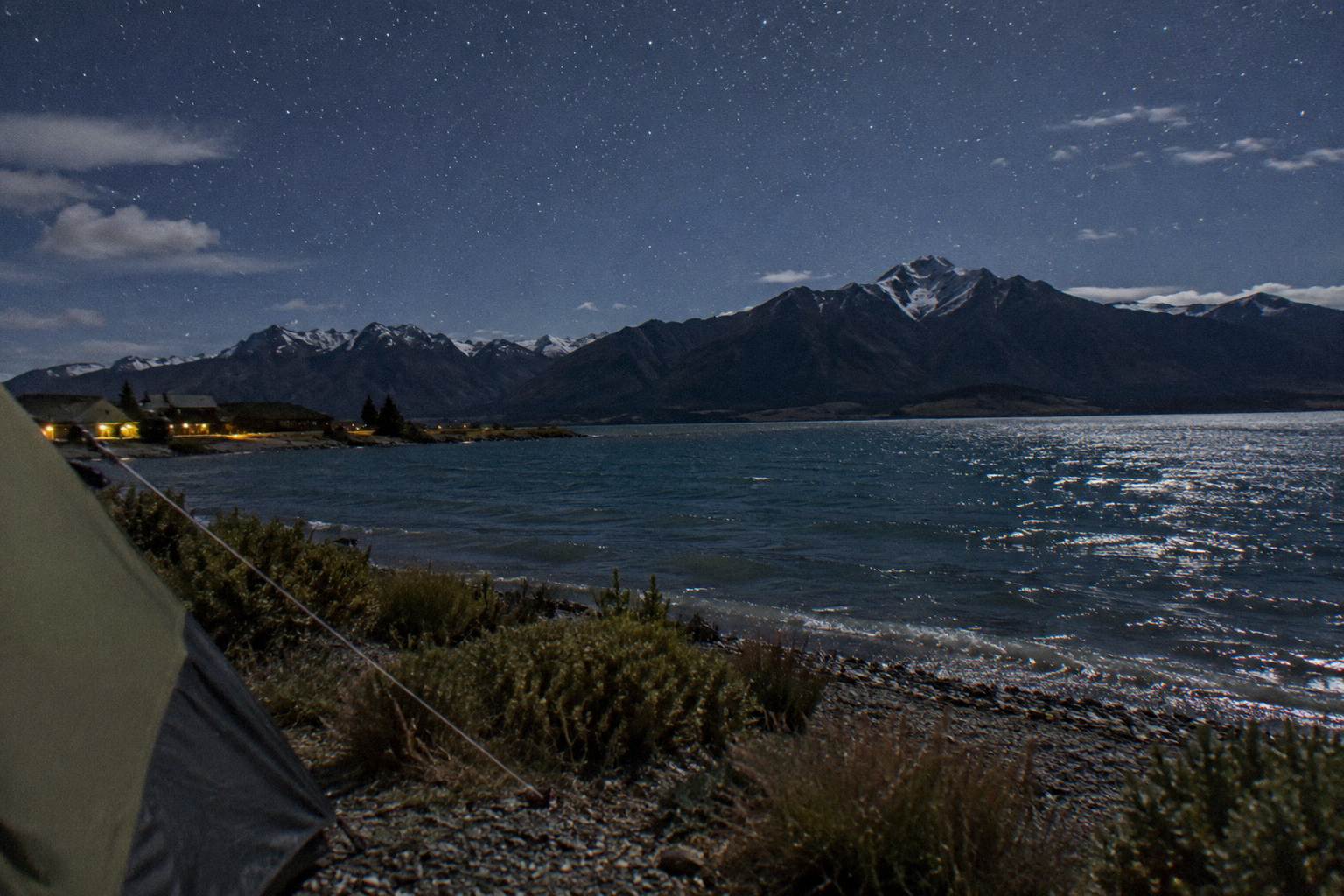
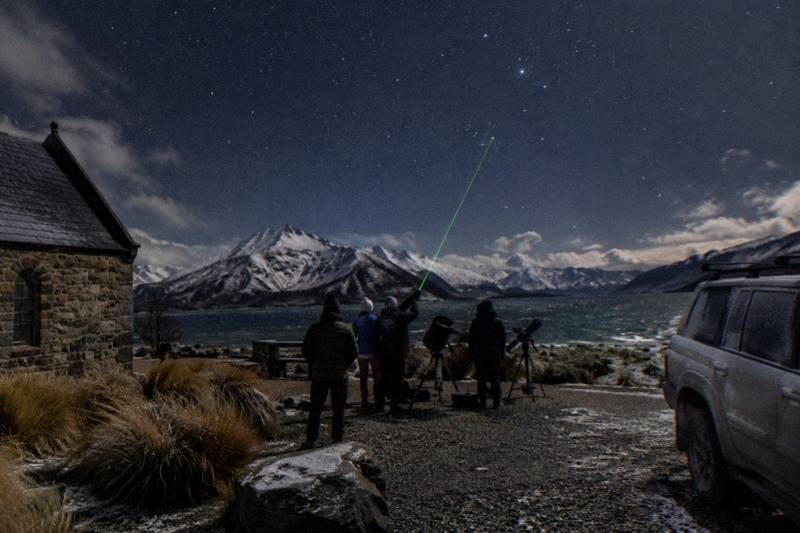
Lake Tekapo wins on choice of guided tours and weather fallbacks; Mount Cook wins if you want to sleep inside Aoraki/Mount Cook National Park itself and stargaze beside a glacier. Both villages sit inside the Aoraki Mackenzie International Dark Sky Reserve, awarded reserve status in April 2012, so neither is a bad pick. The honest answer is that the decision rests on three things: which tours you actually want, how you want cloud handled, and whether your dates allow a mid-trip switch.
Both villages share the same protected sky, but they do not share the same tour lineup: Tekapo has the deepest set of guided options with indoor fallbacks, while Mount Cook offers a small number of tours set against glacier country. The reserve, which Dark Sky Project describes on its dark sky reserve page as comprising Aoraki/Mt Cook National Park and the Mackenzie Basin, covers both, so sky quality is not the deciding factor. Access is: Tekapo is about three hours' drive from Christchurch and Queenstown, and Mount Cook is roughly an hour further up the same road past Lake Pukaki. Staying in one and driving to the other for a night is a real option, and many travellers base in Tekapo and take a Mount Cook tour on a clear forecast.
That raises the first decision point: which village's tours fit your group and budget?
From Tekapo you can book the Mt John Summit Stargazing Experience at NZD 239 per person, adult and child alike, with a minimum age of 10 and a 1 hour 45 minute runtime, or the Crater Stargazing At Cowan's Observatory at the operator's price of NZD 139 adult and NZD 99 child from age 5. From Mount Cook the guided options are fewer and their prices sit on the booking page rather than in the operator's published schedule. Neither village locks you in, but Tekapo's depth matters most for families, since its Dark Sky Project options start at age 5 while Mount Cook area tours carry their own age floors.
What Does Each Village Offer As A Stargazing Base?
Tekapo is the busier, better-serviced base, with six operators' worth of tours and a lakeside reserve within walking distance. Mount Cook is the quieter, more dramatic base, with a handful of tours and glacier viewpoints on the very doorstep of the village. Tekapo village clusters around Lake Tekapo's shore, and Dark Sky Project's base at 1 Motuariki Lane, Takapō (Tekapo), sits on the lakefront between the Four Square and the YHA, with all of its experiences departing from there. Mount Cook village sits inside the national park at the end of the road, with the Hermitage as its landmark hotel and the Hermitage's Big Sky Stargazing as the village's established stargazing offer, adults from NZD 165 and children from NZD 94 for 75 to 90 minutes including a short drive to its Star Base.
The comparison that matters is not scenery, both are extraordinary, it is what you can actually book and what happens when the sky misbehaves. Tekapo's operator set spans Dark Sky Project, Tekapo Springs, Chameleon Stargazing, Astro Tekapo and Silver River Stargazing, with prices published for the Dark Sky Project and Tekapo Springs products and prices on the booking page for the rest. Mount Cook's set is thinner: the Mt Cook Stargazing Experience run by Silver River Stargazing, and the Hermitage's Big Sky Stargazing, which is a fact mention here rather than a bookable card on this site.
| Base | Guided tour operators | Published operator prices | Indoor or VR fallback | Nearest tours beyond the village |
|---|---|---|---|---|
| Lake Tekapo | Dark Sky Project, Tekapo Springs, Chameleon Stargazing, Astro Tekapo, Silver River Stargazing | Yes, for Dark Sky Project and Tekapo Springs tours | Yes, indoor alternative and VR options | Twizel, about 30 minutes south |
| Mount Cook village | Silver River Stargazing; Hermitage's Big Sky Stargazing nearby | Big Sky from NZD 165 adult; others on the booking page | Planetarium show on weather cancellation at Big Sky | Lake Pukaki and Twizel on the road south |
One structural point worth knowing: the Hermitage describes Big Sky Stargazing as the only stargazing tour in Aoraki/Mount Cook National Park, and if weather cancels it, guests get a 45-minute planetarium show and a 75 percent refund, per the Hermitage's Big Sky page. That is a genuine fallback, but a thinner one than Tekapo's, where cloud can convert an evening into the indoor Dark Sky Experience, a 45-minute daytime cultural astronomy tour at NZD 59 adult and NZD 39 child, or into Tekapo Springs' VR indoor experience. If your trip is short and your nights are precious, that difference alone can decide the base.
Wondering whether to lock something in before you arrive?
The Mt Cook Stargazing Experience carries a free cancellation window of 24 hours on the booking page, which suits a base-hopping plan: book the Tekapo summit night and the Mount Cook night, then keep whichever forecast holds. Silver River Stargazing's 75-minute tour meets at the Tasman Glacier car park, a single-source detail worth confirming with the operator when you book. Its minimum age is not stated, so families with younger children should ask before committing, whereas Tekapo's age ladder is published and starts at 5.
Which Stargazing Tours Run From Each Village?
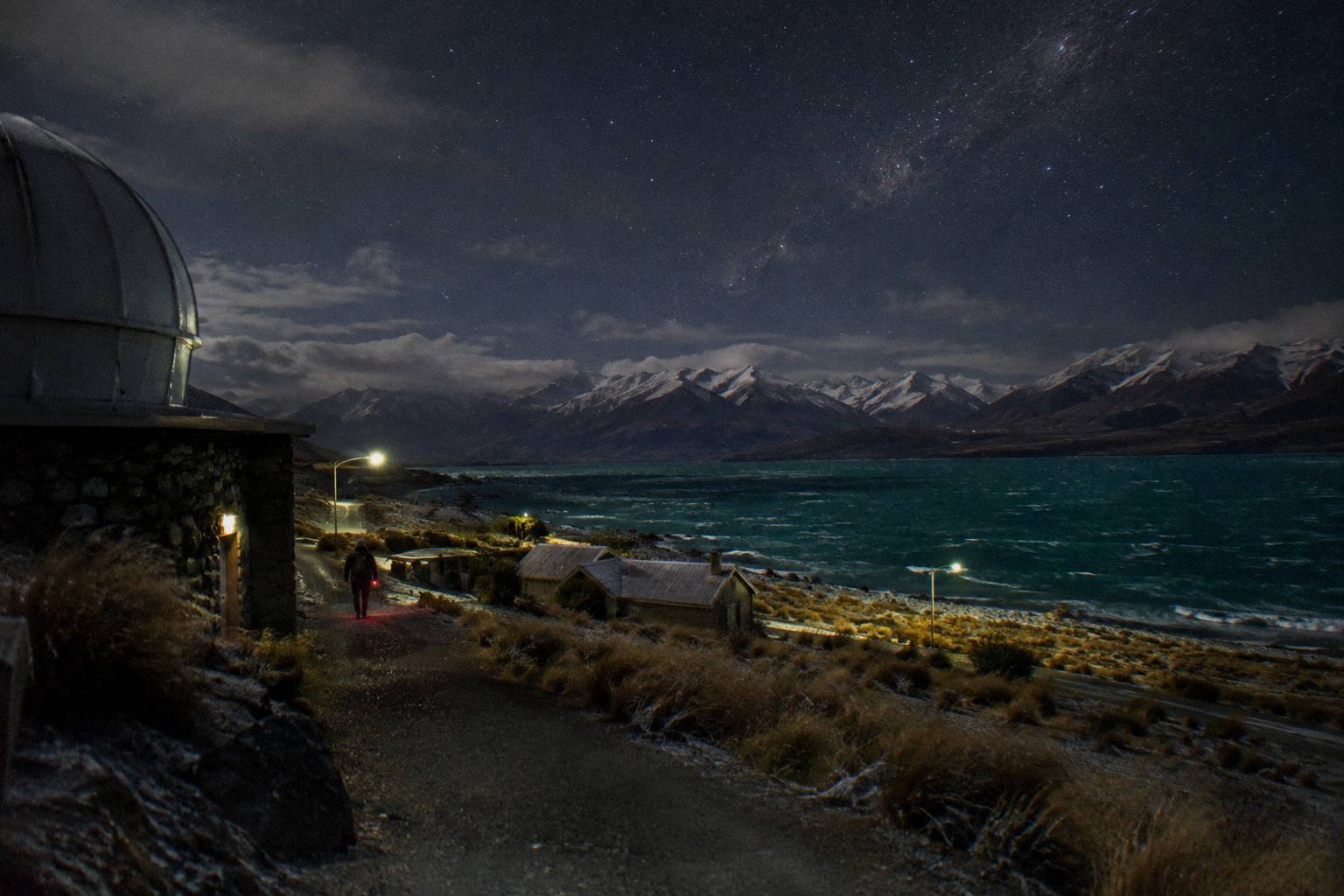
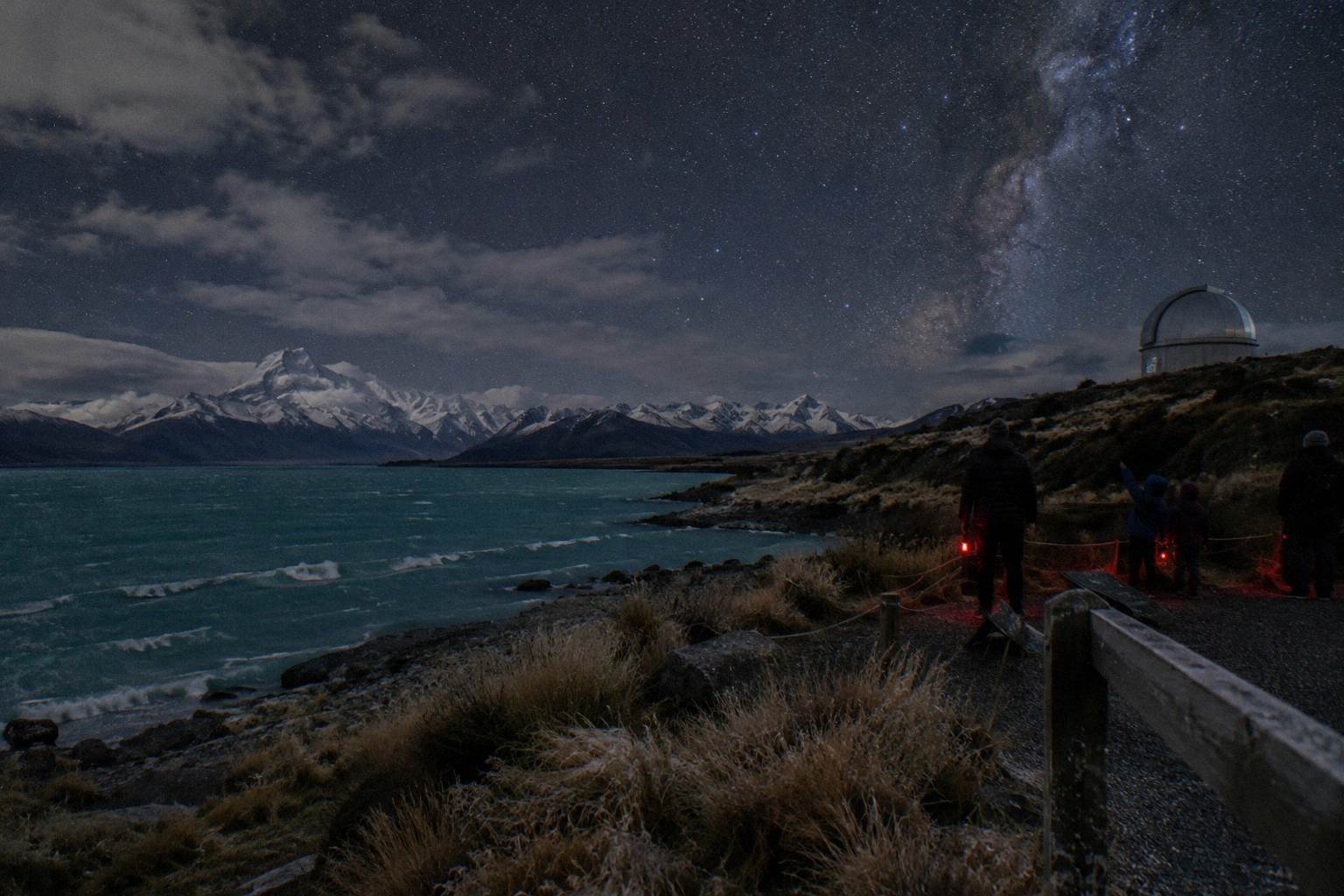
Tekapo's published options run from NZD 59 to NZD 239 per adult with ages from 5 up; Mount Cook's guided tours carry their prices on the booking page, with the 75-minute Mt Cook Stargazing Experience and the Twizel tour sitting between the two villages. The full Tekapo set is worth reading as a menu rather than a ranking, because each product answers a different traveller. The Summit Experience, covered in detail on the Summit Experience page, puts you at the University of Canterbury Mt John Observatory, 1,029 m above sea level, inside a dome with telescopes up to 16 inch, and lends you an Extreme Cold Weather jacket for the 100 m gravel incline walk in the dark.
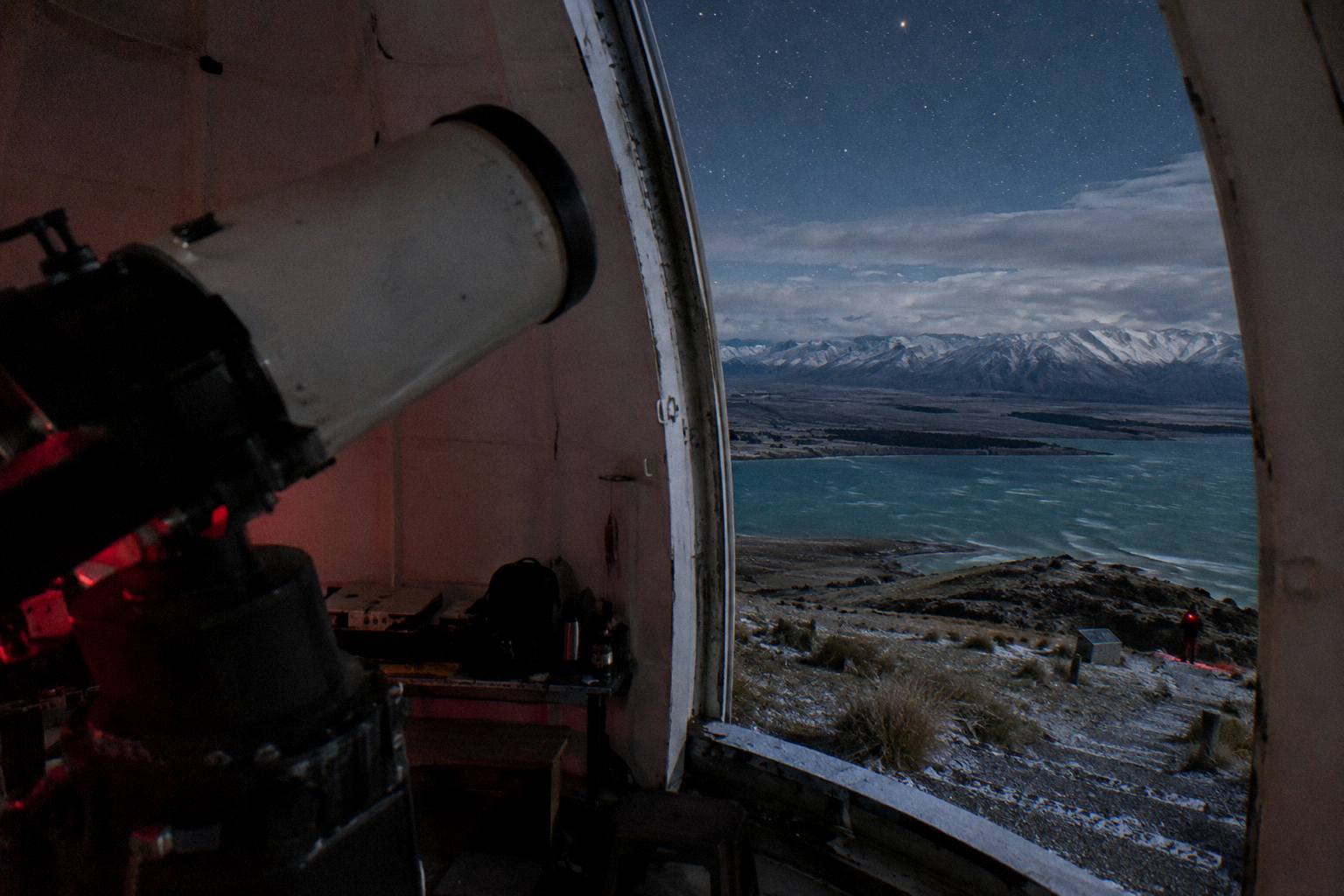
The Tekapo menu in brief: the Crater Experience at Cowan's Private Observatory, a 5-minute drive from the Dark Sky Project base, 75 minutes including transport, NZD 139 adult, NZD 99 child aged 5 to 17, with a family pass at NZD 377 for two adults and two children, and wheelchair users able to join if they drive their own vehicle to Cowan's. Soak in the Stars at Tekapo Springs pairs telescope viewing with an exclusive hot pool at 37.5 to 38.5 °C, NZD 179 adult, NZD 115 child, 90 minutes, minimum age 10. Then there are the smaller operators: Chameleon's shared experience at about 1.5 hours, Astro Tekapo's lakefront tour at 1.5 hours from age 6, and Silver River's Alpine and Ultimate experiences at 75 minutes and 2 hours respectively, prices on the booking pages.
Mount Cook's side of the ledger is shorter but not lesser. The Mt Cook Stargazing Experience is the tour this article features, and you can read the full run of its booking facts on the Mt Cook stargazing tours guide, including its meeting point and cancellation window. Between the two villages, Twizel hosts the Twizel Stargazing Tour With An Astronomer, 75 minutes from age 6 with an astronomer and telescope, which makes Twizel a practical midpoint if you would rather split the difference than choose.
| Tour | Village or base | Duration | Minimum age | Operator price (NZD) |
|---|---|---|---|---|
| Mt John Summit Stargazing Experience | Lake Tekapo | 1 hour 45 minutes | 10 | 239 adult, 239 child |
| Crater Stargazing At Cowan's Observatory | Lake Tekapo | 75 minutes | 5 | 139 adult, 99 child, family 377 |
| Hot Pools And Stargazing (Soak in the Stars) | Lake Tekapo | 90 minutes | 10 | 179 adult, 115 child, family 499 |
| Dark Sky Experience, Indoor | Lake Tekapo | 45 minutes | None stated | 59 adult, 39 child |
| Mt Cook Stargazing Experience | Mount Cook | 75 minutes | Not stated | On the booking page |
| Twizel Stargazing Tour With An Astronomer | Twizel | 75 minutes | 6 | On the booking page |
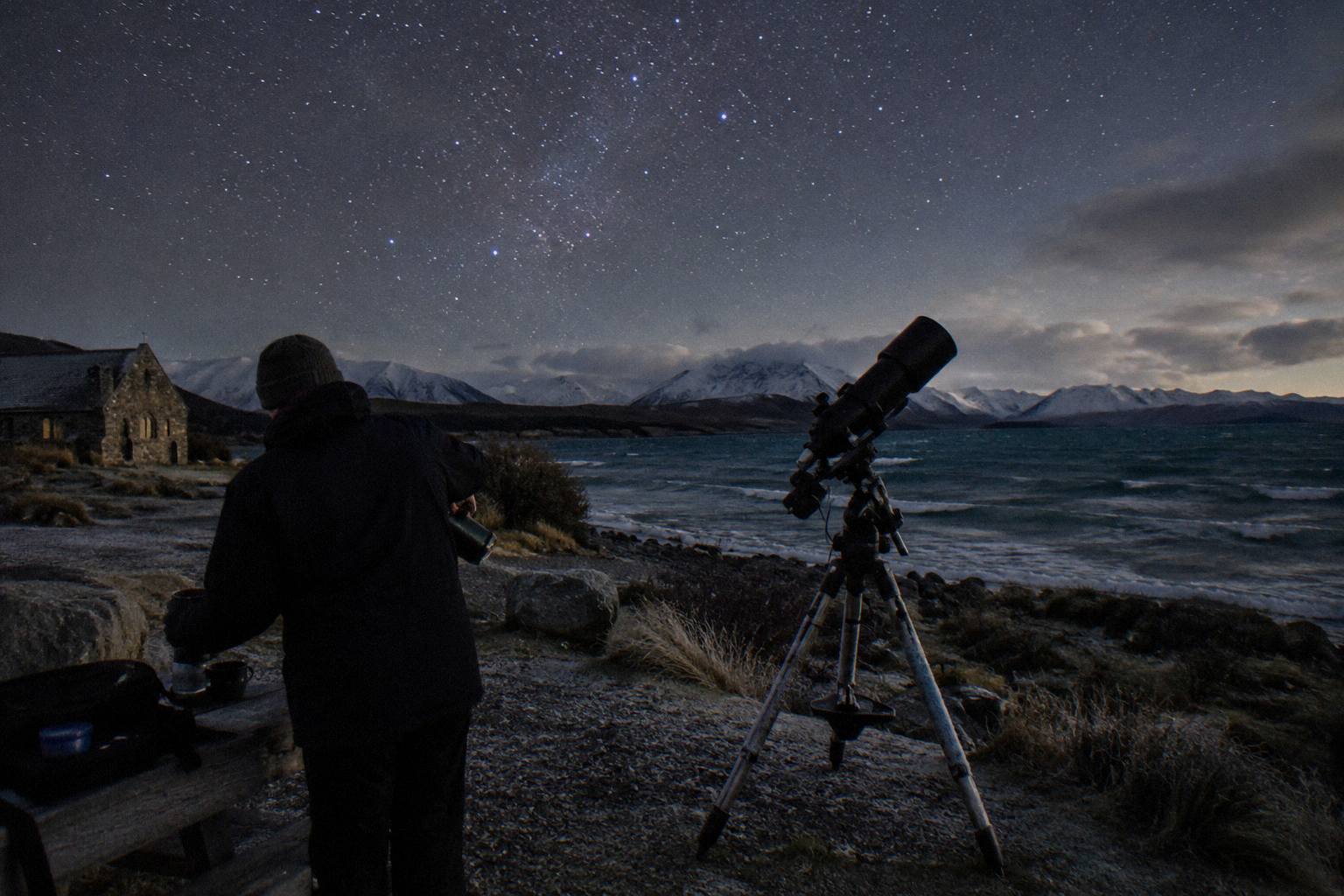
If the telescope itself is the draw, the Summit Experience is the only Tekapo tour inside a professional research observatory's dome with telescopes up to 16 inch, and Dark Sky Project describes the observatory as New Zealand's largest professional research observatory. Book it through the Mt John summit experience page or its Tekapo equivalent depending on your base. Solo travellers and couples chasing the deepest sky access tend to end up here, while families with children under 10 are steered by the age limits toward Crater, Soak in the Stars from age 10, or Astro Tekapo's lakefront tour from age 6. One planning note from the operator side: Tekapo Springs allows no child under 6 on any of its tours, babies carried included, so very young families should look at Dark Sky Project's Crater Experience instead, or the indoor Dark Sky Experience, where under 5s are free with an adult ticket and the operator says content suits about age 7 and up.
How Does Weather And Cloud Cover Change The Decision?
Weather does not change the sky, it changes the fallback, and that is where Tekapo's depth shows: Dark Sky Project offers an indoor alternative, a reschedule, a voucher or a full refund when cloud blocks the outdoors, while Tekapo Springs simply runs in all weather with a VR replacement for the telescopes. Dark Sky Project states plainly on its weather page that it cannot guarantee clarity or objects, and that the go or no-go decision is made as close to tour time as possible, with check-in 15 minutes before departure for the update. If outdoor stargazing is not possible, the options are an indoor alternative or the Virtual Stargazing Experience, a reschedule subject to availability, a gift voucher valid three years, or a full refund.
Tekapo Springs takes the opposite approach: tours run in all weather, and under cloud a VR indoor experience with 360 degree imagery of the Church of the Good Shepherd and the Mt John summit replaces the telescope viewing. It is not a standalone tour, it is the substitute. The operator also offers a 25 percent refund per ticket if telescope viewing comes in under 30 minutes, on tours from 18 June 2026, and its terms say clarity cannot be guaranteed even though its advertising uses stronger language. Mount Cook's fallback, the Hermitage's planetarium show plus 75 percent refund, sits between the two models: you keep less of your money but you do get a structured alternative. The full index of guides sits on Mt John Stargazing.
The moon is the quieter variable. Dark Sky Project says brighter moonlight affects fainter stars and galaxies but also treats the moon as a good target in its own right, and Tekapo Springs says telescopes still show bright objects under a full moon while naked-eye Milky Way viewing reduces. Neither village escapes the lunar cycle, so base choice and moon phase are separate decisions; if your dates are fixed near a full moon, a telescope-forward tour matters more than which village you sleep in. For a deeper read on that trade-off, see the site's new moon or full moon stargazing comparison.
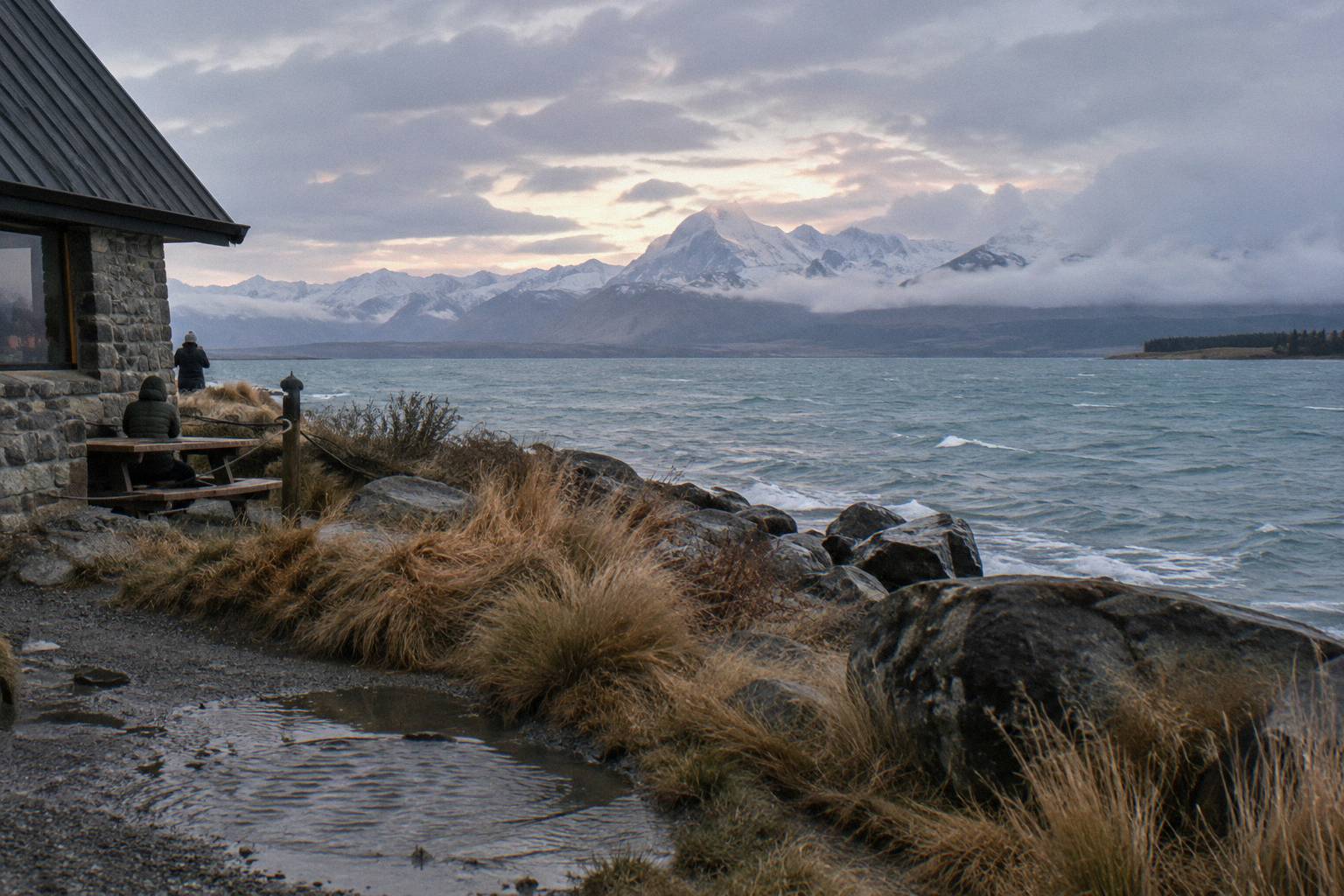
A practical pattern for a two-night stay: book one night in each village, or base in Tekapo and drive up. The road between them passes Lake Pukaki. Because Dark Sky Project's weather call comes close to tour time, a same-evening pivot from a cancelled Mount Cook tour to a Tekapo VR-backed Tekapo Springs tour is sometimes feasible, since that one runs in all weather. The reverse pivot, Mount Cook rescuing a clouded-out Tekapo night, is weaker, because the Hermitage tour faces the same sky and cancels to a planetarium show.
Which Base Suits Which Traveller?
Families with children aged 5 to 9 should base in Tekapo, serious telescope chasers should weigh the Summit Experience against Mount Cook's glacier-side setting, and anyone on a one-night stopover should base where the tour they most want runs. The age ladder makes the family case by itself: Crater takes age 5, Astro Tekapo takes age 6, Soak in the Stars and the Summit take age 10, and the Mt Cook Stargazing Experience and Silver River's Tekapo tours do not state a minimum age, so you would need to ask. A family with a 7-year-old has multiple published Tekapo options and essentially none with a stated welcome in Mount Cook village.
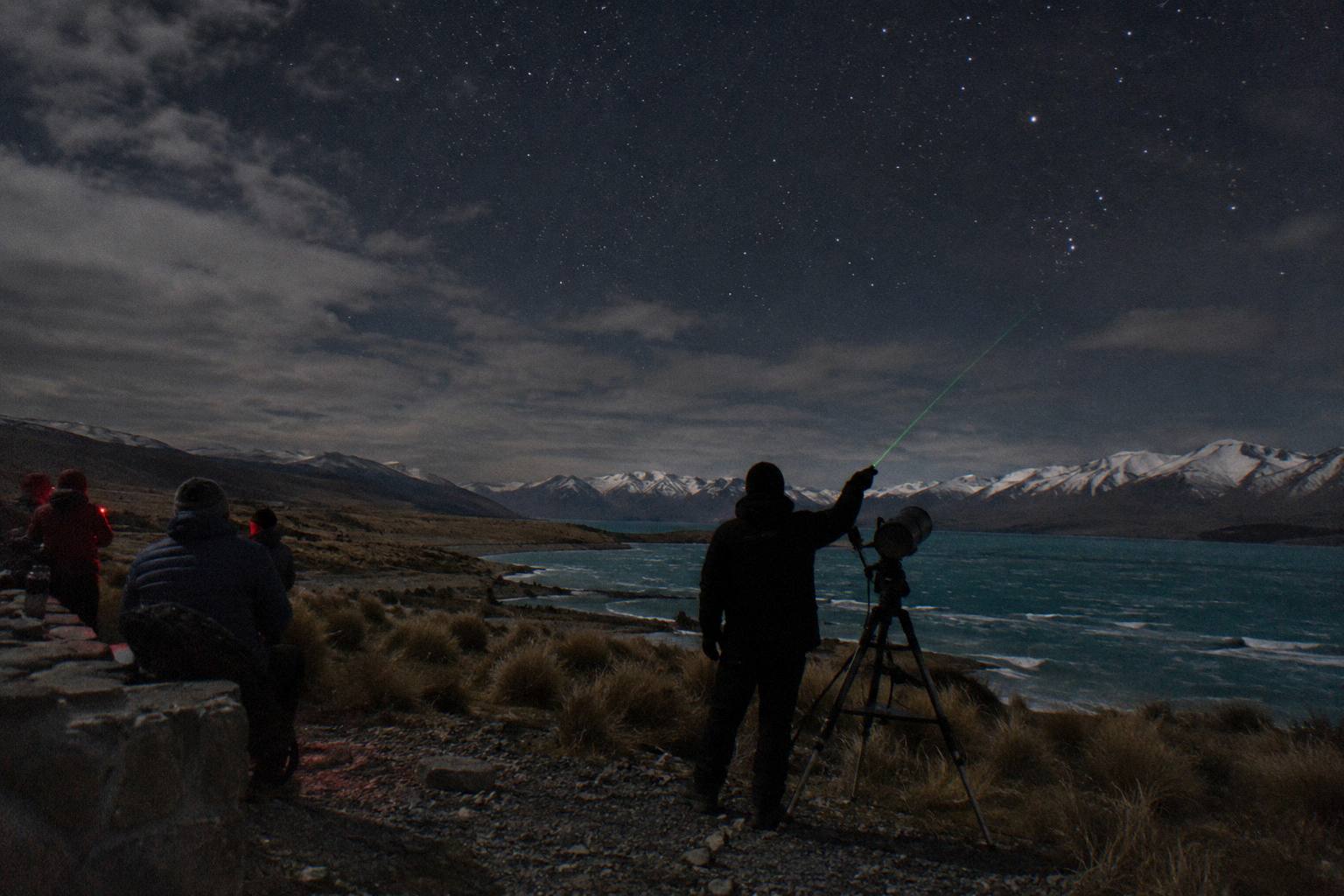
For couples and solo travellers the calculus flips toward setting and format. The Mount Cook side offers stargazing beside the Tasman Glacier car park, a backdrop no Tekapo tour can copy, and the Hermitage's Big Sky Stargazing runs English and Mandarin guides at 10:30pm and 12:30am currently, seasonal and subject to minimum numbers, with a minimum age of 8. The Tekapo side offers the research observatory dome, the hot-pool pairing, and the cultural layer: Dark Sky Project says Tātai Aroraki, Māori astronomy, is woven through its Summit, Crater and Dark Sky experiences, and Tekapo Springs tells Māori star stories framing stars as a Pacific navigation compass, with Matariki and the Southern Cross in the telling. Takapō itself is the name recorded by Ngāi Tahu ancestors, as Dark Sky Project notes in explaining its own use of the macron spelling.
Budget travellers get a clearer answer in Tekapo, but only barely. The Dark Sky Experience at NZD 59 adult is the cheapest structured astronomy product across both villages, and free self-guided stargazing is possible from either lakefront; on that, the site's free stargazing around Lake Tekapo guide covers the no-cost side of the village. Among paid tours, Crater's NZD 99 child ticket and NZD 377 family pass are the family-value picks, while the Summit's flat NZD 239 for adult and child alike means no child discount, a point Dark Sky Project's own pricing makes explicit. For everything priced on the booking page, treat the operator's published schedule as the reference and the booking page as the live word.
What Trips People Up When Choosing A Base?
Travelers trip themselves up in three recurring ways: they assume the two villages have different skies, they assume Mount Cook's tours publish Tekapo-style prices and age limits, and they book a single night with no weather plan. Each mistake is easy to make and easy to avoid once you know to look for it. The sky is shared; the reserve covers both villages and everything between, so paying for a "better sky" by choosing one bed over the other is paying for something the designation already gives you. What differs is tour depth, published pricing and fallback structure, and those are the things worth checking before you book a room.
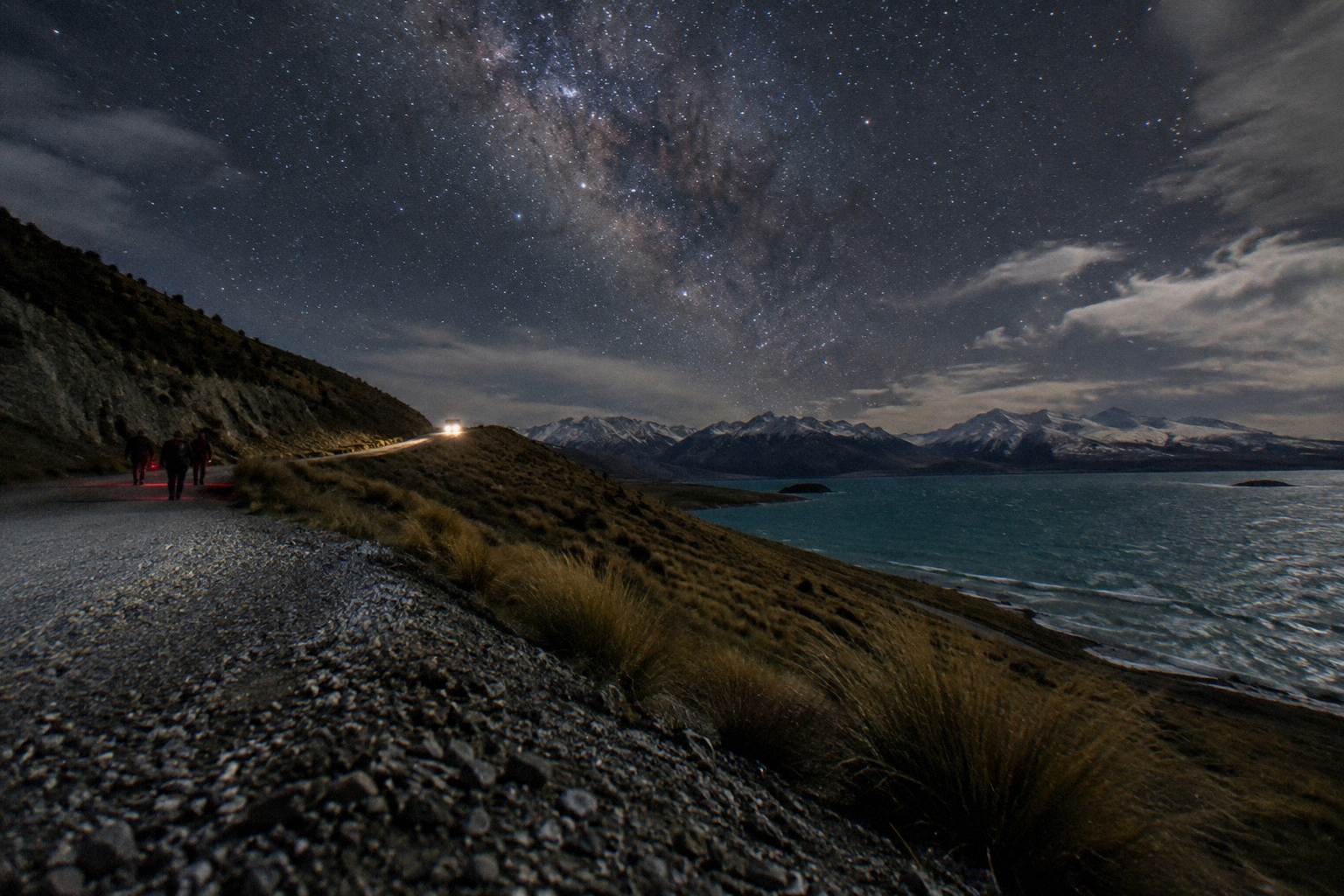
The second mistake is expecting symmetrical information. Tekapo's Dark Sky Project and Tekapo Springs publish full price schedules valid to 30 September 2027, ages, durations and weather terms on their own pages, while the Mount Cook and Twizel tours state durations and ages but leave prices to the booking page, and the Mt Cook tour's meeting point at the Tasman Glacier car park rests on a single source. None of that makes the tours lesser options; it means a phone call or a careful read of the booking page does work that Tekapo's operator pages have already done. Contact details if you need them: Dark Sky Project on +64 3 680 6960 or info@darkskyproject.co.nz, Tekapo Springs on +64 3 680 6550 or bookings@tekapostargazing.co.nz.
The third mistake is the clock. Dark Sky Project's Summit times are not published at all, they vary through the year with sunset, and Tekapo Springs' Soak in the Stars start times are seasonal, with some tours beginning after midnight, the operator's example being 12:15am. Travellers who book a dawn drive the next morning, or who assume an 8pm tour and an 11pm bedtime, get caught out. Check the booked start time against your alarm, and remember the late check-in rule on Dark Sky Project's terms: no refund if you miss it.
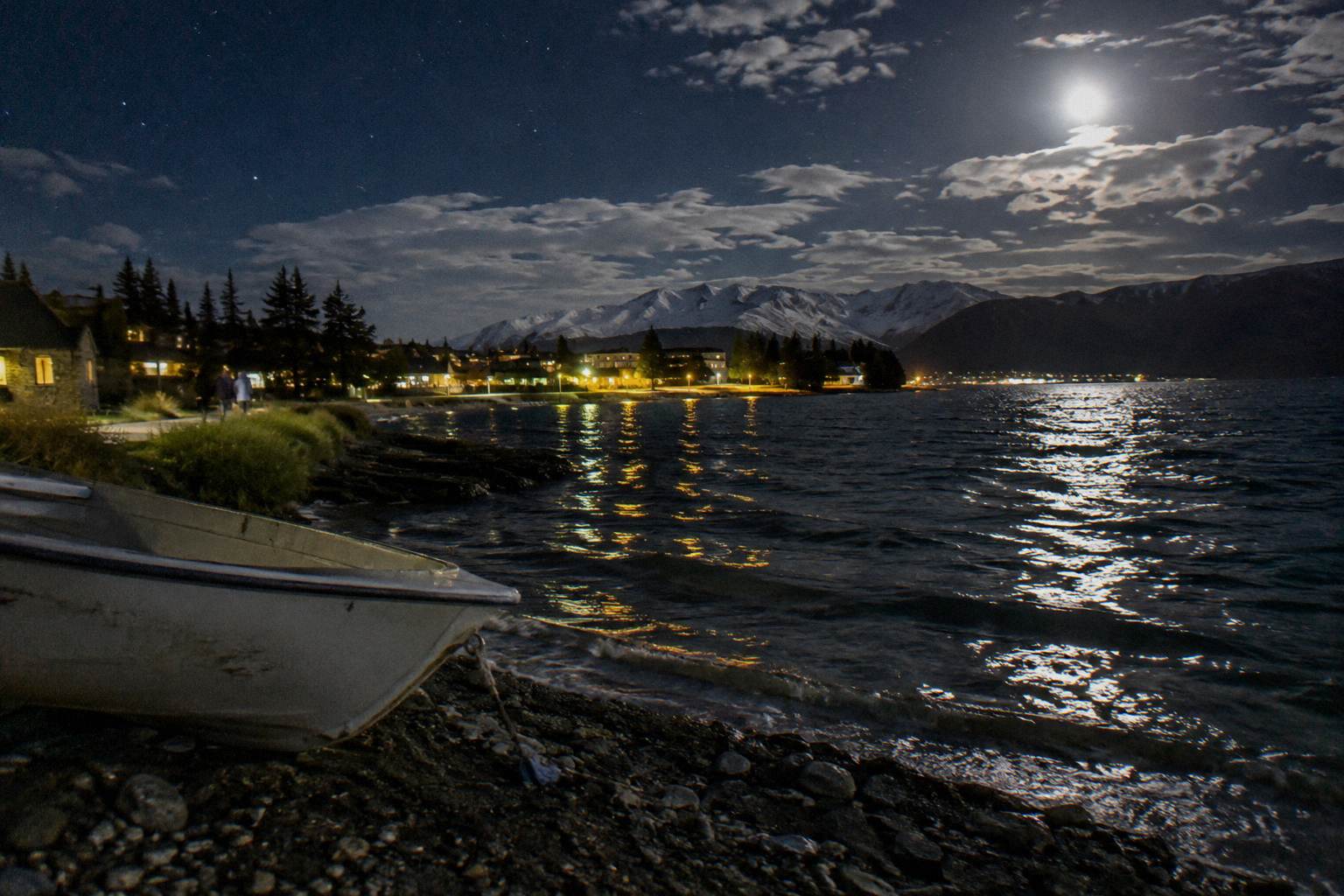
A fourth, quieter trap: the word "guaranteed". Tekapo Springs advertises a guaranteed stargazing adventure, but its own terms say clarity cannot be guaranteed, and no operator on either side of the reserve promises the Milky Way, aurora or any specific object. Dark Sky Project says the Milky Way and Aurora Australis depend on conditions. Book the tour whose fallback you would genuinely enjoy, the dome, the pools, the planetarium or the indoor cultural experience, and the sky becomes a bonus rather than a bet. For the broader framing, whether Lake Pukaki or Tekapo is better for stargazing covers the third base in the basin.
Common Questions About Mount Cook Or Lake Tekapo For Stargazing
Is It Better To Stay In Mount Cook Or Lake Tekapo For Stargazing?
Stay in Lake Tekapo if you want the widest choice of guided tours, published family pricing from age 5 and strong indoor fallbacks; stay in Mount Cook if sleeping inside the national park beside glacier country matters more than tour depth. Both sit inside the same dark sky reserve, so the sky itself is not the differentiator.
Is The Sky Darker In Mount Cook Than In Lake Tekapo?
Both villages lie inside the Aoraki Mackenzie International Dark Sky Reserve, which comprises Aoraki/Mt Cook National Park and the Mackenzie Basin, and the district has rules on outdoor lighting. No operator claims a darker sky for one village over the other, and clarity cannot be guaranteed at either.
Can You Book A Stargazing Tour From Mount Cook Village?
Yes. The Mt Cook Stargazing Experience run by Silver River Stargazing lasts 75 minutes and meets at the Tasman Glacier car park, and the Hermitage's Big Sky Stargazing runs 75 to 90 minutes from adults at NZD 165, children from NZD 94, minimum age 8. Prices for the Silver River tour are on the booking page, and its minimum age is not stated.
Is One Night Enough For Stargazing In Either Village?
One night is a gamble at both, because weather decides close to tour time. Two nights roughly doubles your chances and lets you split bases, Tekapo one night and Mount Cook the next, with the Twizel tour as a midpoint option at 75 minutes from age 6.
Which Village Is Better For Families With Young Children?
Tekapo. The Crater Experience takes children from age 5 at the operator's price of NZD 99, Astro Tekapo's lakefront tour takes age 6, and the indoor Dark Sky Experience has no stated minimum age with under 5s free beside an adult ticket. Tekapo Springs allows no child under 6 on any of its tours.
What Happens If It Is Cloudy On The Night Of My Tour?
Dark Sky Project decides close to tour time and offers an indoor alternative, a reschedule, a voucher valid three years or a full refund. Tekapo Springs runs in all weather with a VR indoor experience replacing telescope viewing, and a 25 percent refund per ticket if viewing falls under 30 minutes. The Hermitage's Big Sky tour cancels to a planetarium show with a 75 percent refund.