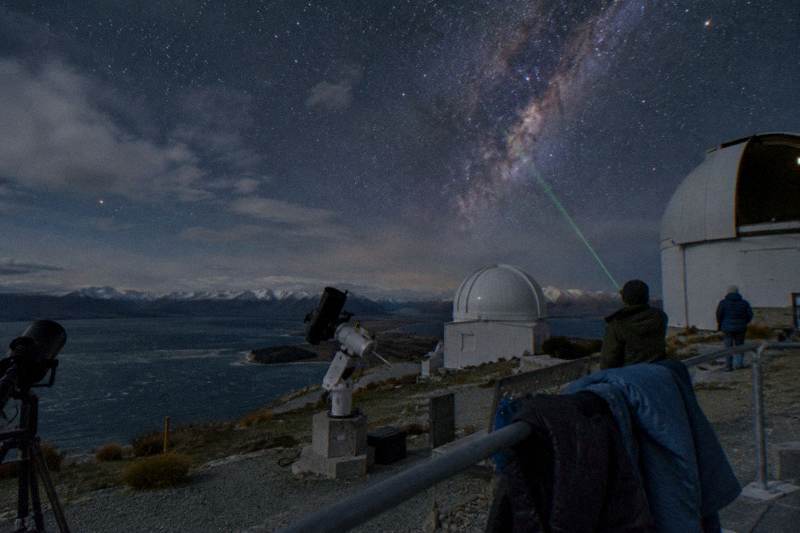
New Moon Or Full Moon For Tekapo Stargazing: Which Gives Better Nights?
The moon is the one variable you can plan around before you book a Tekapo stargazing tour, and the two main operators describe its effect differently. Here is what each says, and how to turn that into a date decision.
Short answer
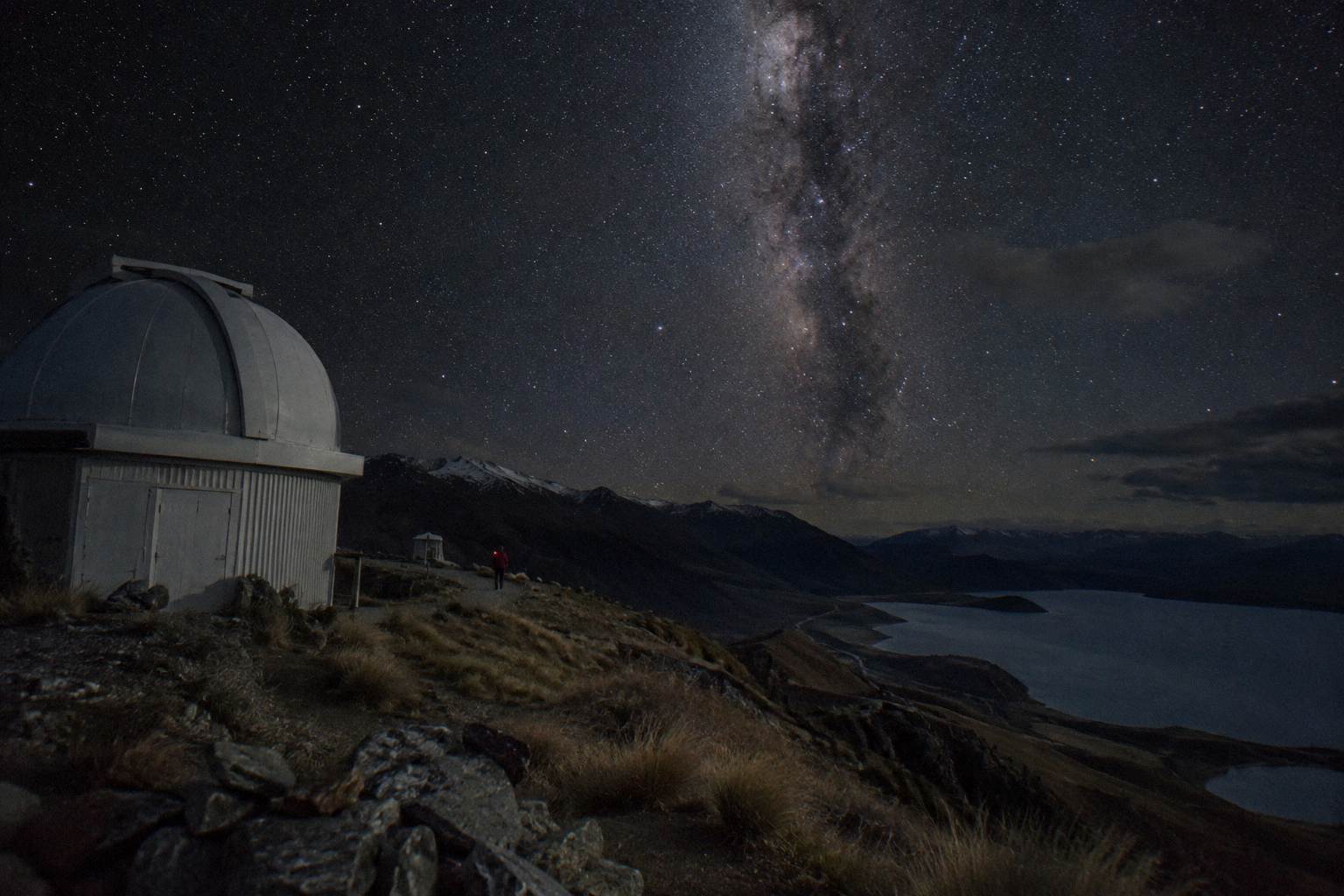
A new moon gives the darkest Tekapo skies and the best conditions for faint stars and the Milky Way by naked eye, and Dark Sky Project says brighter moonlight affects exactly those targets. But Tekapo Springs says telescopes still show bright objects under a full moon, which only reduces the naked-eye Milky Way, and Dark Sky Project itself calls the moon a good target.
This guide sits within the site's wider season planning coverage: see the best time of year for stargazing at Lake Tekapo for the month-by-month picture.
The moon question matters because it is the one part of the night sky you can read off a calendar months ahead. Cloud you cannot. Aurora you cannot. The phase of the moon on the night you stand at Lake Tekapo, you can. That makes it the single most useful planning lever for a trip built around stargazing, and it is worth understanding properly rather than treating "full moon bad" as a rule.
The honest answer is more interesting than a rule. The two main operators in Tekapo describe the moon's effect in different ways, both grounded in how their tours actually work, and a full moon night can suit one traveller better than a new moon night suits another. It depends on what you want to see, whether you will be looking through a telescope, and who is standing next to you on the viewing terrace.
| Quick fact | Detail |
|---|---|
| Best phase for faint objects | New moon window |
| Best phase for viewing the moon itself | Around full, when the whole disc is lit |
| Dark Sky Project on moonlight | Brighter moonlight affects fainter stars and galaxies; the moon is also a good target |
| Tekapo Springs on a full moon | Telescopes still show bright objects; only the naked-eye Milky Way is reduced |
| Cloud policy, Dark Sky Project | Cannot guarantee clarity; indoor alternative, reschedule, voucher or full refund |
| Cloud policy, Tekapo Springs | Tours run in all weather; VR indoor experience replaces telescope viewing |
| Reserve | Aoraki Mackenzie International Dark Sky Reserve, the largest dark sky reserve in the Southern Hemisphere, awarded April 2012 |
What The Moon Actually Does To The Tekapo Night Sky
Moonlight is light pollution you can schedule. The moon reflects sunlight, and when it is up and bright it raises the sky's background glow, which washes out the faintest things first: dim stars, distant galaxies, and the diffuse glow of the Milky Way. Bright objects survive it. That single mechanism explains everything else on this page, including why the two operators describe the same full moon so differently.
Think of it as a dimmer on the whole sky. On a moonless night at Lake Tekapo, inside the Aoraki Mackenzie International Dark Sky Reserve, the sky background is as dark as the district's lighting rules and the absence of moonlight can make it, and faint structure shows up to the naked eye. Add a gibbous or full moon and the background rises, the dim stars disappear first, and what remains is the bright hierarchy: the moon itself, the planets in season, the bright named stars and the standout clusters.
The reason this hits the Milky Way hardest is geometry as much as brightness. The Milky Way's glow is the combined light of an enormous number of individually faint stars, so it has no bright core for your eye to lock onto when the background rises. A bright star, or a planet, or a compact cluster holds its own. This is why a telescope changes the calculus: it gathers far more light than your eye does, and the objects that survive in the eyepiece under moonlight are precisely the ones a tour telescope is well suited to show.
The Mackenzie Basin's darkness is protected, not natural accident. The reserve, awarded status in April 2012, comprises Aoraki/Mt Cook National Park and the Mackenzie Basin, and the district has rules on outdoor lighting, including shielding so lights point downward. That protection is what makes the moon the dominant variable on many nights: with human light suppressed, the moon is the last big source of glow left. The operator's dark sky reserve page sets out the reserve's scope.
One point of honesty that applies to every phase: the moon is predictable, the weather is not. Dark Sky Project states plainly that it cannot guarantee clarity or any object, and that its go or no-go decision is made as close to tour time as possible. A perfect new moon under cloud shows you nothing. A full moon under a clear, still sky can be a genuinely good night out, which is exactly what the next two sections unpack.
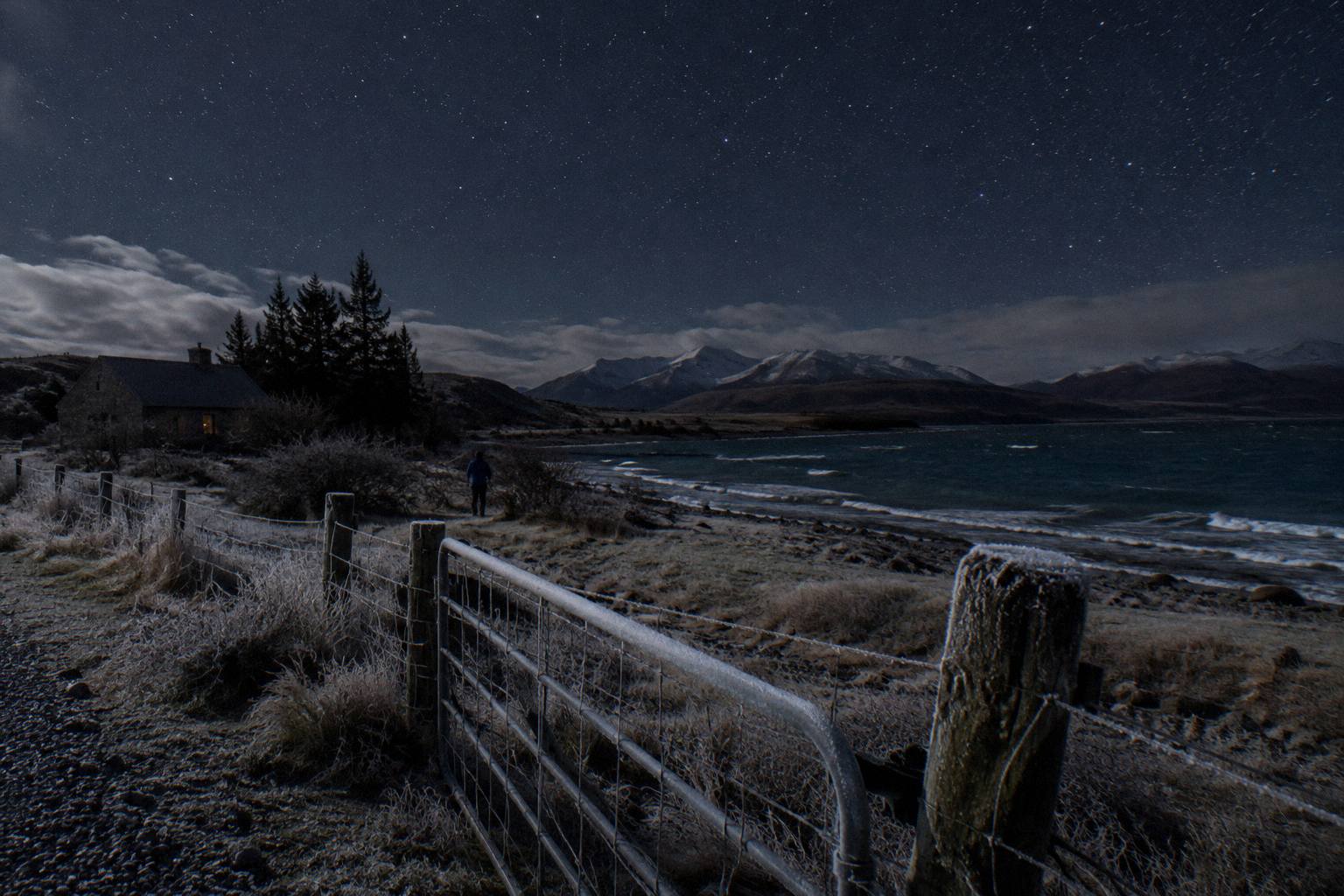
Why A New Moon Gives The Darkest Tekapo Nights
If the naked-eye Milky Way, faint galaxies or the deepest star fields are the goal, book inside the new moon window, the few nights either side of the invisible moon. Dark Sky Project says brighter moonlight affects fainter stars and galaxies, so the absent moon is what keeps those targets at their best. The moon is also absent for more of the night around new moon, giving long stretches of uninterrupted dark.
The new moon window is wider than the single night printed on a calendar. On the nights leading up to and following a new moon, a thin crescent rises late or sets early, or never clears the horizon during the evening at all. For trip planning, treat the window as several usable nights rather than one, which matters for a destination that rewards buffer time: over on this site, how many nights you need in Tekapo for stargazing makes the case for building in spare evenings.
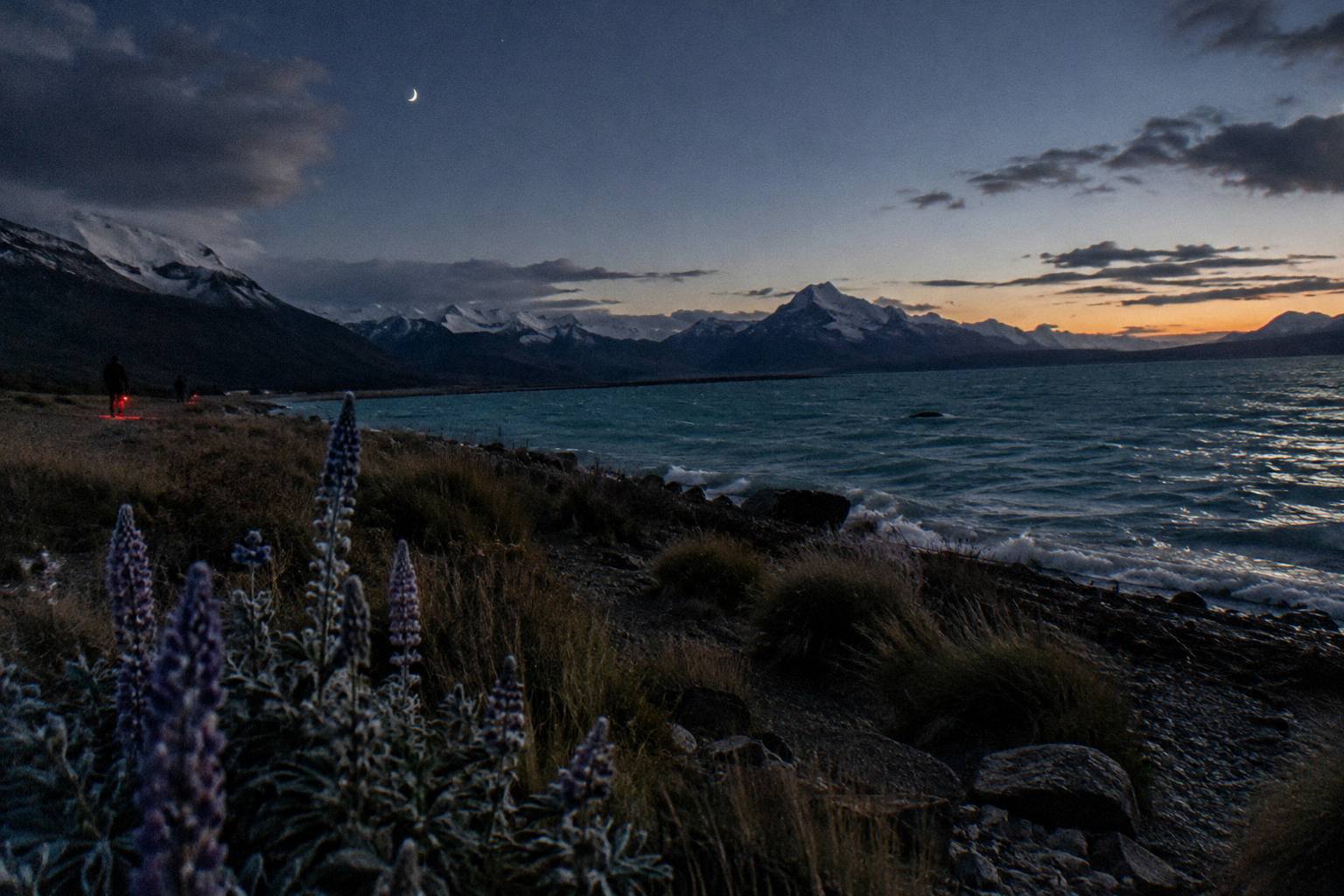
What the dark window buys you at Tekapo specifically is contrast. With the reserve's protected darkness as the baseline, a moonless sky lets the faint material through: the Milky Way's structure, the small fuzzy patches that are actually distant galaxies, and the dense star fields that make the Southern Hemisphere sky feel crowded. These are the sights people travel for, and they are the ones most degraded by any bright moon, which is why new moon dates fill first for the flagship tours.
The practical trade-off is worth naming. New moon nights are the most in demand, so the Mt John Summit Stargazing Experience and the Crater Stargazing At Cowan's Observatory, both run by Dark Sky Project seven days a week, are most likely to be fully booked in that window, especially in peak season. If your dates are fixed by school holidays or a wider South Island itinerary, you may find the moon phase is chosen for you, and the rest of this guide is about making that work rather than mourning it.
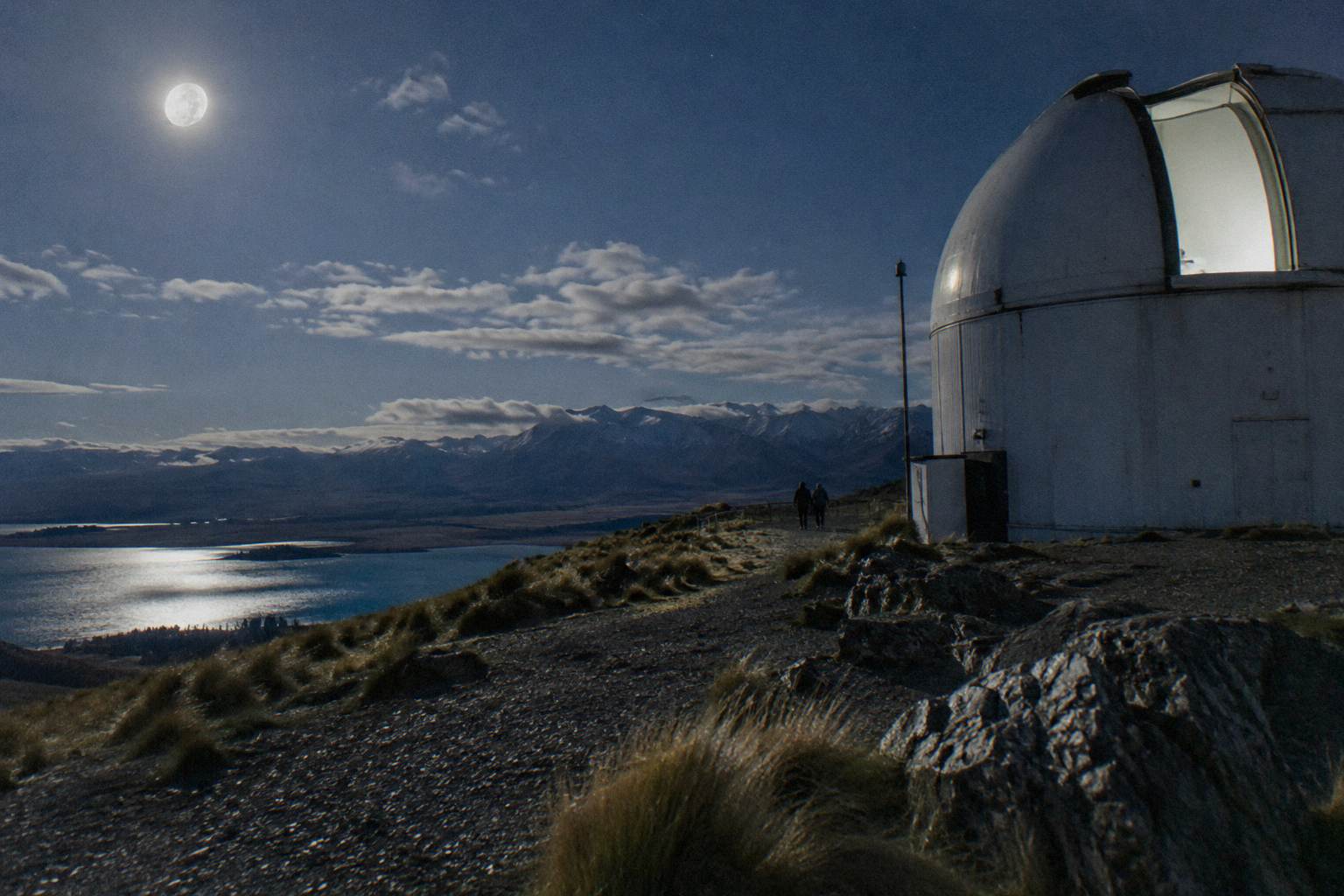
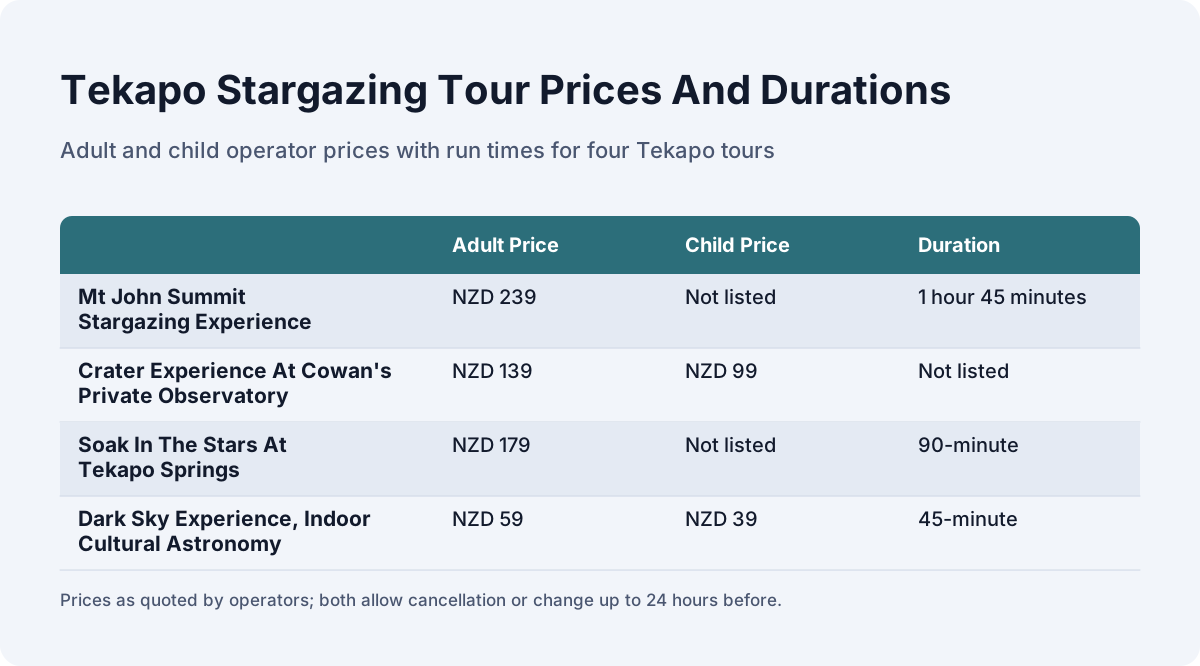
For the summit tour specifically, the setting raises the stakes of dark skies. The Mt John Summit Stargazing Experience, rated 4.6 across 352 reviews, runs 1 hour 45 minutes with a 15-minute bus ride from the Dark Sky Project base to the University of Canterbury Mt John Observatory at 1,029 m, and uses telescopes up to 16 inch inside a private dome alongside naked-eye guiding. The operator's price is NZD 239 for adults and children alike, minimum age 10, and the price schedule runs to 30 September 2027. On a moonless night that elevation and those apertures are aimed at the faint sky; read more in the site's guide to the Summit Experience.
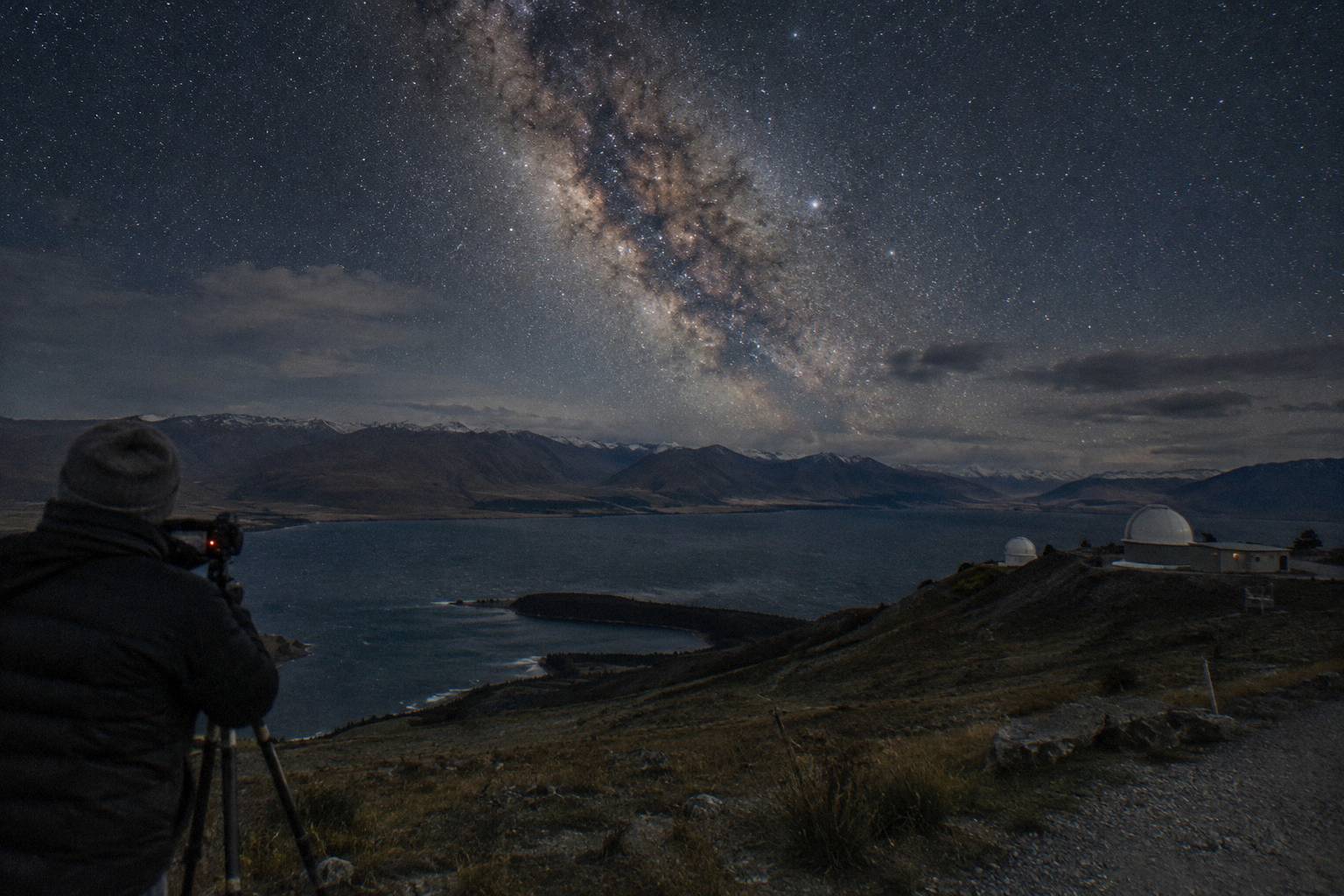
For a fuller sky-target picture, including what the telescopes on these tours are typically pointed at, see what you actually see through Tekapo stargazing telescopes.
Why A Full Moon Is Not A Write-Off At Tekapo
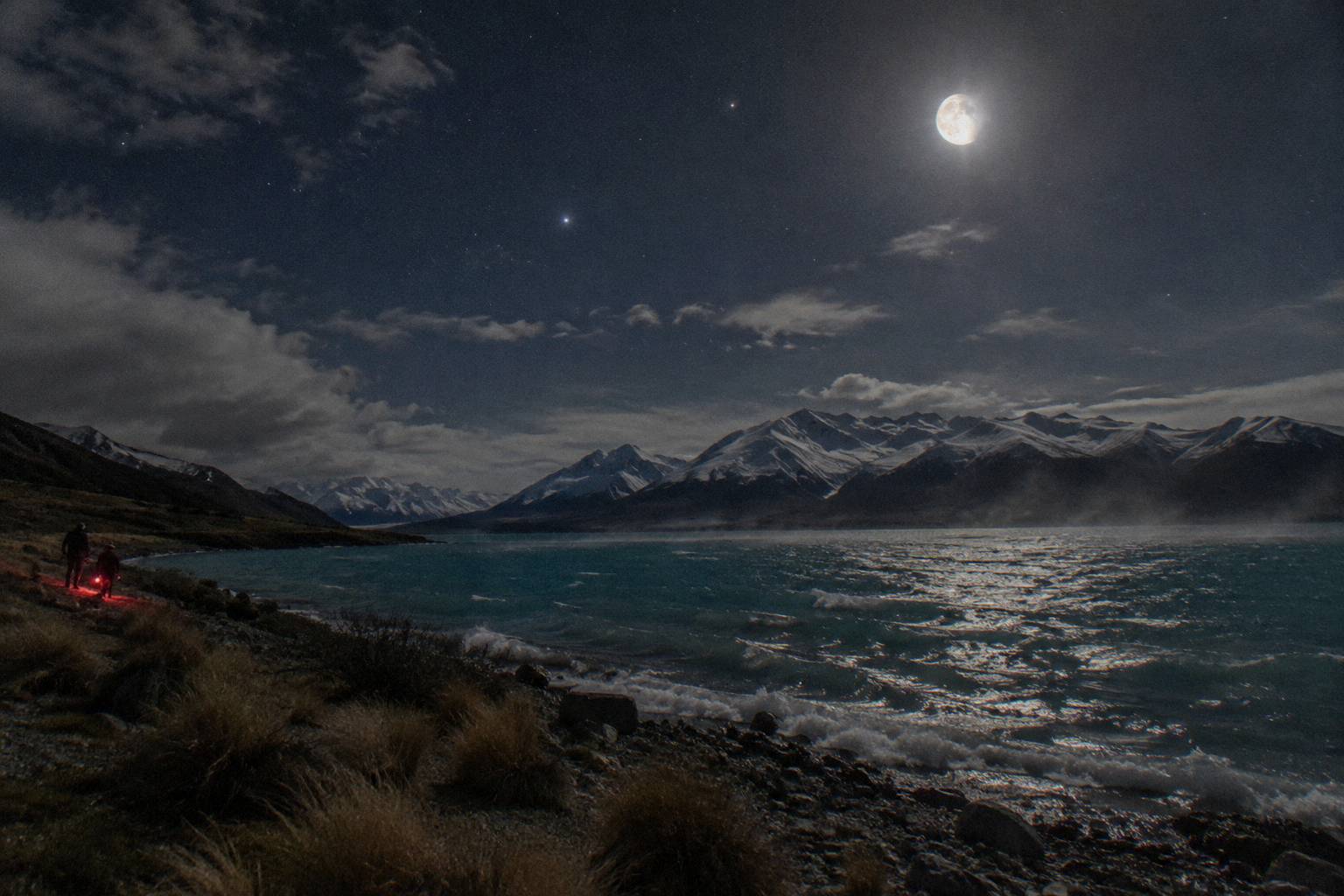
A full moon narrows what you see, it does not close the night. Tekapo Springs says that under a full moon its telescopes still show bright objects, and that the moon only reduces the naked-eye Milky Way, while Dark Sky Project says the same bright moonlight that affects fainter stars and galaxies also makes the moon itself a good target. If your night falls near full, choose a telescope-forward tour and enjoy the lit landscape.
Start with what the operators themselves say, because they run tours every night of the lunar cycle and have every reason to describe the moon honestly. The operator's weather page states that brighter moonlight affects fainter stars and galaxies, and in the same breath treats the moon as a worthwhile target rather than an enemy. The Tekapo Springs stargazing page and its FAQ put it another way: telescopes still show bright objects under a full moon, and full moonlight only reduces the naked-eye Milky Way. These are not contradictory claims, they are two operators describing the same physics from two product angles.
That difference matters for choosing between tours on a full moon week. A telescope-based tour leans on bright targets that survive moonlight: the moon itself with its craters in sharp relief, planets when they are up, bright clusters and double stars. The moon near full, seen through a 14 or 16 inch telescope, is one of the most dramatic eyepiece sights there is, so bright that guides often fit a filter. A tour built around naked-eye sky orientation and the Milky Way's structure, by contrast, gives you less on those nights.
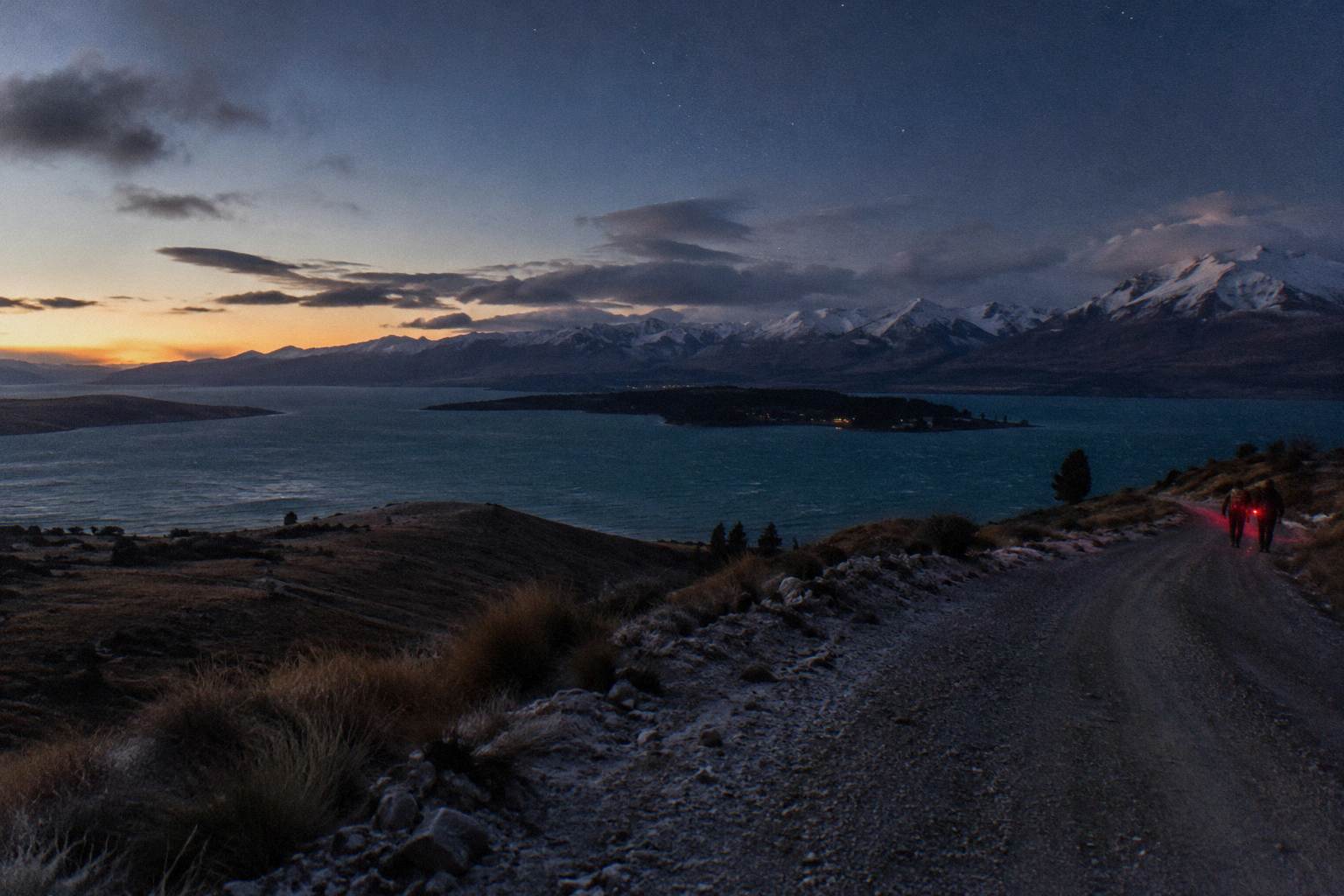
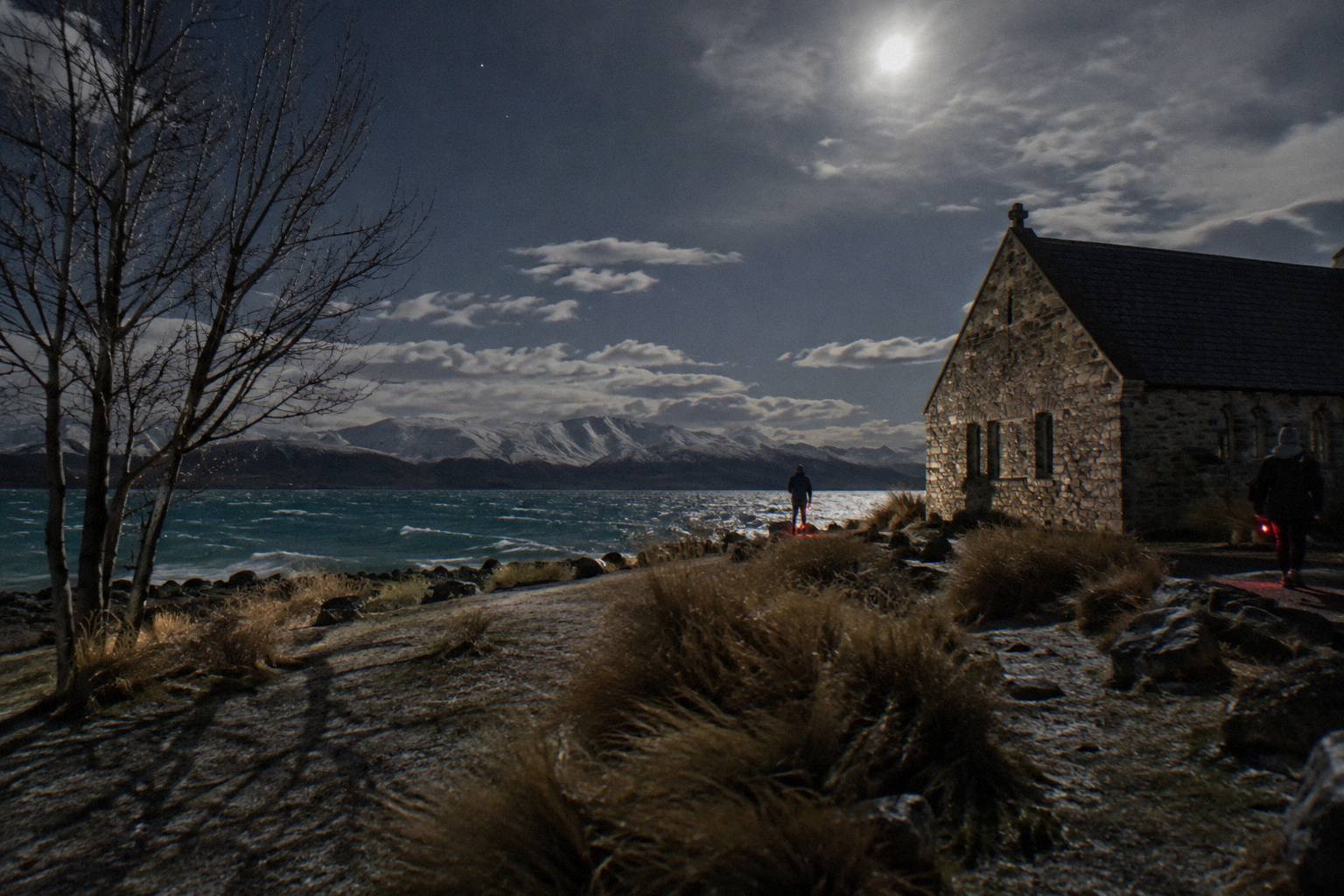
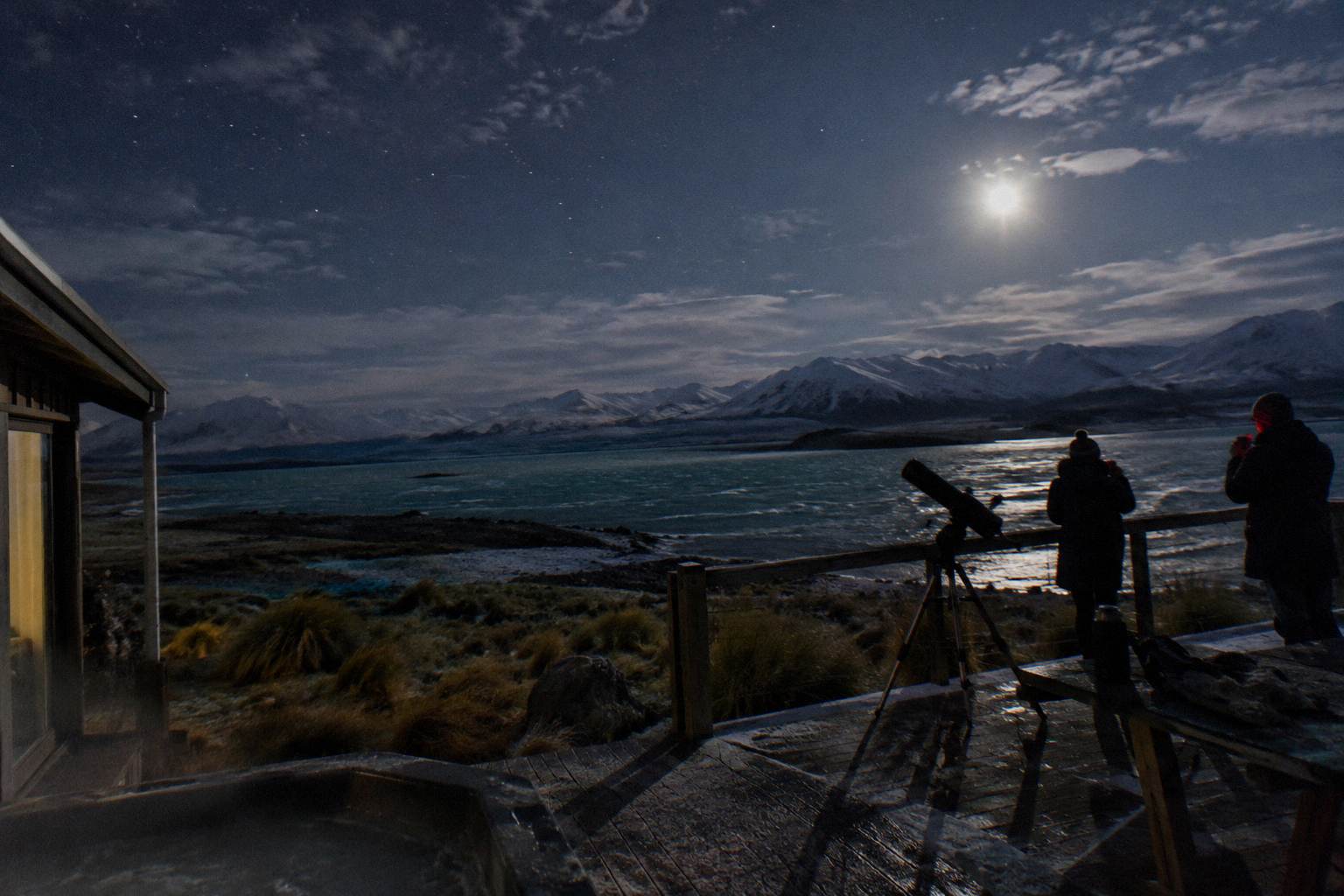
There is also a case for a full moon that has nothing to do with astronomy. Moonlit Lake Tekapo, the Church of the Good Shepherd and the basin's hills take on a visible, almost blue-lit character that a new moon night never shows, because on those nights the landscape vanishes into black. Photographers sometimes plan for exactly this. If your group includes people who are cold-sensitive, nervous in the dark, or simply along for the experience, a moonlit night can be the friendlier version of the same tour.
| Sky target | New moon window | Near full moon | Notes |
|---|---|---|---|
| Milky Way, naked eye | At its best | Reduced, per Tekapo Springs | The clearest casualty of moonlight |
| Faint stars and galaxies | Best contrast | Affected, per Dark Sky Project | Faint targets wash out first |
| The moon through a telescope | Not visible near new | Excellent near full | Dark Sky Project calls the moon a good target |
| Planets and bright clusters | Good | Still good, per Tekapo Springs | Bright objects survive moonlight |
| Moonlit landscape photos | Not possible | Possible | The full moon's hidden benefit |
The honest summary: a full moon night at Tekapo is a different tour, not a cancelled one. Pick the product that matches the light you will have.
Matching The Tour To The Phase You Will Get
Match the tour's strength to the moon you are dealt. In the new moon window, the naked-eye and faint-sky tours, the Summit Experience above all, earn their price. Near a full moon, telescope-forward value holds up, the Crater Experience at the operator's price of NZD 139 adult and NZD 99 child suits families, and Soak in the Stars at NZD 179 adult turns any phase into a comfortable night.
Work through the main options as a planner would. The Summit Experience, 1 hour 45 minutes, minimum age 10, is the deepest sky product in the village, so it is the one that most repays a moonless night; its full detail, including the 100 m gravel walk in the dark and the loan of an Extreme Cold Weather jacket, is in the Summit versus Tekapo Springs comparison. The Crater Experience at Cowan's Private Observatory, 75 minutes including transport, minimum age 5, with a family pass at NZD 377 for two adults and two children, uses 14 inch telescopes in purpose-built observation craters sheltered from wind and light, a format that stays rewarding when the moon is bright because the craters' shelter and the eyepiece work do the heavy lifting.
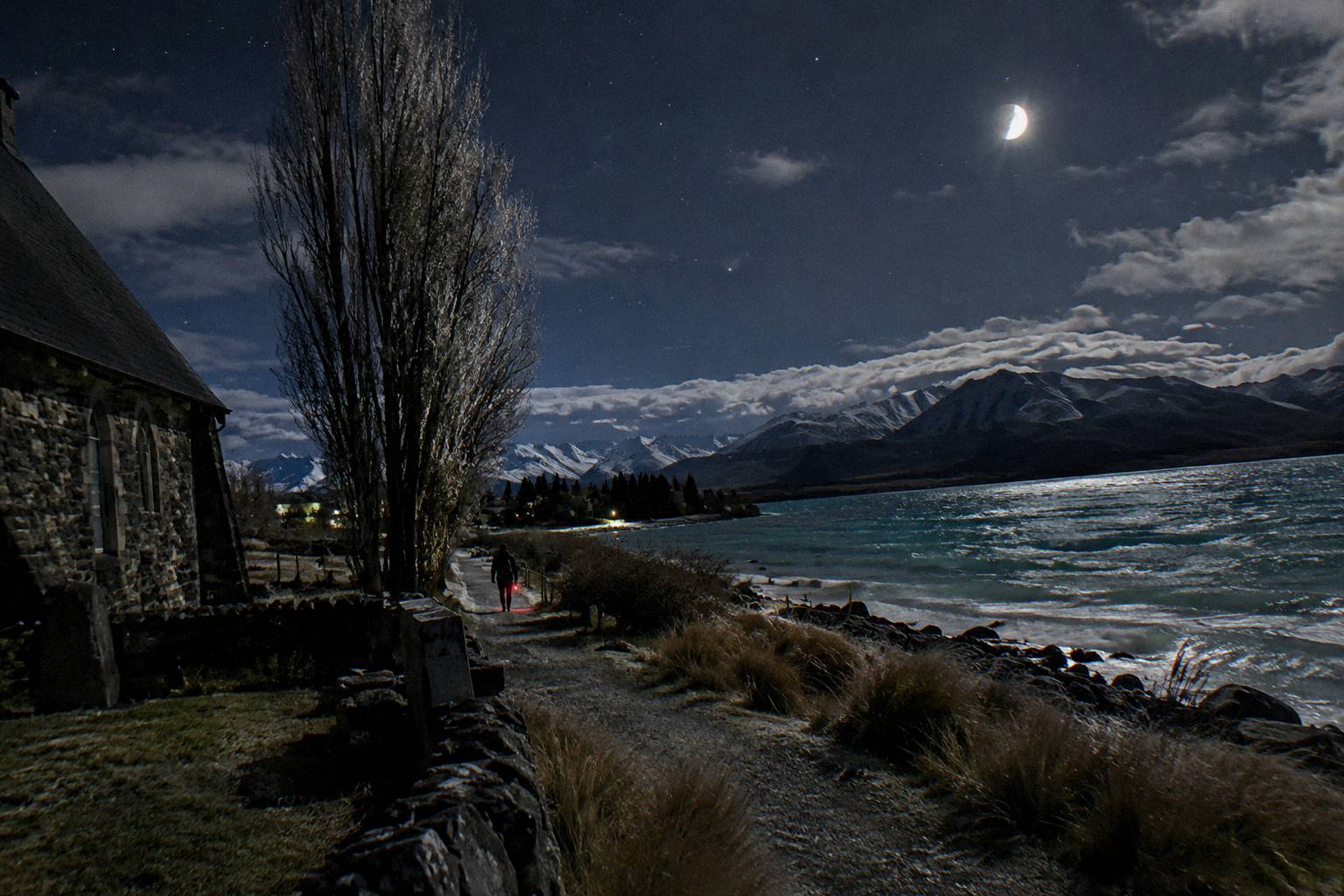
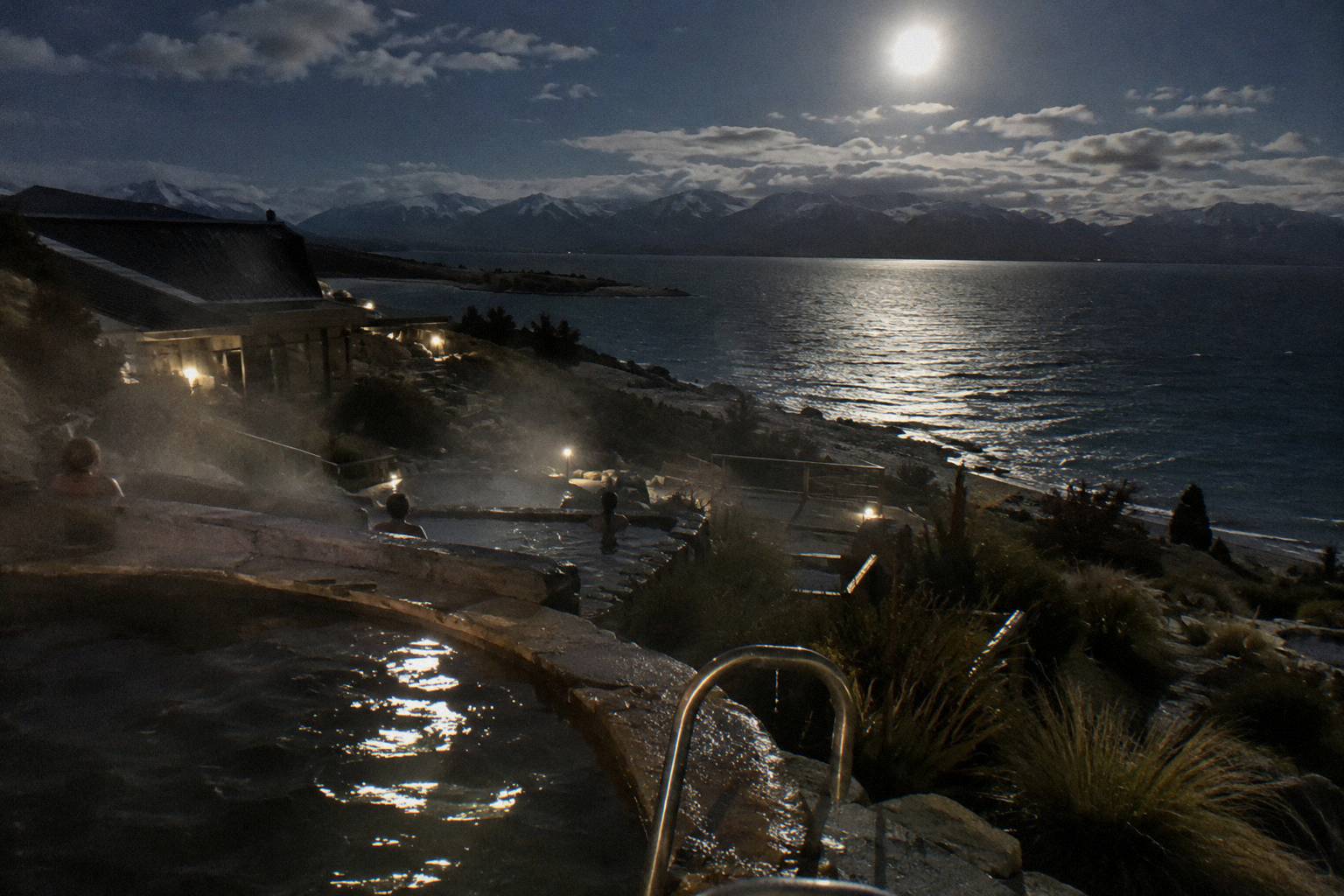
Soak in the Stars, the Tekapo Springs 90-minute combination of guided telescope viewing and an exclusive hot pool at 37.5 to 38.5 °C with towels, robes, hot drinks and warm poncho coats, is the most phase-proof product of the three. Its operator runs in all weather, with a VR indoor experience replacing telescope viewing under cloud, and the hot soak at the end does not depend on the sky at all. On a full moon night, with the operator's own point that telescopes still show bright objects, this is the tour where a bright sky costs you least. Its schedule is seasonal, running seven evenings a week October to April and Thursday to Monday May to September, with some tours beginning after midnight.
There is also a phase-proof fallback that is not a stargazing tour at all, and it is worth naming honestly. The Dark Sky Experience, Indoor Cultural Astronomy is a 45-minute daytime, indoor guided tour at the Dark Sky Project base, at the operator's price of NZD 59 adult and NZD 39 child, covering Māori astronomy (Tātai Aroraki) and the restored 125-year-old Brashear telescope, with English sessions at 10:30am, 12:30pm and 2:30pm, and 4:30pm on Tuesday and Wednesday subject to availability. It offers no stargazing, so the moon is irrelevant to it, which is exactly why it works as the plan C when a moonless night clouds over: the operator offers it, a Virtual Stargazing Experience, a reschedule, a gift voucher valid three years, or a full refund when outdoor stargazing is not possible.
Booking mechanics matter as much as tour choice here. Direct Dark Sky Project bookings can be cancelled up to 24 hours before for a full refund, and Tekapo Springs allows cancellation or change up to 24 hours before for a full refund, date change or voucher, so a moon-phase misjudgement is recoverable if you catch it in time. Third-party bookings follow the agent's own terms, so check the booking page before assuming the same window. You can also compare dates against the Tekapo stargazing forecast guide once your trip is close.
How Both Operators Handle Moonlight And Cloud
The two operators treat the unpredictable sky differently, and that difference should inform your booking. Dark Sky Project decides close to tour time whether outdoor stargazing is possible, and if not offers an indoor alternative, a reschedule, a voucher valid three years, or a full refund. Tekapo Springs runs in all weather, substituting a VR indoor experience, and refunds 25 percent per ticket if telescope viewing falls under 30 minutes.
Neither operator promises the sky, and both say so in writing. Dark Sky Project cannot guarantee clarity or any object, including the Milky Way and Aurora Australis, and asks guests to check in 15 minutes before the tour for the latest call; its terms add that late check-in means no refund, and that groups of 10 or more face stricter windows, 72 hours on the Summit and Crater tours. Tekapo Springs goes the other direction: the tour happens regardless of weather, and under cloud a 360-degree VR experience with imagery of the Church of the Good Shepherd and the Mt John summit replaces the telescope portion, with the partial refund as compensation for shortened viewing.
For a moon-phase planner, the lesson is to separate the two variables. You can choose the moon; you cannot choose the cloud, and cloud is the only thing that can actually cancel the outdoor portion of a Dark Sky Project night. A pragmatic pattern that experienced visitors use is to book the new moon window but hold one or two earlier or later evenings in reserve, so a cloudy dark night does not end the stargazing ambition of the trip. The 24-hour cancellation windows on both operators' direct bookings make that reserve-slot strategy low risk.
Moonlight and cloud also interact in one practical way worth knowing: a bright moon matters less on a night with thin cloud, because the cloud was already going to cut the faint sky, and more on a crystal-clear night, where the difference between moonless and moonlit is at its starkest. Dark Sky Project notes that brighter moonlight affects fainter stars and galaxies while the moon remains a good target, so on a clear full moon night its guides have a bright, detailed object to work with; on a clear new moon night the same guides reach for the faint sky. The tour adapts; so should your expectations.
| Condition | Dark Sky Project (Summit, Crater) | Tekapo Springs (Soak in the Stars) |
|---|---|---|
| Moonlit night | Tours run; moon treated as a target; fainter stars and galaxies affected | Tours run; telescopes still show bright objects; naked-eye Milky Way reduced |
| Cloudy night | Decision made close to tour time | Tours run in all weather |
| If no outdoor viewing | Indoor alternative, reschedule, voucher valid 3 years, or full refund | VR indoor experience replaces telescope viewing |
| Short viewing compensation | Not stated as a percentage | 25% refund per ticket if under 30 minutes of telescope viewing |
| Direct booking cancellation | Full refund up to 24 hours before | Full refund, date change or voucher up to 24 hours before |
If a clouded-out night is your specific worry, the site's dedicated page on what happens when Tekapo stargazing is cancelled for weather walks the refund paths in detail.
A Worked Comparison: Two Travellers, Two Phases
Played out as a scenario, the decision splits cleanly: a photographer chasing the Milky Way should hold out for the new moon window and book the Summit Experience at NZD 239 per adult for the darkest sky, while a family with children aged 5 to 9 on fixed school-holiday dates near full moon should book the Crater Experience, where the NZD 99 child price, age 5 minimum, and 14 inch telescopes still deliver under moonlight.
Take the photographer first. Their target, the Milky Way's structure, is the single most moon-sensitive sight in the Tekapo sky, so the calendar does most of their decision for them: new moon window or bust, with spare nights for cloud. Their tour is the summit, because the 1,029 m elevation, the 16 inch dome telescopes and the guided naked-eye session are aimed at the faint sky, and their backup is the 24-hour cancellation window plus a second booked night. What they should not do is pay summit money for a full moon week and expect the same sky.
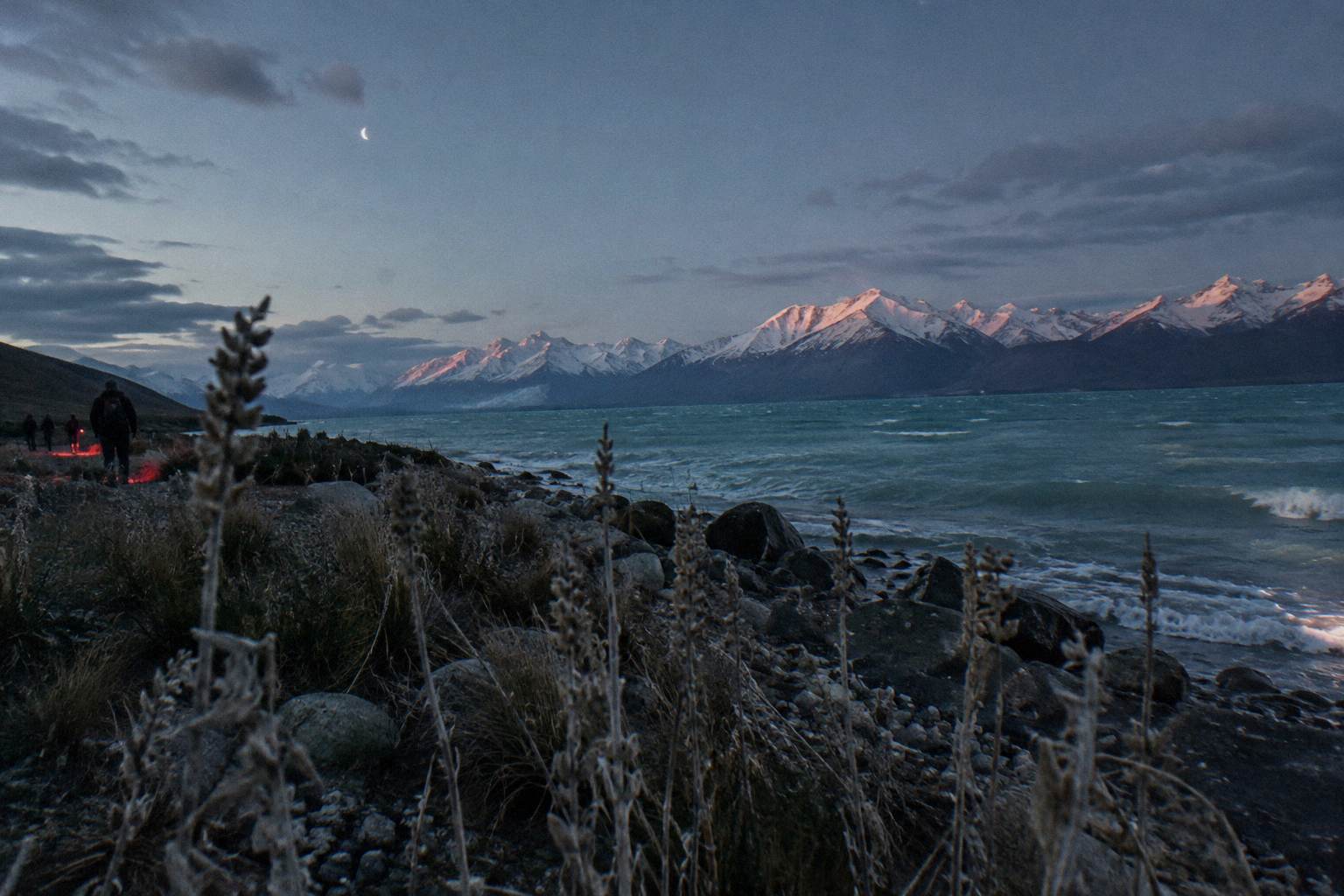
Now the family. Their constraints are ages and dates, not the lunar cycle, and a holiday-period full moon is entirely possible. The Crater Experience suits them structurally: minimum age 5, child price NZD 99, family pass NZD 377, a 5-minute drive from the Dark Sky Project base, and purpose-built observation craters sheltered from wind and light, which matters with young children on a breezy night. Under a full moon, the 14 inch telescopes carry the night with bright targets, exactly as Tekapo Springs describes the physics for its own tours. The family loses the naked-eye Milky Way and gains a memorable, comfortable introduction to the sky either way.
A third traveller completes the picture: the comfort-first couple who want atmosphere more than astronomy. For them Soak in the Stars is the pick on any phase, because the 90-minute format ends in a hot pool at 37.5 to 38.5 °C with a guide poolside, and the operator runs in all weather. The moon changes what the telescope portion shows, not the soak, and on a full moon night the moonlit lake is part of the evening. Their decision barely registers the moon at all, which is itself the point: phase-sensitivity is a property of the traveller and the product, not of the sky alone.
Common Mistakes When Planning Around The Moon
The mistakes are consistent: treating any full moon as a cancelled night, booking only the single new moon date with no cloud buffer, assuming a child discount on the summit tour, and forgetting that moonlight, unlike cloud, is knowable months ahead. Each mistake is avoidable with one calendar check and one honest read of the operators' own wording. The worst of them is the first, because it pushes people off perfectly good telescope nights.
- Writing off the full moon entirely. Tekapo Springs says telescopes still show bright objects under a full moon, and Dark Sky Project calls the moon a good target. A full moon night is a different tour, not a dead one.
- Booking only the exact new moon night. The dark window spans several nights, and cloud ignores calendars. Book the window, hold a spare evening, and use the 24-hour cancellation windows both operators offer on direct bookings.
- Assuming a child price on the summit. The Mt John Summit Stargazing Experience charges NZD 239 for adults and children alike, minimum age 10; there is no child discount. Families with younger children belong on the Crater Experience, minimum age 5.
- Expecting the Milky Way or aurora as a promise. Dark Sky Project does not guarantee the Milky Way or Aurora Australis; both depend on conditions. No operator here promises an object, and none should.
- Ignoring the check-in rule. Dark Sky Project asks guests to check in 15 minutes before the tour, and its terms state late check-in means no refund. On a weather-dependent night, that check-in is also where the go or no-go update lands.
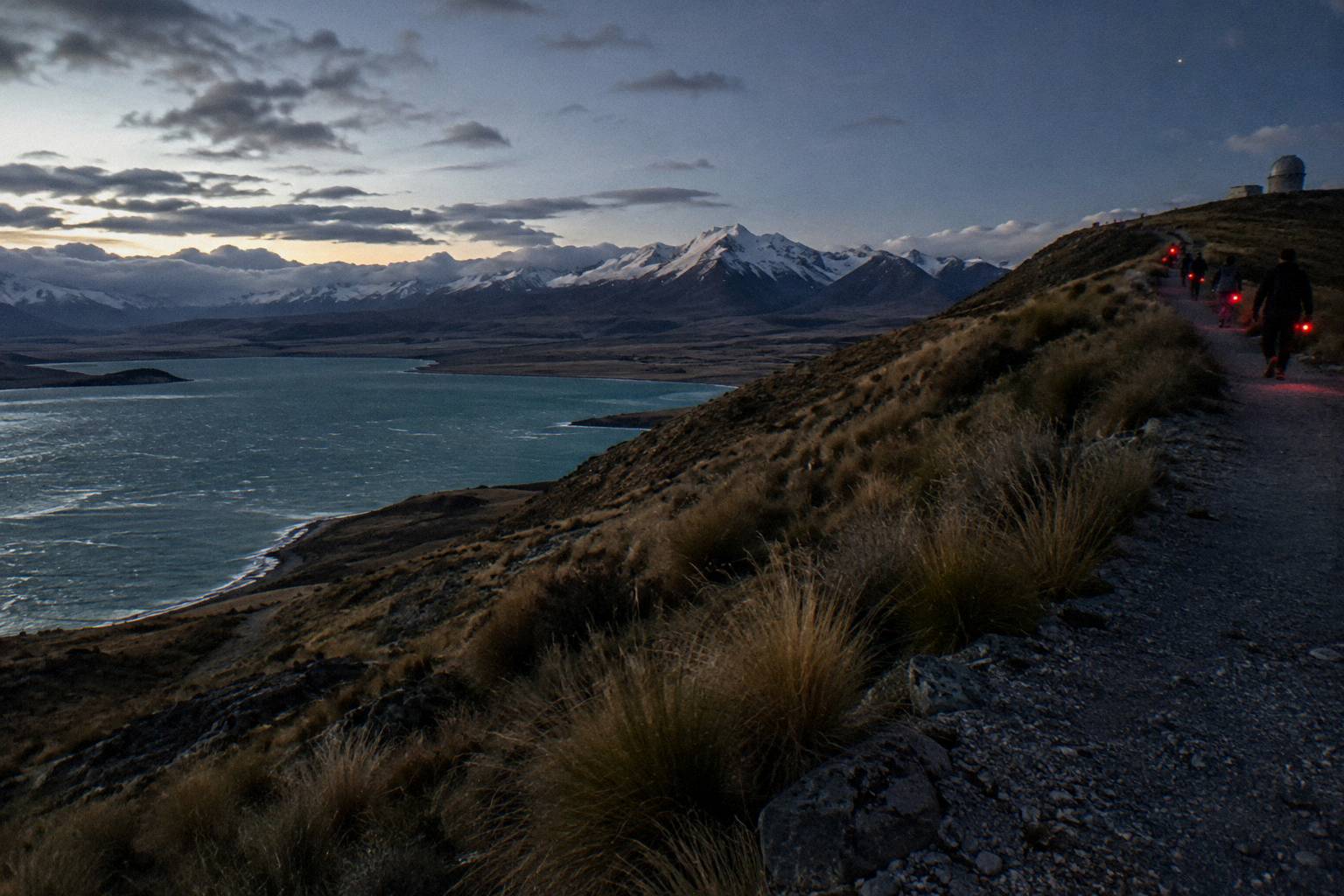
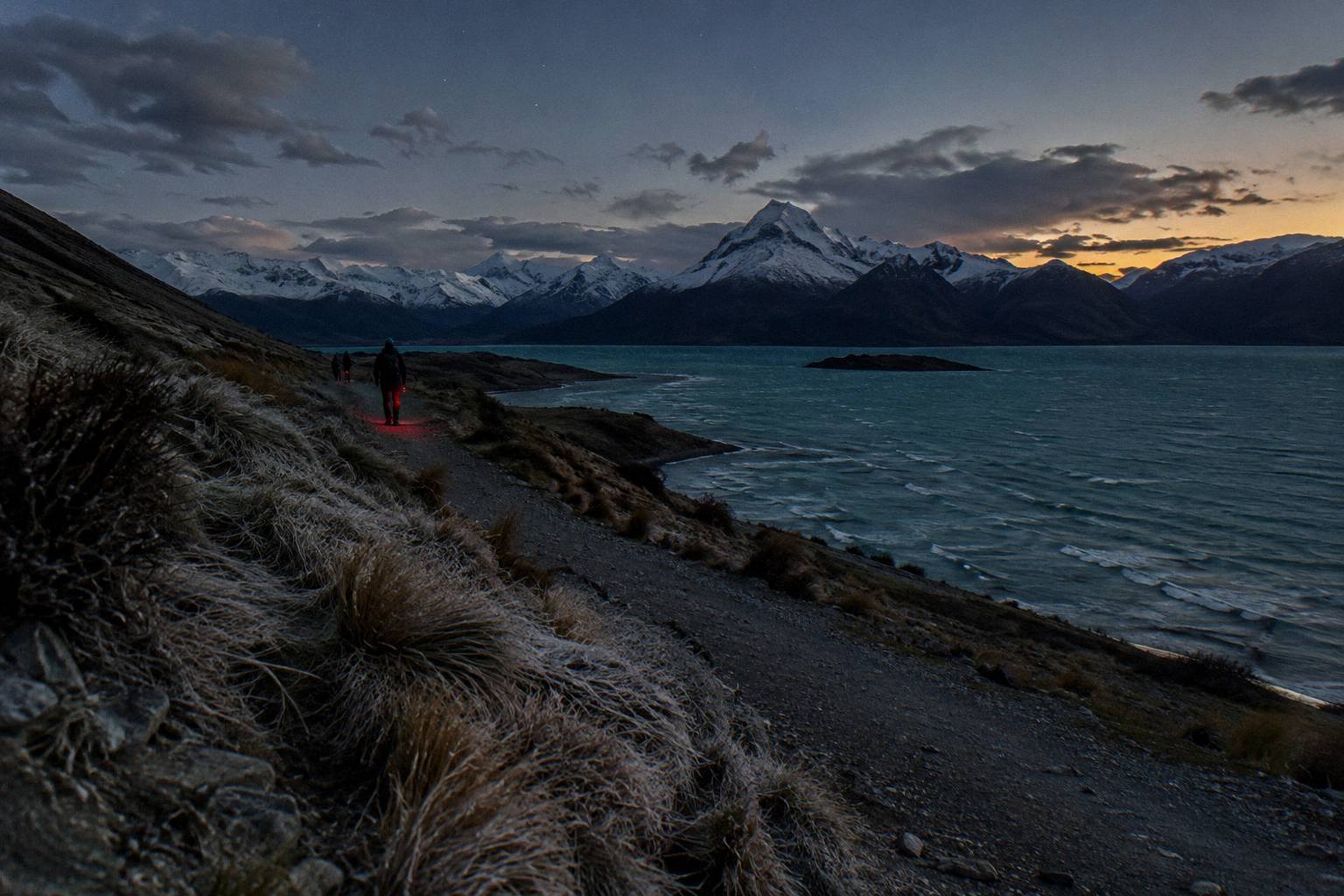
- Forgetting the access detail on the summit. The tour includes a 100 m gravel incline walk and a few steps in the dark, needing moderate fitness, though an Extreme Cold Weather jacket is loaned. Anyone with mobility concerns should consider the Crater Experience, where wheelchair users can join if they drive their own vehicle to Cowan's.
Common Questions About Tekapo Stargazing Moon Phases
Is A Full Moon Bad For Stargazing At Lake Tekapo?
It is a poorer night for the naked-eye Milky Way and faint objects, but not a bad night overall. Tekapo Springs says telescopes still show bright objects under a full moon and only the naked-eye Milky Way is reduced, while Dark Sky Project notes the same moonlight that affects fainter stars and galaxies also makes the moon itself a good target. Choose a telescope-forward tour near full moon.
What Moon Phase Is Best For Seeing The Milky Way At Tekapo?
The new moon window, the several nights either side of a new moon, gives the darkest background sky and the best Milky Way contrast. Dark Sky Project says brighter moonlight affects fainter stars and galaxies, and the Milky Way is the classic faint target. Remember that the operator does not guarantee the Milky Way; cloud decides on the night.
Can You See The Moon Itself On A Tekapo Stargazing Tour?
Yes, near full moon the moon is a featured target rather than a nuisance. Dark Sky Project describes the moon as a good target, and through the 14 to 16 inch telescopes on its tours the lit disc and its craters are among the most detailed sights available. Near new moon the moon is simply not in the evening sky.
Do Tekapo Stargazing Tours Still Run On Moonlit Nights?
Yes. Both operators run their evening tours across the lunar cycle; the Summit Experience and Crater Experience run seven days a week, and Tekapo Springs runs its seasonal schedule regardless of moonlight. The tours adapt their targets to the light available, which is why the operators describe the moon as a target as well as a limitation.
Should I Book Around The Moon Or Around The Weather?
Book around the moon for the faint sky, and around the weather for everything else. The moon phase is fixed months ahead, so you can choose it; cloud is not, which is why holding a spare evening in your trip matters more than the exact moon date. Both operators' direct bookings can be cancelled or changed up to 24 hours before for a full refund.
Does Moonlight Affect Telescope Viewing At Tekapo?
Less than it affects naked-eye viewing. Tekapo Springs states that its telescopes still show bright objects under a full moon and that full moonlight only reduces the naked-eye Milky Way, and Dark Sky Project guides treat the bright moon as an eyepiece target in its own right. Faint galaxies are the targets that moonlight degrades.
For everything else on planning the night itself, Mt John Stargazing keeps the full set of season, weather and tour-comparison guides in one place, and the Dark Sky Project tours overview covers the operator's three experiences side by side. For a moon-phase-aware booking at the summit, the Mt John Summit Stargazing Experience tour page has the current calendar, or check availability directly.