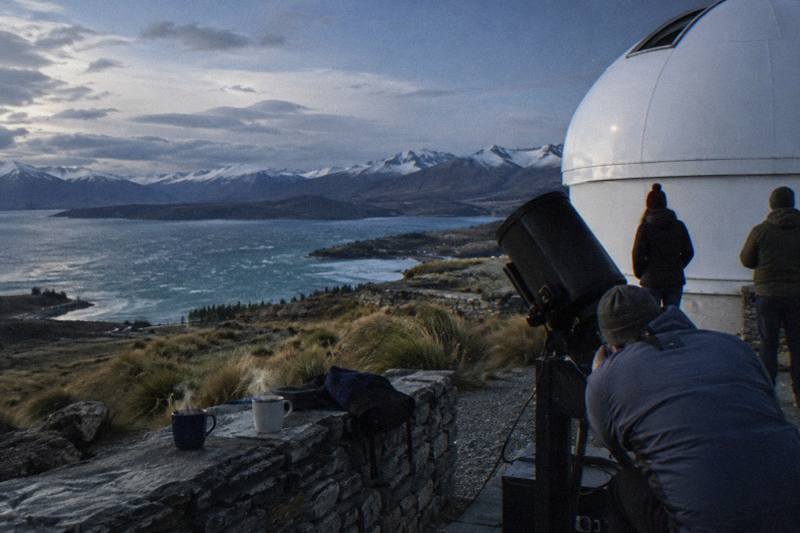
Can You Take Photos On A Tekapo Stargazing Tour?
Photo policies on Tekapo stargazing tours: which operators include a photo, what the booking pages say about cameras, and what to ask before you book.
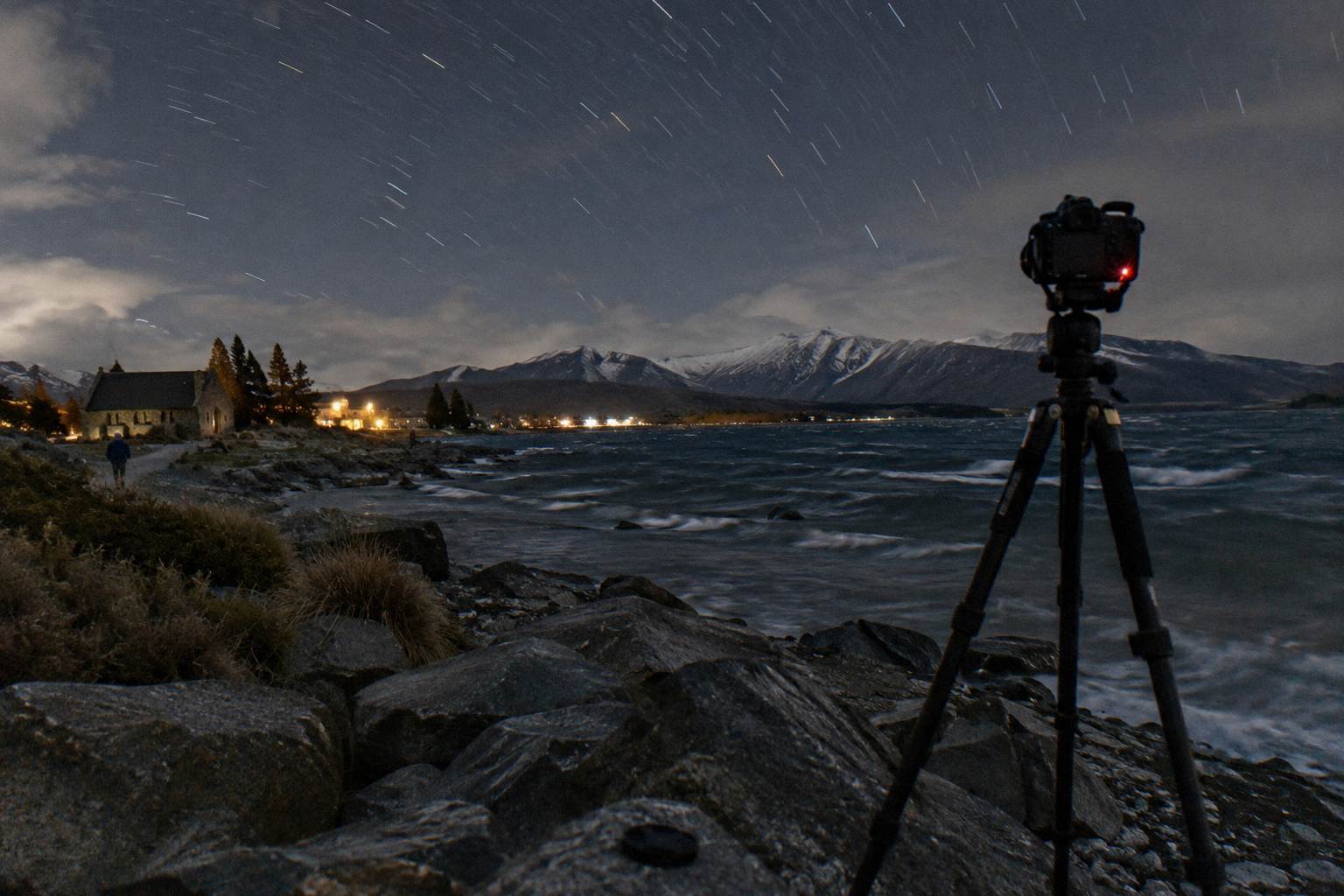
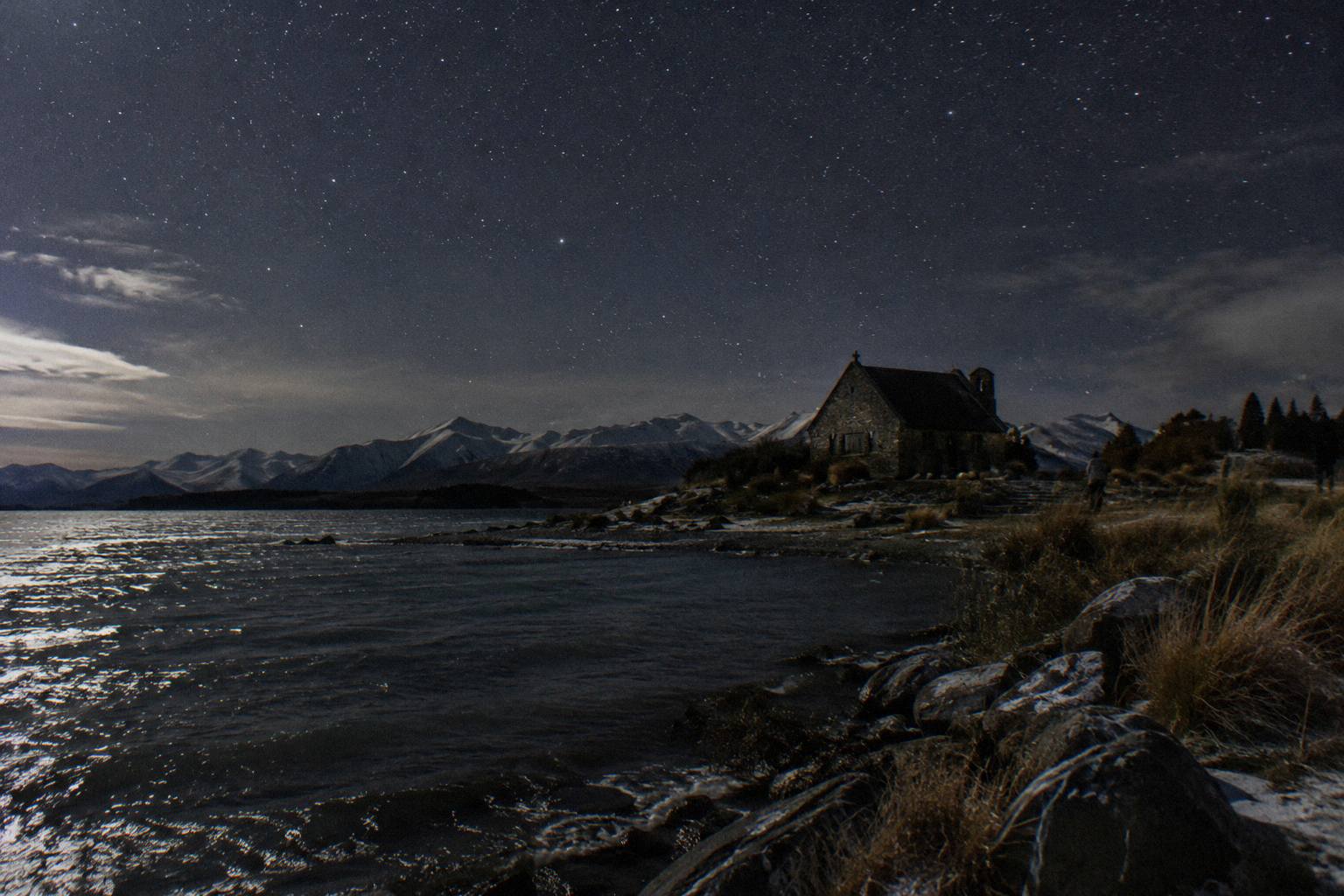
In short: several Tekapo area tours include a photo as part of the experience, and the rest say nothing published about personal cameras. The Astro Tekapo lakefront tour highlights an edited photo of your group, Silver River tours highlight a free photo, Chameleon Stargazing highlights photos, and the Twizel and Mt Cook tours highlight a free digital photo. For every operator, the policy on bringing and using your own camera is not stated; ask when you book.
Photography is the one part of a stargazing night that the published details handle least consistently. Duration, minimum age and meeting point appear on every booking page, but a sentence about cameras appears on only some of them, and even there it tends to be a highlight rather than a rulebook. That gap is what this page works through: which tours come with a photo attached, what the small print on night vision and safety implies for your own gear, and how to prepare so that the answer at the gate does not spoil the night.
The practical stakes are real. A dark sky reserve is a genuinely dark place, and the techniques that work for holiday snapshots in town fail badly at night. Understanding why cameras and guided night tours sit awkwardly together, and which operators have built a photo into the product to bridge that gap, is the difference between leaving with an image and leaving with only the memory. The short version: it can be done, somebody else has often already solved it for you, and the questions to ask take less than a minute.
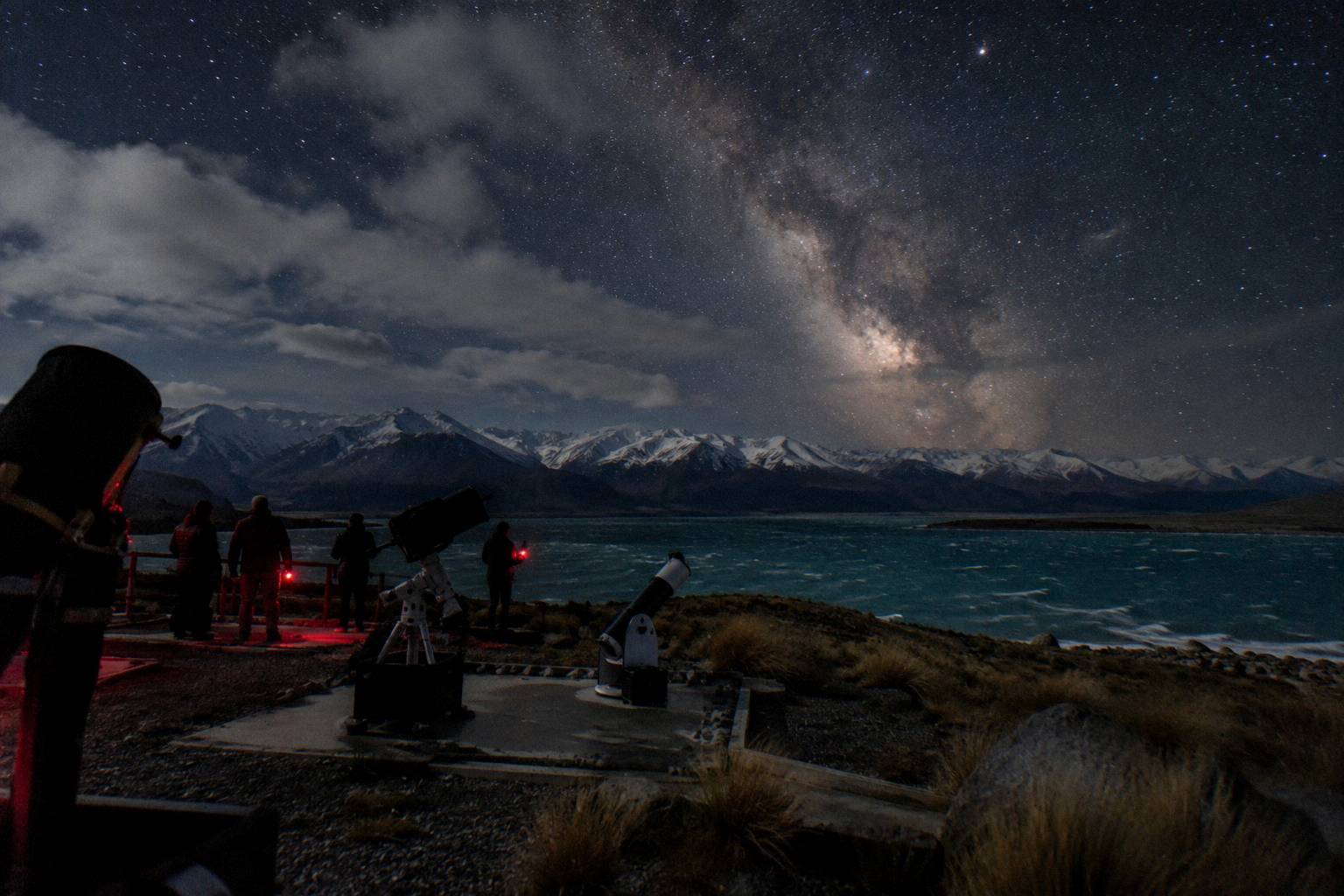
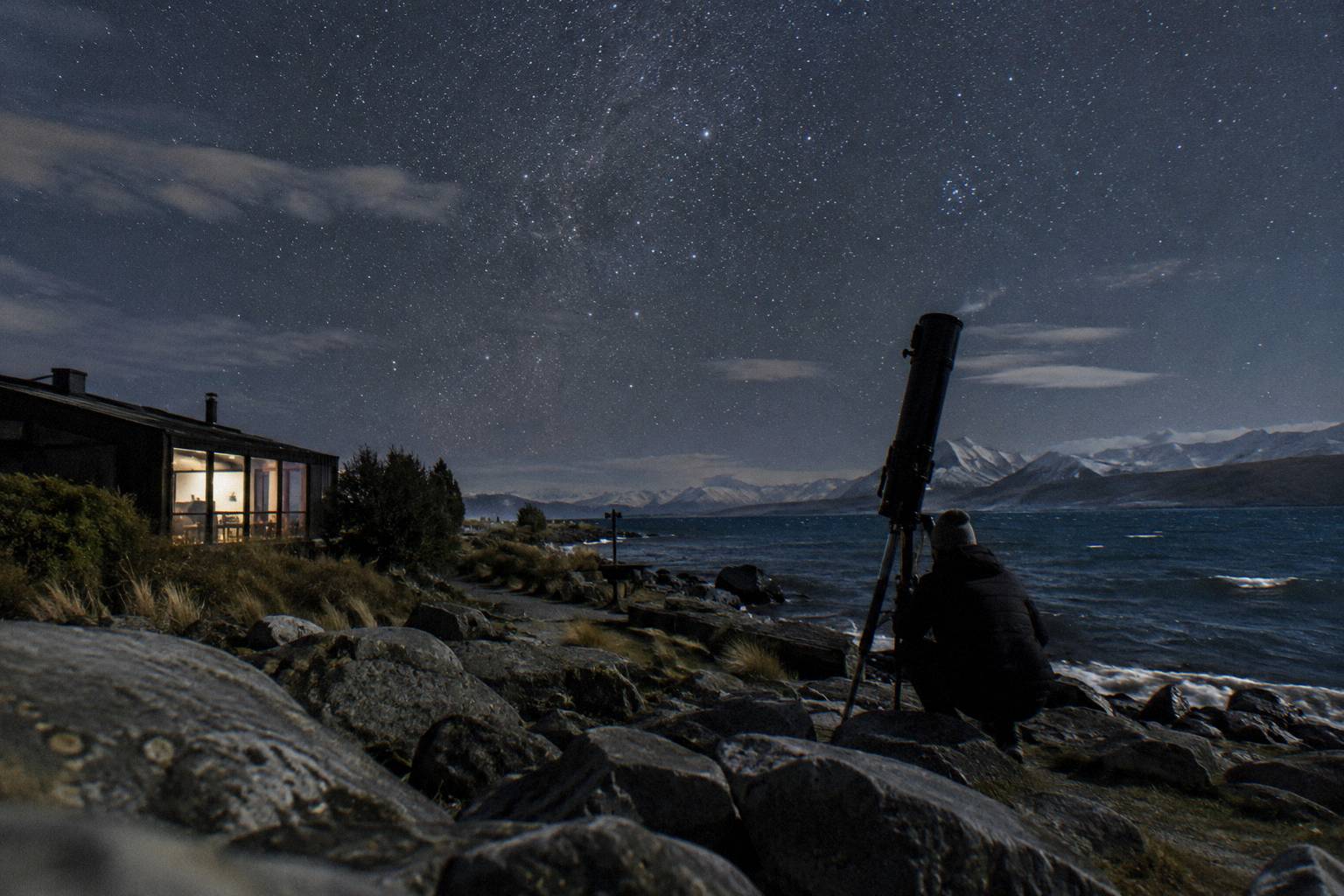
Yes, with conditions, and on several tours a photo is included without you lifting a finger. The Astro Tekapo lakefront tour highlights an edited photo, Silver River highlights a free photo on its Alpine and Mt Cook experiences, Chameleon highlights photos, and the Twizel astronomer-led tour highlights a free digital photo. Whether you may use your own camera, and under what limits, is not stated by any operator: ask before you book. Astro Tekapo Lakefront Stargazing runs 1.5 hours from the lakefront at Takapō Regional Park, minimum age 6, and its booking page highlights an edited photo of your group.
That single line on the booking page matters more than it looks. Taking a worthwhile photo in a dark sky reserve is hard without a tripod, a manual-capable camera and some practice, and most travellers carry none of those on a guided evening walk. When the operator builds the photo in, the difficult part is done by someone who does it nightly, with editing, and the result arrives as a keepsake rather than a project. If a photo of the night is important to you, the fastest route is to pick a tour that names one in its highlights rather than gambling on your own equipment.
The covered ground is broader than Tekapo township. The same question follows the stargazing options across the Mackenzie Basin, from the lakefront at Takapō to Twizel and Mt Cook, and the pattern is consistent: operators that mention photos at all mention them as an inclusion, not as a permission. Chameleon Stargazing's shared experience, about 1.5 hours long, highlights photos; Silver River Stargazing highlights a free photo; the Twizel tour with an astronomer highlights a free digital photo, as does the Mt Cook experience that meets at the Tasman Glacier car park. What none of them publish is a camera policy, which leaves two honest readings: cameras are fine in practice, or the policy varies by guide, group and conditions. Only the operator can tell you which.
Which Tours Include A Photo In The Price?
Four of the small-group and Mackenzie operators name a photo among their highlights: Astro Tekapo with an edited photo, Silver River with a free photo, Chameleon with photos, and Stargaze Mackenzie and Silver River's Mt Cook tour with a free digital photo. The big-name Lake Tekapo experiences, Dark Sky Project's Summit and Crater tours, publish no photo inclusion on their pages. Prices for the tours that do include a photo are on the booking page rather than stated here, so compare on format and age limits first and on price second.
The pattern deserves a table, because the photo question cuts across operators that are otherwise hard to compare.
| Tour | Operator | Duration | Minimum age | Photo highlight on the booking page |
|---|---|---|---|---|
| Astro Tekapo Lakefront Stargazing | Astro Tekapo | 1.5 hours | 6 | Edited photo of your group |
| Chameleon Shared Stargazing Experience | Chameleon Stargazing | About 1.5 hours | Not stated | Photos |
| Silver River Alpine Stargazing Experience | Silver River Stargazing | 75 minutes | Not stated | Free photo |
| Silver River Ultimate Stargazing Experience | Silver River Stargazing | 2 hours | Not stated | Free photo |
| Twizel Stargazing Tour With An Astronomer | Stargaze Mackenzie | 75 minutes | 6 | Free digital photo |
| Mt Cook Stargazing Experience | Silver River Stargazing | 75 minutes | Not stated | Free digital photo |
Read the table as a shortlist, not a ranking. Every entry above comes from the booking page's own highlights; none of it is a promise about what the photo will contain or how it will be delivered, and none of it tells you whether you can also shoot your own frames alongside it. The edited-photo model that Astro Tekapo and the free-photo model that Silver River use solve the same problem from different ends: one hands you a finished image of your group under the sky, the other removes the cost barrier from an image the guide takes. Ask the operator how the photo reaches you, on the night or by email, and whether everyone in the booking is included.
Two gaps sit in that table and should be named plainly. Dark Sky Project, the operator of the Summit Experience at the University of Canterbury Mt John Observatory and the Crater Experience at Cowan's Private Observatory, publishes durations, ages and prices but no photo inclusion for either tour. Tekapo Springs' hot pools and stargazing combination likewise names no photo. Absence is not refusal: it means the answer lives with whoever answers the phone. Dark Sky Project can be reached on +64 3 680 6960 or info@darkskyproject.co.nz; Tekapo Springs on +64 3 680 6550 or bookings@tekapostargazing.co.nz.
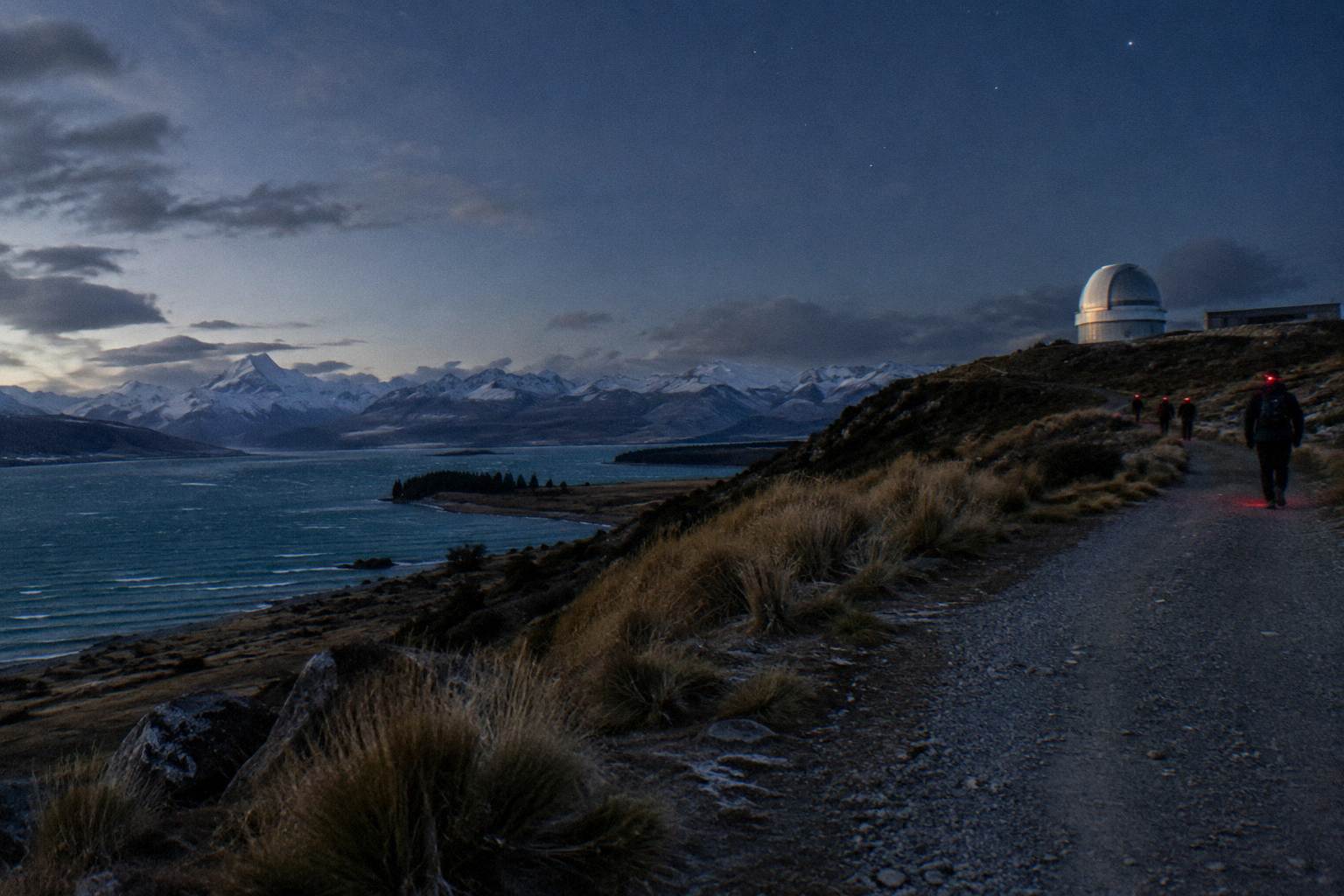
The Chameleon Shared Stargazing Experience deserves a specific word because it is the one product in the lakefront group whose page says the least about everything except the photos. Duration is about 1.5 hours, the operator is Chameleon Stargazing, and neither price, minimum age nor start time is stated. If a shared, photo-inclusive, shorter evening sounds like your speed, it is a question of availability rather than suitability: the booking page holds the calendar, and the operator holds the camera policy. Chameleon's shared stargazing evening pairs naturally with the lakefront options above when you are weighing format against content.
What Should You Ask The Operator Before You Book?
Three questions cover it: may I bring and use my own camera, are tripods or phone photography allowed during the session, and how is the included photo delivered. Not one of the ten stargazing tours in the area publishes a personal camera policy, so the answers exist only with the operator, and asking at booking, not at check-in, leaves you time to change tours if the answer is no.
The first question is the blunt one. Ask it in exactly those words, because "can I take photos" is ambiguous between the operator's photo and your own, and a yes to one is not a yes to the other. The second question matters even if the answer to the first is yes, because a tripod on a guided walk is a different proposition from a phone in your pocket: guides manage a group moving in the dark, and an object that stands at knee height in a place where people walk without lights is a legitimate thing for them to control. The third question sounds administrative but decides real expectations: a photo delivered by email days later is a different keepsake from one handed over on the night, and the booking page highlights do not say which.
Timing of the ask is its own small decision. Every operator here has a phone line and an email address, and all of them will answer a policy question in a minute. Asking at booking also surfaces the cancellation picture early: the booking pages for the Astro Tekapo, Silver River, Twizel and Mt Cook tours show a 24 hour free cancellation window, while Tekapo Springs' own terms let you cancel or change up to 24 hours before for a full refund, a date change or a voucher. Dark Sky Project's direct-booking terms match that 24 hour line, with tighter rules for groups of ten or more. None of that is a camera policy, but it is the safety net under whichever tour you pick for photographic reasons.
Why Night Photography Fails Without Preparation
A phone held up at a dark sky site captures almost nothing, because night photography depends on a long exposure, a steady camera and manual control, and a guided tour gives you the first only by accident. The operators that include a photo have simply moved that problem from you to a guide who solves it nightly. Understanding the three variables, exposure length, stability and focus, explains both why your own attempts disappoint and why the operator photo is worth having.
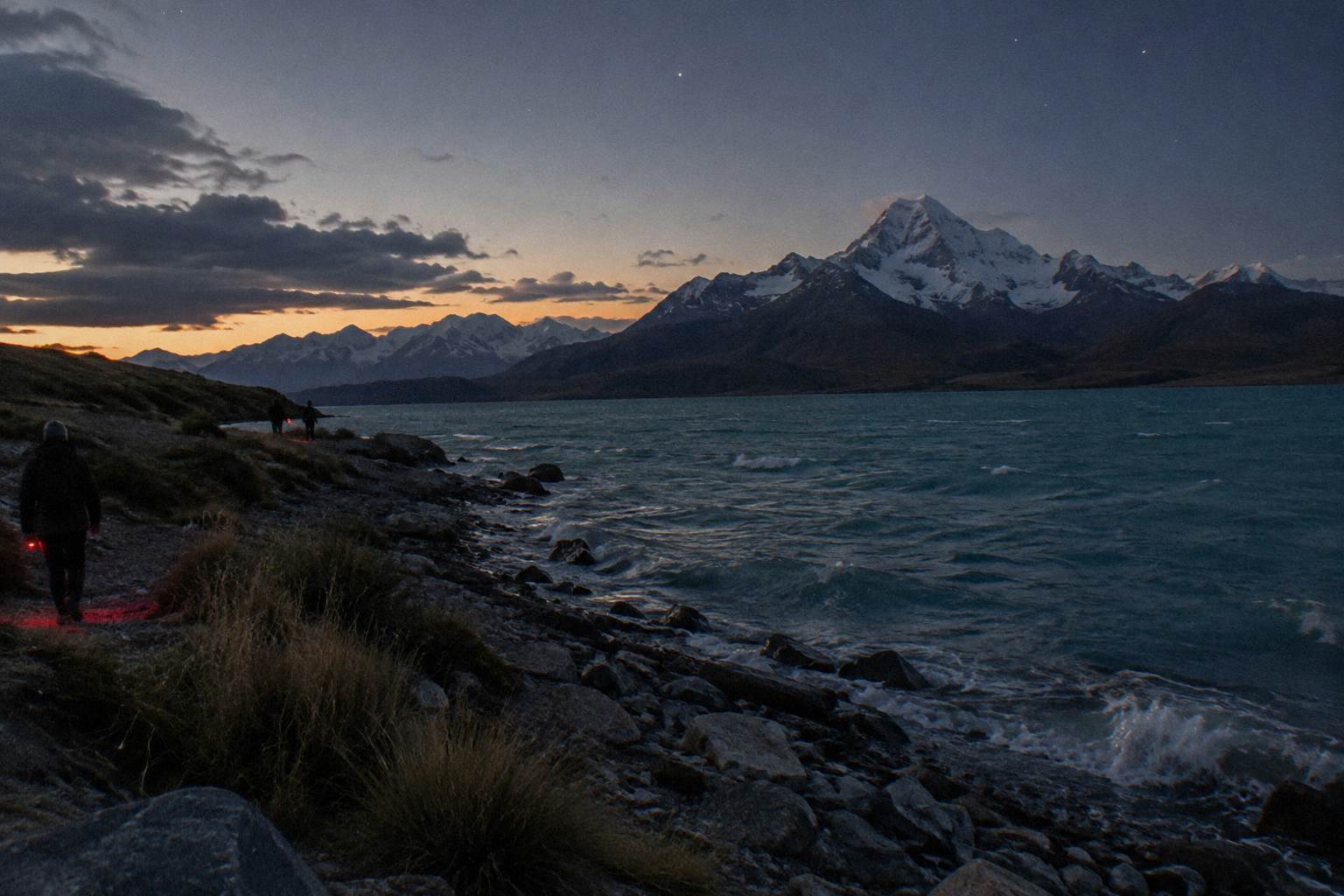
Exposure is the core of it. In a genuinely dark place the camera needs to gather light for many seconds to render stars as points rather than darkness, and a handheld exposure of that length blurs with every heartbeat. Stability is the second leg: the camera must not move at all during those seconds, which is what a tripod is for and what a human arm cannot do. Focus is the quiet third failure: autofocus hunts in the dark and gives up, and a lens set to the wrong distance renders the whole frame soft. Phones fail all three by design; a camera fails them unless set deliberately.
The three variables are worth seeing side by side, because each one rules out a different piece of everyday equipment.
| Variable | What it needs | What a handheld phone does | What a tripod camera does |
|---|---|---|---|
| Exposure length | Many seconds of light gathering | Auto mode keeps exposures short, rendering stars invisible | Manual mode holds a long exposure |
| Stability | Zero movement during exposure | Hand tremor blurs anything longer than a fraction of a second | Locked solid for the full exposure |
| Focus | Set manually at infinity using a bright star | Autofocus hunts in the dark and fails | Manual focus ring or live-view magnification |
The setting that solves this is learnable in an afternoon, and the site's own Tekapo stargazing photography settings guide works through it in full. The short version for a tour context: manual mode, a wide aperture, an exposure of some seconds on a tripod, and focus set by hand at infinity using a bright star. If that sentence reads like a foreign language, that is precisely the argument for choosing a tour with a photo included, because the guide carries the fluency and you carry the memory.
One constraint deserves honesty rather than workaround advice: the moon and the season change what any camera, yours or the operator's, can record. Dark Sky Project's own weather page notes that brighter moonlight affects fainter stars and galaxies, and the same physics dims what a long exposure gathers. Neither your camera nor the operator's defeats that; you can read more in the site's new moon or full moon comparison for Tekapo stargazing. Plan the date for the sky, then let the photo follow the sky, not the reverse.
Do Phone Photos Work At All On These Tours?
Occasionally, and only at the bright end of the sky: a phone can record the moon or a bright planet if it is braced against something solid, and it almost never records the star field itself, because the sensor and the lack of a long steady exposure are the limiting factors, not the sky. The operators that highlight an included photo are effectively confirming this by solving it for you. A guide with editing software produces the image the phone cannot, and the edited photo from the Astro Tekapo lakefront tour is that solution in its simplest form.
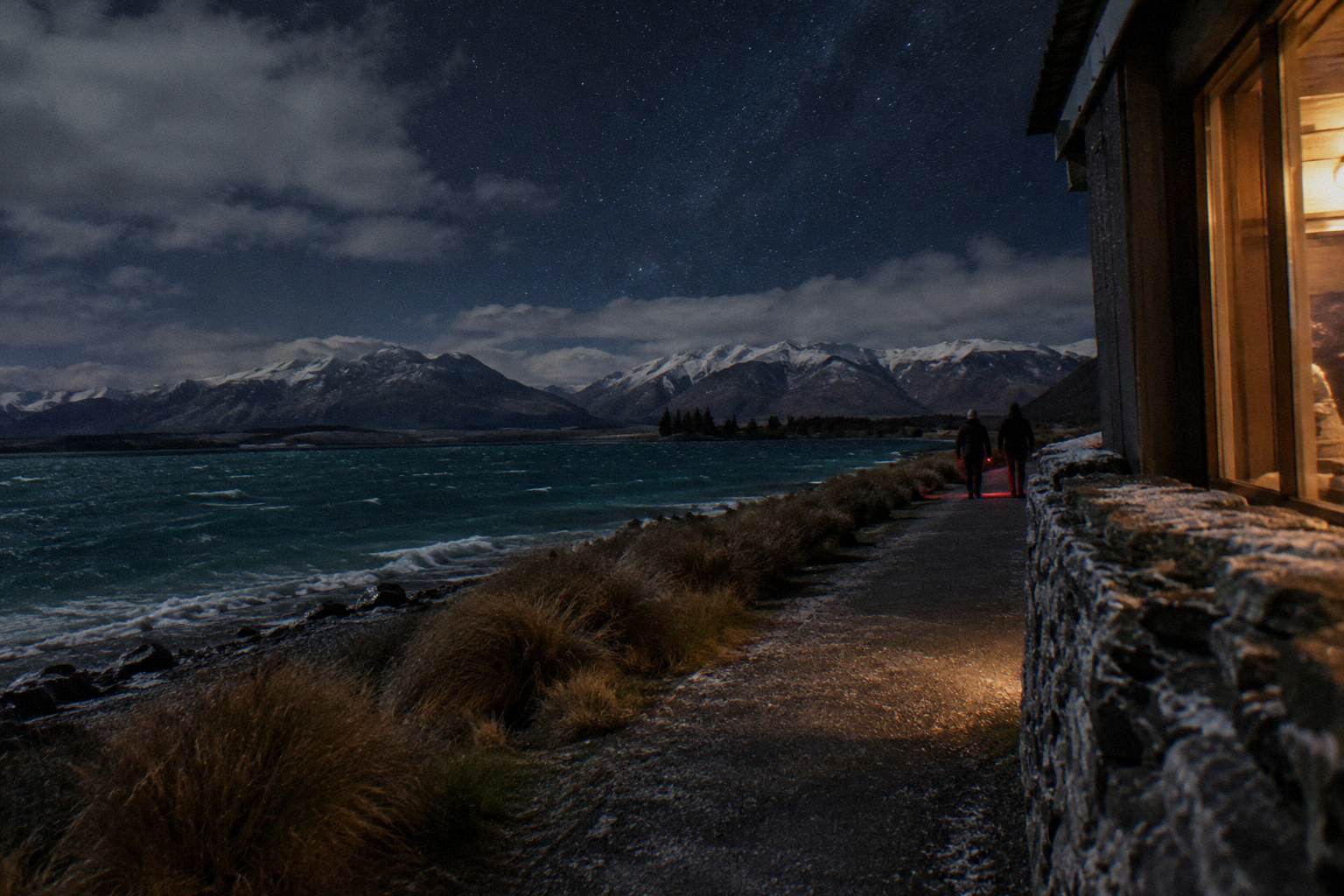
The honest middle ground is that phones have improved at the bright-object end. The moon is a lit subject, and a phone braced against something solid can record it; Tekapo Stargazing's own FAQ notes that telescopes still show bright objects even under a fuller moon, and a phone pointed through an eyepiece, a technique called afocal shooting, sometimes works with patience. What a phone will not do, in any mode, is the wide star-field image the brochures show, the sky filled edge to edge. That image is a long tripod exposure, often stacked from several frames, and it belongs to the operator's workflow.
If the phone is what you have, treat the tour as the experience and the included photo as the record. The Astro Tekapo edited photo and the Silver River free photo exist precisely for the traveller whose equipment ends at a phone, and the booking pages list them without extra cost language, suggesting they are part of the product rather than an upsell. Confirm that with the operator when you ask the camera questions above; "included in the tour" and "available for purchase" are different things, and only the operator states which.
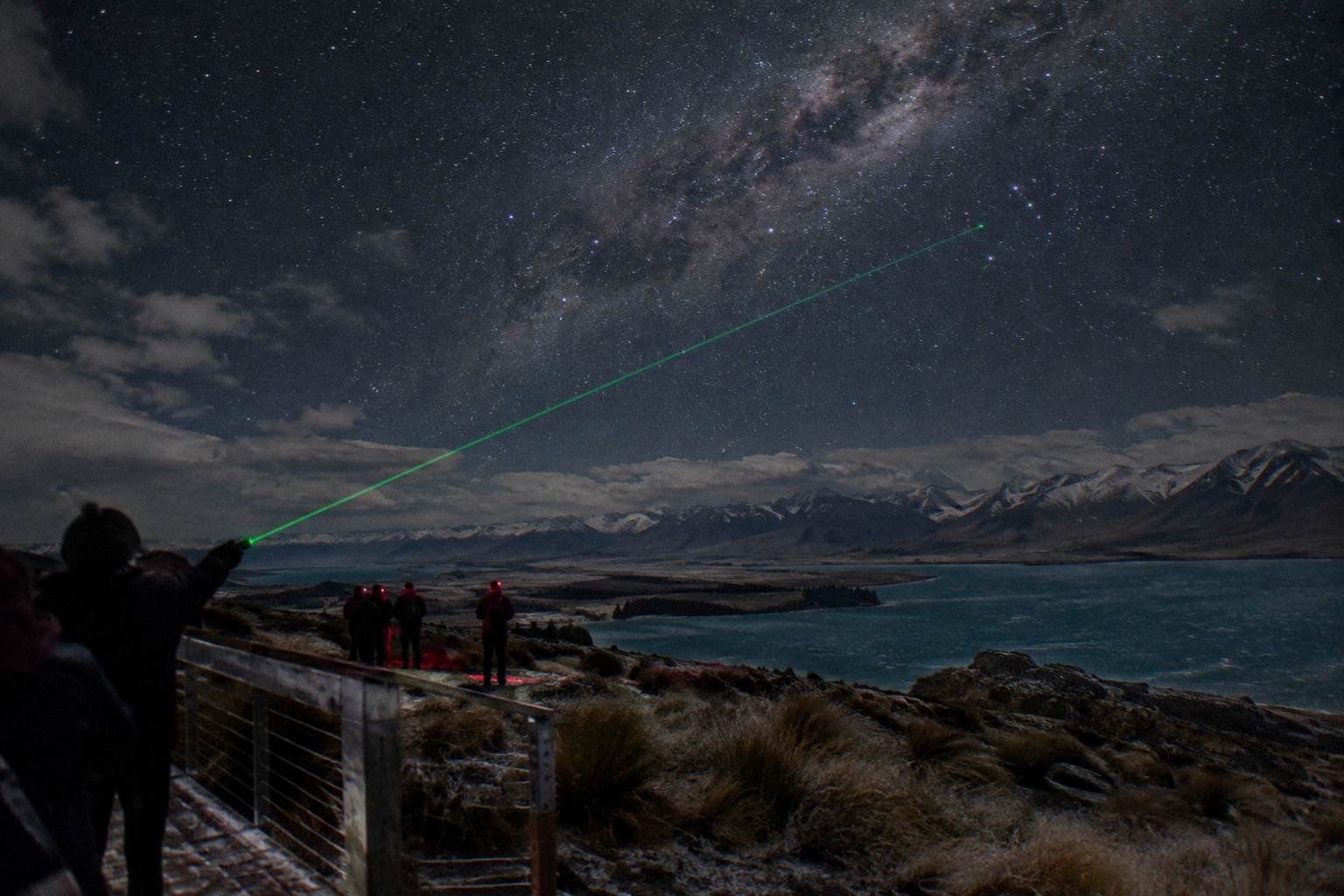
There is also a courtesy angle that costs nothing. Red-light discipline is how night tours preserve everyone's dark adaptation, and a phone screen at full brightness is the brightest object in the vicinity. If the operator permits phone use, dropping the screen to its dimmest setting and covering one eye while framing is the standard etiquette; if the operator does not permit it, that is usually why. Asking rather than assuming keeps the session smooth for the whole group, and the answer belongs to the guide on the night as much as to the policy on file.
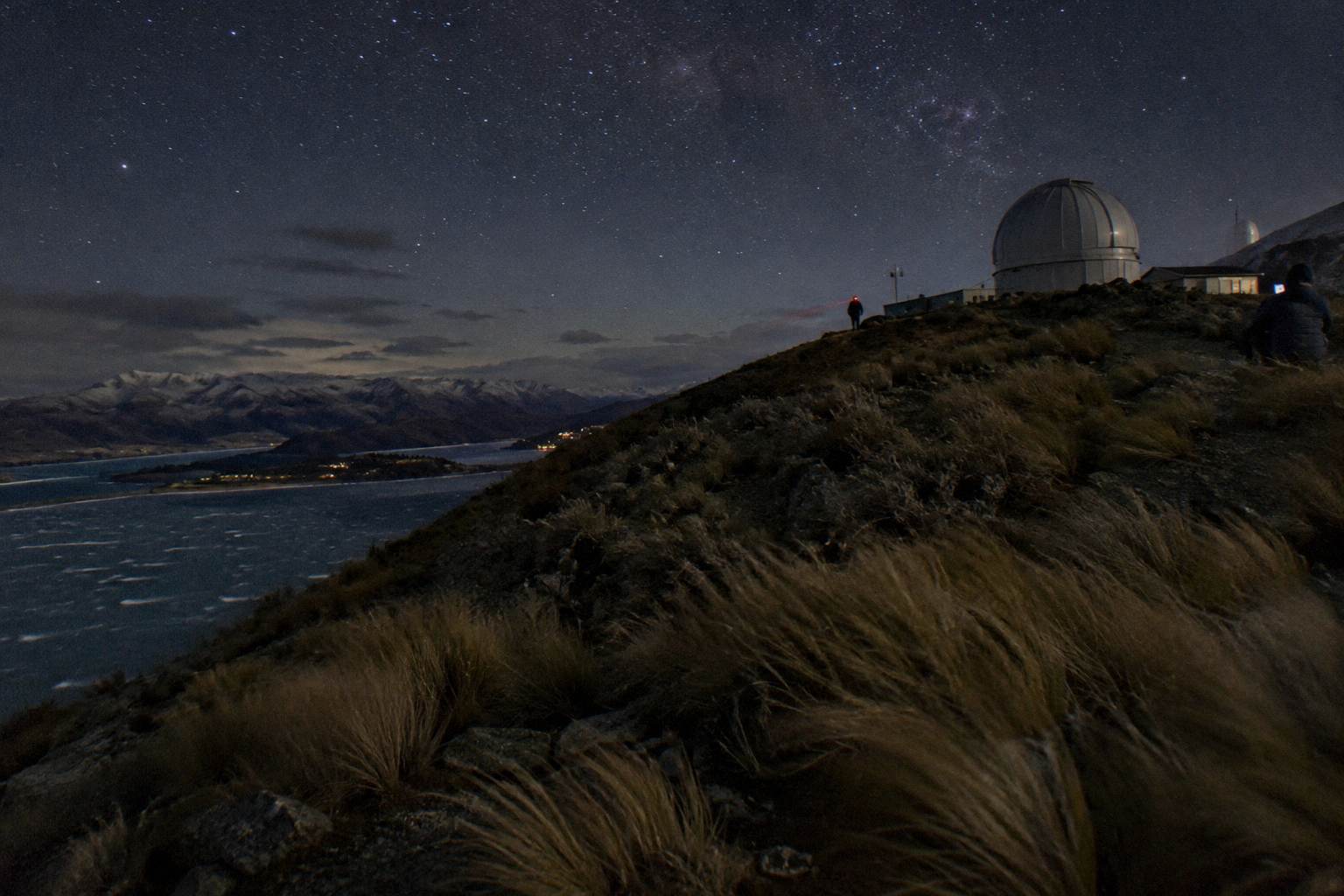
What About The Weather And The Photo?
Cloud is the one risk no camera policy covers, and every operator's weather terms matter more to your photo than your equipment does. Dark Sky Project cannot guarantee clarity, decides close to tour time, and offers an indoor alternative, a reschedule, a voucher or a refund; Tekapo Springs runs in all weather with a VR indoor experience replacing telescope viewing under cloud. The operator photo follows the same sky as your own would.
The Dark Sky Project terms are the clearest statement of the honest position anywhere in the basin: clarity cannot be guaranteed, and the go or no-go decision is made as close to tour time as possible, with check-in 15 minutes early carrying the update. If outdoor stargazing is not possible, the options are an indoor alternative or the Virtual Stargazing Experience, a reschedule subject to availability, a gift voucher valid three years, or a full refund. Those are also the terms under which any photo, theirs or yours, exists or does not. The operator's weather page states the detail in full.
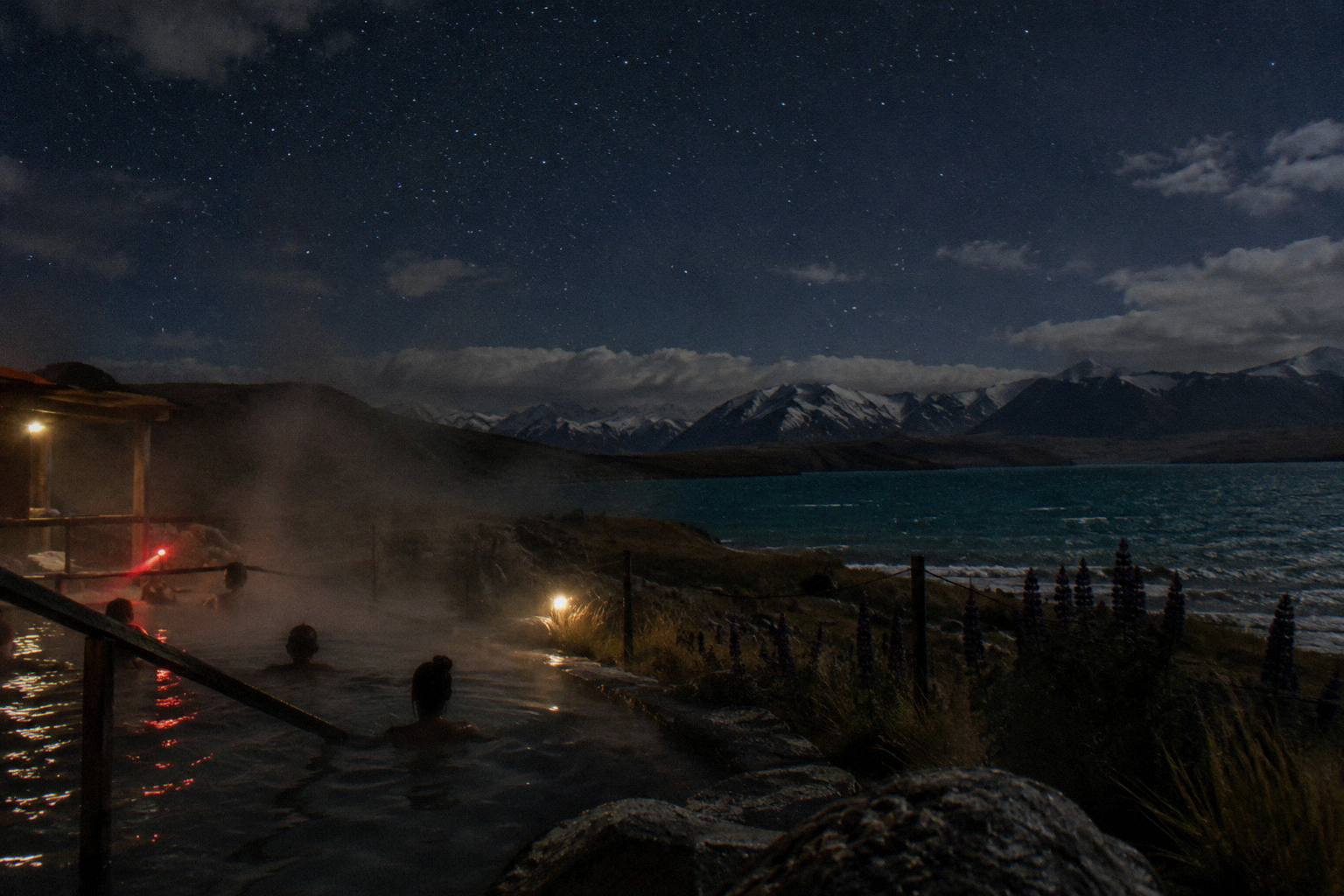
Tekapo Springs takes the opposite design: tours run in all weather, and when cloud blocks the telescopes, a VR indoor experience using 360 degree imagery of the Church of the Good Shepherd and the Mt John summit replaces the viewing. Its terms add a proportionate refund: if telescope viewing comes in under 30 minutes, 25 percent of the ticket is refunded per person at the end of the tour. A camera of any kind is a bystander to all of this; the Tekapo Springs stargazing page carries the current wording.
For the small-group tours, weather terms are thinner on the booking pages, and the free cancellation windows noted earlier, 24 hours on the Astro Tekapo, Silver River, Twizel and Mt Cook pages, are your practical protection. That window is also the reason to check the forecast yourself rather than waiting for the operator's call: a forecast you read two days out can shift your booking to a clearer night inside the free window, while a forecast you ignore leaves the decision entirely with someone whose threshold you do not know. The site's Tekapo stargazing forecast guide covers how to read one for this valley specifically.
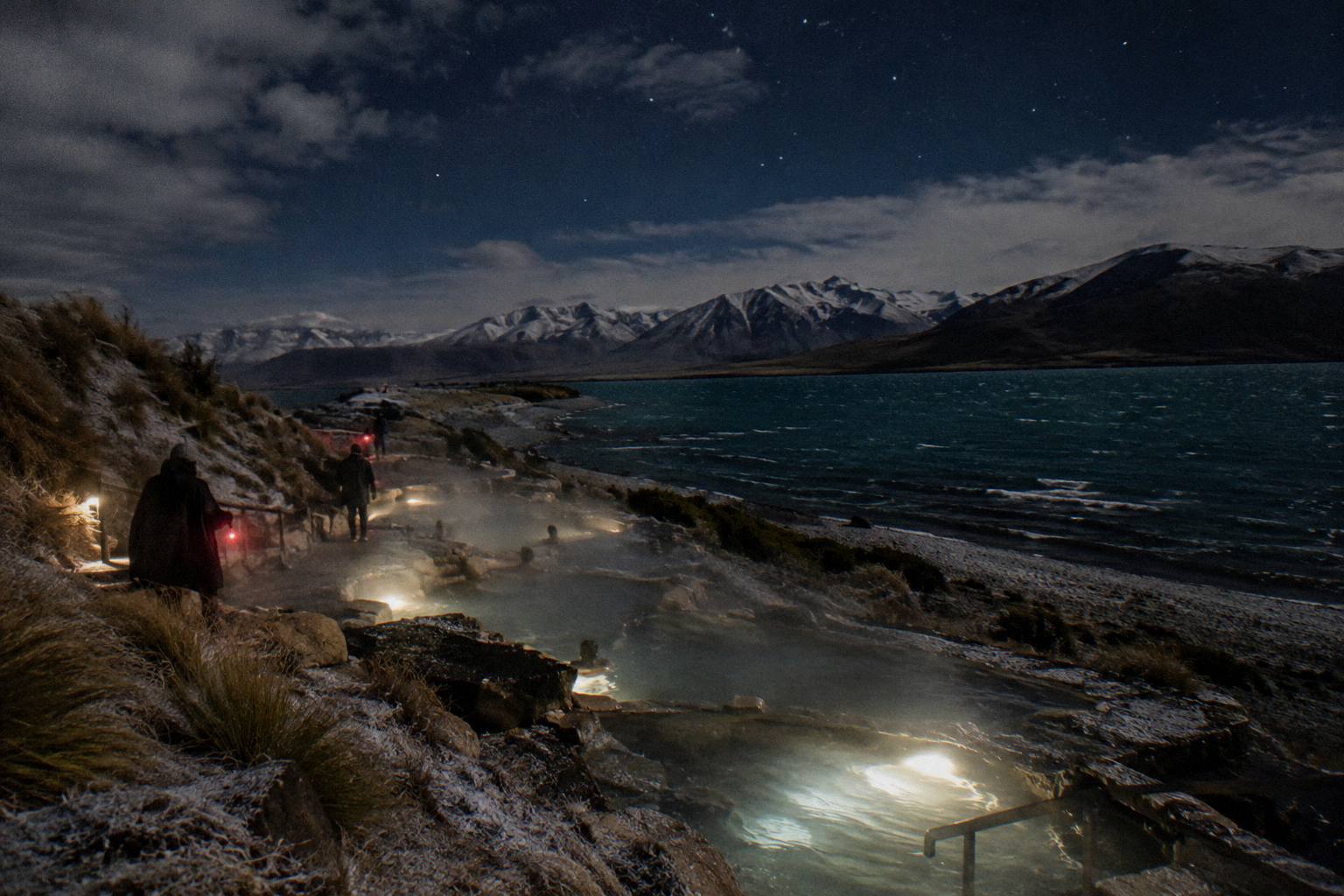
How To Choose A Tour When The Photo Is The Point
Pick by inclusion first and format second: an operator that names a photo in its highlights has already solved the hard part, so the choice then reduces to duration, minimum age and setting. The lakefront options run 1.5 hours, the Silver River Alpine and both Mackenzie tours run 75 minutes, and the Silver River Ultimate runs 2 hours, with minimum ages ranging from 6 to 12 across the set. Price is stated on the booking page for the small-group tours, so weigh the printed figures against the format that fits your evening rather than the reverse.
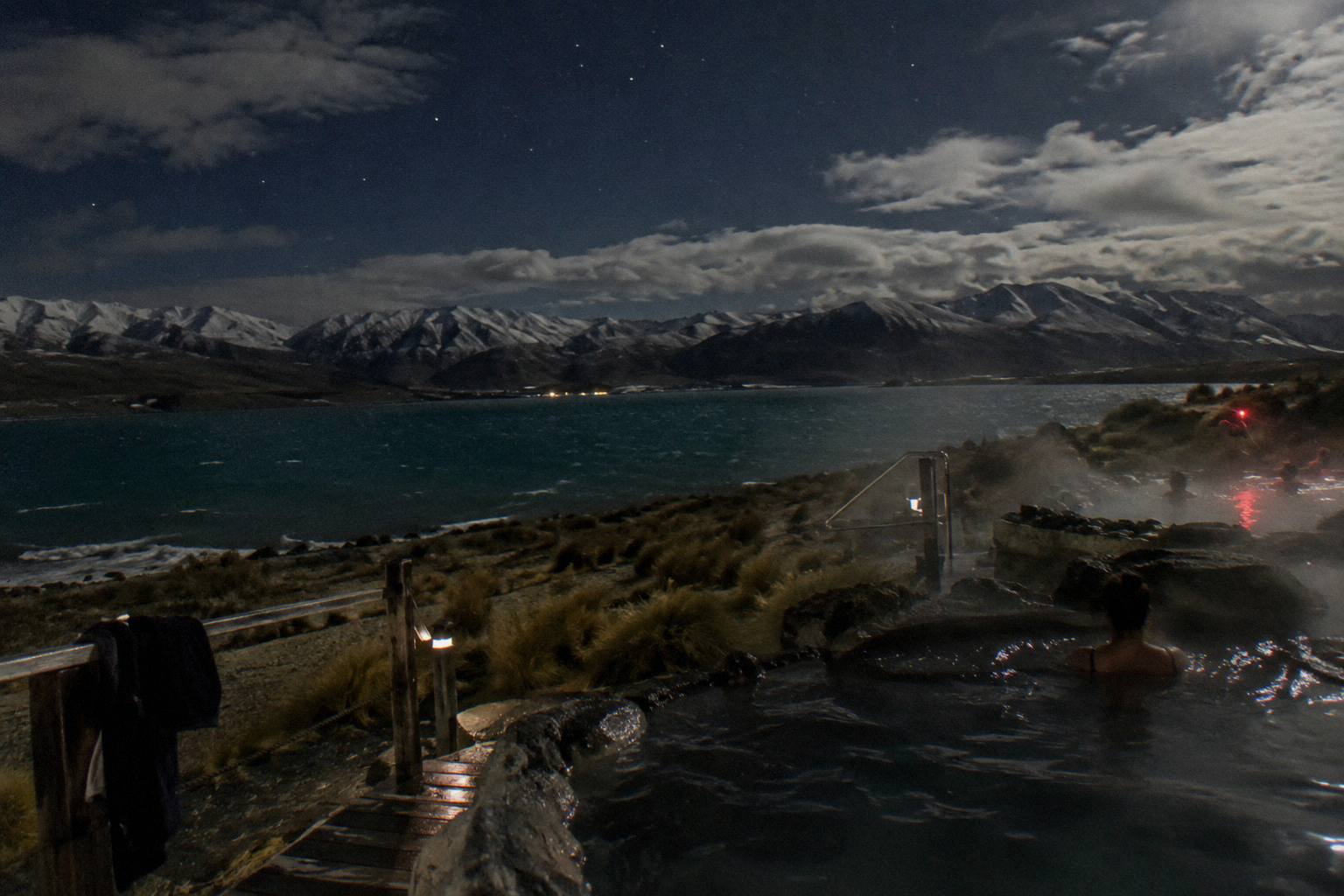
A worked comparison makes the logic concrete. A couple with an 8 year old, wanting one image of the three of them under the sky, is served by the Astro Tekapo lakefront tour: edited photo, minimum age 6, 1.5 hours, meeting at Takapō Regional Park, and a 24 hour free cancellation window if the forecast sours. A photographer travelling solo with a tripod and a list of targets wants the opposite: a shorter shared session or none at all, since the value is in the sky time, and the Twizel astronomer-led tour's 75 minutes and free digital photo suit a night where the camera matters more than the hot chocolate. A group that wants comfort with the image attached might weigh the hot pools and stargazing combination at Tekapo Springs, 90 minutes, minimum age 10, operator prices from NZD 179 adult and NZD 115 child, though no photo is stated for it; that group should ask the photo question directly before booking.
The Mackenzie option deserves its own line in the decision rather than a footnote. Twizel sits outside Tekapo's light dome in the same dark sky reserve, the Aoraki Mackenzie International Dark Sky Reserve that covers Aoraki/Mt Cook National Park and the Mackenzie Basin, and the Stargaze Mackenzie tour there pairs an astronomer with a telescope across 75 minutes, minimum age 6, free digital photo highlighted. The Mt Cook experience in the same family meets at the Tasman Glacier car park, 75 minutes, free digital photo highlighted, minimum age not stated. If your trip already runs past Lake Pukaki toward the village, either one answers the photo question in the same words as the lakefront tours, with a different sky behind you.
Underneath all of it sits the reason any of these tours can offer a photo at all: the reserve itself. Mt John Stargazing covers the sky mechanics elsewhere on this site, but the headline belongs here too: the Aoraki Mackenzie reserve, awarded status in April 2012, is the largest dark sky reserve in the Southern Hemisphere, and the district's lighting rules, downward-shielded and limited in time, are what keep a long exposure worth taking. A photo from any of these tours is a document of that policy as much as of your night.
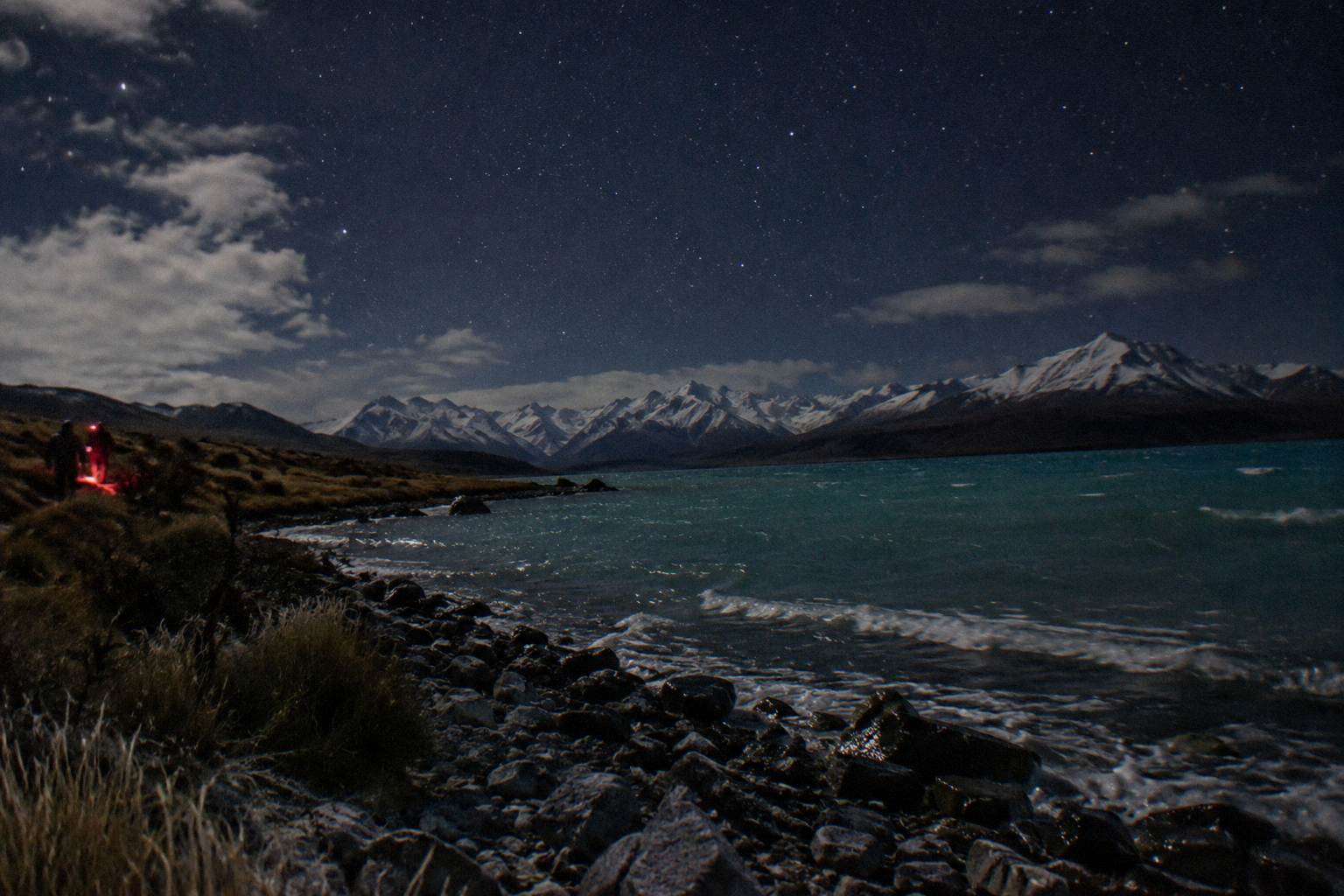
Common Mistakes When Planning Photos On A Stargazing Tour
The recurring mistakes are assuming a camera policy exists, expecting a phone to do a tripod's job, and treating the included photo as automatic. Each one costs nothing to avoid: ask the operator two questions at booking, bring a tripod if permission is given, and confirm how the photo is delivered. Most disappointment on this topic traces to expectations formed before the phone call, not to anything the operators fail to do on the night.
The first mistake is booking on silence. A booking page that says nothing about cameras has not permitted them; it has not addressed them, and the two are different. Travellers who arrive with a tripod and a plan, only to be asked to leave it in the vehicle, usually skipped the question rather than lost an argument. The second is the phone assumption, covered above but worth restating as a mistake because it is the most common one: the star field on the brochure was not taken on a phone, by anyone, ever, at this site.
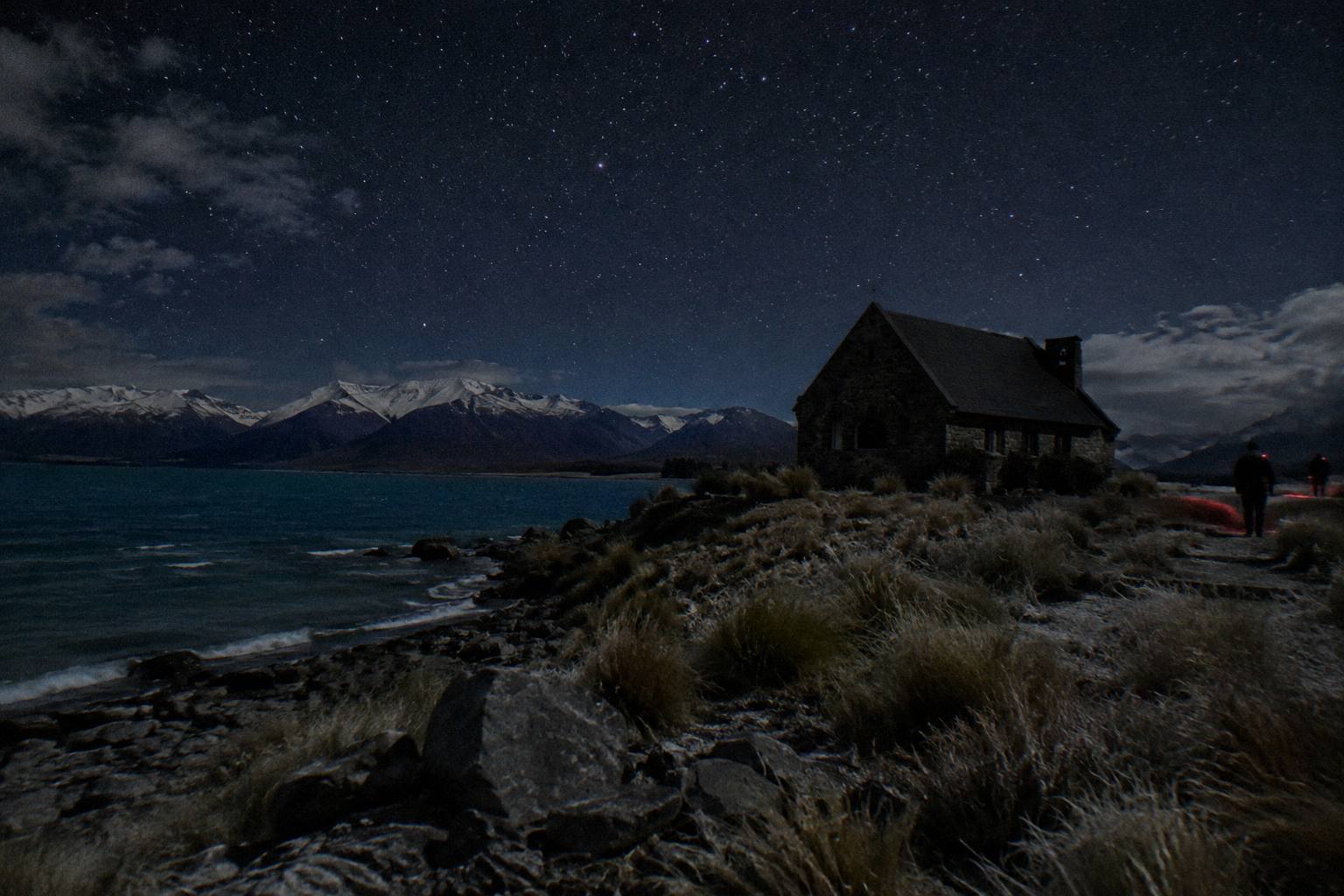
The third mistake is forgetting the moon and the season in the photo plan. A tour booked blind on a bright moon night yields a photo with fewer faint stars in it, whoever takes it; the choice of date is a photographic decision before it is a booking decision. The fourth is ignoring the delivery question: a free digital photo that arrives by email is useless to a traveller flying out at dawn, and an edited photo handed over on the night is useless if your device cannot receive it. Both are one-line questions. The fifth, and the quietest, is treating the weather terms as fine print: the refund and reschedule paths described earlier are the exact mechanics by which a photo-focused night survives a cloudy forecast, and knowing them before you book is what lets you rebook rather than absorb.
Common Questions About Photos On Tekapo Stargazing Tours
Can You Take Photos On A Tekapo Stargazing Tour?
Several tours include a photo: Astro Tekapo highlights an edited photo, Silver River a free photo, Chameleon photos, and the Twizel and Mt Cook tours a free digital photo. Whether you may use your own camera is not stated by any operator; ask at booking, since none of the published details carry a personal camera policy.
Which Tekapo Stargazing Tours Include A Free Photo?
The Silver River Alpine and Mt Cook experiences highlight a free photo, the Twizel Stargazing Tour With An Astronomer highlights a free digital photo, Astro Tekapo highlights an edited photo of your group, and Chameleon Stargazing highlights photos. Dark Sky Project's Summit and Crater experiences and the Tekapo Springs combination publish no photo inclusion.
Can I Use My Own Camera Or Tripod On A Stargazing Tour?
No operator publishes a personal camera or tripod policy, so the answer sits with whoever runs the night. Ask two questions at booking: whether your own camera may be used during the session, and whether tripods are permitted where the group stands in the dark.
Do Phone Photos Work On A Stargazing Tour?
Sometimes, for bright objects like the moon, especially braced against something solid or shot through a telescope eyepiece. The wide star-field image requires a long tripod exposure and manual settings, which phones cannot manage, so the operator's included photo is the reliable record.
What Happens To The Photo If It Is Cloudy?
The same thing that happens to the stargazing: Dark Sky Project cannot guarantee clarity and offers an indoor alternative, a reschedule, a voucher or a refund; Tekapo Springs runs in all weather with a VR indoor experience and a 25 percent refund per ticket if telescope viewing falls under 30 minutes. No operator guarantees an image.
How Do I Get The Photo The Tour Includes?
Delivery is not stated on any booking page highlight, so ask the operator how and when the photo reaches you: on the night, or by email afterward. The answer matters most if you leave Tekapo early the next morning.