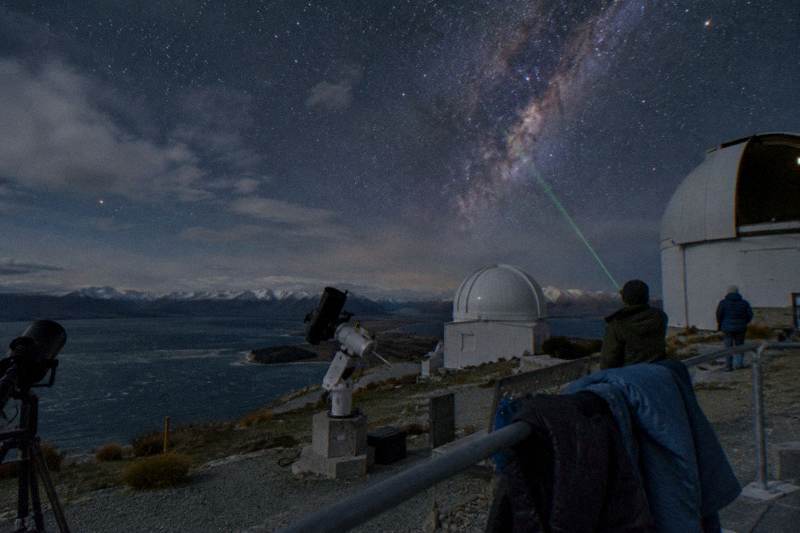
Tekapo Stargazing Forecast: Reading Cloud, Wind And Moon Before You Book
Cloud decides whether a Tekapo stargazing tour can run, wind shapes the mountain, and the moon trades faint galaxies for bright targets. Here is how to read all three before you book, and what happens on the day if the sky turns.
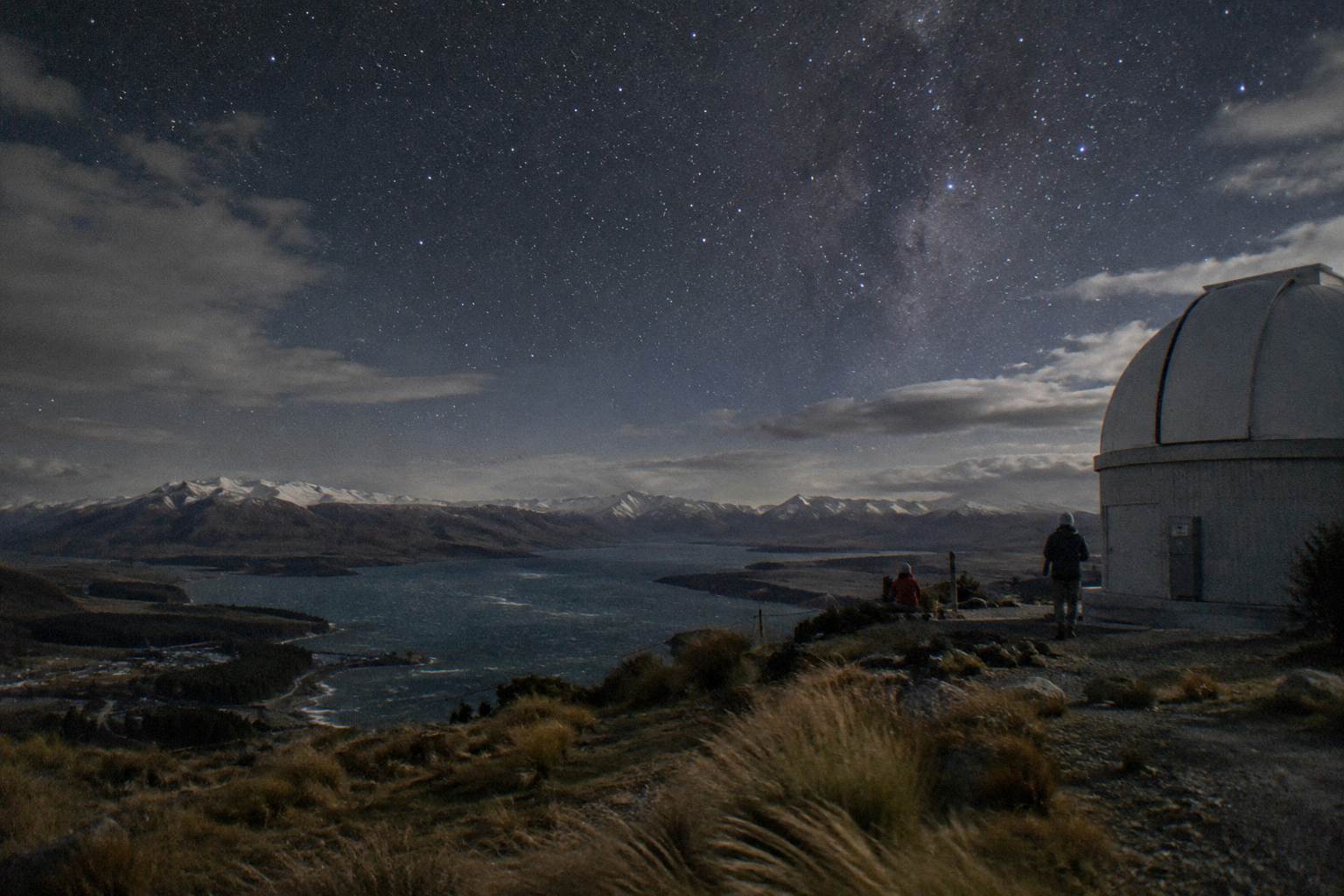
Short answer
Read three signals before booking a Tekapo stargazing tour: cloud cover, wind and moon phase. Cloud decides whether outdoor stargazing happens at all. Dark Sky Project makes its weather call as close to tour time as possible and asks you to check in 15 minutes early. Tekapo Springs tours run in all weather with an indoor VR alternative. Moonlight dims faint objects but bright targets hold.
Start with the wider picture in the complete guide to Lake Tekapo stargazing tours, then come back here for the night-by-night decision.
| Signal | What it decides | Who says so |
|---|---|---|
| Cloud cover | Whether outdoor stargazing is possible at all | Dark Sky Project weather page |
| Wind | Comfort and shelter on exposed high ground | Dark Sky Project tour pages |
| Moon phase | Faint objects versus bright targets | Both operators' FAQ pages |
| Season and sunset | Tour start times, which are seasonal and unpublished | Dark Sky Project Summit page |
What A Tekapo Stargazing Forecast Actually Tells You
A Tekapo stargazing forecast comes down to three signals: cloud, wind and moon. Cloud decides whether a tour can run at all, wind shapes how the high ground on Mount John feels at 1,029 m, and moonlight trades faint galaxies for steady views of bright objects. No operator here guarantees the sky, so treat the forecast as a booking tool rather than a promise of what you will see.
Lake Tekapo sits inside the Aoraki Mackenzie International Dark Sky Reserve, which was awarded reserve status in April 2012 and comprises Aoraki/Mt Cook National Park and the Mackenzie Basin. Dark Sky Project describes it as the largest dark sky reserve in the Southern Hemisphere on its reserve story page. That designation protects the darkness of the sky, not its clarity. A reserve does not stop cloud, and neither operator pretends otherwise.
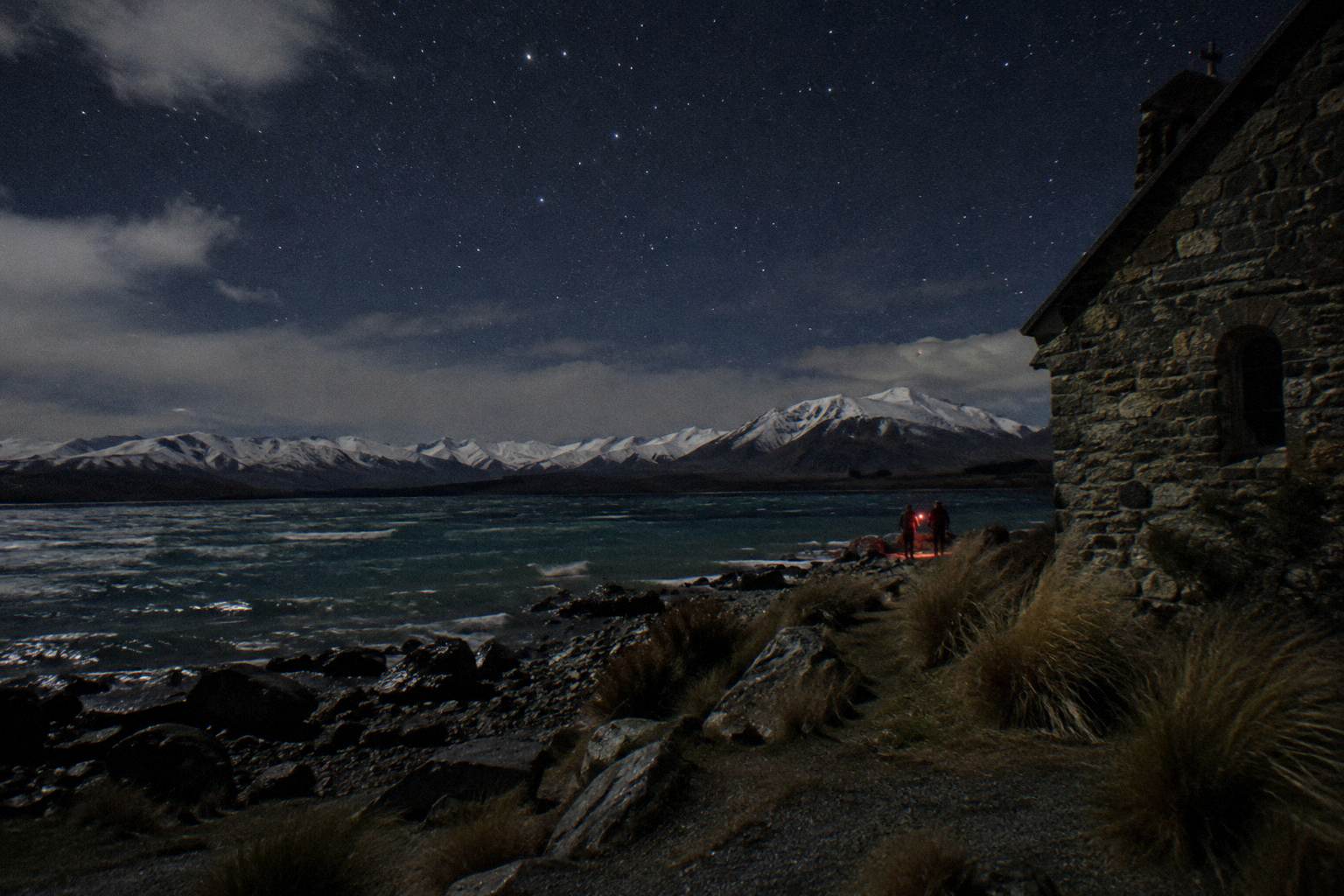
That distinction matters when you read a forecast. Darkness is the reason the tours exist here at all. Clarity is the nightly variable, and it is the one thing no booking can lock in. Dark Sky Project says on its weather planning page that it cannot guarantee clarity or any object in the sky, and that the go or no-go decision is made as close to tour time as possible. Tekapo Springs takes the opposite structural approach: its tours run in all weather, and an indoor VR experience replaces telescope viewing when cloud blocks the sky.
So the forecast you read before booking answers a narrower question than most people assume. It does not tell you what you will see. It tells you which tour shape fits the risk profile of the night, how much money is exposed if cloud arrives, and whether your dates give you a fallback. A traveller with one night in Tekapo and a near-full moon should be weighing a different set of options than a traveller with four nights and a new moon, even if both are looking at the same patch of cloud.
How Dark Sky Project Reads The Sky On The Day
Dark Sky Project does not pre-cancel its outdoor tours on a morning forecast. The operator says the decision is made as close to tour time as possible, and asks every guest to check in 15 minutes early for the update. If outdoor stargazing is not possible, you are offered an indoor alternative, a reschedule subject to availability, a gift voucher valid three years, or a full refund.
This timing is the single most useful fact on this page, and it reframes how you should read any forecast. A cloudy afternoon over the Mackenzie Basin does not cancel your evening, because conditions over the Southern Alps change fast and the operator waits. Equally, a clear afternoon does not secure your night. The gap between the forecast you read at lunchtime and the sky the guide assesses at twilight is exactly the gap the operator's own process is built to absorb.
The mechanics sit in the terms. Direct bookings can be cancelled up to 24 hours before a tour for a full refund; inside 24 hours the full price applies, and late check-in receives no refund, per the operator's terms and conditions. Groups of 10 or more face tighter windows: no refunds inside 72 hours for the Summit and Crater experiences, or inside 48 hours for the indoor Dark Sky Experience. Third-party bookings follow the agent's terms, not these.
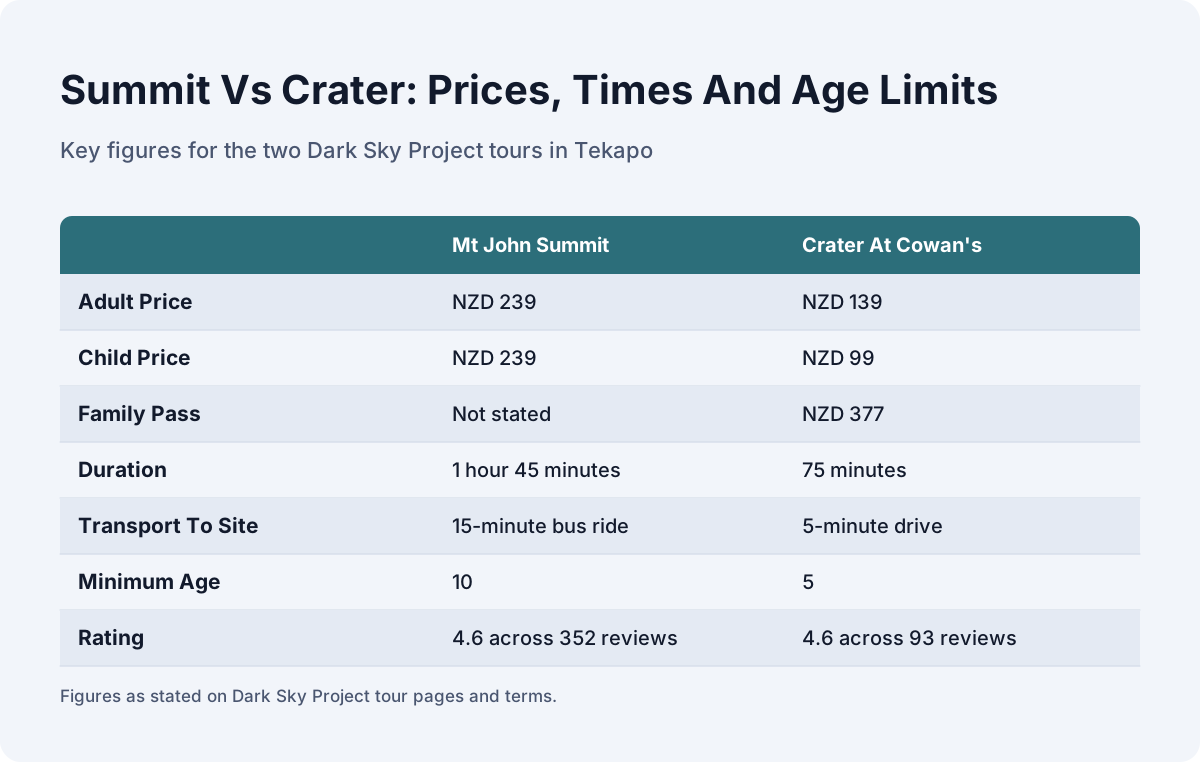
The Mt John Summit Stargazing Experience, rated 4.6 across 352 reviews, is the operator's flagship night: 1 hour 45 minutes, the operator's price NZD 239 for adult and child alike, minimum age 10, with a 15-minute bus ride to the summit of Mount John and the loan of an Extreme Cold Weather jacket included. You can read the full Summit Experience guide for the detail, or go straight to the Summit Experience tour page and check availability for your dates.
The Summit Experience puts you at the University of Canterbury Mt John Observatory, which the University describes as New Zealand's largest professional research observatory, at an elevation of 1,029 m. The Crater Experience uses purpose-built observation craters at Cowan's Private Observatory, a 5-minute drive from the base, sheltered from wind and light. The hot pools combination at Tekapo Springs runs regardless of cloud. Your forecast reading should decide which of those risk profiles fits your night, not merely whether to book.
Cloud Cover: The One Factor That Decides The Night
Cloud is the only forecast element that can stop outdoor stargazing outright. Wind changes comfort, moon changes targets, but cloud decides whether the telescopes open at all. Dark Sky Project treats it as a last-minute call with an indoor alternative and a refund path; Tekapo Springs removes the decision entirely by running every night and substituting an indoor VR experience under cloud.
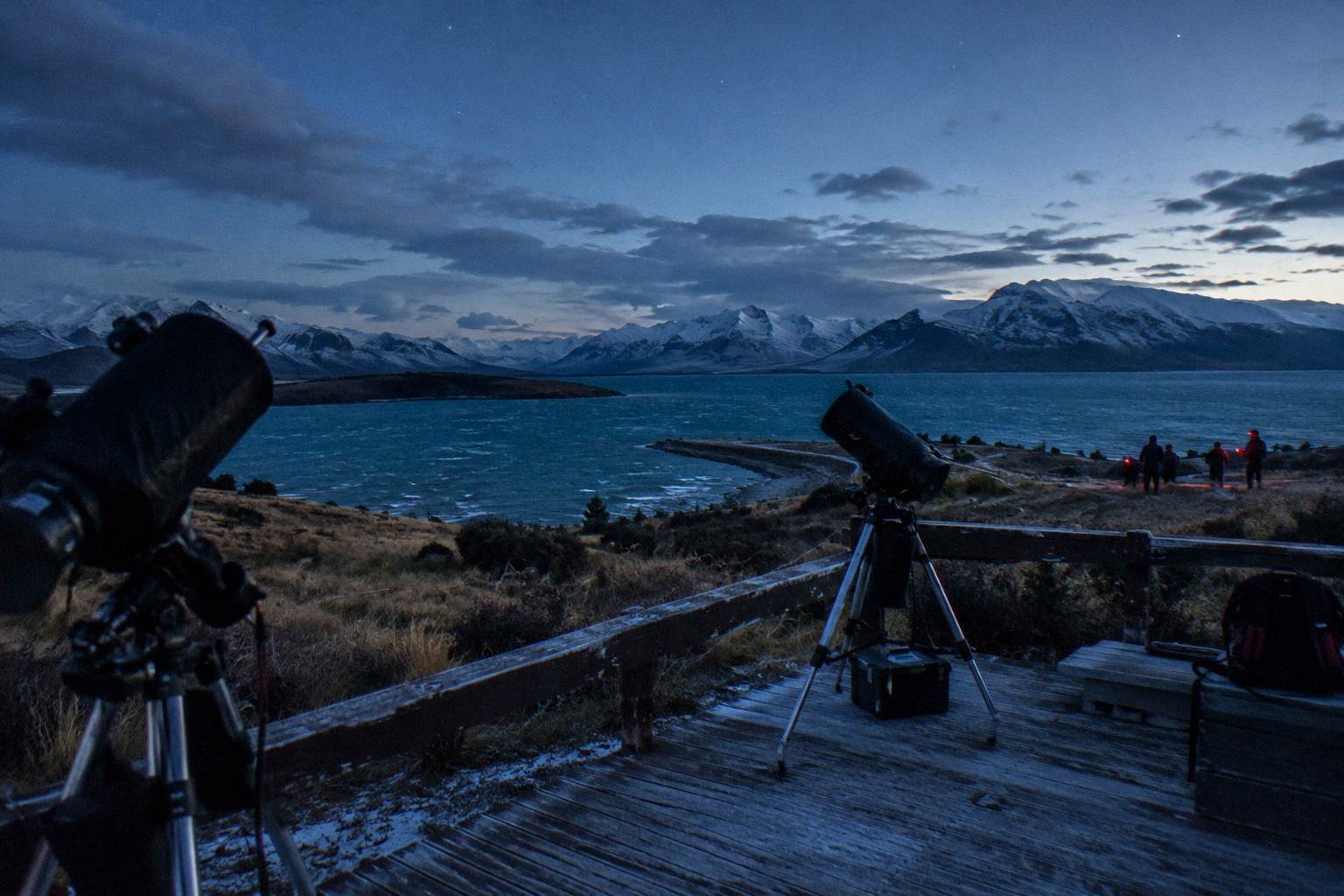
Between those two poles sits a practical decision. If your forecast shows a solid deck of cloud with no break forecast overnight, the Dark Sky Project route still carries value: the operator's fallback includes the indoor Virtual Stargazing Experience, a reschedule if your dates allow, a gift voucher valid three years, or a full refund. If your forecast is patchy or unsettled, which is common when westerly systems cross the Southern Alps, the operator's habit of deciding close to tour time works in your favour, because Tekapo's basin sky can clear within an hour.
Tekapo Springs takes a different stance, stated on its own stargazing pages: tours run in all weather. When cloud prevents telescope viewing, a VR indoor experience with 360 degree imagery of the Church of the Good Shepherd and the Mt John summit replaces it, and it is not sold as a standalone tour. There is also a partial money-back mechanism: if telescope viewing comes in under 30 minutes, the operator refunds 25 percent per ticket at the end of the tour, for tours from 18 June 2026.
| Weather outcome | Dark Sky Project | Tekapo Springs |
|---|---|---|
| Clear sky | Outdoor tour runs | Outdoor tour runs |
| Cloud blocks viewing | Indoor alternative, reschedule, voucher or full refund | Tour runs; VR indoor experience replaces telescopes |
| Under 30 minutes of telescope viewing | Not stated as a separate rule | 25 percent refund per ticket, tours from 18 June 2026 |
| Weather cancellation before the night | Free cancellation up to 24 hours before, direct bookings | Cancel or change up to 24 hours before |
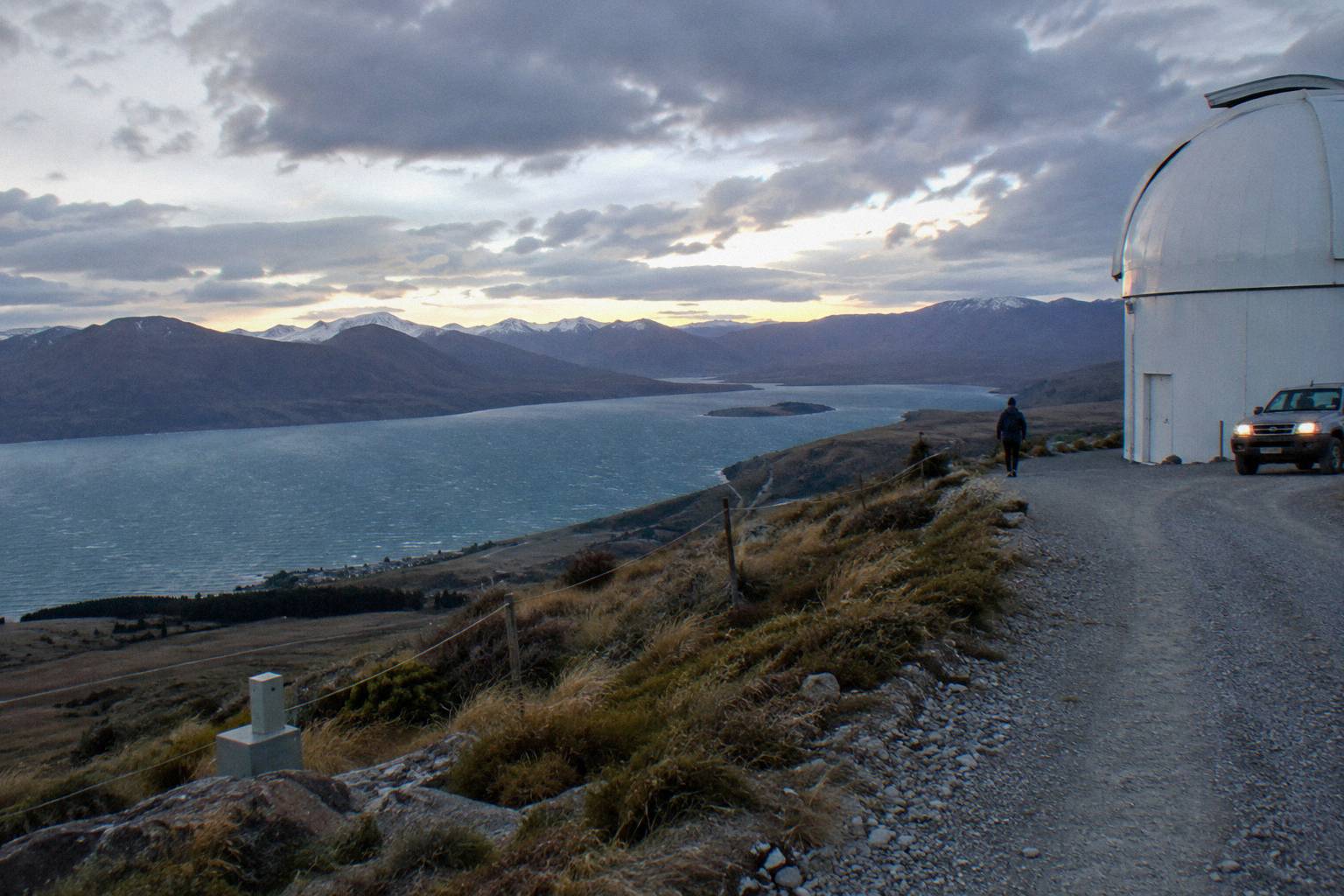
Neither approach is objectively better; they answer different travellers. The Dark Sky Project model maximises the chance of a genuinely clear mountain night and refunds you when it fails. The Tekapo Springs model guarantees your evening happens in some form, which matters if you are flying out the next morning and a reschedule is worthless to you. Weigh that against the guide to what happens when a Tekapo tour meets cloud before you commit.
For families with younger children, cloud risk interacts with price. The Crater Stargazing At Cowan's Observatory runs 75 minutes including transport, takes children from age 5, and carries the operator's price of NZD 139 adult and NZD 99 child, with a family pass at NZD 377 for two adults and two children. It is rated 4.6 across 93 reviews. Wheelchair users can join, though they must drive their own vehicle to Cowan's. Lower cost and a shorter night reduce what a clouded-out evening costs you in the first place.
Wind And Cold At 1,029 M
Wind matters more on Mount John than anywhere else in Tekapo, because the Summit Experience operates at 1,029 m and includes a 100 m gravel incline walk plus a few steps in the dark, which the operator rates as moderate fitness. The loan of an Extreme Cold Weather jacket is included on the Summit only. Wind also shapes which site an operator can use: Cowan's craters are purpose-built to be sheltered.
The elevation figure comes from the University of Canterbury, which runs Mt John Observatory and describes it as New Zealand's largest professional research observatory, with four telescopes including the 1.8 m MOA. You are going up to a working research mountain, not a purpose-built visitor platform. Dark Sky Project's terms describe the walk and the fitness level plainly, and the jacket loan tells you the operator expects summit nights to be cold even in summer. A windy forecast should push you toward either packing properly, using the site's advice on what to wear for Tekapo stargazing, or choosing the sheltered Crater Experience at Cowan's instead.
Cowan's Private Observatory sits a 5-minute drive from the Dark Sky Project base and uses purpose-built observation craters the operator describes as sheltered from wind and light. That is the quiet advantage of the Crater Experience on a breezy forecast: the design of the site absorbs the very element most likely to make a summit night unpleasant. The trade is telescopes up to 14 inch, versus up to 16 inch inside a private dome at the summit.
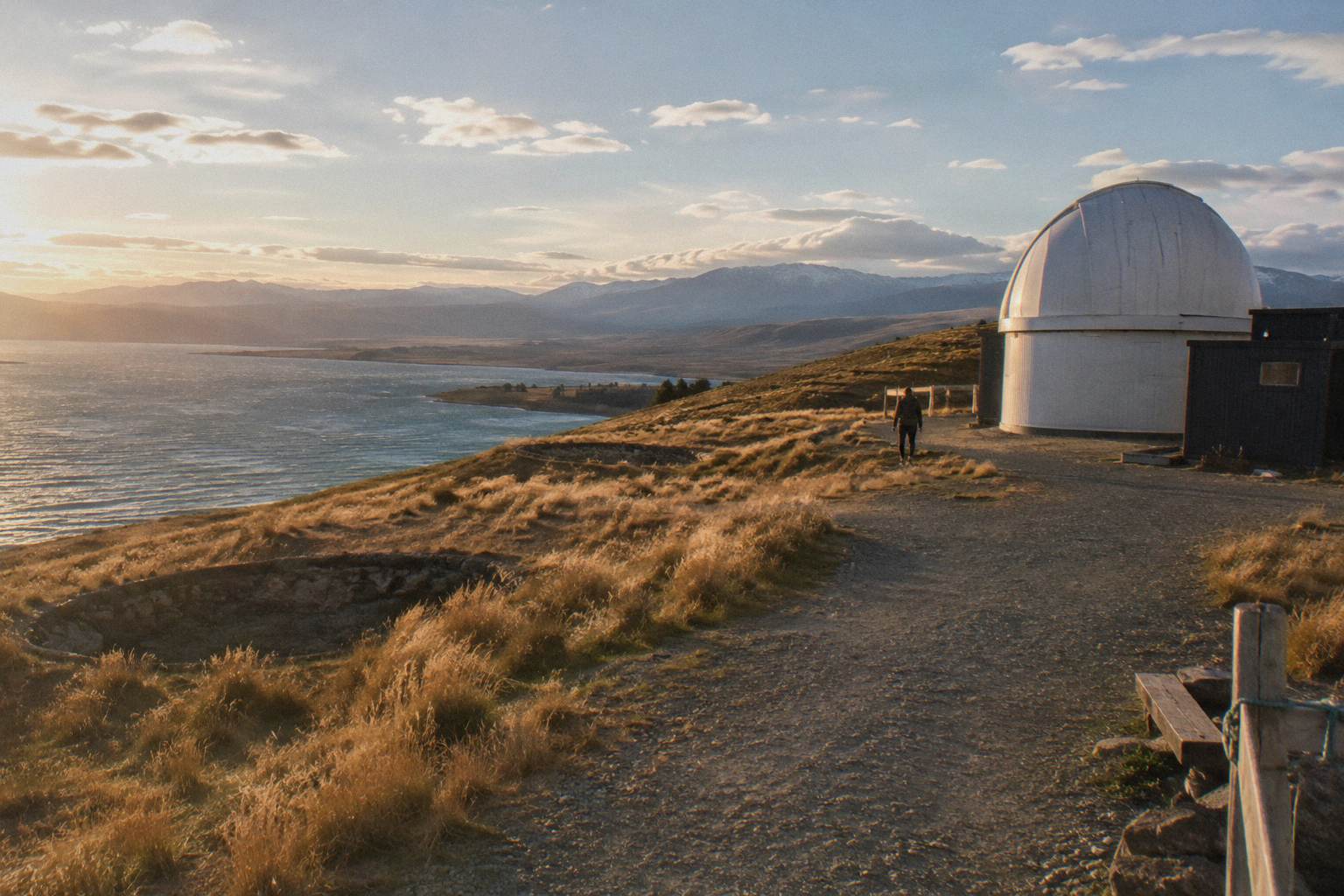
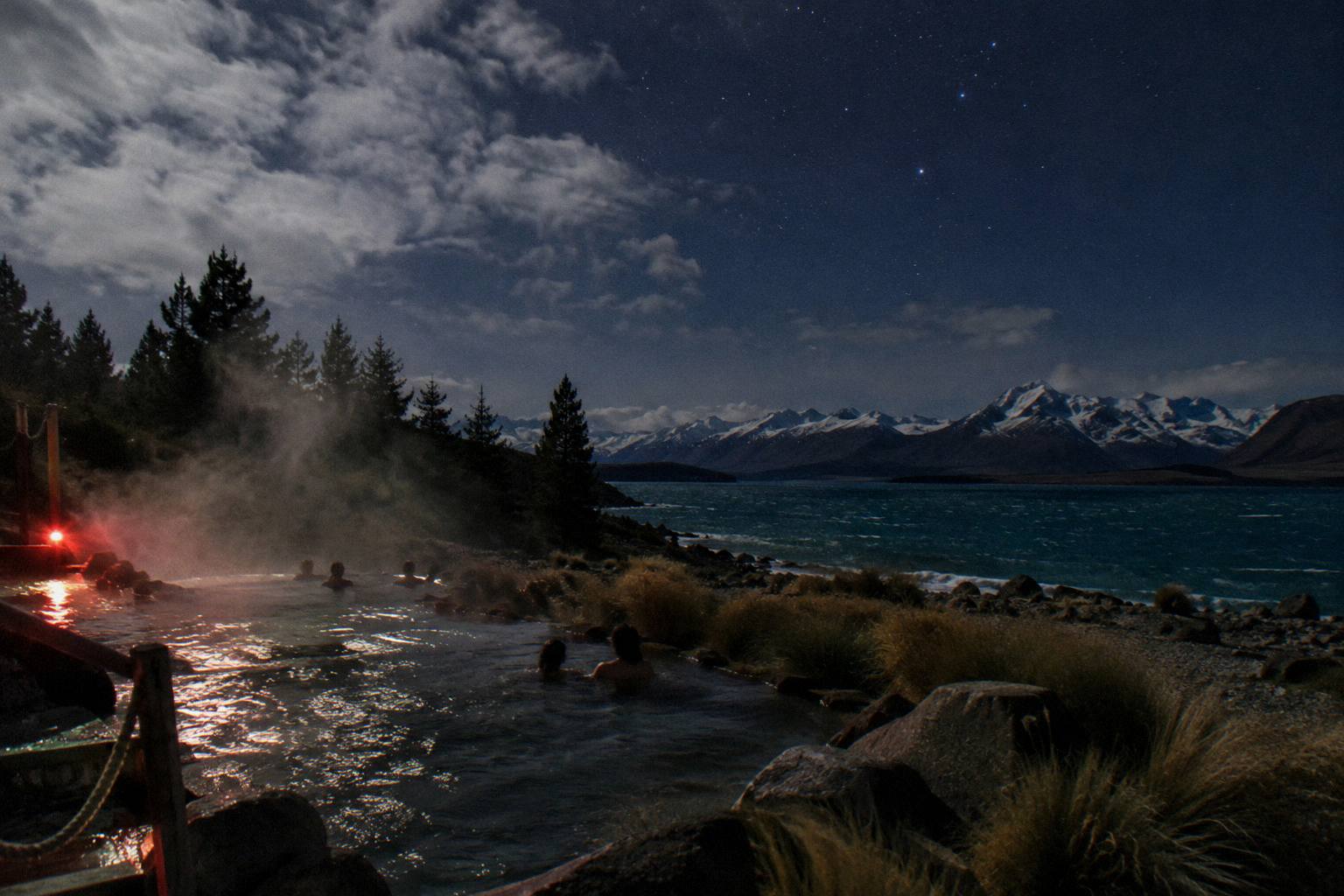
Cold and wind also bear on the Tekapo Springs option, but differently. Soak in the Stars runs 90 minutes: guided telescope viewing followed by an exclusive hot pool with a guide poolside, with towels, robes, hot drinks and warm poncho coats included. On a cold, gusty night where the summit walk sounds grim, a heated pool is a genuine alternative shape of evening rather than a consolation prize. Its minimum age is 10, and the operator's price is NZD 179 adult and NZD 115 child.
One more daytime weather note worth folding into your planning: the Astro Cafe on the Mt John summit is open daily 9am to 4pm, the access road keeps the same hours, a road user fee of NZD 14 per vehicle applies at the gate, and vehicles over 12 seats are not permitted. The road closes in some weather. If you want to scout the summit view by daylight before your night tour, the guide to driving up to the observatory covers it.
Reading The Moon Before You Book
The moon is the one input you can read weeks ahead with certainty, which makes it your most reliable planning tool. Brighter moonlight affects fainter stars and galaxies, Dark Sky Project says, while the moon itself remains a good telescope target. Tekapo Springs puts it the same way: telescopes still show bright objects near a full moon, and full moon only reduces naked-eye Milky Way.
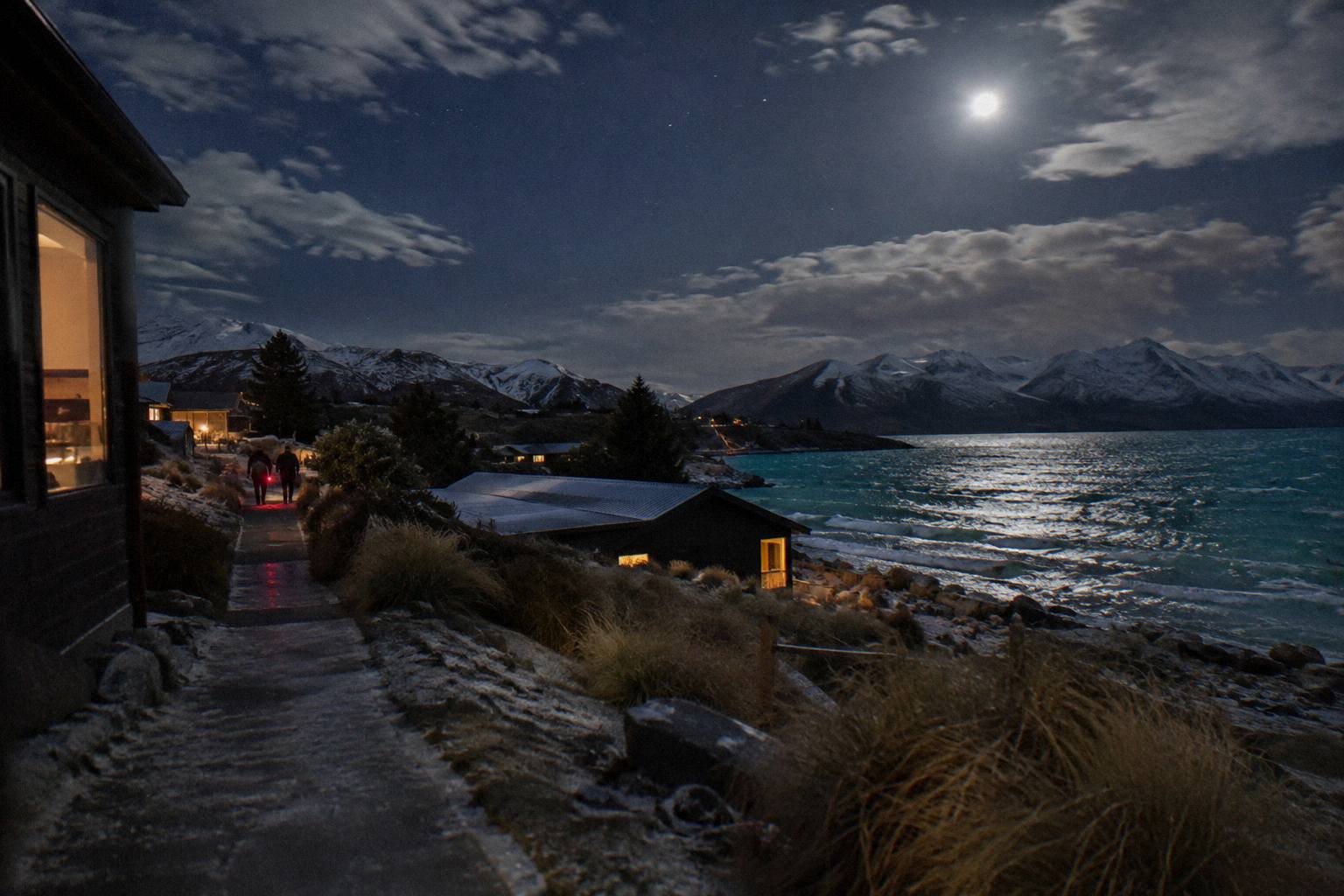
This is where forecast reading becomes calendar reading. Cloud and wind are three-to-five-day information at best; the moon phase is known for years. If faint galaxies and the naked-eye band of the Milky Way are why you are coming, book around the new moon window and use the site's comparison of new moon versus full moon for Tekapo stargazing. If your interest is planets, the moon itself and bright clusters through a telescope, a gibbous or full moon costs you far less than you might fear, and both operators say so in nearly identical terms.
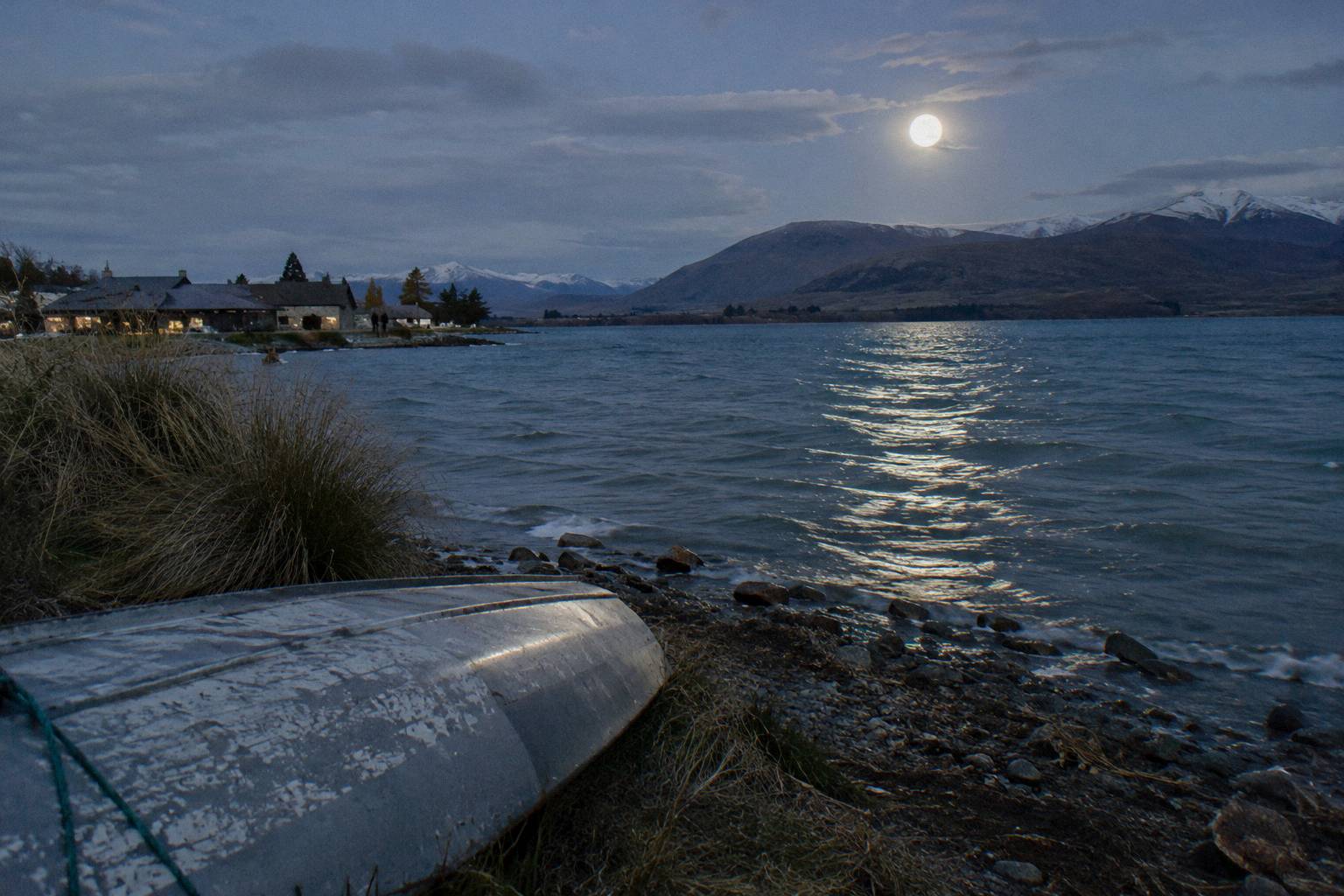
The operators' own framing is worth taking at face value rather than fighting. Dark Sky Project's weather page notes that brighter moonlight affects fainter stars and galaxies, and simultaneously that the moon is a good target: the same night can be poor for one thing and strong for another. Tekapo Springs' FAQ says full moon only reduces naked-eye Milky Way, with telescopes still showing bright objects. Neither operator tells you to avoid booked nights near a full moon; both tell you what changes.
One combination deserves special care in your booking: a bright moon plus thin high cloud. Moonlight hitting cloud can wash out a sky that would have been usable under a new moon, while a moonless night with the same cloud might still deliver telescope viewing of brighter objects. When you weigh dates, read the moon phase and the cloud signal together, not separately. The deeper background is in the guide to the best time for stargazing at Lake Tekapo.
What Happens If Cloud Rolls In After You Book
Two different safety nets exist, and which one catches you depends on the operator. Dark Sky Project decides close to tour time and then offers an indoor alternative, a reschedule, a voucher valid three years or a full refund. Tekapo Springs never cancels for weather: the tour runs, VR replaces the telescopes under cloud, and under 30 minutes of telescope viewing triggers a 25 percent refund per ticket.
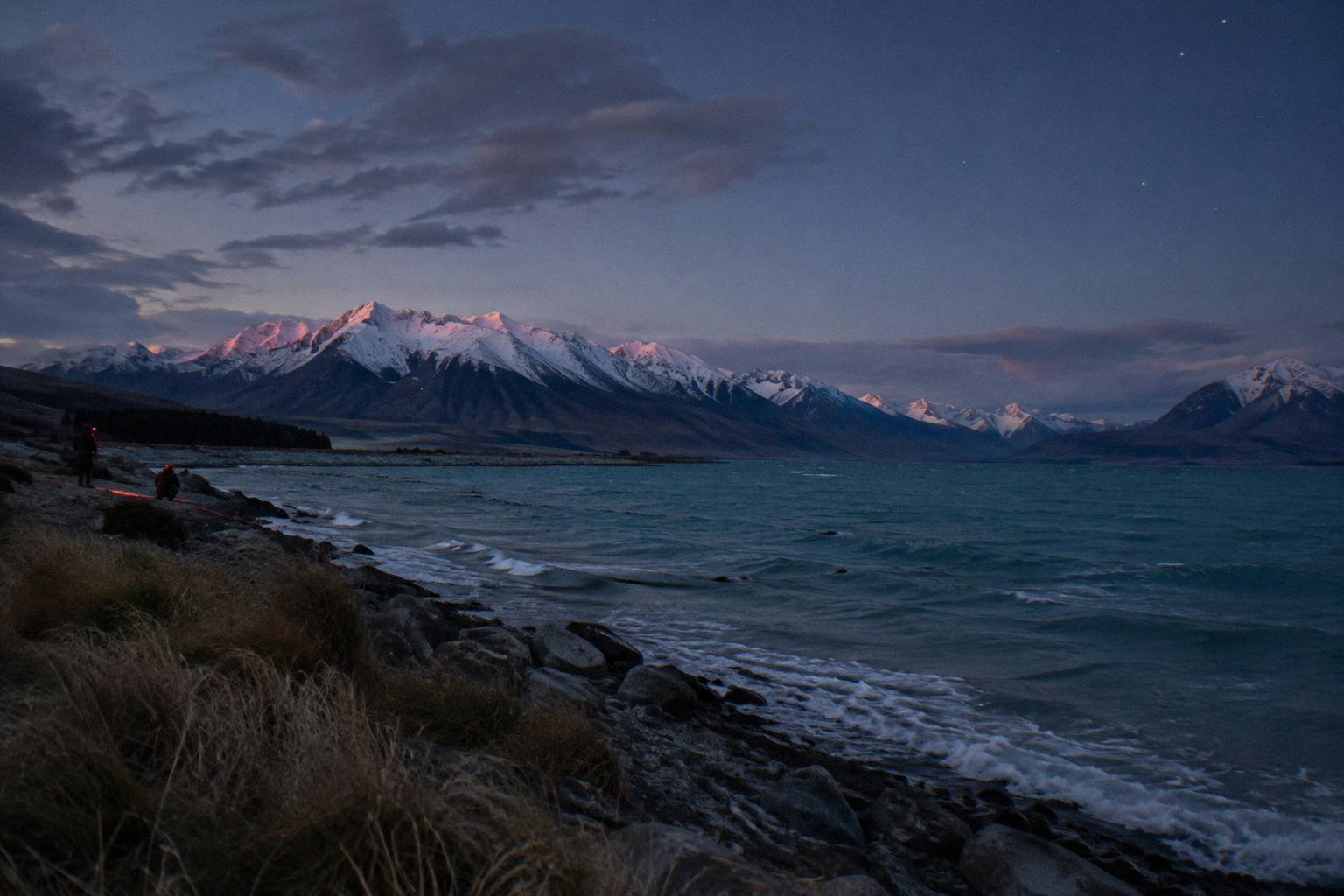
Run the arithmetic on your own trip before you book rather than after. If you have three nights in Tekapo, the Dark Sky Project model is low risk: a clouded first night becomes a reschedule, and you have two more chances. If you have one night and an early departure, a reschedule is worthless and the choice becomes a refund, which is fair but returns you home having seen nothing, versus the Tekapo Springs model, where the evening happens in some form whatever the sky does. Neither is a trick; they are honestly different products for different itineraries.
The cancellation windows add a second layer. Direct Dark Sky Project bookings cancel free up to 24 hours before; Tekapo Springs lets you cancel or change up to 24 hours before for a full refund, date change or voucher, with bookings via third-party agents possibly differing. Booking pages for several other operators in Tekapo and the wider Mackenzie Basin also show 24-hour free cancellation windows; where an operator does not state one, ask before you rely on it, using Dark Sky Project on +64 3 680 6960 or Tekapo Springs on +64 3 680 6550.
The Hot Pools And Stargazing At Tekapo Springs experience is the natural booking for the one-night traveller on a doubtful forecast, and the only one of the covered options where weather genuinely cannot stop your evening from running. Some departures begin after midnight, 12:15am is the operator's own example, and start times are seasonal, so check the calendar rather than assuming an evening slot.
If the forecast has already failed you and you are in Tekapo under solid cloud, the indoor option is the 45-minute Dark Sky Experience at the Dark Sky Project base: four zones, the restored 125-year-old Brashear telescope, and Tātai Aroraki, Māori astronomy, presented alongside Western astronomy. The operator's price is NZD 59 adult and NZD 39 child, with under 5s free with an adult ticket, and English tours at 10:30am, 12:30pm and 2:30pm, plus 4:30pm on Tuesday and Wednesday, subject to availability. It offers no stargazing, and it is not affected by weather.
Which Night To Book When Your Stay Is Short
Book the first clear-sky night of your stay, not the last, whenever your dates allow. Cloud is only readable on the day, both operators decide or adapt close to tour time, and free cancellation runs to 24 hours before departure. A first-night booking keeps every later night available as a reschedule, while a last-night booking leaves you no fallback if the sky closes.
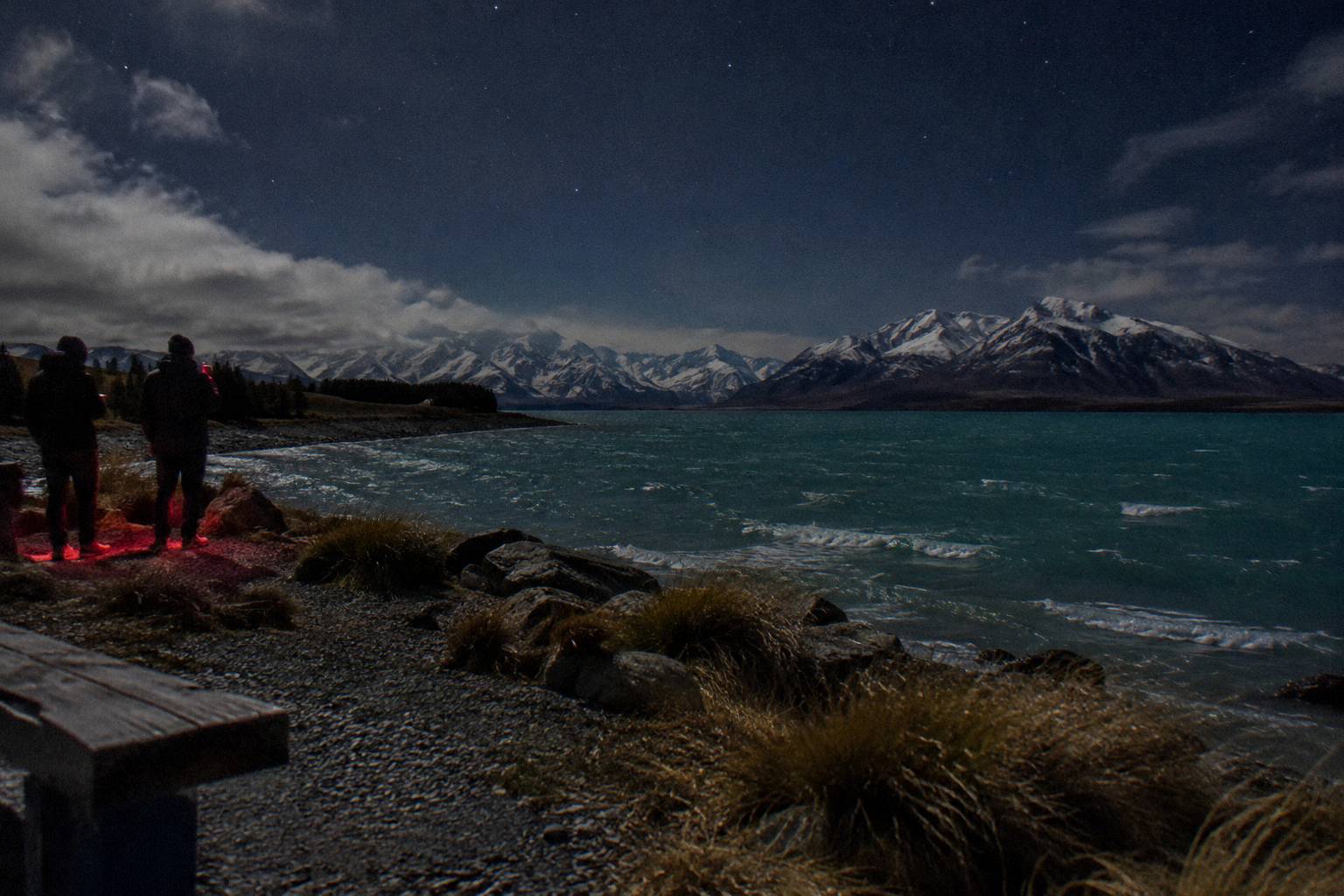
Consider two worked examples from the facts. A couple staying two nights with a new moon should book the Summit Experience for night one: if cloud kills it, the reschedule path points at night two, and the moon is doing them no harm. A family driving out the next morning with a doubtful cloud forecast should weigh the Crater Experience's lower price, NZD 99 per child aged 5 to 17, or the hot pools tour that runs regardless, over a full-price summit night with nothing left to reschedule into. Same forecast, different right answers, because the itinerary differs.
| Your situation | Forecast pressure | Booking that fits | Why |
|---|---|---|---|
| Three or more nights, flexible | Any | Summit or Crater, first night | Reschedule path has room |
| One night, early departure | Cloud doubt | Hot pools and stargazing | Runs in all weather |
| Bright moon phase | Any cloud | Any telescope tour | Bright targets hold, per both operators |
| Young children, ages 5 to 9 | Any | Crater Experience | Minimum age 5, 75 minutes |
| Cloud already certain | Solid deck | Dark Sky Experience indoor | Weather does not change it |
The moon can also break a tie between nights. If the forecast is indifferent across your stay and the moon is waning toward new, the later night is the better faint-sky night; the earlier one suits bright targets. The explanation of how long a Tekapo stargazing tour takes helps if you are fitting a departure-after-midnight hot pools slot around a next-day drive.
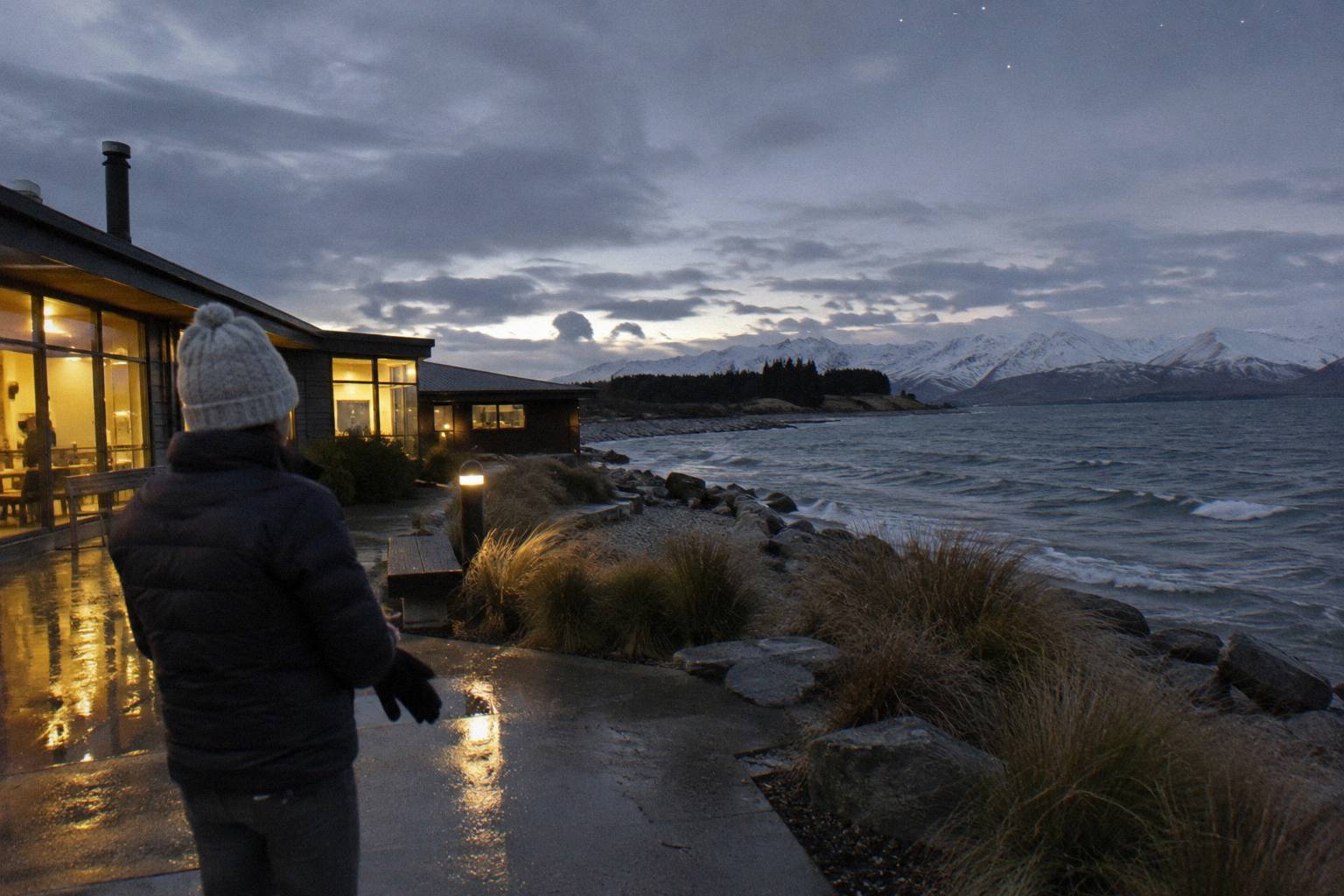
Season affects the calendar more than the cloud risk. Soak in the Stars runs seven evenings a week from October to April and Thursday to Monday from May to September. Dark Sky Project's Summit times vary throughout the year with sunset and are not published as clock times, and the Crater Experience runs evenings after twilight, seven days a week. In deep winter, tour times shift early and the cold on Mount John sharpens; in midsummer, departures run late and the after-midnight hot pools slots are in play.
Common Mistakes When Reading The Tekapo Stargazing Forecast
The recurring mistakes are treating a morning forecast as final, ignoring the moon until arrival, and booking the last night of a stay. People also assume weather terms are identical across operators when Dark Sky Project and Tekapo Springs run opposite models, and forget the 24-hour cancellation window until they are inside it. Each mistake is avoidable with one small habit change at booking time.
The first mistake is reading a lunchtime forecast as a verdict. Dark Sky Project explicitly makes its decision as close to tour time as possible and asks guests to check in 15 minutes early for the update; a grey afternoon routinely becomes a usable night over the basin. Cancel nothing yourself before the operator's call.
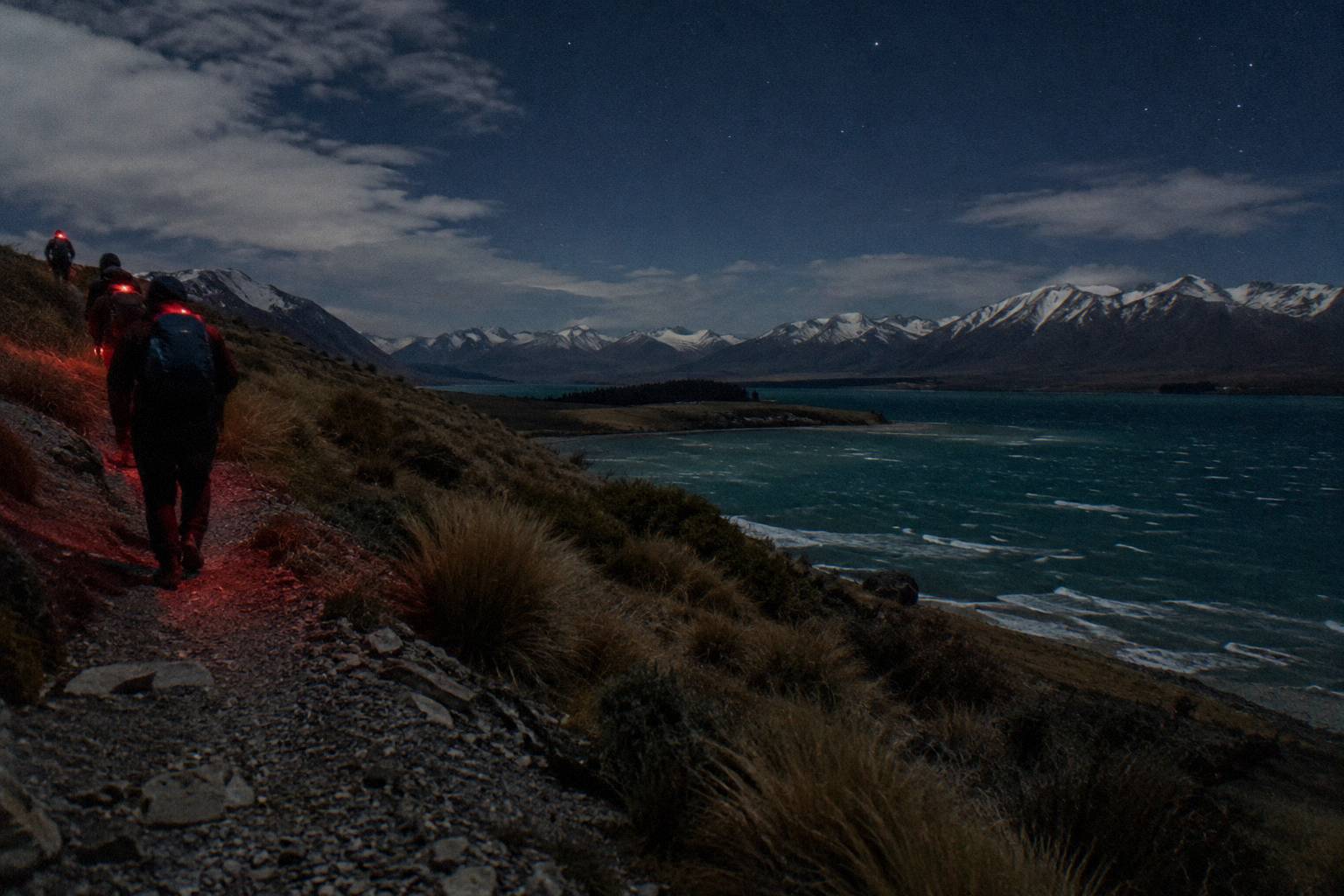
The second is treating the moon as scenery rather than as a planning variable. It is the only signal you can read weeks ahead, and both operators state what it changes: fainter stars and galaxies dim, bright targets and the moon itself hold. Book around it deliberately.
The third is structural: booking the final night. The reschedule option in Dark Sky Project's weather terms has value only if a later night exists. The fourth is assuming the indoor alternative is the same product everywhere; the Dark Sky Experience is a separate 45-minute daytime cultural astronomy product, while Tekapo Springs' VR is a substitution inside an already-booked evening, not a standalone tour.
The fifth is under-dressing for 1,029 m. Even with the loaned Extreme Cold Weather jacket on the Summit, wind on the gravel incline walk is a real factor the operator's own terms flag as moderate fitness. Check the clothing advice rather than estimating from village temperatures at lake level.
Beyond Tekapo village itself, the same cloud logic follows you through the Mackenzie Basin, where the Twizel stargazing night sky guide and the Mount Cook stargazing tours guide cover operators in Twizel, Aoraki/Mt Cook and Lake Pukaki. Cloud over the basin rarely respects village boundaries, so a Tekapo forecast is a reasonable first read for those nights too.
Stargazing at Lake Tekapo rewards a forecast habit, not a lucky booking. For more on the thinking behind the site's coverage, see Mt John Stargazing.
Common Questions About The Tekapo Stargazing Forecast
Can A Forecast Tell Me If My Tekapo Stargazing Tour Will Run?
No. Cloud is only readable on the day, and Dark Sky Project states that its decision is made as close to tour time as possible. Check in 15 minutes early for the update. Tekapo Springs tours run in all weather, so for that operator the forecast does not affect whether the tour goes ahead.
What Happens If Cloud Cancels My Tour?
With Dark Sky Project you are offered an indoor alternative, a reschedule subject to availability, a gift voucher valid three years, or a full refund. With Tekapo Springs the tour is not cancelled: an indoor VR experience with 360 degree imagery replaces telescope viewing, and under 30 minutes of telescope viewing triggers a 25 percent refund per ticket for tours from 18 June 2026.
Is A Full Moon Bad For Stargazing In Tekapo?
Not for everything. Dark Sky Project says brighter moonlight affects fainter stars and galaxies, and that the moon itself is a good target. Tekapo Springs says telescopes still show bright objects and full moon only reduces naked-eye Milky Way. Book around a new moon if faint objects are your priority.
When Can I Cancel A Tekapo Stargazing Booking For Free?
Direct bookings with Dark Sky Project and bookings with Tekapo Springs can each be cancelled or changed up to 24 hours before the tour for a full refund. Inside that window, Dark Sky Project's terms apply the full price. Bookings made through third-party agents follow the agent's terms.
Which Tekapo Stargazing Tour Is Safest In Doubtful Weather?
The Hot Pools And Stargazing At Tekapo Springs experience runs in all weather with the VR indoor fallback, so it is the most weather-proof evening on offer. The indoor Dark Sky Experience is a daytime, 45-minute cultural astronomy product that weather cannot touch, but it offers no stargazing.
Does Wind Affect The Mount John Summit Tour?
Wind affects comfort rather than viability. The Summit Experience includes a 100 m gravel incline walk and a few steps in the dark, rated moderate fitness, at an elevation of 1,029 m, with an Extreme Cold Weather jacket loaned. The Crater Experience at Cowan's uses purpose-built craters the operator describes as sheltered from wind and light.