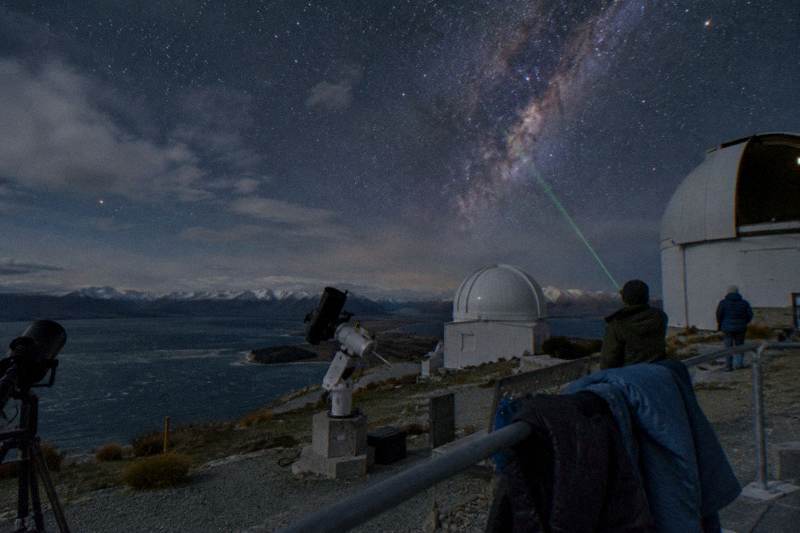
Do You Need A Tour To Stargaze At Mount John?
The Mt John access road closes at 4pm, so independent night visits and operator tours work differently. Here is what each option gives you around Lake Tekapo.
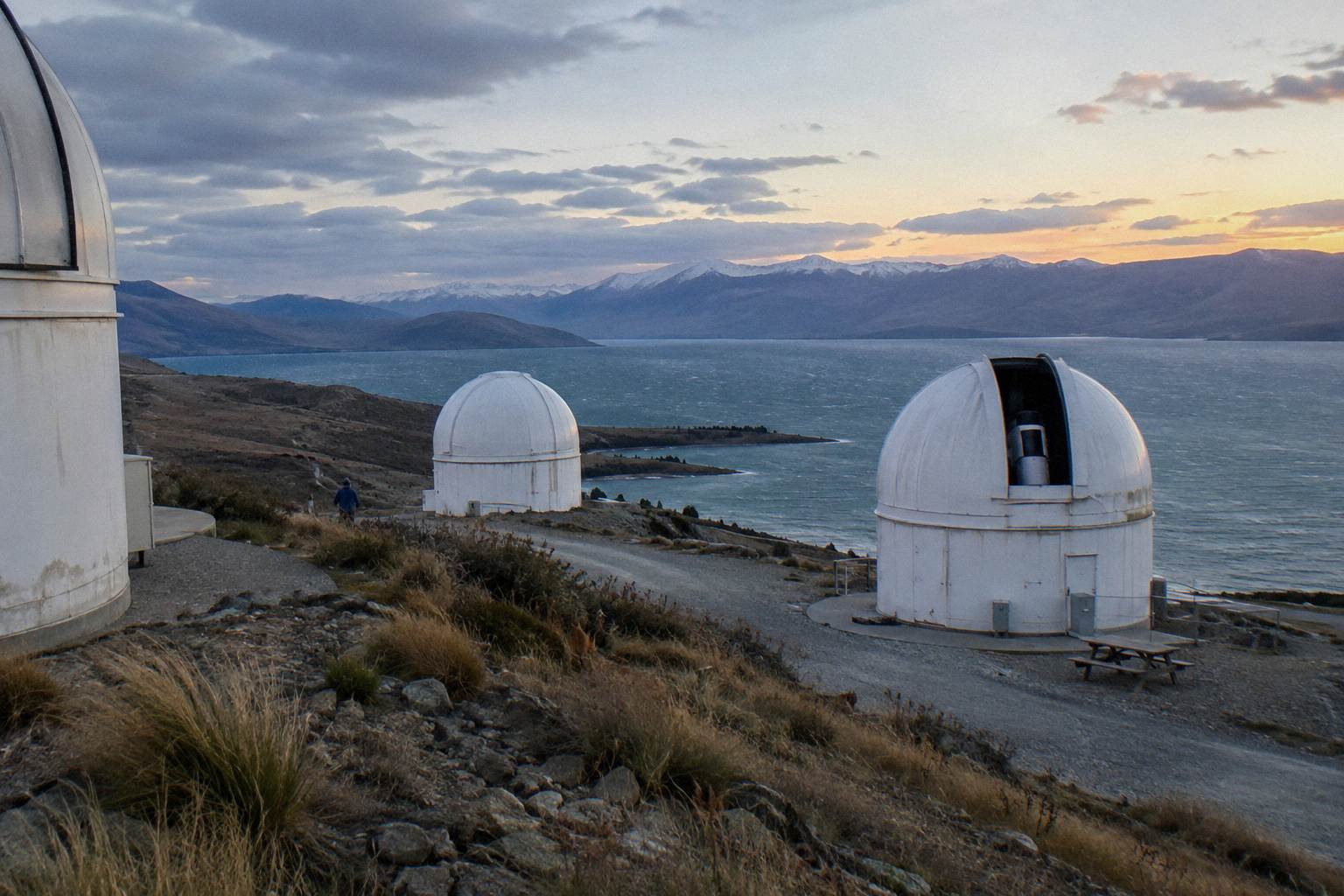
No, but the practical answer is narrower than it looks. The Mt John access road is open 9am to 4pm daily with a NZD 14 vehicle fee at the gate, so you can reach the summit by day without any booking. At night the operator-run Mt John Summit Stargazing Experience is the listed way to visit the observatory itself, NZD 239 per person with transport and guiding. Free stargazing around the lakefront works too, just without telescopes.
| Question | Short answer |
|---|---|
| Can you visit Mount John without a tour? | Yes, by day: access road open 9am to 4pm, NZD 14 per vehicle |
| Is there listed independent night access to the summit? | Not stated on the operator pages; the Summit Experience is the night visit |
| What does the Summit Experience cost? | NZD 239 adult and child alike, minimum age 10 |
| Can you stargaze free in Lake Tekapo? | Yes, the lakefront and surrounding areas sit inside the dark sky reserve |
The distinction that matters is not tour versus no tour, it is day versus night. Mount John, the 1,029 m hill above Lake Tekapo, is home to the University of Canterbury Mt John Observatory, described by the University as New Zealand's largest professional research observatory. During daylight hours anyone can drive the access road, pay the gate fee and walk among the views, including the Astro Cafe, which the operator's cafe page says is open daily 9am to 4pm. After dark the situation changes, because the same page gives the access road the same 9am to 4pm hours.
What the operator pages describe for night is the Summit Experience page: check in at the lakefront base, a 15-minute bus ride to the summit, telescopes up to 16 inch inside a private dome, and guiding that weaves together Western astronomy and Tātai Aroraki, Māori astronomy. The facts available do not describe any independent night access to the summit road, and nothing more can be said about it here; if you want to be on Mount John after dark, the operator's tour is the route the pages describe. For everything else, the wider question of where you can stargaze in Lake Tekapo has free answers that need no booking at all.
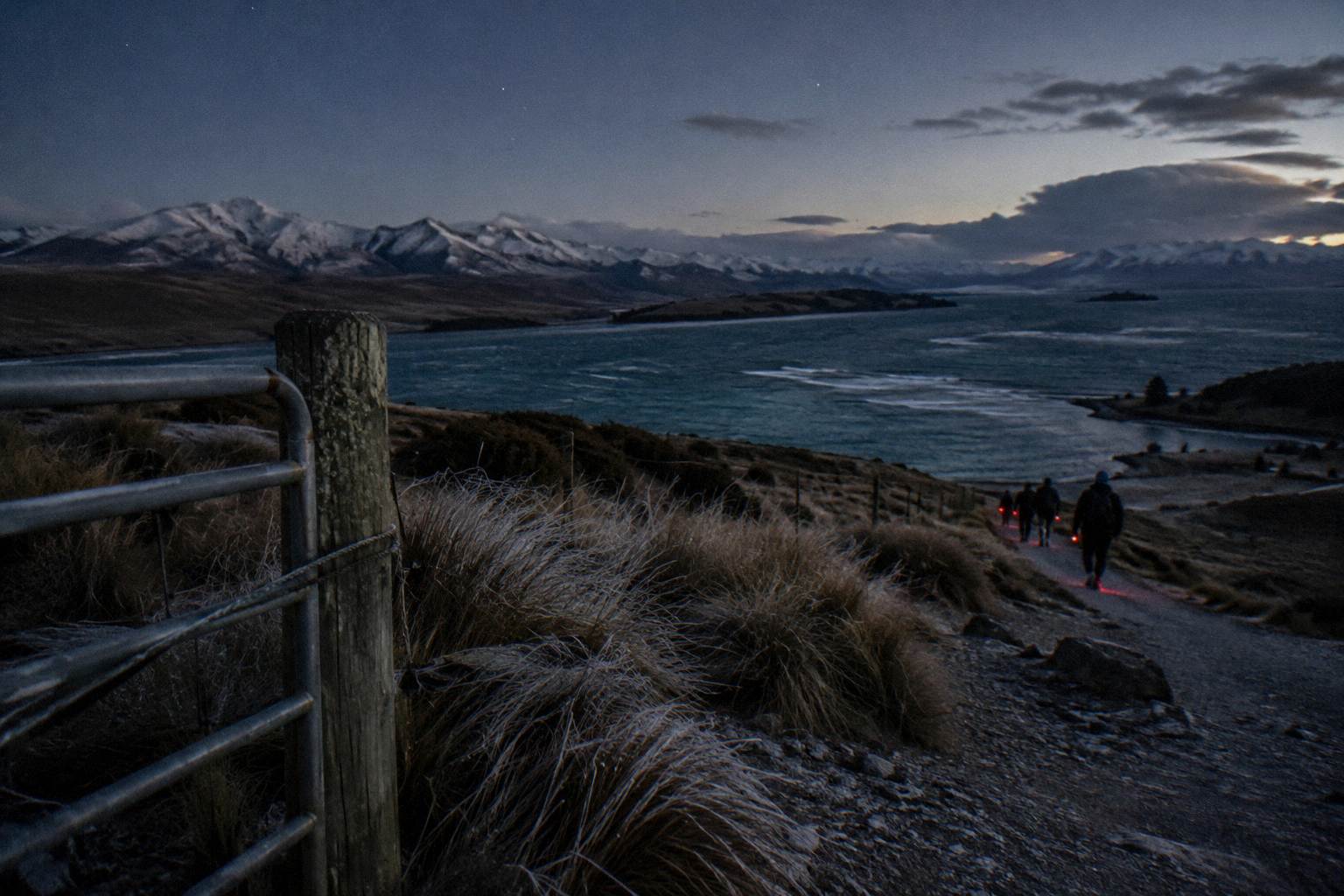
The reserve context explains why both routes work. The Aoraki Mackenzie International Dark Sky Reserve, awarded reserve status in April 2012, comprises Aoraki/Mt Cook National Park and the Mackenzie Basin, and is the largest dark sky reserve in the Southern Hemisphere. The sky over the lake is the same sky whether you stand on the summit with a guide or on the lakefront with a thermos. What differs is equipment, access and interpretation.
Can You Drive Up To Mount John Yourself?
Yes, you can drive up Mount John yourself, but only during limited hours. The road is open to private vehicles between 9am and 4pm, and access costs a NZD 14 fee per vehicle, paid at the gate on arrival. Plan your visit accordingly so you arrive within the opening hours. The access road hours and the road user fee are stated on the operator's Astro Cafe page, which also notes that vehicles over 12 seats are not permitted and that the road closes in some weather. Outside those hours the road is closed, which is why a night visit runs through a booked experience rather than your own car. Daytime access, then, is genuinely open to anyone with a vehicle and the gate fee, and no booking of any kind is required to stand on the summit ridge in daylight. The catch is that the hours end at 4pm, every day of the year, long before the first stars appear.
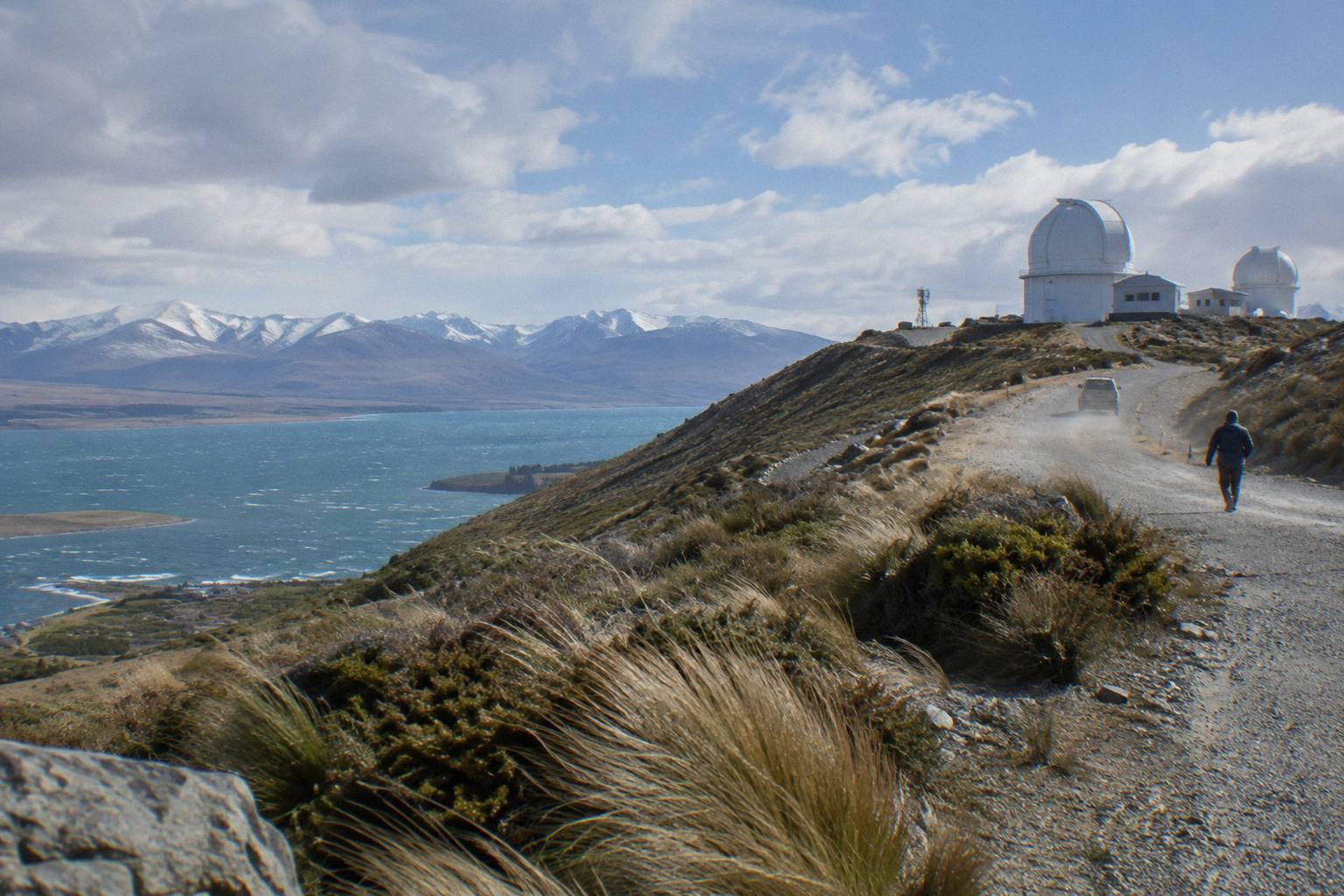
A daytime drive up is a genuine half of the Mount John experience and costs very little. The Summit Circuit track, 8.9 km return, is also listed on the cafe page for walkers who want the ridge under their own power. From the top you look down on Lake Tekapo and out across the Mackenzie Basin, and on a clear day the scale of the basin explains why the reserve exists: the lighting rules the district runs, which include shielding of outdoor lights so they point downward, keep the sky dark over a huge area rather than over one hill.
What a daytime visit cannot give you is the night. The road hours end at 4pm year round, well before any stargazing worth the name begins, and the facts here say nothing about walking up the road at night being offered or allowed. That gap is the whole business case for the evening tours. If your plan is "drive up at night for free," the pages do not support it, and guessing beyond them would be inventing access that is not stated.
So the honest fork is: by day, take the road and the NZD 14 fee; by night, either book an operator experience or stargaze from publicly accessible ground elsewhere around the lake. The guide to driving up to the observatory covers the day trip in more detail, including the cafe and the circuit track.
What The Summit Experience Actually Includes
The Mt John Summit Stargazing Experience is a 1 hour 45 minute guided visit to the University of Canterbury Mt John Observatory on the summit. The operator's price is NZD 239 per person, charged the same for adult and child alike, and the minimum age to take part is 10 years old. It includes the 15-minute bus to the summit and back, guiding, loan of an Extreme Cold Weather jacket, and telescope time on instruments up to 16 inch inside a private dome. Check in at the lakefront base 15 minutes before departure.
The experience is the only product described on the pages here that puts visitors on the summit after dark. Naked-eye guiding with handheld lasers sits alongside the telescopes, and Dark Sky Project says Tātai Aroraki, Māori astronomy, is woven through the interpretation. The site is a working research facility with four telescopes, including the 1.8 m MOA telescope operated in partnership with Osaka University, which is a large part of why general night access is not a thing the pages describe.
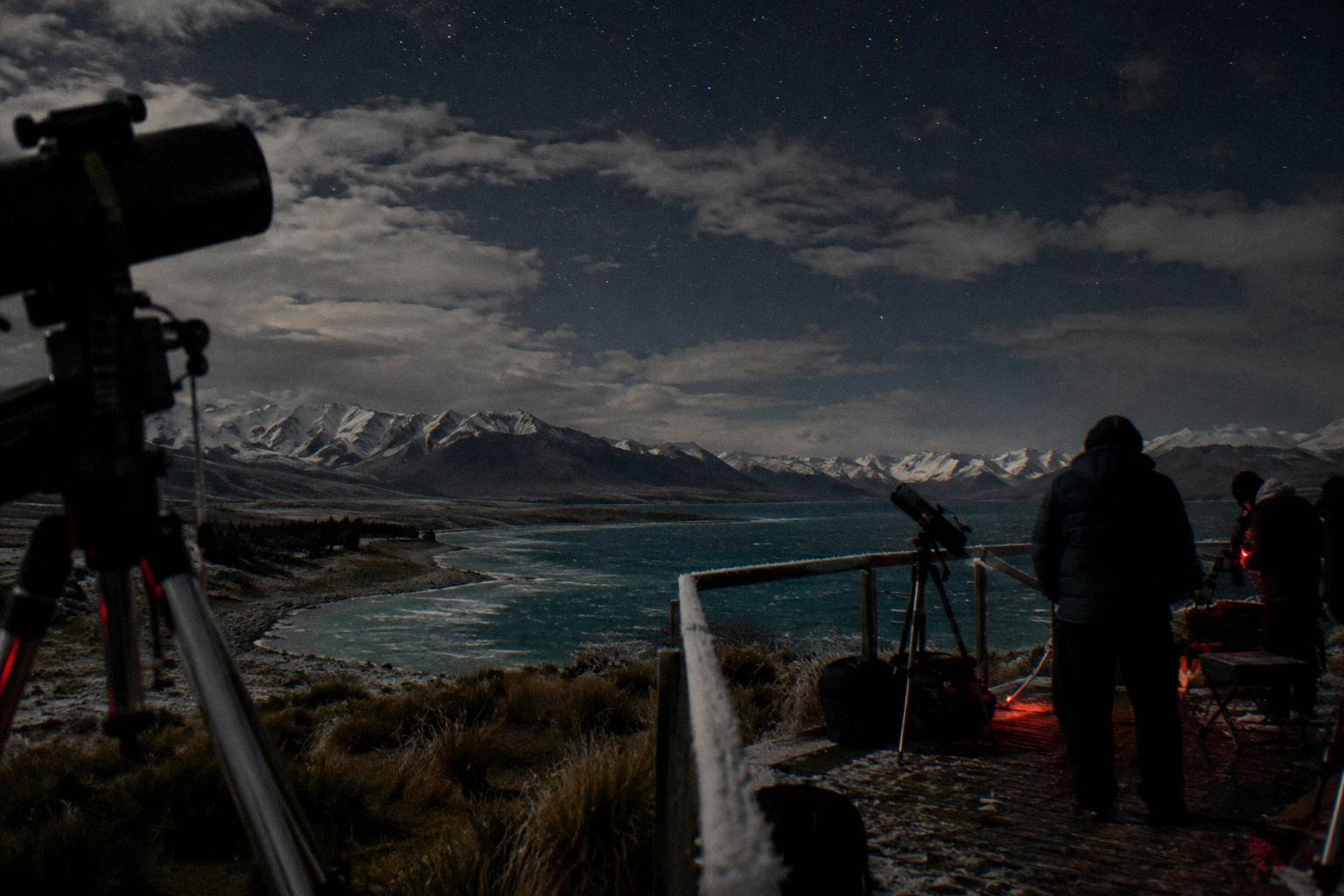
Fitness matters more than people expect. The terms describe a 100 m gravel incline walk and a few steps in the dark, and the operator lists moderate fitness as a requirement. The ECW jacket loan is Summit-only among Dark Sky Project's products, a hint about how cold and windy the 1,029 m ridge can be even in summer. If you want the fuller comparison of the two Dark Sky Project night products, the Summit versus Crater rundown works through the differences.
Booking direct, the operator's cancellation terms allow a full refund up to 24 hours before, with no refund inside 24 hours. The booking page shows its own free cancellation window of 24 hours. Tour times are various times throughout the year depending on sunset, seven days a week, and are not published in advance; the calendar on the booking page is where the actual departure for your date appears.
What You Give Up Without A Guide At Night
Without a guide at night around Lake Tekapo, you give up the telescope, the dome and any summit access after 4pm, and you depend entirely on your own eyes, your own timing and your own knowledge, so free stargazing trades guided perks for full independence under the stars. The lakefront and surrounding areas sit inside the reserve, so the sky itself is the product, and it costs nothing. What the operator experiences add is equipment, a sheltered site and interpretation, plus, for the Summit, the road after dark. The trade is real in both directions, and it is worth being precise about which side of it you are standing on before you decide that a tour is or is not necessary for your night.
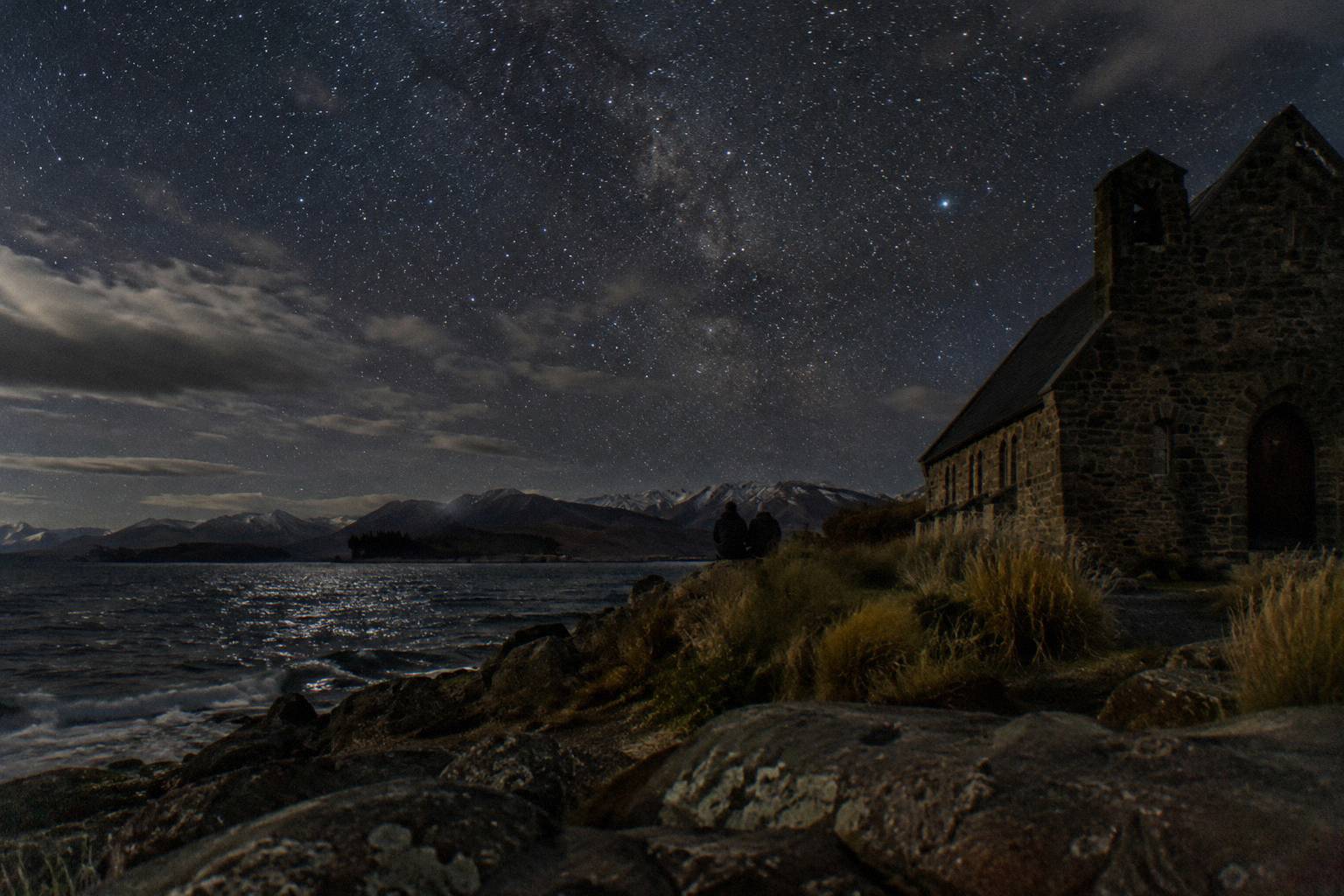
None of that is compulsory. The moon, the bright planets and the Southern Cross are naked-eye objects, and the reserve's darkness does the heavy lifting from any open patch of ground near the lake. The trade-offs are practical rather than astronomical: you carry your own warmth, you decide your own timing against moonrise, and if cloud rolls in there is no operator offering a reschedule, a voucher or a refund, because there was nothing to refund. The what to wear guide for Tekapo stargazing matters more for a self-guided night than for any tour, since no ECW jacket is coming your way.
The middle option is worth naming. The Crater Stargazing At Cowan's Observatory experience keeps telescope viewing but drops the summit: 75 minutes including transport, a 5-minute drive from the base to purpose-built observation craters sheltered from wind and light, with 14 inch telescopes or a dome. The operator's price is NZD 139 adult, NZD 99 for children aged 5 to 17, with a family pass at NZD 377 for two adults and two children. Minimum age is 5, and wheelchair users can join if they drive their own vehicle to Cowan's.
For families priced out of the Summit, the Crater Experience is the sensible telescope option, since the Summit charges the same NZD 239 for a child aged 10 or over as for an adult. For a child of 5, the Summit is off the table entirely on age, while the Crater takes them. That single age rule redirects more families than any other detail on the page.
Mount John Versus The Other Lake Tekapo Night Options
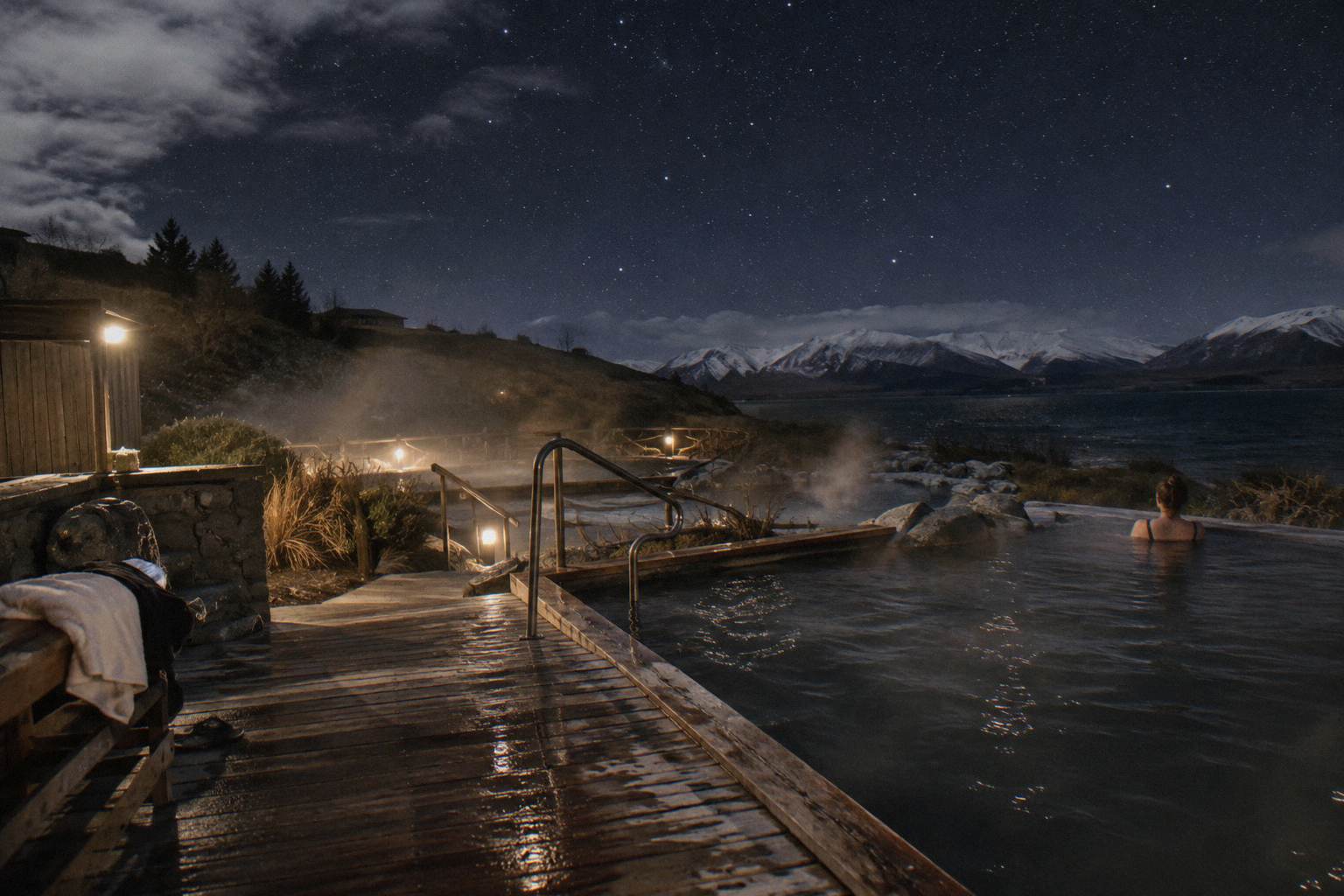
Mount John is one summit among several ways to spend a night in Tekapo, and the honest answer is that the sky above it is the sky above all of them: what separates the options is format rather than stars, so the choice comes down to how you want your night delivered, not whether one operator holds a better piece of the heavens above Lake Tekapo. The Hot Pools And Stargazing At Tekapo Springs product pairs guided telescope viewing with an exclusive hot pool at 37.5 to 38.5 degrees Celsius, NZD 179 adult and NZD 115 child per the operator's price, 90 minutes, minimum age 10. The small operators, Chameleon, Astro Tekapo and Silver River, offer lakefront and alpine formats with prices on the booking pages. Every one of them looks at the same reserve sky; what changes is where you stand, what you look through and how warm you are while doing it.
| Experience | Setting | Duration | Operator price (NZD) | Min age |
|---|---|---|---|---|
| Mt John Summit Stargazing Experience | Summit observatory, 1,029 m | 1 hour 45 minutes | 239 adult and child alike | 10 |
| Crater Stargazing At Cowan's Observatory | Private observatory craters | 75 minutes | 139 adult / 99 child | 5 |
| Soak in the Stars (Tekapo Springs) | Hot pools and telescopes | 90 minutes | 179 adult / 115 child | 10 |
| Astro Tekapo Lakefront Stargazing | Lakefront, Takapō Regional Park | 1.5 hours | Not stated | 6 |
| Silver River Ultimate Stargazing | Alpine site | 2 hours | Not stated | Not stated |
The choice is really about what kind of night you want. The Summit is the observatory visit: the highest point, the biggest telescopes described, the research facility. Soak in the Stars is the comfort play, with towels, robes, hot drinks, warm poncho coats and a guide poolside through the soak, and its schedule is unusual: seven evenings a week October to April, Thursday to Monday May to September, with some tours beginning after midnight, an example departure being 12:15am. Tekapo Springs runs its tours in all weather, and under cloud a VR indoor experience with 360 degree imagery of the Church of the Good Shepherd and the Mt John summit replaces telescope viewing. The full comparison of the hot pools format covers that side.
The small operators fill the gaps. Astro Tekapo meets at the lakefront at Takapō Regional Park, 1.5 hours, minimum age 6. Silver River runs a 75-minute Alpine experience and a 2-hour Ultimate experience, and the same company operates the Mt Cook Stargazing Experience from the Tasman Glacier car park, 75 minutes, if your trip centres on Aoraki rather than Tekapo. Prices for these are on the booking pages rather than stated by the operators here. None of them goes up Mount John at night; that remains the one hill where the listed night access runs through the Summit Experience. More of these guides are collected on Mt John Stargazing.
Weather, Cloud And What Happens If The Sky Fails
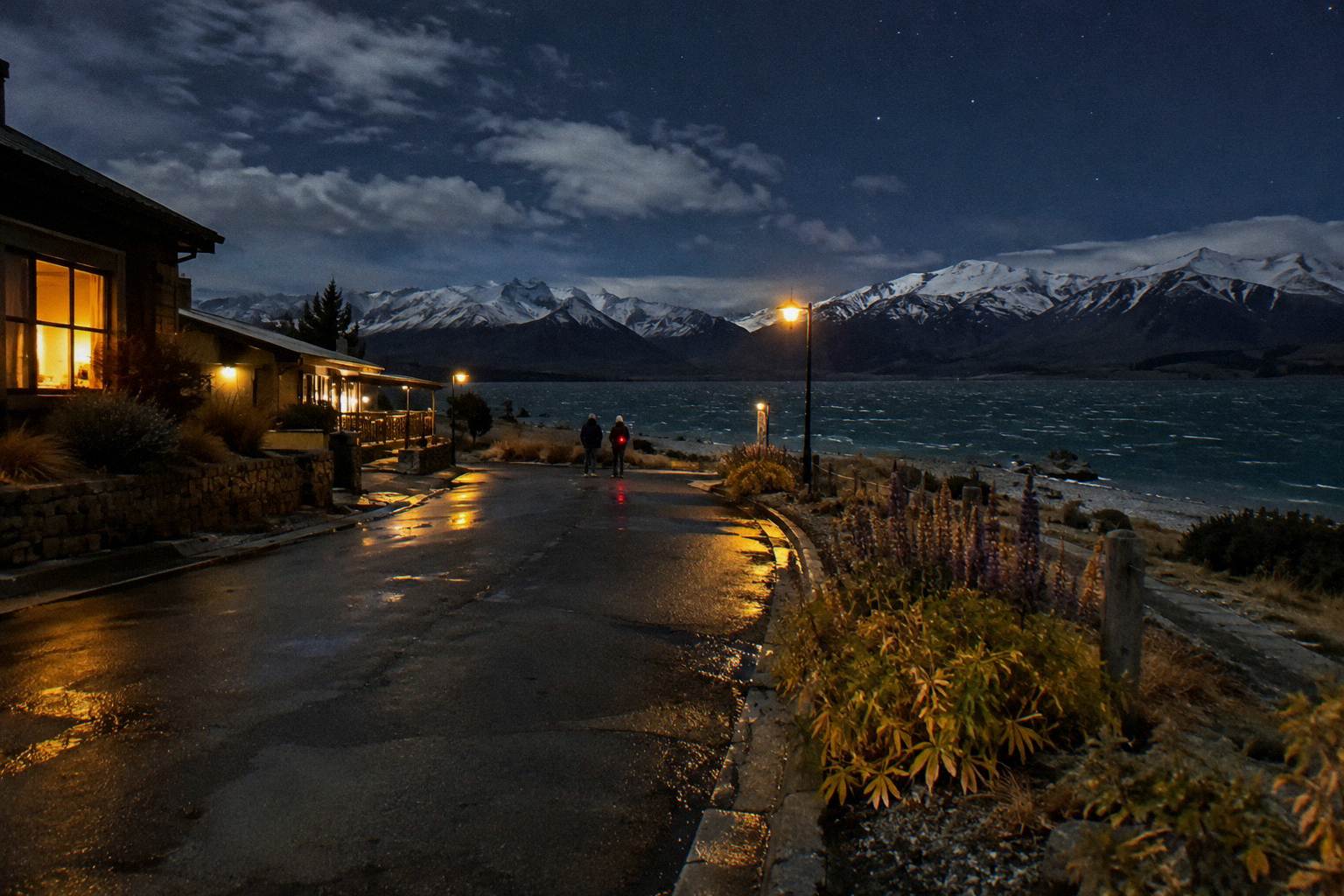
Dark Sky Project cannot guarantee clarity or any object, decides close to tour time, and if outdoor stargazing is not possible offers an indoor alternative, a reschedule subject to availability, a gift voucher valid three years, or a full refund. Tekapo Springs tours run in all weather, with the VR experience under cloud and a 25 percent refund per ticket if telescope viewing comes in under 30 minutes. Free self-guided stargazing carries none of these safety nets.
The operator's weather page is blunt about the moon as well: brighter moonlight affects fainter stars and galaxies, though the operator also says the moon is a good target in its own right. Tekapo Stargazing's FAQ puts the same point differently, that telescopes still show bright objects under a full moon and only the naked-eye Milky Way is reduced. Both matter for the tour-or-no-tour decision, because a telescope is precisely the tool that keeps working when the moon is bright, which is an argument for a tour on moonlit nights and a weaker one under a dark new moon.
The self-guided night has one advantage the tours cannot match: it costs nothing to abandon. If cloud sits over the basin at 10pm, you walk back inside and try again tomorrow, with no voucher logic to weigh. The paid experiences answer that same risk with structure: check in 15 minutes early for a weather update, and know in advance which of the fallback options you would take. The cloud and cancellation guide works through each operator's terms in full.
One timing note: because Summit times depend on sunset and are not published on the operator's page, the decision window on any given night is tied to the departure you booked, not to a fixed clock time. Plan around the departure you booked and make the final call just before you leave.
Common Mistakes When Planning A Mount John Night
The mistakes are almost all timing and assumption errors: expecting the road to be open at night, expecting a child price on the Summit, treating the indoor Dark Sky Experience as stargazing, and banking on a sky no operator will promise. Each one is avoidable with a single check before booking. The access road and cafe close at 4pm, the Summit charges NZD 239 for every participant aged 10 and over, and the indoor experience is a 45-minute cultural astronomy tour with no stargazing at all.
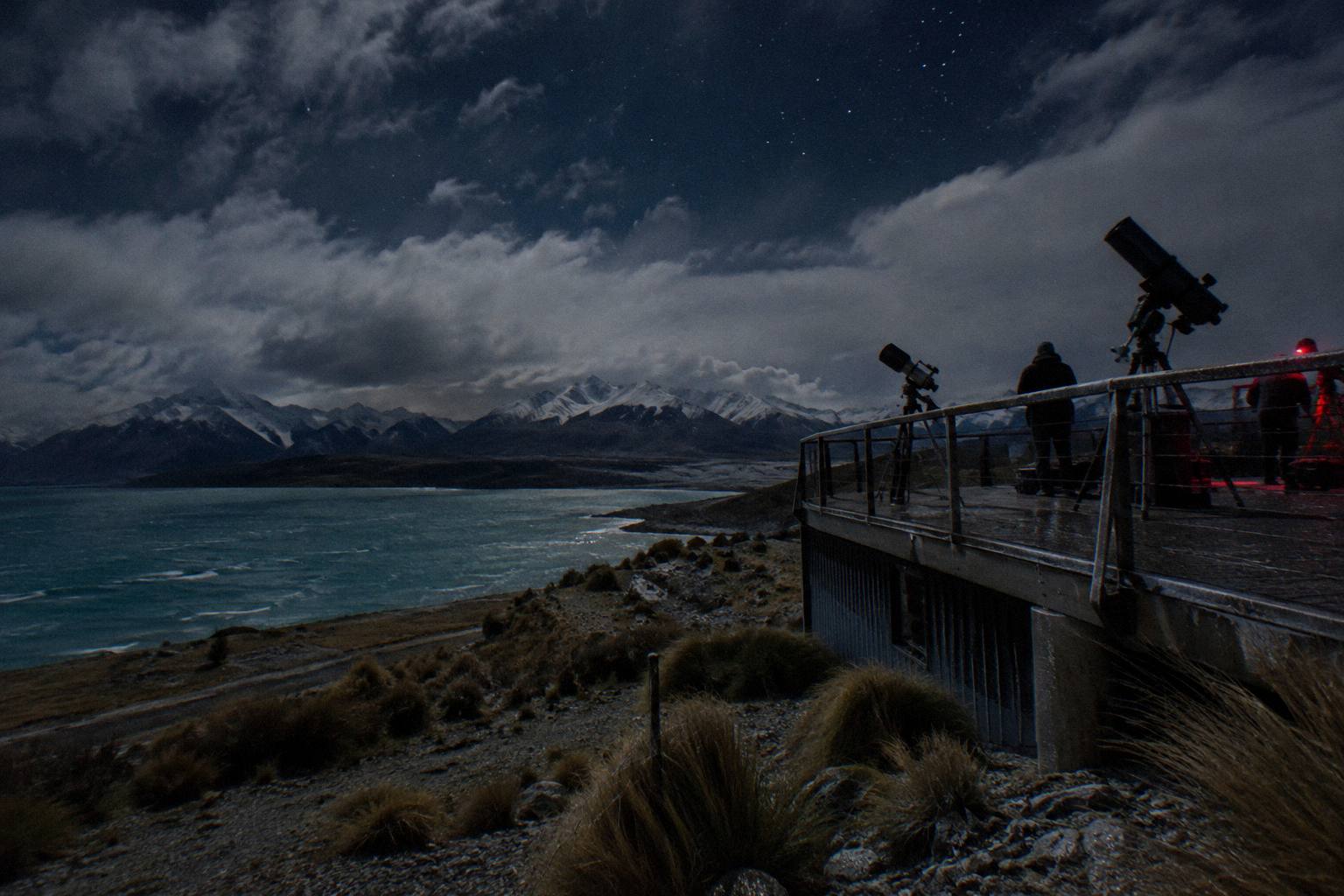
The road assumption is the most common. People read that Mount John has a cafe, a road and a famous sky, and conclude the summit is an evening drive. The 9am to 4pm hours close that door; the evening belongs to the booked experiences or to the lakefront below. The second mistake is family budgeting: two adults and two children aged 10 and over on the Summit is four times NZD 239 at the operator's price, whereas the same family on the Crater Experience pays NZD 377 for the family pass, with an extra child at NZD 99. Same operator, same night sky discipline, very different maths.
The third is treating the Dark Sky Experience, Indoor Cultural Astronomy as a weather-proofed stargazing tour. It is not one: it runs indoors in daytime, English tours at 10:30am, 12:30pm and 2:30pm, with 4:30pm added on Tuesday and Wednesday, subject to availability, at NZD 59 adult and NZD 39 child. It is excellent for what it is, including the restored 125-year-old Brashear telescope, but it shows no sky. Use it as the daytime complement or the genuine indoor alternative, never as the night out.
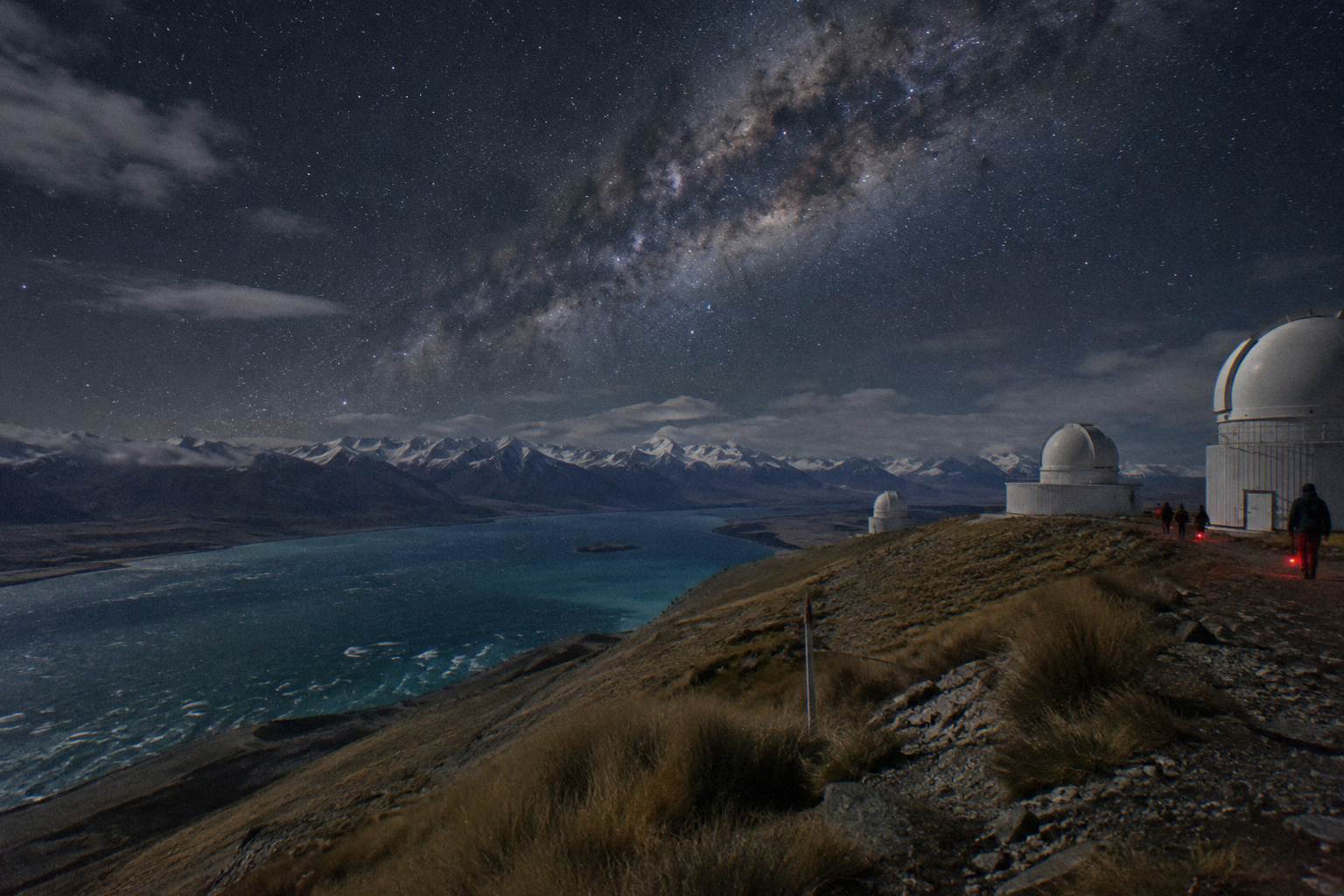
The fourth is promising yourself the Milky Way or aurora. The operators themselves do not: Dark Sky Project says the Milky Way and Aurora Australis depend on conditions, and Tekapo Springs' own terms say clarity cannot be guaranteed despite its advertising language. Book the format you will enjoy under an ordinary clear sky, and treat anything beyond that as a bonus.
The fifth is underdressing a self-guided night. The ridge at 1,029 m and the lakefront in the Mackenzie Basin get cold the moment the sun drops, and only the Summit Experience hands you a jacket. Everyone else packs their own layers, and the free night out stops being free comfort-wise the moment you are shivering on the shoreline at midnight.
So, back to the opening question. A tour is not needed to stargaze at Mount John in the sense that the sky is free everywhere around the lake, and the summit is freely reachable by day. A booked experience is the stated way onto the summit after dark, and it is the only way to look through the observatory-side telescopes while someone else handles the cold, the timing and the weather call. Decide which of those you are actually buying, and the choice makes itself.
Common Questions About Mount John Access
Do You Need A Tour To Stargaze At Mount John?
You do not need a tour to stargaze in Lake Tekapo, since the lakefront sits inside the dark sky reserve and costs nothing. You do need the Summit Experience, the operator-run night visit, to be on Mount John itself after dark: the access road is open 9am to 4pm with a NZD 14 vehicle fee, and the pages here describe no independent night access to the summit.
Can I Drive Up To Mount John Observatory Myself?
Yes, by day. The access road is open 9am to 4pm daily with a road user fee of NZD 14 per vehicle at the gate, and vehicles over 12 seats are not permitted. The road closes in some weather. After 4pm the road is closed, and night summit visits run through the booked experience.
How Much Does The Summit Experience Cost?
The operator's price is NZD 239 per person, the same for adults and children, valid on the current schedule, with a minimum age of 10. The experience runs 1 hour 45 minutes and includes transport, guiding, an Extreme Cold Weather jacket loan and telescope viewing on instruments up to 16 inch.
Is The Astro Cafe Open At Night?
No. The Astro Cafe on the summit is open daily 9am to 4pm, the same hours as the access road. It is a daytime stop, not part of the evening stargazing experience, and it closes in some weather.
What If It Is Cloudy On The Night I Booked?
Dark Sky Project cannot guarantee clarity or objects, decides as close to tour time as possible, and if outdoor stargazing is not possible offers an indoor alternative or Virtual Stargazing Experience, a reschedule subject to availability, a gift voucher valid three years, or a full refund. Tekapo Springs tours run in all weather with a VR indoor experience under cloud, and a 25 percent refund per ticket if telescope viewing is under 30 minutes.
Where Can I Stargaze For Free Near Lake Tekapo?
The lakefront and publicly accessible ground around Lake Tekapo sit inside the Aoraki Mackenzie International Dark Sky Reserve, the largest dark sky reserve in the Southern Hemisphere, so a free night needs only your own eyes, warm layers and sensible timing around the moon. There is no telescope, dome or summit access, which is the trade the paid experiences answer.