How Many Nights Do You Need In Tekapo For Stargazing?
Two nights is the practical minimum for stargazing in Tekapo, and three is safer: here is how weather policies, reschedule rules and tour timing should shape your stay.
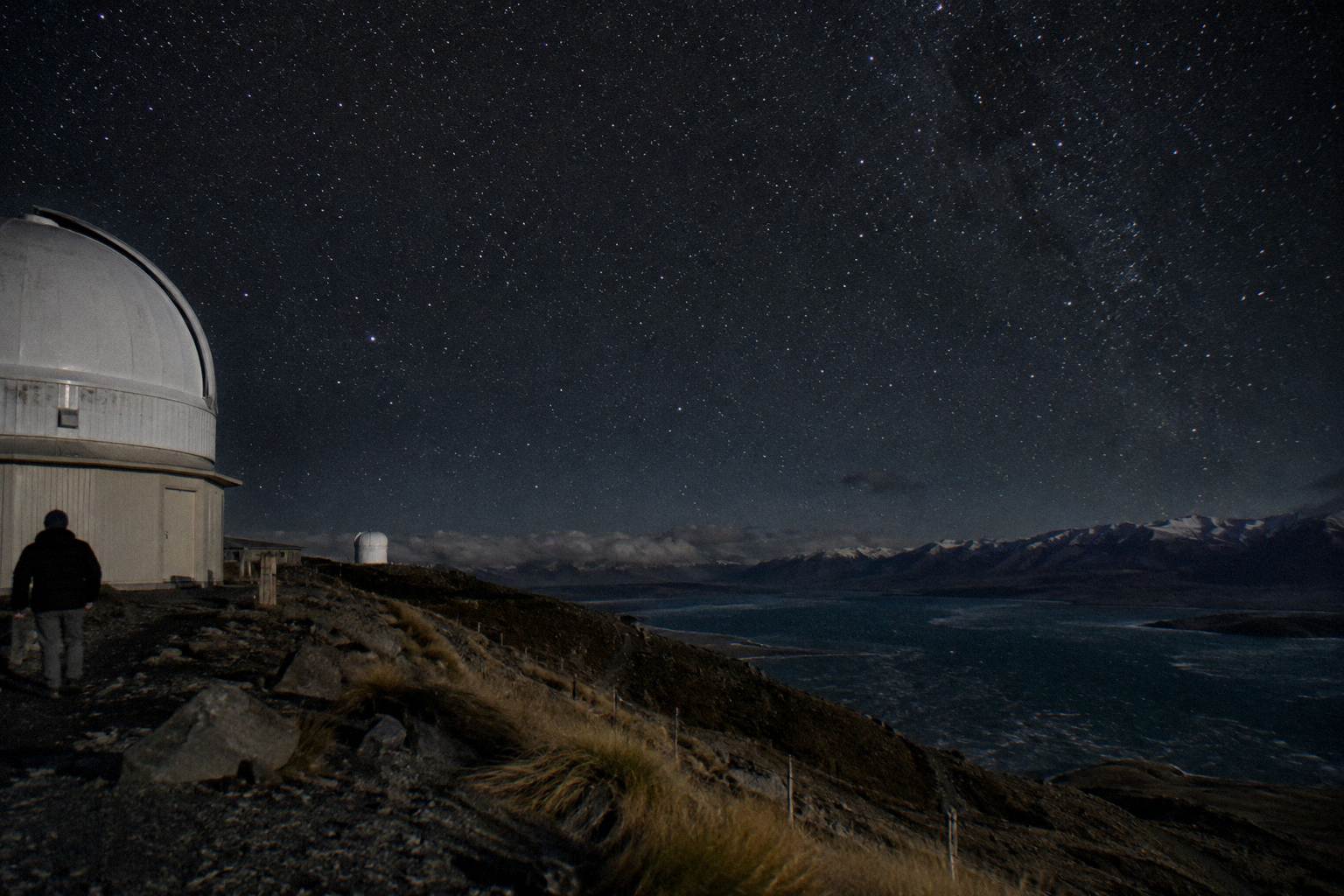
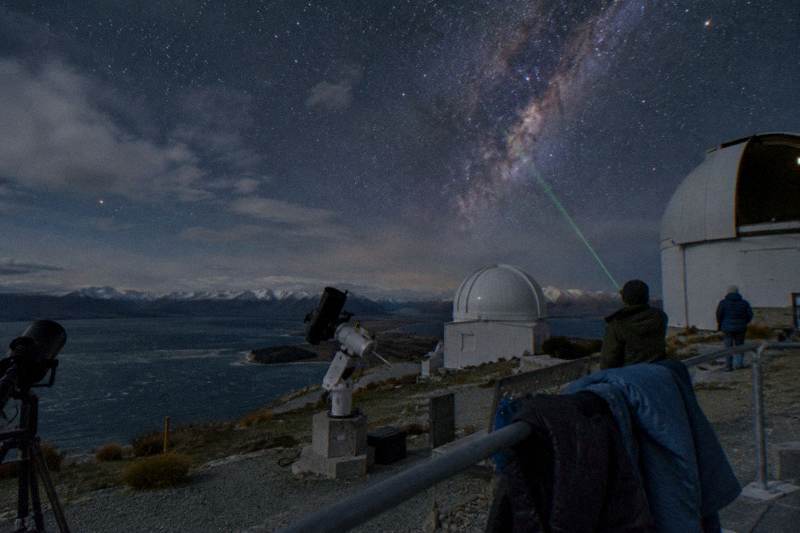
Plan on at least two nights in Tekapo, and three if stargazing is the main reason for the trip. The logic is simple: tours depend on the weather, and no operator can promise a clear sky. Dark Sky Project makes its go or no-go call as close to tour time as possible, and if the sky is clouded over you are offered an indoor alternative, a reschedule or a refund. Two nights gives you one backup attempt; three gives you two.
A single night works only if you accept that cloud may end the plan. Every stargazing tour around Lake Tekapo is an outdoor experience at the mercy of the Mackenzie Basin's changeable weather, and the busiest weeks fill calendars fast. This article walks through how many nights different travellers actually need, what each operator's weather policy lets you do when a tour is cancelled, and how to sequence a stay so one cloudy evening does not sink the whole trip.
Two nights is the practical minimum for stargazing in Tekapo, and three is the comfortable answer, since clear skies are never guaranteed and a single night can easily be lost to cloud. Staying three nights gives you backup options, time to settle in, and a better chance of catching the kind of clear, dark sky the area is known for. Each additional night is another independent roll of the weather dice, and another chance to reschedule a cancelled tour onto a following evening. Dark Sky Project offers a reschedule subject to availability when outdoor stargazing is not possible, so a second or third night converts a cancellation from a disappointment into a scheduling change. Families and photographers get the most from three.
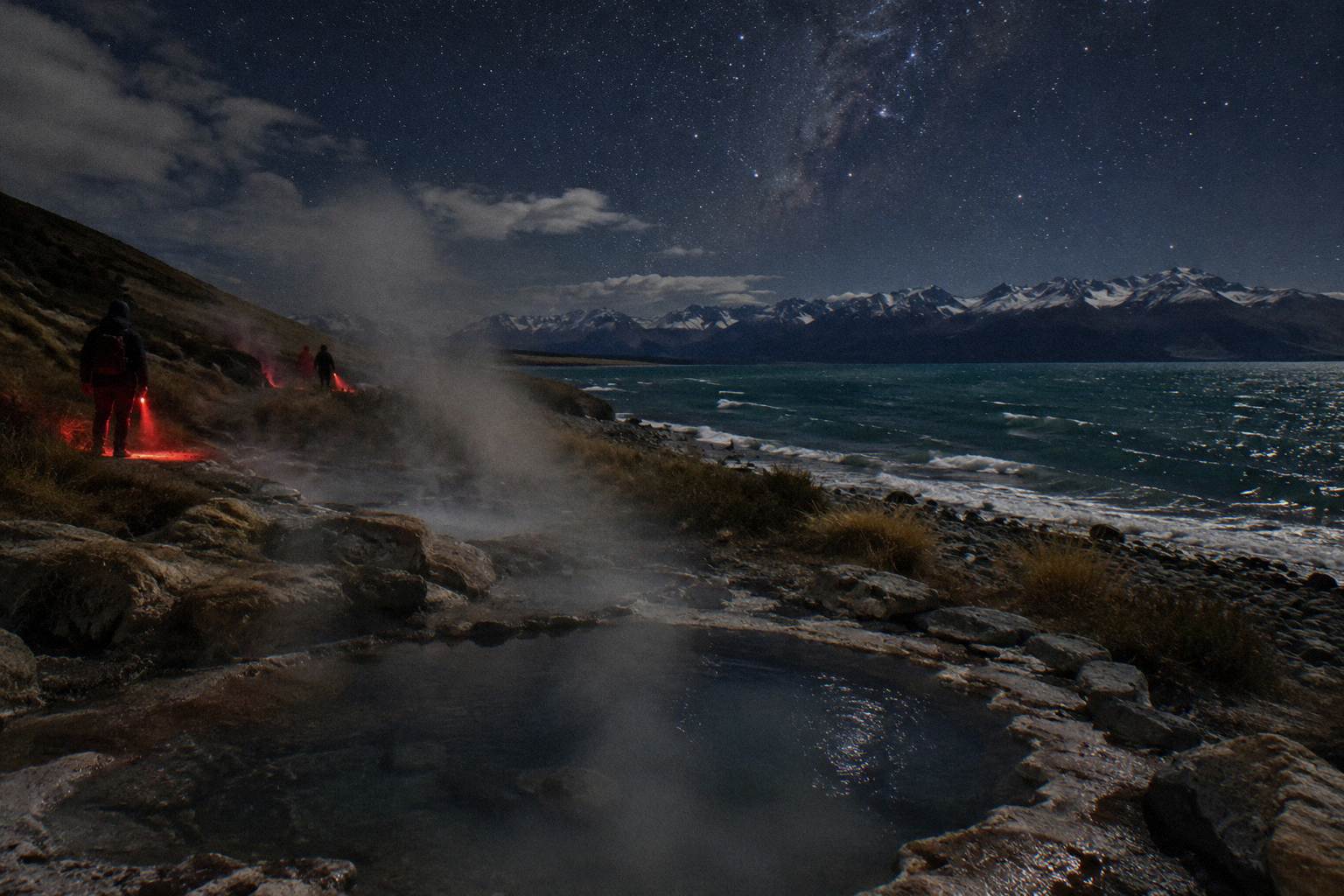
Think of nights in Tekapo as attempts, not as sightseeing days. A stargazing tour occupies roughly two hours of an evening, which means a two-night stay still leaves both days free for the lake, the walks and a drive out towards Aoraki/Mt Cook National Park. What the nights buy you is redundancy: if the first evening clouds over, the second is already booked and paid nowhere, waiting.
There is a second reason the answer is two rather than one. Even when a tour runs, the moon and the season shape what the sky gives you. Dark Sky Project's own weather page notes that brighter moonlight affects fainter stars and galaxies, while the moon itself remains a good target through a telescope. A traveller with three nights can afford one moonlit evening, one cloudy evening and still have one shot at the dark, transparent sky they came for.
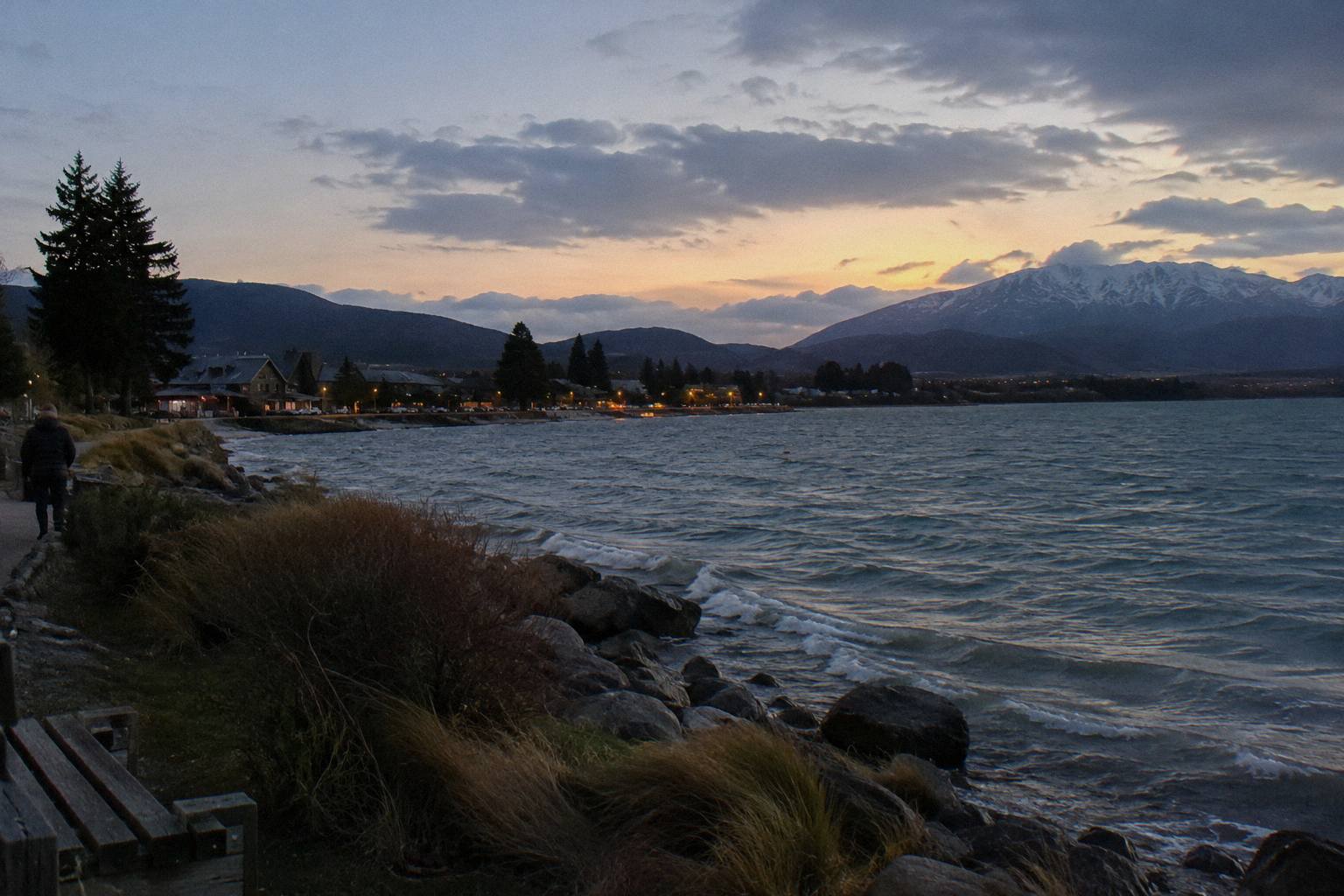
The question of how long to stay is really a question about your tolerance for losing the sky. A traveller passing through on a fixed itinerary between Christchurch and Queenstown, both about three hours' drive away per Dark Sky Project's own plan-your-visit page, may only be able to give Tekapo one night. That is a legitimate choice, but it should be made knowingly. For anyone whose trip is built around the night sky, the reserve deserves the buffer.
What Happens To Your Tour When Cloud Rolls In?
What happens when cloud rolls in depends almost entirely on which operator you booked with, because each one handles cloud cover differently, and those differences matter far more than any statistic about cancellations. Before you pay, ask the operator directly how they treat cloud, what they offer if conditions force changes, and who makes the call, since that conversation tells you more than any number will. Dark Sky Project cannot guarantee clarity or objects, decides as close to tour time as possible, and if outdoor stargazing is not possible offers an indoor alternative or the Virtual Stargazing Experience, a reschedule subject to availability, a gift voucher valid three years, or a full refund. Tekapo Springs tours run in all weather, with a VR indoor experience replacing telescope viewing under cloud, and a 25 percent refund per ticket if telescope viewing falls under 30 minutes.
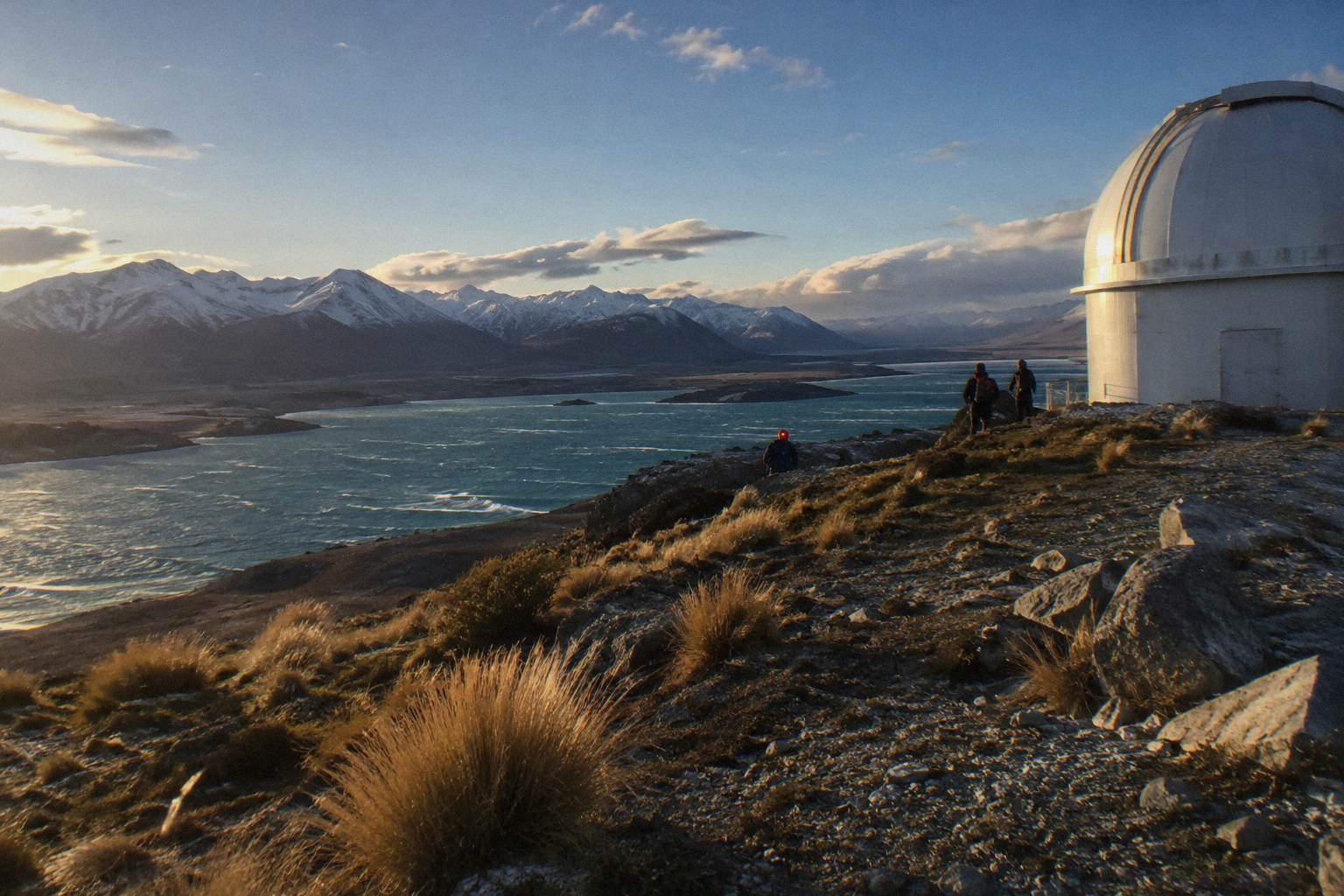
The two models suit two kinds of traveller. Dark Sky Project's model is a go or no-go call: you check in 15 minutes early, the operator tells you whether the outdoor session is on, and if it is not you choose between the indoor option, a new date or your money back. The refund path is real and stated plainly in the operator's terms and conditions, where direct bookings cancelled more than 24 hours ahead are also refunded in full. The risk is not losing your money; it is losing the evening, which is exactly what an extra night in town insures against.
Tekapo Springs takes the opposite approach: the tour goes ahead in all weather. Under cloud, the telescope portion is replaced by a 360 degree VR experience built from imagery of the Church of the Good Shepherd and the Mt John summit, and the hot pool portion of Soak in the Stars proceeds regardless. The operator's own FAQ sets a floor on the telescope side: if viewing time drops under 30 minutes, 25 percent of each ticket is refunded at the end of the tour, for tours from 18 June 2026. It is a model built for visitors who would rather be in a warm pool under cloud than back at the hotel.
| Operator and tour | Weather model | If the sky is clouded | Refund or reschedule |
|---|---|---|---|
| Mt John Summit Stargazing Experience | Go or no-go, decided close to tour time | Indoor alternative or Virtual Stargazing Experience | Reschedule, voucher valid 3 years, or full refund |
| Crater Stargazing At Cowan's Observatory | Go or no-go, decided close to tour time | Indoor alternative or Virtual Stargazing Experience | Reschedule, voucher valid 3 years, or full refund |
| Hot Pools And Stargazing At Tekapo Springs | Runs in all weather | VR indoor experience replaces telescope viewing | 25% refund per ticket if viewing under 30 minutes |
| Dark Sky Experience, Indoor Cultural Astronomy | Indoors by design | Weather does not change the tour | Direct cancellations over 24 hours refunded in full |
Neither model promises anything about the sky itself, and the honest summary is that none of them can. Tekapo Springs advertises a stargazing adventure but its own terms acknowledge clarity cannot be guaranteed, and Dark Sky Project says outright that the Milky Way and Aurora Australis depend on conditions. The operator's weather page is worth reading before you book any night, because it also explains how moonlight fits in: fainter objects suffer under a bright moon, while the moon through a telescope is a target in its own right.
This is where the extra night earns its keep. A cancelled tour under the Dark Sky Project model is easiest to absorb when you have a following evening in town: you take the reschedule, you lose nothing, and the itinerary never notices. With one night, the same cancellation ends in a refund and a long drive the next morning.
Should You Book Tours For Every Night Or Just One?
No, you don't need to book tours for every night; book just one tour for your first night and keep the second night open as your backup slot, giving you flexibility if plans change and a second chance to take the tour you want. That is the pattern that fits the operators' own reschedule rules. A Dark Sky Project tour rescheduled after a cloud cancellation needs a following evening with space, and midsummer calendars fill, so leaving your backup night unbooked until you need it keeps every option alive. If the first night is clear, the backup night becomes a second, different tour or a free evening of self-guided stargazing.
The order you book in should follow your priorities. The Mt John Summit Stargazing Experience is the tour most travellers put first: 1 hour 45 minutes at the University of Canterbury Mt John Observatory, telescopes up to 16 inch inside a private dome, and an Extreme Cold Weather jacket loaned for the summit. The operator's price is NZD 239 for adult and child alike, with a minimum age of 10. It is rated 4.6 across 352 reviews. If that is the one tour you would be annoyed to miss, it goes on night one. Check availability
The second-choice tours then slot into night two if the sky cooperates and you want more. The Crater Stargazing At Cowan's Observatory runs 75 minutes including transport to purpose-built observation craters sheltered from wind and light, at the operator's price of NZD 139 adult and NZD 99 child aged 5 to 17, with a family pass at NZD 377 for two adults and two children. Its minimum age of 5 makes it the natural pick for families whose children are too young for the summit tour. Tekapo Springs' Soak in the Stars is the third shape of evening: 90 minutes split between guided telescope viewing and an exclusive hot pool at 37.5 to 38.5 degrees Celsius, with towels, robes, hot drinks and warm poncho coats included, NZD 179 adult and NZD 115 child at the operator's price.
| Night of your stay | Suggested booking | Why this slot |
|---|---|---|
| Night one | Your highest-priority tour | Rescheduling after a cloud cancellation is easiest early in the stay |
| Night two | Held open, or a different operator | Backup slot for a reschedule, or a second tour if night one was clear |
| Night three | Self-guided or a repeat format | Free stargazing from the lakefront once the pressure is off |
Booking two tours for two nights in advance is also defensible, and some travellers prefer it because it locks space on the busiest evenings. The trade-off is cancellation friction. Direct Dark Sky Project bookings cancel free more than 24 hours ahead but cost the full price inside that window, and Tekapo Springs applies a similar 24 hour rule for a full refund, date change or voucher. Booking each tour at most a day or two out, once the forecast has some shape, keeps your options widest. If a settled clear spell is forecast for your only night, book everything you want on that night and enjoy the buffer you no longer need.
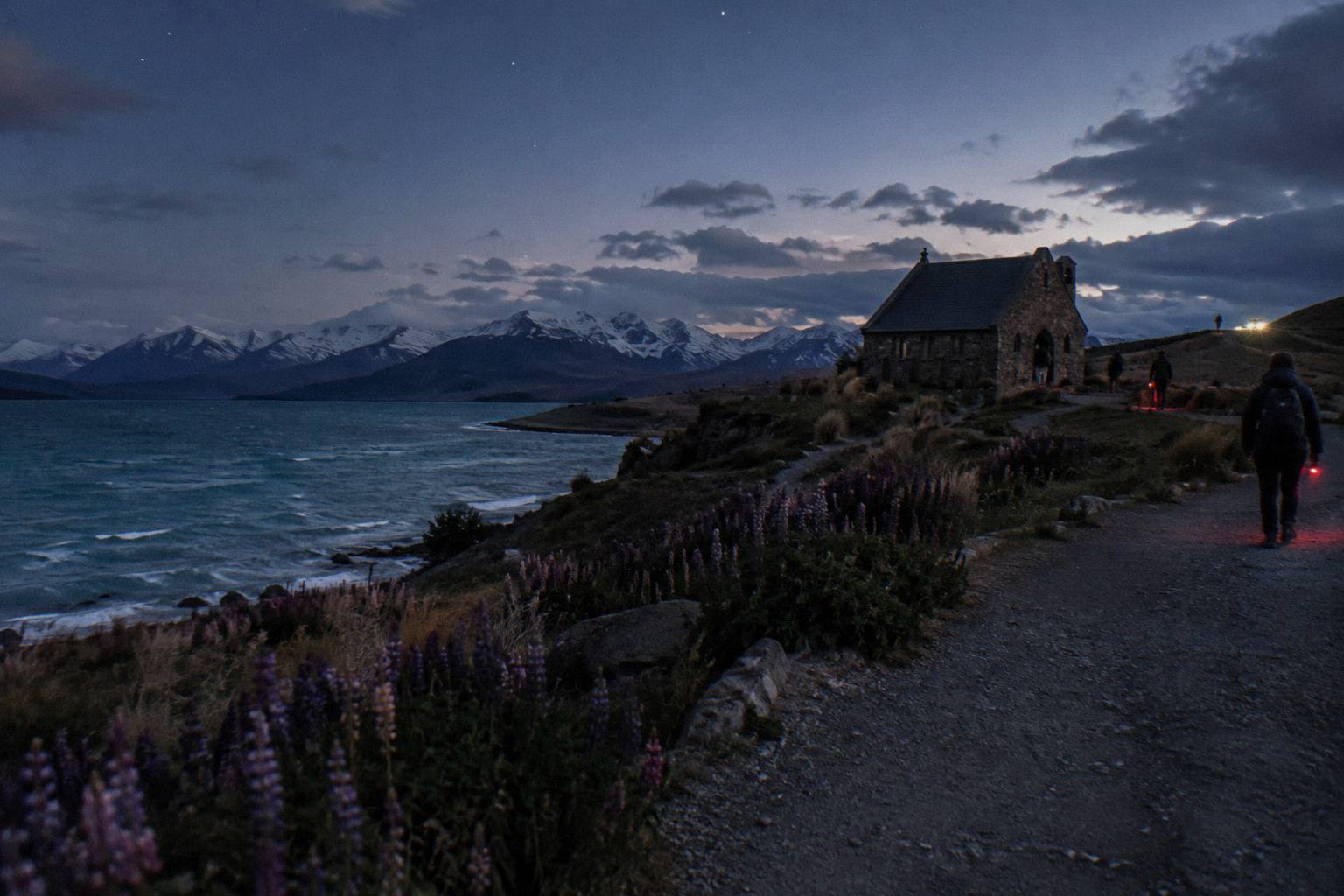
How Does Trip Length Change By Traveller Type?
Trip length really does depend on the type of traveller you are: those making a short pass-through can manage on just one night, families should plan on two nights, and photographers or aurora hopefuls will want to set aside three nights or more to give themselves the extra time they need. The differences come from minimum ages, tour lengths and what a wasted night costs each group. A couple driving between Christchurch and Queenstown loses little by rolling the dice on a single evening, while a family that has told the children about telescopes has more to protect.
For families, the ages of the children decide the tour before the calendar does. The Summit Experience sets a minimum age of 10, and Tekapo Springs allows no child under 6 on any of its tours, babies carried included. The Crater Experience takes children from age 5, which makes it the entry-level telescope tour for younger families. A two-night stay lets a family book the Crater tour on night one and keep night two as the reschedule slot, a pattern that fits school-age attention spans as well as the weather. The indoor Dark Sky Experience, 45 minutes at NZD 59 adult and NZD 39 child with under 5s free alongside an adult ticket, is the daytime fallback that is completely immune to cloud, with English sessions at 10:30am, 12:30pm and 2:30pm, plus 4:30pm on Tuesday and Wednesday.
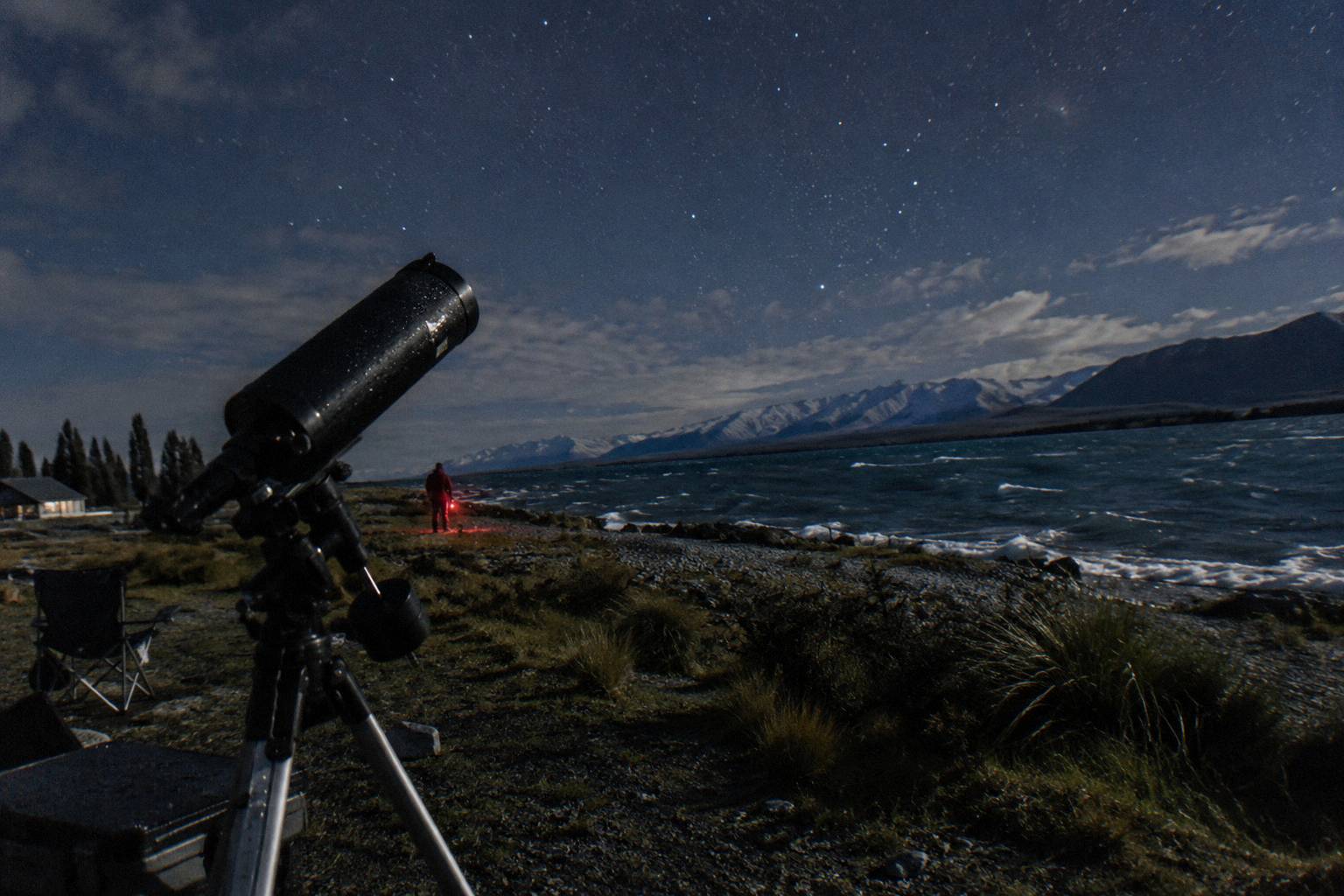
Photographers and aurora watchers sit at the other end of the scale. Aurora is not a product feature of any tour: Dark Sky Project says plainly that the Aurora Australis depends on conditions and is not guaranteed. A photographer chasing a dark, moonless, transparent sky over Lake Tekapo therefore needs enough nights that a run of ordinary skies still yields one good one. Three nights is the sensible floor, and four is not excessive for a dedicated trip. The same logic applies to anyone whose holiday album hinges on the Milky Way, which the operators equally decline to promise.
Between those poles sit most travellers: people with two or three nights in the Mackenzie Basin as part of a wider South Island loop. For them the practical pattern is one headline tour, one backup evening, and at least one session of free self-guided stargazing from the lakefront. The village sits inside the Aoraki Mackenzie International Dark Sky Reserve, awarded reserve status in April 2012 and the largest dark sky reserve in the Southern Hemisphere, comprising Aoraki/Mt Cook National Park and the Mackenzie Basin. You do not need a ticket to stand under it. If you are weighing the two ends of the village against each other, the guide on Mt John Summit or Tekapo Springs stargazing compares the headline tours in detail.
What Else Fills The Days Between The Nights?
A Tekapo stay of two or three nights leaves no empty days, because the same landscape that performs after dark works just as hard in daylight: hours fill easily with time beside the lake, easy walks, slow lunches, and the simple pleasure of watching light move across water and hills until the stars return. The nights are the reason for the booking, but the days around them decide whether the trip feels rushed or relaxed. Mt John itself is a daytime destination as well as a night one: the Astro Cafe on the summit opens daily 9am to 4pm, the access road keeps the same hours with a road user fee of NZD 14 per vehicle at the gate, and vehicles over 12 seats are not permitted. The Summit Circuit track, 8.9 km return, is the walking alternative to driving up.
The cafe and road hours carry a quiet planning lesson for stargazers. Daytime access to the summit ends at 4pm, and the road closes in some weather, which is why the Summit Experience reaches the top by a 15-minute bus from the Dark Sky Project base at 1 Motuariki Lane rather than by private car in the dark. A daytime visit to the cafe is also the free preview of the view your paid tour will sit under later. Details are on the Mt John Observatory cafe guide.
Beyond the mountain, the region absorbs as many days as you can give it. Aoraki/Mt Cook National Park sits within the same dark sky reserve, roughly an hour's drive north on the Mount Cook road, and there are bookable stargazing tours based at Twizel and Mt Cook for travellers who want a second sky basin entirely. The Twizel Stargazing Tour With An Astronomer runs 75 minutes with a minimum age of 6; the Mt Cook Stargazing Experience also runs 75 minutes. None of their prices are stated; check the booking page. These are the tours that turn a three-night Tekapo stay into a Mackenzie sky safari, and their booking pages all show a 24 hour free cancellation window.
| If you have | Nights plan | Days plan |
|---|---|---|
| One night | Book your priority tour only | Mt John cafe, lakefront, accept the weather risk |
| Two nights | Night one booked, night two held | One day for Mt John, one for the lake or a Pukaki drive |
| Three nights | Two tour nights possible, one spare | Add Aoraki/Mt Cook National Park or a Twizel stargazing evening |
The spacing matters as much as the count. Three consecutive nights in one place is a different holiday from one night in each of three towns, and stargazing rewards the concentrated version: every night in Tekapo is another sample of the same reserve, and reschedules stay local. Travellers stringing together Tekapo, Twizel and Lake Pukaki effectively buy themselves three different skies on consecutive evenings, which is its own form of weather insurance.
What Trips People Up When Planning Nights Around Weather?
Most problems come down to the same handful of mistakes: booking only a single night and hoping for clear skies, treating a forecast as a guarantee, overlooking the moon and how its brightness changes what you can see, and arriving with no backup plan if conditions turn. Each one is avoidable with a little extra thought before you commit. Almost all of them are avoidable with a little sequencing, and none of them cost much to fix once you know the operators' rules. The travellers who leave disappointed are usually the ones who treated a clear sky as part of the ticket.
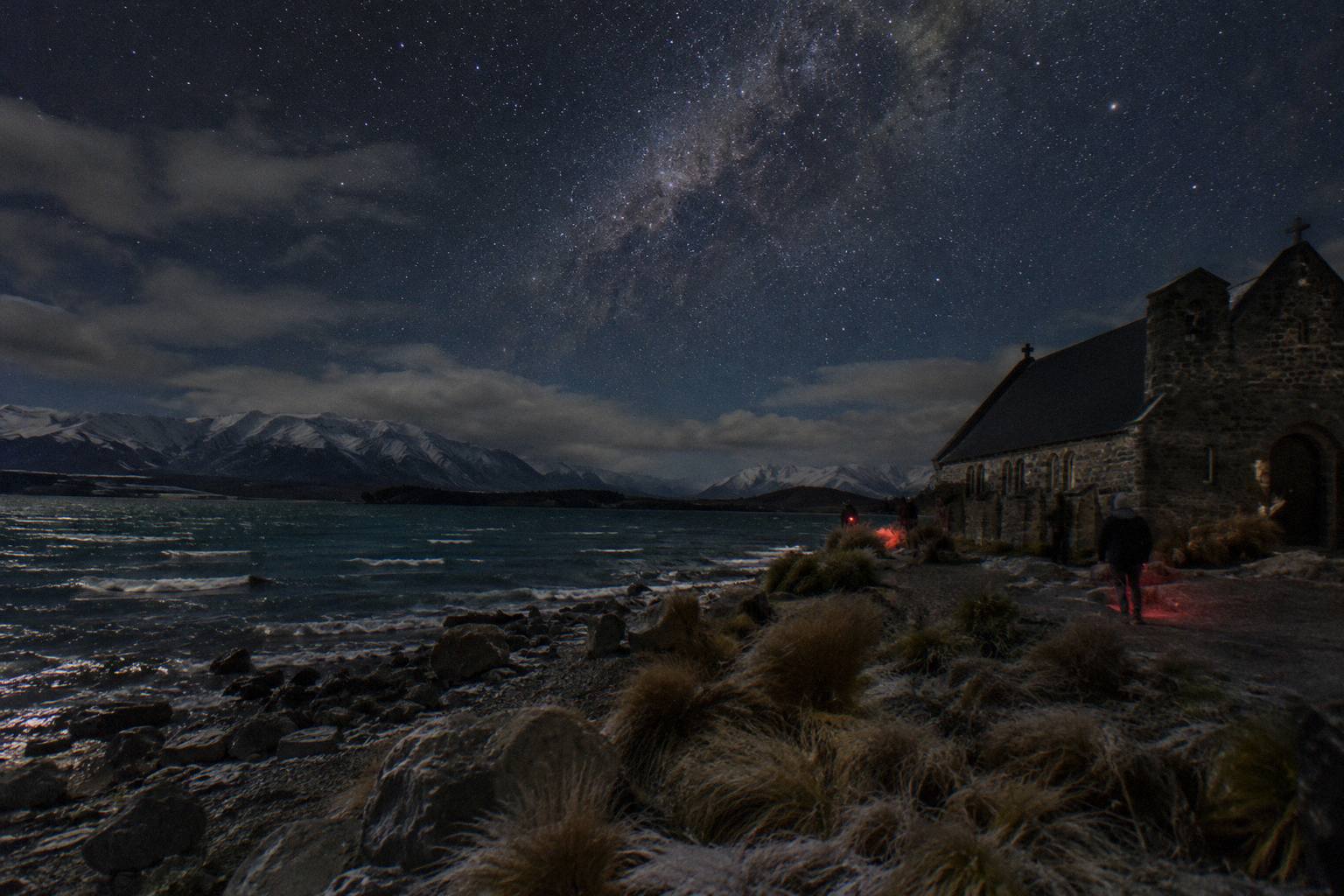
The first mistake is treating any marketing word as a promise about the sky. No operator here guarantees clarity, the Milky Way or aurora, and Tekapo Springs' own terms say so even though its advertising leans hard on the stargazing angle. The second is ignoring the clock: Dark Sky Project check-in is 15 minutes before departure, and the terms are blunt that late check-in means no refund. On a tight one-night stay, a delayed dinner that makes you late for check-in costs the full price with no sky at all.
The third mistake is booking the summit tour for children too young for it. The Summit Experience carries a minimum age of 10 plus a 100 m gravel incline walk and a few steps in the dark, requiring moderate fitness. Families with five to nine year olds belong on the Crater Experience, whose minimum age is 5 and whose wheelchair-accessible arrangements, where wheelchair users drive their own vehicle to Cowan's, are another detail worth knowing in advance. The fourth is forgetting the moon entirely: brighter moonlight affects fainter stars and galaxies, so a traveller with fixed dates under a full moon should expect bright-object viewing, which both operators describe as rewarding, rather than a faint-galaxy sky. The guide on new moon or full moon Tekapo stargazing works through that choice.
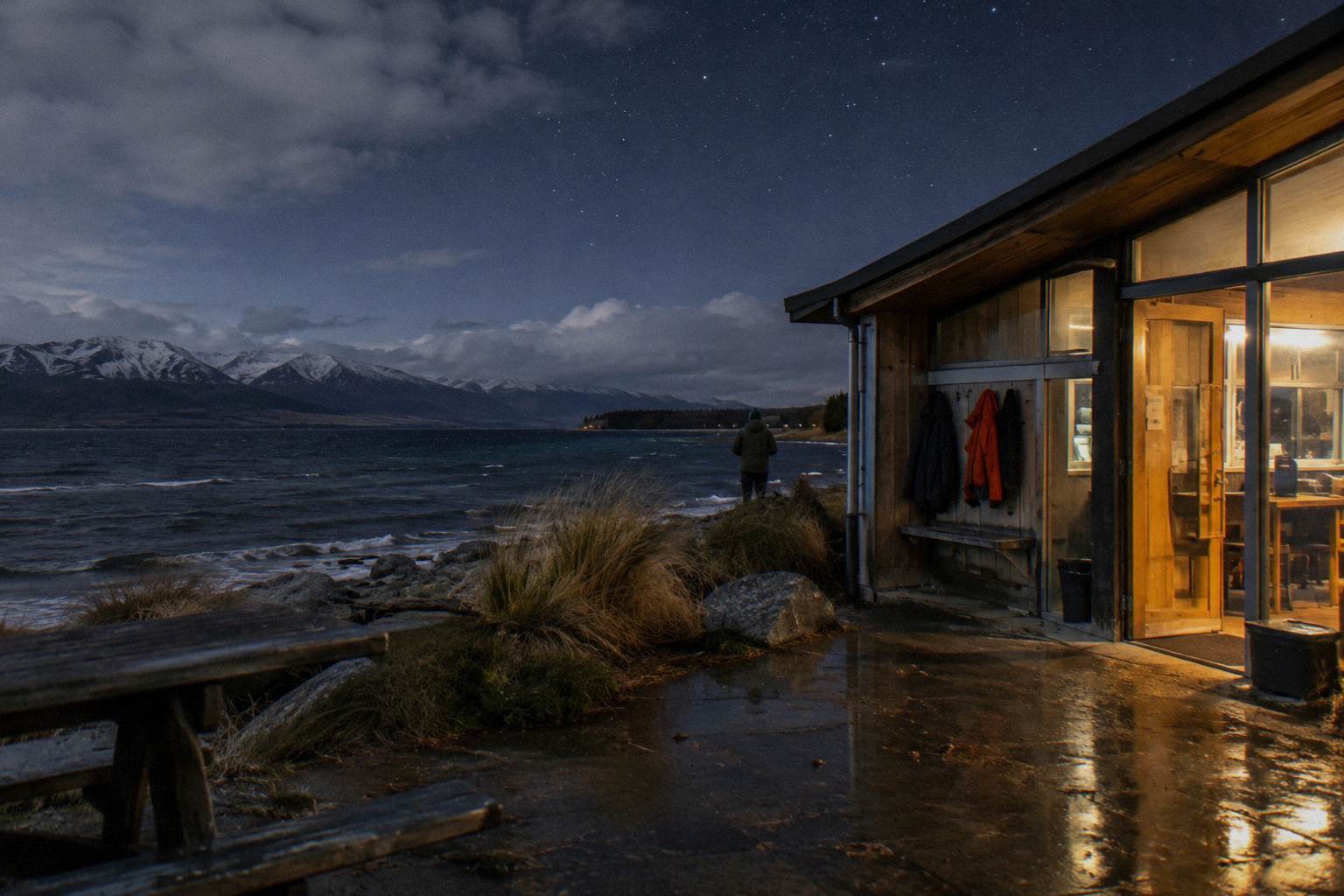
The fifth mistake is subtle: assuming a cancelled tour means a lost night. Under the Dark Sky Project model a cancellation opens three doors, the indoor alternative, the reschedule or the refund, and only the last one ends the evening's entertainment. The indoor Dark Sky Experience at the base, with its restored 125-year-old Brashear telescope, fills a clouded evening at NZD 59 for an adult. The sixth is the simplest of all: not reading the weather policy before booking, when the operators publish exactly what happens in each scenario. Planning nights around those policies, rather than around hope, is the whole trick.
Common Questions About Nights In Tekapo For Stargazing
How Many Nights Do You Need In Tekapo For Stargazing?
Two nights is the practical minimum and three is the comfortable answer. Each night is another chance at a clear sky, and a cancelled tour is easiest to reschedule onto a following evening. One night works only if you accept that cloud may end the plan.
Do You Get A Refund If Cloud Cancels Your Tekapo Tour?
Dark Sky Project offers an indoor alternative, a reschedule subject to availability, a gift voucher valid three years, or a full refund when outdoor stargazing is not possible. Tekapo Springs tours run in all weather, with a VR experience replacing telescope viewing, and a 25 percent refund per ticket if telescope viewing falls under 30 minutes.
Should You Book A Stargazing Tour For Every Night Of Your Stay?
Book your priority tour for the first night and keep the second night open as a backup slot. That fits the reschedule rules and avoids cancellation friction, since direct bookings inside 24 hours are generally charged in full. If the first night is clear, the spare night becomes a second tour or free lakefront stargazing.
What Is The Youngest Age For A Tekapo Stargazing Tour?
The Crater Stargazing At Cowan's Observatory takes children from age 5. The Summit Experience sets a minimum age of 10, Soak in the Stars sets 10, and Tekapo Springs allows no child under 6 on any of its tours, babies carried included. The indoor Dark Sky Experience has no minimum age, with content the operator describes as suitable from about 7.
Can You Stargaze In Tekapo Without A Tour?
Yes. The village sits inside the Aoraki Mackenzie International Dark Sky Reserve, the largest dark sky reserve in the Southern Hemisphere, and the lakefront away from village lights needs no ticket. A tour adds telescopes, guiding and shelter, but a spare night is a fine night to stargaze on your own.
Does The Moon Affect How Many Nights You Need?
It can. Dark Sky Project notes that brighter moonlight affects fainter stars and galaxies, while the moon itself is a good target through a telescope. If your dates fall near a full moon and you want the faint, deep sky, extra nights improve the odds of catching the conditions you came for.
The short version, the one worth repeating: Mt John Stargazing exists because this stretch of the Mackenzie Basin holds a sky worth planning around, and planning around it means buying nights, not promises. Two is the floor. Three lets you relax. Everything above that is weather insurance of the pleasant kind, spent under the largest dark sky reserve in the Southern Hemisphere with a telescope, a warm pool or a quiet lakefront to hand.