Best Time For Stargazing In Lake Tekapo: Seasons, Moon And Weather
Timing a Tekapo stargazing night means juggling three things you can control, the season, the moon and the tour calendar, and one you cannot, the cloud. Here is what the operators themselves say about each, and how to build a plan that survives a cloudy sky.
Short answer
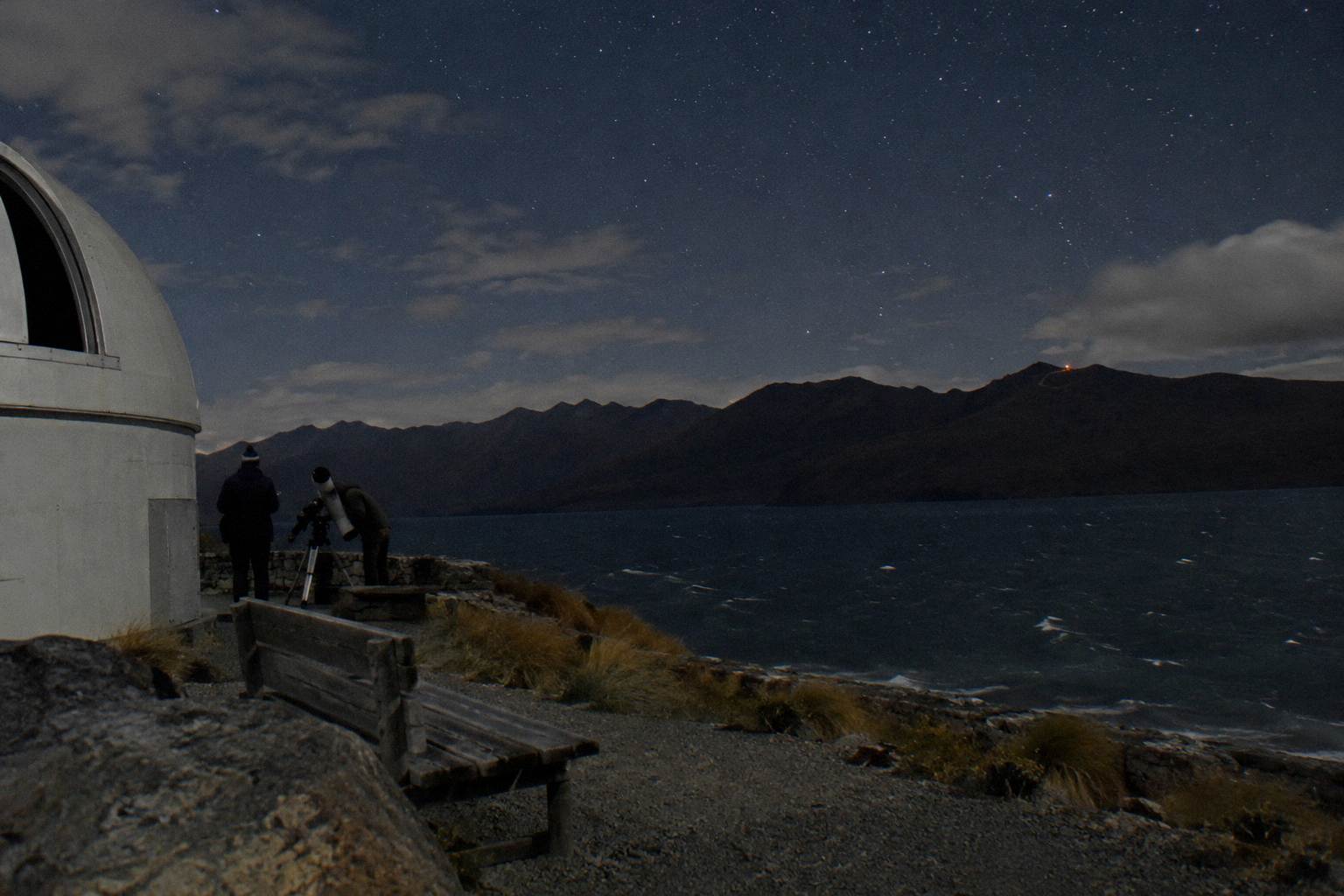
There is no single best month, and no operator promises a clear sky. Practically: pick a night close to a new moon, when brighter moonlight dims fainter stars and galaxies; book a tour whose schedule fits, remembering Summit times move with sunset; and leave a spare night in Tekapo so cloud cannot end the plan. Autumn and winter bring earlier, longer nights.
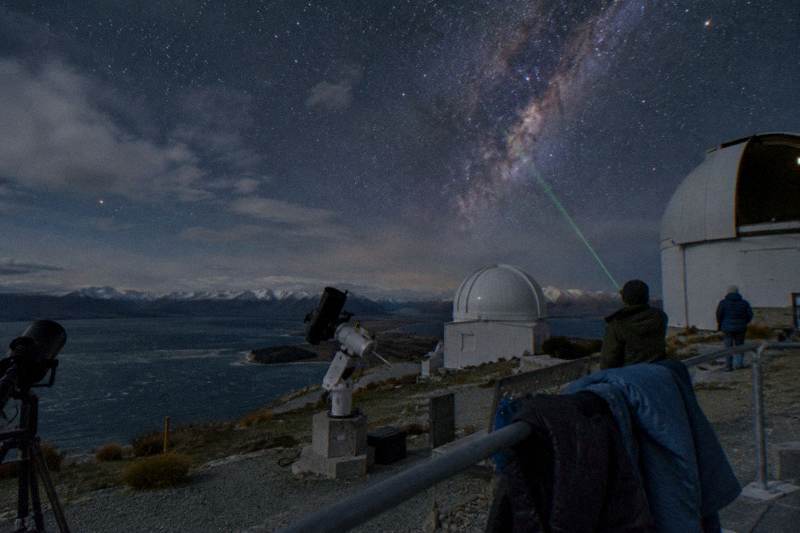
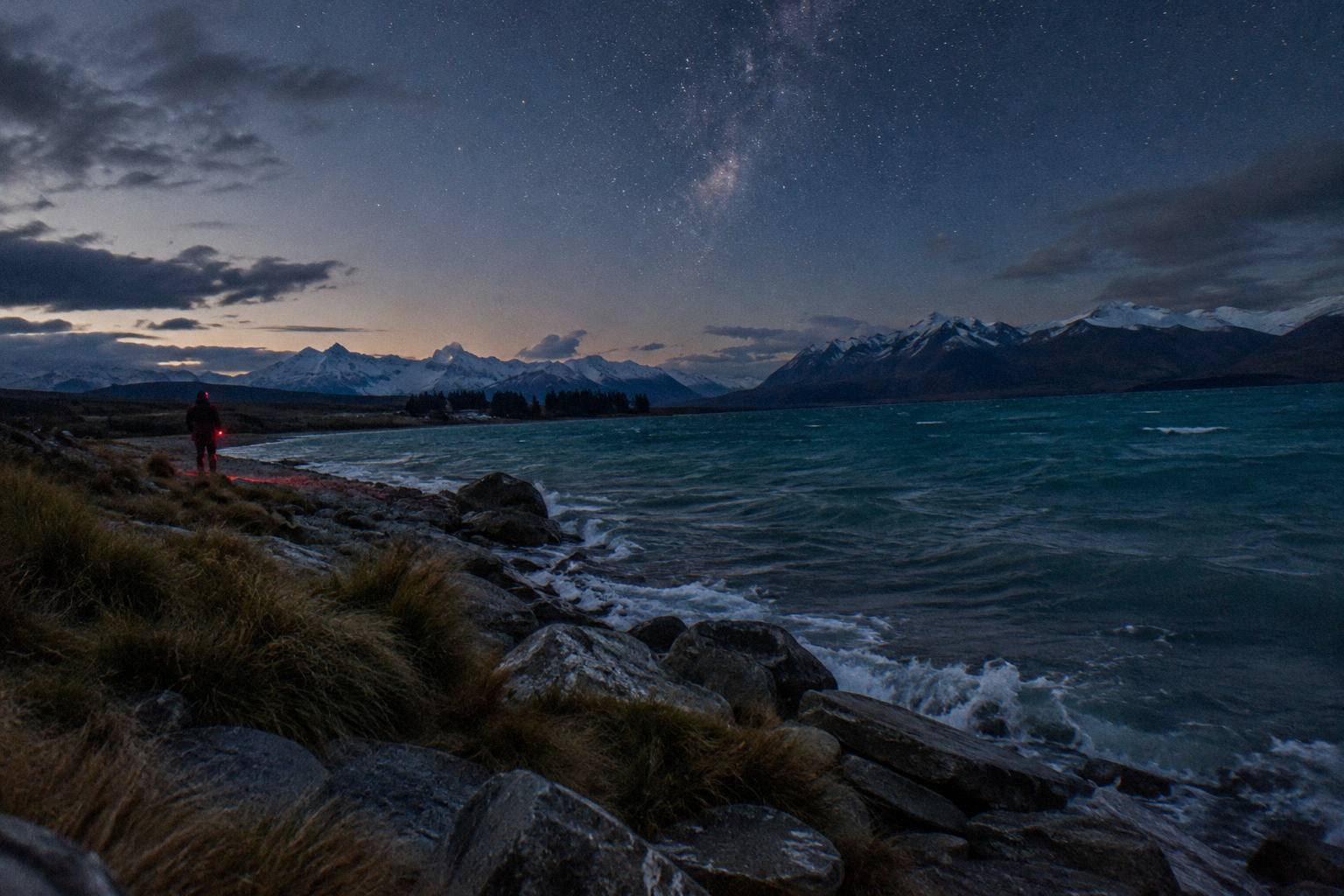
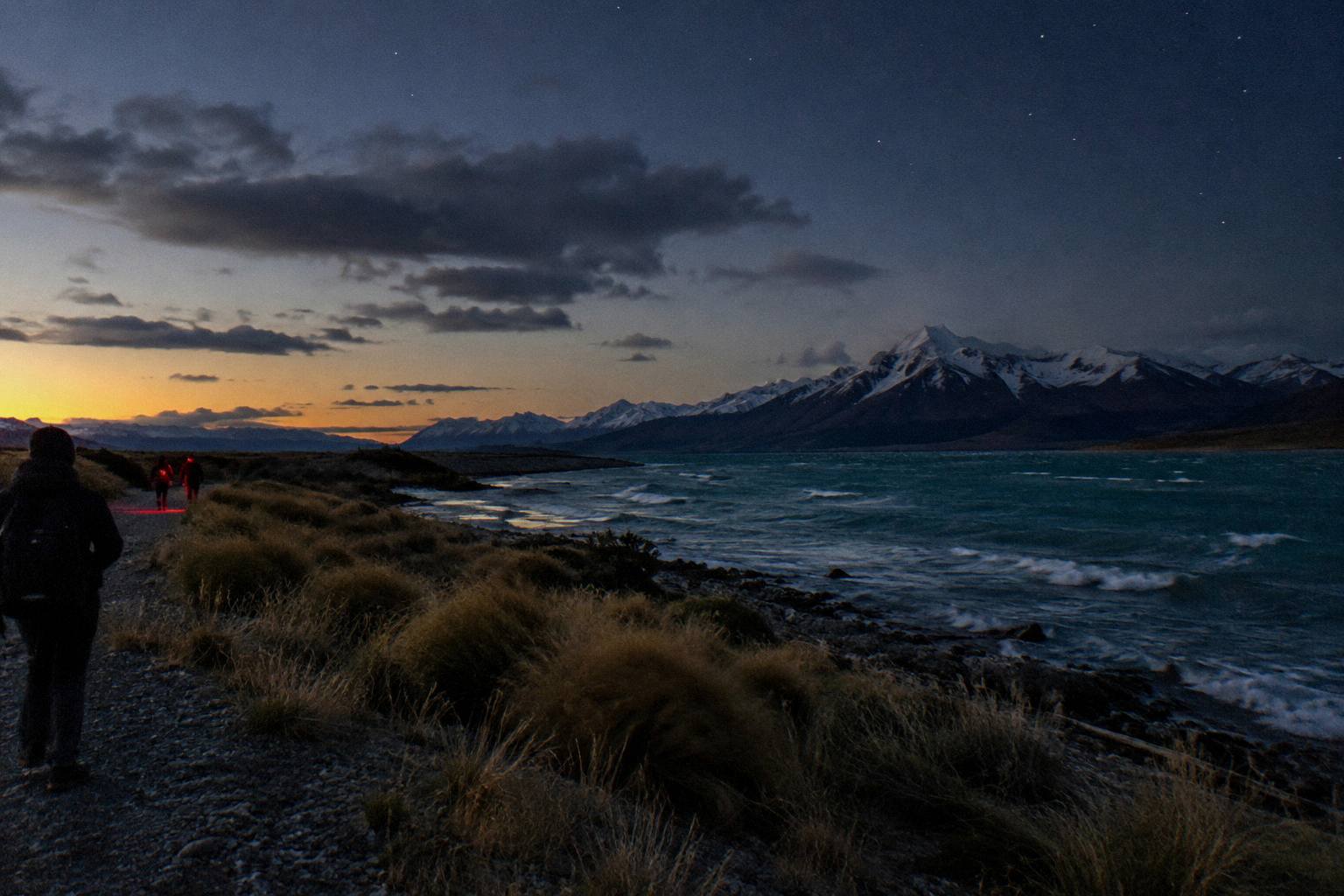
Timing is the difference between a good Tekapo stargazing trip and a scratched one. The village sits inside the Aoraki Mackenzie International Dark Sky Reserve, the operator's reserve page describes it as the largest dark sky reserve in the Southern Hemisphere, and it was awarded reserve status in April 2012. The sky itself is not in question. What you can control is when you stand under it.
This page is part of the site's Tekapo stargazing explained series. For the full picture of which tour is which, see the Lake Tekapo stargazing tours compared guide.
| Quick fact | What the operators say |
|---|---|
| Reserve | Aoraki Mackenzie International Dark Sky Reserve, status awarded April 2012; comprises Aoraki/Mt Cook National Park and the Mackenzie Basin |
| Moon effect | Brighter moonlight affects fainter stars and galaxies; the moon is also a good target (Dark Sky Project) |
| Summit tour times | "Various times throughout the year, depending on time of sunset", 7 days, exact times not published |
| Soak in the Stars schedule | 7 evenings a week October to April; Thursday to Monday May to September; some tours begin after midnight, for example 12:15am |
| Weather call | Dark Sky Project decides as close to tour time as possible; indoor alternative, reschedule, voucher or refund offered |
| Tekapo Springs cloud policy | Tours run in all weather; VR indoor experience replaces telescope viewing under cloud |
What Is The Best Time Of Year For Stargazing In Lake Tekapo?
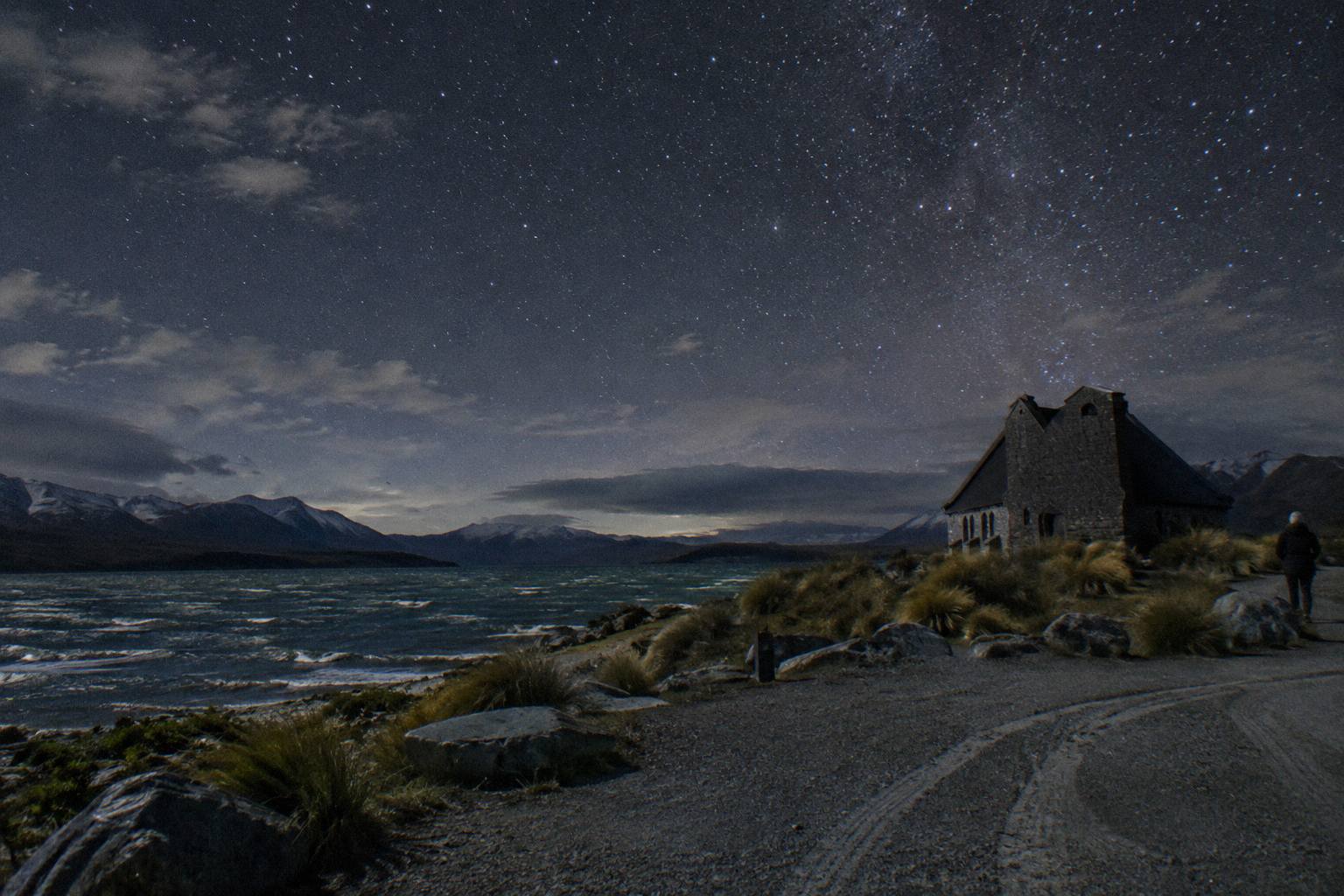
The honest answer is that no operator in Lake Tekapo names a single best month for stargazing, and none promises a clear sky in any season. Rather than chasing a perfect time, plan around your own schedule and accept that cloud cover, not the calendar, will decide what you see on the night. What the facts do say: Summit tour times vary throughout the year depending on the time of sunset, so nights begin earlier in the darker half of the year; Soak in the Stars runs seven evenings a week from October to April and only Thursday to Monday from May to September; and brighter moonlight affects fainter stars and galaxies whatever the month. Season sets the schedule, not the sky.
Start with what actually changes across the year. The two facts that carry seasonal weight are the sunset-dependent Summit schedule and the Soak in the Stars calendar. In the warmer months, sunset comes late, so stargazing starts late: Tekapo Springs notes that some Soak in the Stars tours begin after midnight, with 12:15am given as an example. That is a real planning constraint if you are travelling with children or arriving from a long drive, and it is worth knowing before you book rather than after.
In the cooler months the same tour runs fewer evenings per week, Thursday to Monday from May to September, which cuts your options if you are in town for only two nights. The Summit Experience, by contrast, runs seven days a week year round, with times unpublished because they follow the sun. Neither fact tells you which month has the better sky, and any page that claims one is guessing.
What a season genuinely changes for you, then, is threefold: how early the tours start, how many evenings each operator runs, and how cold you will be standing still on a summit road. Dark Sky Project lends an Extreme Cold Weather jacket on the Summit Experience, which is a hint about conditions worth taking seriously in winter. Tekapo Springs provides towels, robes, hot drinks and warm poncho coats for its hot pool tour, and its pool sits at 37.5 to 38.5 °C.
The decision logic is simple. Travelling in the shoulder or colder months means earlier tour times and fewer Soak evenings, but a calendar less crowded with other visitors. Travelling in summer means maximum schedule flexibility but very late nights. Whichever you choose, the moon matters more than the month, and that is the next thing to plan.
How The Moon Changes What You See
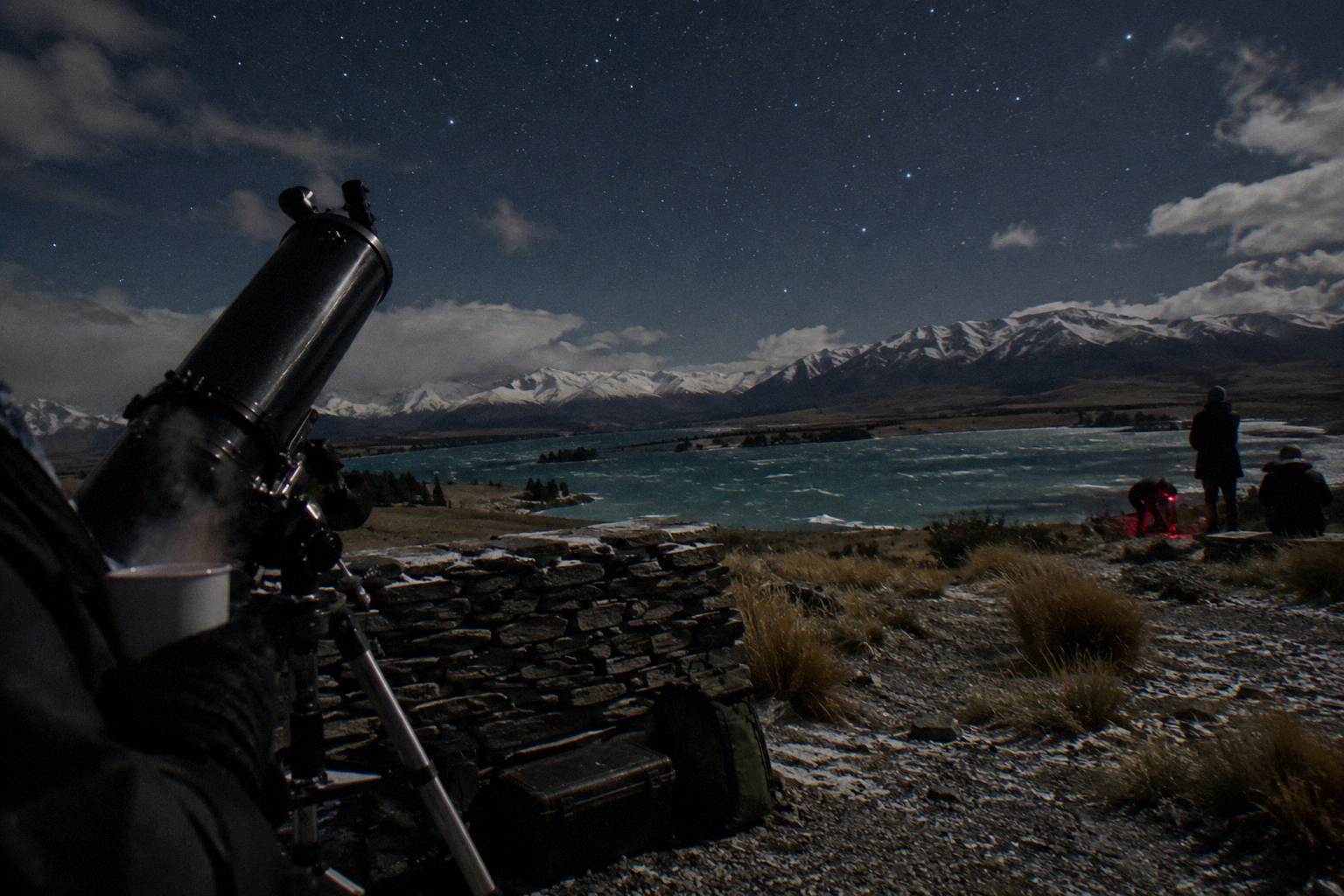
Moon phase is the one sky factor the operators discuss in detail, and it cuts both ways. A bright moon washes out fainter stars and softens the aurora, while a dark moon leaves the sky at its deepest but the landscape nearly invisible, so the phase you book under shapes what your whole night looks like. Dark Sky Project says brighter moonlight affects fainter stars and galaxies, and also says the moon is a good target in its own right. Tekapo Stargazing echoes this: telescopes still show bright objects, and a full moon only reduces the naked-eye view of the Milky Way. Neither operator tells you to avoid any particular phase outright.
That nuance matters. A naive reading of stargazing advice says "new moon or nothing", but the operators' own pages are more forgiving. If your goal is the faint, diffuse stuff, galaxies and the Milky Way's glow, then darker moonlight is what you want, and the site's new moon or full moon for Tekapo stargazing guide works through the choice in detail. If your goal is to look through a telescope at bright objects, including the moon itself, a brighter phase costs you less than you might fear.
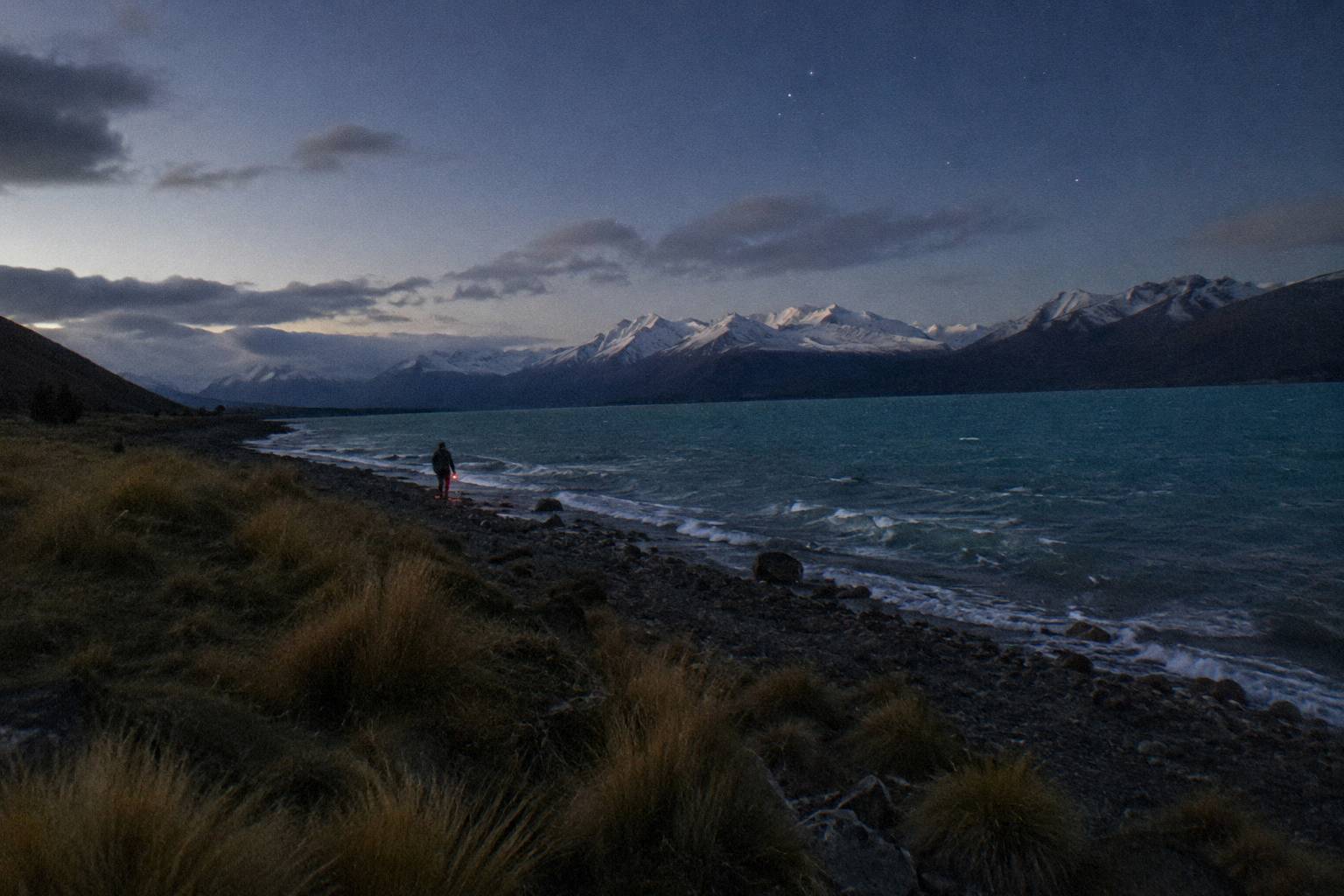
Both operators frame the moon as a viewing condition, not a dealbreaker. Dark Sky Project's weather page explains the effect on faint objects; the operator's weather page is the primary source for this and for how the go-or-no-go decision is made. Tekapo Stargazing's FAQ takes the same line from the other direction: telescopes keep showing bright objects, and the full moon mainly thins the naked-eye Milky Way.
| Moon condition | Dark Sky Project says | Tekapo Stargazing says |
|---|---|---|
| Brighter moonlight | Affects fainter stars and galaxies | Telescopes still show bright objects |
| Full moon | The moon is a good target | Only reduces naked-eye Milky Way |
| Overall stance | Effect explained, no phase banned | Effect explained, no phase banned |
For timing, the practical rule is to know the moon phase for your dates and match it to what you want from the night. Faint-object hunters should aim for the darker part of the cycle. Telescope-first visitors can book with confidence on almost any night, and the Summit Experience's telescopes run up to 16 inch under a private dome regardless of phase, as the Summit Experience page describes.
One caution: the moon is not the thing that cancels tours. Cloud is, and no phase of the moon protects you from it. Treat moon planning as optimising the view you get if the sky cooperates, and treat weather planning, covered below, as the part that decides whether the night happens at all.
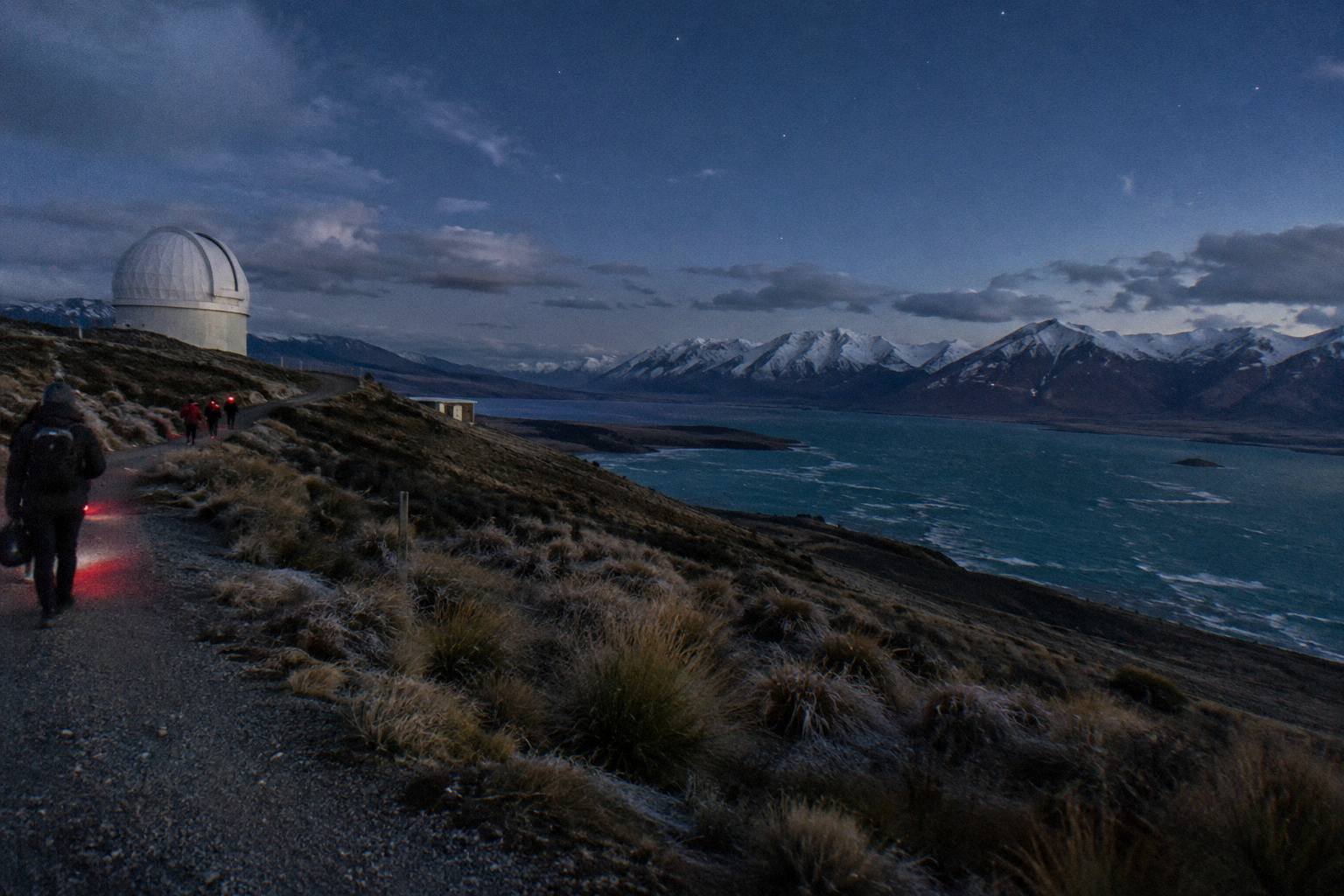
The Mt John Summit Stargazing Experience, rated 4.6 across 352 reviews, is the tour most people build their timing around: the operator's price is NZD 239 for adult and child alike, it runs 1 hour 45 minutes, minimum age 10, and its times move with the sunset all year.
What Time Of Night Do Tekapo Stargazing Tours Run?
There is no single clock time that applies to all Tekapo stargazing tours, and the two biggest operators publish their schedules differently. Because of that, the answer depends on which operator you book with, so the most reliable way to find your exact start time is to check each company's own published schedule for the night you plan to attend. Dark Sky Project says Summit times are "various times throughout the year, depending on time of sunset" and does not publish exact times; Crater runs "various tour times in the evening after twilight, 7 days a week". Tekapo Springs sets Soak in the Stars times by seasonal calendar, with some tours starting after midnight, 12:15am given as an example. Only the indoor Dark Sky Experience has fixed clock times.
This is the section where invented numbers do the most damage, so here is exactly what is stated. The Dark Sky Experience, an indoor, daytime 45-minute tour, runs English sessions at 10:30am, 12:30pm and 2:30pm, with an extra 4:30pm session on Tuesday and Wednesday, subject to availability. That is the only Tekapo tour with published clock times you can plan around before you book.
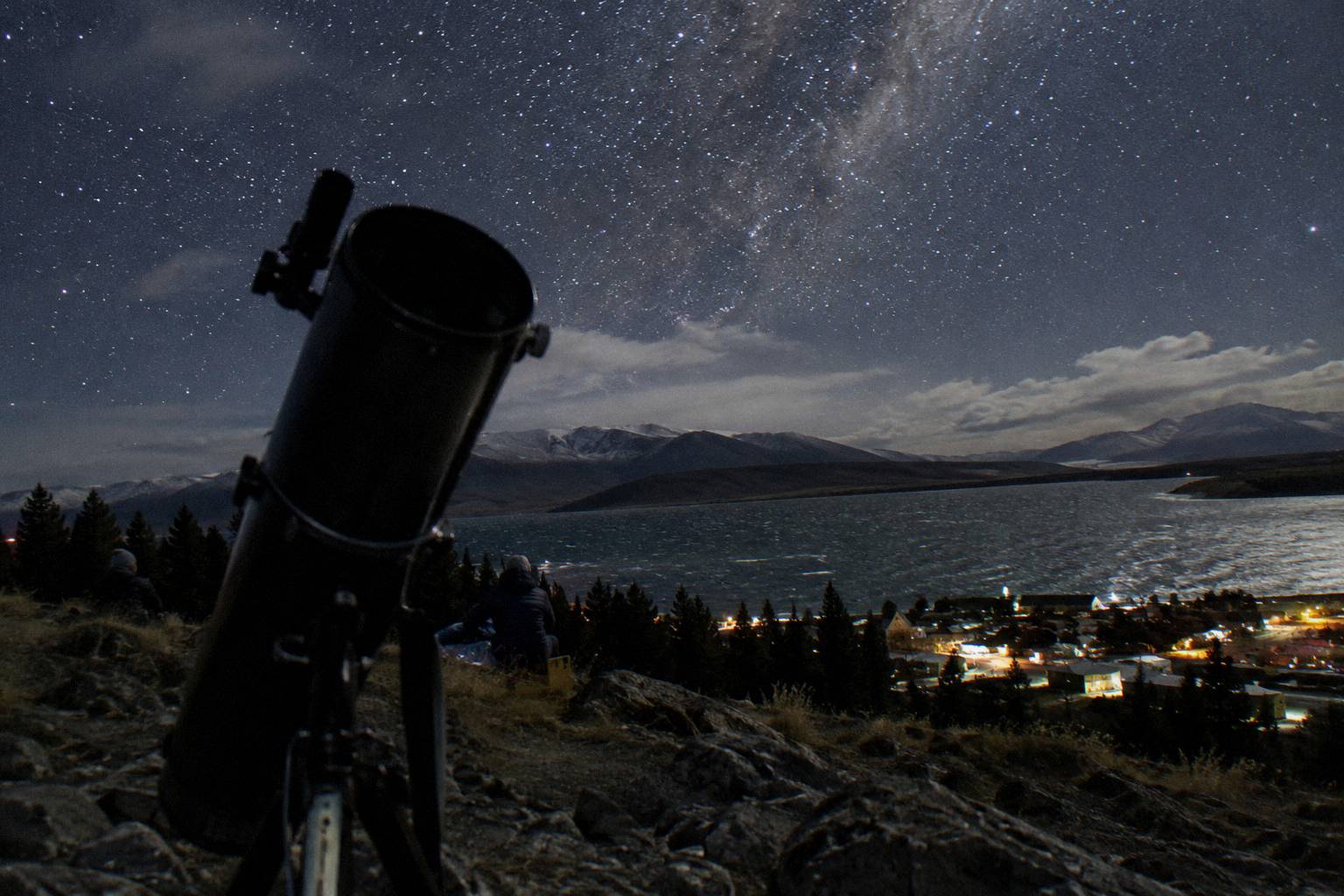
Everything night-side depends on the sun and the season. In summer, expect the serious stargazing to begin very late indeed; Tekapo Springs' after-midnight example tour exists precisely because New Zealand summer evenings are still light at 9pm or later. If you are travelling with children, that after-midnight slot is worth checking against bedtimes before you commit, and the Crater Experience, with its minimum age of 5 and 75-minute runtime including transport, may fit young families better than a post-midnight soak.
| Tour | Duration | Published times | Minimum age |
|---|---|---|---|
| Mt John Summit Stargazing Experience | 1 hour 45 minutes | Various times year round, depending on sunset | 10 |
| Crater Stargazing At Cowan's Observatory | 75 minutes incl. transport | Various evening times after twilight, 7 days | 5 |
| Soak in the Stars (Tekapo Springs) | 90 minutes | Seasonal calendar; example start 12:15am | 10 |
| Dark Sky Experience (indoor) | 45 minutes | 10:30am, 12:30pm, 2:30pm; Tue/Wed also 4:30pm | None stated |
Booking is how you learn your exact start time for the outdoor tours: the operator confirms it when the seasonal calendar is set, and you check in 15 minutes before departure. Both Dark Sky Project and Tekapo Springs ask for that 15-minute early check-in, and Dark Sky Project's terms are blunt that late check-in means no refund. Build the margin into your evening rather than trusting a GPS estimate on rural roads.
If the schedule you are offered does not fit, the alternatives are real. A shorter or earlier-running option such as the Crater stargazing experience gives you the same operator, a 5-minute drive from the base to purpose-built observation craters sheltered from wind and light, and a family pass at the operator's price of NZD 377 for two adults and two children. Check the tour page for Crater Stargazing At Cowan's Observatory or check availability to see the evening slots offered on your dates.
Weather And Cloud: What Actually Decides Your Night
Cloud is what actually decides your Tekapo stargazing night: not the season, not the moon, but the amount of cloud cover is the single factor that leads a tour to be moved or canceled, and the operators say plainly that they cannot guarantee clear skies on any given evening. Dark Sky Project makes its decision as close to tour time as possible; if outdoor stargazing is not possible it offers an indoor alternative or Virtual Stargazing Experience, a reschedule subject to availability, a gift voucher valid 3 years, or a full refund. Tekapo Springs runs in all weather, with a VR indoor experience replacing telescope viewing under cloud.
These are two genuinely different weather philosophies, and timing your trip well means understanding which one you are buying. The Dark Sky Project model is a go-or-no-go call: you check in 15 minutes early for an update, and if the sky does not cooperate, you choose between the indoor alternative, a new date, a voucher or your money back. Its Milky Way and Aurora Australis commentary is carefully conditional: both depend on conditions and are not guaranteed.
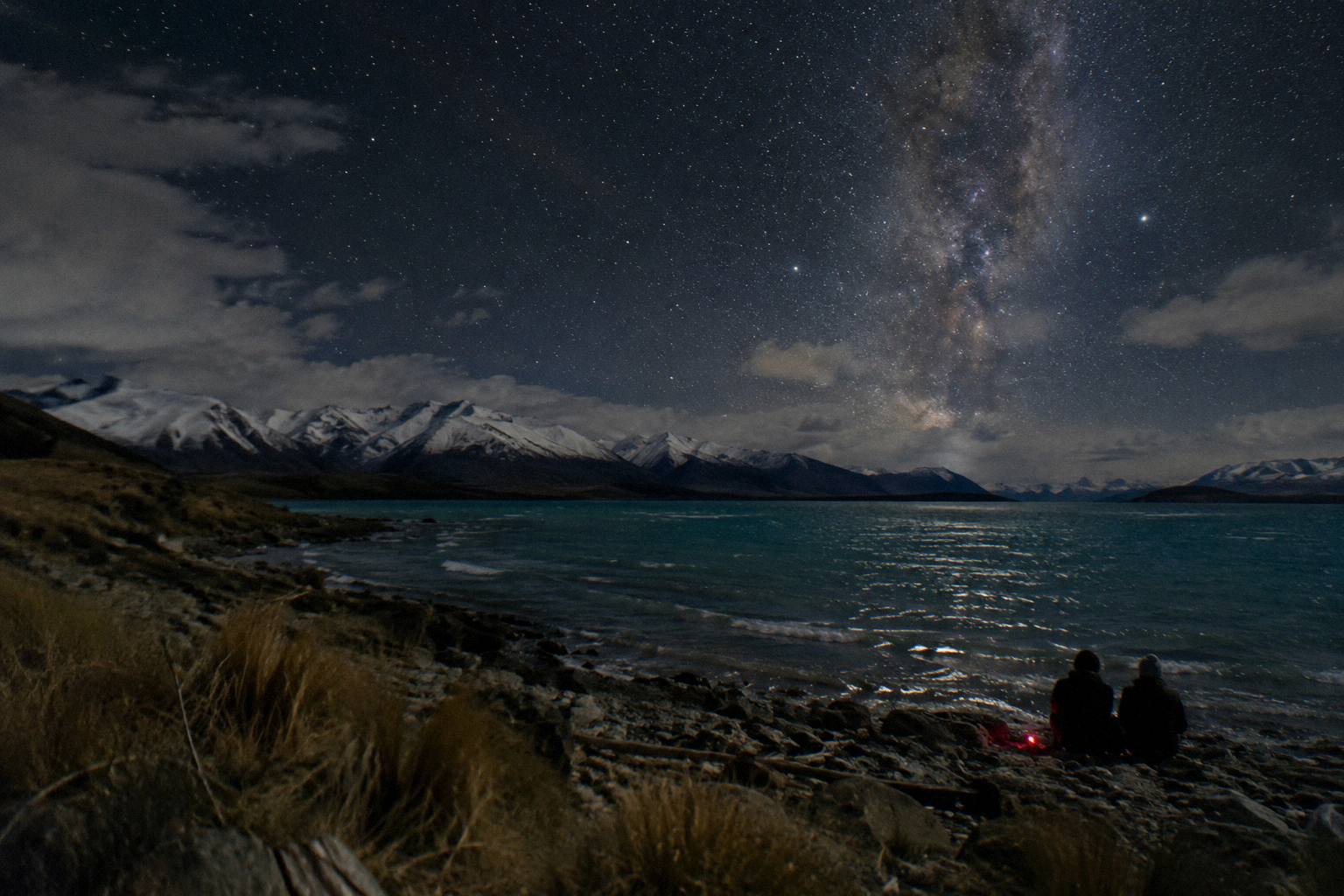
The Tekapo Springs model is "the tour runs regardless". Your telescope viewing is swapped for a 360-degree VR experience featuring imagery of the Church of the Good Shepherd and the Mt John summit when cloud blocks the sky, and the tour is not sold as a standalone VR product. There is a partial refund mechanic attached: if you get under 30 minutes of telescope viewing, the operator refunds 25 percent per ticket at the end of the tour, for tours from 18 June 2026, excluding Economy, Premium and Premium Plus tickets.
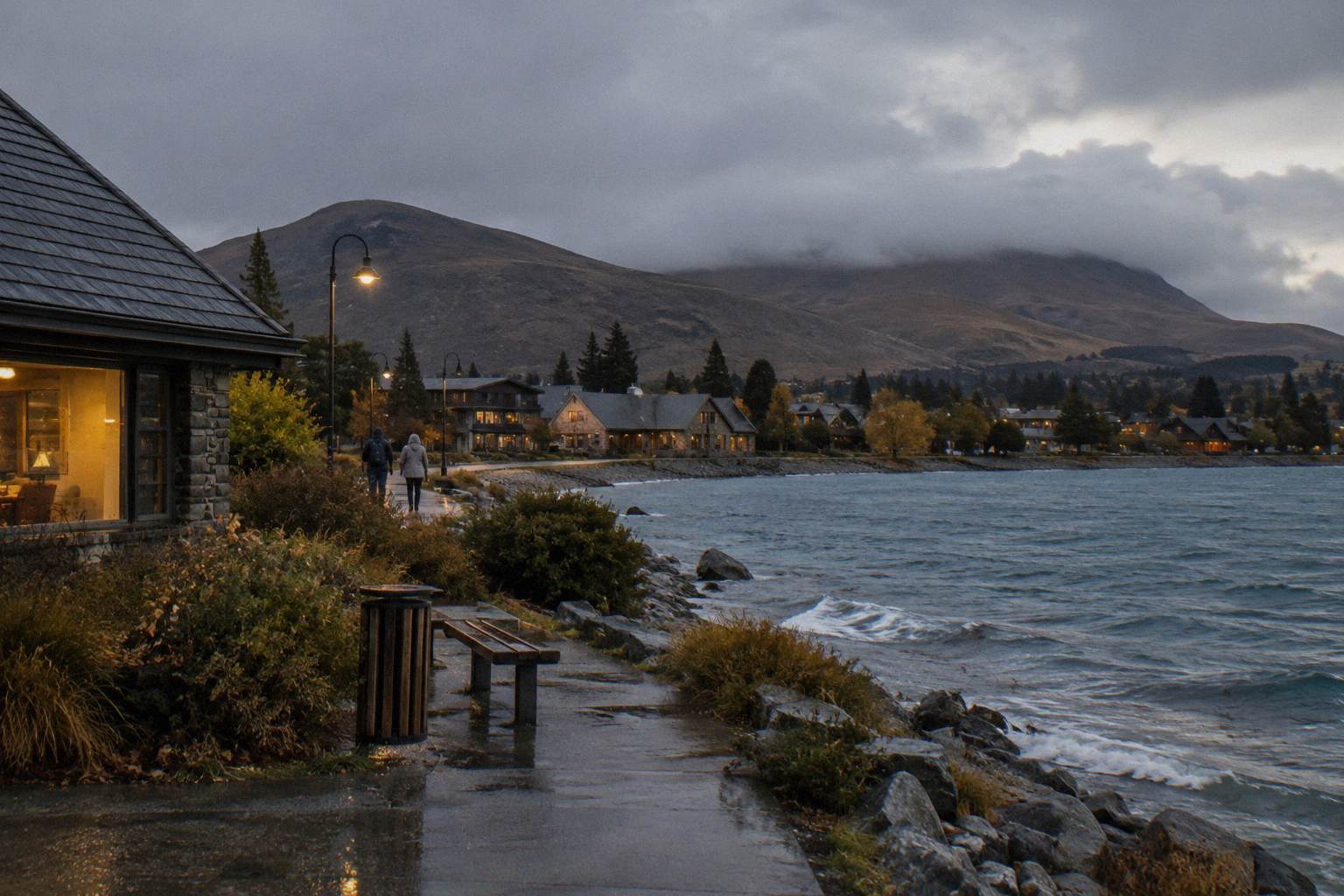
Neither model gives you a forecast you can bank on weeks ahead, so the timing advice that actually works is structural: stay more nights than you need. The site's guide to cloud cancellations walks through the fallbacks tour by tour, and reading the Tekapo stargazing forecast covers what to watch in the days before.
| Operator | Runs in cloud? | What replaces the sky | Refund position |
|---|---|---|---|
| Dark Sky Project (Summit, Crater) | No, decided close to tour time | Indoor alternative or Virtual Stargazing Experience | Reschedule, voucher valid 3 years, or full refund |
| Tekapo Springs (Soak in the Stars) | Yes, all weather | VR indoor experience with 360-degree imagery | 25% refund per ticket if under 30 minutes of telescope viewing |
There is a third category worth naming: the Dark Sky Experience, Indoor Cultural Astronomy, is a 45-minute daytime, indoor guided tour at the Dark Sky Project base, and the weather simply does not touch it. Booking it as your cloud-day backup, or as the kids' introduction before a late-night tour, is one of the more useful timing moves available, and at the operator's price of NZD 59 adult and NZD 39 child it is the cheapest ticket in town. It offers no stargazing, and it is not a stargazing tour; it is the indoor complement to one.
For timing, then, weather planning is not about picking a drier month, no verified cloud statistics exist in the operators' material and none are invented here. It is about buffers: spare nights, a backup tour, and cancellation terms read before booking rather than after. Direct Dark Sky Project bookings can be cancelled up to 24 hours before for a full refund; Tekapo Springs allows cancel or change up to 24 hours before for a full refund, date change or voucher, with third-party bookings following the agent's terms.
How The Seasons Compare For Planning
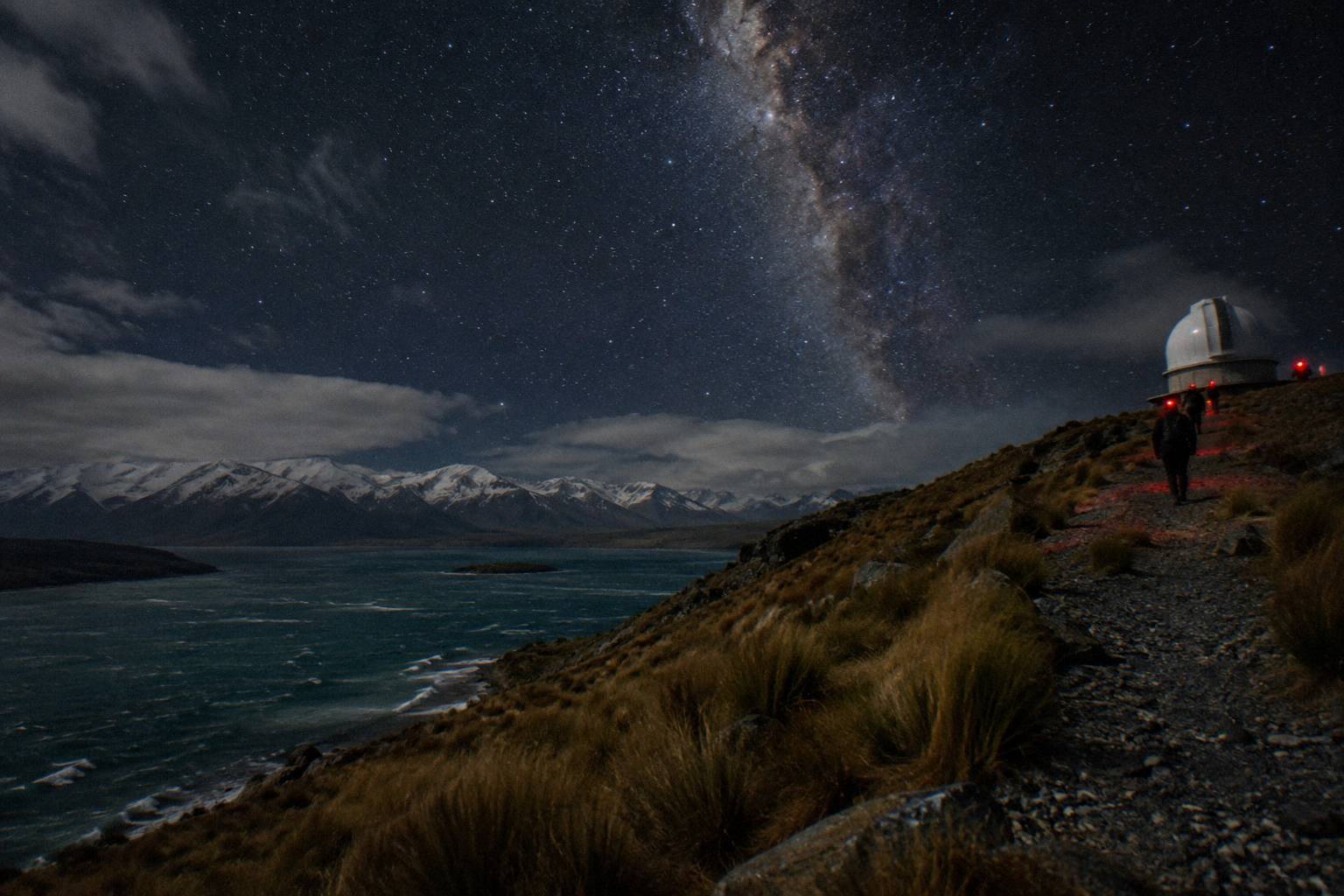
Three seasonal facts do the work here, all from the operators: Soak in the Stars runs 7 evenings a week October to April and Thursday to Monday May to September; Summit times vary with sunset across the year; and Soak start times are seasonal, with the after-midnight 12:15am example. Everything else about "which season is best" is commentary. What the calendar changes is schedule and comfort, not sky quality.
| Season | Soak in the Stars schedule | Summit Experience | Practical effect |
|---|---|---|---|
| October to April | 7 evenings a week | 7 days, times follow sunset | Most choice; latest starts, some after midnight |
| May to September | Thursday to Monday | 7 days, times follow sunset | Fewer Soak evenings; earlier sunset, earlier starts |
Summer planning has one dominant constraint: lateness. New Zealand daylight saving pushes sunset late, and stargazing follows it. A family that would love a 9pm tour may be offered a midnight one instead, and that is a scheduling fact, not a fault. The Crater Experience's minimum age of 5 and the Dark Sky Experience's daytime sessions are the pressure valves, and the site's guide to Tekapo stargazing with kids covers the age rules in one place. Note that Tekapo Springs allows no child under 6 on any of its tours, including babies carried.
Winter and shoulder-season planning has the opposite shape: earlier nights, fewer Soak evenings. If your stay falls Monday to Wednesday between May and September, the hot-pool-and-telescope combination may simply not run, and booking early in your stay rather than your last night matters more than usual, because it leaves room to move if weather closes in. The Summit Experience's seven-day schedule makes it the reliable backbone of a winter plan. The rest of the planning pages sit on Mt John Stargazing.
Cold is a real input on any of these, and the operators equip for it. The Summit Experience includes loan of an Extreme Cold Weather jacket, and the moderate-fitness requirement is tied to a 100 m gravel incline walk and a few steps in the dark at 1,029 m elevation. Soak in the Stars answers cold differently: a hot pool at 37.5 to 38.5 °C with a guide poolside, towels, robes, hot drinks and warm poncho coats included. Neither kit list is decoration; night temperatures on the summit road are a legitimate reason to pick one format over the other.
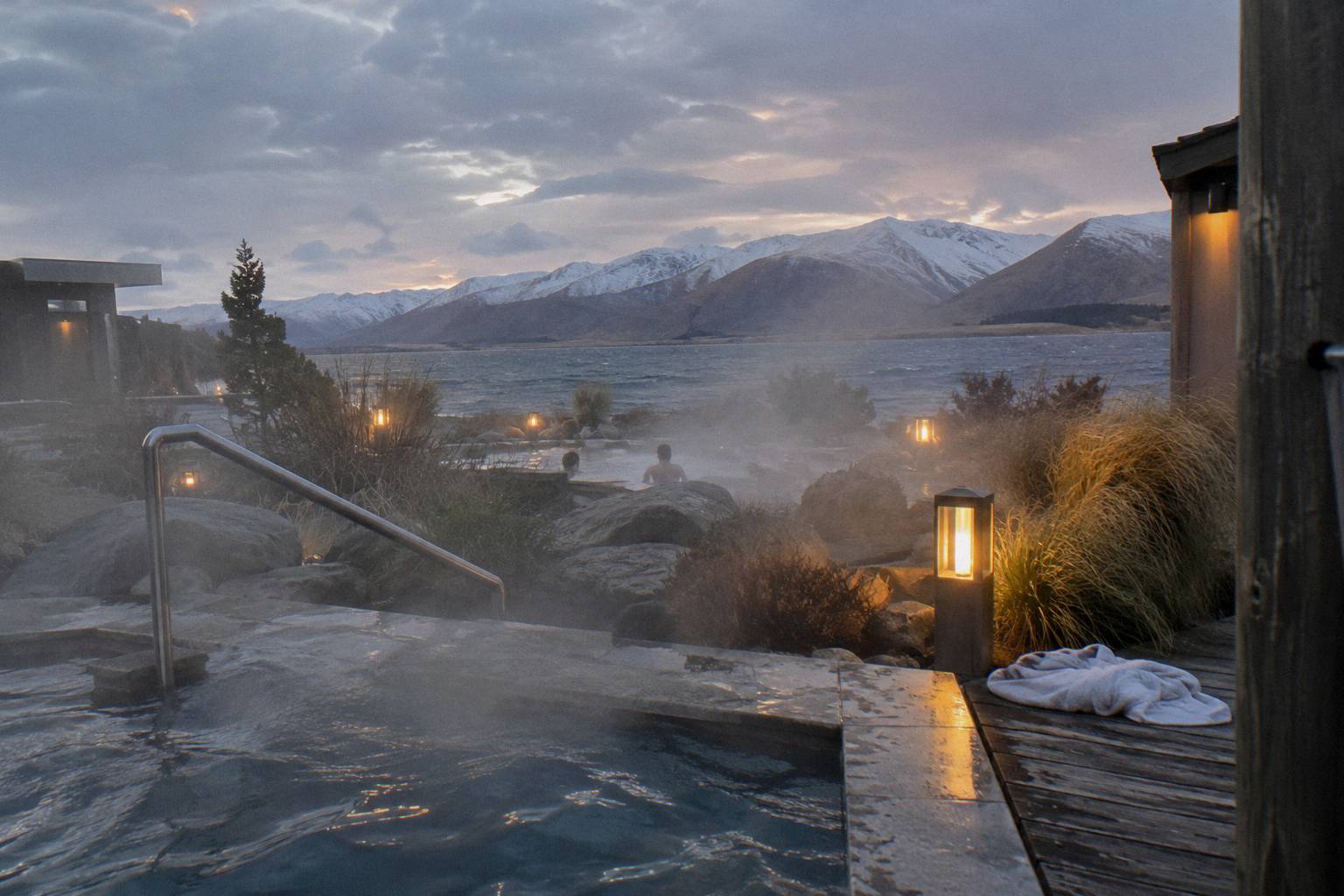
The hot-pool tour is the clearest example of season shaping the product itself: 90 minutes, telescope viewing followed by an exclusive soak, at the operator's price of NZD 179 adult, NZD 159 senior or student, NZD 115 child and NZD 499 for a family. It is the tour whose weekly calendar flips with the seasons, so if it is on your list, check the days of the week for your travel window first and shape the rest of the trip around it.
Matching The Tour To Your Timing
Lock in your travel dates before you fall for any specific tour, because schedule fit is the factor that eliminates options fastest. Once you know exactly which window you have, every departure that does not match it drops away on its own, leaving only the tours you can actually book. With children under 10, the Summit Experience and Soak in the Stars are both out on age alone, leaving Crater from age 5 or the indoor Dark Sky Experience with no minimum age. On a Monday-to-Thursday winter visit, Soak in the Stars may not run at all. On a summer visit with an early wake-up the next day, an after-midnight start is the thing to catch.
Work through the roster constraints in order. Age first: Summit 10, Soak in the Stars 10, Crater 5, the indoor Dark Sky Experience none stated, with content the operator says is suitable from about 7 and under 5s free with an adult ticket. Then schedule: which days of the week each tour runs in your season. Then duration, which ranges from 45 minutes indoors to 2 hours on the Silver River Ultimate Stargazing Experience. Price is last, and only four products have operator prices to compare at all; the rest carry their price on the booking page.
| Tour | Duration | Min age | Operator price (NZD) |
|---|---|---|---|
| Mt John Summit Stargazing Experience | 1 hour 45 minutes | 10 | 239 adult, 239 child |
| Crater Stargazing At Cowan's Observatory | 75 minutes | 5 | 139 adult, 99 child 5 to 17, family 377 |
| Soak in the Stars | 90 minutes | 10 | 179 adult, 115 child, family 499 |
| Dark Sky Experience (indoor) | 45 minutes | None stated | 59 adult, 39 child, family 157 |
| Silver River Ultimate Stargazing Experience | 2 hours | Not stated | On the booking page |
| Astro Tekapo Lakefront Stargazing | 1.5 hours | 6 | On the booking page |
The smaller operators fill the gaps the calendars leave. Astro Tekapo Lakefront Stargazing runs 1.5 hours from age 6, meeting at the lakefront at Takapō Regional Park, with a 24-hour free-cancellation window on the booking page. Silver River runs both a 75-minute Alpine experience and a 2-hour Ultimate experience, each with 24-hour free cancellation on the booking page. Beyond Tekapo itself, the Mackenzie Basin options, the Twizel Stargazing Tour With An Astronomer from age 6, and the Mt Cook and Lake Pukaki experiences, exist for itineraries that base elsewhere part of the trip.
Two timing mismatches come up again and again. One: booking the last night of the stay, leaving no room to reschedule if cloud arrives; Dark Sky Project's fallback includes a reschedule subject to availability, which needs a spare night to be worth anything. Two: assuming a fixed start time and planning a late dinner around it, when the Summit and Crater times move with twilight all year. Neither mistake is about the sky; both are about the calendar, and both are avoidable at the booking stage.
A Worked Example: Timing A Three-Night Stay
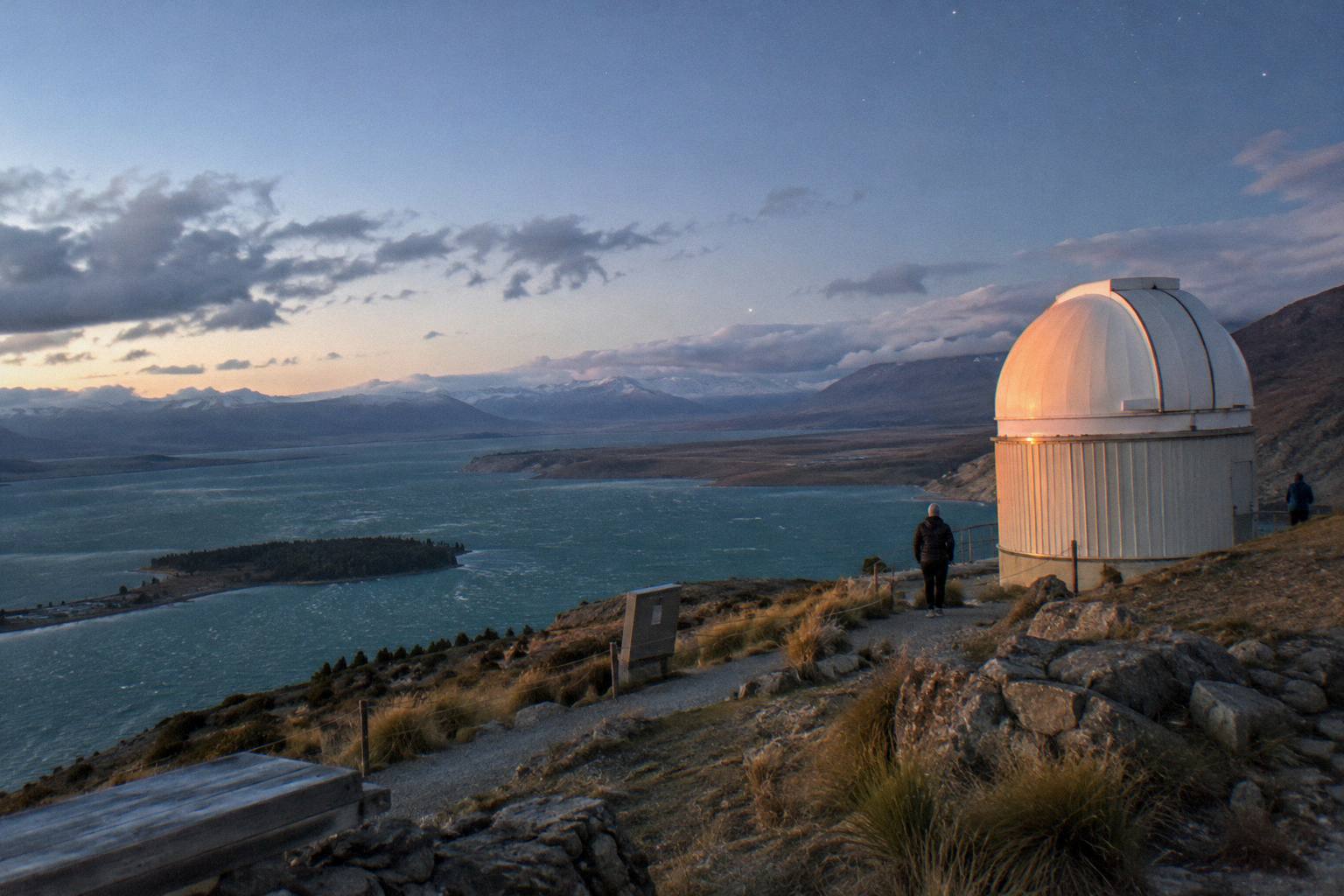
To time a three-night stay, picture a family of four, two adults with children aged 8 and 12, arriving in Tekapo on a Thursday in late autumn. Their three nights fall on Thursday, Friday, and Saturday, so they check out and depart on Sunday rather than extending into a fourth night. The 8-year-old rules out Summit (age 10) and Soak in the Stars (age 10) from the start. The Crater Experience takes ages 5 and up, costs the operator's price of NZD 377 as a family pass, and runs seven evenings after twilight, so Friday or Saturday both work. Sunday is the spare night, kept empty on purpose.
That is the whole method, and it generalises. Fix the ages, fix the nights, then fix the moon. On the nights available, check where the moon sits in its cycle: if the target is the Milky Way's naked-eye glow, the darker part of the cycle is what Dark Sky Project's moon commentary points you toward. The site's best time of night for stargazing in Lake Tekapo discussion covers the clock side of that question.
For a couple with no age constraints, the worked example changes shape but not logic. Three nights in summer, moon phase checked, Summit booked for the second night rather than the first or last, so a weather call can be answered with a reschedule in either direction. The indoor Dark Sky Experience slots into the cloud afternoon at 10:30am, 12:30pm or 2:30pm, English sessions, with the 4:30pm extra session on Tuesday and Wednesday subject to availability. That is a complete plan built from published facts only.
The booking-stage details are part of timing too. Check-in is 15 minutes early at 1 Motuariki Lane for Dark Sky Project, or at Tekapo Springs reception, 300 Lakeside Drive, and late check-in with Dark Sky Project means no refund. Takapō, as Dark Sky Project writes the name, is about three hours' drive from both Queenstown and Christchurch, which is the fact that decides how many spare nights you can afford in the first place. Questions the pages do not answer go to the operators directly: Dark Sky Project on +64 3 680 6960 or info@darkskyproject.co.nz, Tekapo Springs on +64 3 680 6550 or bookings@tekapostargazing.co.nz.
The Crater Experience earns its place in that worked example on the numbers: 75 minutes including the 5-minute drive from the base, observation craters purpose-built to be sheltered from wind and light, telescopes up to 14 inch, and a minimum age of 5 that makes it the natural family booking. Wheelchair users can join, driving their own vehicle to Cowan's. For scheduling purposes it is the most forgiving evening tour in town, running after twilight seven days a week.
Common Mistakes When Timing Tekapo Stargazing
Most timing failures are calendar mistakes, not sky mistakes, because the error usually happens long before you look up: travelers lock in dates first and treat whatever the sky delivers as the problem, when the real issue was simply choosing the wrong night to begin with. Fix the calendar side and the sky side tends to take care of itself. Booking the final night of a short stay leaves no room to reschedule when cloud arrives, and Dark Sky Project's reschedule option is only worth something if you have a night left. Assuming a fixed start time, or a child discount on the Summit Experience where adult and child are the same NZD 239, are the other two that show up when plans meet the operators' actual schedules.
The first mistake, no buffer night, is the most expensive because it converts bad luck into a cancelled trip. The second is treating the moon as a ban rather than a trade-off: brighter moonlight affects fainter stars and galaxies, but telescopes still show bright objects and the moon is itself a target, so a full-moon week is not a wasted booking. The third is ignoring days of the week: a winter Monday-to-Wednesday stay with its heart set on Soak in the Stars can simply miss the Thursday-to-Monday window. The fourth is expecting a guarantee; the operators' own terms say clarity cannot be guaranteed, and the honest plan is one that survives that sentence.
Common Questions About Timing Stargazing In Lake Tekapo
What Is The Best Month For Stargazing In Lake Tekapo?
No operator names a best month, and clarity cannot be guaranteed in any of them. What the calendar does change: Summit tour times follow the time of sunset through the year, and Soak in the Stars runs seven evenings a week from October to April but only Thursday to Monday from May to September. Pick dates around the moon and your own schedule, then keep a spare night.
Does A Full Moon Ruin Tekapo Stargazing?
No, and the operators do not treat it as ruin. Dark Sky Project says brighter moonlight affects fainter stars and galaxies and also calls the moon a good target. Tekapo Stargazing says telescopes still show bright objects and a full moon only reduces the naked-eye Milky Way. Aim for darker phases if faint objects are the goal.
What Time Do Tekapo Stargazing Tours Start?
It depends on the tour and the season. Summit times are various times throughout the year depending on sunset and are not published in advance; Crater runs various evening times after twilight seven days a week; Soak in the Stars sets seasonal calendar times, with some tours beginning after midnight, 12:15am given as an example. The indoor Dark Sky Experience runs at fixed daytime times.
What Happens If It Is Cloudy On My Tour Night?
Dark Sky Project decides as close to tour time as possible, and if outdoor stargazing is not possible it offers an indoor alternative or Virtual Stargazing Experience, a reschedule subject to availability, a gift voucher valid 3 years, or a full refund. Tekapo Springs tours run in all weather, with a VR indoor experience replacing telescope viewing under cloud, and a 25 percent refund per ticket if telescope viewing falls under 30 minutes.
How Many Nights Should I Stay To Be Safe?
At least one more than your tour count. The operators' own fallbacks are built around rescheduling, which only works if you are still in town, and the moon and calendar constraints mean options thin out fast on a one-night stay. Booking your tour early in the stay rather than on the last night gives the same protection.
Can I Stargaze In Tekapo Without A Tour?
Yes, the reserve is public land and the village sits inside it, and the site's guide to free stargazing at Lake Tekapo covers where to go. What a tour adds is telescopes, guiding, transport up the summit road, and, at the Summit Experience, loan of an Extreme Cold Weather jacket. Note that the Mt John access road itself is only open 9am to 4pm with a NZD 14 per vehicle road user fee, so driving yourself up for a night sky is not an option.
Once the dates are fixed and the moon checked, the booking itself is the easy part: every option above allows a look at live times and dates before you commit, and the summit, crater and hot-pool products all carry a 24-hour free-cancellation window on their booking pages.