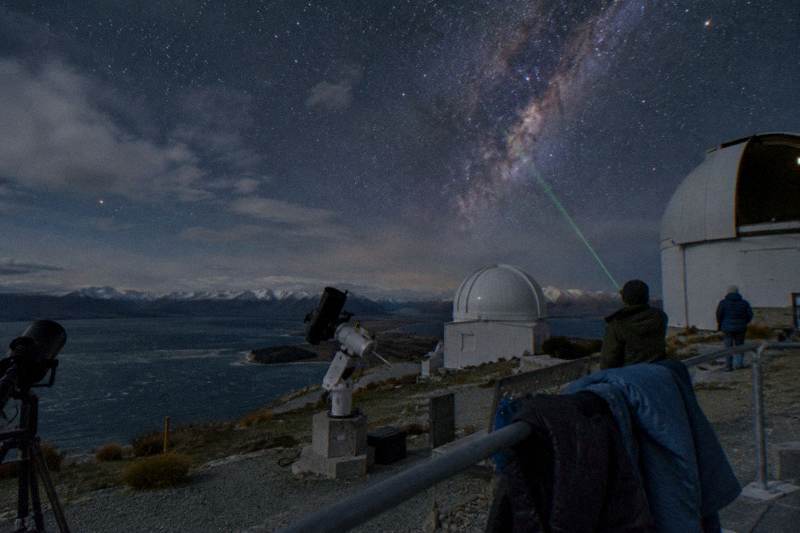
Dark Sky Project Stargazing Tours: Summit, Crater And Base Compared
Dark Sky Project runs three bookable experiences from one lakefront base in Takapō (Tekapo): the Summit Experience at the University of Canterbury Mt John Observatory, the Crater Experience at Cowan's Private Observatory, and the indoor, daytime Dark Sky Experience. This guide compares all three on the facts that decide a booking: price basis, duration, minimum age, setting and what happens when cloud rolls in.
Short answer
The Summit Experience costs NZD 239 for adults and children alike, runs 1 hour 45 minutes and needs age 10 plus. The Crater Experience costs NZD 139 adult and NZD 99 child, runs 75 minutes and takes age 5. The indoor Dark Sky Experience costs NZD 59 adult, runs 45 minutes with no minimum age, and offers no stargazing at all.
For the wider picture of every operator around the lake, see the Lake Tekapo stargazing tours compared guide; this page stays inside one operator and compares its three products head to head.
Quick Facts
All three experiences depart from the same lakefront base at 1 Motuariki Lane, Takapō (Tekapo), with check-in 15 minutes before departure. The Summit costs NZD 239 per person and needs age 10. The Crater costs NZD 139 adult and NZD 99 child and takes age 5. The indoor Dark Sky Experience costs NZD 59 adult and NZD 39 child, runs 45 minutes in daytime, and involves no stargazing.
| Experience | Setting | Operator price (adult) | Duration | Minimum age |
|---|---|---|---|---|
| Summit Experience | Mt John Observatory summit, 1,029 m | NZD 239 (child same price) | 1 hour 45 minutes | 10 |
| Crater Experience | Cowan's Private Observatory, 5-minute drive from base | NZD 139 (child 5 to 17 NZD 99) | 75 minutes including transport | 5 |
| Dark Sky Experience | Indoors at the base, 1 Motuariki Lane | NZD 59 (child NZD 39) | 45 minutes | Not stated; under 5 free with an adult ticket |
Prices are the operator's own direct-booking schedule, valid to 30 September 2027, and can change. Every experience departs from the same base, described by the operator as the lakefront building with the large observatory dome between the Four Square and the YHA, and check-in is 15 minutes before departure.
What Is The Dark Sky Project And Where Does It Operate From?
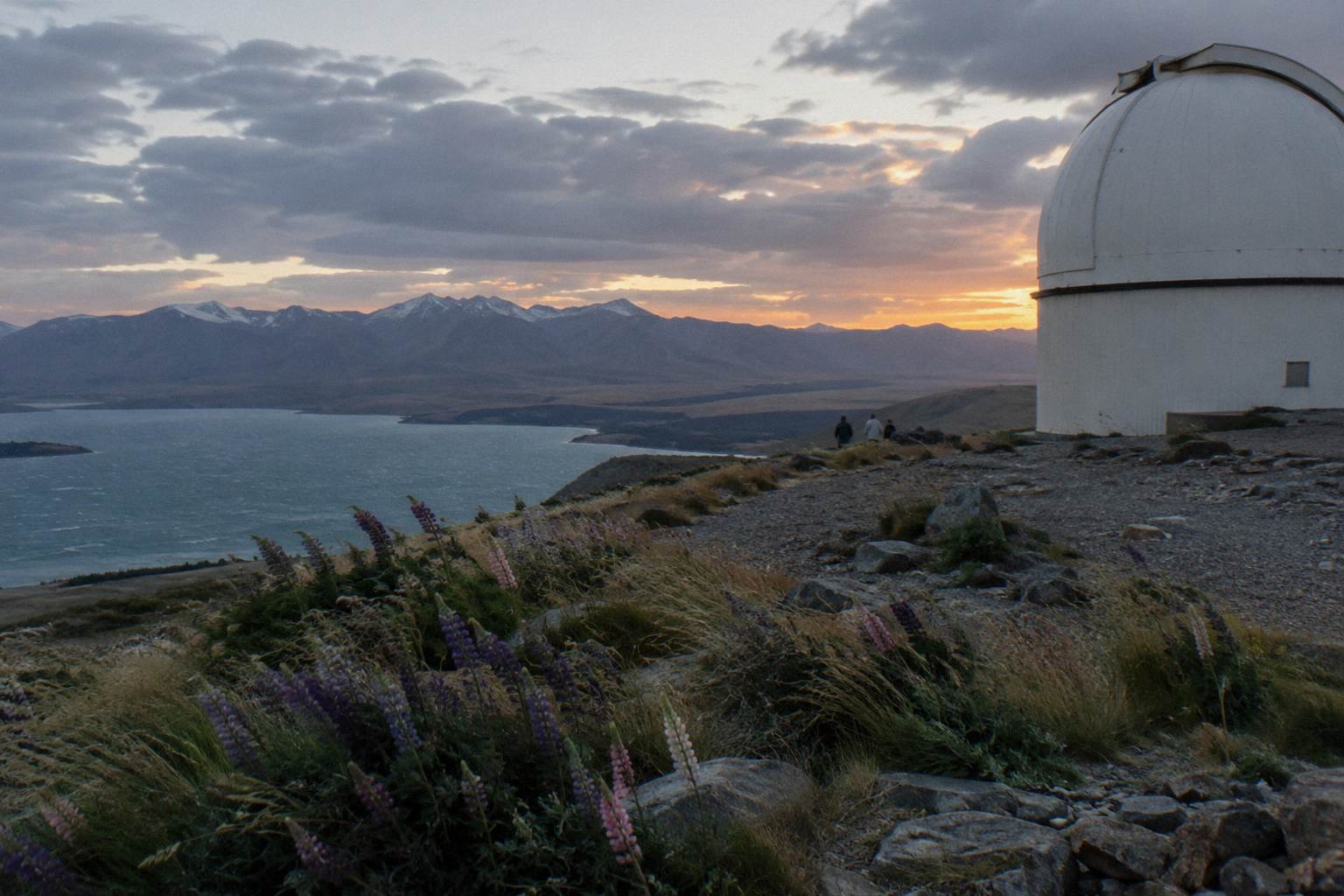
Dark Sky Project is a Lake Tekapo stargazing operator founded in 2004 as Earth & Sky and partnered with Ngāi Tahu Tourism since 2016. It runs every experience from one lakefront base, the Rehua building at 1 Motuariki Lane in Takapō, which it has occupied since 2019 and from which it hosts over 45,000 visitors a year.
The company sits inside the Aoraki Mackenzie International Dark Sky Reserve, the largest dark sky reserve in the Southern Hemisphere, which was awarded reserve status in April 2012 and comprises Aoraki/Mt Cook National Park and the Mackenzie Basin. More on what that designation means for your night is in the Aoraki Mackenzie dark sky reserve stargazing guide. The reserve is why the operator can put a research-grade observatory a 15-minute bus ride from a village, and the district has rules on outdoor lighting to keep it that way.
Three bookable products matter to a visitor comparing options, and the operator describes them on its own site. The Summit Experience goes up Mount John to the University of Canterbury Mt John Observatory. The Crater Experience stays lower, at Cowan's Private Observatory a 5-minute drive from the base. The Dark Sky Experience never leaves the base at all: it is a 45-minute indoor guided tour through four zones, ending at the restored 125-year-old Brashear telescope, with English sessions at 10:30am, 12:30pm and 2:30pm, plus 4:30pm on Tuesday and Wednesday, subject to availability, and Mandarin on request.
That third product is the one people misbook. It is not a stargazing tour and does not claim to be: no telescopes under the night sky, no summit, no craters. Its role in the comparison is as the daytime and bad-weather option, and it is priced accordingly. If the question is whether the flagship night justifies its price, the deeper treatment is in is the Dark Sky Project worth it.
The Summit Experience: What NZD 239 Actually Buys
The Summit Experience is the operator's flagship night: 1 hour 45 minutes at the University of Canterbury Mt John Observatory, reached by a 15-minute bus from the base, for NZD 239 per person with adult and child priced the same and a minimum age of 10. It includes transport, guiding, an Extreme Cold Weather jacket loan, telescope viewing inside a private dome, and naked-eye guiding by handheld laser. The current rating is 4.6 across 352 reviews.
The setting is the point. Mt John sits at 1,029 m and is described by the University of Canterbury and by the operator as New Zealand's largest professional research observatory, with the operator's Summit Experience page also calling it the southernmost facility of its kind in the world. The research telescopes on the summit include a 1 m McLellan, two 0.6 m instruments and the 1.8 m MOA telescope, run in partnership with a Japanese university; the tour itself uses telescopes up to 16 inch inside a private dome, with the operator's home page giving the range as 9 1/4 to 16 inch.
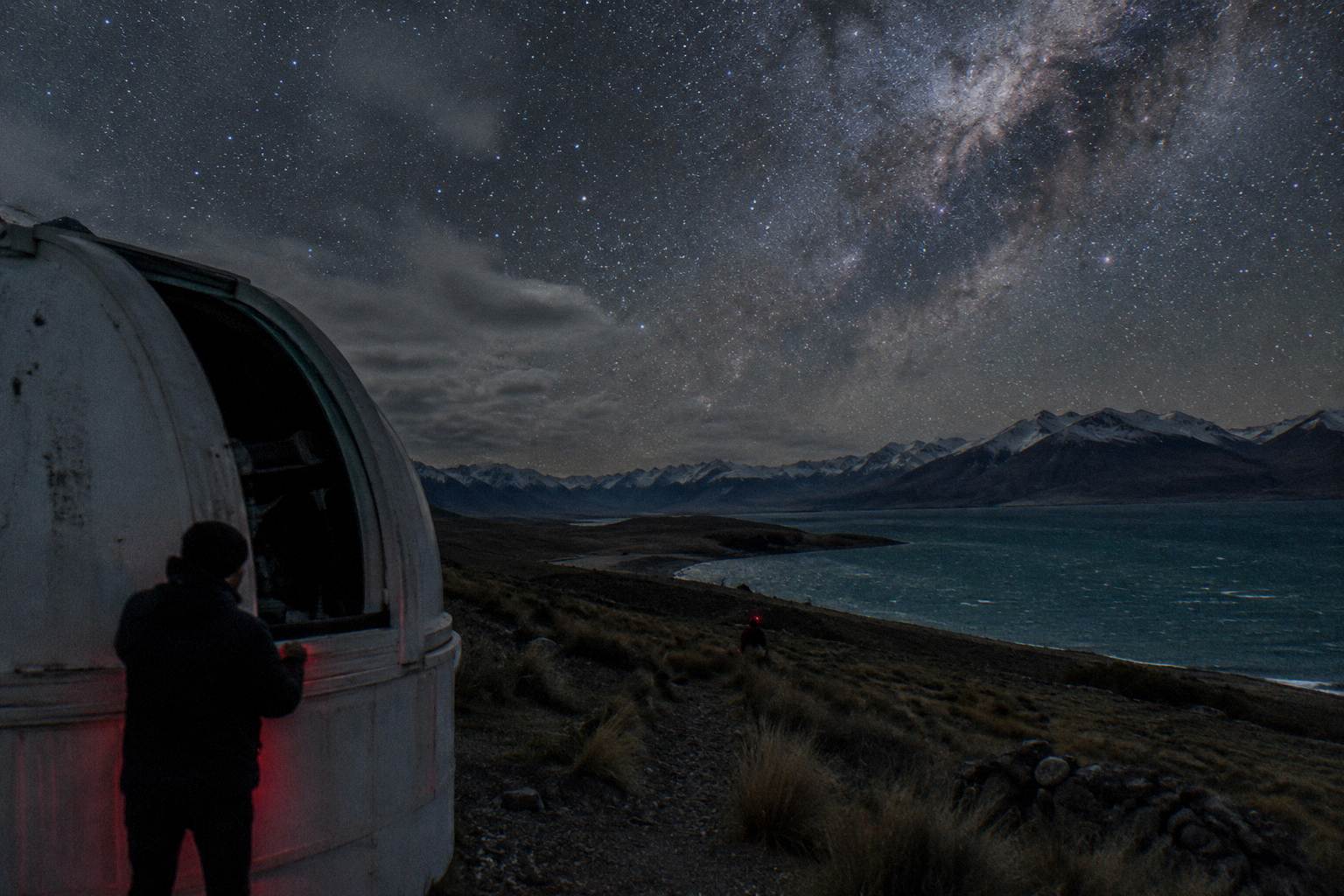
Guiding on the summit weaves two traditions together. Dark Sky Project says Tātai Aroraki, Māori astronomy, is part of the Summit, Crater and Dark Sky experiences alongside Western astronomy, and the operator's storytelling leans on the proverb "Nā te pō, ko te ao, ko te ao mārama". The full breakdown of the night is in the Dark Sky Project Summit Experience guide.
Two practical points decide fitness for this tour. Moderate fitness is required: there is a 100 m walk up a gravel incline plus a few steps, in the dark. And the same-price policy is deliberate, not a typo: adult and child are both NZD 239, so every participant aged 10 or over pays the same per head, and there is no child discount to hunt for. Start times are various times throughout the year depending on sunset, seven days, and are not published in advance, so the booking calendar is the only source.
There is a decision to make between this and everything else around the lake, and it is worth making with the prices side by side.
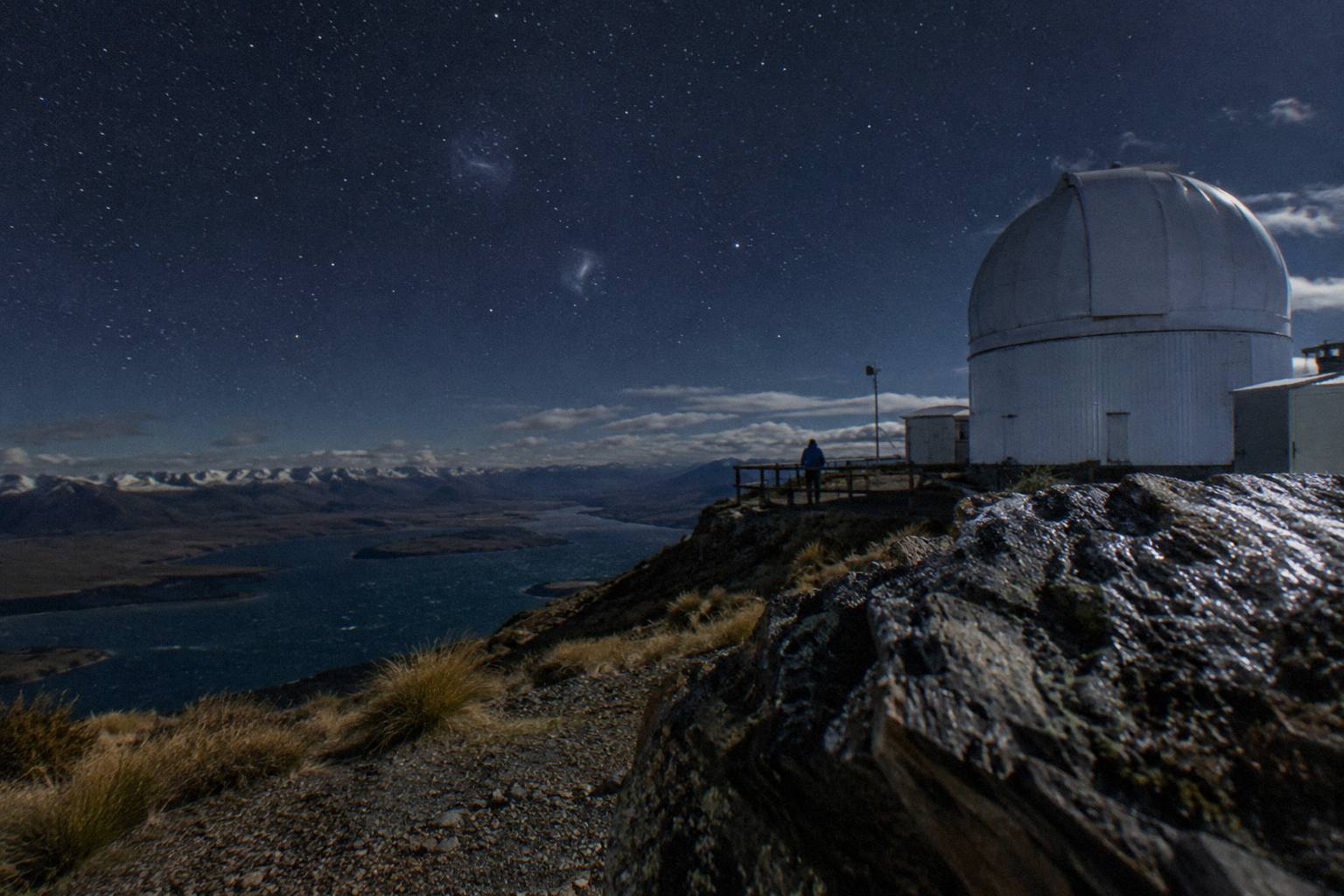
Readers weighing the summit against the hot pools alternative can also compare directly in Mt John Summit or Tekapo Springs stargazing, and the Mt John Summit Stargazing Experience tour page carries live dates and availability. If that page has already answered the question, Check availability on the operator's live listing.
The Crater Experience At Cowan's Observatory
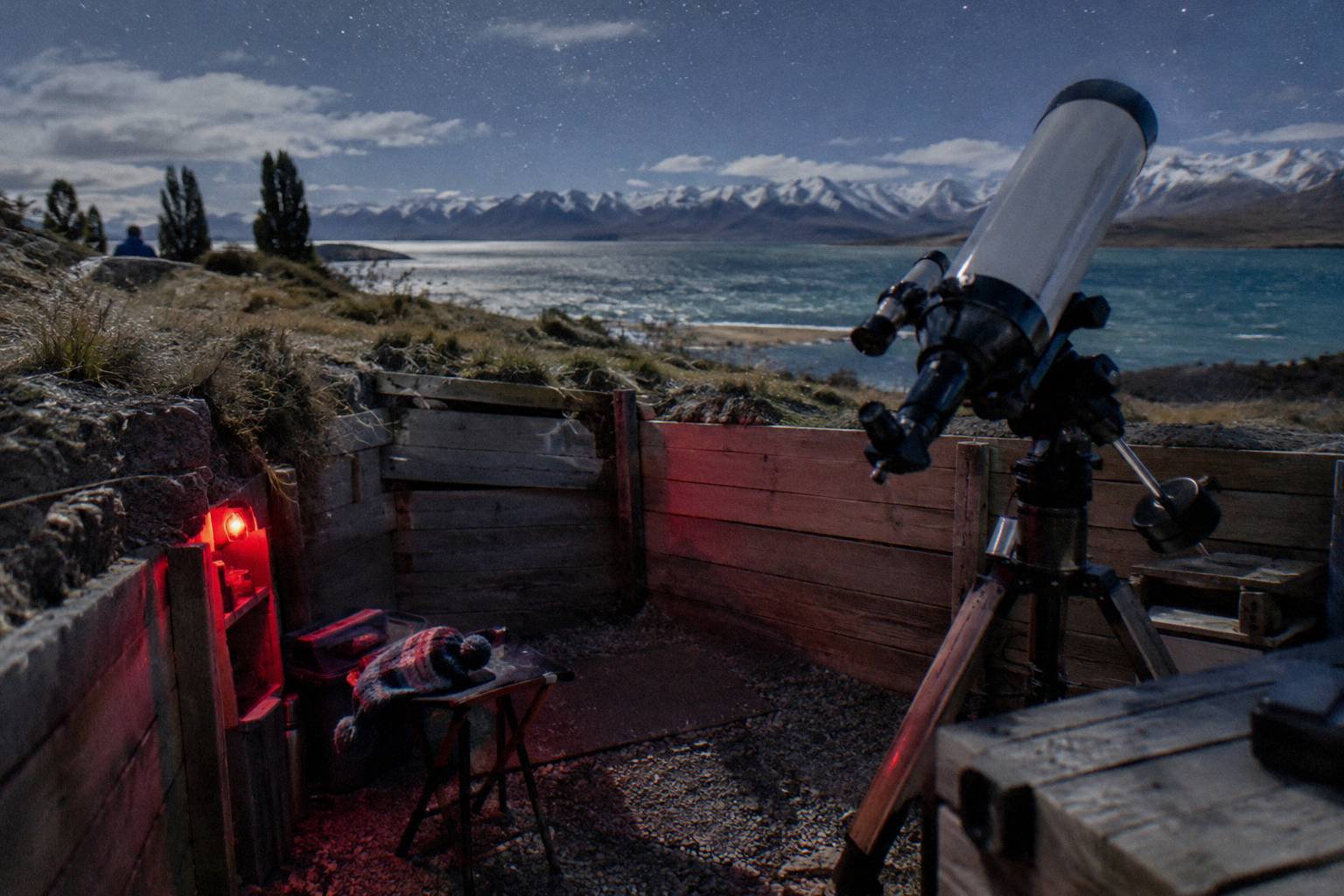
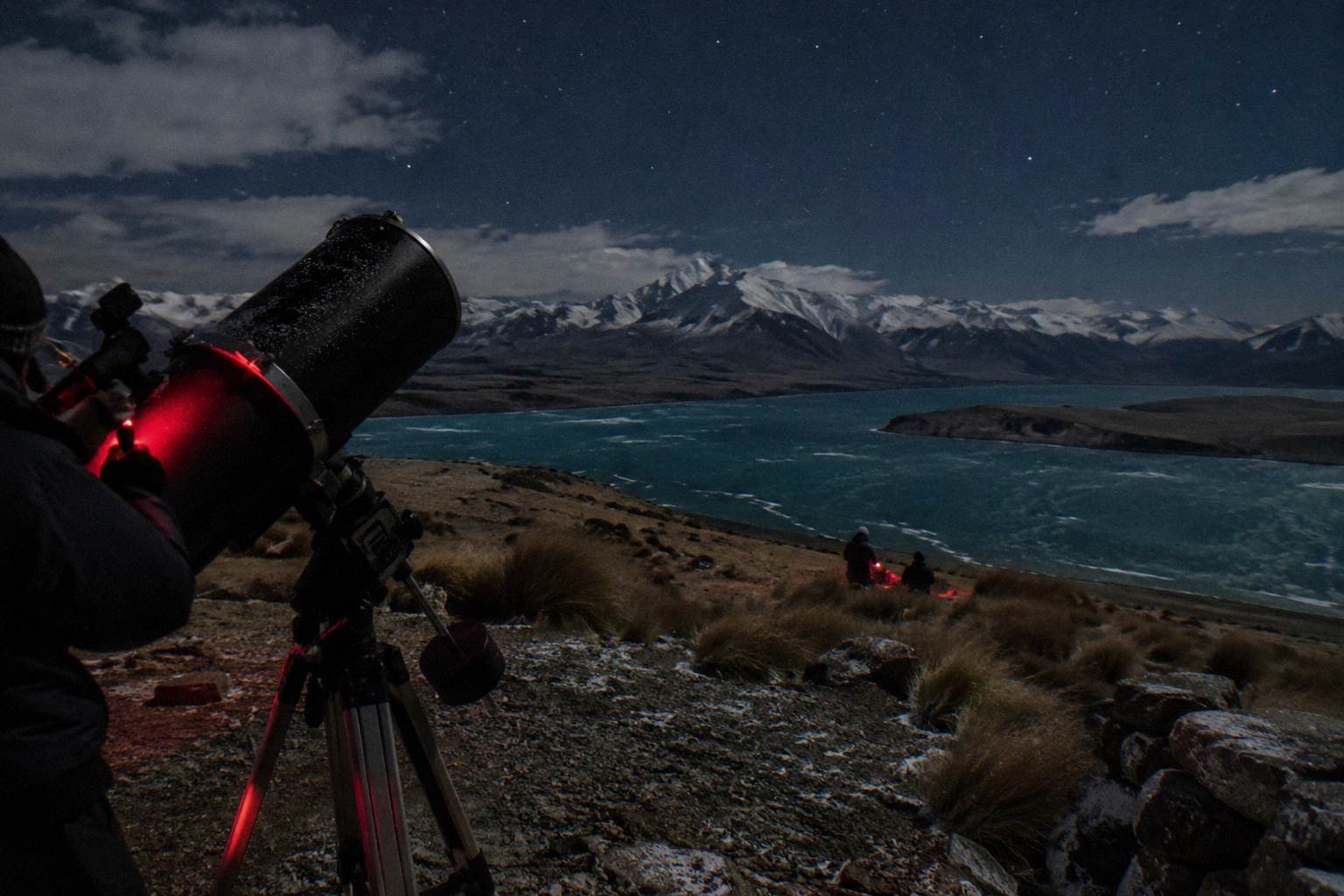
The Crater Experience is the operator's shorter, cheaper family night: 75 minutes including transport to Cowan's Private Observatory, a 5-minute drive from the base, with purpose-built observation craters sheltered from wind and light. Adults pay NZD 139, children aged 5 to 17 (the minimum age) pay NZD 99, and a family pass for two adults and two children costs NZD 377 with extra children at NZD 99; the experience rates 4.6 across 93 reviews.
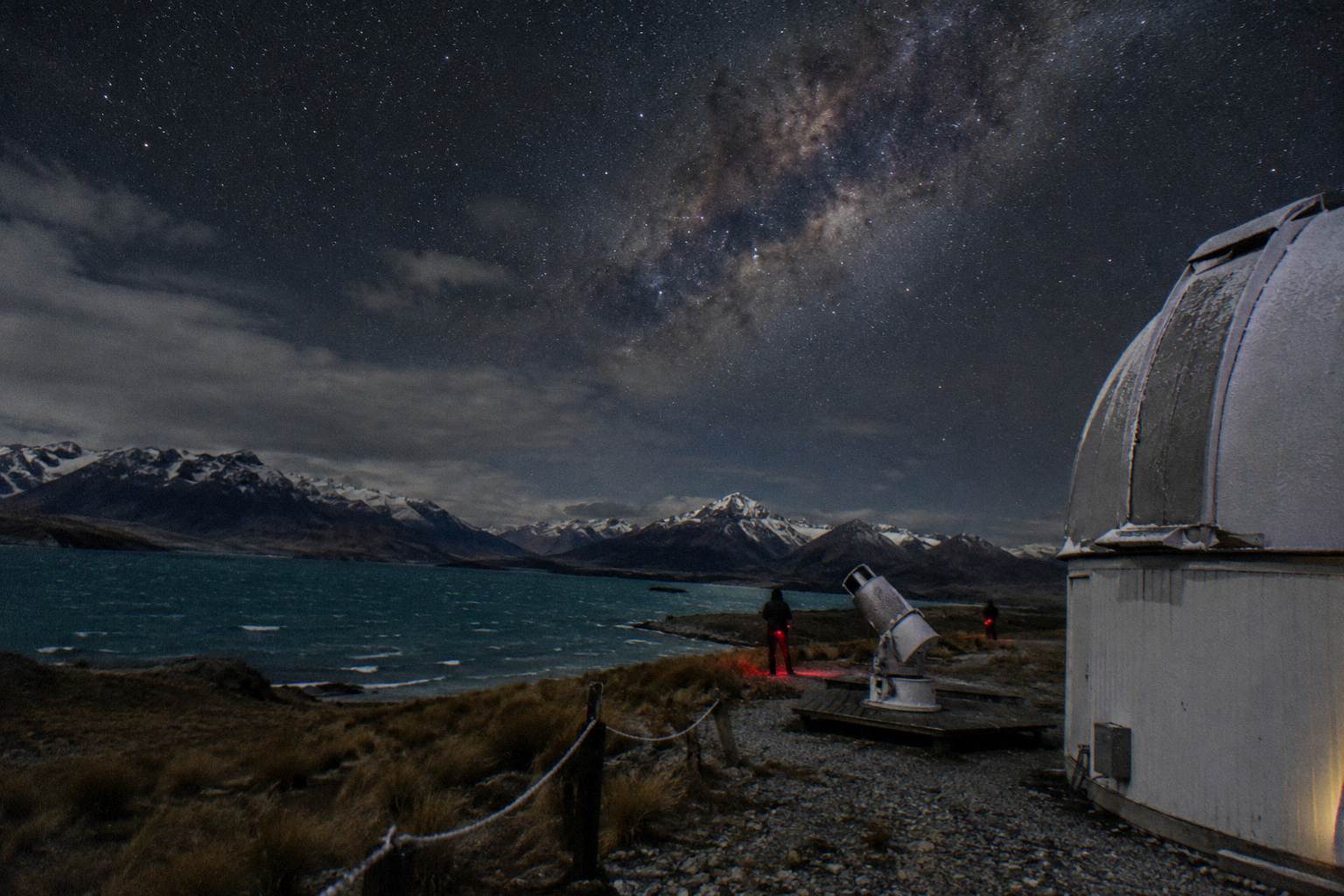
Cowan's is a different proposition from the summit. The operator describes purpose-built craters dug to shelter viewers from wind and stray light, telescopes at 14 inch or an observatory dome (the home page gives the range as 9 1/4 to 14 inch), and the same Tātai Aroraki and Western astronomy content as the Summit. Tour times run in the evening after twilight, seven days a week, and are not published as fixed clock times.
The family maths is where this product earns its place. Two adults and two children on the Summit pay NZD 239 each because there is no child tier; the same party on the Crater Experience has a NZD 377 family pass, and a fifth person aged 5 to 17 adds NZD 99. Younger children are the other fault line: the Summit sets its minimum at 10, the Crater at 5. A household with a six-year-old and a twelve-year-old has exactly one Dark Sky Project night that fits everyone, and it is this one.
Access is a specific strength. The operator says wheelchair users can join the Crater Experience but must drive their own vehicle to Cowan's rather than take the transport, which is a planning detail worth confirming with the operator directly on +64 3 680 6960 or info@darkskyproject.co.nz. The full walkthrough is in the Dark Sky Project Crater Experience guide.
For families deciding between this and other age-friendly nights around the lake, Tekapo stargazing with kids works through the same question across all operators.
The Dark Sky Experience: The Indoor, Daytime Option
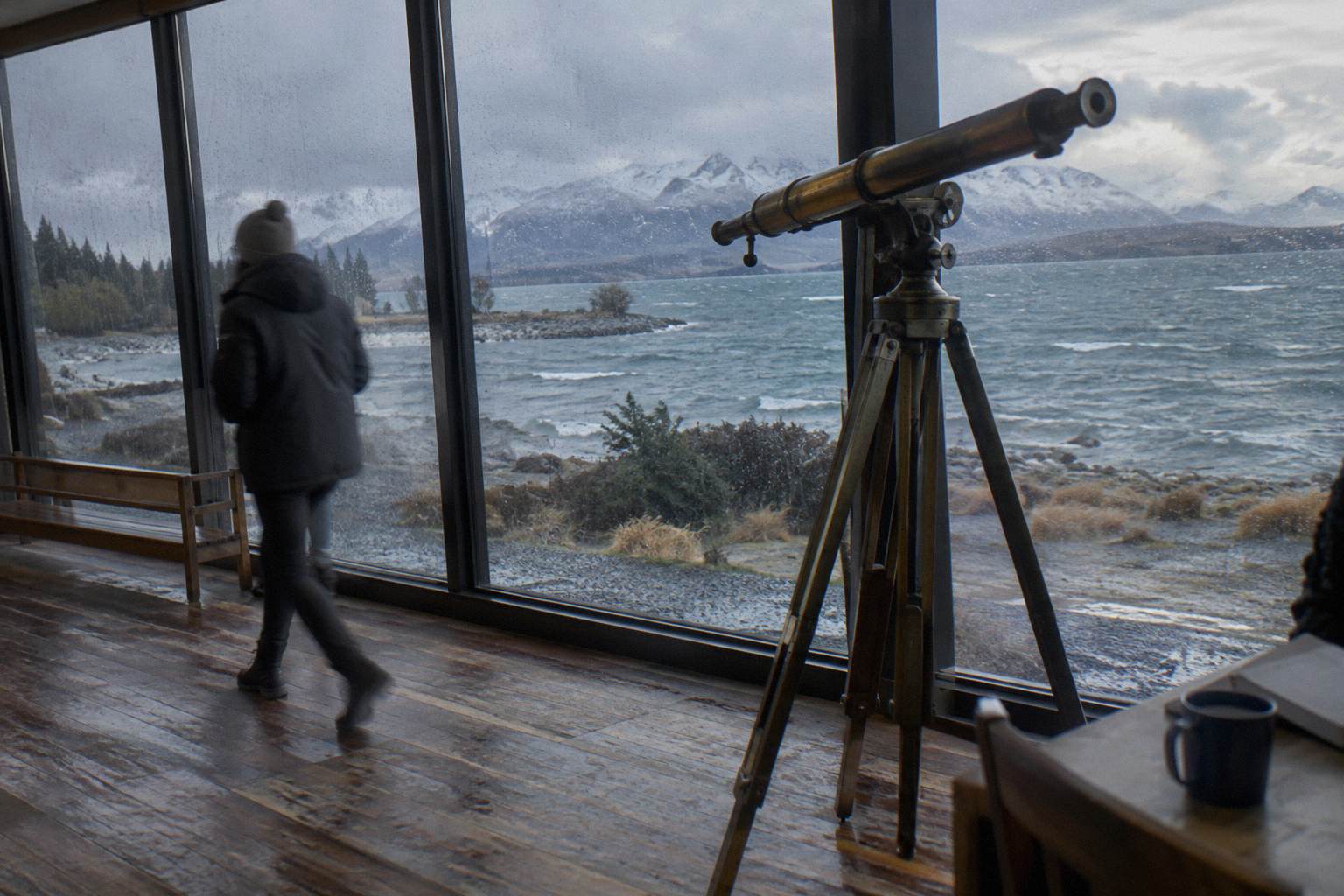
The Dark Sky Experience is a 45-minute indoor guided astronomy tour at the base building, running in daytime with English sessions at 10:30am, 12:30pm and 2:30pm, plus 4:30pm on Tuesday and Wednesday, subject to availability. It costs NZD 59 adult and NZD 39 child, with a family pass at NZD 157 and under 5s free with an adult ticket. There is no stargazing on this tour, and weather does not change it.
Its four zones and the restored Brashear telescope, which the operator describes as 125 years old, carry the same cultural astronomy content as the outdoor nights: Tātai Aroraki and Western astronomy, told indoors. The rating is 4.6 across 54 reviews. Because it is indoors, weather does not change the tour at all, which makes it the operator's own answer to a washed-out evening and a genuine option for travellers with only one night in the village and a bad forecast. Everything else covered here is indexed on Mt John Stargazing.
It is also the cheapest entry into the operator's storytelling, at NZD 59 for an adult, and the only product here with no age floor at all, with content the operator calls suitable from about 7. The trade is plain: no night sky, no telescopes under the stars, no summit. Booking it expecting a stargazing tour is the single easiest mistake to make with this operator's range, and the booking page names it an indoor cultural astronomy experience for exactly that reason.
One more indoor product exists on the operator's site, the Virtual Stargazing Experience, used as an indoor weather alternative rather than a headline booking. It is not one of the three compared here.
Prices, Family Value And What Each Tier Costs
Adults pay NZD 239 for the Summit, NZD 139 for the Crater Experience and NZD 59 for the indoor Dark Sky Experience under the operator's direct-booking schedule valid to 30 September 2027, while children pay NZD 239, NZD 99 (ages 5 to 17) and NZD 39 respectively, with under 5s free indoors, and family passes cost NZD 377 for the Crater and NZD 157 indoors.
| Price tier | Summit Experience | Crater Experience | Dark Sky Experience (indoor) |
|---|---|---|---|
| Adult | NZD 239 | NZD 139 | NZD 59 |
| Child | NZD 239 (ages 10 to 17, same as adult) | NZD 99 (ages 5 to 17) | NZD 39 (under 5 free with an adult ticket) |
| Family pass (2 adults, 2 children) | Not offered | NZD 377 | NZD 157 |
| Extra child on family pass | NZD 239 | NZD 99 | NZD 39 |
| Minimum age | 10 | 5 | Not stated; content suitable from about 7 |
What the table shows is that party composition, not the sky, determines which Dark Sky Project night makes sense. Solo travellers and couples face a straightforward quality-versus-price call between the summit observatory and the sheltered craters. Families with children under 10 face a hard constraint that removes the Summit from the list entirely, and families of four on the Crater or the indoor experience have a pass priced for exactly their shape, while the Summit sells at one flat price per head with no pass.
If a hot soak alongside telescope viewing appeals more than an observatory dome, the Tekapo Springs stargazing hot pools guide covers that operator's Soak in the Stars, which shares the lake but nothing else with this comparison.
Weather, Cancellation And What Happens When Cloud Rolls In
Dark Sky Project cannot guarantee clear skies or any sky object, makes the call as close to tour time as possible, and asks guests to check in 15 minutes early; if outdoor stargazing is not possible, you can choose an indoor alternative or Virtual Stargazing Experience, a reschedule subject to availability, a three-year gift voucher, or a full refund. Direct bookings cancelled up to 24 hours ahead get a full refund; inside 24 hours, the full price stands.
That is the operator's own wording, set out on its weather planning page and in its terms and conditions. The Moon gets a candid treatment there too: brighter moonlight affects fainter stars and galaxies, and the operator also says the moon is a good target in its own right. The Milky Way and Aurora Australis depend on conditions and are not guaranteed. For planning around lunar phases, see the new moon or full moon guide.
Groups should read the fine print twice. Parties of 10 or more get no refunds inside 72 hours on the Summit and Crater experiences, and inside 48 hours on the indoor Dark Sky Experience. Third-party bookings follow the agent's own terms, which may differ from everything above, so a booking made through an agent is governed by that agent's cancellation window, not the operator's 24-hour rule. A late check-in receives no refund at all.
The indoor Dark Sky Experience is the fixed point in all of this: weather does not change it, which is precisely its role. A common tactic worth naming is booking the outdoor night early in a stay and holding the indoor experience in reserve as the fallback, since same-day indoor sessions at NZD 59 are a cheap insurance policy against a clouded summit.
| Situation | Summit Experience | Crater Experience | Dark Sky Experience (indoor) |
|---|---|---|---|
| Cloud on the night | Indoor alternative, reschedule, voucher valid 3 years, or full refund | Same operator policy | Unaffected; indoors by design |
| Direct booking cancellation | Full refund up to 24 hours before | Full refund up to 24 hours before | Full refund up to 24 hours before |
| Groups of 10 or more | No refunds inside 72 hours | No refunds inside 72 hours | No refunds inside 48 hours |
| Late check-in | No refund | No refund | No refund |
| Weather guarantee | None; clarity cannot be guaranteed | None; clarity cannot be guaranteed | Not applicable |
Ages, Access And Fitness: Who Fits Which Tour
The Summit sets its minimum age at 10 and its fitness bar at moderate, with a 100 m gravel incline walk and a few steps in the dark, reached by a 15-minute bus. The Crater Experience takes children from age 5 and allows wheelchair users who drive their own vehicle to Cowan's. The indoor Dark Sky Experience has no minimum age, calls its content suitable from about 7, and takes under 5s free with an adult ticket.
Those four sentences allocate almost every household. A family with children aged 6 and 9 has one Dark Sky Project night available, the Crater. A couple with teenagers has all three and decides on budget. A traveller with limited mobility has the Crater, with the vehicle arrangement confirmed with the operator, or the indoor experience, which involves no transport at all. An older visitor cautious about walking on gravel in the dark has the same two.
Fitness deserves its own sentence rather than a footnote: the summit walk is short but uphill on gravel and taken in darkness, and the operator lists moderate fitness in the terms. Anyone unsure can call the base on +64 3 680 6960 before booking rather than discovering the incline on the night. What to bring and wear is covered in the what to wear guide, noting the Summit is the one product that lends a proper cold-weather jacket.
| Access factor | Summit Experience | Crater Experience | Dark Sky Experience (indoor) |
|---|---|---|---|
| Minimum age | 10 | 5 | Not stated; under 5 free with an adult |
| Walking required | 100 m gravel incline plus a few steps, in the dark | Minimal at Cowan's observation craters | None; indoors at the base |
| Wheelchair access | Not stated; bus transport to the summit | Yes, driving own vehicle to Cowan's | Not stated; indoor venue at the base |
| Transport included | 15-minute bus each way | 5-minute drive each way | None needed |
For contrast at the same decision point, Tekapo Springs allows no child under 6 on any of its tours, babies carried included, so its Soak in the Stars at minimum age 10 lines up with the Summit rather than the Crater on this question.
Common Mistakes When Choosing A Dark Sky Project Tour
The recurring mistakes are booking the indoor Dark Sky Experience while expecting stargazing, assuming a child discount exists on the Summit, banking on a fixed start time, and treating a single clear forecast as a guarantee. Each one is avoidable with one fact: the indoor tour has no stargazing by design, the Summit charges NZD 239 for adults and children alike, times shift with sunset and twilight year round, and the operator states plainly that clarity cannot be guaranteed.
The first mistake is the costliest in expectation terms. The Dark Sky Experience is a cultural astronomy tour in a building, and nothing on the operator's page suggests otherwise, but hurried bookings read "Dark Sky" and stop. The second costs money: families who assume a child tier on the Summit and budget for one are quoted the same NZD 239 per head, every head aged 10 or over. There is no discount to find.
The third mistake is itinerary design. Because start times are unpublished and depend on sunset, travellers who need a hard finish time, for a late drive or an early flight, should confirm the evening's timing with the operator before locking plans; the village is about three hours' drive from Christchurch and Queenstown alike, so the drive back is real. The fourth mistake is treating the weather decision as personal. Guests do not judge the sky themselves; the operator makes the call close to tour time and offers an indoor alternative, a reschedule, a voucher or a refund. Booking the first night of a two-night stay rather than the last is the simplest hedge available, a point expanded in the post on how many nights to book.
A quieter mistake is ignoring group terms. A party of ten or more books into a 72-hour no-refund window on the outdoor tours, and a late check-in forfeits the ticket entirely, facts that sit in the terms rather than the marketing pages.
Common Questions About Dark Sky Project Tours
What Is The Difference Between The Summit And Crater Experiences?
The Summit Experience runs 1 hour 45 minutes at the University of Canterbury Mt John Observatory, reached by a 15-minute bus, with telescopes up to 16 inch in a private dome, an Extreme Cold Weather jacket loan and a minimum age of 10 at NZD 239 per person. The Crater Experience runs 75 minutes including a 5-minute drive to Cowan's Private Observatory, with purpose-built sheltered craters, telescopes at 14 inch or a dome, and a minimum age of 5 at NZD 139 adult and NZD 99 child.
Is The Dark Sky Experience A Stargazing Tour?
No. It is a 45-minute indoor, daytime guided astronomy tour at the base building, through four zones ending at the restored 125-year-old Brashear telescope, with no stargazing and no telescopes under the night sky. Its place in the range is as the daytime and bad-weather option, and weather does not change it.
Do Children Pay Less On The Summit Experience?
No. Adult and child prices are both NZD 239 on the operator's schedule valid to 30 September 2027, with a minimum age of 10. Families wanting a child tier and a family pass should look at the Crater Experience, at NZD 99 for a child aged 5 to 17 with a NZD 377 family pass for two adults and two children.
What Happens If It Is Cloudy On The Night?
Dark Sky Project cannot guarantee clarity or any sky object and makes the decision as close to tour time as possible, asking guests to check in 15 minutes early. If outdoor stargazing is not possible, the operator offers an indoor alternative or the Virtual Stargazing Experience, a reschedule subject to availability, a gift voucher valid three years, or a full refund.
Can You Cancel A Dark Sky Project Booking?
Direct bookings can be cancelled up to 24 hours before for a full refund; inside 24 hours the full price is charged, and late check-in receives no refund. Groups of 10 or more face no refunds inside 72 hours on the Summit and Crater experiences and inside 48 hours on the indoor Dark Sky Experience, and bookings made through third-party agents follow the agent's terms.
What Time Do The Tours Start?
The Summit runs at various times throughout the year depending on sunset, seven days, and the Crater runs in the evening after twilight, seven days a week; neither publishes fixed clock times, so the booking calendar is the source. The indoor Dark Sky Experience runs English sessions at 10:30am, 12:30pm and 2:30pm, with 4:30pm added on Tuesday and Wednesday, subject to availability, and Mandarin on request.