Is The Dark Sky Project Worth It?
An honest breakdown of every Dark Sky Project format at Lake Tekapo: prices by basis, what each experience includes, weather terms, and a verdict by traveller type.
Dark Sky Project is Lake Tekapo's best known stargazing company, and it earns that reputation with three products that share one base but barely resemble each other. There is a bus ride to a working research observatory on the summit of Mount John, a shorter sheltered session at Cowan's Observatory, and a 45 minute indoor, daytime astronomy show that involves no stargazing at all.
In short: yes, for the Summit Experience, if your budget reaches NZD 239 per person and everyone in your group is 10 or older. The Crater Experience at NZD 139 adult is the better pick for younger families and for anyone who wants a shorter, cheaper night under telescopes. The indoor Dark Sky Experience at NZD 59 adult is not a stargazing tour and should only be booked as a daytime activity or a cloud fallback, never as a substitute for the night sky. All three carry a 4.6 rating, across 352, 93 and 54 reviews respectively, and the operator cannot guarantee clarity on any night tour. For the wider picture across every operator in town, start with the Lake Tekapo stargazing tours compared guide.
| Experience | Format | Duration | Operator price (adult) | Minimum age |
|---|---|---|---|---|
| Summit Experience | Bus to Mt John Observatory, telescopes up to 16 inch in a private dome | 1 hour 45 minutes | NZD 239 (adult and child the same) | 10 |
| Crater Experience | Purpose-built observation craters at Cowan's, 5 minute drive from base | 75 minutes including transport | NZD 139 | 5 |
| Dark Sky Experience | Indoor, daytime cultural astronomy tour, four zones, no stargazing | 45 minutes | NZD 59 | None stated |
Yes, if you match the tour to what you want. The Summit Experience at NZD 239 per person, with its research observatory setting, telescopes up to 16 inch, and full 1 hour 45 minute format, rewards visitors who came for exactly that. Families with children aged 5 to 9 get better value from the NZD 139 adult Crater Experience, while the NZD 59 adult indoor Dark Sky Experience is a daytime show, not stargazing, and only worth booking on that basis.
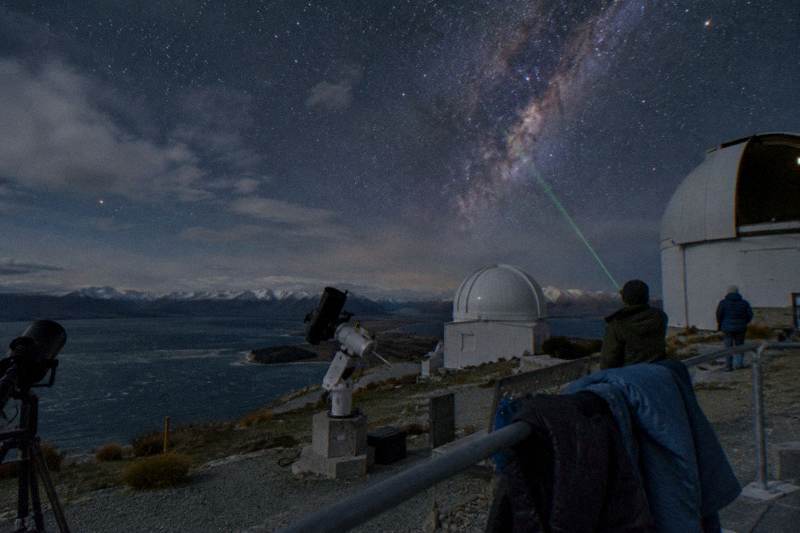
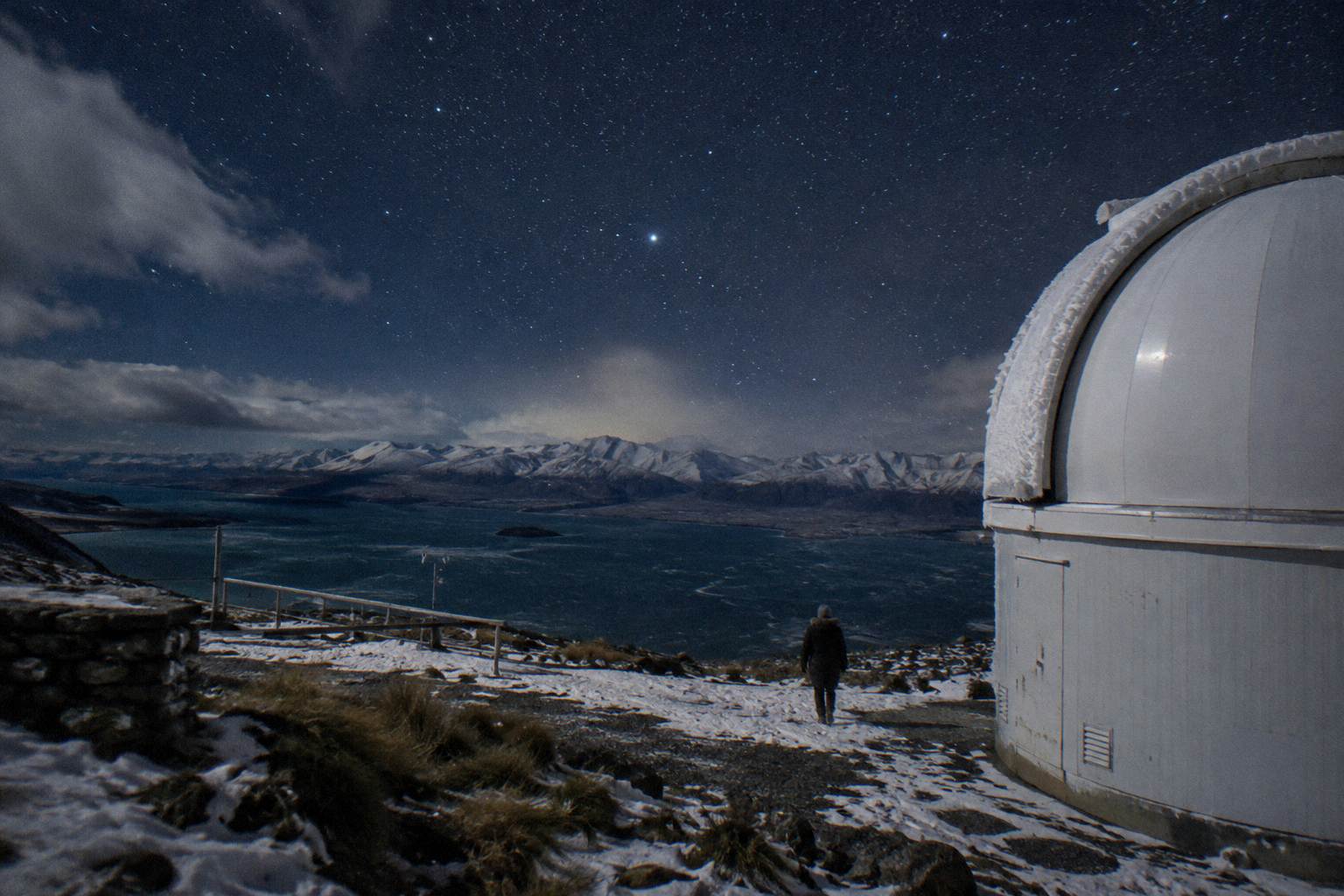
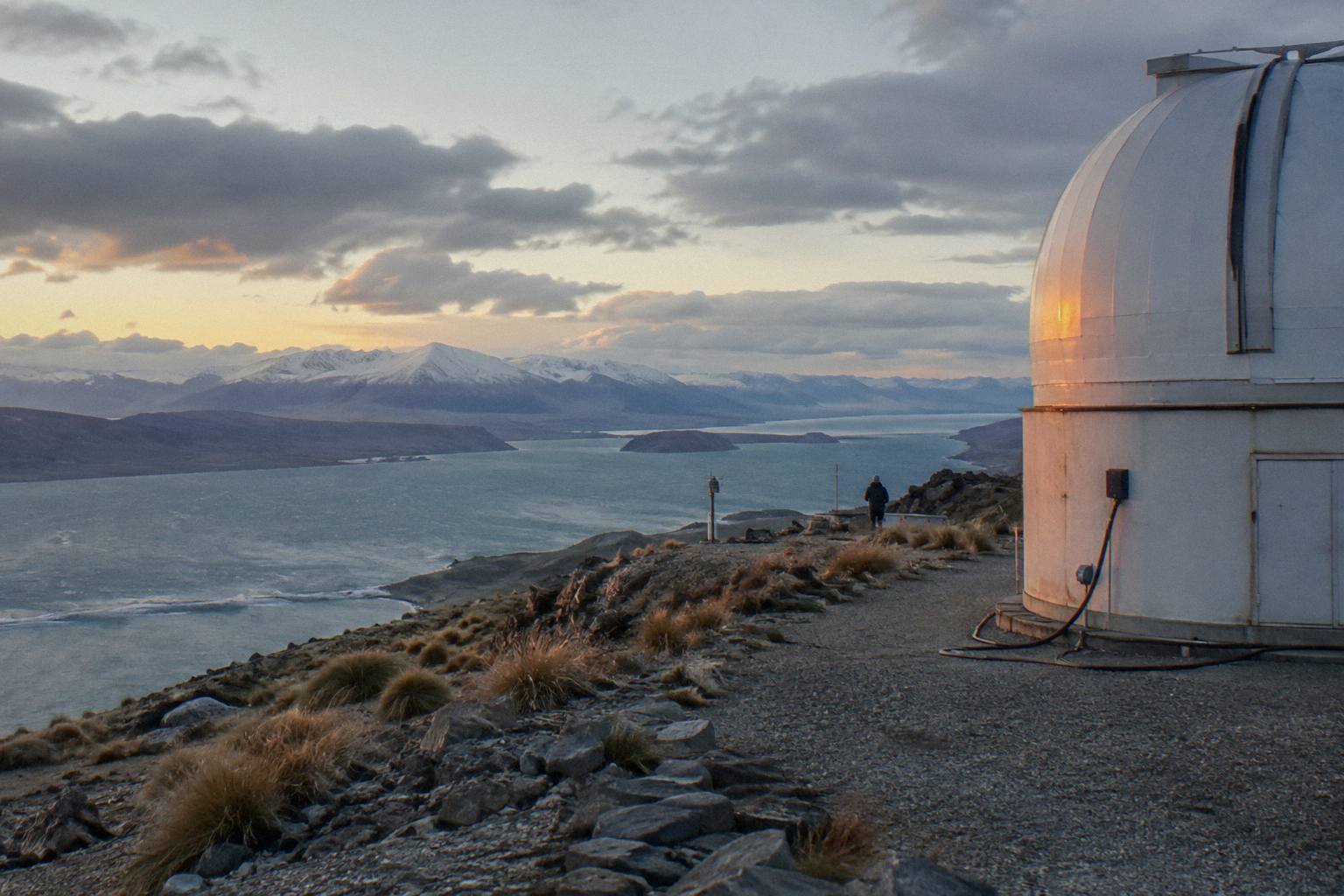
The case for the company starts with location. Every experience departs from the base at 1 Motuariki Lane, Takapō (Tekapo), on the lakefront, and the flagship product finishes 1,029 m above it, at the University of Canterbury Mt John Observatory. The University describes the site as New Zealand's largest professional research observatory, opened in 1965, with four research telescopes including the 1.8 m MOA telescope operated with a Japanese university partner. No other stargazing tour in the country puts visitors inside a private dome at a working observatory of that scale. That is the entire premium you are paying for with the Summit Experience, and it is a real, verifiable difference rather than marketing.
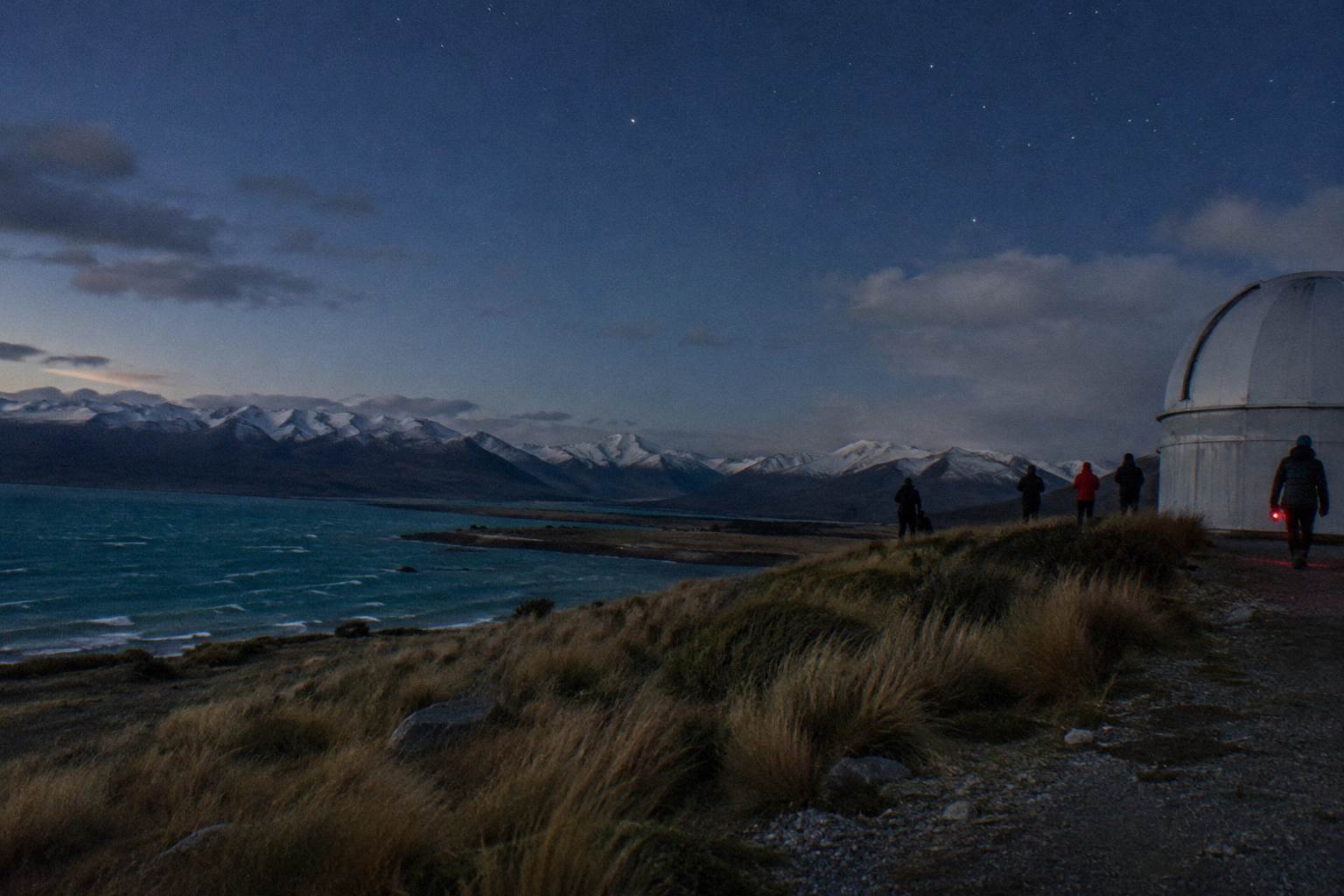
The case against is mostly price and weather. NZD 239 is the operator's price for every participant aged 10 and over, with no child discount, and the sky itself is never promised. Dark Sky Project states plainly on the operator's weather page that it cannot guarantee clarity or any object, that the go or no-go decision is made as close to tour time as possible, and that brighter moonlight affects fainter stars and galaxies. If cloud kills the night, you are offered an indoor alternative, a reschedule subject to availability, a gift voucher valid three years, or a full refund. That is a fair set of terms, but it means the NZD 239 buys the format, the transport, the guide and the loan of an Extreme Cold Weather jacket, never the sky itself.
There is also a middle path worth naming. The Summit Experience page and the Crater Experience page describe two products from the same operator with the same 4.6 rating but very different commitments of money, time and legwork. Reading both before booking is the single most useful thing you can do, and the sections below do that comparison in detail. For the deeper background on the company, its Ngāi Tahu Tourism partnership and its history since 2004, see the Dark Sky Project stargazing tours guide.
What Does Each Dark Sky Project Experience Cost?
The operator's price schedule, valid to 30 September 2027, runs NZD 239 adult and child alike for the Summit Experience, NZD 139 adult and NZD 99 child aged 5 to 17 for the Crater Experience, and NZD 59 adult and NZD 39 child for the indoor Dark Sky Experience. Family passes exist for the two cheaper products but not for the Summit.
Start with the Summit, because its pricing trips people up. Adult and child tickets both cost NZD 239, the minimum age is 10, and there is no family pass. The price includes the 15 minute bus ride to the summit and back, the guiding, and the loan of an Extreme Cold Weather jacket, which the operator provides on the Summit only. Direct bookings can be cancelled up to 24 hours before for a full refund; inside 24 hours the full price is charged.
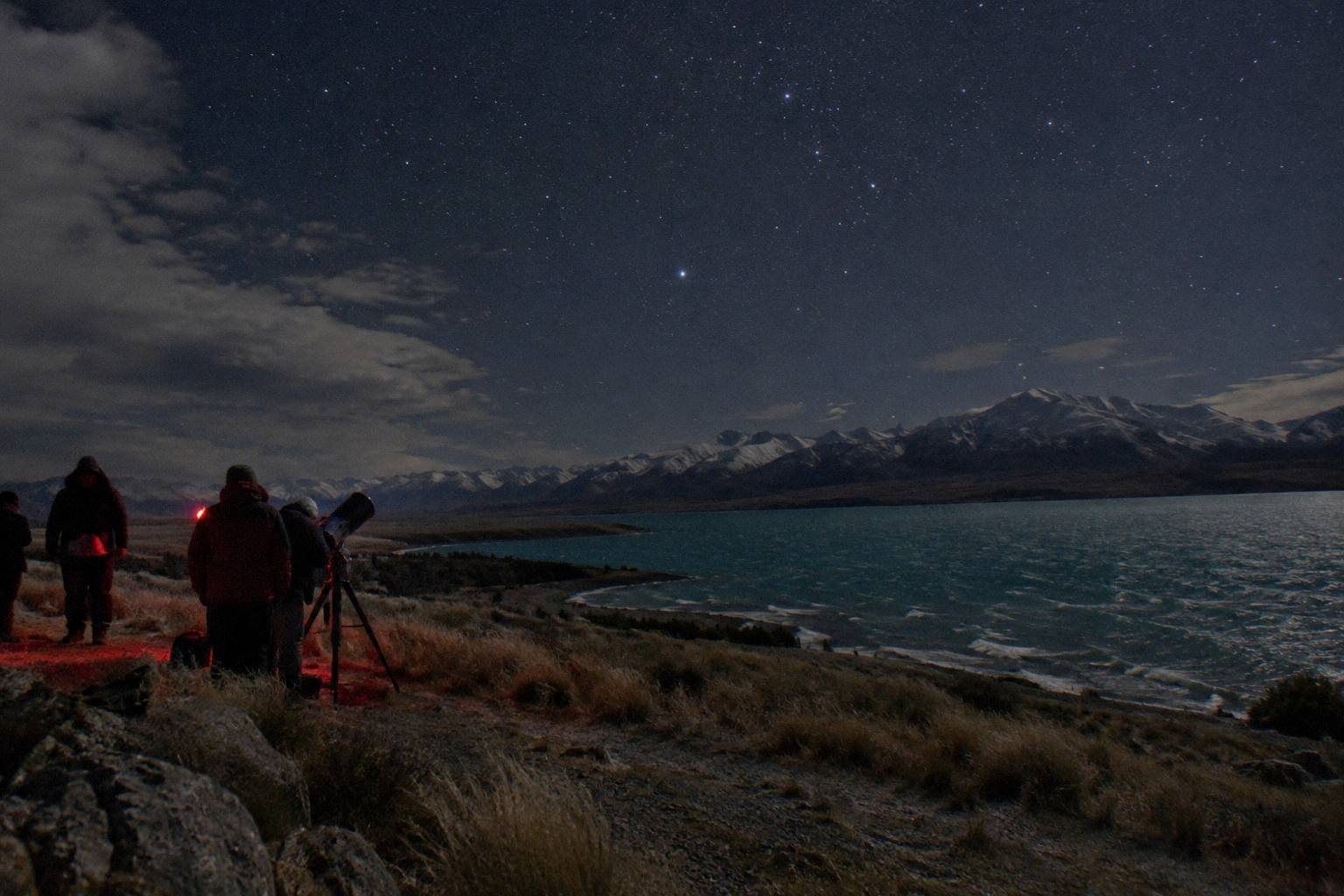
The Crater Experience carries the family arithmetic. Adults pay NZD 139, children aged 5 to 17 pay NZD 99, a family pass covering two adults and two children is NZD 377, and an extra child on the family pass is NZD 99. The session runs 75 minutes including the 5 minute drive from base to Cowan's Private Observatory, where purpose-built observation craters shelter groups from wind and light, with 14 inch telescopes or the observatory dome. Wheelchair users can join, though the operator says they must drive their own vehicle to Cowan's rather than take the transport.
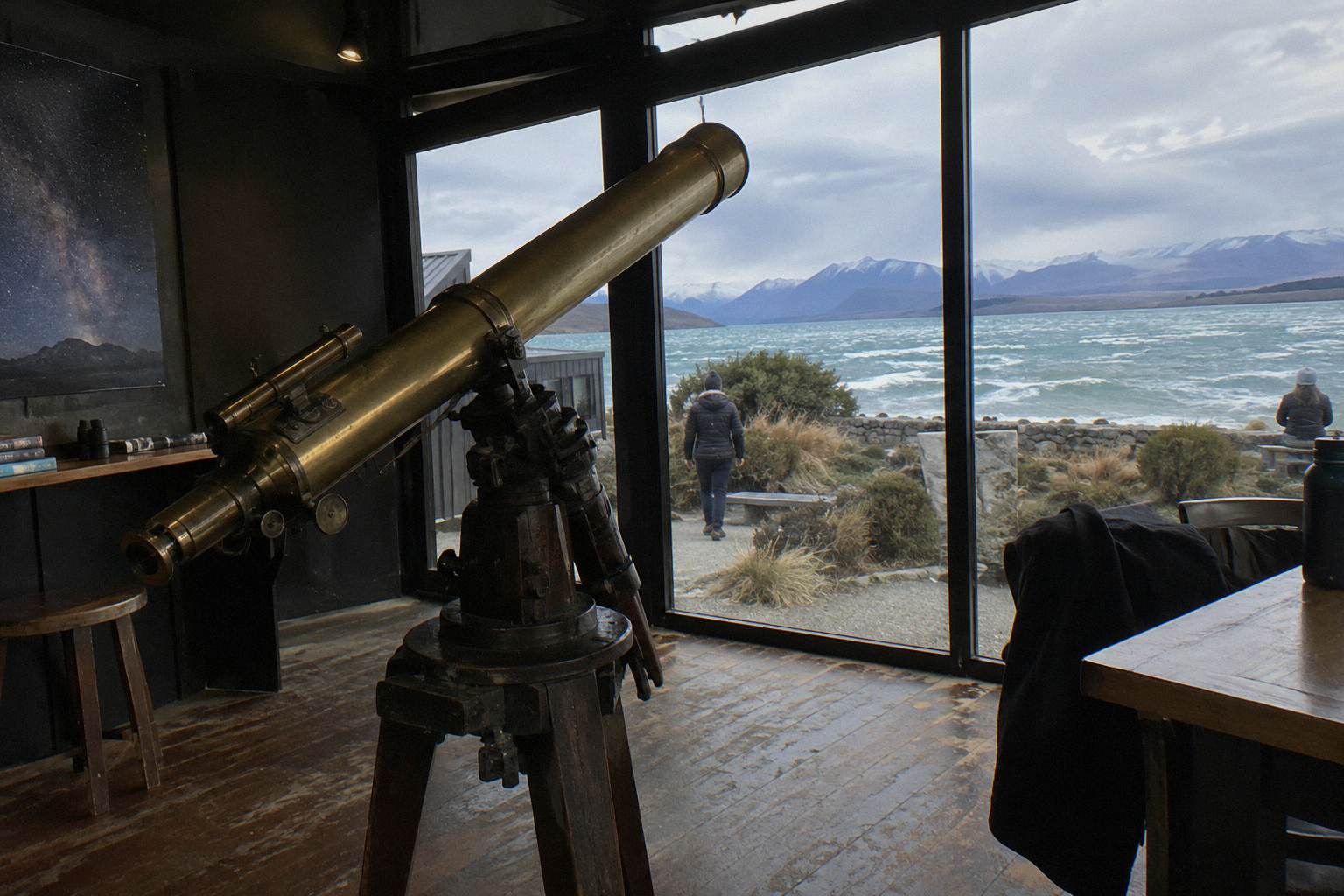
The indoor Dark Sky Experience is the budget option at NZD 59 adult, NZD 39 child, NZD 157 for a family of two adults and two children, NZD 39 for an extra child, and free entry for under 5s accompanied by an adult ticket. It is a 45 minute guided tour through four zones at the base, including Māori astronomy and the restored 125 year old Brashear telescope. English sessions run at 10:30am, 12:30pm and 2:30pm, with a 4:30pm session on Tuesday and Wednesday subject to availability. Those are the only published clock times across the company's three products: the Summit and Crater tours run at various evening times that shift with sunset through the year, so check the calendar when you book rather than assuming a start time.
| Price basis | Summit Experience | Crater Experience | Dark Sky Experience (indoor) |
|---|---|---|---|
| Adult | NZD 239 | NZD 139 | NZD 59 |
| Child | NZD 239 (age 10+) | NZD 99 (age 5 to 17) | NZD 39 |
| Family (2 adults, 2 children) | Not offered | NZD 377, extra child NZD 99 | NZD 157, extra child NZD 39 |
| Under 5 | Below minimum age | Below minimum age | Free with an adult ticket |
| Included extras | Transport, ECW jacket loan | Transport | Indoor, all weather |
One more money point worth making honestly. There are cheaper stargazing nights in Tekapo from other operators, and there are also products on the booking pages of the small local operators whose prices are simply not published, so a like for like price table across the whole town is not possible. If comparing on price matters to you, the how much does Tekapo stargazing cost post sets out everything that carries a stated figure.
Summit Or Crater: Which Dark Sky Project Format Fits You?
Choose the Summit Experience for the observatory dome, the larger telescopes up to 16 inch and the elevation at 1,029 m, accepting the NZD 239 price, the age 10 minimum and a 100 m gravel incline walk in the dark. Choose the Crater Experience for children aged 5 to 9, wheelchair access, sheltered craters and a lower price at 75 minutes total.
The Summit is the flagship for concrete reasons. You check in at the base 15 minutes before departure, take a 15 minute bus up the mountain, and spend the session with telescopes up to 16 inch inside a private observatory dome at the University of Canterbury Mt John Observatory, plus naked eye viewing guided by handheld lasers. The storytelling weaves together Tātai Aroraki, Māori astronomy, and Western astronomy. The operator describes the site as New Zealand's largest professional research observatory, and the Summit page adds that it is the southernmost facility of its kind in the world. Physical demands are moderate: the terms and conditions note a 100 m gravel incline walk and a few steps in the dark.
The Crater Experience trades altitude for accessibility and price. Cowan's Private Observatory sits a 5 minute drive from the base, with purpose-built observation craters that the operator says are sheltered from wind and light, and 14 inch telescopes or the dome. At 75 minutes including transport it is a shorter commitment, the minimum age of 5 opens it to younger families, and wheelchair users can join if they drive their own vehicle to the site. Tour times run in the evening after twilight, seven days a week, unpublished and shifting with the season, exactly as on the Summit.
A worked comparison helps. A couple in their thirties with clear schedules and a healthy budget picks the Summit: the observatory setting is the point of the premium, and the ECW jacket loan covers the cold. A family with children aged 6 and 8 cannot take the Summit at all, since the age 10 minimum is firm, so the Crater family pass at NZD 377 is their Dark Sky Project option, or the Tekapo Springs hot pools format if the children would rather soak. A traveller with a wheelchair drives their own vehicle to Cowan's and books the Crater. A solo backpacker watching costs books the indoor Dark Sky Experience during the day and free public stargazing from the lakefront at night, an approach the free stargazing at Lake Tekapo guide covers in full.
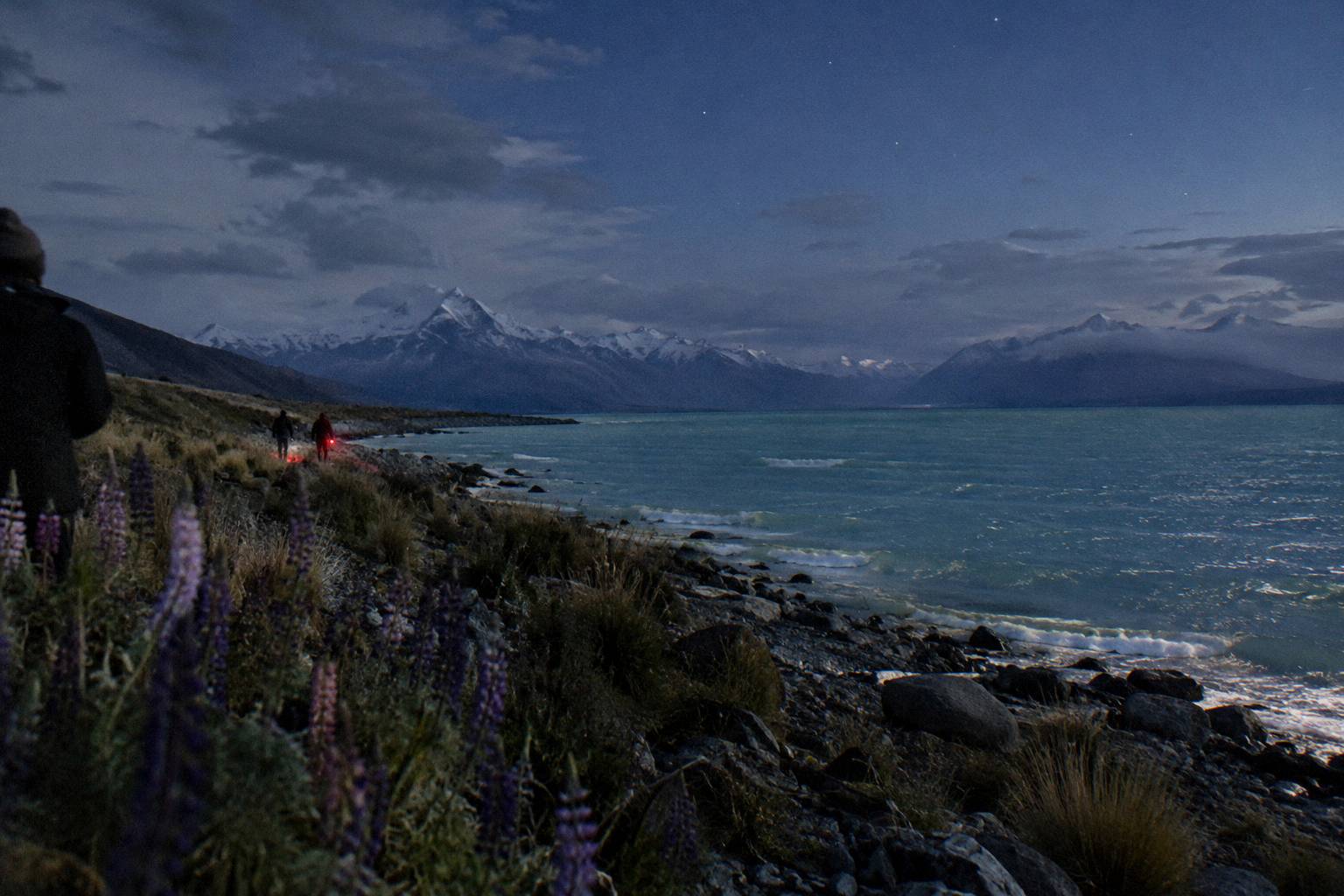
The featured Summit tour is worth a direct look before deciding, since dates and availability move with the seasons: see the Mt John Summit Stargazing Experience page, and check availability once you have a date in mind.
What Happens If The Weather Turns?
Dark Sky Project cannot guarantee clarity or any celestial object, decides as close to tour time as possible, and asks you to check in 15 minutes early for the update. If outdoor stargazing is not possible, you are offered an indoor alternative or Virtual Stargazing Experience, a reschedule subject to availability, a gift voucher valid three years, or a full refund.
That is the operator's own wording across its weather page and terms, and it deserves plain restating because it is the single biggest gap between expectation and reality on a Tekapo stargazing trip. Nothing in the price buys the sky. The Milky Way and Aurora Australis depend on conditions, the operator does not guarantee them, and the moon cuts both ways: brighter moonlight affects fainter stars and galaxies, yet the operator also points out that the moon is a good target in its own right. Deciding between a moonless night and a moonlit one is covered in the new moon or full moon guide.
The indoor fallbacks matter more than most visitors realise before booking. If the night fails, the company can offer the Virtual Stargazing Experience, an indoor weather alternative, or the indoor Dark Sky Experience as an alternative, alongside the reschedule, voucher and refund options above. Groups should note the stricter rules: for bookings of 10 or more there are no refunds inside 72 hours for the Summit and Crater, or 48 hours for the Dark Sky Experience. Late check in earns no refund at all, so the 15 minute early arrival is a real requirement rather than a suggestion. The full index of guides sits on Mt John Stargazing.
Contrast that with the other big operator in town, because the fallback philosophies differ. Tekapo Springs tours run in all weather, and under cloud a VR indoor experience with 360 degree imagery replaces the telescope viewing, with a 25 percent refund per ticket if telescope viewing falls under 30 minutes. Dark Sky Project instead keeps the go or no-go decision until close to tour time and offers the refund route. Neither approach guarantees stars; both are honest ways of handling a sky nobody controls. Booking terms for a clouded night are laid out in detail in the Tekapo stargazing cancelled for cloud or weather guide.
Is The Dark Sky Experience A Stargazing Tour?
No. The Dark Sky Experience is a 45 minute indoor, daytime guided astronomy tour through four zones at the base, featuring Māori astronomy and the restored 125 year old Brashear telescope, and it involves no stargazing at all. It is worth NZD 59 adult as a daytime activity, a rain plan or a primer before a night tour, not as a replacement for one.
The product exists for good reasons even if the name suggests otherwise. Cloud is common in the Mackenzie Basin, children tire late at night, and plenty of visitors want the cultural and scientific story of the place without standing on a cold mountain at 11pm. The tour covers Māori astronomy, which Dark Sky Project calls tatai aroraki and weaves through all three of its products, alongside the Brashear telescope, a restored instrument the operator dates at 125 years old. With no minimum age, content the operator suggests suits children from about 7, and under 5s free with an adult ticket, it is the most flexible product in the range for young families.
Timing is unusually generous compared with the night tours. English sessions run at 10:30am, 12:30pm and 2:30pm daily, with an extra 4:30pm session on Tuesday and Wednesday subject to availability, and Mandarin tours on request. Because it is indoors, weather changes nothing about it, which makes it the one Dark Sky Project product you can book with certainty about what you will get. Pairing it with a Summit or Crater booking later in the stay is a sensible pattern: the indoor show gives you the framework, and the night session gives you the sky if it holds.
Which Traveller Types Get The Most Value?
Adults and older children with a clear first night in town get the most from the Summit Experience, since the observatory setting is the one thing in Tekapo nobody else sells. Families with children aged 5 to 9 get the most from the Crater Experience. Budget travellers, day visitors and anyone planning around cloud gets the most from the indoor Dark Sky Experience or from other operators' cheaper formats.
Break it down by traveller type using only the stated figures. A couple celebrating something takes the Summit at NZD 239 each, books the first available night, and keeps a second night free in case the reschedule option is needed. A family with two children aged 8 and 11 splits: the 11 year old can join the Summit, the 8 year old cannot, so the Crater family pass at NZD 377 keeps everyone together instead. A family with teenagers who also want warmth books the hot pools and stargazing format at Tekapo Springs, NZD 179 adult and NZD 115 child for 90 minutes including telescope viewing and an exclusive hot pool, which is a different experience rather than a cheaper clone of one.
Time poor travellers should note the durations honestly. The Summit runs 1 hour 45 minutes door to door, the Crater 75 minutes including transport, the indoor show 45 minutes, and Tekapo Springs 90 minutes. On a one night stop between Christchurch and Queenstown, both of which are about three hours' drive away by the operator's own planning page, the shorter Crater session leaves more of the evening for dinner and sleep. On a two night stay, the Summit plus a spare night for weather is the strongest plan, a logic the post on how many nights to stay expands on.
Review evidence, where it exists, supports the formats rather than creating pressure. The Summit Experience carries 4.6 across 352 reviews, the Crater Experience 4.6 across 93 reviews, and the indoor Dark Sky Experience 4.6 across 54 reviews. Those are the only ratings with two agreeing reads for this operator, and they are printed here once. What the numbers cannot tell you is which format suits your group, because a family of five and a solo astronomer want different nights; that decision belongs to the age limits, prices and physical demands above. The wider review picture across all Tekapo operators sits in the Tekapo stargazing tour reviews guide.
Common Mistakes When Choosing A Dark Sky Project Tour
The mistakes that cost real money are booking the indoor Dark Sky Experience believing it includes stargazing, bringing children under 10 to the Summit, assuming a published start time exists for the night tours, and skipping the 15 minute early check in that the operator requires. Each of these is avoidable in under a minute of planning.
The first mistake is treating the three products as one thing. They are not: one is a mountain observatory tour, one is a sheltered crater session, and one is a daytime indoor show with no stargazing. Booking the NZD 59 product expecting the night sky is the fastest route to disappointment in Tekapo, and the fix is simply reading what each product contains before paying. The second is ignoring age minimums. The Summit is firm at 10, the Crater starts at 5, and Tekapo Springs allows no child under 6 on any of its tours, babies carried included. There is no flexibility at the door.
The third mistake is assuming a clock time. Summit times are described only as various times throughout the year, depending on time of sunset, and Crater times as various evening times after twilight, seven days a week. Neither is published as a fixed hour, so build your evening around the time shown when you book, not around a time you remember from someone else's trip report. The fourth is cutting the check in. Late check in earns no refund under the terms, and the 15 minute early arrival is also when you learn the weather call. The fifth is booking a single night in peak season and having no fallback: with cloud unguaranteed, a second night or the refund path is the plan, not an afterthought. For what the sky itself may hold, the guide to what you see through the telescopes is the honest rundown, moon caveats included.
Common Questions About The Dark Sky Project
Is The Dark Sky Project Worth It?
For most visitors able to afford it, yes, provided you match the product to your group. The Summit Experience at NZD 239 per person puts you inside a private dome at New Zealand's largest professional research observatory, which no other local operator offers. The Crater Experience at NZD 139 adult suits younger families, and the indoor Dark Sky Experience at NZD 59 adult is a daytime show with no stargazing.
What Does The Summit Experience Include?
The operator's price includes the 15 minute bus to the summit of Mount John and back, guiding with telescopes up to 16 inch in a private observatory dome, naked eye viewing with handheld lasers, and loan of an Extreme Cold Weather jacket. The session runs 1 hour 45 minutes, the minimum age is 10, and check in is 15 minutes before departure at the lakefront base.
Can Dark Sky Project Guarantee Clear Skies?
No. The operator states it cannot guarantee clarity or any object, and the decision is made as close to tour time as possible. If outdoor stargazing is not possible, you are offered an indoor alternative such as the Virtual Stargazing Experience, a reschedule subject to availability, a gift voucher valid three years, or a full refund.
Which Dark Sky Project Tour Is Best For Families With Young Children?
The Crater Experience. Its minimum age is 5, children aged 5 to 17 pay NZD 99, a family pass for two adults and two children is NZD 377, and the 75 minute session including transport is shorter than the Summit. The indoor Dark Sky Experience has no minimum age, under 5s are free with an adult ticket, and the operator suggests the content suits children from about 7.
What Time Do Dark Sky Project Tours Start?
Only the indoor Dark Sky Experience publishes clock times: 10:30am, 12:30pm and 2:30pm in English, with a 4:30pm session on Tuesday and Wednesday subject to availability. Summit and Crater times vary through the year with sunset and twilight and are not published as fixed hours, so confirm the time shown when you book.
Is The Indoor Dark Sky Experience A Stargazing Tour?
No. It is a 45 minute indoor, daytime guided tour through four zones at the base, covering Māori astronomy and the restored 125 year old Brashear telescope, with no stargazing. Book it as a daytime activity, a cloud plan or a primer before a night tour, not as a replacement for the Summit or Crater experiences.