Southern Hemisphere Constellations To Spot On A Tekapo Stargazing Night
The southern sky over the Mackenzie Basin is the reason the tours exist. This guide stays with what the operators themselves say about that sky: the Southern Cross and Matariki, Tātai Aroraki storytelling, and how moonlight and cloud change the night, then helps you pick the tour that fits.
Short answer
Tekapo sits inside the Aoraki Mackenzie International Dark Sky Reserve, the largest dark sky reserve in the Southern Hemisphere, awarded status in April 2012. Dark Sky Project weaves Tātai Aroraki (Māori astronomy) through its Summit, Crater and indoor experiences; Tekapo Springs frames stars as a Pacific navigation compass and tells Māori star stories including Matariki and the Southern Cross. No operator guarantees what the sky will show.
Lake Tekapo lies inside the Aoraki Mackenzie International Dark Sky Reserve, which covers Aoraki/Mt Cook National Park and the Mackenzie Basin and was awarded reserve status in April 2012. It is, as the operators describe it, the largest dark sky reserve in the Southern Hemisphere. That protection is why the stargazing tours here exist at all: the district has rules on outdoor lighting, and the sky above the basin stays dark enough that a guided night is a real product rather than a gamble on a distant horizon.
What you can control is which tour, which night, and what you do if cloud rolls in. This page sits within a wider set of Tekapo planning guides; start with the Lake Tekapo stargazing tours compared overview if you want the full field before the sky-specific detail below.
Quick Facts
| Question | Answer |
|---|---|
| Where is the dark sky? | Aoraki Mackenzie International Dark Sky Reserve, covering Aoraki/Mt Cook National Park and the Mackenzie Basin; status awarded April 2012 |
| Which star lore do tours cover? | Dark Sky Project: Tātai Aroraki (Māori astronomy) plus Western astronomy; Tekapo Springs: Māori star stories, navigation framing, Matariki and the Southern Cross |
| Can objects be guaranteed? | No. Dark Sky Project cannot guarantee clarity or objects; Tekapo Springs terms say clarity cannot be guaranteed |
| Summit tour price | NZD 239 adult and child alike, the operator's price, minimum age 10 |
| Crater tour price | NZD 139 adult, NZD 99 child (5 to 17), the operator's price, minimum age 5 |
| Indoor option | Dark Sky Experience, 45 minutes, NZD 59 adult / NZD 39 child, daytime |
What Makes The Southern Sky Over Tekapo Different
The southern sky over Tekapo is different because darkness here is engineered, not accidental: the Aoraki Mackenzie International Dark Sky Reserve, awarded its status in April 2012, spans Aoraki/Mt Cook National Park and the Mackenzie Basin, while the Mackenzie District's lighting rules require shielding that points light downward, keeping the basin dark enough for a professional observatory on Mt John.
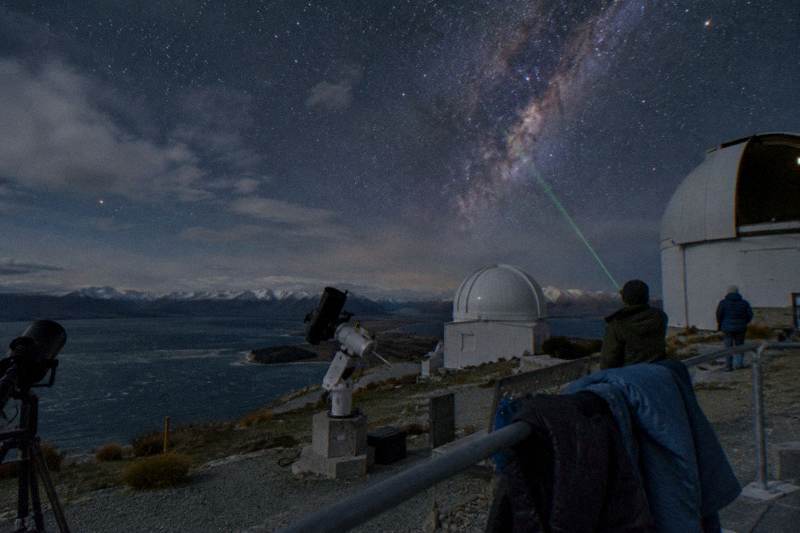
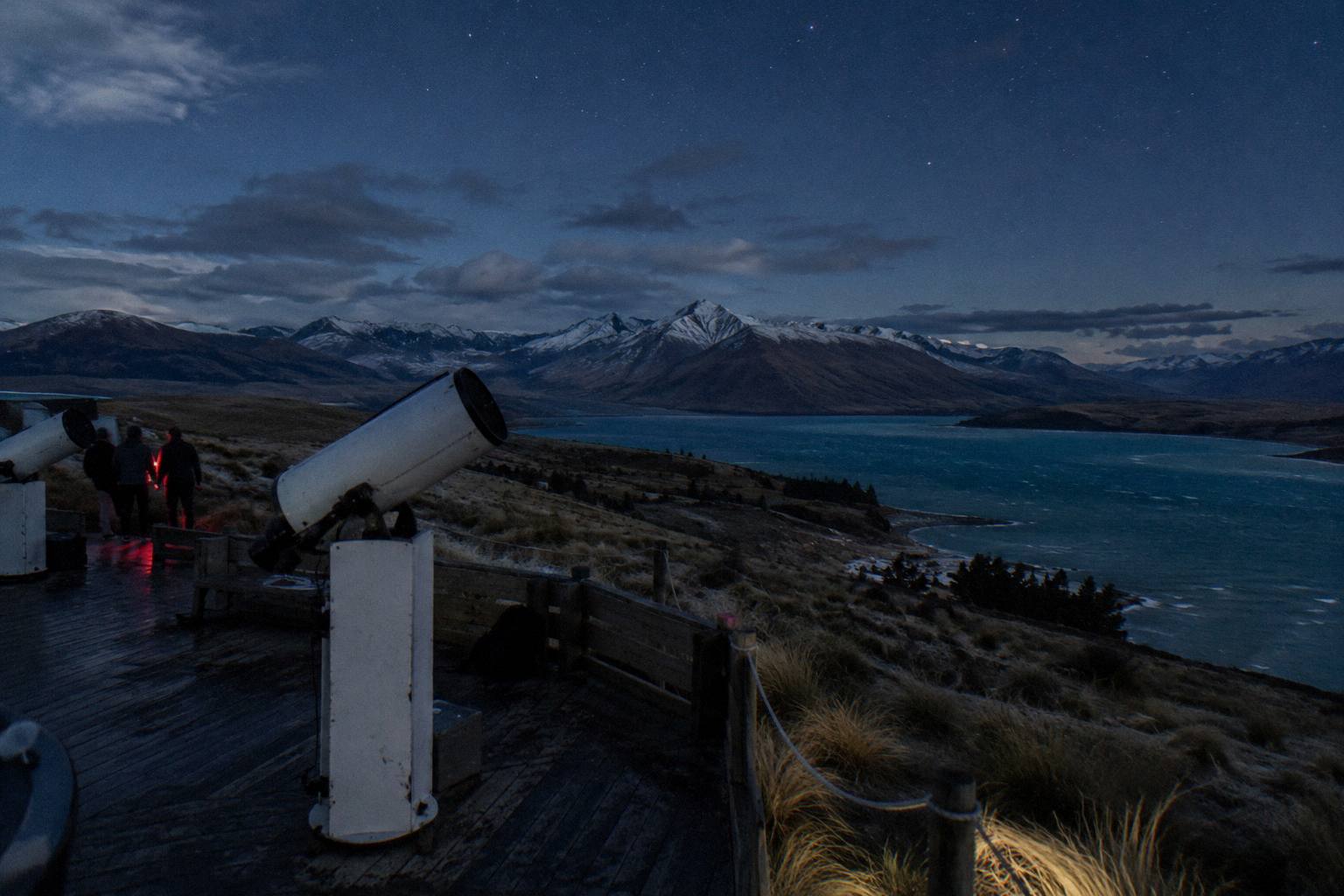
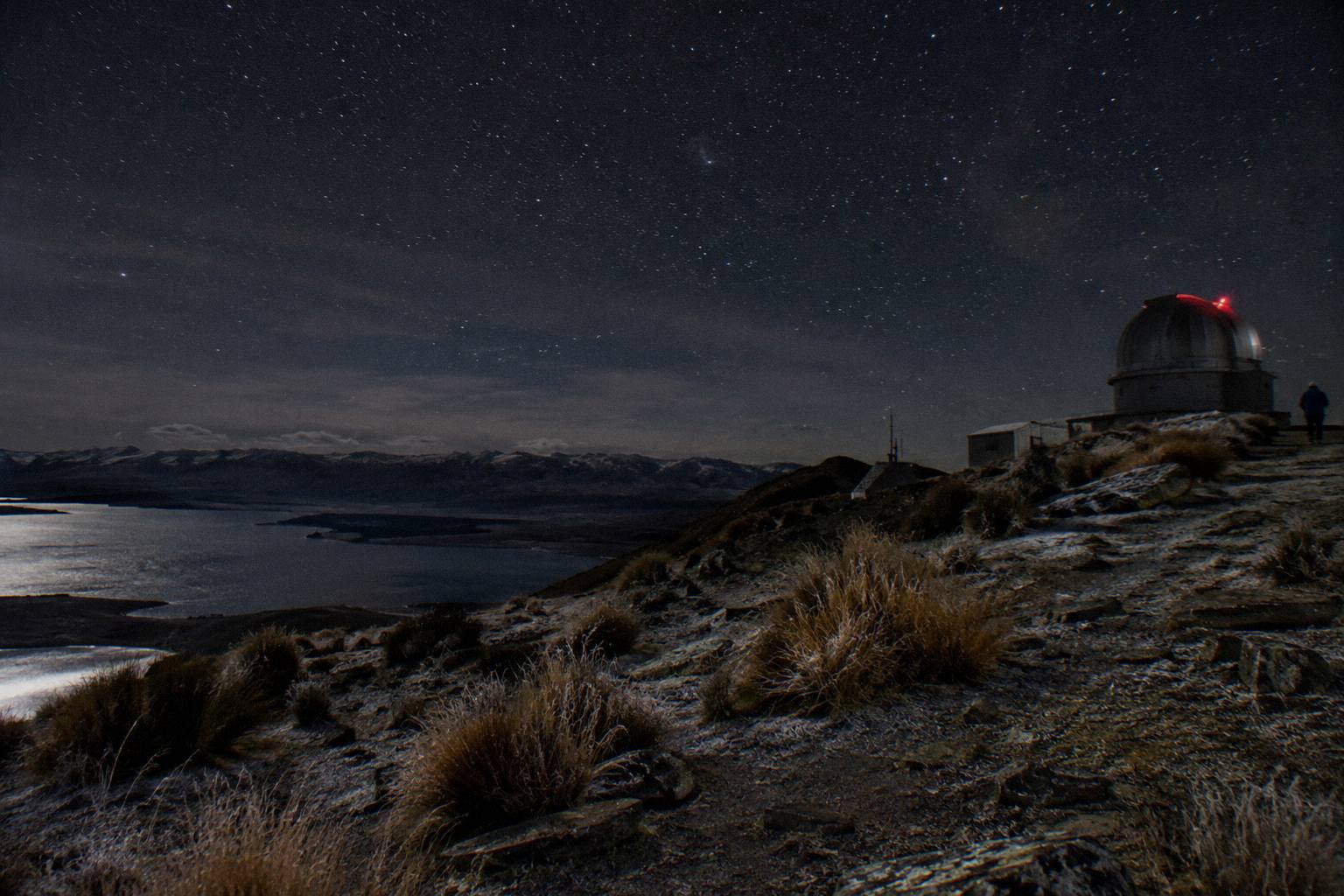
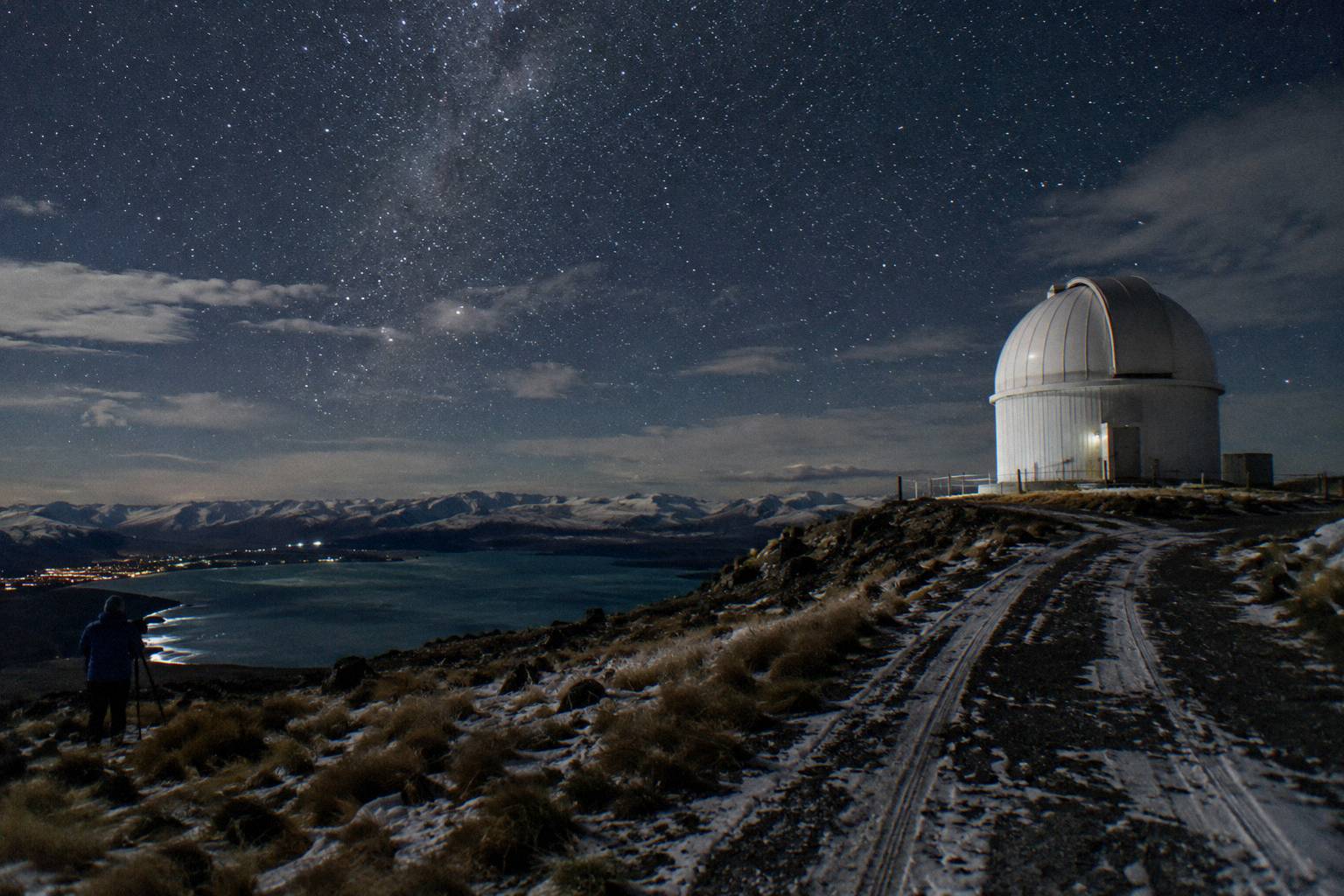
The reserve is the reason the University of Canterbury keeps Mt John Observatory on the summit, at 1,029 m elevation. The university describes it as New Zealand's largest professional research observatory, with four telescopes including the 1.8 m MOA instrument run in partnership with Osaka University. Dark Sky Project's Summit Experience visits that working observatory: a 15-minute bus ride from the lakefront base, telescopes up to 16 inch inside a private dome, and naked-eye guiding with handheld lasers. For the southern sky, that combination matters more than any single named object, because a guide is what turns a dark dome of stars into something you can navigate.
The operators are careful about what they promise, and a reader should be too. Dark Sky Project's own weather page says it cannot guarantee clarity or objects, that brighter moonlight affects fainter stars and galaxies, and that the Milky Way and Aurora Australis depend on conditions. Tekapo Springs runs its tours in all weather with an indoor virtual reality alternative under cloud. Neither framing is a hedge; it is the honest shape of the product. The sky is the asset, the reserve protects it, and the tour is a guided reading of whatever the night gives.
If you are weighing which night to go, the planning question of the best time to stargaze at Lake Tekapo matters as much as the tour choice, because moon phase changes what the naked eye can pick out.
The Southern Cross And Matariki As The Operators Present Them
Two named features of the southern sky appear in the operators' own material: the Southern Cross and Matariki. Tekapo Springs names both, framing stars as a Pacific navigation compass and telling Māori star stories that include Matariki and the Southern Cross. Dark Sky Project presents Tātai Aroraki, Māori astronomy, woven through the Summit, Crater and indoor experiences. This page stays at that level, because that is the level the operators' own pages give.
It is worth being plain about scope. The research behind this guide covers what the operators themselves publish, and what they publish names the Southern Cross and Matariki in the Tekapo Springs material, plus the Tātai Aroraki framing at Dark Sky Project. A tour guide on the night will point at far more, and the summit's telescopes will show objects no list here could prepare you for, but a planning page that invented a constellation checklist would be doing exactly what the operators refuse to do. What the sources support is the framing: in the southern sky, the star lore that tours present is navigation and seasonal storytelling, not the northern zodiac route most visitors arrive expecting.
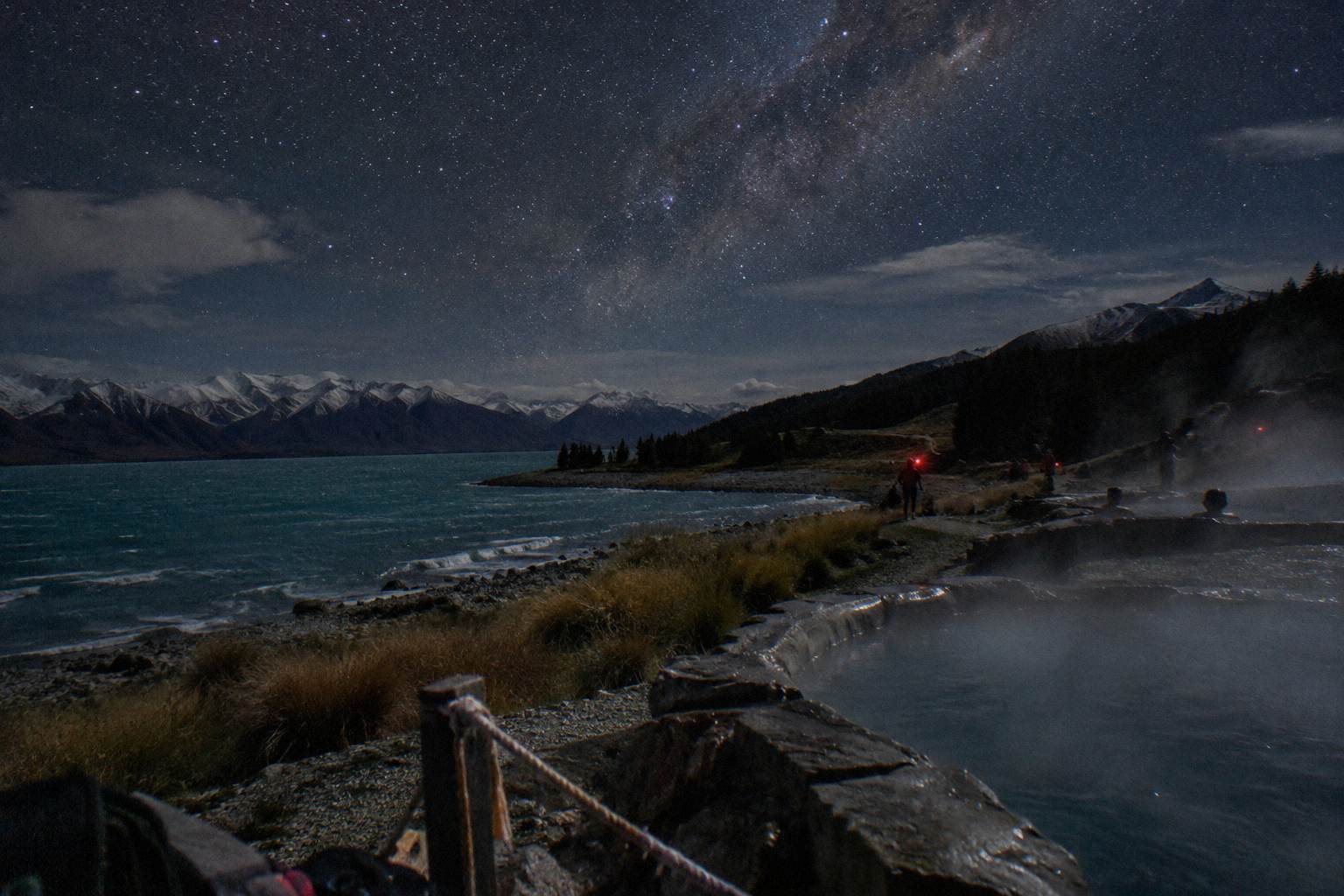
The Tekapo Springs framing is the more specific of the two. Its material describes stars as a Pacific navigation compass and names Matariki and the Southern Cross within its Māori star stories. Dark Sky Project's material is broader: Tātai Aroraki woven through all three of its experiences, with the name Takapō itself recorded by Ngāi Tahu ancestors, a fact Dark Sky Project attributes to the Ngāi Tahu cultural mapping project. Neither operator translates the proverb Dark Sky Project quotes, "Nā te pō, ko te ao, ko te ao mārama", and a respectful summary leaves it untranslated too.
That difference in framing is a real decision input. If the cultural astronomy angle is why you are booking, Dark Sky Project's three products carry Tātai Aroraki explicitly, including the indoor daytime experience, so a cloudy forecast does not have to cost you the storytelling. If the navigation-and-stars angle appeals, the Tekapo Springs products wrap the star stories together with a hot pool at the end, which is a different night out entirely.
The sections below break each angle down.
Which Tours Point Out The Southern Constellations
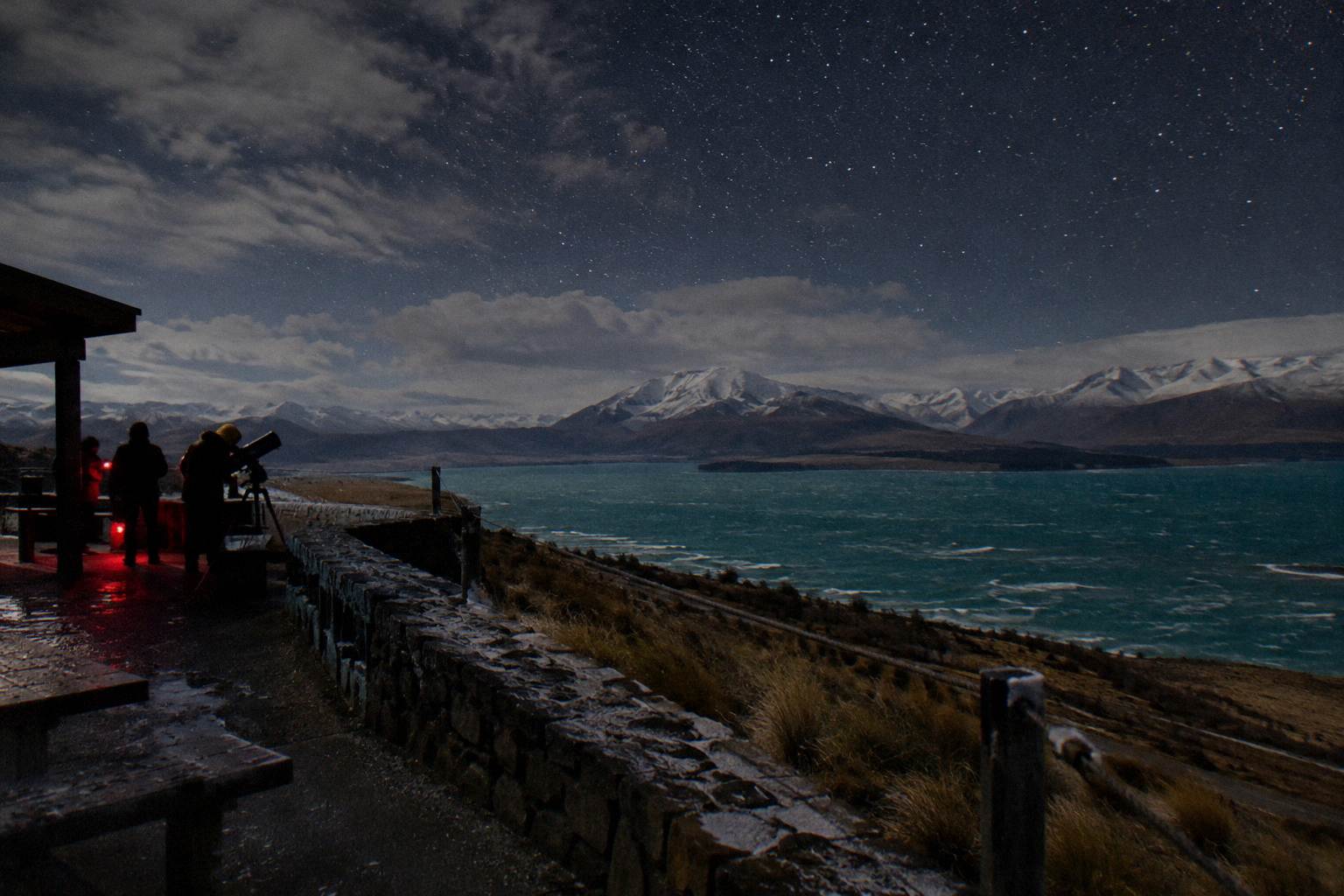
Every guided stargazing tour at Tekapo points out the southern constellations with a live guide; the difference is the setting. The Summit Experience uses telescopes up to 16 inch at Mt John Observatory, the Crater Experience uses 14 inch telescopes in purpose-built wind-sheltered craters, and Tekapo Springs pairs telescope viewing with a 37.5 to 38.5 °C hot pool. Chameleon, Astro Tekapo and Silver River run smaller lakefront and alpine tours of 75 minutes to 2 hours.
The Summit Experience is the flagship for sky content. Dark Sky Project says the tour runs 1 hour 45 minutes from check-in at its lakefront base, with a 15-minute bus each way, an Extreme Cold Weather jacket loan included, and Tātai Aroraki plus Western astronomy from the guides. The operator's price is NZD 239 for adults and children alike, minimum age 10, and it carries a 4.6 rating across 352 reviews. It asks moderate fitness: a 100 m gravel incline walk and a few steps in the dark. Full detail is in the Dark Sky Project Summit Experience guide.
The Crater Experience trades the summit for shelter. Cowan's Private Observatory sits a 5-minute drive from the base, its observation craters purpose-built to block wind and stray light, with 14 inch telescopes or a dome session across 75 minutes including transport. Minimum age is 5, and wheelchair users can join if they drive their own vehicle to the site. The operator's price is NZD 139 adult, NZD 99 child aged 5 to 17, with a family pass at NZD 377. The full comparison lives in the Dark Sky Project Crater Experience guide.
Tekapo Springs does something no one else at Tekapo does: it splits the night between the sky and a hot pool. The 90-minute format, Soak in the Stars, is guided telescope viewing followed by an exclusive pool at 37.5 to 38.5 °C with the guide poolside, towels, robes, hot drinks and warm poncho coats included. Minimum age is 10 and the operator's price is NZD 179 adult, NZD 115 child. The Tekapo Springs stargazing and hot pools guide covers it in depth.
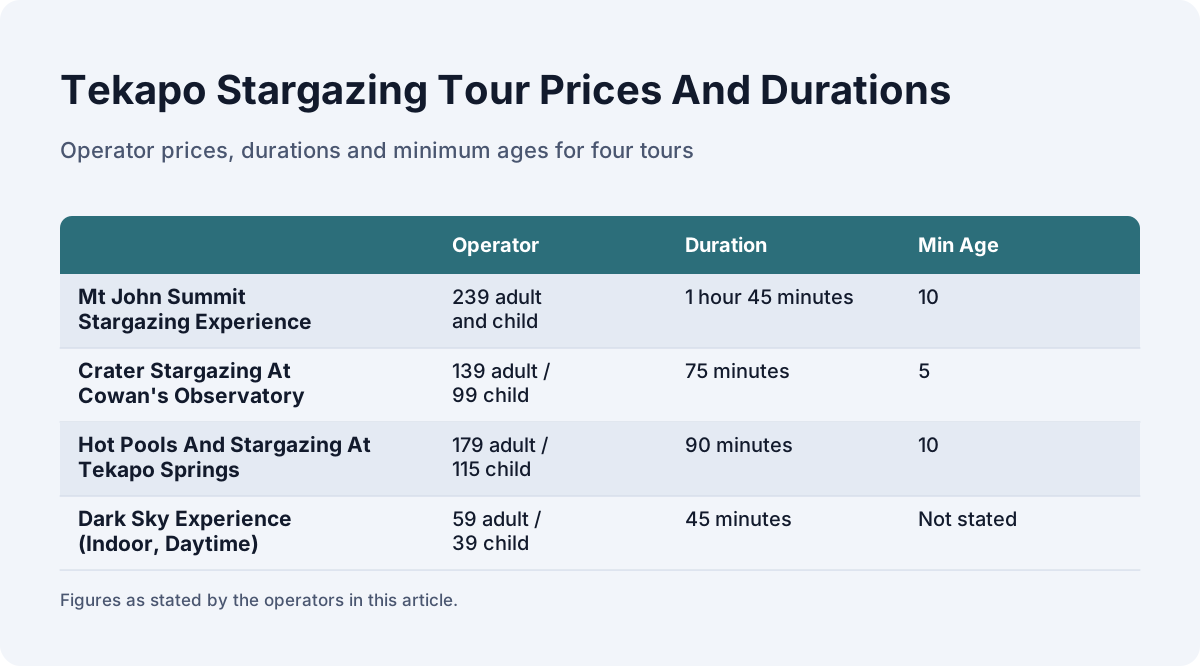
| Tour | Setting | Duration | Operator price (NZD) | Min age |
|---|---|---|---|---|
| Mt John Summit Stargazing Experience | Mt John Observatory summit, telescopes up to 16 inch | 1 hour 45 minutes | 239 adult and child | 10 |
| Crater Stargazing At Cowan's Observatory | Sheltered observation craters, 14 inch telescopes | 75 minutes | 139 adult / 99 child | 5 |
| Hot Pools And Stargazing At Tekapo Springs | Telescope viewing plus exclusive hot pool | 90 minutes | 179 adult / 115 child | 10 |
| Chameleon Shared Stargazing Experience | Tekapo lakeside | About 1.5 hours | Not stated; ask the operator | Not stated |
| Astro Tekapo Lakefront Stargazing | Lakefront, Takapō Regional Park | 1.5 hours | Not stated; ask the operator | 6 |
| Silver River Ultimate Stargazing Experience | Tekapo area | 2 hours | Not stated; ask the operator | Not stated |
The Mt John Summit Stargazing Experience, detailed on its tour page here, is the one that puts you at the research observatory itself, which is the closest a visitor gets to the facility the University of Canterbury describes as New Zealand's largest professional research observatory. If that is the angle that draws you, Check availability before you lock in travel dates, since summit times shift with sunset through the year and are not published in advance.
One more angle on the choice: group size. If a shared bus and a group at the eyepiece is not what you want, the small group or private stargazing options at Tekapo run through the smaller operators, with the trade-off that their prices are not published and you will need to ask.
Tātai Aroraki And Māori Astronomy On The Tours
Tātai Aroraki is the Māori astronomy Dark Sky Project says is woven through its Summit Experience, Crater Experience and indoor Dark Sky Experience, presented alongside Western astronomy rather than as a separate product. Tekapo Springs separately tells Māori star stories, framing stars as a Pacific navigation compass with Matariki and the Southern Cross named in its material. Every statement about this lore on this page attributes to the operator that says it.
Dark Sky Project is a Ngāi Tahu Tourism partner, from 2016, and writes the town's name as Takapō, explaining that it uses the spelling to support revitalising Māori place names; Takapō is the name recorded by Ngāi Tahu ancestors, per the Ka Huru Manu map the operator cites. The indoor Dark Sky Experience carries the deepest cultural content of the three: a 45-minute guided tour through four zones at the lakefront base, including the restored 125-year-old Brashear telescope and Māori astronomy, with no stargazing and no dependence on the weather. The operator's price is NZD 59 adult, NZD 39 child, under 5s free with an adult ticket, and it rates 4.6 across 54 reviews.
The practical value of the indoor experience for a sky-focused trip is as the cultural half of the equation. A visitor can take a summit or crater night for the telescopes and book the Dark Sky Experience for a daytime hour, English sessions at 10:30am, 12:30pm and 2:30pm with 4:30pm added on Tuesday and Wednesday, subject to availability. It is also the answer to a fully clouded forecast: the tour is indoors, so weather does not change it, and its content stands on its own.
Respect cuts both ways here. The operators attribute their lore, name their sources and decline to translate the proverb they quote, and a visitor reading up beforehand should expect the same restraint from any summary. What the tours offer is not a decoded mythology but a guided encounter with a sky that people have been reading from this basin for a very long time, in the company of operators who name whose sky lore they are telling.
Moonlight, Milky Way And What A Tour Can And Cannot Promise
No operator at Tekapo guarantees clear skies, the Milky Way, aurora or any particular object, and Dark Sky Project's own weather page says so directly. Brighter moonlight affects fainter stars and galaxies, the operator says, while the moon itself remains a good telescope target. Tekapo Springs adds that telescopes still show bright objects under a full moon and that only naked-eye Milky Way viewing is reduced. Planning around the moon is the single biggest lever you control.
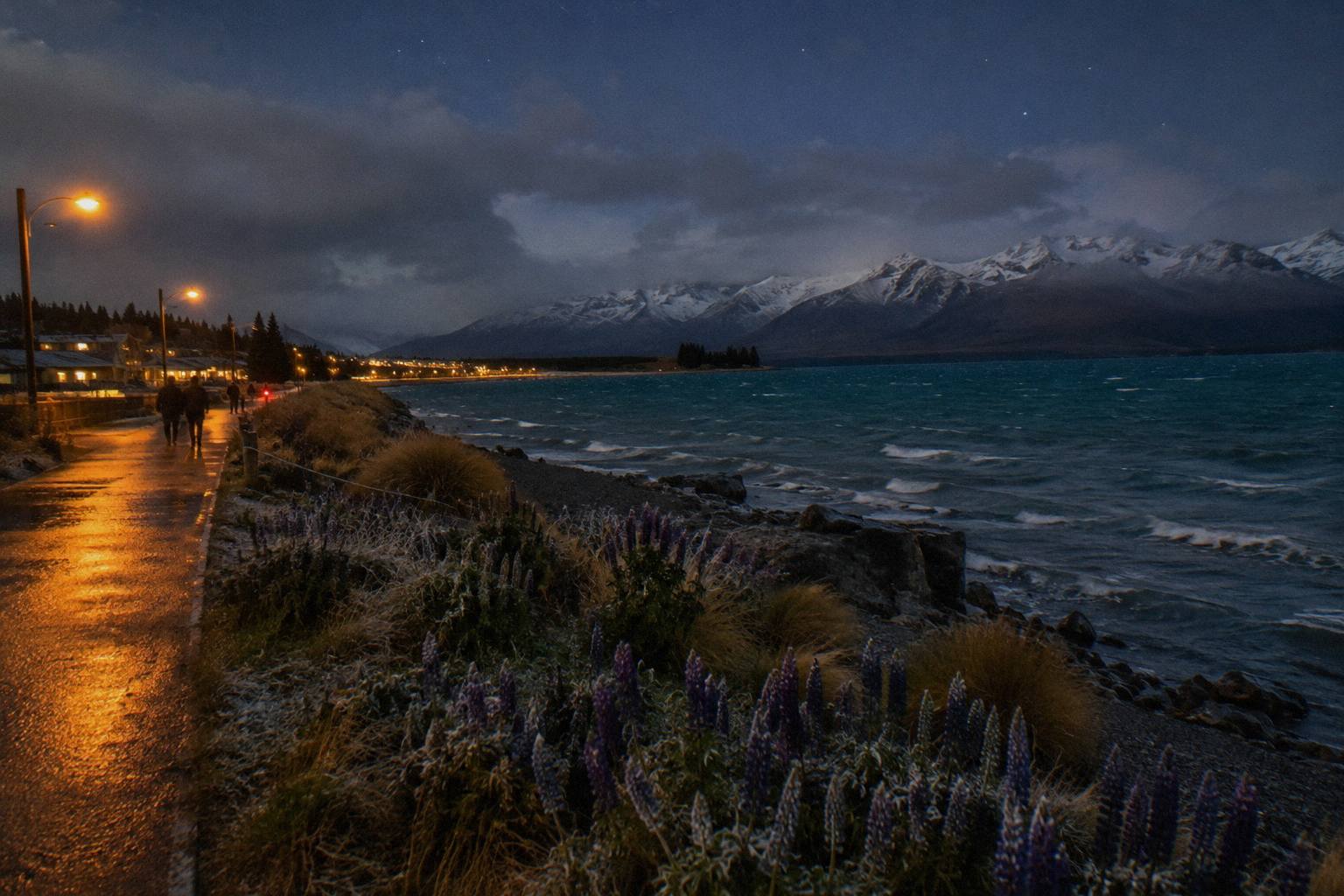
The moon question deserves its own thinking before you book. A darker moon means fainter objects and the Milky Way's glow stand a better chance for the naked eye; a brighter moon washes those out but gives the telescopes a bright, detailed target. Both operators frame the moon as a loss for some things and a gain for others, so there is no month where a tour is pointless. The deeper comparison is in the new moon or full moon stargazing trade-off, which works through what each phase does to the southern sky.
Aurora needs the same honesty. Aurora Australis depends on conditions and Dark Sky Project does not guarantee it; it is not a product feature anywhere on the roster, and no tour sells it as one. If the southern lights are your specific goal, read the Tekapo aurora forecast guide rather than expecting any tour to deliver them, and treat any appearance on a stargazing night as a bonus rather than the plan.
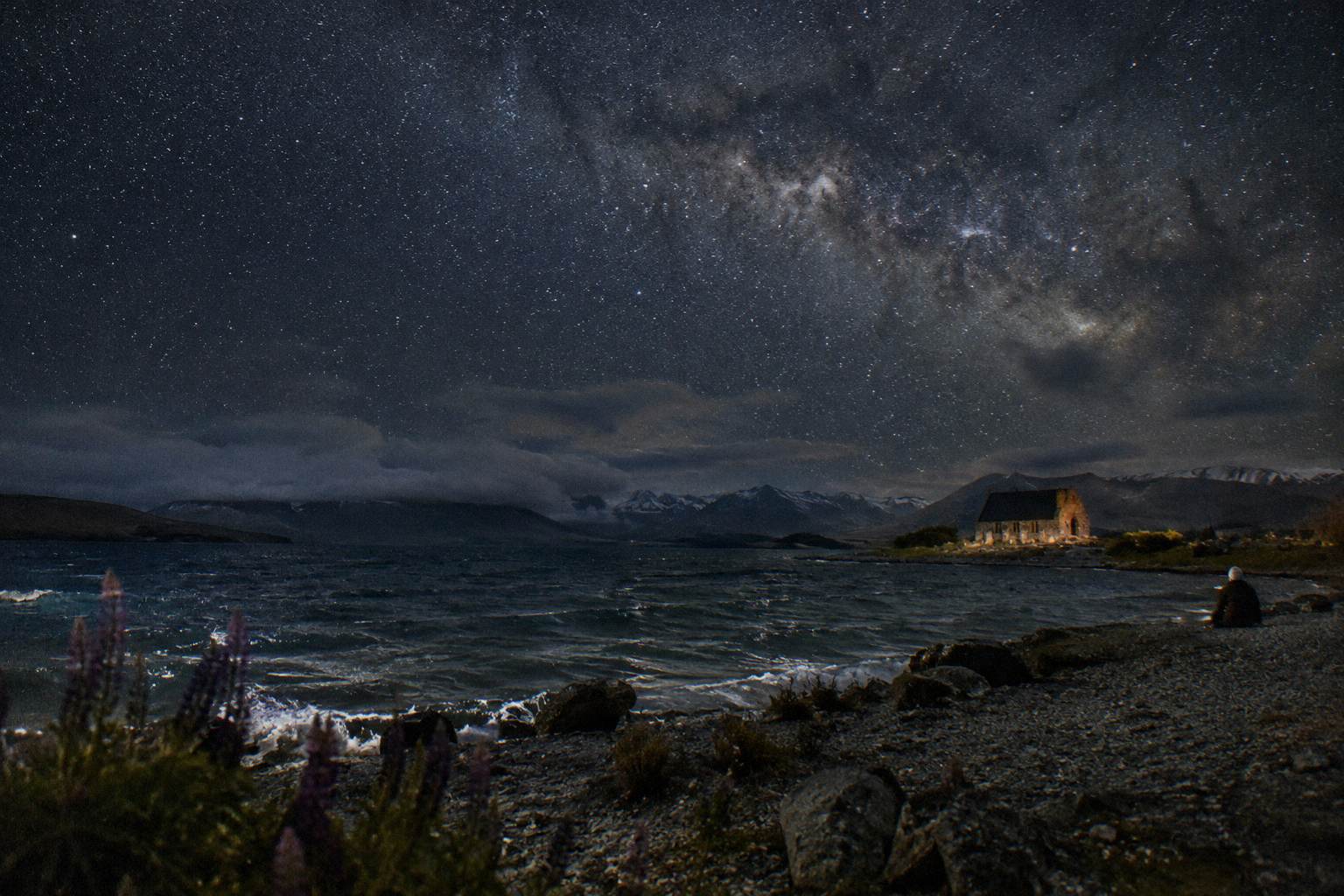
The Milky Way sits between the two. It depends on conditions and on moon phase, and it is the object most visitors picture when they book. Dark Sky Project's weather guidance, on the operator's weather page, is the reference worth reading before any stargazing night: clarity cannot be guaranteed, the go or no-go decision is made as close to tour time as possible, and check-in is 15 minutes early so the team can update you.
Choosing By Age, Price And Setting
Families with children aged 5 to 9 should pick the Crater Experience, the only Dark Sky Project night tour open to them at minimum age 5; Tekapo Springs' Scope at the Stars takes age 6 and up, since no child under 6, carried babies included, may join its tours. The Summit Experience and Soak in the Stars both require age 10, with operator prices of NZD 139 at the crater against NZD 239 on the summit.
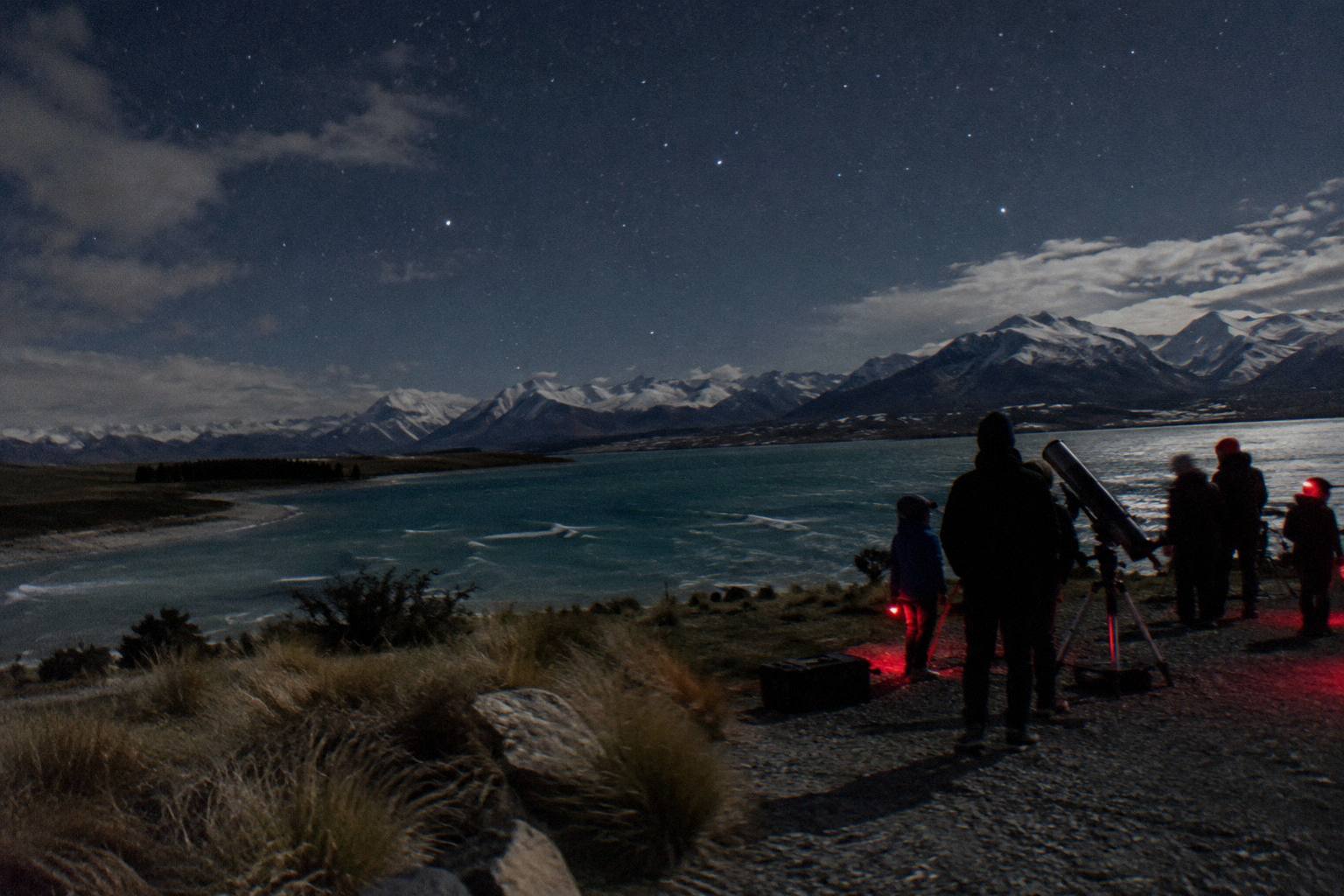
Age is the hard filter, so start there. A family with a 7-year-old has two night formats available at Tekapo: the Crater Experience and the lakefront and small-operator tours that accept age 6. A family with a 4-year-old has no Tekapo Springs night tour at all and no Dark Sky Project night tour; the indoor Dark Sky Experience, with no minimum age and under 5s free with an adult ticket, is the realistic option, and its content suits about age 7 and up per the operator. The stargazing with kids at Tekapo guide works through the full decision.
Setting is the second filter. The summit means altitude, a gravel incline and the observatory; the crater means shelter and proximity, 5 minutes from base; Tekapo Springs means lakeside ground level plus a warm soak; the small operators mean lakefront or alpine venues with their own character. Weather sensitivity follows setting: every Dark Sky Project outdoor tour can be called off for clarity and offers an indoor alternative, reschedule or refund, while Tekapo Springs runs in all weather with a VR experience replacing the telescopes under cloud.
| If this describes you | The better fit | Why |
|---|---|---|
| Adults wanting the research observatory | Mt John Summit Stargazing Experience | Telescopes up to 16 inch at Mt John Observatory, ECW jacket loan, 4.6 across 352 reviews |
| Family with children 5 to 9 | Crater Stargazing At Cowan's Observatory | Minimum age 5, sheltered craters, NZD 99 child, family pass NZD 377 |
| Cold-averse or wanting comfort | Hot Pools And Stargazing At Tekapo Springs | Telescope viewing then a 37.5 to 38.5 °C pool, robes and hot drinks included |
| Fully clouded forecast | Dark Sky Experience, Indoor Cultural Astronomy | Indoors and daytime; weather does not change it |
| Travellers based in Twizel or Aoraki | Twizel or Mt Cook tours | Same reserve, Mackenzie Basin locations; ask operators for prices |
Budget, last, is a spread rather than a ladder. The operator's own published prices run from NZD 39 for a child's indoor experience to NZD 239 for the summit, with the crater family pass at NZD 377 and the Tekapo Springs family soak at NZD 499. The smaller operators and the Mackenzie Basin tours publish no prices; ask each operator directly. The honest summary of costs across every format is in the post on what Tekapo stargazing costs.
Cloud Nights And Indoor Alternatives
If cloud closes the outdoor sky, Dark Sky Project offers an indoor alternative or its Virtual Stargazing Experience, a reschedule subject to availability, a gift voucher valid 3 years, or a full refund, with the decision made as close to tour time as possible. Tekapo Springs tours run in all weather, substituting a 360 degree VR indoor experience for telescope viewing under cloud, and refund 25 percent per ticket if telescope viewing falls under 30 minutes.
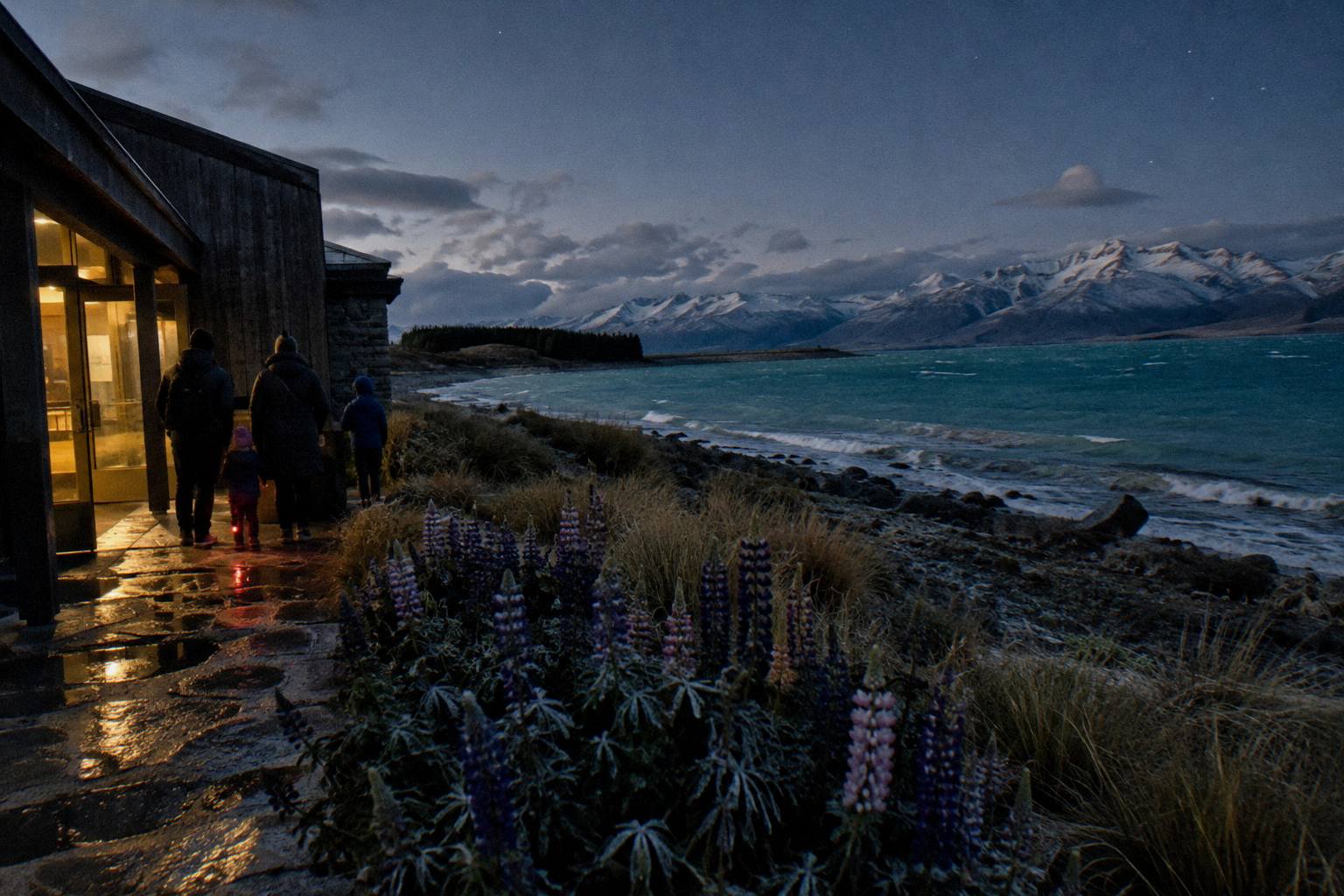
The two policies reward different traveller temperaments. Dark Sky Project holds the go or no-go until close to tour time, which protects the quality of the night but means you plan an evening without certainty; the compensation menu is broad, and direct bookings cancelled up to 24 hours ahead get a full refund, with groups of 10 or more facing tighter windows of 72 hours on Summit and Crater. The detail is on the operator's terms page, and the whole cloud question is worked through in the guide to cloud cancellations.
Tekapo Springs takes the opposite bet: the tour always runs, and cloud swaps the eyepiece for a VR session built on 360 degree imagery that includes the Church of the Good Shepherd and the Mt John summit. Its under-30-minutes refund rule, 25 percent per ticket, is a specific, checkable commitment on the operator's FAQ for tours from 18 June 2026, and cancellation or change is free up to 24 hours before. For a visitor whose trip has exactly one free night, that always-runs model has real value even though the operator's own terms say clarity cannot be guaranteed.
The third path is to move the booking indoors entirely. The Dark Sky Experience needs no sky at all, and beyond the paid tours, the free options matter on a clouded night too: the free stargazing spots around Lake Tekapo depend on the same sky clearing, so a stubborn forecast can push the whole evening toward the cultural experience and a second attempt another night. Takapō is about three hours' drive from both Queenstown and Christchurch, per Dark Sky Project's own planning page, which is why the how many nights you need in Tekapo question is worth answering with at least one spare.
Common Mistakes When Planning A Southern Sky Night
The mistakes that cost people their Tekapo night are assuming the summit is the only real tour, booking a child under the age floor, expecting a published start time, and treating aurora or the Milky Way as part of the deal. Each is avoidable with one decision made earlier: pick the tour by age and setting, book the date with a spare night behind it, and check the operator's weather terms before you travel rather than at check-in.
The first mistake is the summit-or-nothing frame. The Mt John Summit Stargazing Experience is the best-known product, but the crater's sheltered design, the lakefront operators' small-group formats and the hot pool combination each answer a different traveller better. The second is age: minimums are 10 at the summit and on the Soak in the Stars soak, 5 at the crater, 6 on several small-operator tours, and Tekapo Springs takes no child under 6 at all. Booking first and reading the age line second is how families lose a night.
The third is clock times. Summit times vary through the year with sunset and are not published in advance; crater times vary in the evening after twilight, seven days a week; Tekapo Springs times are seasonal and some sit after midnight. Plan the evening loosely and let the operator's confirmation set the hour. The fourth is expecting objects. Dark Sky Project cannot guarantee clarity, the Milky Way or aurora, and Tekapo Springs' own terms say clarity cannot be guaranteed despite its marketing energy. The fifth, and the quietest, is skipping the reserve context: the sky is dark because Aoraki Mackenzie International Dark Sky Reserve, described on the operator's reserve page as the largest in the Southern Hemisphere, protects it, and understanding that makes every tour choice easier to place.
A closing orientation: this page is part of Mt John Stargazing, a site built around the tours, the sky and the planning questions of the Tekapo night, and every guide on it works from what the operators themselves publish. For the sky-specific next steps, the guide to what you see through tour telescopes and the best time guide are the natural pairings.
Common Questions About Southern Constellations At Tekapo
Can You See The Southern Cross From Tekapo?
Tekapo Springs names the Southern Cross in its Māori star stories and frames stars as a Pacific navigation compass, so its guided tours present it within that storytelling. As with everything in the sky, visibility depends on conditions and cannot be guaranteed.
Which Tours Cover Māori Astronomy?
Dark Sky Project says Tātai Aroraki, Māori astronomy, is woven through its Summit Experience, Crater Experience and indoor Dark Sky Experience, alongside Western astronomy. Tekapo Springs tells Māori star stories, including Matariki and the Southern Cross, on its stargazing tours.
What Is Matariki And Do The Tours Mention It?
Matariki is named in Tekapo Springs' star story material, within its framing of stars as a Pacific navigation compass. The operators present it as part of the lore they tell; they do not publish a translation or an astronomy lecture on it, and this page attributes it as the operator does.
Does A Full Moon Ruin Stargazing At Tekapo?
No. Dark Sky Project says brighter moonlight affects fainter stars and galaxies but that the moon is a good target; Tekapo Springs says telescopes still show bright objects under a full moon and only naked-eye Milky Way viewing is reduced. Darker nights suit faint objects, brighter nights suit the moon through a telescope.
Can The Milky Way Be Guaranteed On A Tour?
No. Dark Sky Project states that the Milky Way and Aurora Australis depend on conditions and are not guaranteed, and Tekapo Springs' own terms say clarity cannot be guaranteed. If cloud prevents outdoor stargazing, Dark Sky Project offers an indoor alternative, reschedule, voucher or refund, and Tekapo Springs runs with its VR indoor experience.
Is There An Indoor Option If The Sky Is Clouded?
Yes, two kinds. The Dark Sky Experience is a 45-minute indoor daytime cultural astronomy tour, NZD 59 adult, that needs no sky at all. On clouded nights, Dark Sky Project also offers a Virtual Stargazing Experience as an alternative, and Tekapo Springs replaces telescope viewing with a 360 degree VR indoor experience.