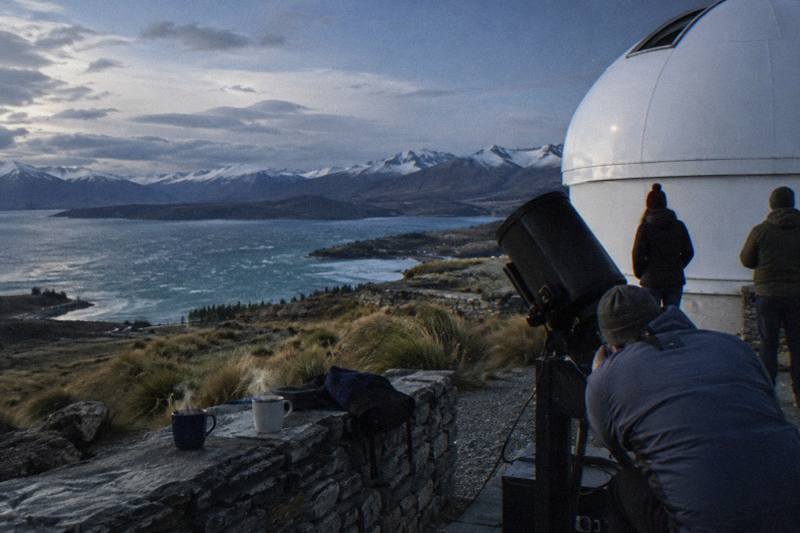
Tekapo Astrophotography Tours: Photographing The Night Sky With A Guide
Most Tekapo stargazing tours are built for eyes, not cameras, but a handful include a photograph of your night. This guide sets out which operators hand you an edited image, what the small-group tours list, and how to choose when the photo is the point.
Short answer
Astro Tekapo's lakefront tour includes an edited photo of your group under the stars, Silver River's tours include a free photo, and Chameleon lists photos among its inclusions. The Mt John Summit Experience runs NZD 239 with a minimum age of 10; several lakeside tours leave their price to the booking page.
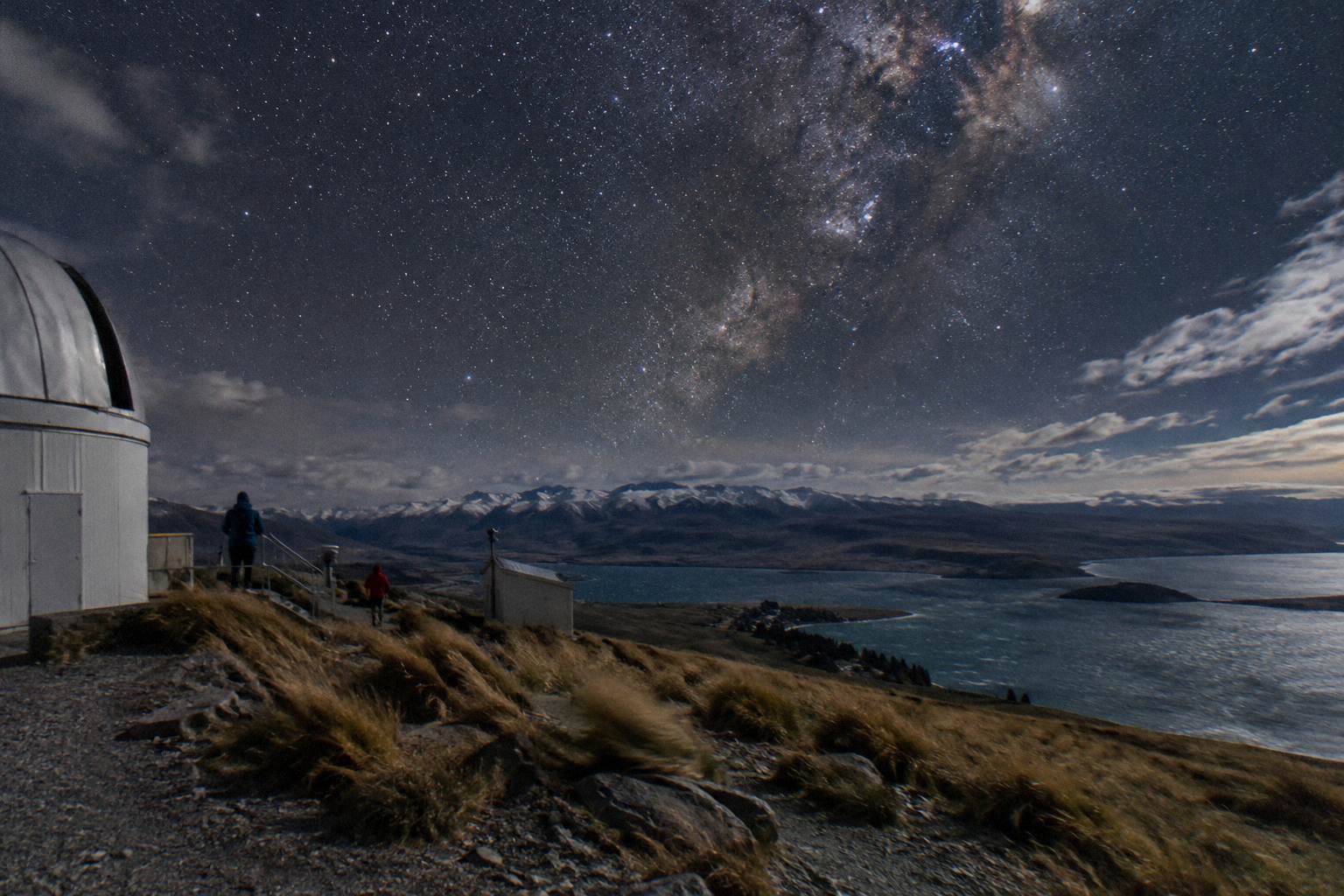
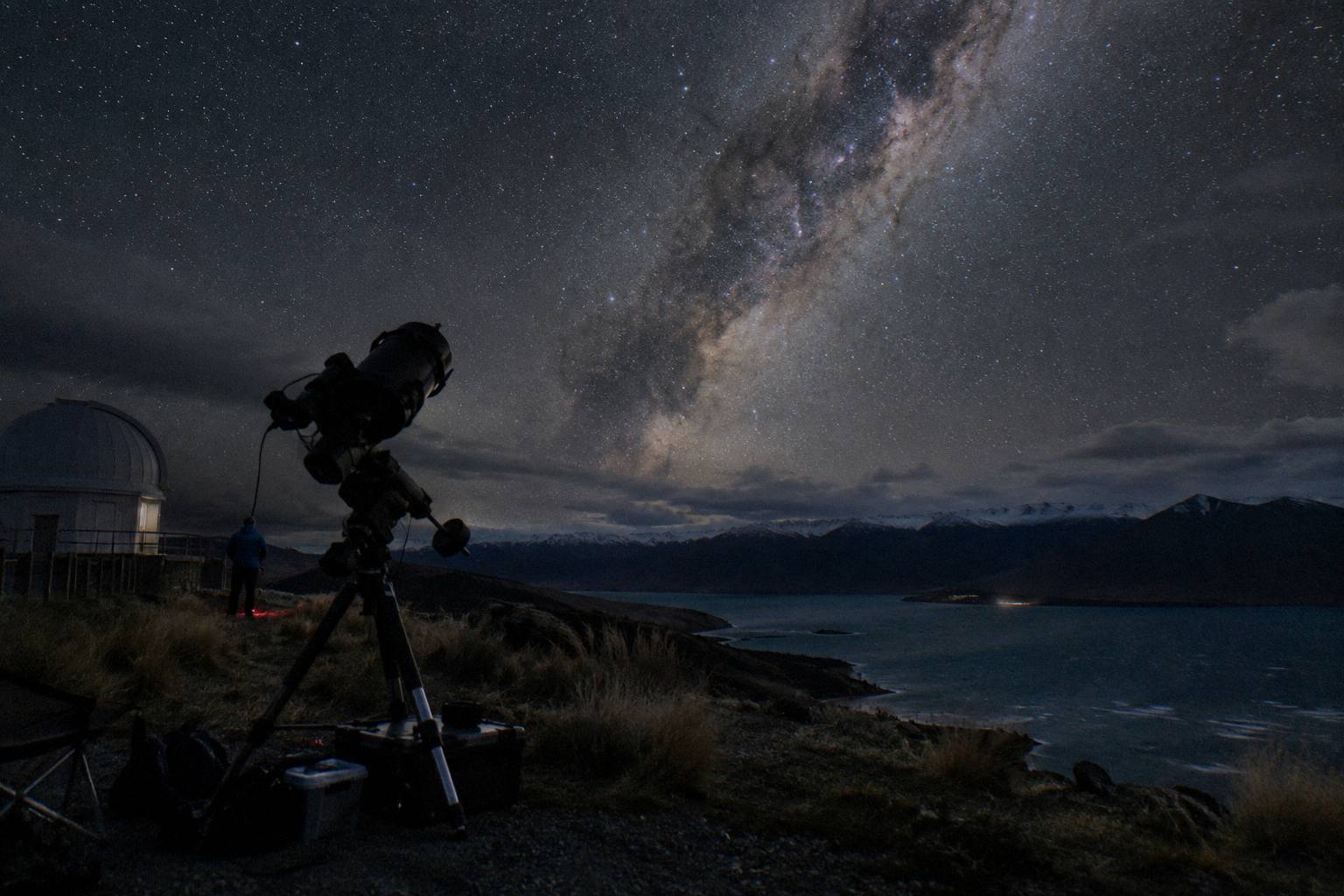
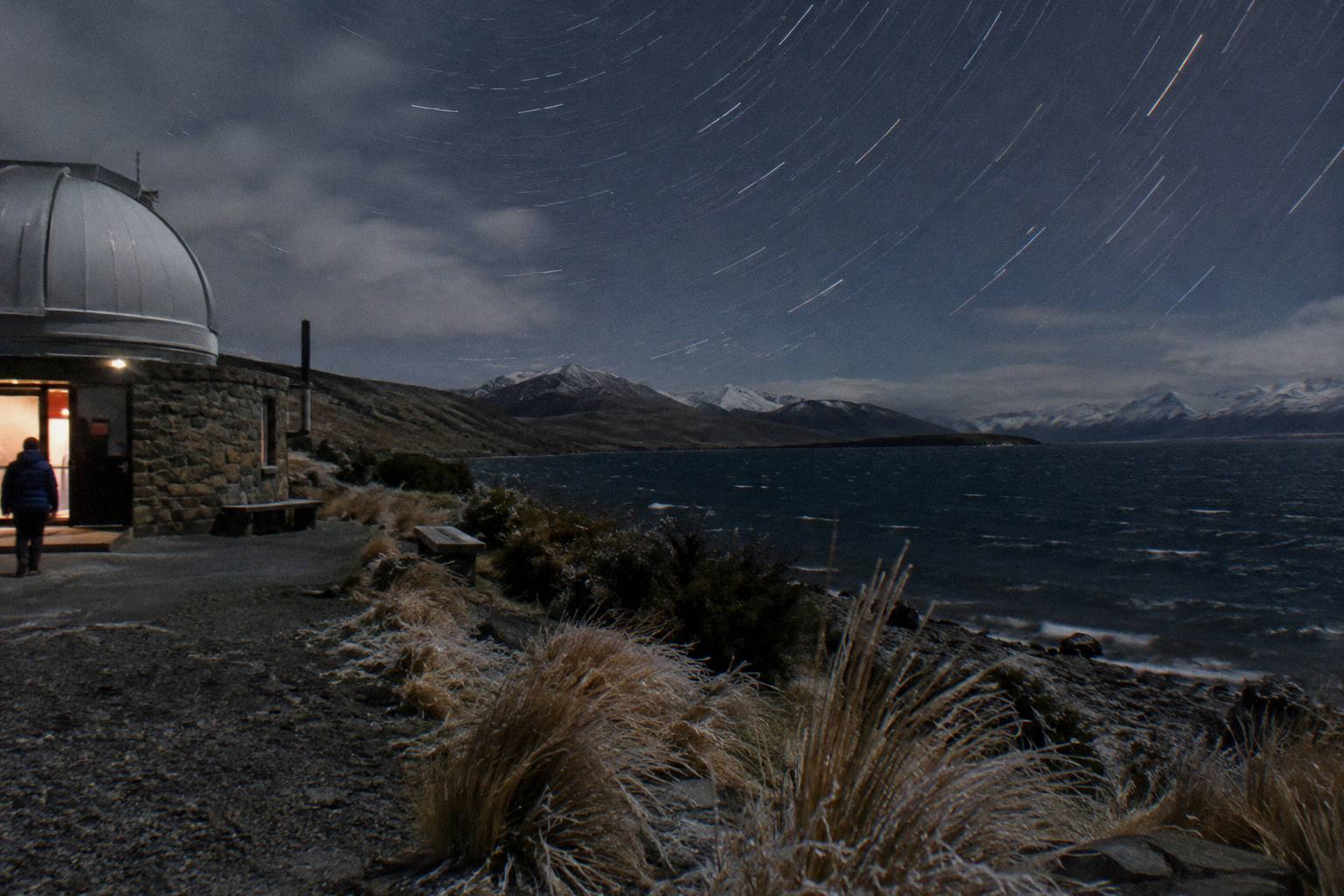
Photographing the night sky over Lake Tekapo is a two-part problem: the sky is world class, and the cold, dark and logistics of doing it alone are not trivial. A guided tour solves the logistics and, on some tours, solves the camera too, because the guide takes a photo of you under the stars and edits it afterwards. Not every tour does this, and the differences between operators matter more for photographers than for anyone else.
The Aoraki Mackenzie International Dark Sky Reserve, awarded reserve status in April 2012, covers Aoraki/Mt Cook National Park and the Mackenzie Basin, and Mt John Stargazing covers the whole range of ways to see it. This page is narrowly about one question: which guided night in Tekapo serves a photographer best, and which ones hand you an image to take home.
Which Tekapo Tours Include A Photo Of Your Night?
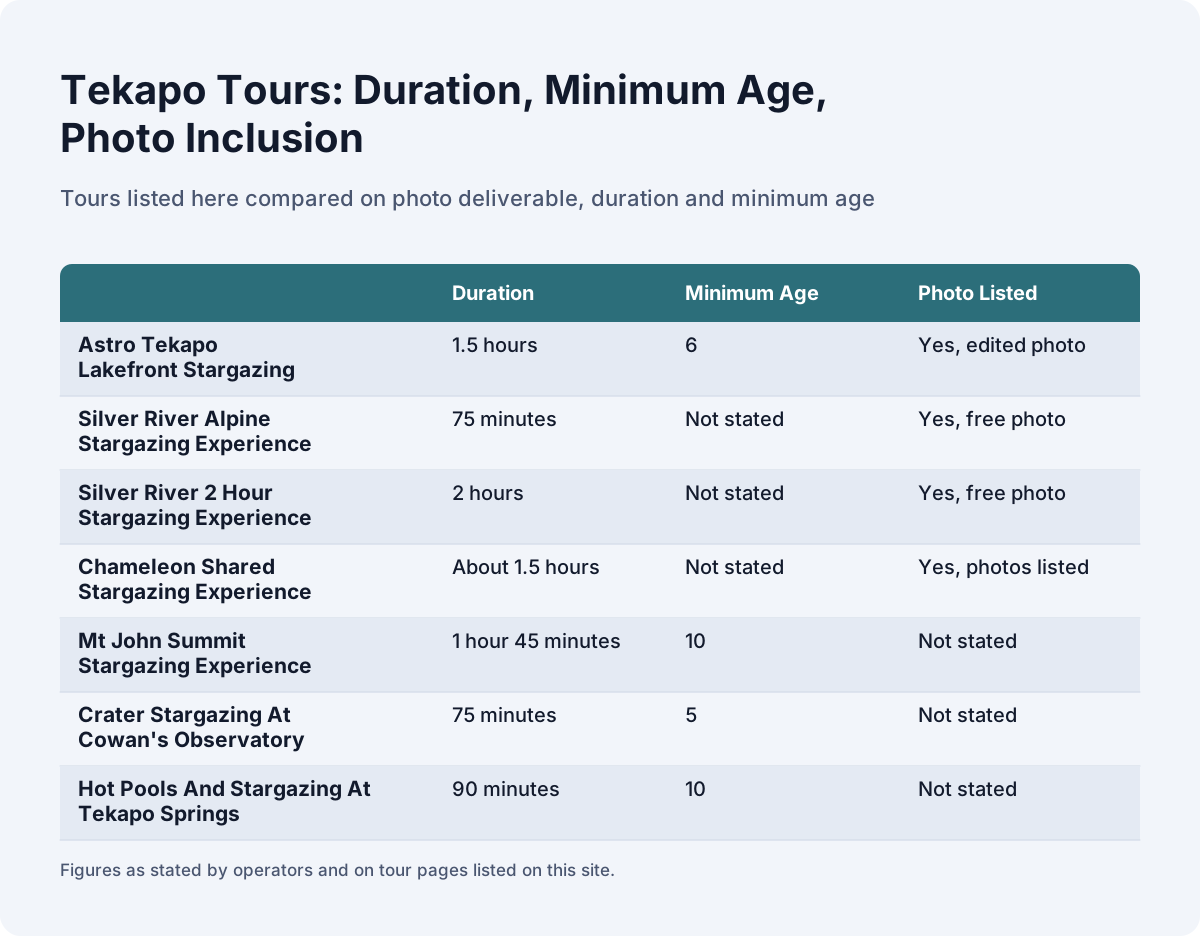
Three operators list a photo among their inclusions. Astro Tekapo's lakefront stargazing tour includes an edited photo of your night, the Silver River tours include a free photo, and Chameleon lists photos on its shared stargazing experience. The big-name options, the Mt John Summit Experience and the Crater Experience at Cowan's Observatory, do not list a photo, and neither does the hot pools and stargazing combination at Tekapo Springs.
The distinction is worth understanding before anything else. Dark Sky Project, the operator behind the summit and crater tours, builds its nights around telescopes and guided interpretation: telescopes up to 16 inch at the summit observatory, handheld laser pointing at naked-eye targets, and Tātai Aroraki, Māori astronomy, woven through the guiding. Its pages describe the experience of the night, not a deliverable image. If you want a photograph from a Dark Sky Project tour, the operator's position on cameras is a question to ask directly at +64 3 680 6960 or info@darkskyproject.co.nz.
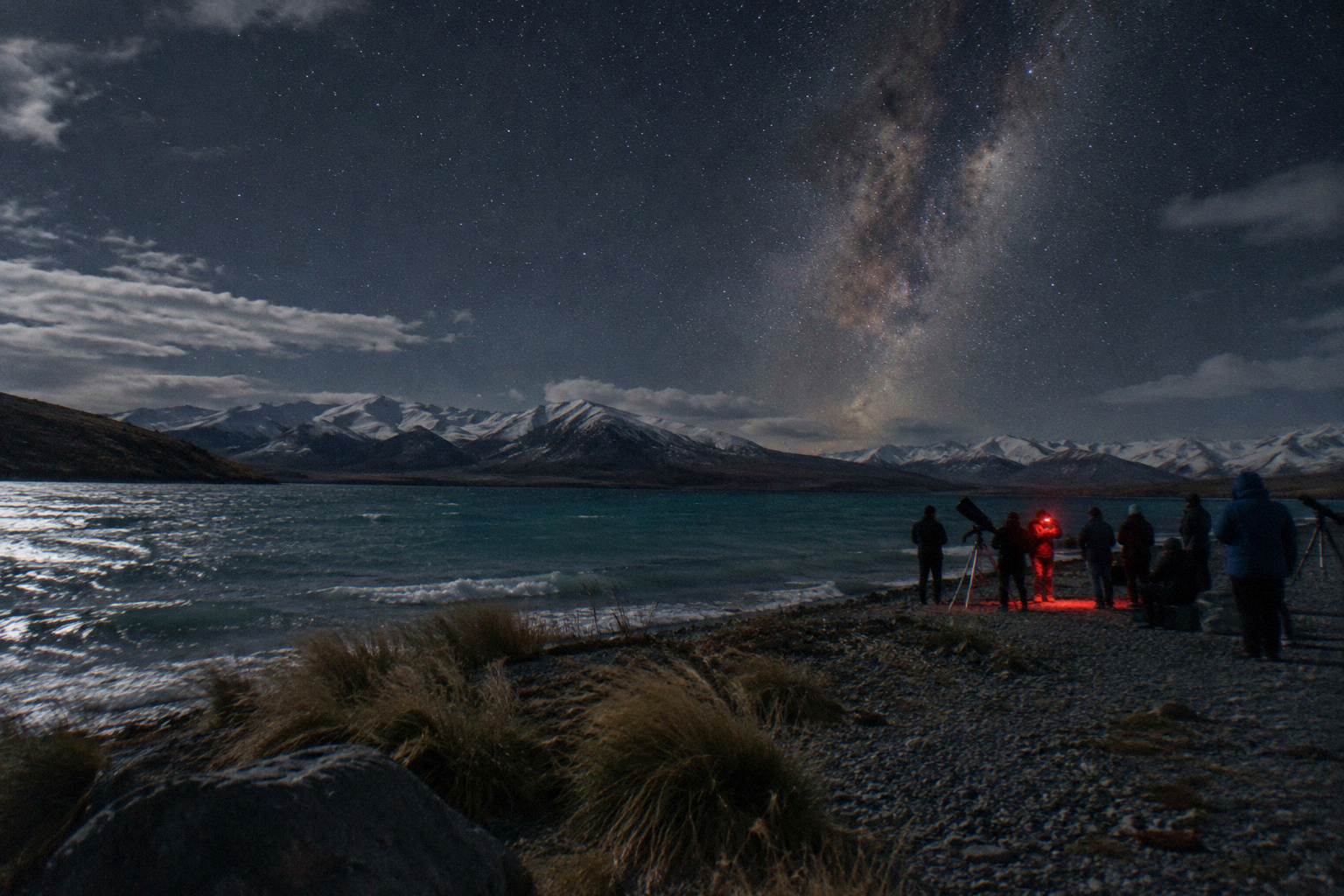
The small-group lakeside operators take a different shape. Astro Tekapo runs a 1.5 hour tour with a minimum age of 6 from the lakefront at Takapō Regional Park, and its booking page lists an edited photo as an inclusion. Silver River Stargazing runs a 75 minute Alpine experience and a 2 hour Ultimate experience, both listing a free photo. Chameleon Stargazing runs a shared experience of about 1.5 hours and lists photos among what it offers.
| Tour | Operator | Photo listed? | Duration | Minimum age |
|---|---|---|---|---|
| Astro Tekapo Lakefront Stargazing | Astro Tekapo | Yes, edited photo | 1.5 hours | 6 |
| Silver River Alpine Stargazing Experience | Silver River Stargazing | Yes, free photo | 75 minutes | Not stated |
| Silver River Ultimate Stargazing Experience | Silver River Stargazing | Yes, free photo | 2 hours | Not stated |
| Chameleon Shared Stargazing Experience | Chameleon Stargazing | Yes, photos listed | About 1.5 hours | Not stated |
| Mt John Summit Stargazing Experience | Dark Sky Project | Not stated | 1 hour 45 minutes | 10 |
| Crater Stargazing At Cowan's Observatory | Dark Sky Project | Not stated | 75 minutes | 5 |
| Hot Pools And Stargazing At Tekapo Springs | Tekapo Springs | Not stated | 90 minutes | 10 |
Prices follow the same split. The tours with a photo included leave their price to the booking page, which is where to check current figures. The tours with a published operator price, the Summit at NZD 239 for adult and child alike, the Crater at NZD 139 adult and NZD 99 child, do not list a photo. No operator price is published for Astro Tekapo, Chameleon or the Silver River tours, so treat the booking page as the source of truth on cost.
If a photo is the reason you are booking, three tours fit the brief at different shapes of night.
What Does The Astro Tekapo Photo Inclusion Actually Mean?
Astro Tekapo's tour includes an edited photo, so the guide takes an image during the session and processes it afterwards and you leave with a picture without your own camera. The tour runs 1.5 hours from the lakefront at Takapō Regional Park with a minimum age of 6, and the booking page offers free cancellation up to 24 hours before.
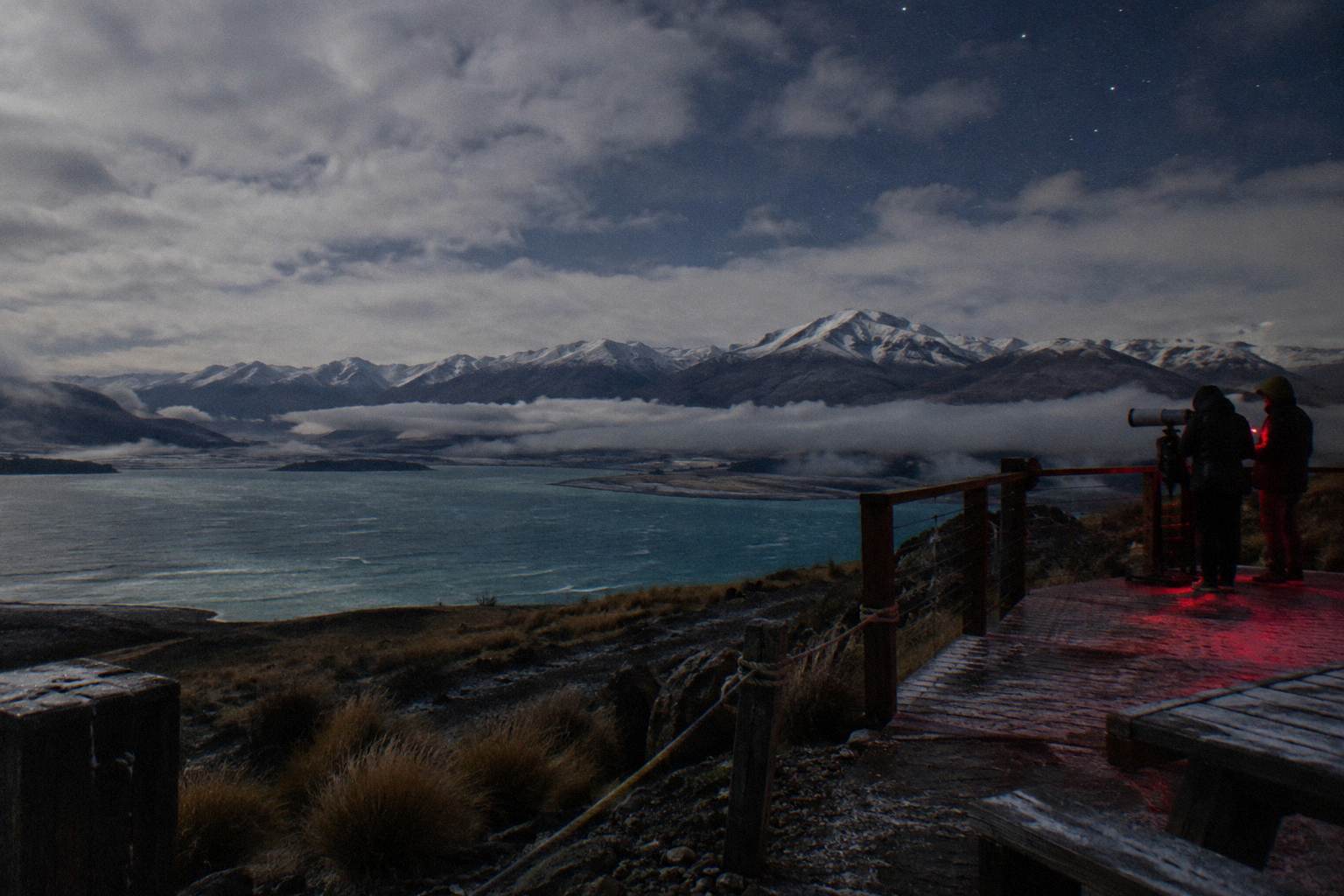
The inclusion matters because astrophotography is technically demanding in a way casual travel photography is not. A phone held up to a telescope eyepiece produces very little, and a camera that works fine at lunchtime needs long exposures, a stable platform and manual settings at night. A guide who takes and edits the photo removes all of that from your evening. The trade-off is that the image is of your group under the sky rather than a deep-sky object, and its exact framing is the operator's to describe: ask what the photo typically shows when you book.
The setting also matters to photographers choosing between tours. The lakefront at Takapō Regional Park sits low beside the water, which gives a different composition from a summit: the sky above, the lake below, and the lights of the village managed by the district's lighting rules, which require outdoor lights to be shielded so they point downward. For anyone who wants a landscape-style night image, that foreground matters as much as the stars. The operator meets you at the lakefront, so there is no summit bus, no gravel walk and no age-10 barrier.
Book the tour through the Astro Tekapo lakefront tour page and, at the same decision point, Check availability on the live calendar before settling on a date.
The edited-photo inclusion is a booking-page fact, so it travels with the booking rather than with anything printed on marketing pages. If the photo is the deciding factor, confirm it is still listed when you book, and ask how the image is delivered afterwards.
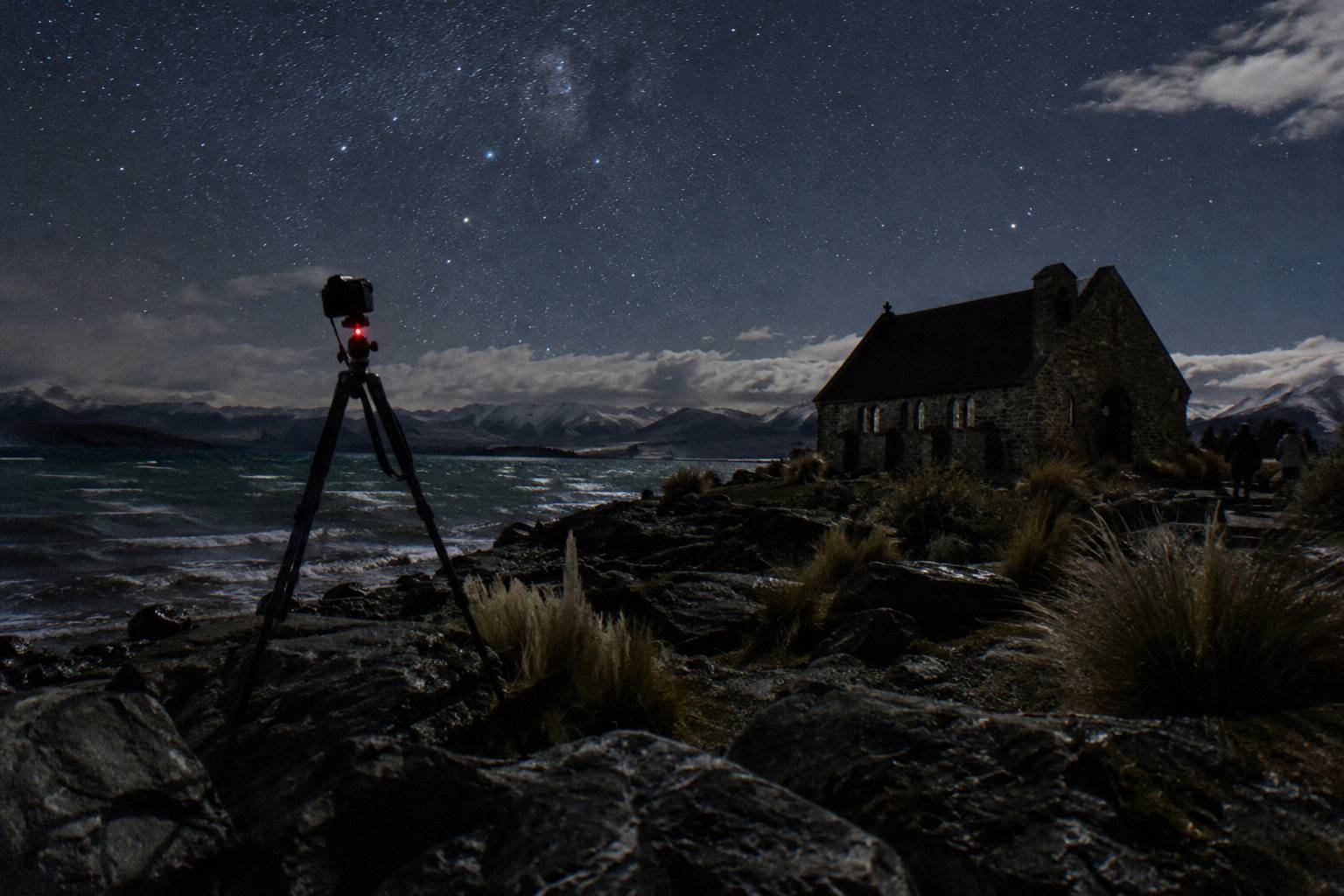
How Do Silver River And Chameleon Handle Photos?
Silver River Stargazing lists a free photo on both its Alpine experience, 75 minutes, and its Ultimate experience, 2 hours, the longest guided night among the small-group operators. Chameleon lists photos on its shared stargazing experience of about 1.5 hours. None of the three publishes an operator price, so cost is a booking-page question, and all three offer the same 24 hour free-cancellation window on their booking pages.
The free photo on the Silver River tours is stated as an inclusion rather than a paid extra, which is the useful detail: it is not an upsell at the telescope. The two tours differ in length more than anything else, 75 minutes versus 2 hours, and the longer night gives a photographer more time around the guide's setup. Minimum ages are not stated for either Silver River tour, so families should ask before booking; the same gap applies to Chameleon.
Chameleon's shared experience is the least documented of the three in every dimension: about 1.5 hours, photos listed, and a price, minimum age and start time all left to the booking page. That is not a reason to skip it, it is a reason to treat it as a shortlist candidate that needs one email or one booking-page read to resolve. The general shape, a shared group, a lakeside setting and a photo at the end, overlaps heavily with Astro Tekapo's offer.
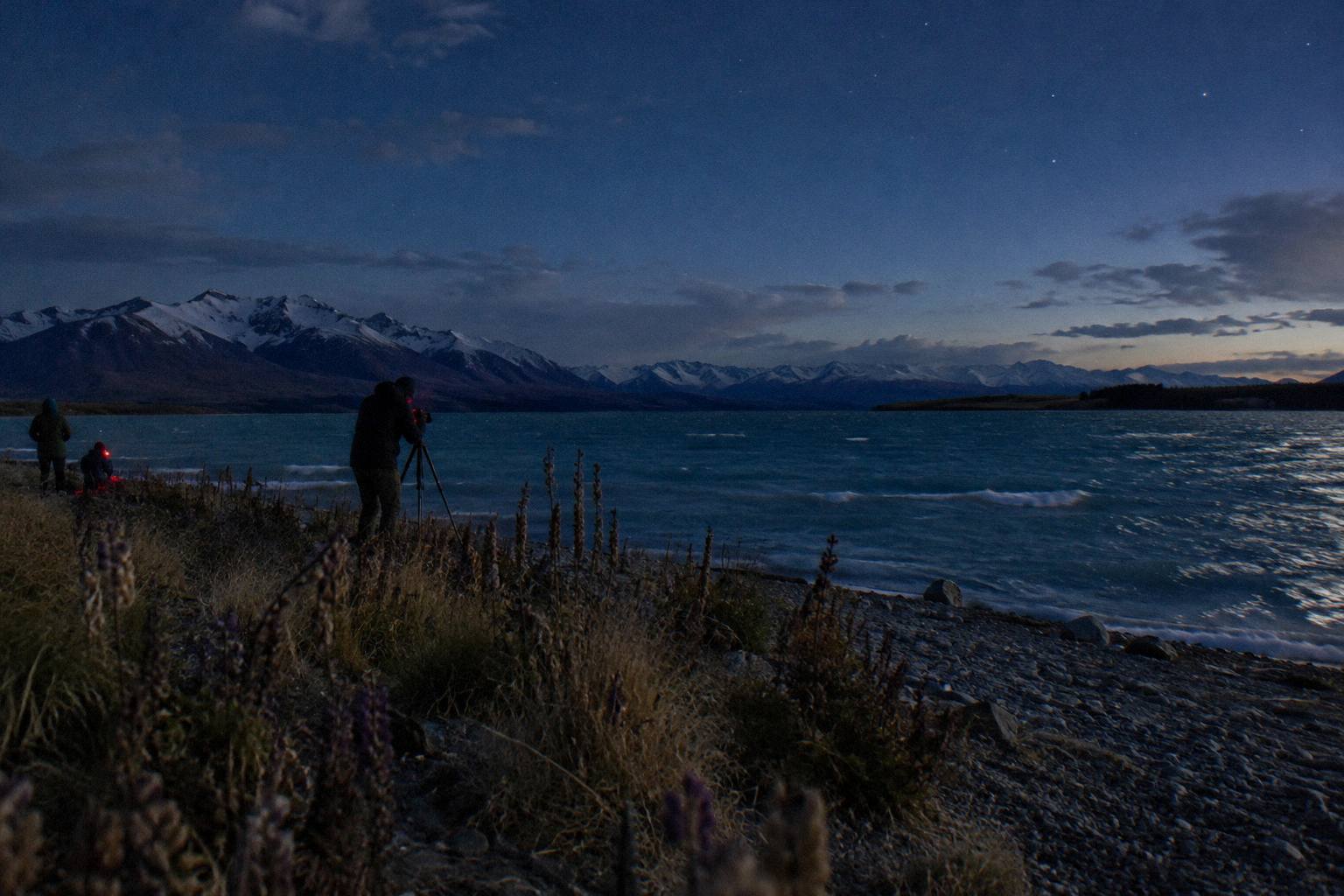
For photographers weighing these against each other, the decision logic is straightforward. If the edited photo is the single most important outcome and you have children as young as 6, Astro Tekapo states both the photo and the age. If a longer night matters more, the 2 hour Silver River Ultimate experience is the only small-group option that runs past two hours. If price is the deciding variable, none of the three publishes a figure, so compare on the booking pages on the same day.
Is The Summit Experience Worth It For A Photographer?
The Mt John Summit Stargazing Experience is the telescope-heavy option, with instruments up to 16 inch inside a private dome at the University of Canterbury Mt John Observatory. It runs 1 hour 45 minutes, costs NZD 239 for adults and children alike, has a minimum age of 10, and lists no photo among its inclusions.
The summit at 1,029 m is where the University of Canterbury runs what it describes as New Zealand's largest professional research observatory, and Dark Sky Project's Summit Experience page describes the site as the southernmost facility of its kind in the world. For a photographer, the elevation and the research-grade setting translate into dark skies and a guide who works with serious instruments. The tour includes the 15-minute bus to the summit, guiding, and loan of an Extreme Cold Weather jacket, which is a practical point for anyone whose camera batteries drain faster in the cold.
The physical demands are the trade-off against the lakeside photo tours. The summit requires a 100 m walk up a gravel incline plus a few steps in the dark, and the operator describes moderate fitness as necessary. A tripod and camera bag add weight to that walk. The tour also has a minimum age of 10, which rules it out for younger families regardless of camera plans.
Times are the other planning constraint. Summit tours run at various times throughout the year depending on sunset, and the exact clock times are not published, so a photographer planning around moonrise or a specific sky window has to work with the operator's calendar rather than a fixed schedule. Check in is at the base on Motuariki Lane 15 minutes before departure.
What About The Crater Experience And The Hot Pools Night?
The Crater Experience at Cowan's Observatory is the family option at the telescope end: 75 minutes including a 5-minute drive, minimum age 5, NZD 139 adult and NZD 99 child. The Hot Pools And Stargazing night at Tekapo Springs, 90 minutes and NZD 179 adult, mixes telescope viewing with a soak at 37.5 to 38.5 degrees. Neither lists a photo.
The Crater Experience sits at Cowan's Private Observatory, a site of purpose-built observation craters sheltered from wind and light, with 14 inch telescopes or a dome. It is the accessible choice in a literal sense: wheelchair users can join, though they must drive their own vehicle to Cowan's rather than take the transport. For a photographer with mobility considerations, or with children as young as 5, it is the only telescope tour that fits, and a family pass for two adults and two children is NZD 377 with extra children at NZD 99 on the operator's schedule valid to 30 September 2027.
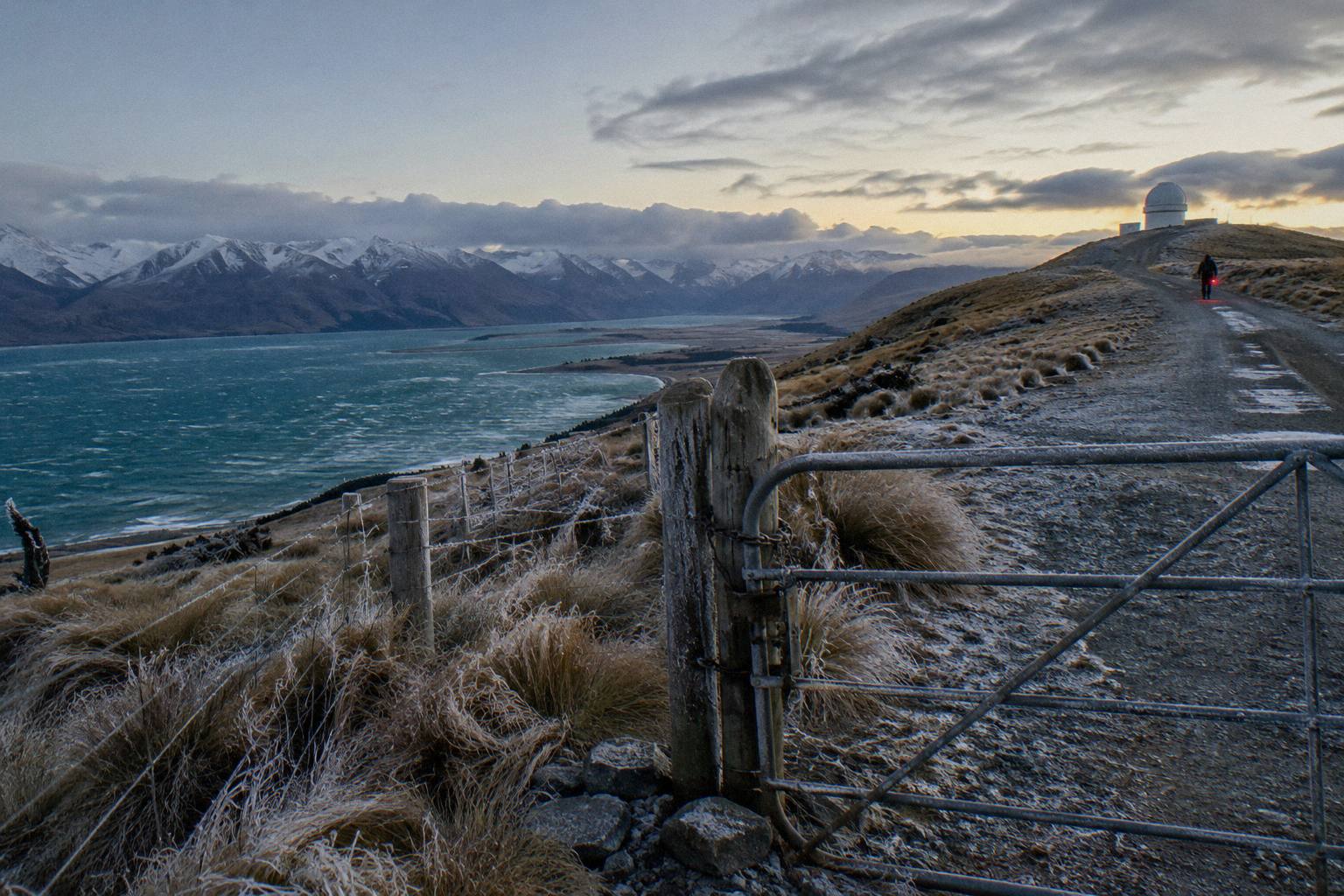
The Tekapo Springs night, sold as Soak in the Stars, works the other angle: guided telescope viewing first, then an exclusive hot pool with the guide poolside, with towels, robes, hot drinks and warm poncho coats included. The minimum age is 10 and the senior or student price is NZD 159, child NZD 115, family NZD 499. Its operator's stargazing page notes that some tours begin after midnight, with a 12:15am example, which is a genuinely useful fact for photographers: the latest windows sit under the darkest post-midnight sky. Tekapo Springs also tells Māori star stories and frames the stars as a Pacific navigation compass, naming Matariki and the Southern Cross.
One caution applies to that after-midnight appeal: a photographer chasing the darkest sky should still check the moon, because brighter moonlight affects fainter stars and galaxies, as the operator's weather page explains, while the moon itself remains a good target for telescopes. The new moon or full moon question for Tekapo stargazing is covered in full elsewhere on this site.
What Happens To Your Photo Plans When Cloud Rolls In?
Weather is the one variable no tour can promise away, and both major operators say so plainly. Dark Sky Project cannot guarantee clarity, decides close to tour time, and offers an indoor alternative, a reschedule, a gift voucher valid three years, or a full refund. Tekapo Springs runs in all weather, with a VR indoor experience replacing telescope viewing under cloud.
For a photographer, the two policies cut differently. A Dark Sky Project cancellation is a clean outcome: the money comes back or the date moves, so the only cost is the evening. The Tekapo Springs policy keeps the night running regardless, which preserves the hot-pool half of the experience but swaps the telescope half for 360 degree imagery of the Church of the Good Shepherd and the Mt John summit. If the photo or the telescope time is the reason you booked, a VR replacement is not the same product, and the 25 percent refund is the operator's own acknowledgement of that gap.
The decision point matters for timing too. Dark Sky Project makes its weather call as close to tour time as possible and asks guests to check in 15 minutes early for the update, so a photographer travelling in for one night should not assume an early-morning forecast settles anything. The full guide to what happens when a Tekapo stargazing tour is cancelled works through the reschedule and refund mechanics in detail.
One more honest note: the Milky Way and aurora depend entirely on conditions, and no operator guarantees either. The moon is the one predictable variable, and it is the one a photographer can plan around, because moon phase is known months in advance even when cloud is not.
| Operator | Runs in cloud? | What replaces the sky | Refund position |
|---|---|---|---|
| Dark Sky Project | Decision made close to tour time | Indoor alternative or Virtual Stargazing Experience | Reschedule, gift voucher valid 3 years, or full refund |
| Tekapo Springs | Yes, all weather | VR indoor experience, 360 degree imagery | 25% refund per ticket if telescope viewing under 30 minutes |
Do You Need A Tour To Photograph The Tekapo Night Sky?
No, and plenty of photographers do not book one: the reserve is overhead whether you pay or not, and the free-stargazing options around Lake Tekapo are real. The argument for a tour is gear, guiding and access, plus, on three tours, a photo taken and edited for you. The argument against is cost, group pace and freedom to wait.
The access point is the one people miss. The Mt John access road is open 9am to 4pm with a road user fee of NZD 14 per vehicle at the gate, and vehicles over 12 seats are not permitted; the Astro Cafe on the summit keeps the same hours. At night, the summit is effectively the tour operators' domain, so a photographer who wants the summit at midnight books the bus rather than the car. The lakefront and other lakeside spots have no such gate, and the guide to free stargazing around Lake Tekapo maps those options.
A hybrid plan is worth naming: book one guided night with a photo inclusion as the guaranteed-image baseline, then spend a second night shooting on your own with your own settings, using the tour to scout compositions and the operator's local knowledge to learn where the light sits. The camera settings for Tekapo night photography are a separate topic, covered in full on their own page, and deliberately not repeated here.
If you only have one night, the tour with the photo inclusion is the safer use of it. If you have three or four nights, the odds of catching at least one clear window on your own improve enough that a tour becomes about the telescope experience rather than insurance.
What Trips People Up When Booking An Astrophotography Tour?
The recurring mistakes are assuming every tour includes a photo, assuming a photo means a deep-sky image, and comparing tours on price when half of them publish none. The photo inclusions sit with the small lakeside operators, not the big telescope tours, and they are portraits of your night rather than nebulae. The Summit charges NZD 239 for adults and children alike, so a family of four with two teenagers pays the same rate four times.
The first trap is the age ladder, because it scatters families across operators. The Summit requires age 10, Tekapo Springs requires 10 on Soak in the Stars and allows no child under 6 on any tour including babies carried, Astro Tekapo and the Twizel tour set 6, and the Crater Experience sets 5. The Silver River and Chameleon tours state no minimum age, so ask. Booking a summit ticket for a 9-year-old is a refund conversation, not a waiver.
| Tour | Minimum age | Where it meets |
|---|---|---|
| Mt John Summit Stargazing Experience | 10 | Base at 1 Motuariki Lane, then bus to the summit |
| Crater Stargazing At Cowan's Observatory | 5 | Base, then 5-minute drive to Cowan's |
| Hot Pools And Stargazing At Tekapo Springs | 10 | Tekapo Springs reception |
| Astro Tekapo Lakefront Stargazing | 6 | Lakefront, Takapō Regional Park |
| Twizel Stargazing Tour With An Astronomer | 6 | Twizel |
| Silver River Alpine And Ultimate, Chameleon | Not stated | Not stated |
The second trap is expecting the operator's price on the booking page. The published NZD figures are direct-booking prices on the operator's own schedule; booking through an agent means the agent's prices and cancellation terms apply, and those can differ. The 24 hour free-cancellation windows quoted here are the booking pages' own terms, and Tekapo Springs notes that bookings made through third-party agents may differ. The how to book guide covers the mechanics.
The third trap is timing. Summit and Crater times shift with sunset and are not published as clock times; Tekapo Springs times are seasonal and calendar-based; the only fixed clock times in this whole landscape belong to the indoor Dark Sky Experience at 10:30am, 12:30pm and 2:30pm, with 4:30pm added on Tuesday and Wednesday. That indoor experience is a daytime cultural astronomy tour with a restored 125-year-old Brashear telescope and no stargazing at all, so it is the cloud-day alternative, not a night out with a camera.
How Should A Photographer Choose Between All This?
Decide what the photo is for before comparing anything else. If it is a keepsake of your group under the stars, book Astro Tekapo for the stated edited photo and the age-6 floor, or a Silver River tour for a longer night. If it is a deep-sky image, the Summit Experience with telescopes up to 16 inch is the instrument to stand beside.
Worked through by traveller type, the logic resolves quickly. A solo photographer with a tripod and a week in town needs the least: one summit night for the observatory access, then free nights on the lakefront. A couple on a short visit with one clear-sky chance should take the edited-photo tour as insurance and enjoy the guided sky while it happens. A family with children between 5 and 9 has two options only, the Crater Experience and Astro Tekapo, and the photo inclusion decides it. A family with teenagers can add the Summit or the hot pools night, at which point the choice is between NZD 239 flat at the summit or NZD 179 per adult at the lake with a soak attached.
Beyond Tekapo itself, the same questions follow you down the Mackenzie Basin. The Twizel Stargazing Tour With An Astronomer runs 75 minutes with a minimum age of 6, and the Mt Cook Stargazing Experience runs 75 minutes meeting at the Tasman Glacier car park. Neither publishes an operator price, and photo inclusions are not stated for either, so the booking pages are the arbiter. Those are covered in the mount Cook stargazing tours guide and the Twizel night sky guide.
The honest summary is that Tekapo astrophotography is better served by two nights than one expensive one: a guided tour with a photo to guarantee an image, and a self-directed night to chase the frame you actually pictured. Book the guided half with the cancellation window in mind, watch the moon phase rather than the long-range forecast, and let the operator's weather call do what it is designed to do.
Common Questions About Tekapo Astrophotography Tours
Do Any Tekapo Stargazing Tours Include A Photo?
Yes. Astro Tekapo's lakefront tour includes an edited photo, both Silver River tours include a free photo, and Chameleon lists photos on its shared experience. The Dark Sky Project tours and the Tekapo Springs hot pools night do not list a photo among their inclusions.
Is The Photo A Picture Of Deep-Sky Objects?
The inclusions are stated as a photo or edited photo of your night, not as deep-sky images. Treat the deliverable as a portrait of your group under the stars taken by the guide. Ask the operator at booking what the photo typically shows if the framing matters to you.
Can You Take Your Own Camera On A Tekapo Tour?
Camera policies are not stated on the operator pages quoted here, so ask before booking. Dark Sky Project can be reached at +64 3 680 6960 or info@darkskyproject.co.nz, and Tekapo Springs at +64 3 680 6550 or bookings@tekapostargazing.co.nz. Camera settings for shooting on your own are covered in the site's photography settings guide.
Which Photo-Inclusion Tour Is Best For Families?
Astro Tekapo states a minimum age of 6 and an edited photo on a 1.5 hour tour, which fits families with younger children. The Silver River tours do not state a minimum age, so confirm with the operator. The telescope tours require age 10 at the summit and age 5 at Cowan's Observatory.
What Happens To The Tour If It Is Cloudy?
Dark Sky Project cannot guarantee clarity, decides close to tour time, and offers an indoor alternative, a reschedule, a voucher valid three years or a full refund. Tekapo Springs runs in all weather with a VR indoor experience replacing telescope viewing, and refunds 25 percent per ticket if telescope viewing falls under 30 minutes.
How Much Do Tekapo Astrophotography Tours Cost?
The tours that include a photo leave their price to the booking page. The published operator prices belong to the others: NZD 239 adult and child alike at the Summit, NZD 139 adult and NZD 99 child at the Crater Experience, and NZD 179 adult at the Tekapo Springs hot pools night, on the operator's schedule valid to 30 September 2027.