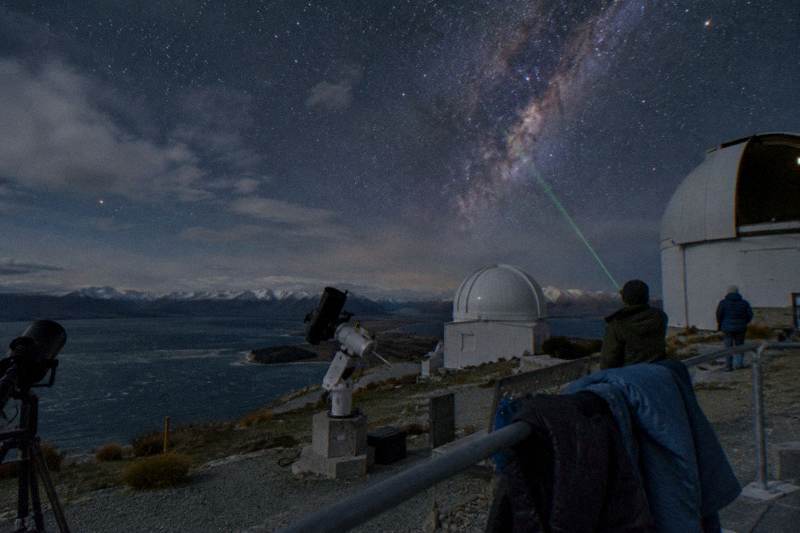
Is Lake Tekapo Good For Stargazing?
Lake Tekapo sits inside the largest dark sky reserve in the Southern Hemisphere. Here is what that actually means for your night, the honest limits on moon and cloud, and which tours use the reserve best.
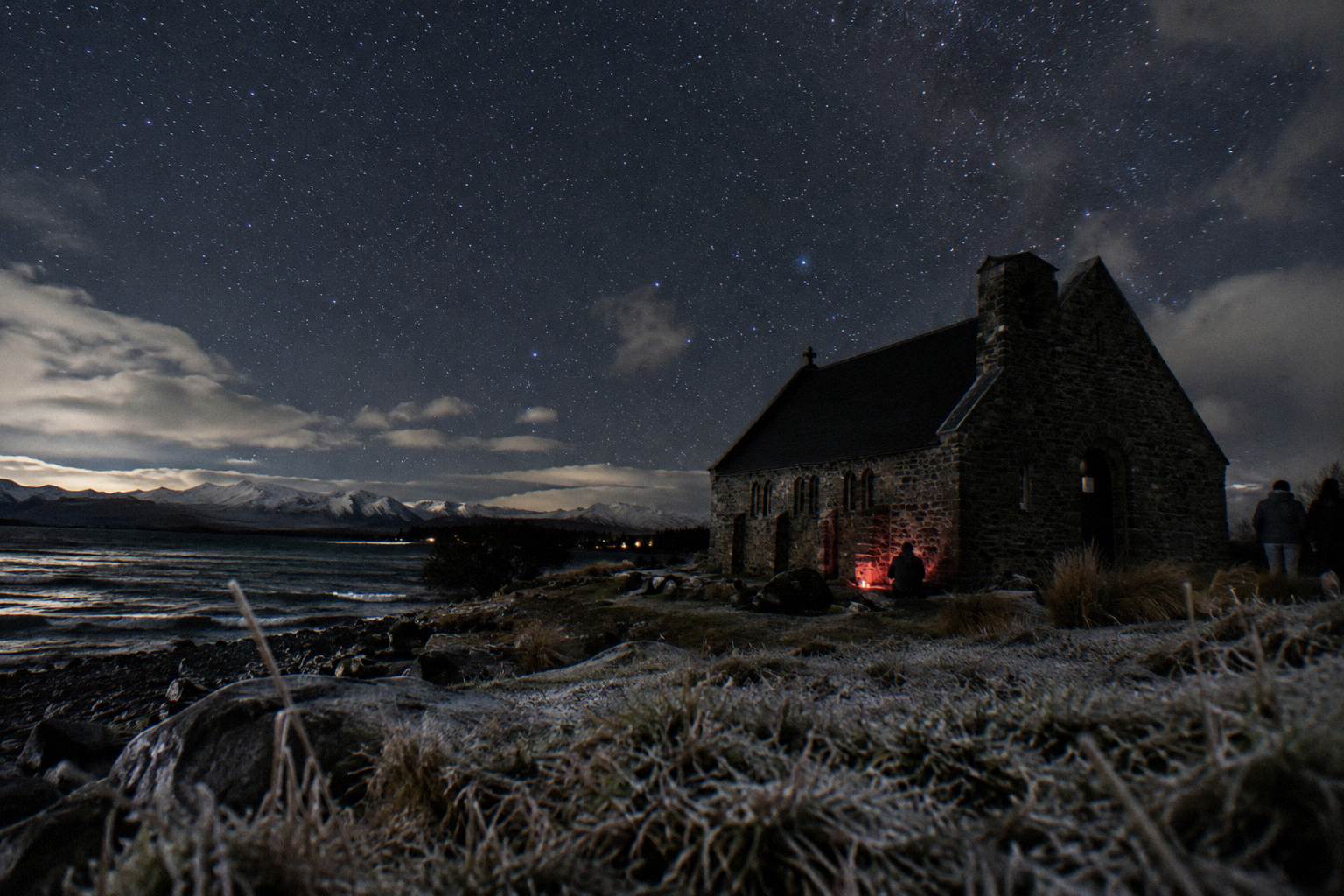
Yes, and for reasons that go well beyond scenery. Lake Tekapo sits inside the Aoraki Mackenzie International Dark Sky Reserve, the largest dark sky reserve in the Southern Hemisphere, a designation awarded in April 2012 that covers Aoraki/Mt Cook National Park and the Mackenzie Basin. On top of the reserve, the town has six operators running guided stargazing within a short drive, more choice than almost anywhere else in New Zealand.
The honest qualification matters just as much. The moon brightens the sky and dims fainter stars and galaxies, cloud can close any outdoor tour, and every operator states plainly that clarity and specific objects cannot be guaranteed. The good nights at Tekapo are extraordinary; the planning is what makes them likely.
| Quick fact | Detail |
|---|---|
| Reserve | Aoraki Mackenzie International Dark Sky Reserve, awarded April 2012 |
| Coverage | Aoraki/Mt Cook National Park and the Mackenzie Basin |
| Standing | The largest dark sky reserve in the Southern Hemisphere |
| Guided options in the area | Six operators, ten tours |
| Weather terms | No operator guarantees clarity; alternatives and refunds vary by operator |
| Drive time | Takapō is about three hours from Queenstown and from Christchurch |
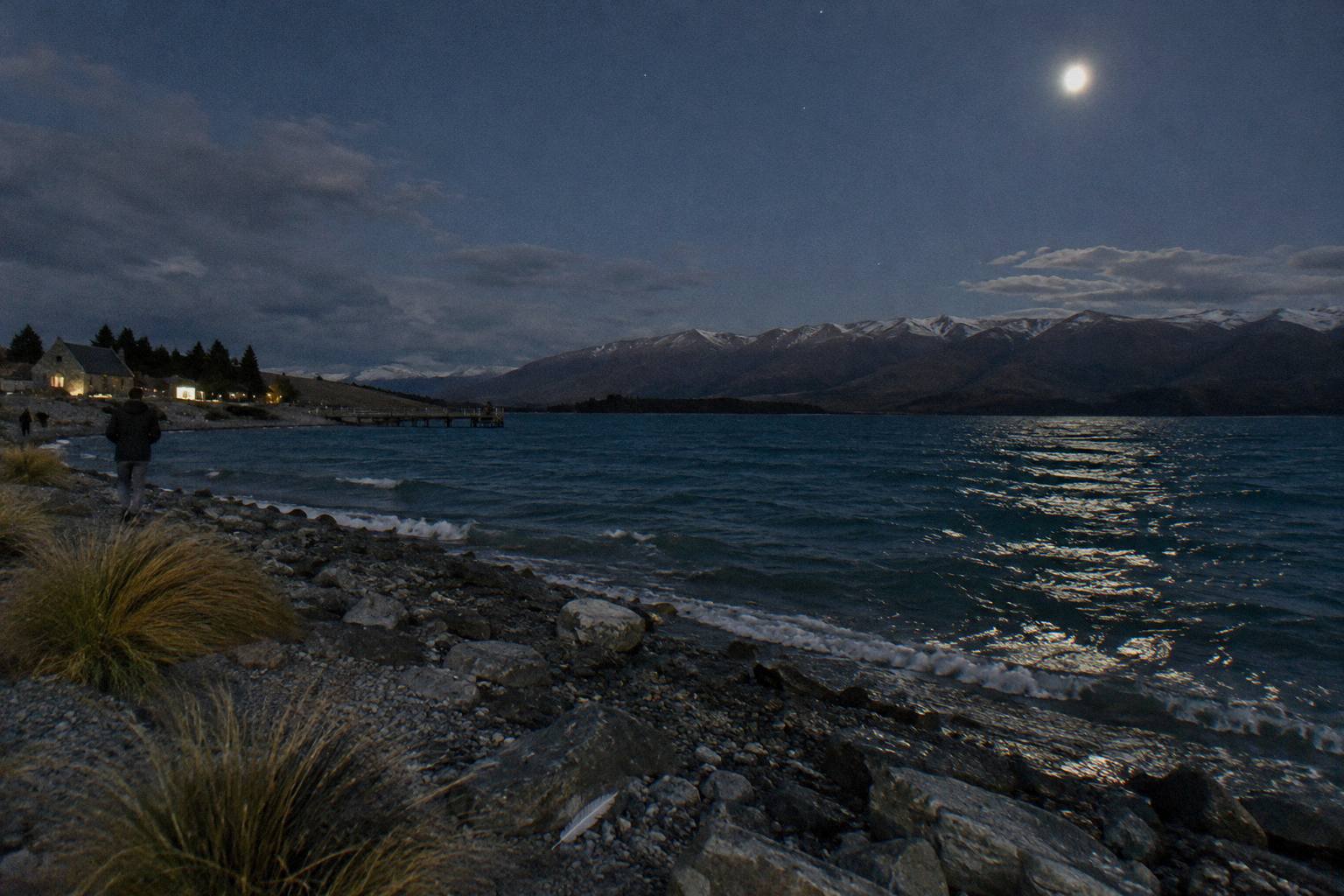
Yes, Lake Tekapo is good for stargazing in a way few towns anywhere can match. It sits inside the Aoraki Mackenzie International Dark Sky Reserve, the largest dark sky reserve in the Southern Hemisphere, designated in April 2012, and a working university observatory sits directly above the lake on Mt John at 1,029 m. Seven operators run guided tours from the township, from budget-friendly crater sessions to a summit experience at a professional research observatory.
The reserve is the foundation. Dark Sky Project, the operator based at 1 Motuariki Lane on the lakefront, explains that the Aoraki Mackenzie International Dark Sky Reserve comprises Aoraki/Mt Cook National Park and the Mackenzie Basin, and that reserve status was awarded in April 2012. Tekapo Stargazing describes it as the largest such reserve in the Southern Hemisphere. That is not a marketing label: it reflects decades of lighting control across the basin, which the Mackenzie District Council administers through rules in its District Plan that shield outdoor lights and point them downward.
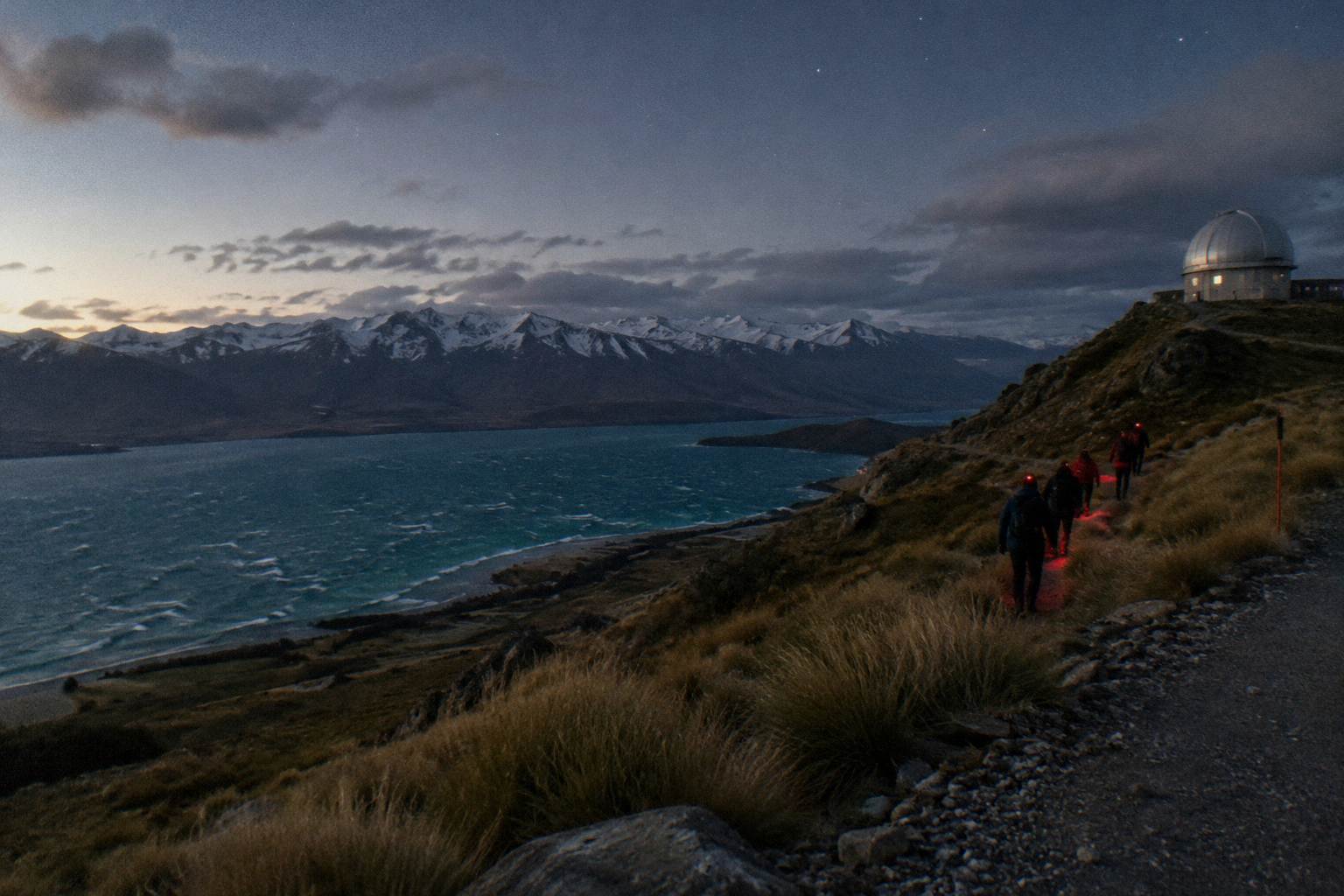
The second pillar is Mt John itself. The University of Canterbury Mt John Observatory, at 1,029 m above the lake, is described by the University as New Zealand's largest professional research observatory, with four research telescopes including the 1.8 m MOA telescope operated in partnership with Osaka University. It officially opened in 1965. A visiting public can share that summit through the Mt John Summit Stargazing Experience, which Dark Sky Project runs with telescopes up to 16 inch inside a private observatory dome on the summit, reached by a 15-minute bus from the base. If you are weighing the full range of options, the Lake Tekapo stargazing tours compared guide lays out every operator side by side.
The third pillar is simple convenience. Takapō is about three hours' drive from both Queenstown and Christchurch, which Dark Sky Project notes on its plan-your-visit page, so the darkest accessible sky in the country is a straightforward addition to a South Island itinerary rather than an expedition.
Given all that, the practical question is not whether the sky is good, but which experience suits you.
What The Dark Sky Reserve Actually Does For Your Night
A dark sky reserve designation protects darkness by controlling artificial light, and at Tekapo that protection covers the entire basin your night sky sits in. The Mackenzie District Plan includes rules that shield outdoor lighting so it points downward and limit its timing, which is why the town can sit beneath a working observatory. The designation, awarded in April 2012, spans Aoraki/Mt Cook National Park and the Mackenzie Basin.
Practically, this is why Tekapo answers the question differently from a random rural town with a nice horizon. Darkness at scale is fragile: a single unshielded floodlight washes out a valley. The reserve framework means the whole Mackenzie Basin, not just one hilltop, is managed for low light spill. Dark Sky Project describes the reserve on its dark sky reserve page, and the company's own story is tied to it: founded in 2004 as Earth & Sky, it reports hosting over 45,000 visitors a year and became a Ngāi Tahu Tourism partner in 2016.
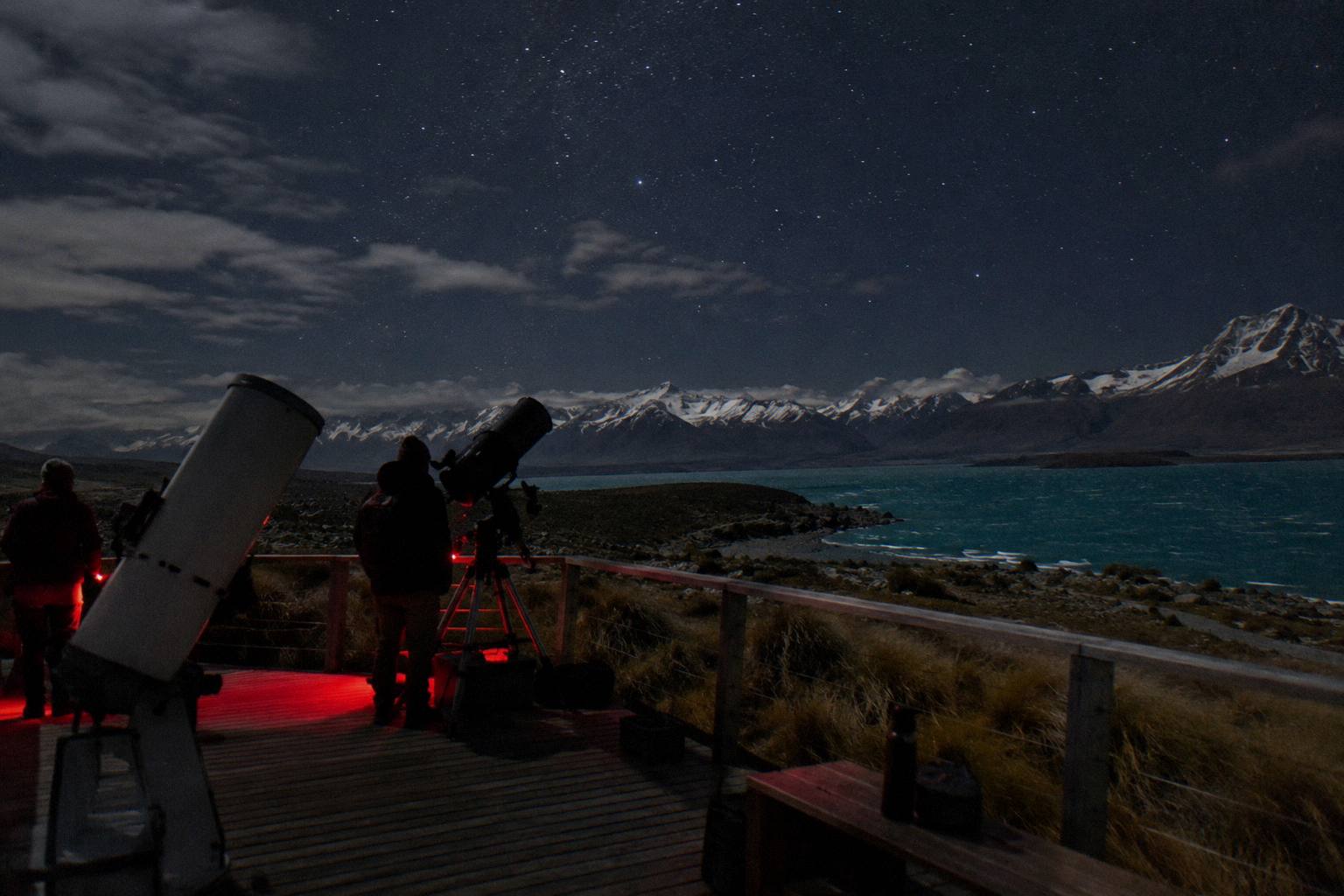
The cultural layer is part of the same landscape. Dark Sky Project writes the place name as Takapō and says it does so to support revitalising Māori place names; Takapō is the name recorded by Ngāi Tahu ancestors on the Ngāi Tahu historical atlas, the Ka Huru Manu map. The company weaves Tātai Aroraki, Māori astronomy, through its Summit, Crater and indoor Dark Sky Experience, and Tekapo Stargazing tells Māori star stories on its own tours, framing stars as a Pacific navigation compass and pointing to Matariki and the Southern Cross.
None of this requires a tour to be meaningful, but it explains why the guided options here carry more substance than a telescope in a paddock. The guides are working inside a reserve, on a mountain with a research observatory, in a place whose night sky has a recorded cultural name and story.
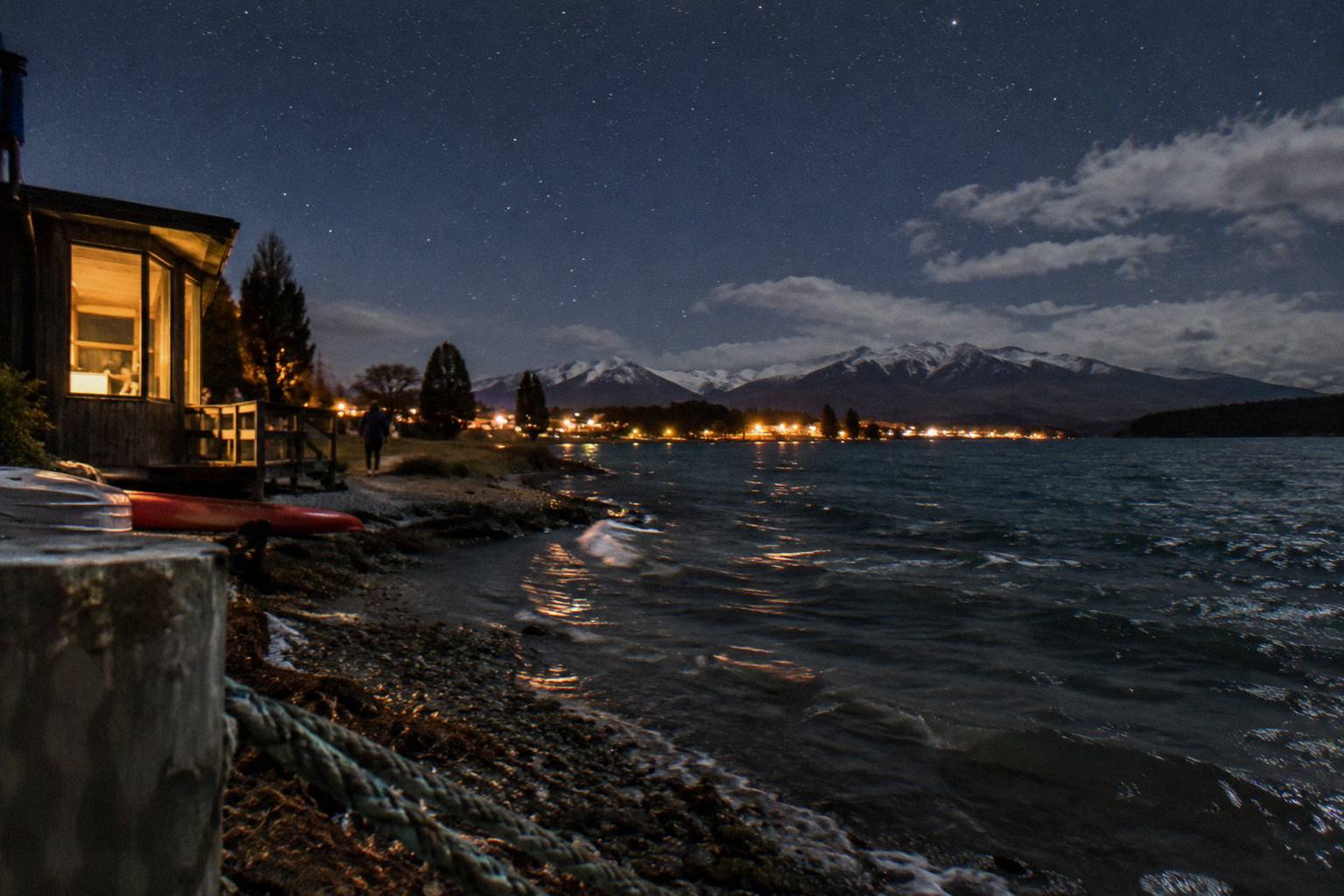
Still wondering how to turn that darkness into a booking? The summit experience is the deepest dive into the reserve.
Where The Moon And Cloud Set The Honest Limits
No stargazing at Tekapo is guaranteed, and the two things that decide your night are moonlight and cloud. Dark Sky Project states it cannot guarantee clarity or any object, makes the call as close to tour time as possible, and offers an indoor alternative, a reschedule, a voucher or a full refund when the sky does not cooperate. Brighter moonlight dims fainter stars and galaxies, though the moon itself is a good target through a telescope.
The moon question is the one travellers most often get wrong. Dark Sky Project's weather planning page is direct: brighter moonlight affects fainter stars and galaxies, and the operator also says the moon is a good target in its own right. Tekapo Stargazing says much the same from the other direction: telescopes still show bright objects around full moon, and full moon only reduces the naked-eye view of the Milky Way. So a moonlit Tekapo night is not a wasted night; it is a different night, better suited to telescope targets than to gaping at the galaxy.
Cloud is blunter. If outdoor stargazing is not possible, Dark Sky Project offers an indoor alternative or its Virtual Stargazing Experience, a reschedule subject to availability, a gift voucher valid three years, or a full refund. The decision is made as close to tour time as possible, and the operator asks guests to check in 15 minutes early for the update. Direct bookings can be cancelled up to 24 hours before for a full refund.
Tekapo Springs takes the opposite approach to weather: its tours run in all weather, with a VR indoor experience using 360 degree imagery of the Church of the Good Shepherd and the Mt John summit replacing telescope viewing under cloud. Its own terms say clarity cannot be guaranteed, and if telescope viewing comes in under 30 minutes, the operator gives a 25 percent refund per ticket at the end of the tour. Neither model is better; one trades flexibility for certainty of running, the other trades certainty of running for flexibility.
| Condition | Dark Sky Project (Summit, Crater) | Tekapo Springs (hot pools and stargazing) |
|---|---|---|
| Runs in cloud? | No; decision made close to tour time | Yes, in all weather |
| Cloud fallback | Indoor alternative, Virtual Stargazing Experience | VR indoor experience with 360 degree imagery |
| Other options | Reschedule, voucher valid 3 years, full refund | Tour proceeds; 25% refund per ticket if under 30 minutes of telescope viewing |
| Clarity guaranteed? | No | No; the operator's own terms say so |
| Direct cancellation | Up to 24 hours before, full refund | Up to 24 hours before, full refund, change or voucher |
Which Tekapo Tours Use The Reserve Best
The summit tour uses it most literally, since it puts you inside the University of Canterbury Mt John Observatory grounds with telescopes up to 16 inch. The Crater Experience at Cowan's Private Observatory is the sheltered, cheaper alternative from the same operator, and Tekapo Springs pairs telescope viewing with a hot pool. Around them sit smaller lakefront operators with their own angles, and the right pick depends on budget, age mix and appetite for cold.
The Mt John Summit Stargazing Experience is the headline option for a reason. It is rated 4.6 across 352 reviews, runs 1 hour 45 minutes including the 15-minute bus each way, and costs NZD 239 for adults and children alike on the operator's current price schedule, with a minimum age of 10. Transport, guiding and the loan of an Extreme Cold Weather jacket are included, and the walk from bus to dome is a 100 m gravel incline plus a few steps in the dark, so moderate fitness is needed. Times shift with sunset through the year and are not published, so the booking page is the place to find the evening's slot. The full index of guides sits on Mt John Stargazing.
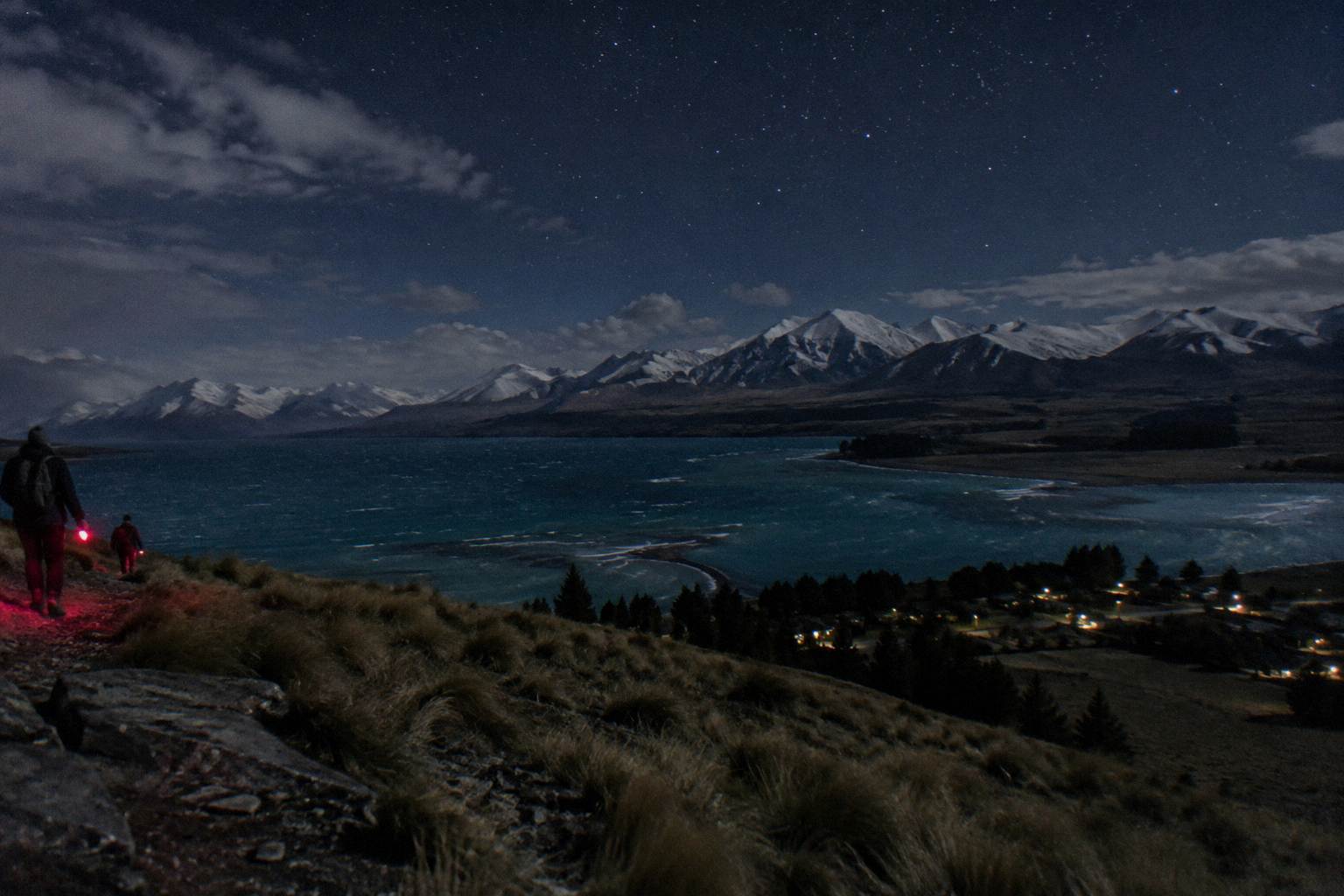
One level down in price and intensity, the Crater Experience at Cowan's Observatory sits in purpose-built observation craters sheltered from wind and light, a 5-minute drive from the base, for 75 minutes including transport. The operator's price is NZD 139 adult and NZD 99 for children aged 5 to 17, with a family pass at NZD 377 for two adults and two children, and the minimum age of 5 makes it the natural family pick. It is rated 4.6 across 93 reviews. Wheelchair users can join, though the operator asks them to drive their own vehicle to Cowan's.
If cold is the barrier rather than budget, Soak in the Stars at Tekapo Springs splits its 90 minutes between guided telescope viewing and an exclusive hot pool at 37.5 to 38.5 °C with the guide poolside, with towels, robes, hot drinks and warm poncho coats included. The operator's price is NZD 179 adult, NZD 159 senior or student, NZD 115 child and NZD 499 for a family, minimum age 10. Some tours begin after midnight, and the calendar runs seven evenings a week from October to April, Thursday to Monday through the winter months.
Beyond those three, the field widens. Chameleon Stargazing runs a shared experience of about 1.5 hours; Astro Tekapo runs a 1.5-hour lakefront session from Takapō Regional Park with a minimum age of 6; Silver River Stargazing runs both a 75-minute alpine session and a 2-hour ultimate version. Prices for these are on the booking pages rather than the operators' own published schedules, and none carries a printable rating, so treat them as format choices rather than ranked options.
Can You Stargaze At Tekapo Without A Tour?
Yes, and many people do. The reserve's darkness is free, the lakefront and the Mt John Summit Circuit track are publicly accessible by day, and the district's lighting rules protect the view from town. What a tour adds is a telescope, a guide who can find things, transport up the privately managed summit road, and warm kit, which on a sub-zero night is often the difference between twenty minutes and two hours outside.
The self-guided route is real. The Summit Circuit track is 8.9 km return, and the lakefront at Takapō Regional Park is where Astro Tekapo bases its own tours, which tells you the site works without a telescope. The catches are practical: the Mt John access road is open 9am to 4pm only, charges a NZ$14 road user fee per vehicle at the gate and bans vehicles over 12 seats, and it closes in some weather. After dark you cannot drive up; the tour bus is the public's route to the summit at night, which the can you drive up to Mt John Observatory post covers in detail.
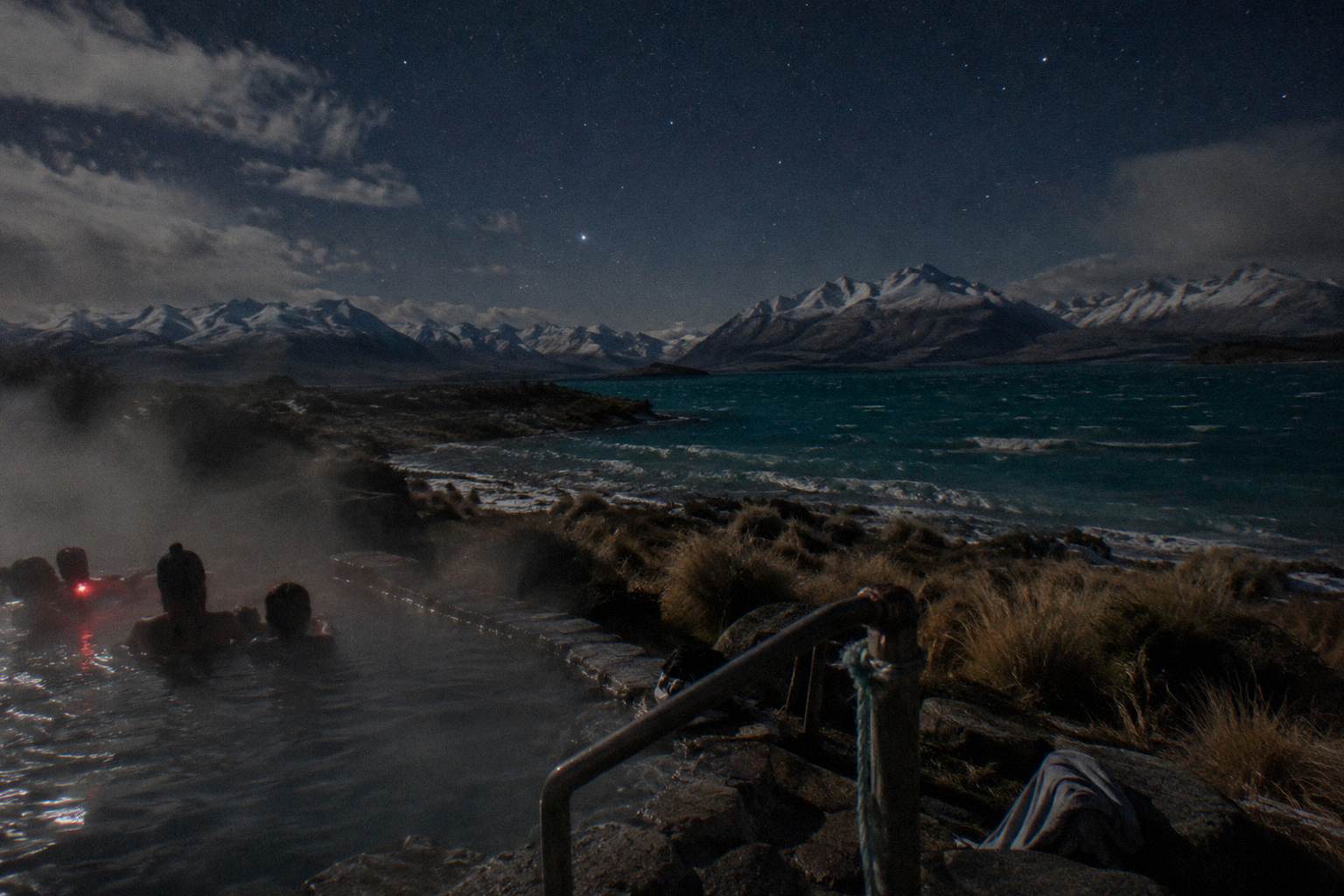
What you give up alone is interpretation and gear. On a guided Dark Sky Project tour, naked-eye viewing is guided by handheld lasers and Tātai Aroraki and Western astronomy are woven through the storytelling; on the summit, telescopes up to 16 inch sit inside a private dome. For a first visit to a southern-hemisphere sky, where the constellations are unfamiliar to northern travellers, that guidance changes what you actually register. The free stargazing at Lake Tekapo guide works through the no-cost options if budget is the deciding factor.
The honest framing is that the tour and the free sky are different products. If you have a car, warm clothes and a clear dark-of-moon night, the free sky at Tekapo will beat a cloudy paid tour. If your nights in town are limited, a tour's cancellation flexibility and indoor fallback protect the one evening you have.
When Lake Tekapo Is The Wrong Choice
Tekapo stops being the right answer in three situations: when your only night falls near full moon and you want the Milky Way, when cloud is settled across the whole basin, and when your group includes children too young for the tour you had in mind. Each problem has a partial fix, but none has a guarantee, and knowing the limits before you book beats discovering them at check-in.
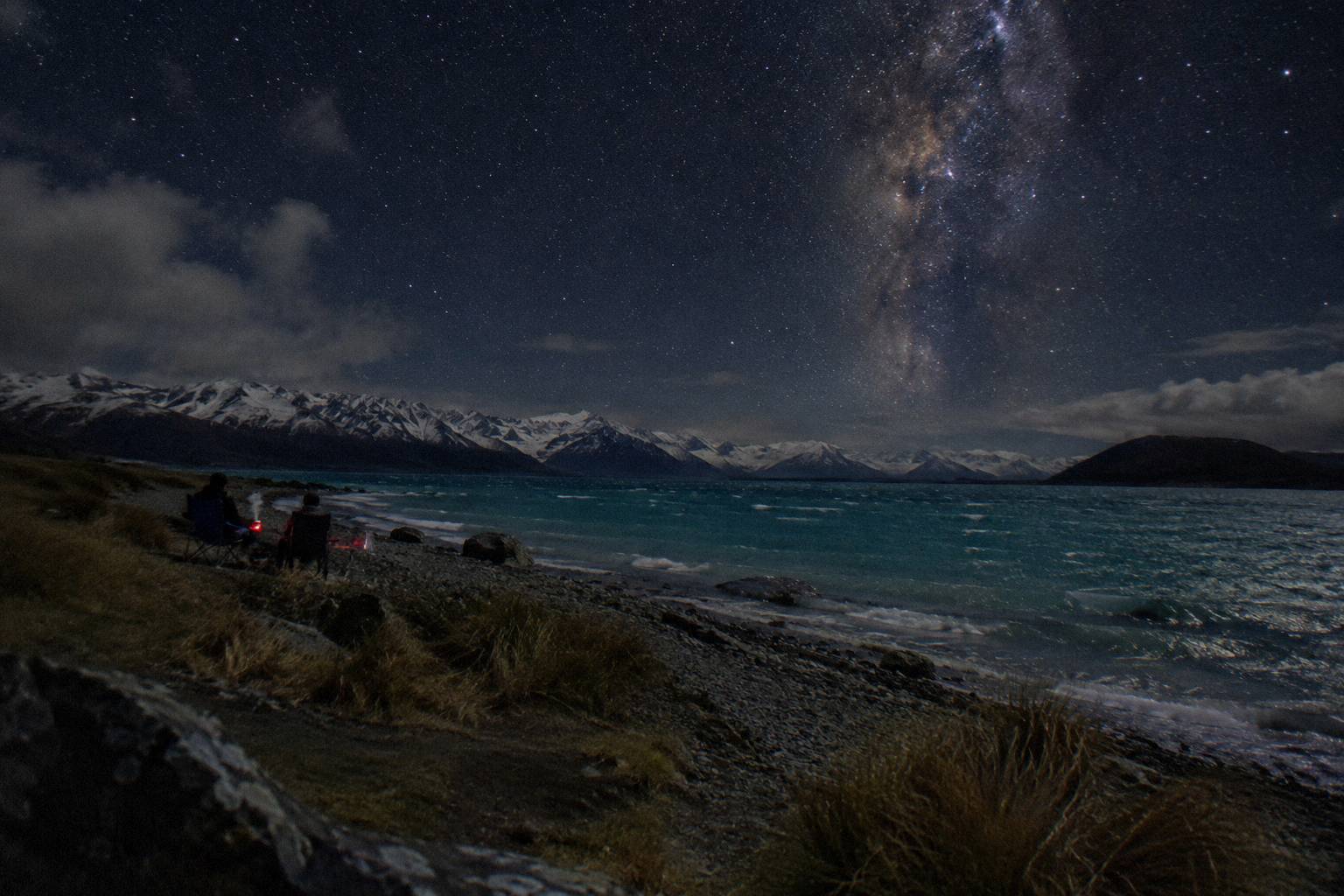
The moon case is fixable with calendar work. Pick nights around the new moon, and read the new moon or full moon guide before locking dates; brighter moonlight affects the fainter targets, and the operator says so plainly. The cloud case is fixable only by flexibility: keep a spare evening, or choose an operator whose fallback suits you, whether that is Dark Sky Project's reschedule-or-refund model or Tekapo Springs' run-in-all-weather model with the VR session and the partial refund.
The age case catches families out. The Summit Experience has a minimum age of 10 and Soak in the Stars also sets 10; the Crater Experience takes children from 5, and Tekapo Springs' lakefront sessions take children from 6, though the operator allows no child under 6 on any of its tours, babies carried included. Families with a toddler and a ten-year-old are the classic mismatch: the Crater Experience or the indoor Dark Sky Experience, which has no minimum age and admits under 5s free with an adult ticket, are the two that fit.
There is also a comfort case. The summit involves a 100 m gravel incline and a few steps in the dark, and Mt John at 1,029 m is colder than the village. Dark Sky Project lends an Extreme Cold Weather jacket on the Summit, the only tour where it does. If anyone in your group cannot manage the walk, the Crater Experience is the accessible alternative. The what to wear guide covers the clothing side.
Common Mistakes When Planning Tekapo Stargazing
The recurring mistakes are booking a single night with no fallback, ignoring the moon phase, assuming a child price on the summit tour, arriving to check in late, and treating a weather decision as a cancellation. Dark Sky Project's terms are specific: late check-in means no refund, cancellation inside 24 hours forfeits the full price, and a weather call is not the same as the operator cancelling you. Each mistake is avoidable with one planning step.
Booking one night is the biggest. Weather decisions at Tekapo are made close to tour time, so a one-night stay gambles the whole experience on one forecast. Two nights roughly doubles your chances, and the question of how many nights to book deserves its own arithmetic before you book accommodation.
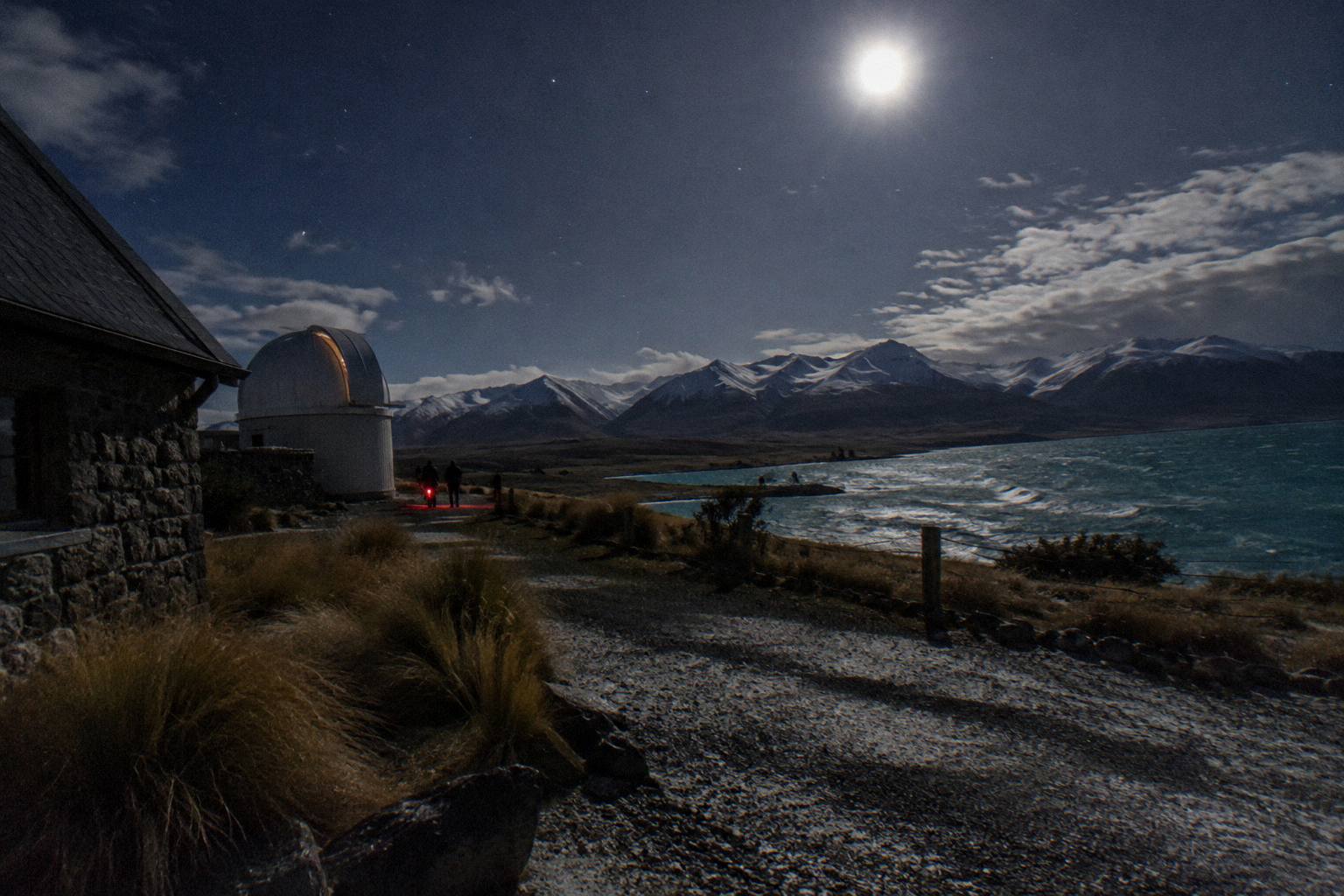
The child-price assumption costs real money. The Summit Experience prices adults and children the same at NZD 239 each; there is no child discount on the operator's schedule. Families save substantially at the Crater Experience instead, where children aged 5 to 17 are NZD 99 against the NZD 139 adult price, and the family pass at NZD 377 covers two adults and two children. Assuming the summit has a similar structure is an easy and expensive error.
The late-arrival mistake is unforgiving. Both major operators ask guests to check in 15 minutes before departure, Dark Sky Project at its lakefront base, Tekapo Springs at its reception. Dark Sky Project's terms state that late check-in receives no refund, and its weather updates are delivered at that check-in, so lateness costs you both the tour and the information. Groups of 10 or more face tighter windows still: no refunds inside 72 hours for the Summit and Crater experiences.
The last mistake is reading the weather policy as a promise. Tekapo Springs markets an adventure it calls guaranteed, yet its own terms say clarity cannot be guaranteed, and its VR session is a substitute for telescope viewing, not a stargazing equivalent. Dark Sky Project never promises objects: the Milky Way and Aurora Australis depend on conditions, per its own FAQ. Plan for the sky you might get, not the one the brochure implies.
Common Questions About Lake Tekapo Stargazing
Is Lake Tekapo Good For Stargazing?
Yes. It sits inside the Aoraki Mackenzie International Dark Sky Reserve, the largest dark sky reserve in the Southern Hemisphere, beneath a working university observatory on Mt John, with eight guided options in the district. The limits are moonlight, cloud and the fact that no operator guarantees clarity.
Can You See The Milky Way From Lake Tekapo?
The Milky Way is a target the operators name, and Dark Sky Project says it depends on conditions and is not guaranteed. Tekapo Stargazing notes that full moon reduces the naked-eye Milky Way, while telescopes still show bright objects. Nights around the new moon give the best odds.
What Happens If It Is Cloudy On My Tour Night?
Dark Sky Project decides close to tour time and offers an indoor alternative, a reschedule, a voucher valid three years, or a full refund. Tekapo Springs tours run in all weather, replacing telescope viewing with a VR indoor experience and refunding 25 percent per ticket if telescope viewing comes in under 30 minutes.
Do You Need A Tour To Stargaze At Tekapo?
No. The reserve's darkness is free and the lakefront works well on a clear night. A tour adds a telescope, a guide, transport up the summit road after dark, and warm kit such as the loan ECW jacket on the Summit Experience.
Which Tour Is Best For Families With Young Children?
The Crater Experience takes children from age 5 at NZD 99 each, with a family pass at NZD 377. The Summit Experience and Soak in the Stars both set a minimum age of 10. The indoor Dark Sky Experience has no minimum age, and under 5s are free with an adult ticket.
Is Lake Tekapo Better Than Mount Cook For Stargazing?
Both sit inside the same reserve, so the darkness is comparable. Tekapo has the wider choice of operators and the Mt John observatory; the Mount Cook end has its own tours, including the Mt Cook Stargazing Experience from the Tasman Glacier car park area. The deciding factors are where you are staying and which tour format suits your group.