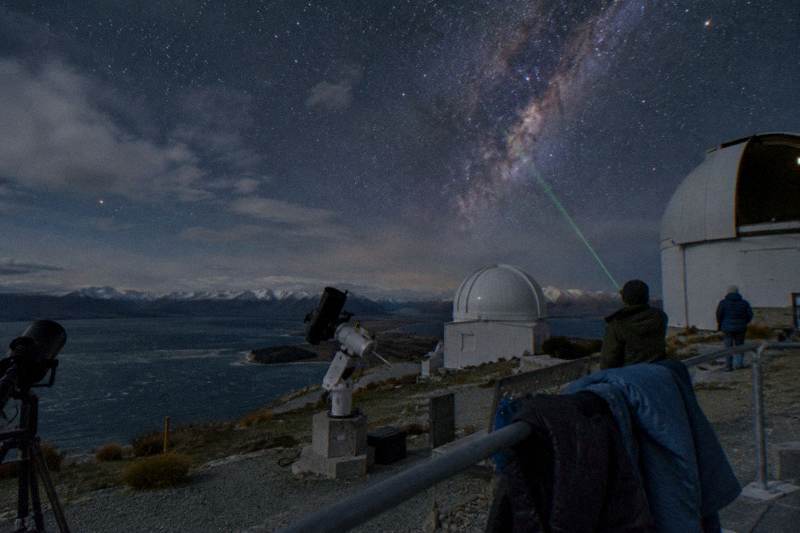
Tekapo Aurora Forecast: Tracking Southern Lights Alerts For Stargazing Trips
Aurora alerts can shape when you book a Tekapo stargazing night, but the tours themselves sell the sky, not a light show. Here is how to plan around alerts, cloud and moonlight without expecting anything the operators do not promise.
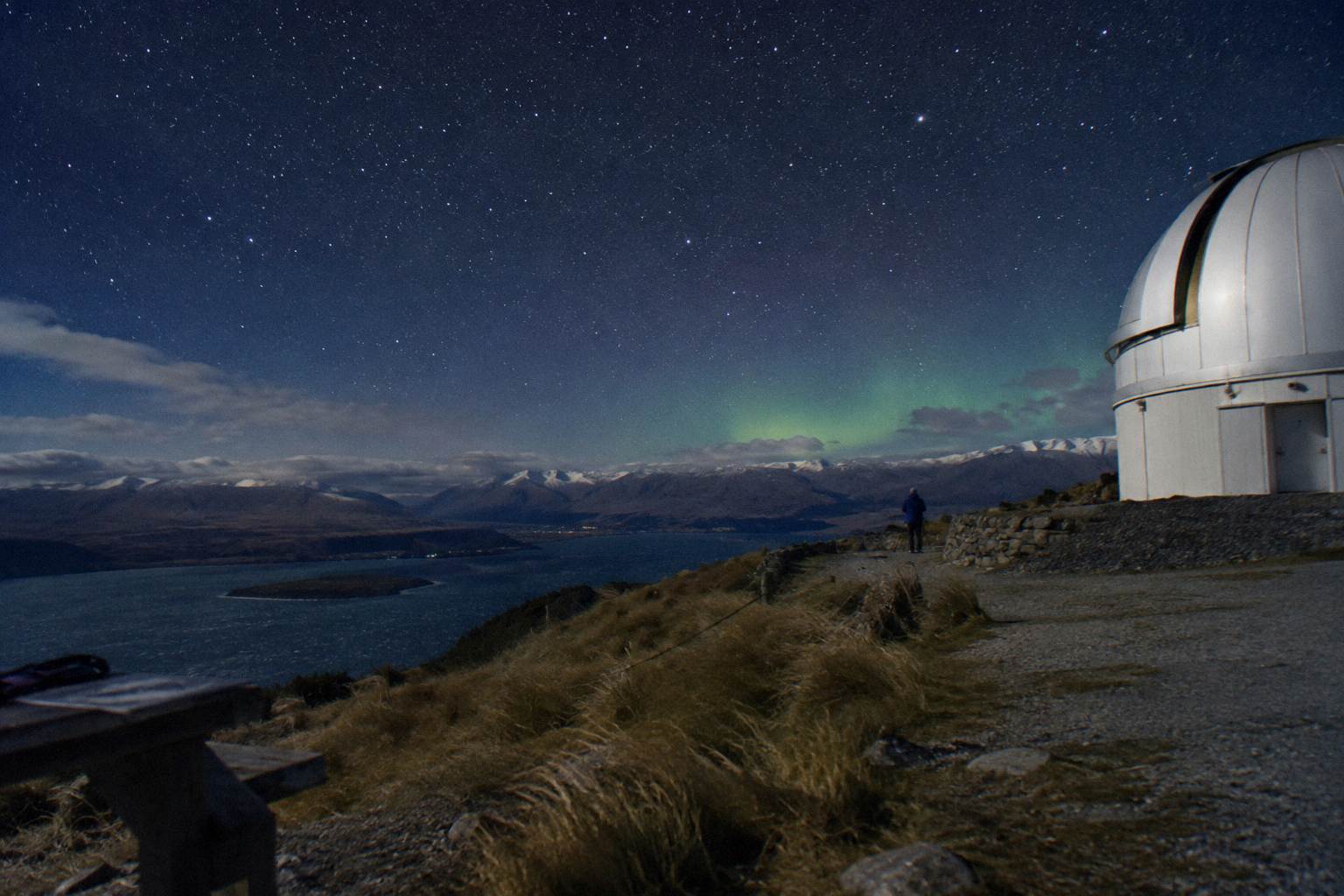
Short answer
Aurora Australis depends on conditions, and Dark Sky Project states plainly that it does not guarantee aurora or the Milky Way on any tour. Treat aurora alerts as timing input for when to book, not as a promise of what a tour will show. Cloud, not geomagnetic quiet, is what actually cancels outdoor stargazing in Tekapo.
Planning a Tekapo stargazing trip around the southern lights starts with the wider dark sky picture covered in the Lake Tekapo stargazing tours compared guide, and this page adds the aurora angle: how alerts fit into a booking decision, and what the operators actually say about what a night can deliver.
| Quick fact | Detail |
|---|---|
| Reserve | Aoraki Mackenzie International Dark Sky Reserve, status awarded April 2012 |
| Reserve extent | Aoraki/Mt Cook National Park and the Mackenzie Basin |
| Aurora policy | Dark Sky Project does not guarantee aurora or the Milky Way |
| Weather calls | Made as close to tour time as possible |
| Cloud fallback | Indoor alternative, reschedule, gift voucher or full refund (Dark Sky Project) |
| Drive times | Takapō about three hours from Queenstown and from Christchurch |
What An Aurora Forecast Actually Tells You About A Tekapo Night
An aurora forecast is a timing signal, not a ticket. It tells you which nights geomagnetic conditions lean toward aurora Australis being possible over New Zealand, and nothing about whether Tekapo's sky will be clear enough to see anything. Dark Sky Project states that both the Milky Way and Aurora Australis depend on conditions and that it does not guarantee them on any experience it runs. The forecast narrows the when, never the what.
That distinction drives every booking decision on this page. A stargazing tour in Tekapo sells a guided night under one of the darkest accessible skies in the Southern Hemisphere: telescopes, a guide, transport and storytelling. Aurora is a phenomenon that may or may not appear on a given night, and the operators here are careful to say so. Dark Sky Project's own weather page puts clarity and objects outside its control, and the decision on whether a tour proceeds is made as close to tour time as possible.
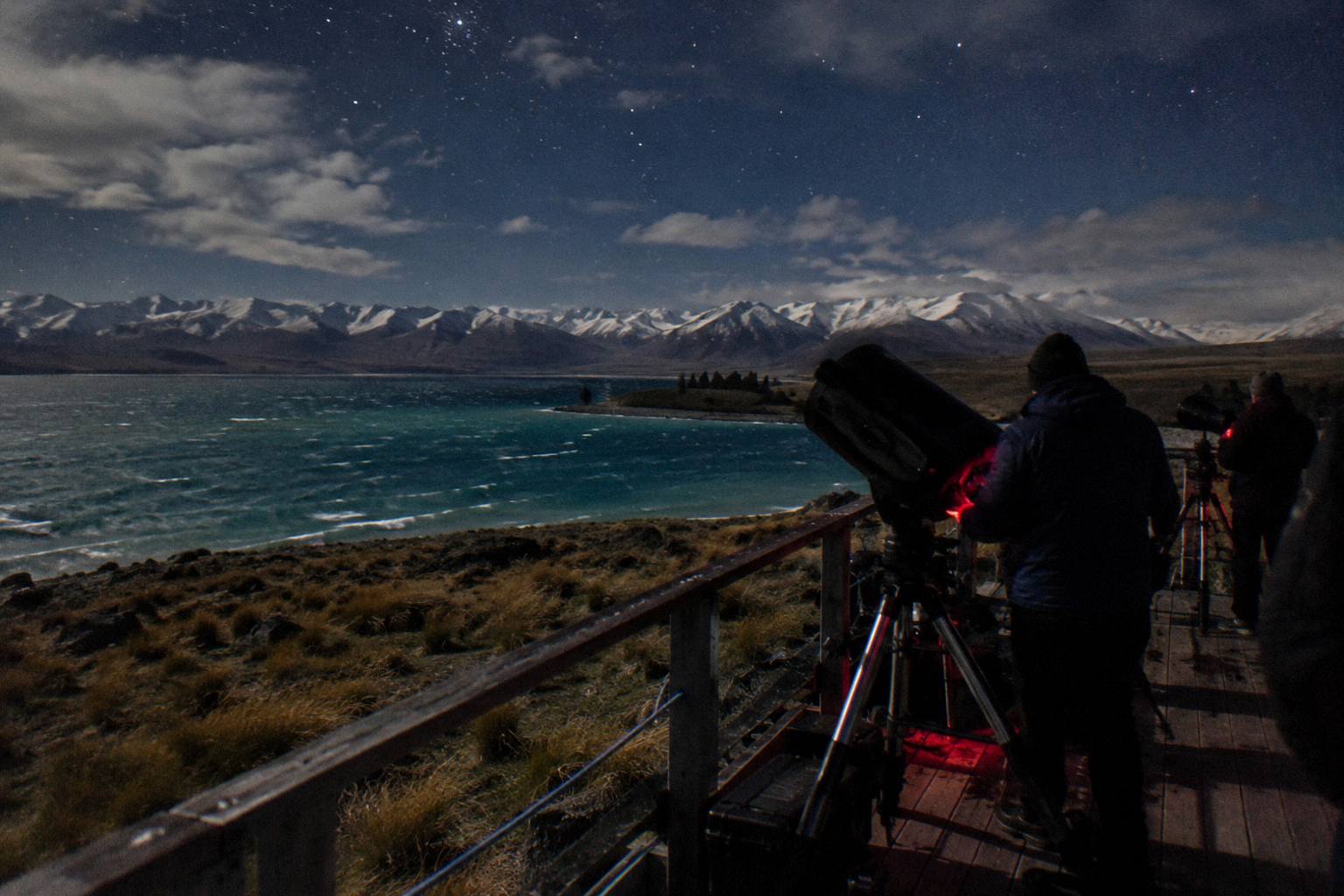
The Aoraki Mackenzie International Dark Sky Reserve, awarded reserve status in April 2012, covers Aoraki/Mt Cook National Park and the Mackenzie Basin, and the operator's reserve page describes it as the largest dark sky reserve in the Southern Hemisphere. That darkness is the product. It is why the sky over Lake Tekapo rewards a booked tour on any clear night, whether or not an alert is active, and it is why the why Tekapo is famous for stargazing question has such a firm answer.
So the habit this guide recommends is simple. Watch aurora alerts across the dates you could travel, and weight your booking toward nights when the alert picture and the moon calendar both look friendly. Then choose a tour for its format, duration and price, because the tour is what you are actually buying. If an aurora appears, it is a bonus the operator has not sold you and cannot promise.
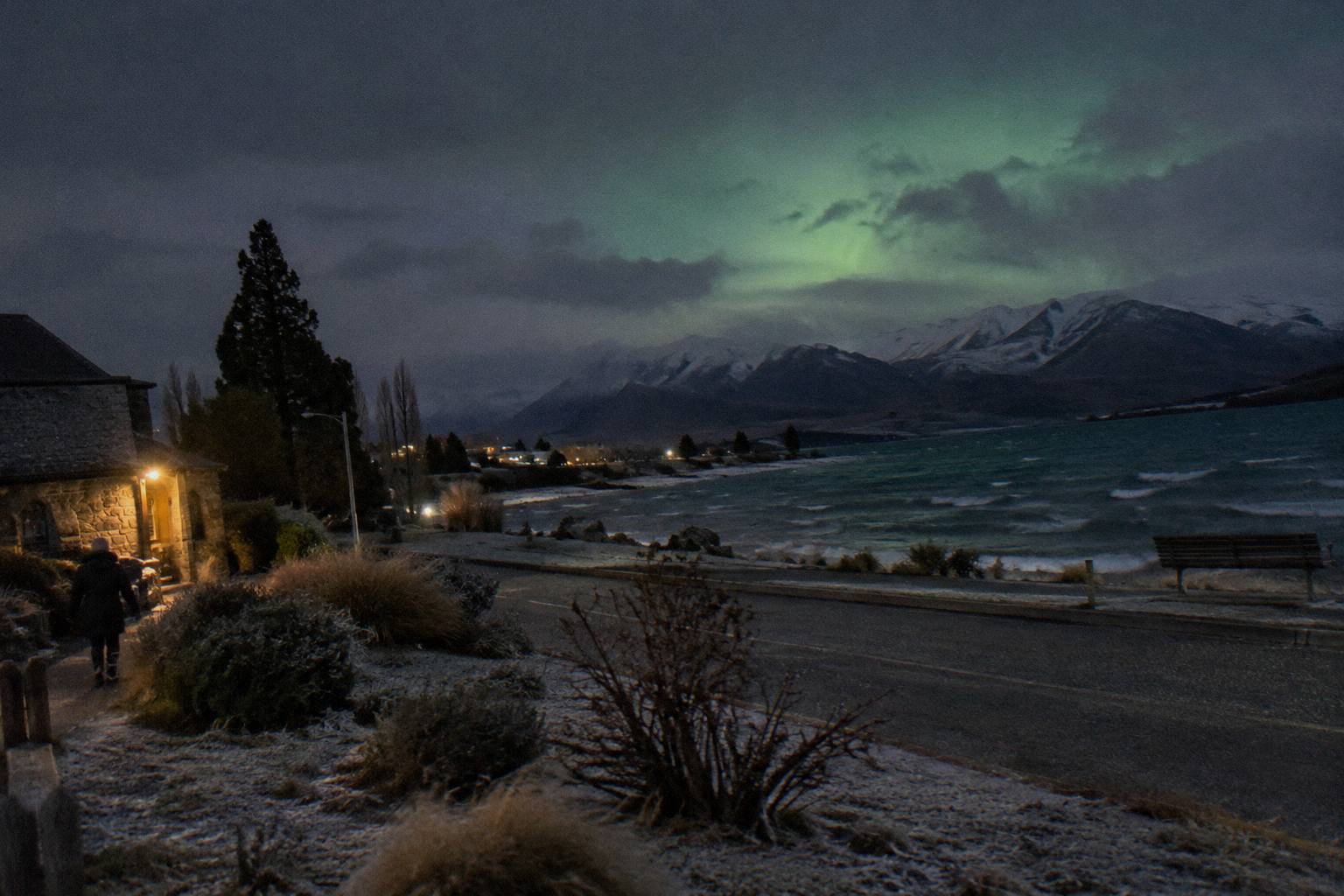
How Aurora Alerts Fit Into Booking A Stargazing Tour
Aurora alerts work best as a refinement tool rather than a booking trigger: pick your travel window from the moon calendar, watch the alerts as that window approaches, then book the tour matching your budget and group with cancellation terms in your favor. Dark Sky Project direct bookings cancel free up to 24 hours ahead, and several pages here carry the same 24-hour window, so alerts refine the plan while the terms protect it.
Cancellation flexibility is the part that makes alert-watching practical. A rigid, non-refundable night cannot be moved when the alert picture improves for the following evening, but a booking with a 24-hour window can. Dark Sky Project's terms allow direct bookings to be cancelled up to 24 hours before for a full refund, with the full price payable inside 24 hours and tighter rules for groups of 10 or more. The booking pages for the Mt John Summit Stargazing Experience, the Crater Experience and others covered here show a 24-hour free cancellation window, so read the terms on the page before you pay rather than assuming.
Against that backdrop, the three formats below cover the main ways to spend an alert-friendly night in Tekapo: the summit observatory trip, the sheltered crater session, and the hot-pool combination that trades some sky time for warmth.
Each suits a different kind of aurora-watcher. The summit trip, described in detail in the Dark Sky Project Summit Experience guide, puts you at 1,029 m beside a working research observatory for 1 hour 45 minutes. The crater session is shorter, cheaper and takes children from age 5. The hot-pools tour is the comfort play: guided telescope viewing, then a soak at 37.5 to 38.5 °C. None of the three promises an aurora, and all three deliver a structured night under the reserve's sky regardless.
A worked example shows the logic. Suppose your travel window spans five nights and an alert pattern favours nights three and four. Book the summit for night three with free cancellation. If the sky clouds over, Dark Sky Project offers an indoor alternative, a reschedule subject to availability, a gift voucher valid three years, or a full refund. You have lost nothing, and night four remains open. That is the whole discipline: alerts choose the night, terms absorb the weather, and the tour delivers the sky.
Cloud Versus Aurora: What Actually Cancels A Tekapo Tour
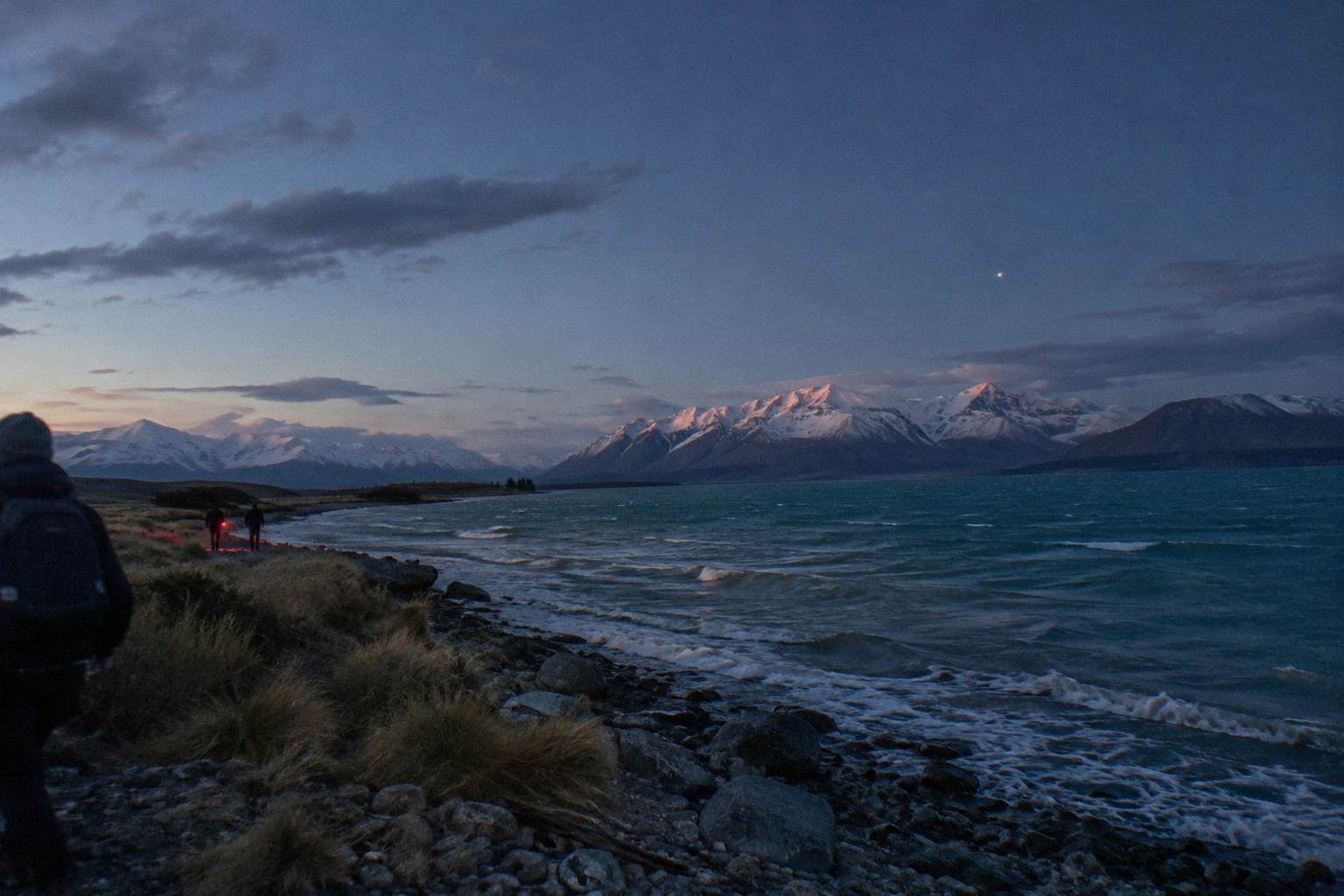
Cloud cancels tours, aurora quiet does not. A night with no aurora alert at all still runs as a full stargazing tour under the reserve's sky, while a strong alert behind complete cloud produces no outdoor stargazing at all. Dark Sky Project decides close to tour time whether outdoor stargazing is possible, and Tekapo Springs tours run in all weather with a virtual-reality indoor experience replacing the telescopes under cloud.
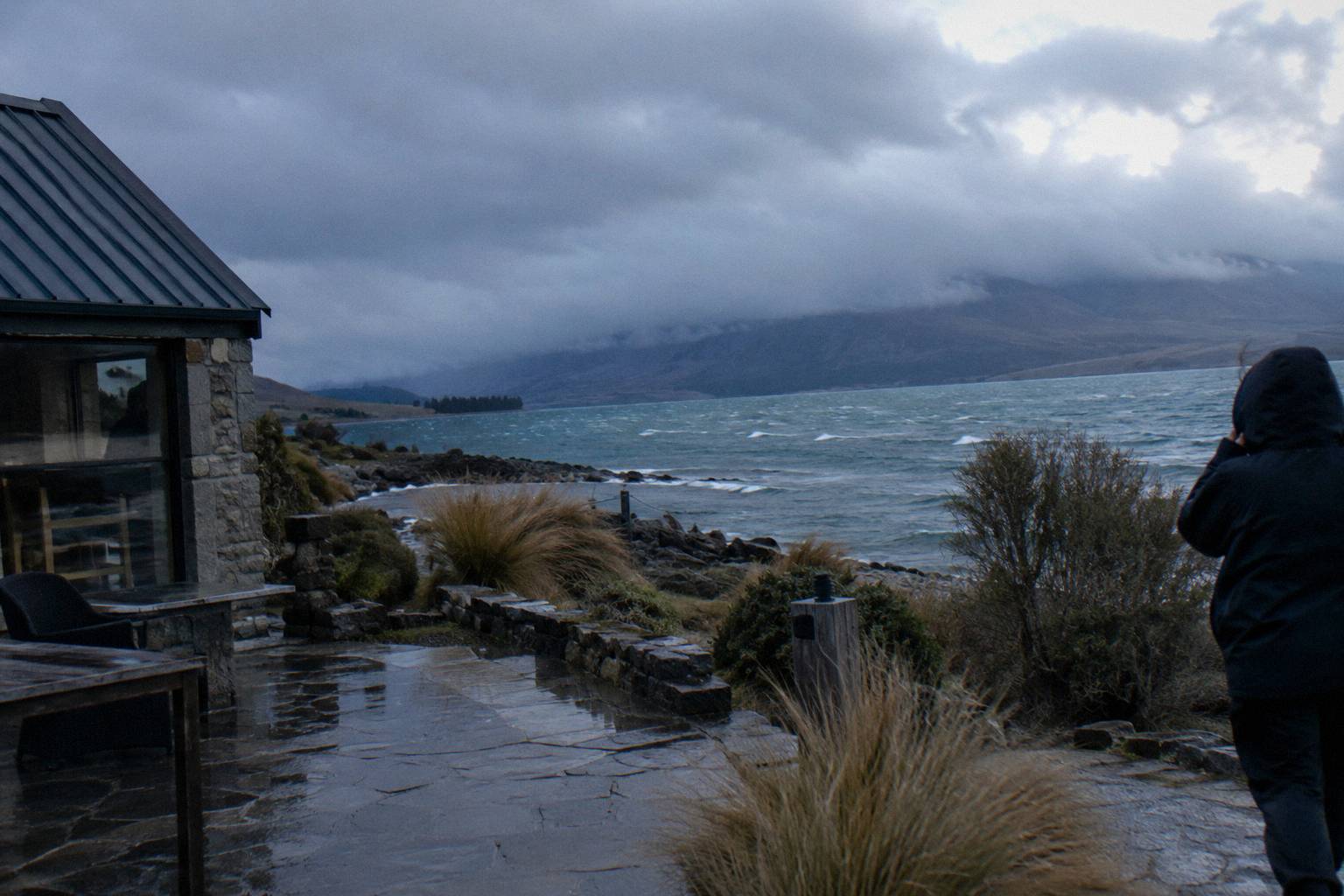
The two operators with published weather terms handle this differently, and the difference matters when you are betting a night on an alert. Dark Sky Project's weather page says clarity cannot be guaranteed, the go-or-no-go decision is made as close to tour time as possible, and you should check in 15 minutes early for the update. If outdoor stargazing is not possible, the options are an indoor alternative or the Virtual Stargazing Experience, a reschedule subject to availability, a gift voucher valid three years, or a full refund.
Tekapo Springs takes the opposite approach: its stargazing tours run in all weather. When cloud blocks the telescopes, a VR indoor experience built on 360 degree imagery of the Church of the Good Shepherd and the Mt John summit replaces the viewing portion, and if telescope viewing comes in under 30 minutes, the operator gives a 25 percent refund per ticket at the end of the tour. Neither approach promises an aurora or even a clear sky, but one defers to the weather and the other absorbs it.
| Weather fallback | Dark Sky Project (Summit, Crater) | Tekapo Springs (Soak In The Stars) |
|---|---|---|
| Runs in cloud? | Decision made close to tour time | Yes, all weather |
| Cloud alternative | Indoor alternative or Virtual Stargazing Experience | VR indoor experience, 360 degree imagery |
| Refund position | Reschedule, voucher valid 3 years, or full refund | 25 percent refund per ticket if viewing under 30 minutes |
| Cancel before | 24 hours, direct bookings | 24 hours, subject to booking route |
For an aurora-tracking traveller the lesson is to match the fallback to your temperament. If a clouded night should become a different night, Dark Sky Project's reschedule-and-refund structure fits. If you would rather the evening proceed regardless, with a warm pool at the end of it, the Tekapo Springs format guarantees an event, though never the sky. Neither operator guarantees clarity, and Tekapo Springs' own terms say so even where its advertising leans harder.
Should You Book Now Or Wait For A Stronger Alert?
Book when your travel window is fixed and cancellation terms are on your side, not when an alert peaks. Popular summer nights fill, and a room plus tour combination locked in early with a 24-hour free cancellation window beats a last-minute scramble on the one night an alert spikes. Alerts are visible days ahead at best, and Tekapo's cloud is not. The do you need to book Tekapo stargazing in advance question answers yes for peak season.
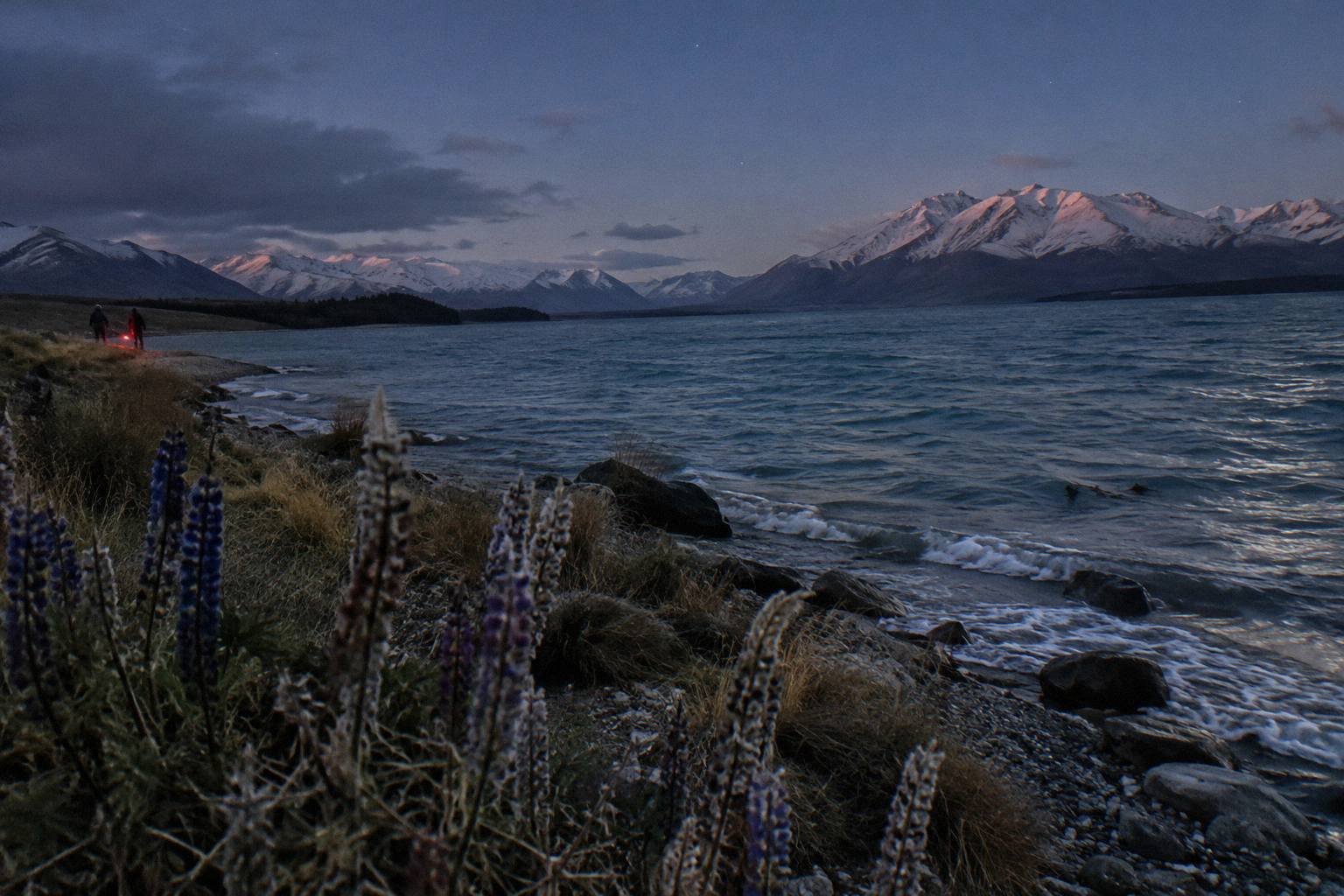
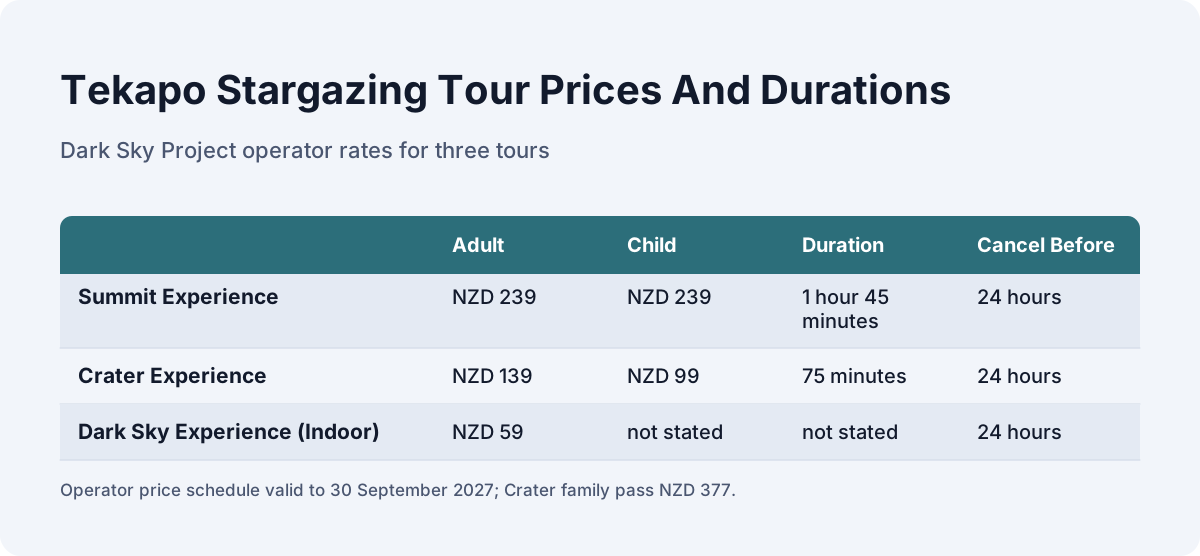
The economics support early booking. Every Dark Sky Project direct booking carries the 24-hour full-refund window, and the operator's price schedule, valid to 30 September 2027, holds the Summit at NZD 239 for adult and child alike, the Crater Experience at NZD 139 adult and NZD 99 child with a family pass at NZD 377, and the indoor Dark Sky Experience at NZD 59 adult. Those prices do not reward waiting, and a sold-out summit bus cannot be bought at any price. If your dates are locked, book, then let the alert picture tell you which of your nights to point at the sky.
One more planning note: an alert that strengthens after you book does not strand you. Reschedule options exist subject to availability, and the indoor alternatives mean a clouded night is not a lost evening. The worst outcome is the one you can control, arriving without a booking in peak season and finding every departure full.
Which Tours Give You The Best Chance Under An Active Sky
Any tour under a clear reserve sky can deliver a good night, and format decides comfort more than it decides luck. The Summit Experience puts you at 1,029 m for 1 hour 45 minutes with telescopes up to 16 inch; the Crater Experience runs 75 minutes in sheltered observation craters; Soak In The Stars pairs viewing with a hot pool. Rates from NZD 59 to NZD 239, all operator prices. None promises aurora.
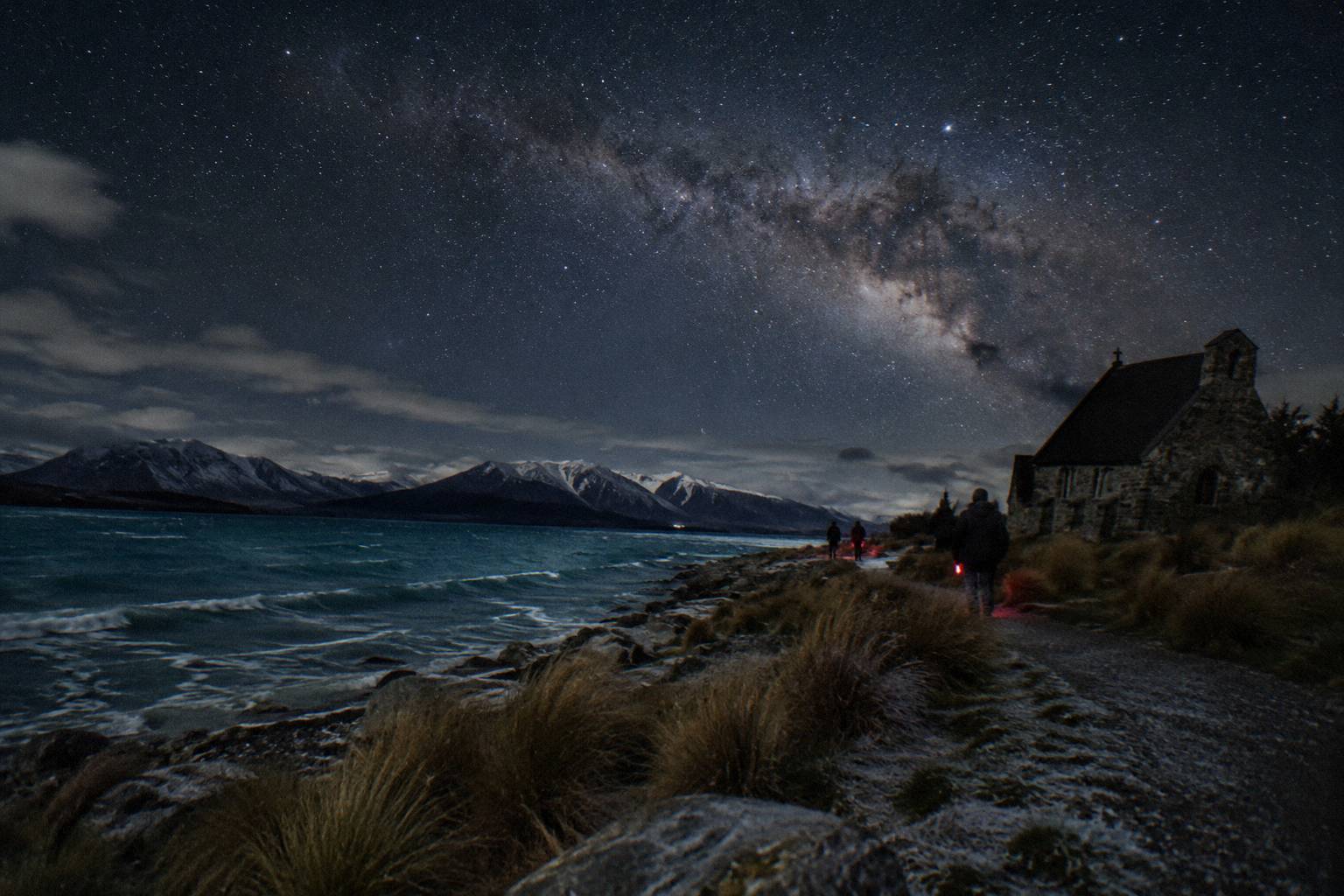
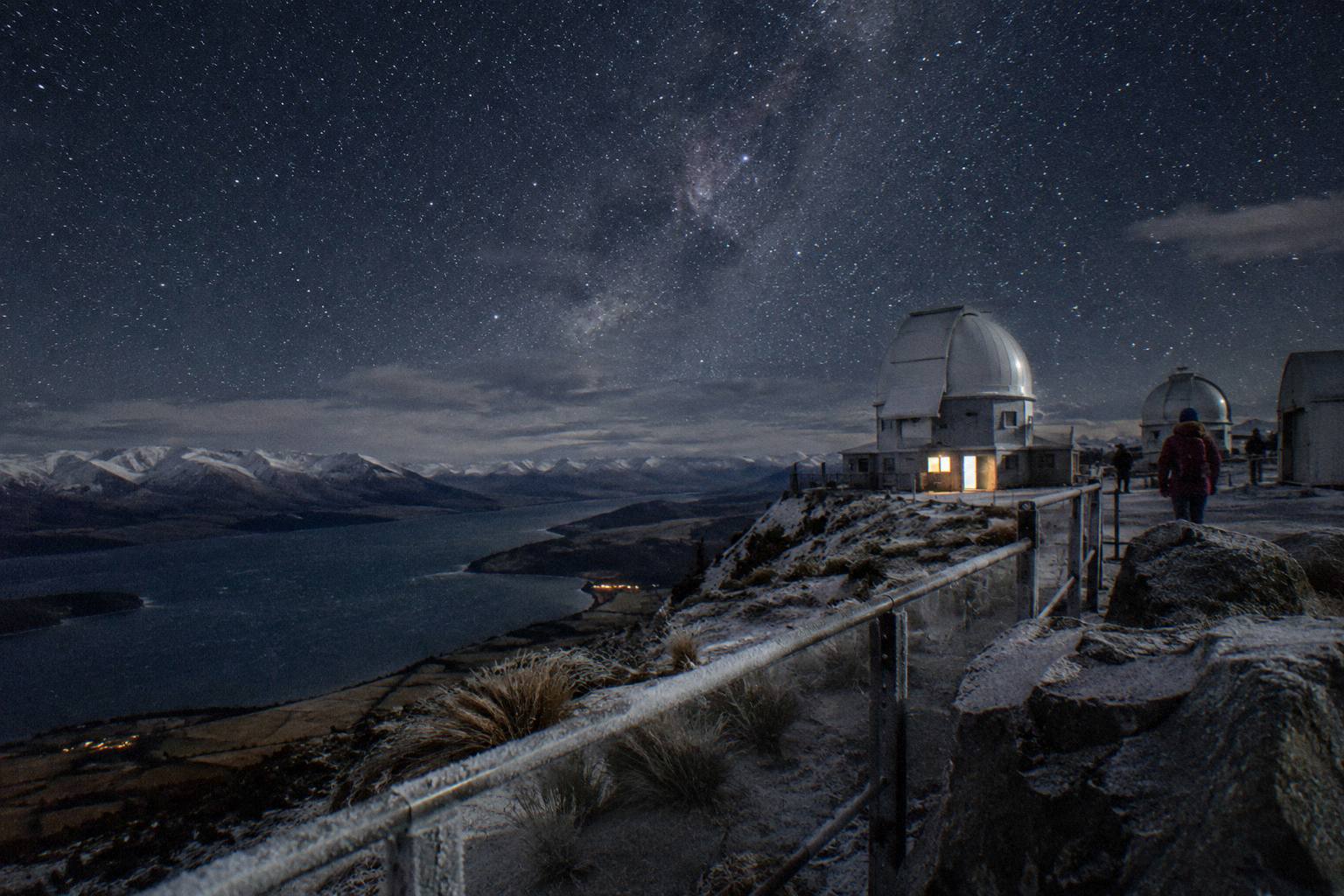
The summit trip is the deepest commitment and the highest vantage. Check-in is at the Dark Sky Project base on the Takapō lakefront 15 minutes early, then a 15-minute bus ride climbs Mt John to the University of Canterbury observatory, which the University describes as New Zealand's largest professional research observatory. The Summit Experience page lists telescopes up to 16 inch inside a private dome, naked-eye guiding with handheld lasers, and Tātai Aroraki, Māori astronomy, woven with Western astronomy through the telling. Moderate fitness is needed for a 100 m gravel incline walk and a few steps in the dark, the minimum age is 10, and an Extreme Cold Weather jacket is loaned for the summit only. Adult and child prices are the same NZD 239.
The Crater Experience suits younger families and tighter budgets. Cowan's Private Observatory sits a 5-minute drive from the base, with purpose-built observation craters sheltered from wind and light, 14 inch telescopes or a dome, 75 minutes including transport, and a minimum age of 5. Wheelchair users can join, driving their own vehicle to Cowan's. It is rated 4.6 across 93 reviews, and free cancellation on the booking page runs to 24 hours before.
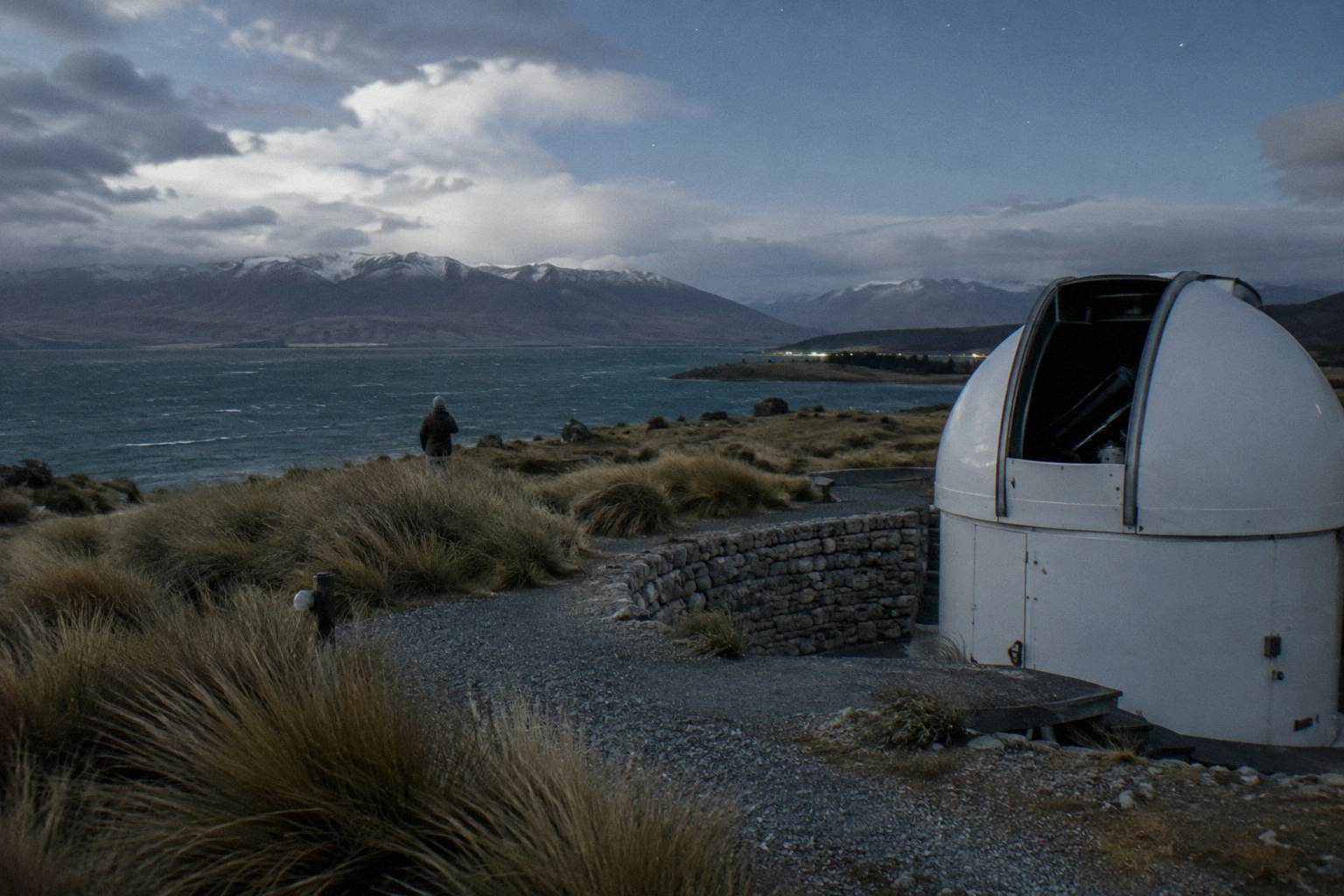
| Tour | Operator price (NZD) | Duration | Minimum age |
|---|---|---|---|
| Mt John Summit Stargazing Experience | 239 adult and child | 1 hour 45 minutes | 10 |
| Crater Stargazing At Cowan's Observatory | 139 adult, 99 child | 75 minutes | 5 |
| Hot Pools And Stargazing At Tekapo Springs | 179 adult, 115 child | 90 minutes | 10 |
| Dark Sky Experience (indoor) | 59 adult, 39 child | 45 minutes | None stated |
The Mt John Summit Stargazing Experience is rated 4.6 across 352 reviews, and Mt John Stargazing covers it in depth across this site's guides. Where an aurora alert is live, none of that changes: the tours run the same equipment, the same storytelling and the same sky, and an alert improves nothing a tour operator controls. What you can control is being on a summit or crater night on a clear, moon-quiet evening rather than in bed.
Moonlight, Season And Timing Your Trip
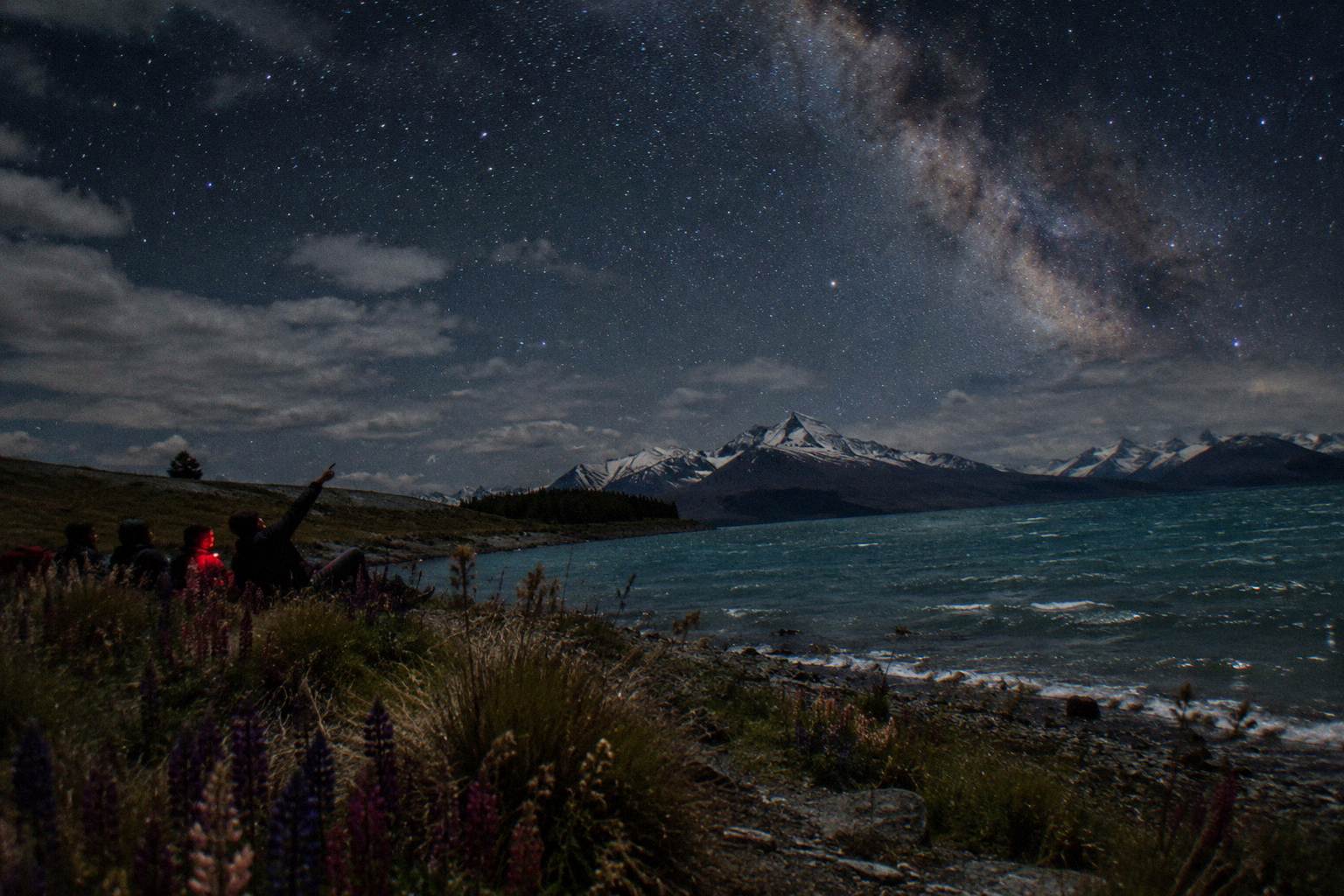
Moonlight is the planning variable you can read on a calendar months ahead, which makes it more useful than any aurora alert for locking in dates. Dark Sky Project says brighter moonlight affects fainter stars and galaxies, while the moon itself remains a good target; Tekapo Springs says telescopes still show bright objects under a full moon and only naked-eye Milky Way viewing reduces. A moon-quiet window maximises whatever the night delivers.
The two operators frame the moon the same practical way: it is not a reason to cancel, but it is a reason to plan. Around a bright moon, faint targets suffer and bright ones hold, so a tour is never wasted, merely different. For a traveller whose dream list includes faint galaxies and the Milky Way's glow, the new moon or full moon Tekapo stargazing decision points at dark-of-moon dates, and aurora watchers gain the same benefit, since a dim sky backdrop serves any display better.
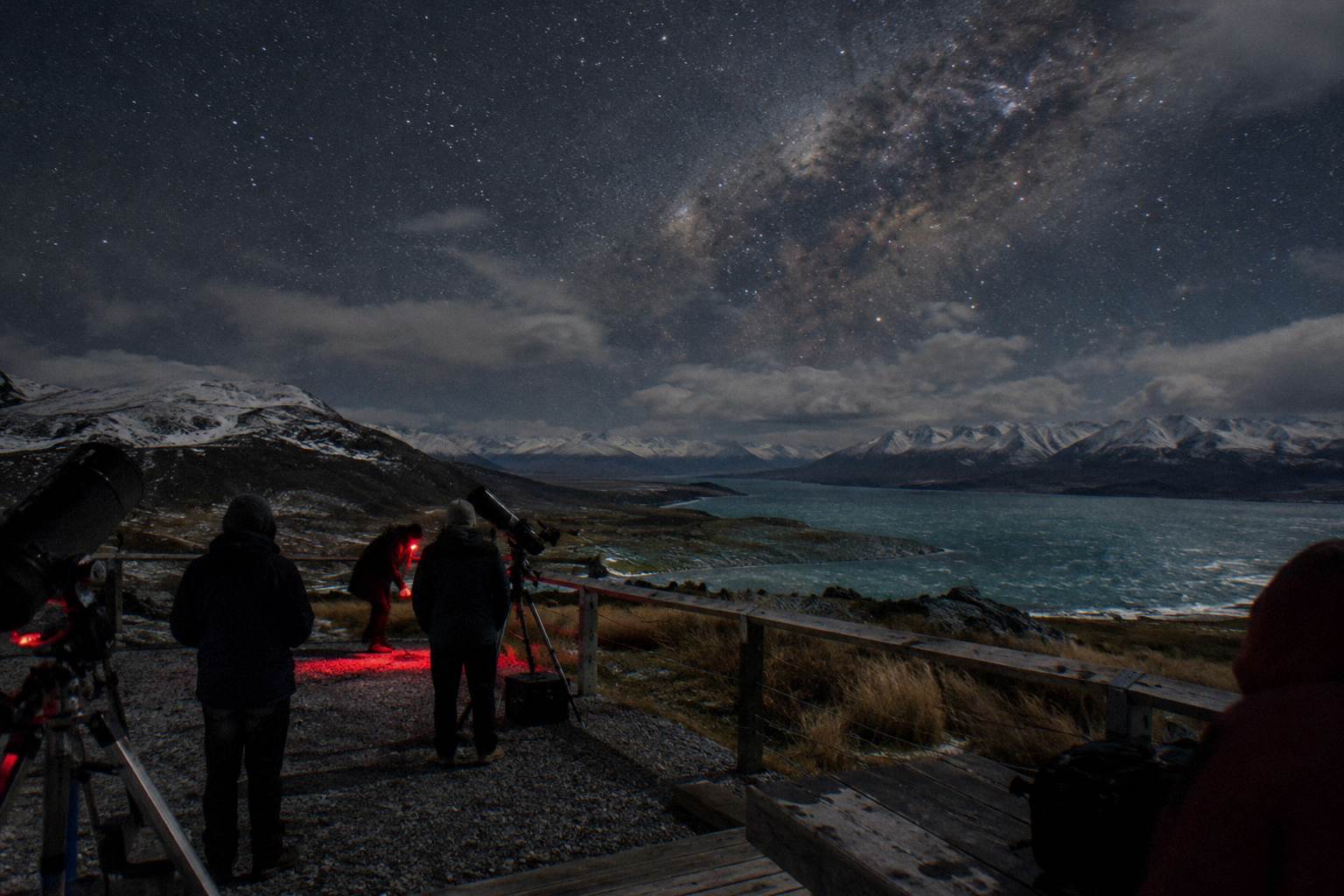
Season shapes the calendar in a second way: hours of darkness. Summer nights in the Mackenzie Basin are short and tours start late, and Tekapo Springs notes some Soak In The Stars departures begin after midnight, with a 12:15am example given, while winter offers long dark evenings at the cost of real cold. Dark Sky Project runs its summit and crater experiences seven days a week at times that shift with sunset across the year, and it does not publish exact times on its pages, so the booking calendar is the source of truth for your dates.
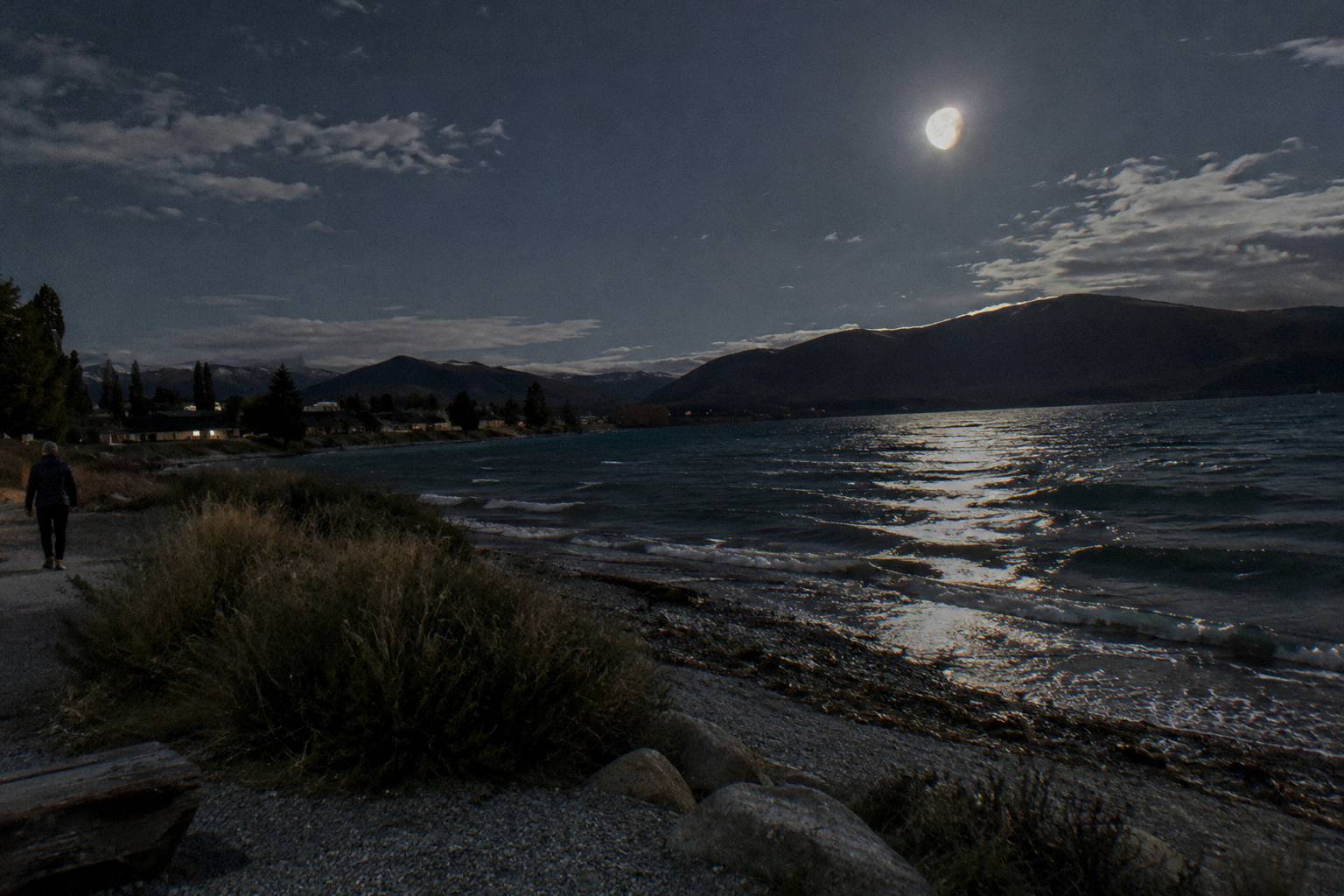
Put the three calendars in order of reliability. The moon calendar is fixed and knowable a year out. Season and sunset times are fixed next. Aurora alerts sit last, readable only days ahead and probabilistic even then. Book against the first two, hold cancellation flexibility for the third, and your trip is planned on the variables that actually behave predictably.
What A Strong Aurora Watch Changes On The Night
Almost nothing about the tour itself changes, and that is the point: the same bus climbs Mt John, the same telescopes open at Cowan's, and the same guide shares Tātai Aroraki and Western stories whether the watch is quiet or elevated. Dark Sky Project does not guarantee Aurora Australis and no tour here prices, sells or schedules around it, so a strong watch changes only how you dress, how long you linger and how you aim a camera.
Dressing is worth a paragraph because Mt John at 1,029 m gets cold at night in any season, a point the post on how cold does it get at Mount John at night covers. The summit loan of an Extreme Cold Weather jacket helps, and the what to wear Tekapo stargazing guide fills in the rest. Soak In The Stars handles warmth differently, supplying towels, robes, hot drinks and warm poncho coats around a 37.5 to 38.5 °C pool.
Photography is the other change. If you hope to record the night, whatever appears, the Tekapo astrophotography tours and Tekapo stargazing photography settings guides cover what works on a guided night, and note that not every tour permits the same kit or tripods, so ask the operator first. Beyond those two adjustments, the strongest sensible move on an elevated watch is simply to arrive rested and unhurried, checked in 15 minutes early as the operators ask.
For travellers willing to chase darker, quieter horizons beyond the village, the Mackenzie Basin adds options that keep the same reserve sky. The Twizel Stargazing Tour With An Astronomer runs 75 minutes from Twizel with a minimum age of 6, and the Mt Cook Stargazing Experience runs 75 minutes from the Tasman Glacier car park, both with a 24-hour free cancellation window on their booking pages. Neither publishes an operator price; the booking page is the place to check.
Closer to the lakefront, the Astro Tekapo Lakefront Stargazing session runs 1.5 hours from Takapō Regional Park with a minimum age of 6 and a 24-hour free cancellation window on the booking page. It is a lower-commitment format for a night when you want flexibility, and its price is on the booking page rather than published by the operator here.
Common Mistakes When Planning Around Aurora Alerts In Tekapo
The recurring mistakes are buying a tour as an aurora ticket, ignoring the cloud forecast while glued to the alert picture, and booking a date with no cancellation room to move. Travellers also forget the moon calendar, arrive at the summit underdressed, and expect a start time the operators do not publish. Each mistake is avoidable with one planning habit: book the tour, not the phenomenon, on terms you can change.
The first mistake is the expensive one. Every operator here sells a stargazing experience, and Dark Sky Project says plainly that Aurora Australis and the Milky Way depend on conditions it does not control. A traveller who pays NZD 239 for the summit expecting a light show has bought the wrong product, whatever the alert said. The second mistake follows it: cloud, not geomagnetic quiet, is what stops outdoor stargazing, and a perfect alert behind a solid cloud deck delivers nothing. Watch both, weight the cloud.
The smaller errors still cost evenings. Late check-in carries no refund under Dark Sky Project's terms, and the check-in is 15 minutes before departure at the lakefront base. Expecting a published start time leads nowhere, because summit and crater times shift with sunset and are not stated on the operator's pages. And skipping the cold-weather planning turns a long summit session into an endurance test the ECW jacket only partly solves.
To close the loop, the three formats this site highlights for an aurora-aware booking are below: the summit observatory night, the family-friendly crater session and the hot-pool combination.
For a fuller decision framework, the Tekapo stargazing explained guide walks the whole landscape, and the Tekapo aurora forecast for stargazing angle here pairs with the moon and season pages for a complete calendar-first plan.
Common Questions About Aurora Forecasts In Tekapo
Can A Tour Guarantee I Will See The Aurora In Tekapo?
No. Dark Sky Project states that Aurora Australis and the Milky Way depend on conditions and that it does not guarantee them. Tekapo Springs' own terms likewise say clarity cannot be guaranteed. Any tour you book here sells a guided stargazing experience, never a specific phenomenon.
Should I Only Book A Stargazing Tour When An Aurora Alert Is Active?
No. Alerts are short-range and probabilistic, while the reserve's darkness rewards every clear night. Book for your travel window with a 24-hour free cancellation option, and let alerts influence which evening you aim at the sky, not whether you book at all.
What Happens If Cloud Covers The Sky On My Tour Night?
Dark Sky Project decides close to tour time whether outdoor stargazing is possible, and if not, offers an indoor alternative or Virtual Stargazing Experience, a reschedule subject to availability, a gift voucher valid three years, or a full refund. Tekapo Springs tours run in all weather, with a VR indoor experience replacing telescope viewing under cloud.
Does A Full Moon Ruin Tekapo Stargazing?
The operators say no, with a caveat. Dark Sky Project notes brighter moonlight affects fainter stars and galaxies while the moon itself is a good target, and Tekapo Springs says telescopes still show bright objects and only naked-eye Milky Way viewing reduces. Dark-of-moon dates simply suit faint targets best.
Which Tour Should I Book If The Aurora Watch Is Strong?
Choose on format and comfort, not the watch. The Summit Experience offers the highest vantage and the longest session at 1 hour 45 minutes, the Crater Experience is shorter and takes children from age 5, and Soak In The Stars pairs viewing with a hot pool. All run the same sky regardless of the alert.
Can I Cancel Or Move My Booking If The Forecast Changes?
Dark Sky Project direct bookings can be cancelled up to 24 hours before for a full refund, and many booking pages here show a 24-hour free cancellation window. Reschedules are offered subject to availability when weather stops outdoor stargazing. Read the terms on the specific booking page before you pay.