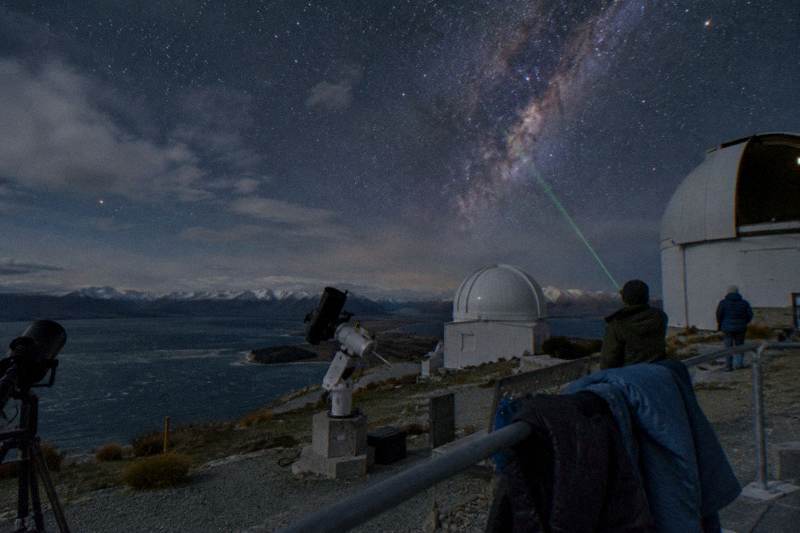
Where To Stay For Tekapo Stargazing Nights: Close To Your Tour
The right bed on a stargazing night is the one that puts you five minutes from check-in when the operator calls the weather, and back under a duvet soon after the last telescope is packed away.
Short answer
Stay in the Tekapo village centre if you are booked on a Dark Sky Project tour: every experience departs from 1 Motuariki Lane on the lakefront, and a 15-minute bus carries Summit guests up Mount John. Lakeside Drive suits Tekapo Springs tours, which offer a hotel shuttle on request. Twizel, Lake Pukaki and Mount Cook serve the Mackenzie Basin operators instead.
For the wider picture on the town's sky, see the companion piece on Mt John Stargazing, and for the tours themselves start with the Lake Tekapo stargazing tours compared guide.
| Question | Answer |
|---|---|
| Where do Dark Sky Project tours depart? | 1 Motuariki Lane, Takapō (Tekapo), on the lakefront |
| Where do Tekapo Springs stargazing tours check in? | Tekapo Springs reception, 300 Lakeside Drive, 15 minutes before |
| How far is the Summit Experience from the base? | A 15-minute bus ride to the Mount John summit |
| How far is the Crater Experience from the base? | A 5-minute drive to Cowan's Private Observatory |
| Is there a hotel shuttle? | Tekapo Springs: complimentary, subject to availability, request at booking |
| How far is Tekapo from Christchurch or Queenstown? | About three hours' drive from either city |
Where Should You Stay In Tekapo For A Stargazing Tour?
Stay within walking distance or a short drive of your tour's check-in point, and treat everything else as secondary. Every Dark Sky Project experience, the Summit Experience, the Crater Experience and the indoor Dark Sky Experience, departs from one base at 1 Motuariki Lane on the lakefront. Tekapo Springs stargazing checks in at its reception on Lakeside Drive. Tours meeting in Twizel, at Lake Pukaki or near Mount Cook need a bed beside their own meeting points.
That single point drives most of the decision. The village of Tekapo is small, and Dark Sky Project describes its base as a building with a large observatory dome on the lakefront, so anywhere in the village centre puts you within an easy walk of check-in. Check-in is 15 minutes before departure for Dark Sky Project tours and 15 minutes before for Tekapo Springs, and Dark Sky Project's own terms are blunt about late check-in: no refund. A bed ten minutes' walk from the base removes the main way a stargazing night goes wrong before it starts.
The second reason is the clock. Stargazing tours run after dark, and in the New Zealand summer that means starting late. Tekapo Springs says some of its Soak in the Stars tours begin after midnight, with a 12:15am start given as an example, and that start times are seasonal. Dark Sky Project does not publish Summit or Crater times at all: the operator says only that times vary through the year depending on sunset. When your tour might end somewhere past 2am, the distance between the telescope and the pillow stops being trivia and becomes the whole plan.
The third reason is weather. Dark Sky Project cannot guarantee clarity or sky objects, and it makes the call on whether outdoor stargazing is possible as close to tour time as possible, asking guests to check in 15 minutes early for an update. If the sky fails, the operator offers an indoor alternative, a reschedule subject to availability, a gift voucher valid three years, or a full refund. Being close by when that decision lands makes every one of those options easier to act on.
If you have not yet picked a tour, the Tekapo stargazing explained guide walks through what each one actually is, and the question of how many nights you need in Tekapo for stargazing is worth settling before you book any bed at all.
How Close Do You Need To Be To Your Tour Departure Point?
Close enough to check in 15 minutes early without stress, which in practice means the village centre for Dark Sky Project tours and the Lakeside Drive area for Tekapo Springs. The Summit Experience then takes a 15-minute bus from the base to the summit of Mount John and back. The Crater Experience is a 5-minute drive from the base to Cowan's Private Observatory. You are matching a bed to a departure point, not to a telescope.
This is the part visitors most often get backwards. Mount John is a 1,029 m hill with a working research observatory on top, run by the University of Canterbury, and the road up is not a place tours assemble from scattered accommodations. Dark Sky Project runs its own transport: you check in at the lakefront base and ride the bus. The University of Canterbury describes Mt John Observatory as New Zealand's largest professional research observatory, and Dark Sky Project's Summit page calls it the southernmost facility of its kind in the world, but none of that changes where you stand at check-in time.
| Tour | Operator | Check-in point | Getting to the viewing site |
|---|---|---|---|
| Mt John Summit Stargazing Experience | Dark Sky Project | 1 Motuariki Lane, lakefront | 15-minute bus to the summit |
| Crater Stargazing At Cowan's Observatory | Dark Sky Project | 1 Motuariki Lane, lakefront | 5-minute drive to Cowan's |
| Dark Sky Experience, Indoor Cultural Astronomy | Dark Sky Project | 1 Motuariki Lane, lakefront | Indoors at the base |
| Hot Pools And Stargazing At Tekapo Springs | Tekapo Springs | Tekapo Springs reception | On site at the pools |
| Twizel Stargazing Tour With An Astronomer | Stargaze Mackenzie | Twizel | Not stated |
| Mt Cook Stargazing Experience | Silver River Stargazing | Mt Cook, Tasman Glacier car park | Not stated |
One access detail matters for wheelchair users: the Crater Experience at Cowan's Observatory can be joined by wheelchair users, but the operator says they must drive their own vehicle to Cowan's rather than take the tour transport. If that applies to your group, a village-centre base with your own car keeps the whole evening workable.
The three flagship options for a Tekapo night, the Summit Experience, the Crater Experience and the hot pools combination, cover the range most travellers are choosing between, from the 1 hour 45 minutes research-observatory trip to the 75-minute family-friendly crater session and the 90-minute soak and telescope pairing.
If the Summit Experience is the one you have your heart set on, the Dark Sky Project Summit Experience guide has the full detail, and the Mt John Summit or Tekapo Springs comparison settles the most common either/or. To check the operator's price and dates, use Mt John Summit Stargazing on the live listing, which shows the NZD 239 adult and child price and the minimum age of 10.
Is The Village Centre The Best Base For Dark Sky Project Tours?
For the three Dark Sky Project experiences, yes: the village centre is the practical base, because all of them depart from the one lakefront building at 1 Motuariki Lane, between the Four Square and the YHA. The 45-minute indoor Dark Sky Experience happens entirely inside that building. The Summit and Crater experiences start there too, with transport included. Any bed within a short walk of the lakefront removes the drive entirely.
The base building is easy to find after dark: Dark Sky Project describes it as carrying a large observatory dome, on the lakefront. If your accommodation is anywhere in the village core, you can walk to check-in, and after a tour that ends late, walking back beats driving on rural roads at night. The operator asks guests to check in 15 minutes before departure, and its terms say late check-in forfeits the ticket, so proximity is cheap insurance.
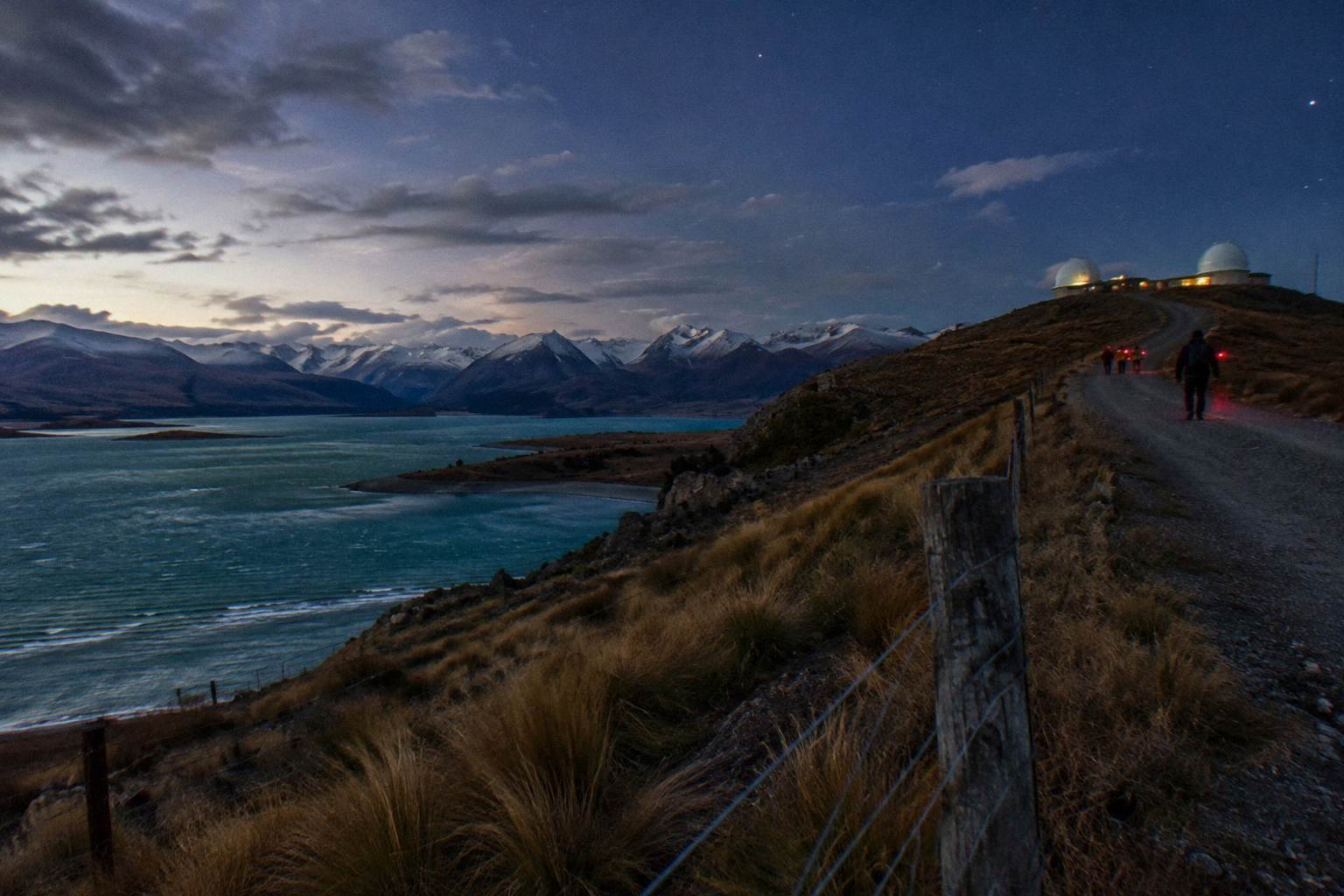
There is a daytime bonus to this location. The Astro Cafe sits on the summit of Mount John, open daily 9am to 4pm, with the access road open the same hours and a road user fee of NZD 14 per vehicle at the gate, according to the operator's cafe page. Vehicles over 12 seats are not permitted, and the road closes in some weather. If you want to see the observatory hill you will be bussed up at night, doing it by day from a village base is straightforward, and the Summit Circuit track of 8.9 km return starts there for anyone adding a walk. The cafe page also records the Māori name Ōtehīwai Mount John.
For a fuller treatment of the hill itself, the Mount John Observatory stargazing guide covers the site, and the question of whether you can drive up to Mount John Observatory is answered in its own post: yes, within those 9am to 4pm hours and that gate fee.
A village-centre bed also suits the indoor fallback. If cloud kills the outdoor session, Dark Sky Project offers an indoor alternative or its Virtual Stargazing Experience, a reschedule subject to availability, a gift voucher valid three years, or a full refund, per the operator's weather page. Every one of those paths starts at the same building you can see from your door.
What About Lakeside Drive And The Tekapo Springs Side?
Stays around Lakeside Drive put you at the door of Tekapo Springs, where the hot pools and stargazing tours check in at reception 15 minutes before departure. The operator offers a complimentary hotel shuttle, subject to availability, requested at booking, so even a bed further out can work for these tours. Soak in the Stars runs 90 minutes, and some starts are after midnight, with 12:15am given as an example, which makes the shuttle worth requesting.
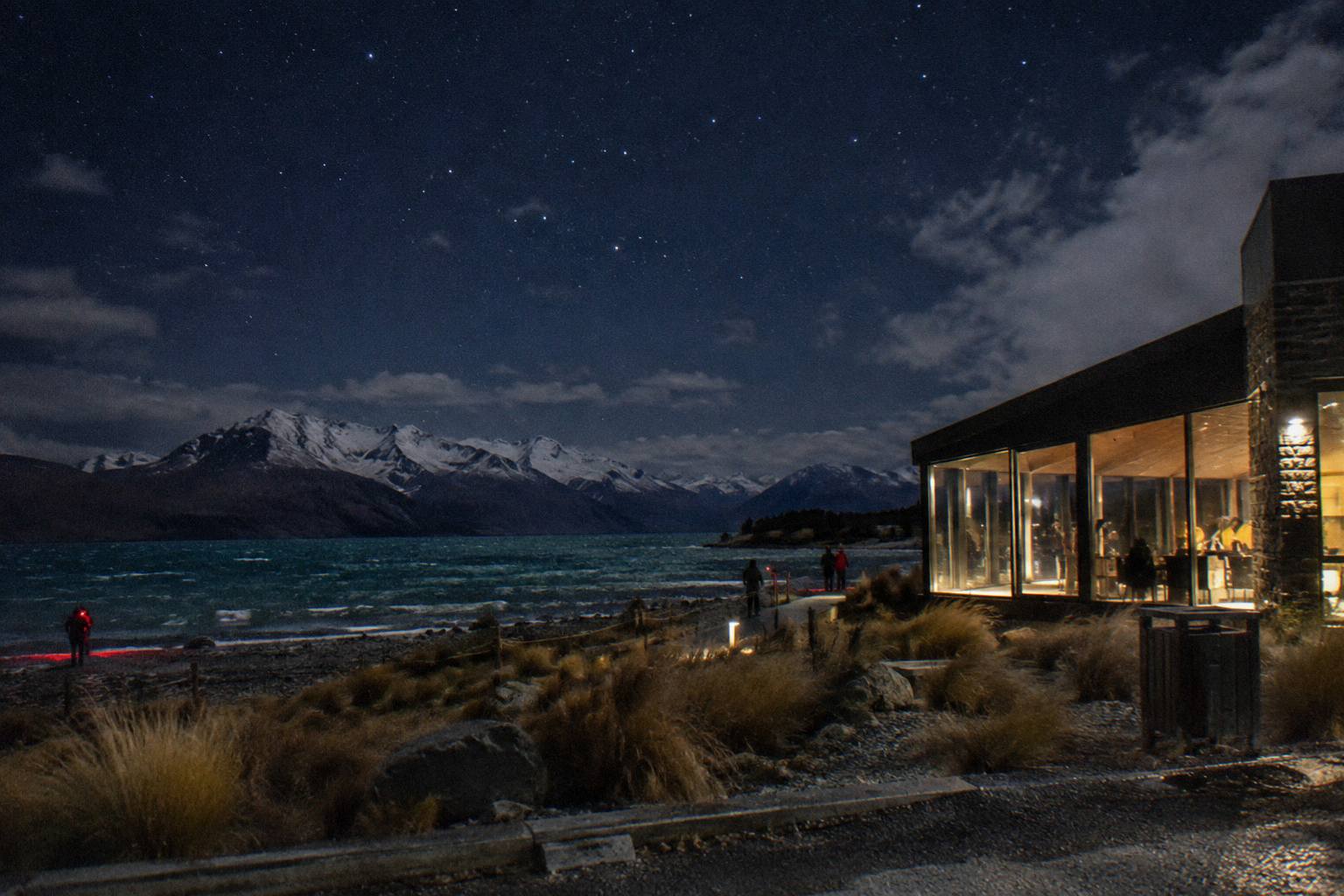
Tekapo Stargazing, the stargazing arm of Tekapo Springs, is based at 300 Lakeside Drive, and its contact points are +64 3 680 6550 and bookings@tekapostargazing.co.nz. The Soak in the Stars product pairs guided telescope viewing with an exclusive hot pool at 37.5 to 38.5 °C with the guide poolside, and includes towels, robes, hot drinks and warm poncho coats. The operator's price is NZD 179 adult, NZD 159 senior or student, NZD 115 child and NZD 499 for a family, on the schedule the operator publishes on its own site. Minimum age is 10, and Tekapo Springs allows no child under 6 on any of its tours, babies carried included.
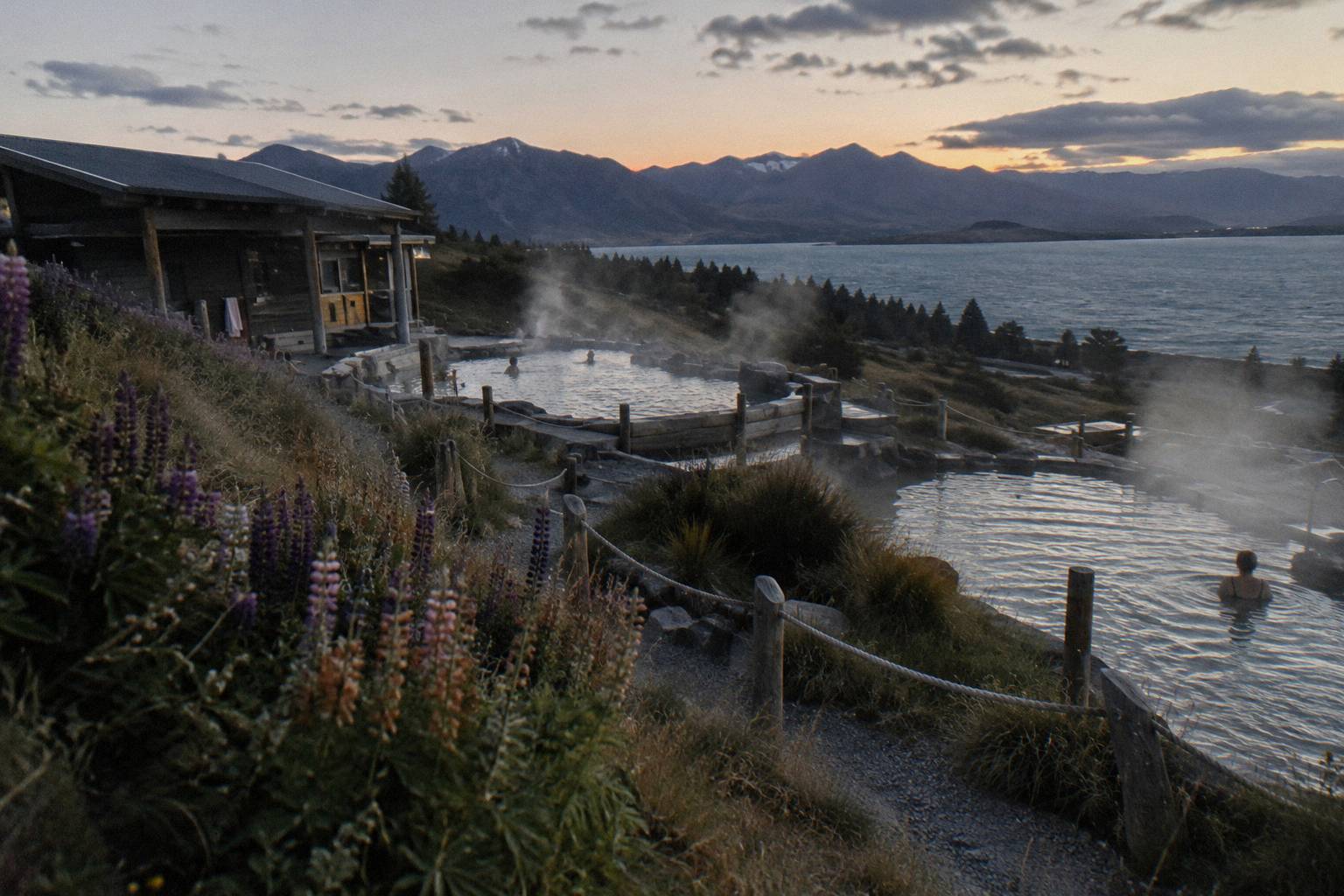
The scheduling detail that affects accommodation most: Soak in the Stars runs seven evenings a week from October to April, and Thursday to Monday from May to September, with start times seasonal. A midnight-or-later finish makes the shuttle, or a bed near the pools, the difference between a short walk and a cold drive. Request the shuttle at booking, because it is subject to availability.
Weather works differently here, and that changes the calculus too. Tekapo Springs tours run in all weather: under cloud, a VR indoor experience using 360 degree imagery of the Church of the Good Shepherd and the Mount John summit replaces the telescope viewing, and it is not a standalone tour. If telescope viewing comes in under 30 minutes, the operator gives a 25 percent refund per ticket at the end of the tour, for tours from 18 June 2026, excluding Economy, Premium and Premium Plus tickets. Direct bookings can be cancelled or changed up to 24 hours before for a full refund, a date change or a voucher.
For the deep dive on this side of the lake, read the Tekapo Springs stargazing hot pools guide, and the honest verdict is in is Tekapo Springs stargazing worth it.
Should You Stay Outside Tekapo For The Mackenzie Basin Tours?
Only if your tour actually meets out there. The Twizel Stargazing Tour With An Astronomer meets in Twizel, 75 minutes, minimum age 6. The Mt Cook Stargazing Experience meets at the Tasman Glacier car park near Mount Cook. These are separate operators with their own meeting points, so book the bed where the tour is, not in Tekapo.
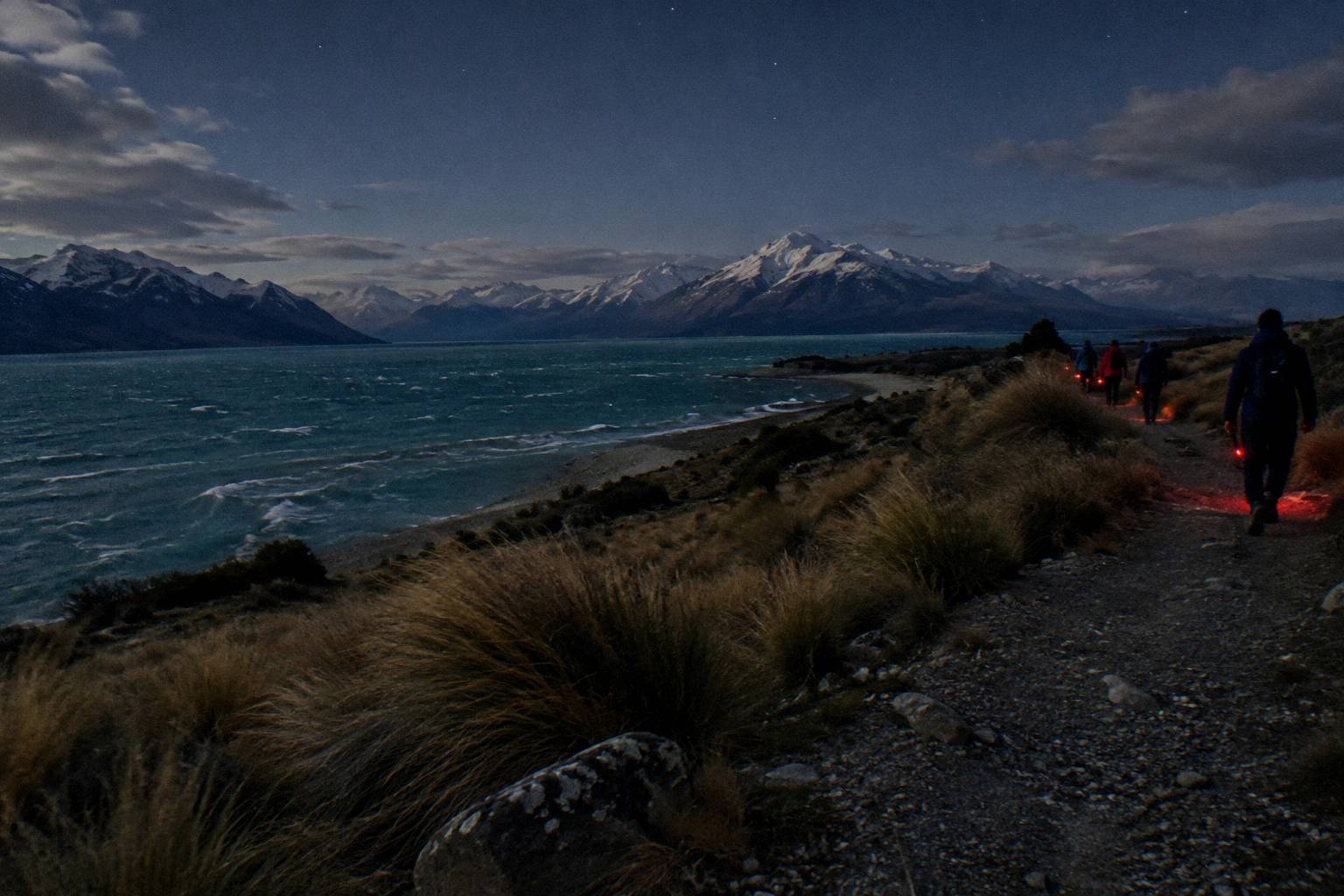
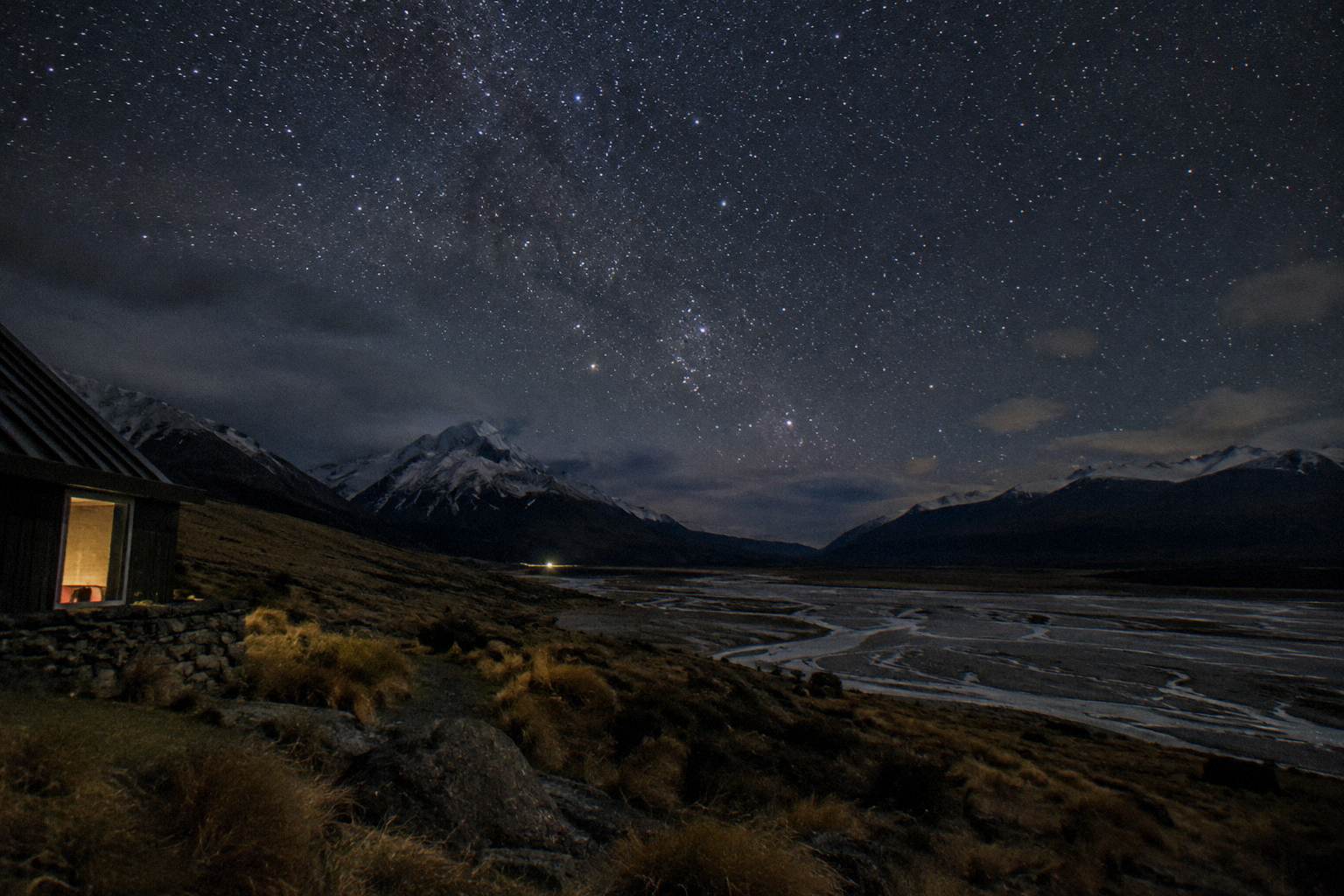
The Mackenzie Basin is part of the same protected sky. The Aoraki Mackenzie International Dark Sky Reserve, awarded reserve status in April 2012, comprises Aoraki/Mt Cook National Park and the Mackenzie Basin, and Dark Sky Project describes it on its reserve page as the largest dark sky reserve in the Southern Hemisphere. The district council runs lighting rules in the District Plan, including shielding of lights so they point downward, which is why the whole basin, not just Tekapo, holds its darkness.
Prices, ages and cancellation rules never cross over between operators, so treat the basin options as their own decisions. The booking pages for the Twizel and Mount Cook tours show a 24-hour free cancellation window where stated. Durations: 75 minutes for both Twizel and Mount Cook. Neither publishes an operator price on this site, so check the live pages.
The choice between bases is covered in is it better to stay in Mount Cook or Lake Tekapo for stargazing, and the comparison of Lake Pukaki or Tekapo for stargazing settles the southern question. If you are pairing the Basin with a Tekapo night, remember Takapō is about three hours' drive from both Queenstown and Christchurch, per Dark Sky Project's planning page, which is worth knowing when a 12:15am tour start is on the table.
The Twizel option suits families already priced out of the longer tours in high season.
How Do Start Times And Weather Change Where You Should Stay?
Late, seasonal, unpublished start times make proximity the safest accommodation strategy. Dark Sky Project does not publish Summit or Crater times: they vary through the year with sunset. Tekapo Springs times are seasonal and set by calendar, with some after-midnight starts. Weather calls come as late as possible, at check-in, so a bed near the departure point lets you absorb a cancellation, a reschedule or a late finish without renegotiating your whole evening.
Plan the night backwards from the tour, not forwards from dinner. A Soak in the Stars start of 12:15am means a 90-minute tour finishing around 1:45am; a Summit Experience at 1 hour 45 minutes plus check-in pushes similarly deep into the night depending on the season. The what time is best for stargazing in Lake Tekapo post explains the sky-side logic, and the best time to stargaze at Lake Tekapo guide handles the season question in full, including the moon trade-off: Dark Sky Project says brighter moonlight affects fainter stars and galaxies, but also calls the moon a good target, while Tekapo Springs says telescopes still show bright objects under a full moon and only naked-eye Milky Way viewing is reduced. The new moon or full moon comparison works through the same choice.
| Situation | What the operator says | What it means for your bed |
|---|---|---|
| Cloud on a Dark Sky Project night | Decision made as close to tour time as possible; indoor alternative, reschedule, voucher or refund | Stay near the base so a late call is easy to act on |
| Cloud on a Tekapo Springs night | Tours run in all weather; VR indoor experience replaces telescope viewing | No relocation needed; the tour happens regardless |
| Under 30 minutes of telescope viewing (Tekapo Springs) | 25 percent refund per ticket at tour end, tours from 18 June 2026 | A near bed softens a shortened night |
| Late arrival at check-in | Dark Sky Project: no refund | Walkable distance removes the risk |
| After-midnight start (Soak in the Stars example) | 12:15am start given as an example | Request the hotel shuttle at booking |
Families should weigh ages before addresses. Summit requires age 10 plus a 100 m gravel incline walk and a few steps in the dark, calling for moderate fitness, with an Extreme Cold Weather jacket loaned on the Summit only. Crater takes age 5 and can be joined by wheelchair users who drive their own vehicle to Cowan's. The indoor Dark Sky Experience has no minimum age, with content the operator calls suitable from about 7, and under 5s free with an adult ticket. The Tekapo stargazing with kids guide builds the full family plan, and what to wear covers the clothing side.
If skies do fail entirely, the indoor cultural astronomy session is the one product weather cannot touch: it runs inside the base building, daytime, in English at 10:30am, 12:30pm and 2:30pm, with 4:30pm added on Tuesday and Wednesday, subject to availability, and Mandarin on request. The operator prices it at NZD 59 adult, NZD 39 child, NZD 157 for a family of two adults and two children, with extra children at NZD 39. A village bed makes switching into a daytime session the work of a short walk.
What Trips People Up When Booking A Bed For A Stargazing Night?
The recurring mistakes are booking a Tekapo bed for a tour that meets in Twizel, Mount Cook or Lake Pukaki; assuming a published start time for the Summit or Crater Experience when Dark Sky Project publishes none; and cutting the check-in window fine when late arrival means no refund. Each one is avoidable by matching the bed to the check-in point before anything else is booked.
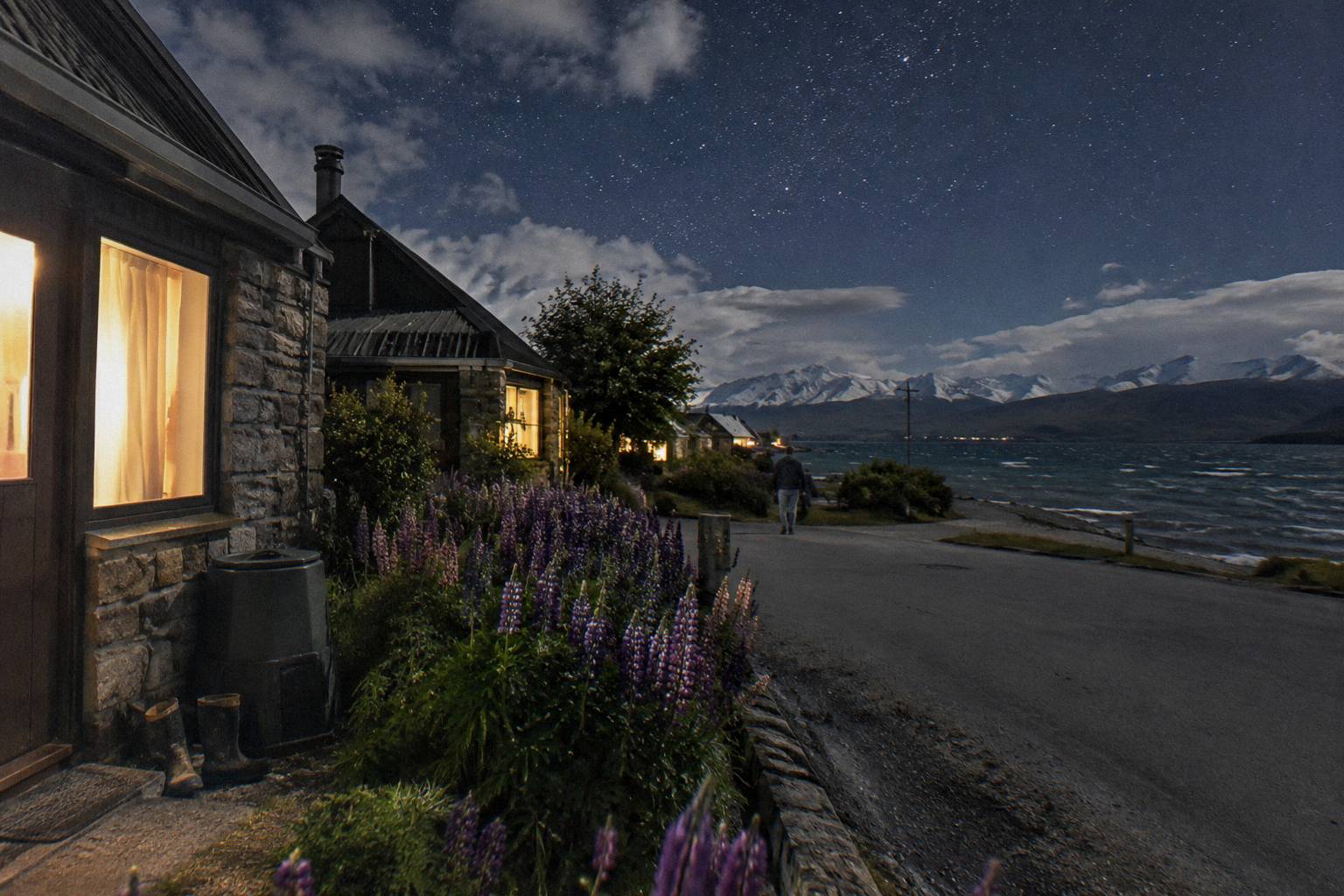
The first trap is geography in the abstract. The reserve spans the whole basin, so "staying in the dark sky reserve" is true of Twizel and Mount Cook as much as Tekapo, but the tours are operator-specific. The Mt Cook Stargazing Experience meets at the Tasman Glacier car park. It is not reachable from a Tekapo bed at midnight on a whim.
The second trap is the clock. No published time exists for Summit or Crater; the operator says times vary with sunset, and Crater runs in the evening after twilight, seven days a week. Tekapo Springs runs seven evenings a week October to April and Thursday to Monday May to September, with seasonal starts. Book accommodation you can cancel on the same terms as the tour, and hold at least the option of a second night: the post on how many nights do you need in Tekapo for stargazing makes the case for buffer nights, and the Tekapo stargazing forecast guide helps you spend them well.
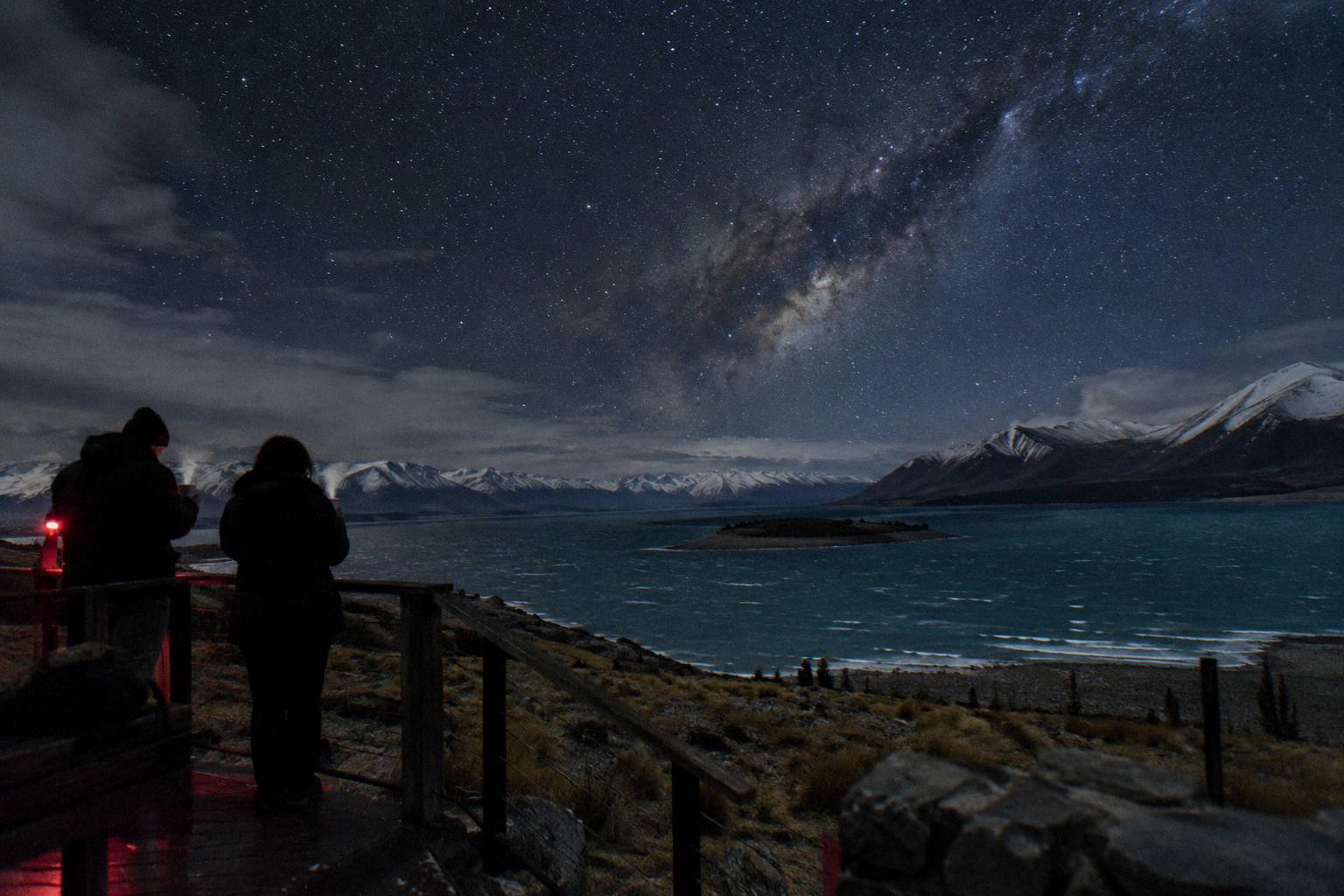
The third trap is transport assumptions. Dark Sky Project includes transport on the Summit Experience; you check in at the base and ride the 15-minute bus. The Mount John access road's public hours, 9am to 4pm with the NZD 14 gate fee, belong to daytime visits, not tour nights. Wheelchair users joining the Crater Experience drive their own vehicle to Cowan's, a 5-minute drive from the base. And on the Tekapo Springs side, the hotel shuttle is subject to availability and must be requested at booking, not assumed at reception.
The fourth trap is cancellation mismatch. Dark Sky Project direct bookings cancel free up to 24 hours before, with 100 percent of the price forfeited inside that window, and groups of 10 or more face a 72-hour rule on Summit and Crater and 48 hours on the Dark Sky Experience. Tekapo Springs matches the 24-hour window for direct bookings. Third-party bookings follow the agent's terms in both cases, so whatever bed you book, align its cancellation window with the tour's or keep one flexible. The how to book Tekapo stargazing guide covers the booking mechanics, and whether you need to book in advance answers the timing question.
The Crater Experience, with its family pricing, age 5 floor and sheltered observation craters at Cowan's, is the option that most often rescues a group whose Summit plan met an age limit or a budget.
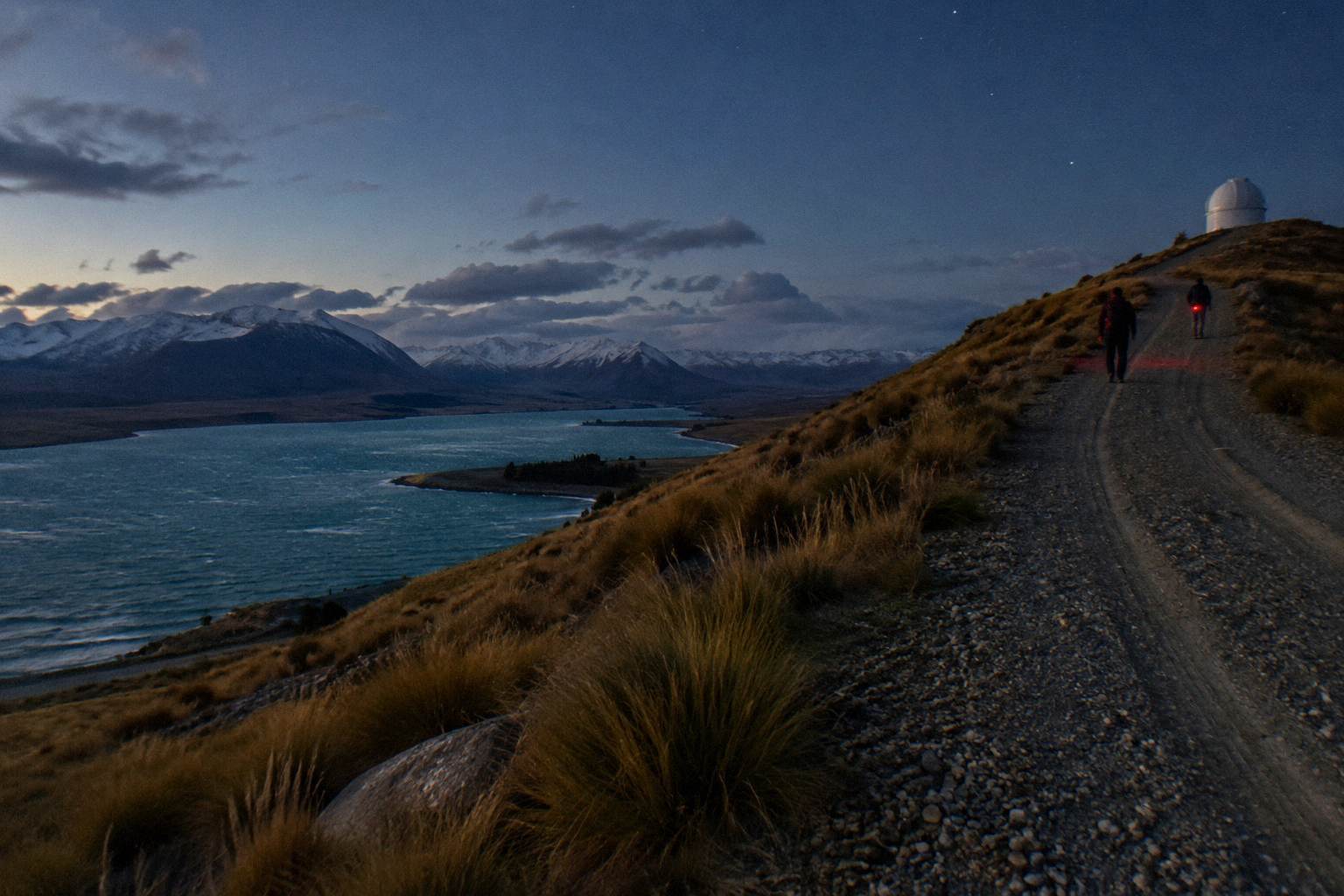
The short version: pick the tour, find its check-in point on the table above, and book the nearest bed whose cancellation window matches. Everything else about Tekapo accommodation is preference; that part is logistics. When the whole evening works, you walk out of a lakefront building into a night the district's lighting rules have kept dark, and walk back to bed when the last bus comes down the hill.
Common Questions About Where To Stay For Tekapo Stargazing
Where Should You Stay In Tekapo For A Stargazing Tour?
Near your tour's check-in point. All Dark Sky Project experiences depart from the lakefront base at 1 Motuariki Lane, so the village centre works for the Summit Experience, the Crater Experience and the indoor Dark Sky Experience. Tekapo Springs tours check in at 300 Lakeside Drive, which also offers a complimentary hotel shuttle subject to availability if you request it at booking.
Can You Walk To The Dark Sky Project Base From Tekapo Accommodation?
From most village-centre accommodation, yes. Dark Sky Project describes its base as on the lakefront between the Four Square and the YHA, a building with a large observatory dome, and the village is small. Check-in is 15 minutes before departure, and the operator's terms give no refund for late check-in, so a walkable distance is the safest choice.
Do You Need To Stay Near Mount John Observatory Itself?
No. The Summit Experience includes transport: a 15-minute bus ride from the lakefront base to the summit and back. The Mount John access road is open to the public only from 9am to 4pm, with a road user fee of NZD 14 per vehicle at the gate, so night tours do not rely on you driving up at all.
Does Tekapo Springs Pick You Up From Your Hotel?
Tekapo Stargazing offers a complimentary hotel shuttle, subject to availability, which you request at booking rather than on the night. This matters because Soak in the Stars runs 90 minutes and some tours begin after midnight, with a 12:15am start given as an example, so a late finish is normal in peak season.
Is It Better To Stay In Tekapo Or Mount Cook For Stargazing?
It depends entirely on which tour you book. The Mt Cook Stargazing Experience meets at the Tasman Glacier car park, so it needs a bed near its meeting point. The Tekapo-based tours need a Tekapo bed. The sky is protected across the whole Aoraki Mackenzie International Dark Sky Reserve, which spans Aoraki/Mt Cook National Park and the Mackenzie Basin.
What Happens To Your Accommodation Plan If The Tour Is Cancelled For Weather?
Dark Sky Project cannot guarantee clarity and decides as close to tour time as possible; if outdoor stargazing is not possible it offers an indoor alternative, a reschedule subject to availability, a gift voucher valid three years, or a full refund. Tekapo Springs tours run in all weather, with a VR indoor experience replacing telescope viewing under cloud and a 25 percent refund per ticket if telescope viewing falls under 30 minutes. Booking a bed with a matching 24-hour cancellation window, or a spare night, covers every outcome.