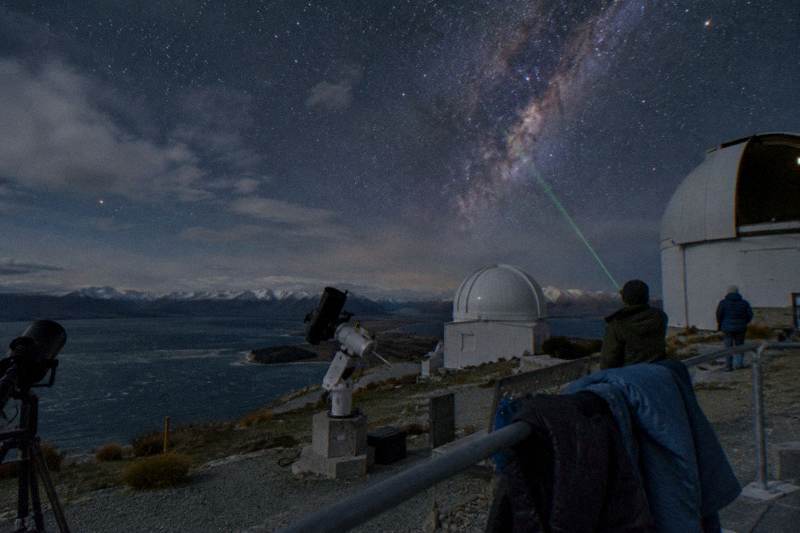
Best Places For Stargazing In New Zealand And How Tekapo Compares
New Zealand has one internationally certified dark sky reserve that covers the Mackenzie Basin and Aoraki/Mt Cook National Park, and almost every guided stargazing option sits inside it. Here is how the places compare, and where Tekapo fits.
Short answer
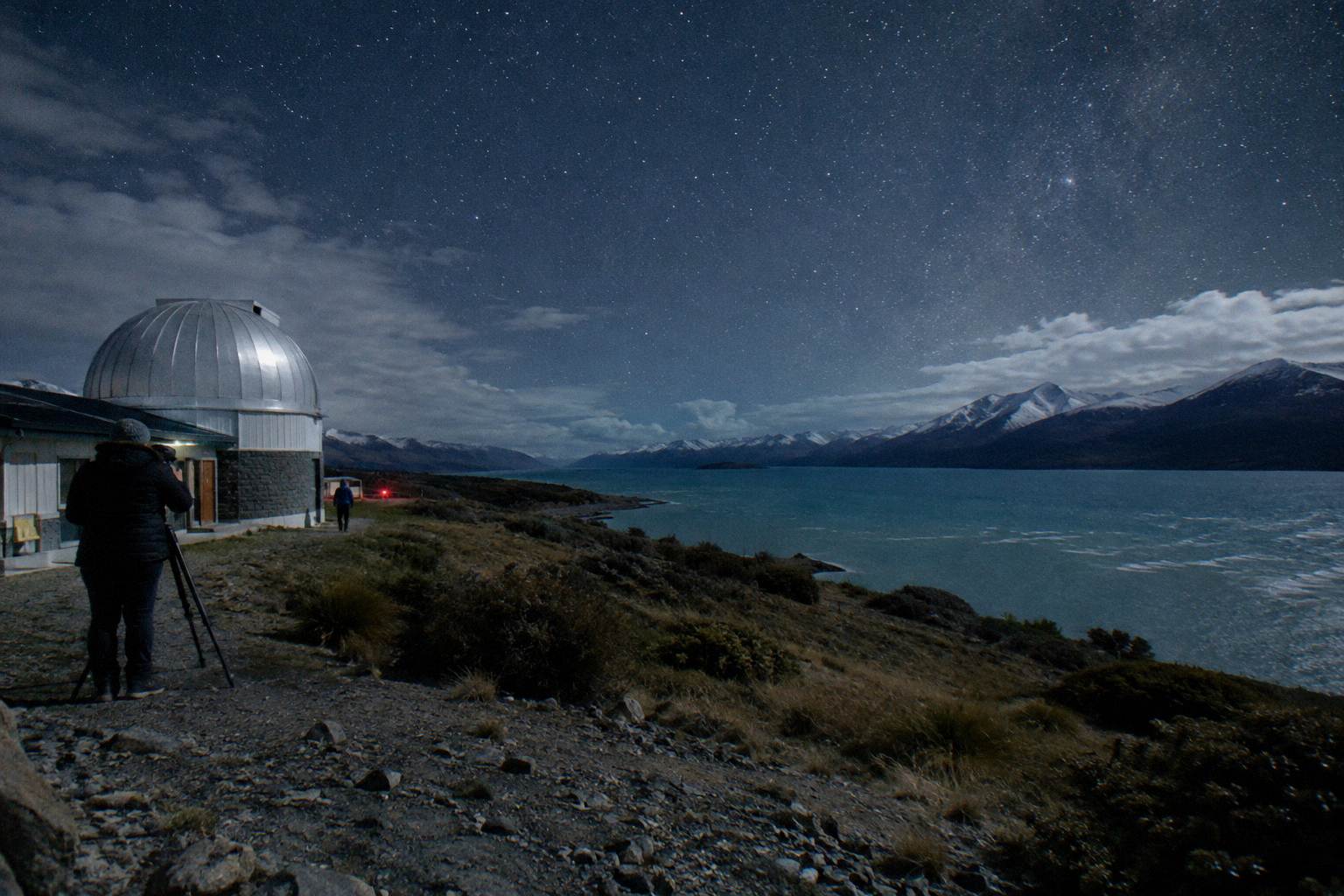
The Aoraki Mackenzie International Dark Sky Reserve, awarded status in April 2012, is the largest dark sky reserve in the Southern Hemisphere and covers Lake Tekapo, Twizel, Lake Pukaki and Aoraki/Mt Cook. Tekapo is the best-connected base, with the most guided tours. Mt Cook, Twizel and Lake Pukaki each add a quieter alternative.
New Zealand's stargazing reputation rests almost entirely on one region: the Aoraki Mackenzie International Dark Sky Reserve, awarded reserve status in April 2012, which spans Aoraki/Mt Cook National Park and the Mackenzie Basin. Every guided tour covered on this site, from the Tekapo lakefront to Lake Pukaki, runs inside it.
That single fact shapes every comparison in this guide. Choosing between New Zealand stargazing places is not a choice between separate dark sky regions; it is a choice between bases, tour styles and budgets inside one reserve the size of a small country. Mt John Stargazing exists to make that choice concrete.
| Place | Operator tours | Setting | Best fit |
|---|---|---|---|
| Lake Tekapo | Eight guided options | Lakeside village, Mt John above | First visit, families, choice |
| Mt Cook Village | One (Big Sky Stargazing) | Hotel-based, drive to Star Base | Staying at the Hermitage |
| Twizel | One | Small town, astronomer-led | Quiet, low-key nights |
Why The Mackenzie Basin Is The Heart Of Stargazing In New Zealand
The Mackenzie Basin anchors the Aoraki Mackenzie International Dark Sky Reserve, the largest dark sky reserve in the Southern Hemisphere, which was awarded its status in April 2012. Because the reserve comprises Aoraki/Mt Cook National Park plus the Mackenzie Basin, this region forms the beating heart of stargazing in New Zealand. That single footprint means Tekapo, Twizel, Lake Pukaki and Aoraki/Mt Cook all sit inside one protected zone rather than competing for the title. The designation rests on lighting controls in the Mackenzie District Plan, which require shielding that points lights downward and limits spill into the sky. In practice, the whole basin shares effectively the same sky, so the differences between towns come down to access, tours and price, not darkness itself.
The reserve's story is tied to the University of Canterbury, which opened Mt John Observatory above Lake Tekapo in 1965. The university describes it as New Zealand's largest professional research observatory, sitting at 1,029 m elevation, 245 km south west of the Ilam campus near Takapō. Four research telescopes operate there, including a 1 m McLellan and a 1.8 m MOA telescope run in partnership with Osaka University. That working observatory is why the summit tours in Tekapo exist at all, and it is a structural advantage no other New Zealand stargazing place can match.
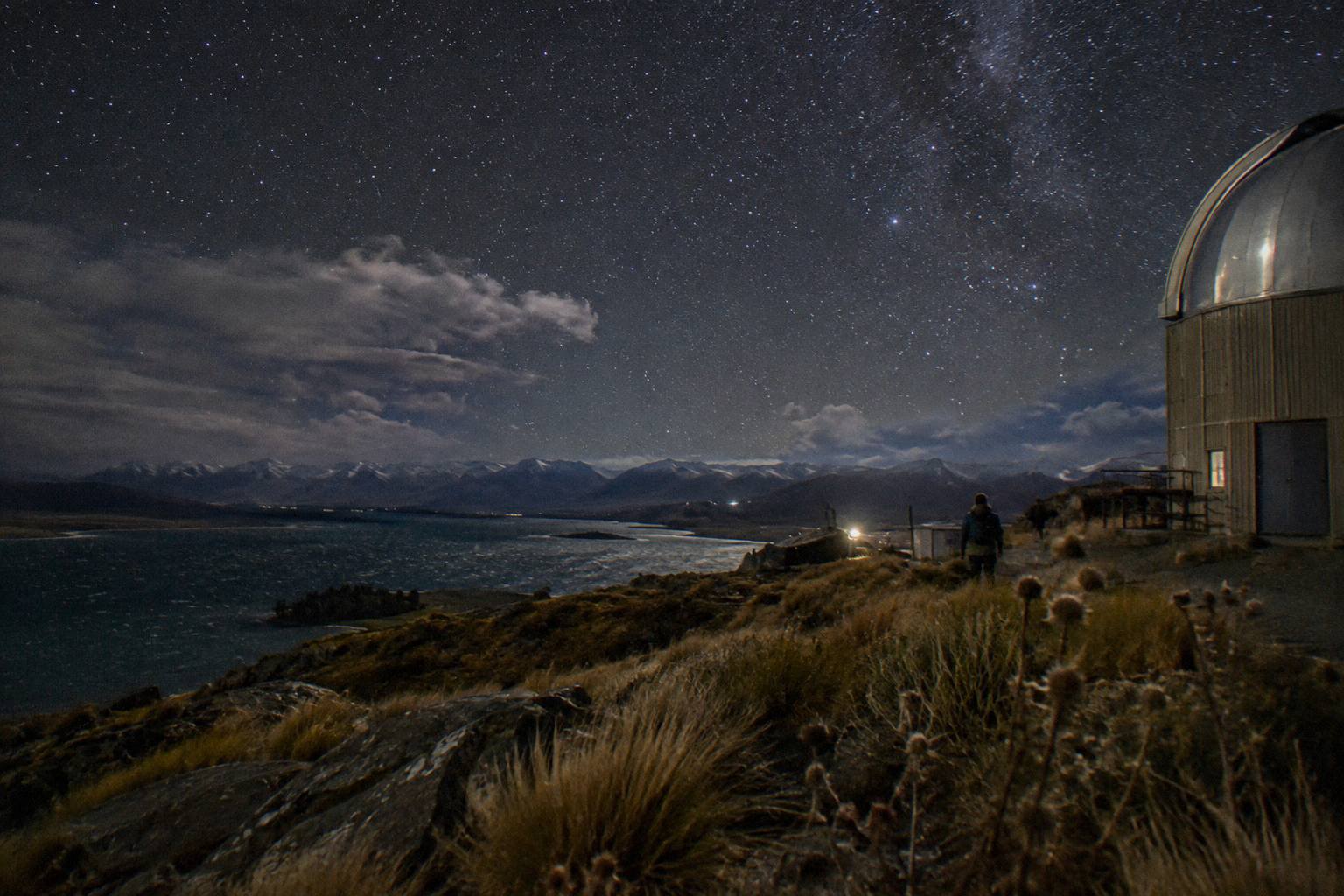
Dark Sky Project, the Ngāi Tahu Tourism partner operating from the lakefront at Takapō (Tekapo), was founded in 2004 and now hosts over 45,000 visitors a year. It uses the spelling Takapō to support revitalising Māori place names; Takapō is the name recorded by Ngāi Tahu ancestors on the Ka Huru Manu map. For the full reserve story, see the guide to the Aoraki Mackenzie dark sky reserve, and for the science behind the designation, the operator's reserve page.
Takapō sits about three hours' drive from both Queenstown and Christchurch, which makes the basin reachable as a long day trip or an easy overnight from either city. That geography matters more than any ranking of skies: a place you can actually reach on your itinerary beats a marginally darker spot you cannot.
Lake Tekapo: The Reserve's Busiest Stargazing Base
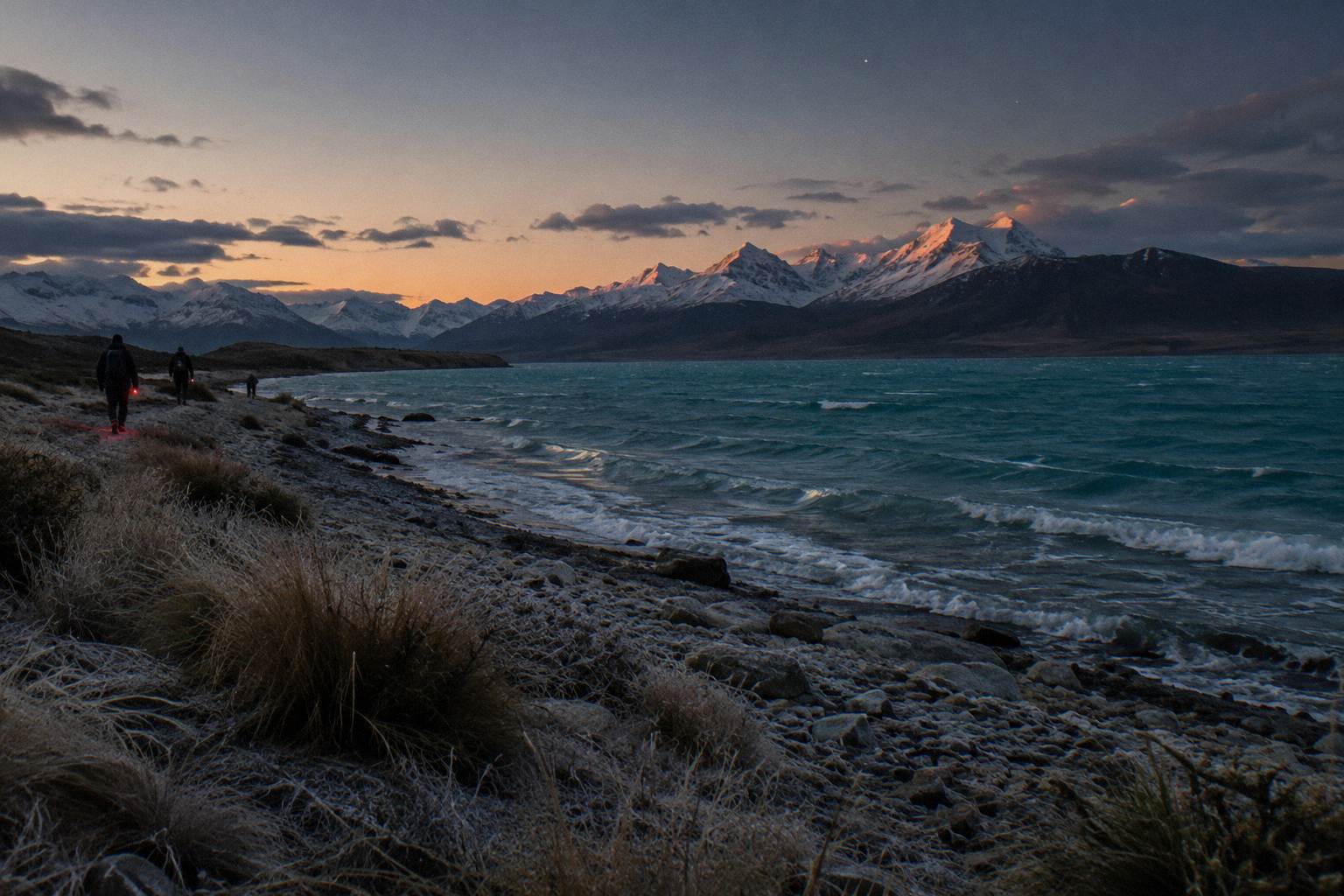
Lake Tekapo is the reserve's busiest stargazing base, packing eight guided stargazing tours into one small lakeside village. That count beats every other place in the reserve combined, and Tekapo is also the only base with a working research observatory directly above it. Dark Sky Project runs three experiences from its base at 1 Motuariki Lane. Tekapo Springs runs hot pool combinations. Chameleon Stargazing, Astro Tekapo and Silver River Stargazing run smaller lakefront and alpine options. If you want choice, published prices and a backup plan under cloud, Tekapo is where the options are, and no other base in the country comes close on any of those three counts.
The headline act is the Mt John Summit Stargazing Experience, a 1 hour 45 minute tour that checks in at the base, takes a 15-minute bus to the summit of Mount John and uses telescopes up to 16 inch inside a private observatory dome. The operator's price is NZD 239 for adults and children alike, with a minimum age of 10, and the tour includes an Extreme Cold Weather jacket loan and guiding that weaves together Tātai Aroraki, Māori astronomy, and Western astronomy. It is rated 4.6 across 352 reviews. The full tour page for the Summit Experience covers the fitness notes: a 100 m gravel incline walk and a few steps in the dark.
For many readers comparing New Zealand places, the real question is whether to pay summit prices or take a lakefront night. The comparison of Lake Tekapo stargazing tours breaks that down tour by tour, but the short version is that Tekapo is the only base offering a full price ladder: NZD 139 for the Crater Experience at Cowan's Observatory, NZD 179 for the hot pools combination at Tekapo Springs, and NZD 239 for the summit. If you are weighing Tekapo against the south, Check availability on the summit tour before deciding, since its evenings fill first.
Tekapo also has the deepest cloud fallback structure. Dark Sky Project's weather terms state it cannot guarantee clarity or objects, decides close to tour time, and offers an indoor alternative, a reschedule subject to availability, a gift voucher valid three years, or a full refund if the outdoor session cannot run. Tekapo Springs tours run in all weather, with a VR indoor experience replacing telescope viewing under cloud and a 25 percent refund per ticket if telescope viewing falls under 30 minutes. No other base in the reserve publishes a comparable set of options, which is a practical reason to stage a stargazing trip from Tekapo even if you tour elsewhere later.
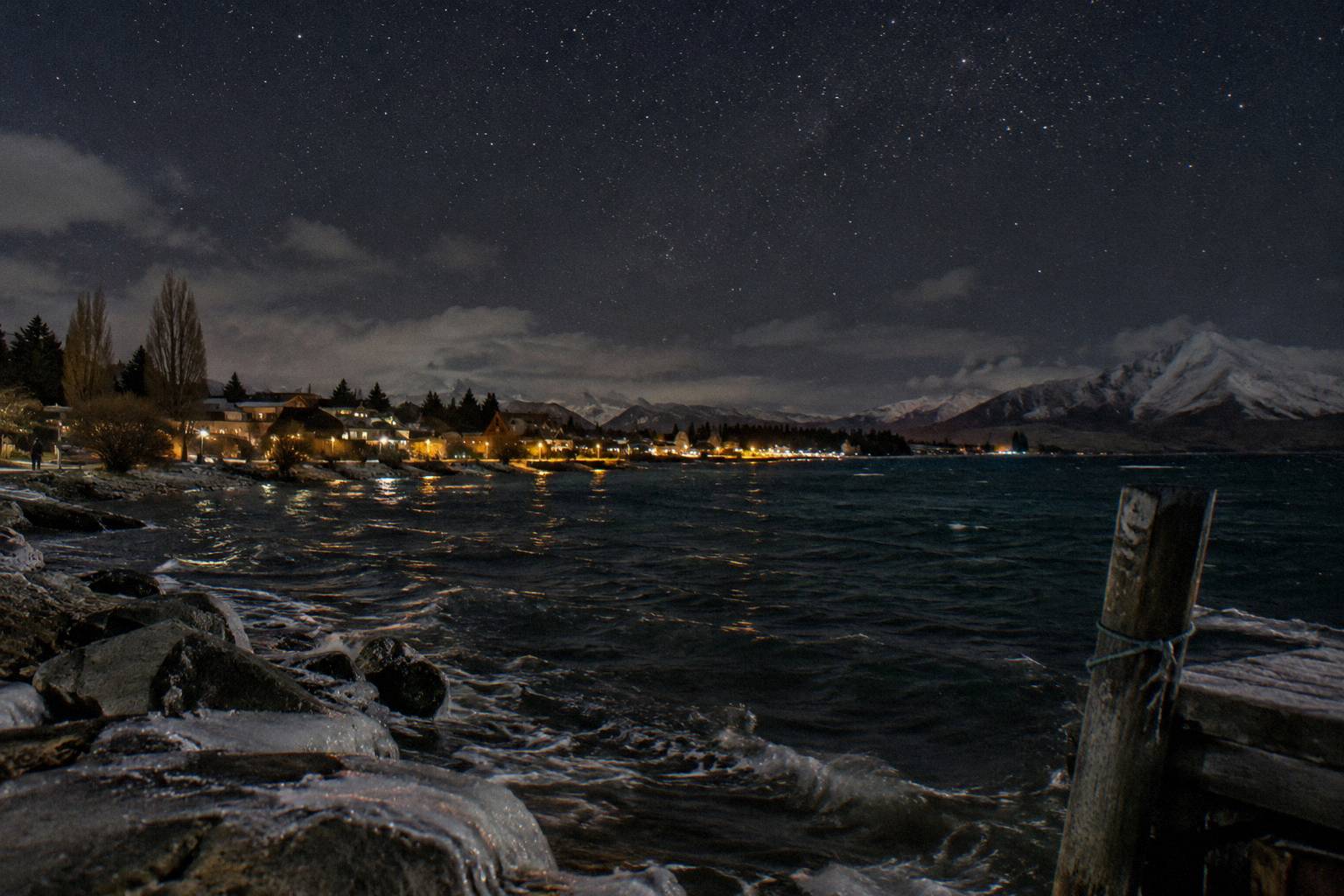
Free stargazing is possible here too. The lakefront away from village lights, and the Summit Circuit track below the observatory, cost nothing; the free stargazing around Lake Tekapo guide covers where to stand and what to bring. The difference between a free night and a tour is equipment and interpretation, not access to the sky.
Mount John Observatory Above Tekapo Versus Everything Else
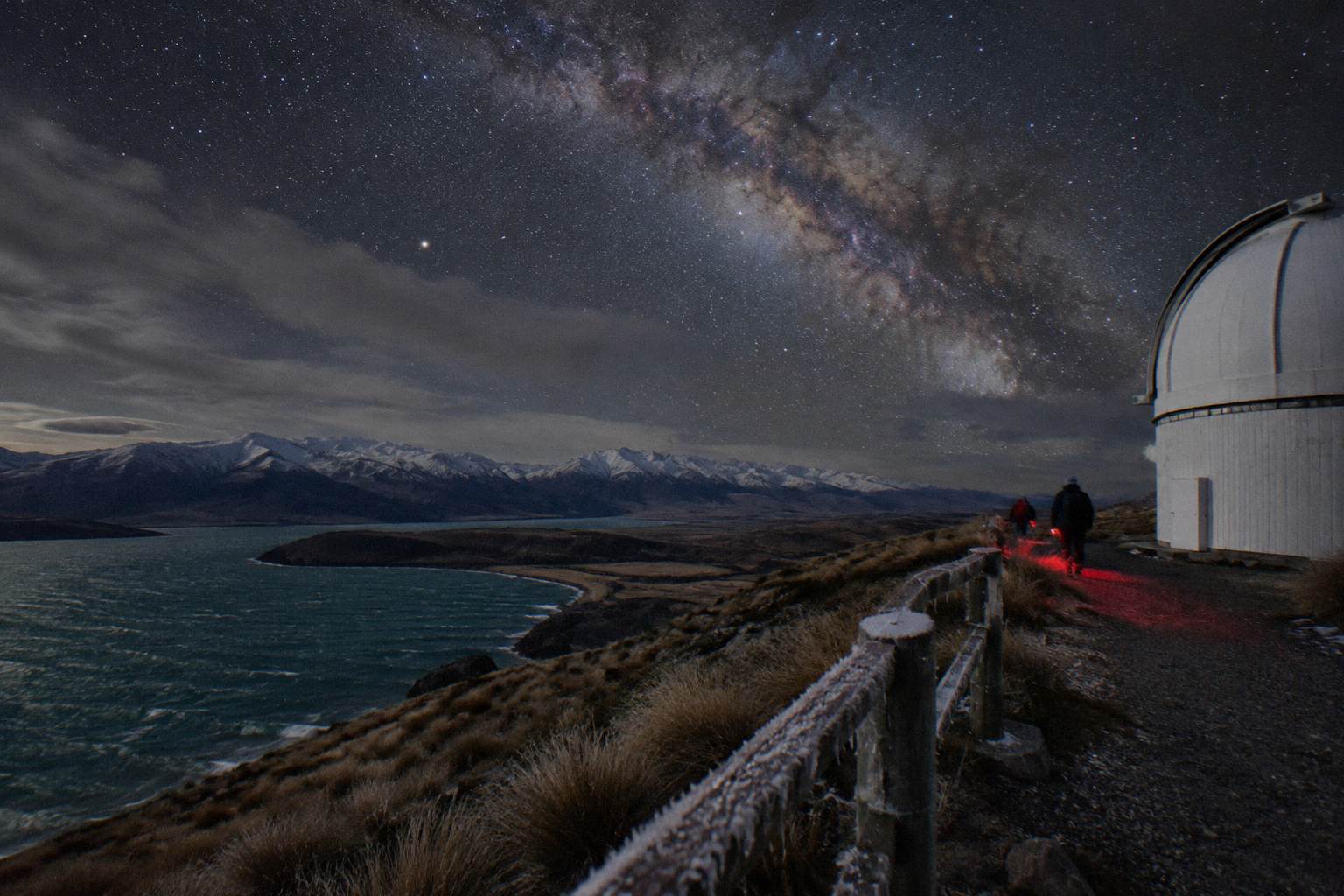
Mount John wins this matchup decisively, because it is the only place in New Zealand where the public tours a working professional research observatory, and that unique access is the single strongest argument for choosing Tekapo as your stargazing base over every other option in the country. The University of Canterbury Mt John Observatory, which the university calls New Zealand's largest professional research observatory, has operated since 1965 at 1,029 m above Lake Tekapo. The Dark Sky Project Summit Experience page also describes it as the southernmost facility of its kind in the world. No tour in Mt Cook, Twizel or anywhere else can put a visitor inside that setting.
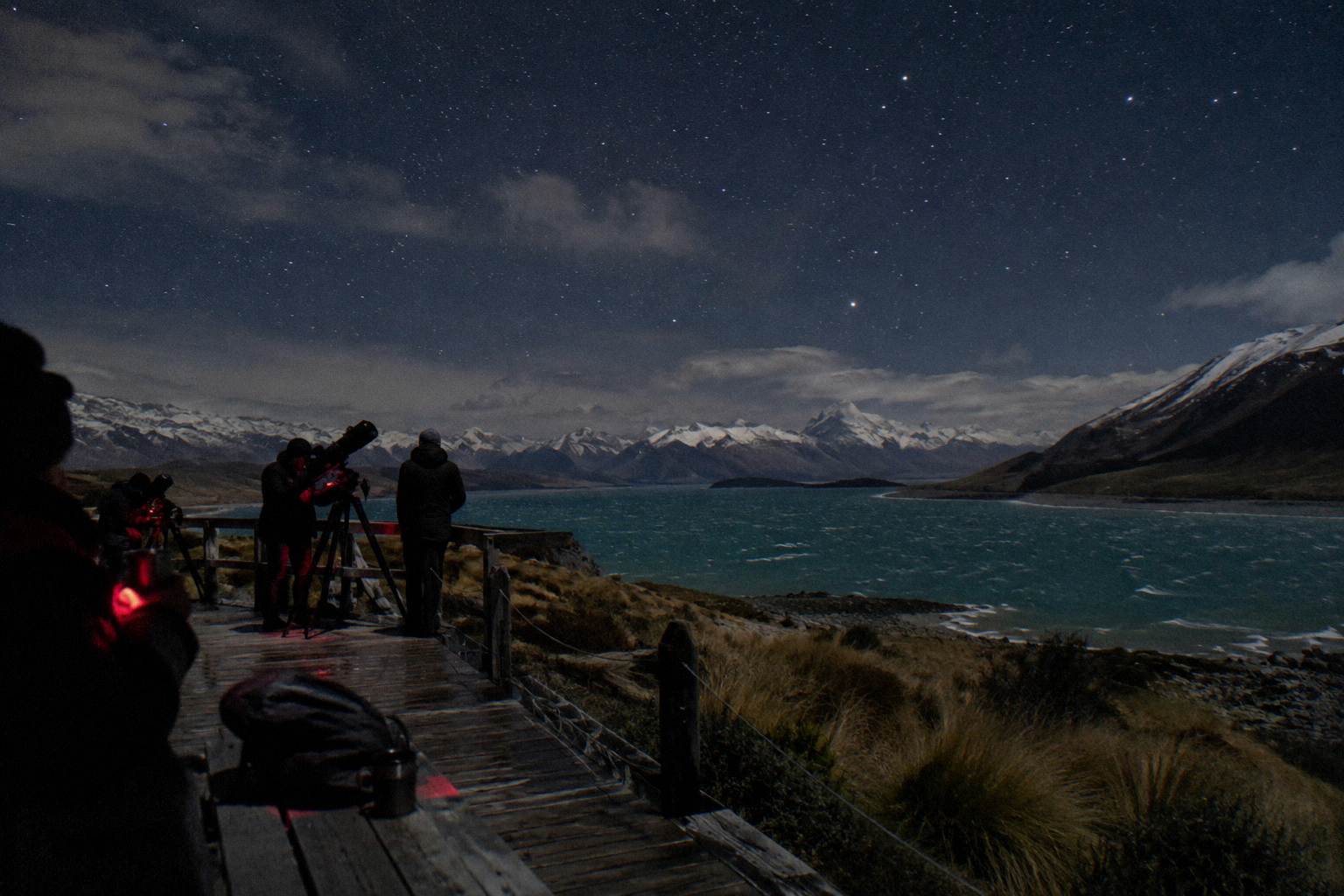
Access is controlled. The summit road is open daily 9am to 4pm, carries a road user fee of NZD 14 per vehicle at the gate, and does not permit vehicles over 12 seats; it closes in some weather. Astro Cafe on the summit trades daily 9am to 4pm, which makes a daytime visit possible without a tour. After dark, the road is effectively the tour operator's, which is why the Summit Experience runs by bus from the lakefront base. If a self-drive summit visit is your plan, the can you drive up to Mount John Observatory post covers the hours and fees in detail.
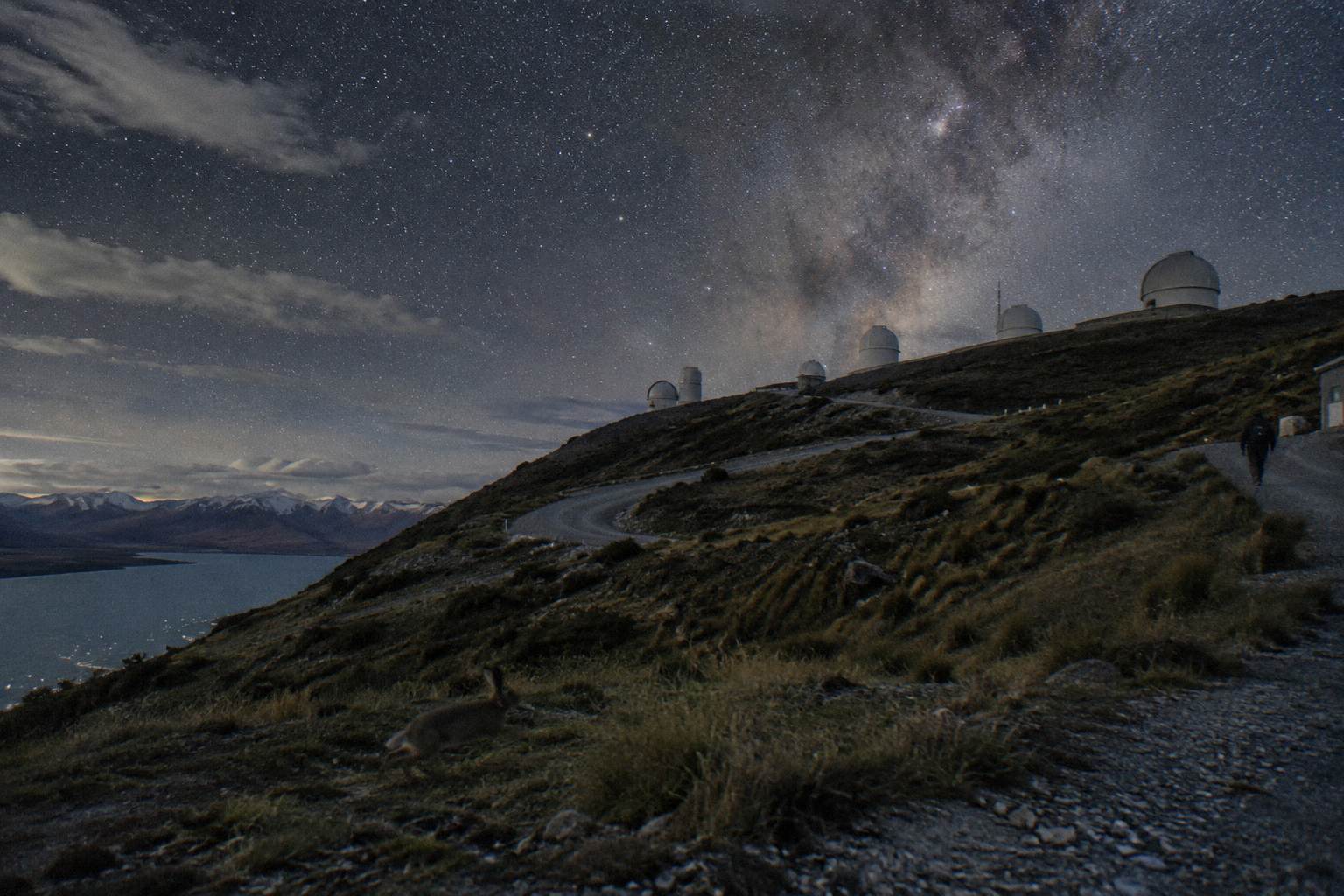
The comparison with the southern places is therefore not about sky quality but about what sits under the sky. In Mt Cook you look up from a car park near a glacier; on Mount John you stand beside buildings where planet-hunting research happens. Whether that is worth NZD 239 per person, the operator's price for adults and children alike, is a judgement call; what is not in dispute is that the setting is unique in New Zealand.
Tekapo's other Mount John-adjacent strength is the indoor Dark Sky Experience, a 45-minute daytime cultural astronomy tour at the lakefront base, priced at NZD 59 adult and NZD 39 child by the operator, with under 5s free with an adult ticket. It is not a stargazing tour and offers no sky viewing; it is the cloud-proof option, which matters if your itinerary allows only one night in the basin and the forecast is poor.
Mt Cook Village: The Hermitage Option At The Top Of The Reserve
Mt Cook Village has exactly one guided stargazing tour, Big Sky Stargazing run by the Hermitage hotel, which describes itself as the only stargazing tour in Aoraki/Mount Cook National Park, and it runs 75 to 90 minutes including a short drive to a site the operator calls Star Base. Adults pay from NZD 165 and children aged 8 to 14 from NZD 94, with a minimum age of 8 and guiding in English and Mandarin. Current times are 10:30pm and 12:30am, seasonal, with minimum numbers possible. That is the whole offer in the village, and it is not bookable through this site.
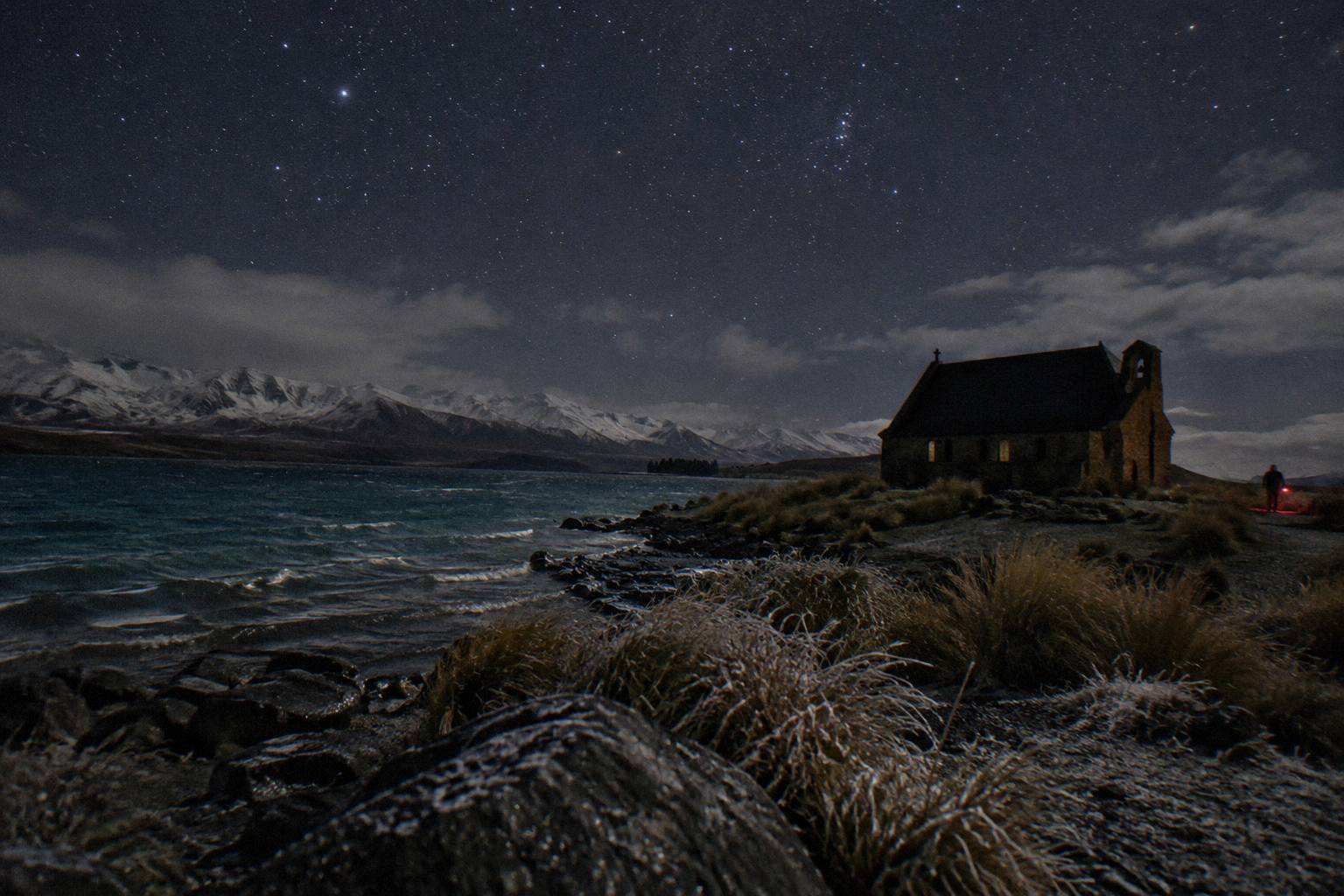
There is also a second, smaller option in the wider Mt Cook area: the Mt Cook Stargazing Experience run by Silver River Stargazing, a 75-minute tour meeting at the Tasman Glacier car park. Its price is on the booking page rather than published by the operator, and its booking page shows a 24-hour free cancellation window. Between the two, the Hermitage tour is the established hotel product and the Silver River tour is the independent alternative on the eastern side of the valley.
Mt Cook's real advantage is the landscape you stargaze beneath: Aoraki/Mt Cook National Park is half of the dark sky reserve's footprint, and the village sits deep inside it with no towns between it and the sky. Its weather fallback is thinner than Tekapo's. If a Big Sky Stargazing night is cancelled for weather, the operator substitutes a 45-minute planetarium show and a 75 percent refund; compare that with Dark Sky Project's reschedule, voucher or full refund structure. For a deeper look at the area, see the guide to Mt Cook stargazing tours.
Staying in Mt Cook versus Tekapo is partly a booking logistics question, since village accommodation is limited and expensive, and partly a night-sky question. The Mount Cook or Lake Tekapo comparison for stargazers works through the trade-offs; the short version is that Tekapo gives you more tours and more fallbacks, while Mt Cook gives you one product in a more dramatic setting.
Twizel And Lake Pukaki: Quieter Spots Inside The Same Reserve
Yes, you can find quieter stargazing south of Tekapo: Twizel, sitting inside the same reserve boundaries, carries exactly one guided option, and is less documented than the Tekapo products while sharing the same night sky. The Twizel Stargazing Tour With An Astronomer, run by Stargaze Mackenzie, lasts 75 minutes with a minimum age of 6, meets in Twizel, and carries a 24-hour free cancellation window on its booking page; its price is not published by the operator. It has no printable rating.
These are genuinely useful alternatives rather than afterthoughts. Twizel is roughly an hour's drive south of Tekapo on the route to Mt Cook, so it works as a stop on a road trip rather than a destination in itself. The astronomer-led format, with a minimum age of 6, suits families whose children are too young for the Mount John summit tour's age floor of 10. Lake Pukaki, with its age 12 minimum, is effectively an adults' product, closer in spirit to a private retreat night than a group tour.
The honest limitation is information. Durations beyond Twizel's 75 minutes, start times and prices are not stated by the operators, so ask before booking: Stargaze Mackenzie through its booking page. That is a different buying experience from Tekapo, where Dark Sky Project and Tekapo Springs publish full price schedules. The Twizel night sky guide covers what is known about the town as a base.
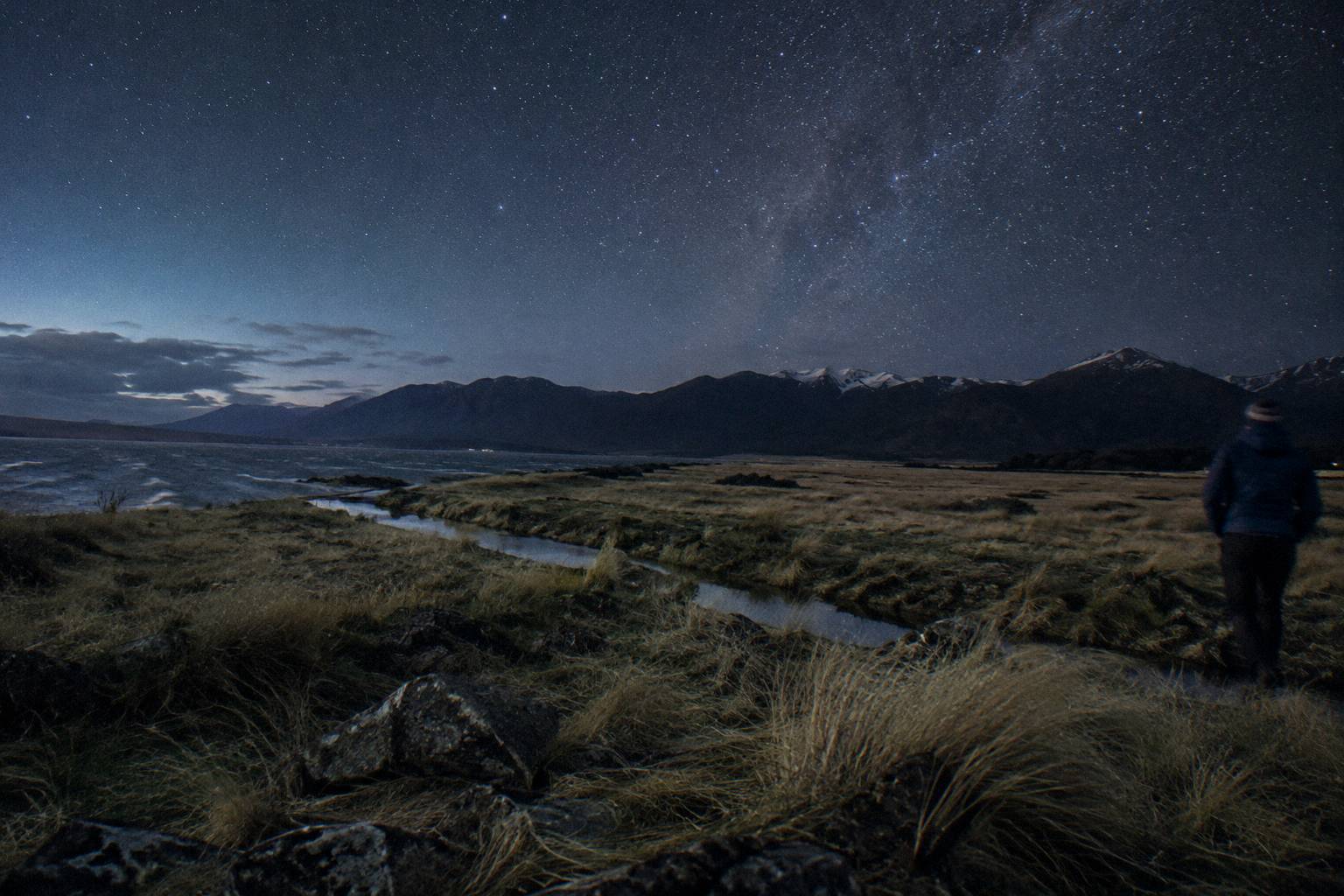
Silver River Stargazing also runs two Tekapo-based products, the Alpine Stargazing Experience of 75 minutes and the Ultimate Stargazing Experience of 2 hours, both with 24-hour free cancellation on their booking pages, alongside Astro Tekapo's 1.5-hour lakefront tour with a minimum age of 6. These fill out the middle of the Tekapo range and have no printed prices; treat them as options to quote against the published Tekapo prices rather than as unknowns.
How The Places Compare On Price, Age And Weather Terms
Across all the places, only the Tekapo operators and the Hermitage publish prices, so a clean cost comparison is possible only inside that set: NZD 139 to NZD 239 for the Tekapo tours and NZD 165 adult for Mt Cook. Ages range from 5 at Cowan's Observatory to 12 at Lake Pukaki, which is often the deciding fact for families. Weather terms differ more than prices: Dark Sky Project refunds or reschedules, Tekapo Springs runs in all weather with a VR fallback, and the Hermitage substitutes a planetarium show with a 75 percent refund. Everything else is on the booking page.
| Tour | Place | Operator price (NZD) | Duration | Minimum age |
|---|---|---|---|---|
| Mt John Summit Stargazing Experience | Tekapo | Adult 239, child 239 | 1 hour 45 minutes | 10 |
| Crater Stargazing At Cowan's Observatory | Tekapo | Adult 139, child (5 to 17) 99 | 75 minutes | 5 |
| Hot Pools And Stargazing (Soak in the Stars) | Tekapo | Adult 179, child 115 | 90 minutes | 10 |
| Dark Sky Experience (indoor) | Tekapo | Adult 59, child 39 | 45 minutes | Not stated |
| Big Sky Stargazing | Mt Cook Village | Adult from 165, child (8 to 14) from 94 | 75 to 90 minutes | 8 |
| Mt Cook Stargazing Experience | Tasman Valley | On the booking page | 75 minutes | Not stated |
| Twizel Stargazing Tour With An Astronomer | Twizel | On the booking page | 75 minutes | 6 |
All NZD figures above are the operators' own direct-booking prices, on schedules the operators state are valid to 30 September 2027, and they can change. Family passes exist for the Tekapo products: NZD 377 for two adults and two children at Cowan's Observatory, NZD 499 at Tekapo Springs, NZD 157 for the indoor Dark Sky Experience. Booking-page prices and cancellation terms may differ from direct bookings and follow the agent's terms.
Weather is where the places genuinely diverge, and it deserves as much weight as price. The table below sets the fallback terms side by side as each operator states them.
| Operator | What happens under cloud | Refund terms |
|---|---|---|
| Dark Sky Project (Summit, Crater) | Indoor alternative or Virtual Stargazing Experience, reschedule or refund, decided close to tour time | Full refund on direct bookings cancelled up to 24 hours before |
| Tekapo Springs | Tours run in all weather, VR indoor experience replaces telescope viewing | 25 percent refund per ticket if telescope viewing under 30 minutes |
| Hermitage (Big Sky Stargazing) | 45-minute planetarium show substituted | 75 percent refund of the ticket |
Dark Sky Project also notes that brighter moonlight affects fainter stars and galaxies, while the moon itself is a good target; Tekapo Springs says telescopes still show bright objects at full moon and only naked-eye Milky Way viewing is reduced. Neither operator guarantees the Milky Way, aurora or any specific object. For planning around the moon, the new moon or full moon guide explains the trade-off.
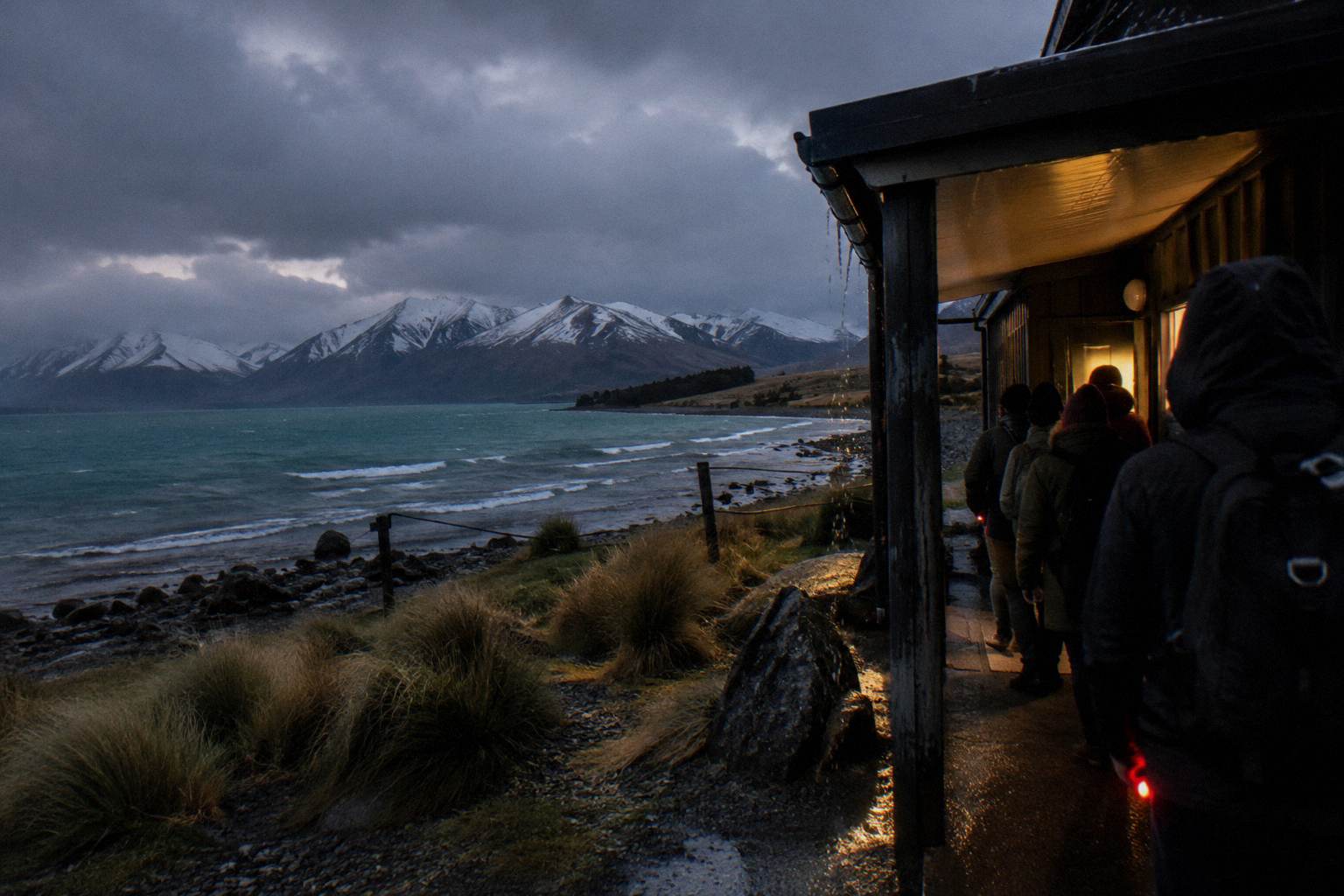
What Trips People Up When Choosing A New Zealand Stargazing Place
The mistakes that cost money come from assuming every reserve sky needs the same tour, ignoring minimum ages until check-in, and booking a single night with no cloud fallback, so compare tours carefully, confirm age limits before you book, and hold a spare night in case clouds move in. People also expect published prices everywhere, when in fact only the Tekapo operators and the Hermitage publish them, and then overpay for a summit product when a NZD 139 crater night would have suited the group better. Read the age limits before anything else: they range from 5 at Cowan's Observatory to 12 at Lake Pukaki, they are enforced at check-in, and they sink more family plans than any weather forecast does.
The first trap is treating Tekapo and Mt Cook as interchangeable day trips. They are roughly an hour apart by road, but Mt Cook Village has one tour with seasonal 10:30pm and 12:30am times and minimum numbers, while Tekapo has eight products across five operators. A traveller who books one Mt Cook night, loses it to cloud, and discovers the planetarium-plus-75-percent-refund fallback has no second option in the village. Stage at least two nights in the basin wherever possible; the post on how many nights to book makes the case in detail.
The second trap is the child-price assumption. The Summit Experience charges NZD 239 for adults and children alike, so a family of four with children aged 10 and over pays the same rate per person, while Cowan's Observatory charges NZD 99 per child aged 5 to 17 and offers a family pass at NZD 377. Nobody should arrive at the summit check-in expecting a child discount that the operator does not offer. Age floors also bite: Tekapo Springs allows no child under 6 on any tour, including babies carried, and Lake Pukaki sets its floor at 12.
The third trap is over-reading the reserve's reputation. The designation protects the sky; it does not promise a clear night, the Milky Way or aurora, and no operator in the basin guarantees any of them. Dark Sky Project says its go or no-go decision is made as close to tour time as possible, and check-in is 15 minutes early for the update. Book with the fallback in mind rather than the brochure image, and see the guide to cloud cancellations for the mechanics of each operator's terms.
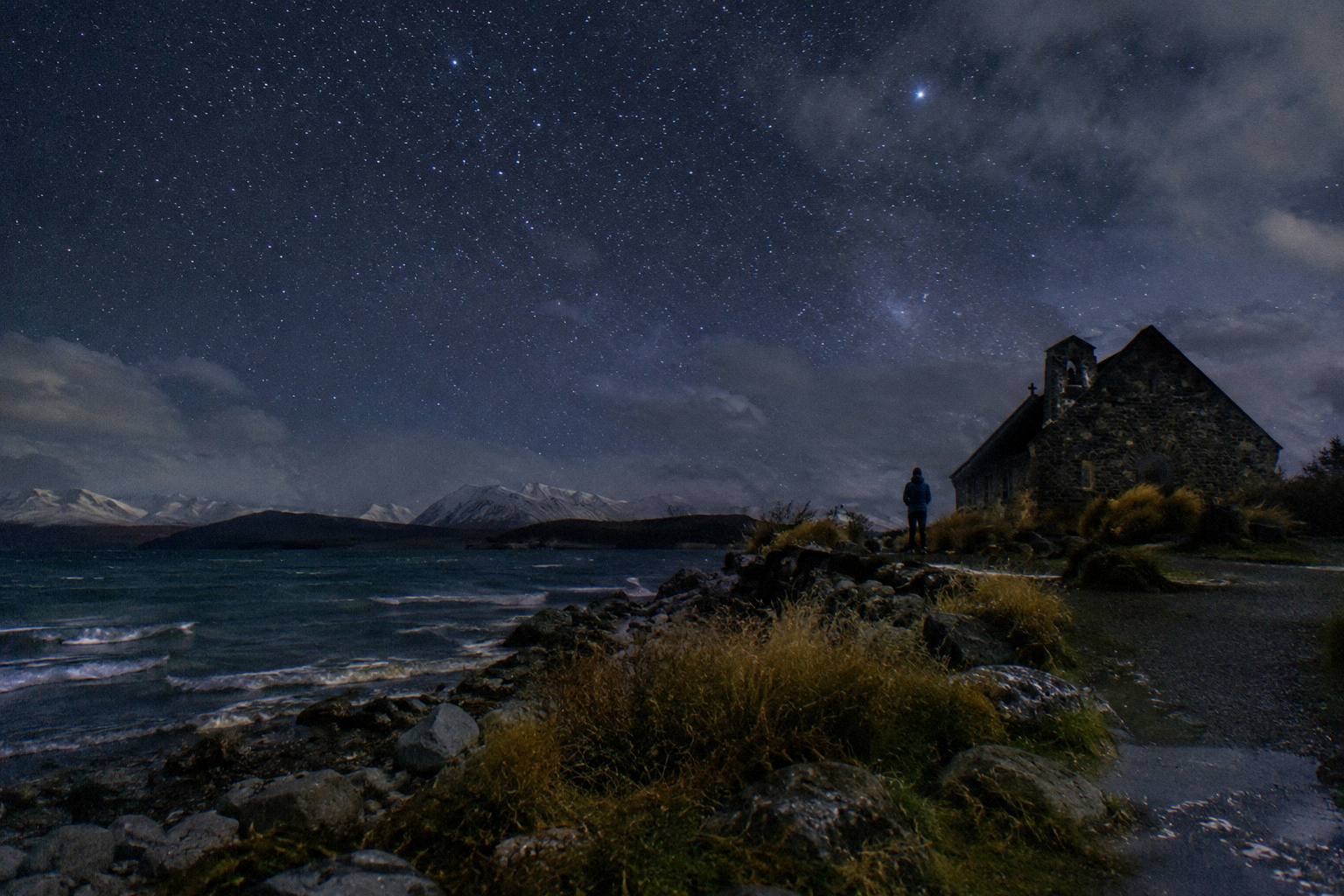
A fourth, quieter mistake: assuming you must tour at all. A free night on the Tekapo lakefront is inside the same reserve as a NZD 239 summit ticket. Tours add telescopes, guiding and Tātai Aroraki and Western astronomy interpretation; they do not add darkness. If the budget is tight, one tour and one self-guided night is a perfectly sound plan.
Common Questions About Stargazing In New Zealand
Where Is The Best Stargazing In New Zealand?
The Aoraki Mackenzie International Dark Sky Reserve is the country's flagship stargazing region, awarded status in April 2012 and the largest dark sky reserve in the Southern Hemisphere. Inside it, Tekapo offers the most guided tours and the Mount John research observatory, Mt Cook Village offers one hotel-run tour, and Twizel and Lake Pukaki each offer one smaller option.
Is Tekapo The Only Dark Sky Place In New Zealand?
No, but it is the only place where the public tours a working professional research observatory, the University of Canterbury Mt John Observatory, opened in 1965. The reserve that protects Tekapo's sky also covers Twizel, Lake Pukaki and Aoraki/Mt Cook, so those towns share the same designation rather than holding separate ones.
Can You Stargaze Without A Tour In The Mackenzie Basin?
Yes. The Lake Tekapo lakefront away from village lights and the Summit Circuit track, 8.9 km return, are free and inside the reserve. Tours add telescopes up to 16 inch, guiding and interpretation; they do not add darkness. The Mount John summit road itself is open to vehicles only 9am to 4pm, with a NZD 14 road user fee, and closes in some weather.
Which Stargazing Tour Is Best For Families With Young Children?
By minimum age, the Crater Stargazing At Cowan's Observatory takes children from age 5, at the operator's price of NZD 99 per child aged 5 to 17, with a family pass at NZD 377. The Twizel tour takes children from age 6. The Mount John summit tour sets its floor at 10, Tekapo Springs allows no child under 6 on any tour including babies carried, and Lake Pukaki requires age 12.
What Happens If It Is Cloudy On The Night Of The Tour?
It depends on the operator. Dark Sky Project cannot guarantee clarity, decides close to tour time, and offers an indoor alternative, a reschedule, a voucher valid three years or a full refund. Tekapo Springs tours run in all weather, substituting a VR indoor experience for telescope viewing, with a 25 percent refund per ticket if telescope viewing falls under 30 minutes. The Hermitage substitutes a planetarium show with a 75 percent refund.
Is It Better To Stay In Tekapo Or Mt Cook For Stargazing?
Tekapo suits first-time visitors: eight tours across five operators, published prices from NZD 59 to NZD 239, and the deepest cloud fallbacks. Mt Cook Village suits travellers already staying at or near the Hermitage, with its single Big Sky Stargazing tour, adults from NZD 165, in a more dramatic alpine setting. Many road-trippers do one night in each.