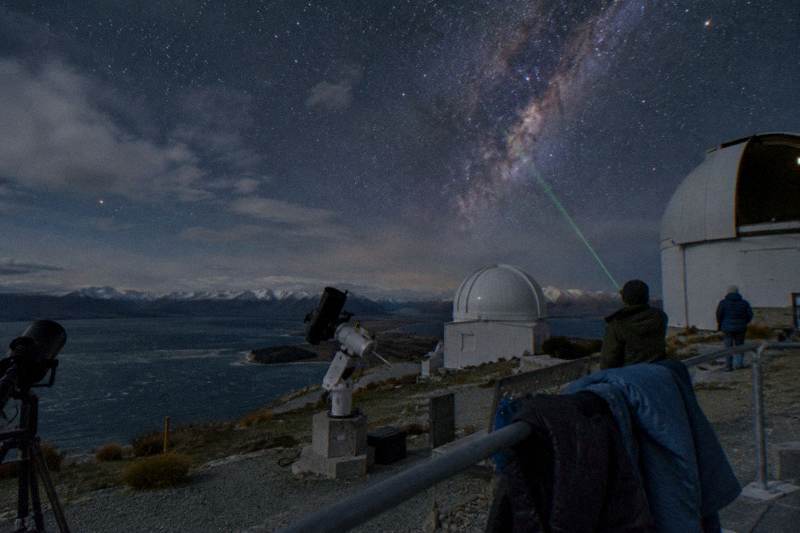
Southern Lights From Tekapo: Aurora Chasing On A Stargazing Night
Aurora Australis is real from Tekapo, but no operator sells it, promises it or schedules around it. This is how to pick a stargazing booking when the Southern Lights are the hope rather than the plan.
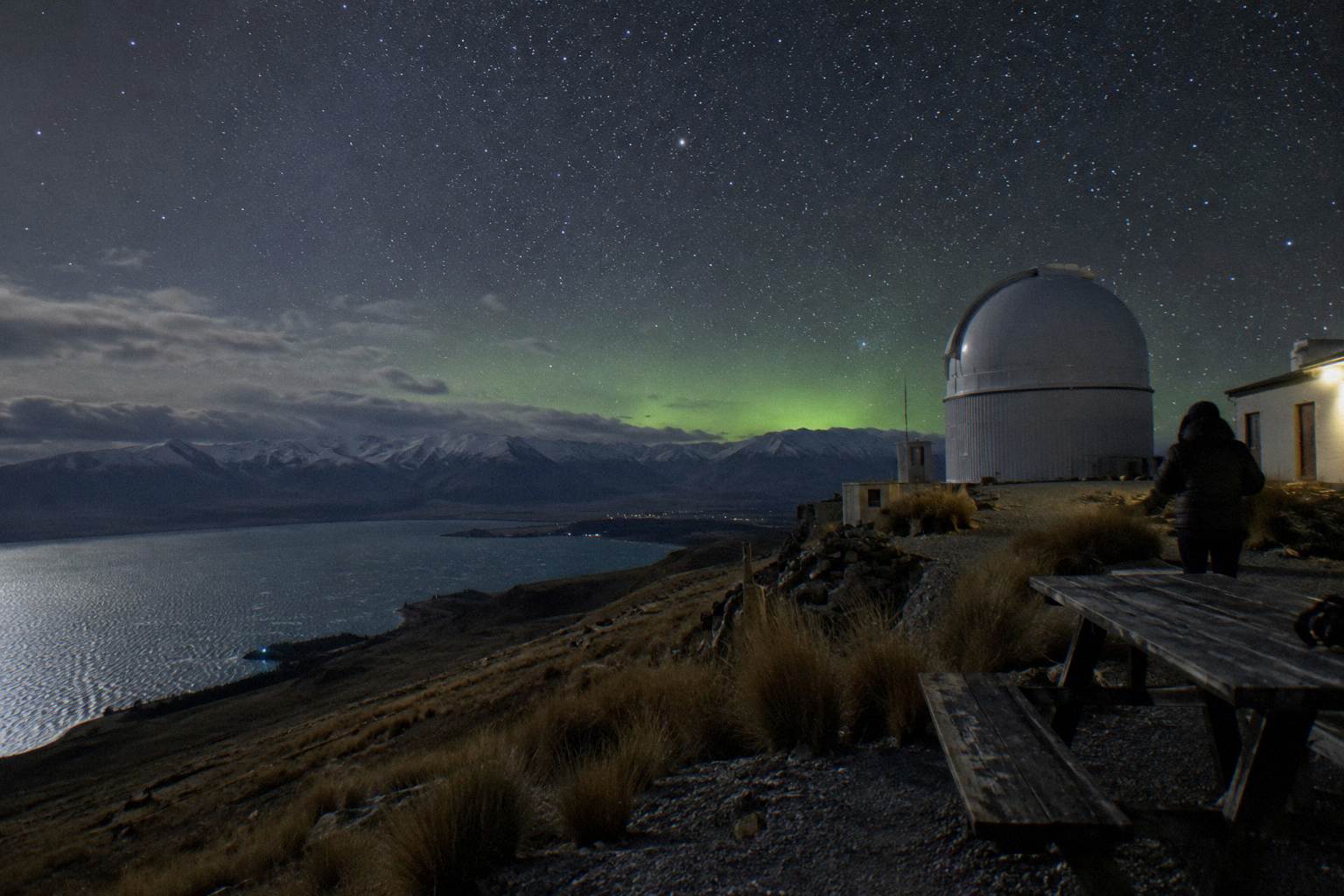
Short answer
Aurora Australis can appear over Lake Tekapo, but every operator here says it depends on conditions and is never guaranteed. Choose a tour for its telescope time, guiding and weather fallback, not for aurora. The Summit Experience is NZD 239, the Crater Experience NZD 139 adult, and the Dark Sky Experience is the indoor, weather-proof alternative at NZD 59.
In short: Aurora Australis is visible from the Mackenzie Basin on some nights, and Lake Tekapo sits inside the largest dark sky reserve in the Southern Hemisphere, which makes it one of the better places in New Zealand to be when the sky cooperates. No operator here sells aurora as a feature. Dark Sky Project states plainly that the Milky Way and Aurora Australis depend on conditions and are not guaranteed, and that clarity cannot be guaranteed either. The honest way to chase the Southern Lights from Tekapo is to book a stargazing tour for its telescopes, guiding and weather fallback, and treat any aurora as a bonus on top of a good night. This page covers what the operators actually say, how cloud and moonlight shape the decision, and how the bookable tours compare when aurora is the hope.
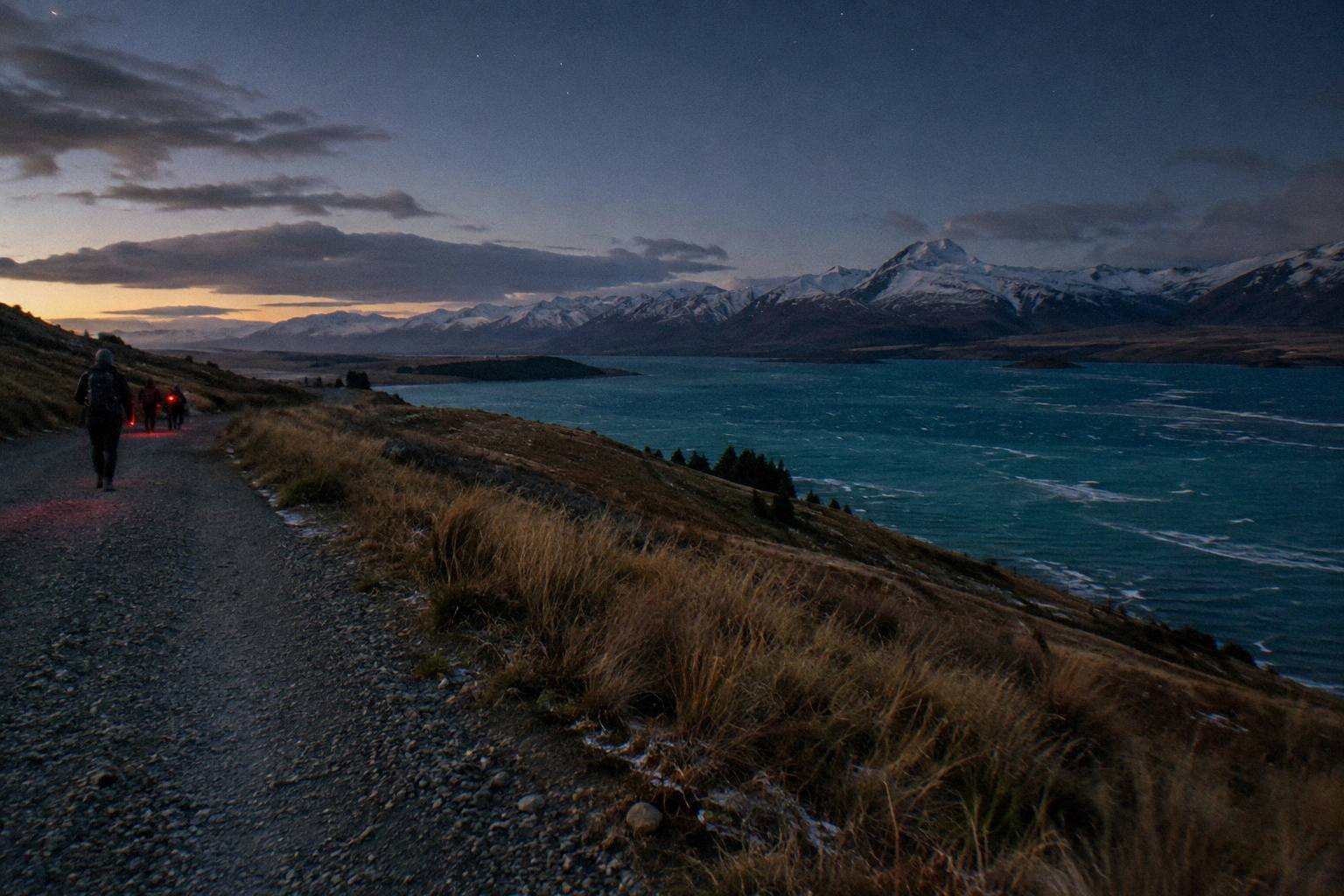
Start from the wider picture with the Lake Tekapo stargazing tours compared; this page narrows to the aurora question. For the reserve itself, see the Aoraki Mackenzie dark sky reserve explained, and for forecasting habits, the Tekapo stargazing forecast guide.
| Quick fact | Detail |
|---|---|
| Reserve | Aoraki Mackenzie International Dark Sky Reserve, awarded April 2012 |
| Reserve claim | The largest dark sky reserve in the Southern Hemisphere, per Dark Sky Project and Tekapo Stargazing |
| Aurora status | Depends on conditions; not a product feature, not guaranteed by any operator |
| Weather honesty | Dark Sky Project cannot guarantee clarity or objects; Tekapo Springs runs in all weather with a VR fallback |
| Featured tour | Mt John Summit Stargazing Experience, NZD 239 adult and child, 1 hour 45 minutes, minimum age 10 |
| Indoor alternative | Dark Sky Experience, NZD 59 adult, 45 minutes, daytime, no stargazing |
Can You See The Southern Lights From Tekapo?
Yes, on some nights, with two firm caveats: aurora is a natural event that depends on conditions, and no tour operator in Tekapo offers it as a feature or a promise. Dark Sky Project says directly that Aurora Australis depends on conditions and is not guaranteed. Tekapo gives you dark skies and a guide with a telescope, and if the lights appear, you are in one of the better places to see them.
Aurora Australis, the southern counterpart to the Northern Lights, is a phenomenon of the upper atmosphere driven by solar activity. Whether it is visible from any given place on any given night depends on that activity, on cloud cover, and on how dark your site is. Tekapo helps with the third factor more than almost anywhere else in the country. The town sits inside the Aoraki Mackenzie International Dark Sky Reserve, which Dark Sky Project describes on its dark sky reserve page as the largest dark sky reserve in the Southern Hemisphere, comprising Aoraki/Mt Cook National Park and the Mackenzie Basin. Reserve status was awarded in April 2012.
What reserve status does not do is manufacture an aurora. The Mackenzie District Council runs lighting rules in its District Plan, including shielding so lights point downward, which is part of why the baseline sky is so dark. But a dark site only matters when something is there to see. On a quiet geomagnetic night under a clear sky, you get an excellent view of stars, planets and the Milky Way, and no aurora at all. On an active night with cloud, you get nothing regardless of the reserve.
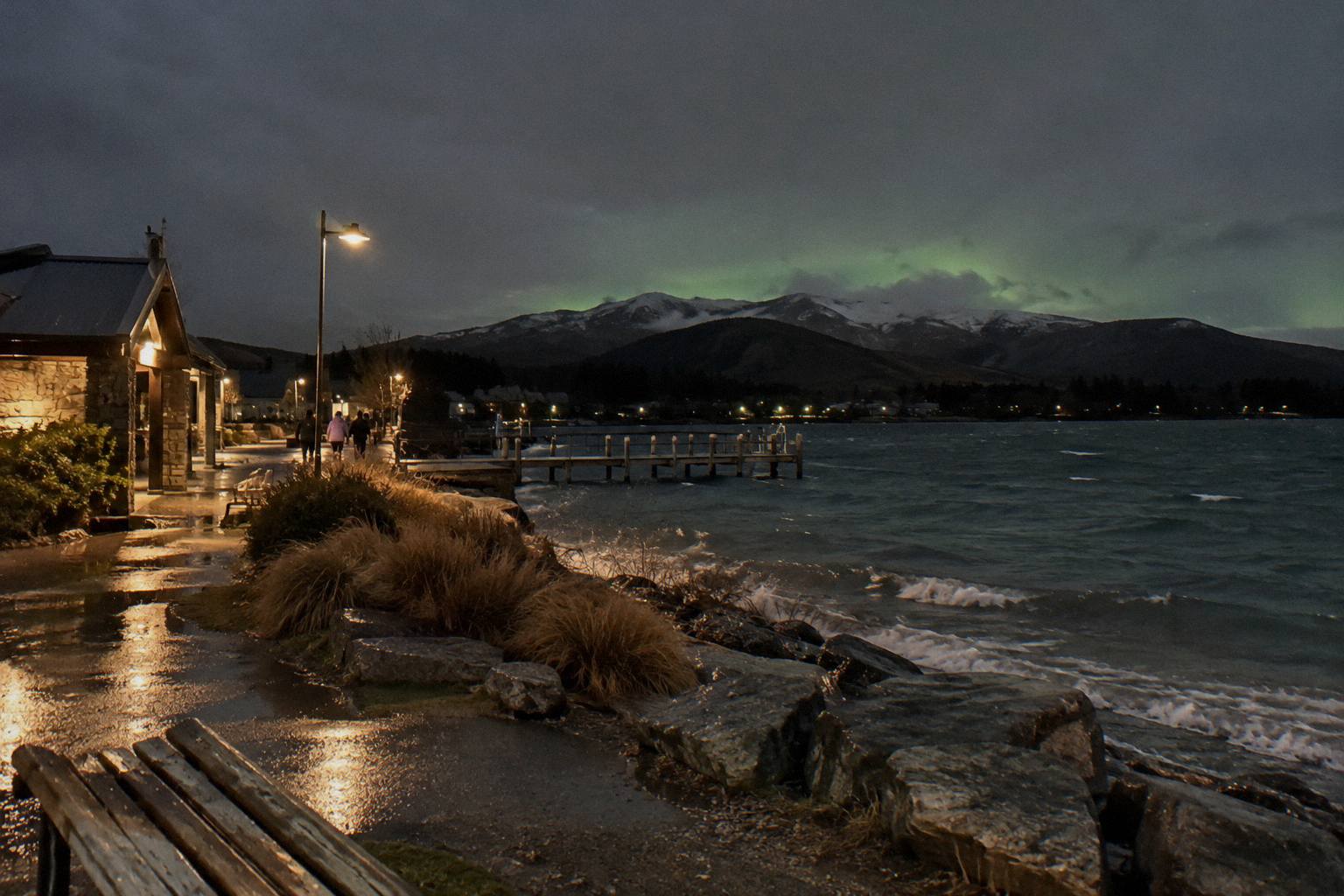
That is why the decision content on this page is not about predicting the aurora. It is about choosing a stargazing booking that serves you well on any night, with the aurora as a possible bonus. The tours that run here every evening are built around telescopes, guiding and storytelling, and those deliver regardless of whether the sky puts on a light show. A reader hoping for the Southern Lights is, in practice, choosing a stargazing tour for the night.
How A Stargazing Booking Serves An Aurora Night
The booking that serves an aurora hope is the one with the most sky time, the best weather fallback and the least financial risk if the night collapses. That means checking three things before you pay: the cancellation window on the booking page, what happens if cloud rolls in, and how long you actually spend looking up.
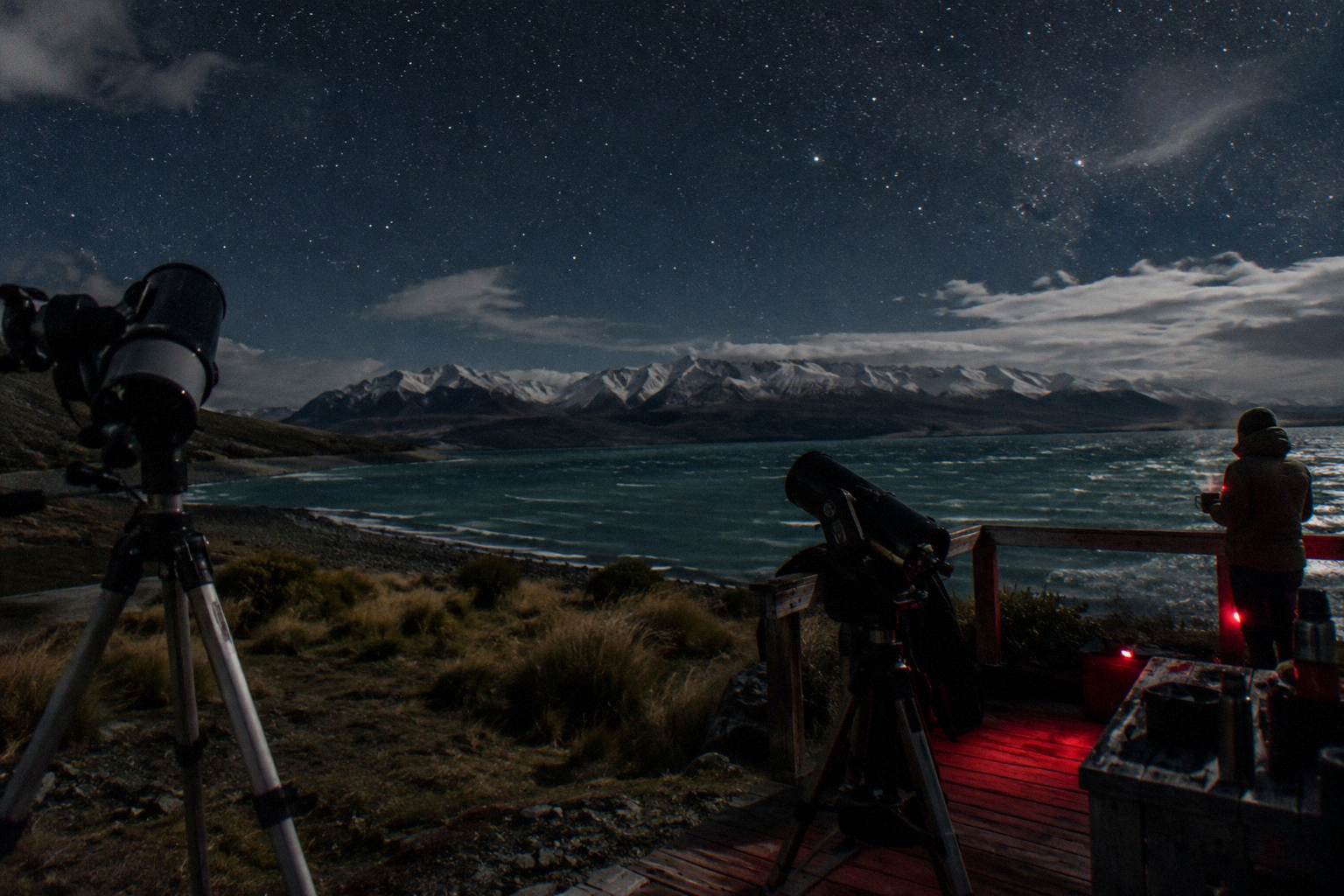
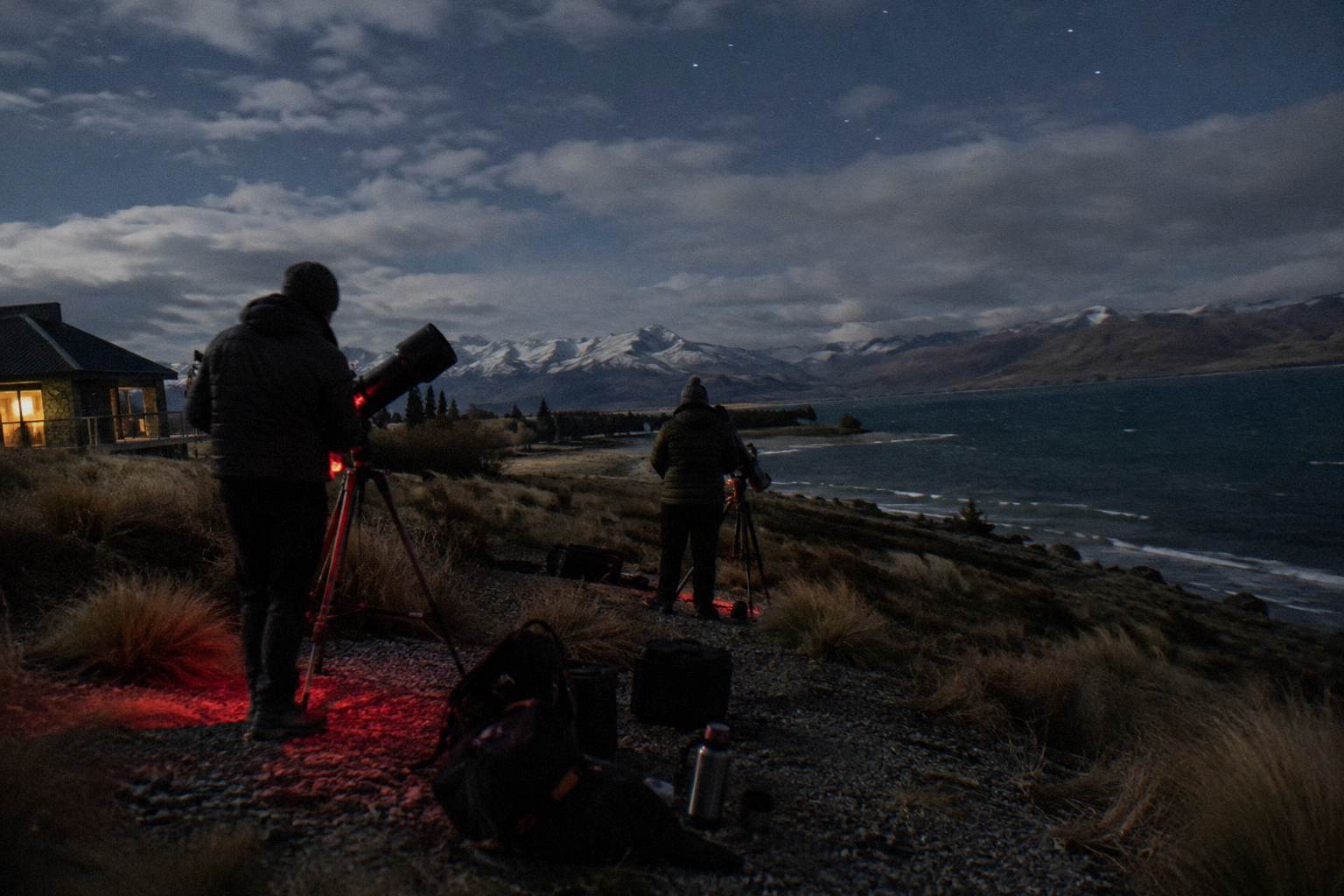
Three products do most of the heavy lifting for this decision. The Mt John Summit Stargazing Experience takes you by bus to the University of Canterbury Mt John Observatory, rated 4.6 across 352 reviews, running 1 hour 45 minutes with a minimum age of 10. The Crater Stargazing At Cowan's Observatory experience is the shorter, younger-family option at 75 minutes with a minimum age of 5. And the Hot Pools And Stargazing At Tekapo Springs experience pairs telescope viewing with a hot pool soak, running 90 minutes with a minimum age of 10, and it runs in all weather with a VR indoor fallback under cloud.
Think about the night in sequence rather than as a single bet. You book a tour, the sky does whatever it does, and the operator's weather policy determines what you get. Dark Sky Project, whose weather page spells this out, makes its clarity decision as close to tour time as possible and asks you to check in 15 minutes early for an update. If outdoor stargazing is not possible, you are offered an indoor alternative or the Virtual Stargazing Experience, a reschedule subject to availability, a gift voucher valid three years, or a full refund. Tekapo Springs takes the opposite approach: tours run in all weather, and a VR indoor experience with 360 degree imagery replaces the telescope viewing under cloud, with a 25 percent refund per ticket if you get under 30 minutes of telescope viewing.
Neither policy is a trick, and neither is a weakness. They are two different bets on the same problem. The Dark Sky Project bet is that you would rather not pay for a clouded-out night; the Tekapo Springs bet is that a hot pool and a VR sky is still a good evening. When your hope is aurora, which needs clear sky more than almost anything else, the refund-capable model has a quiet advantage: on the nights the aurora shows, you are outside, and on the nights it does not, you have an exit.
The booking page for each tour carries its own cancellation terms, and for the Dark Sky Project and Silver River tours the free cancellation window shown is 24 hours. Direct Dark Sky Project bookings can be cancelled up to 24 hours before for a full refund; inside that window the full price applies, and late check-in gets no refund. Groups of 10 or more face tighter windows: no refunds inside 72 hours for Summit and Crater, 48 hours for the Dark Sky Experience.
Summit, Crater Or Hot Pools: Which Tour Fits An Aurora Hope?
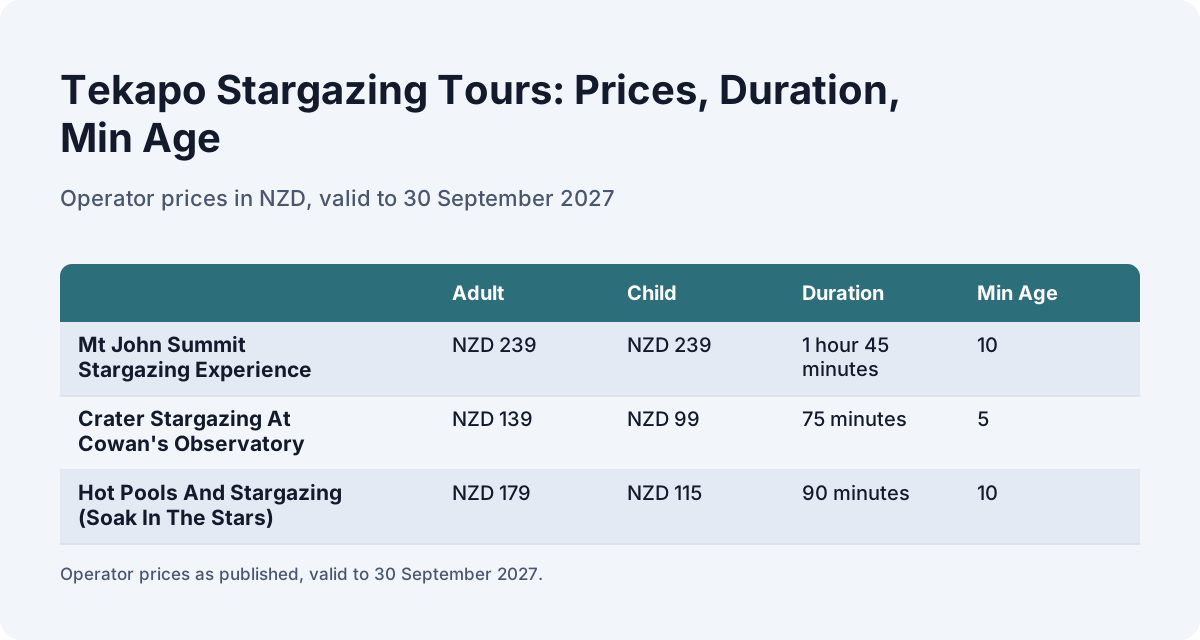
For maximum dark-sky exposure, the Summit Experience is the pick: it puts you at 1,029 m on Mt John with telescopes up to 16 inch in a private dome, for NZD 239 per person adult and child alike, minimum age 10. For families with younger children or a tighter budget, the Crater Experience at NZD 139 adult and NZD 99 child is the practical choice. For comfort and weather certainty, the hot pools tour runs in all weather.
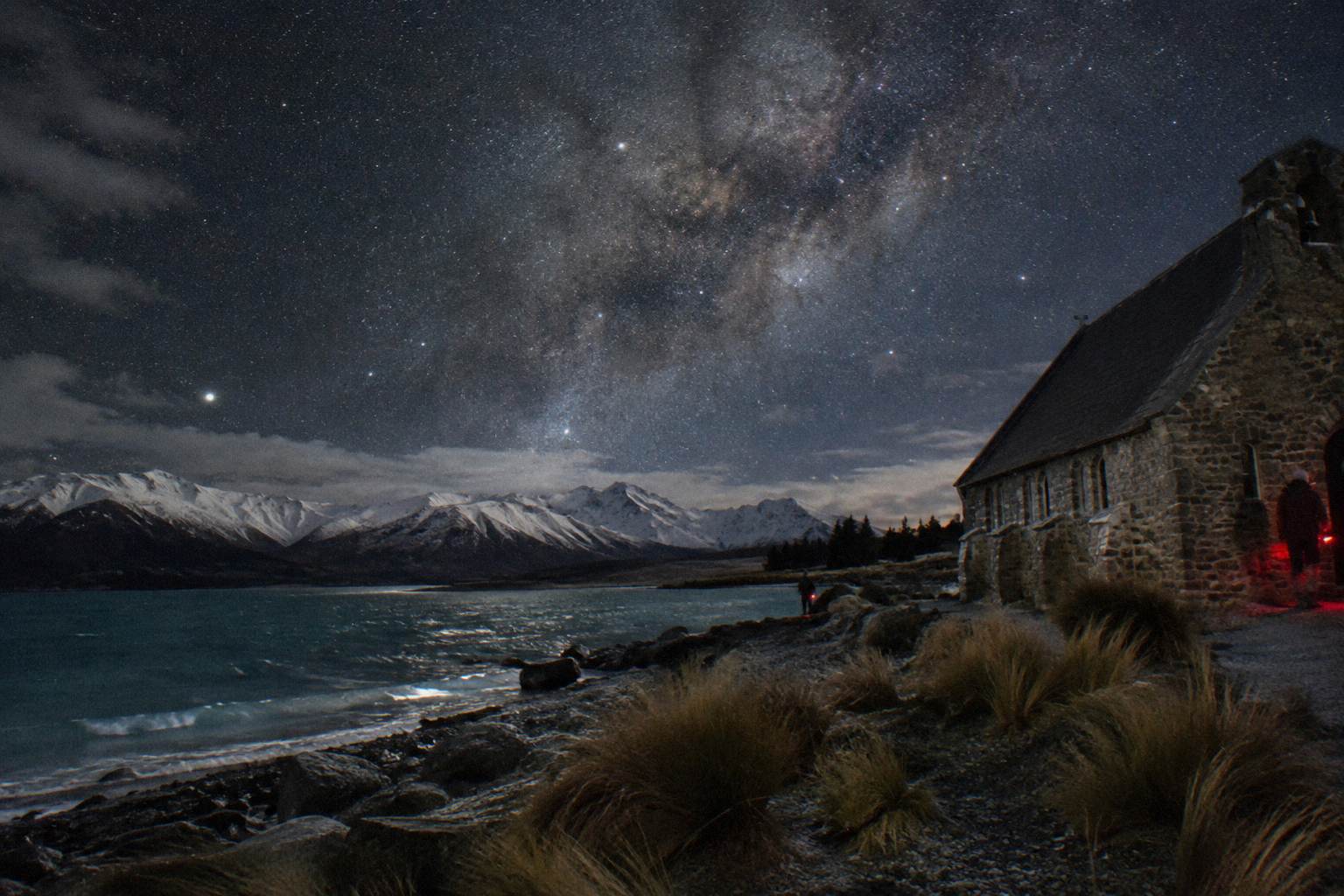
The Summit Experience is the deepest immersion of the three. You check in at the Dark Sky Project base at 1 Motuariki Lane, Takapō (Tekapo), 15 minutes before departure, take a 15-minute bus to the summit, and spend the 1 hour 45 minute tour with a guide working telescopes up to 16 inch and naked-eye viewing pointed out with handheld lasers. The Summit Experience page notes the site is the University of Canterbury Mt John Observatory, which the University describes as New Zealand's largest professional research observatory. Guiding weaves together Tātai Aroraki, Māori astronomy as Dark Sky Project presents it, and Western astronomy. Transport, guiding and an Extreme Cold Weather jacket loan are included, and the tour needs moderate fitness: a 100 m gravel incline walk and a few steps in the dark.
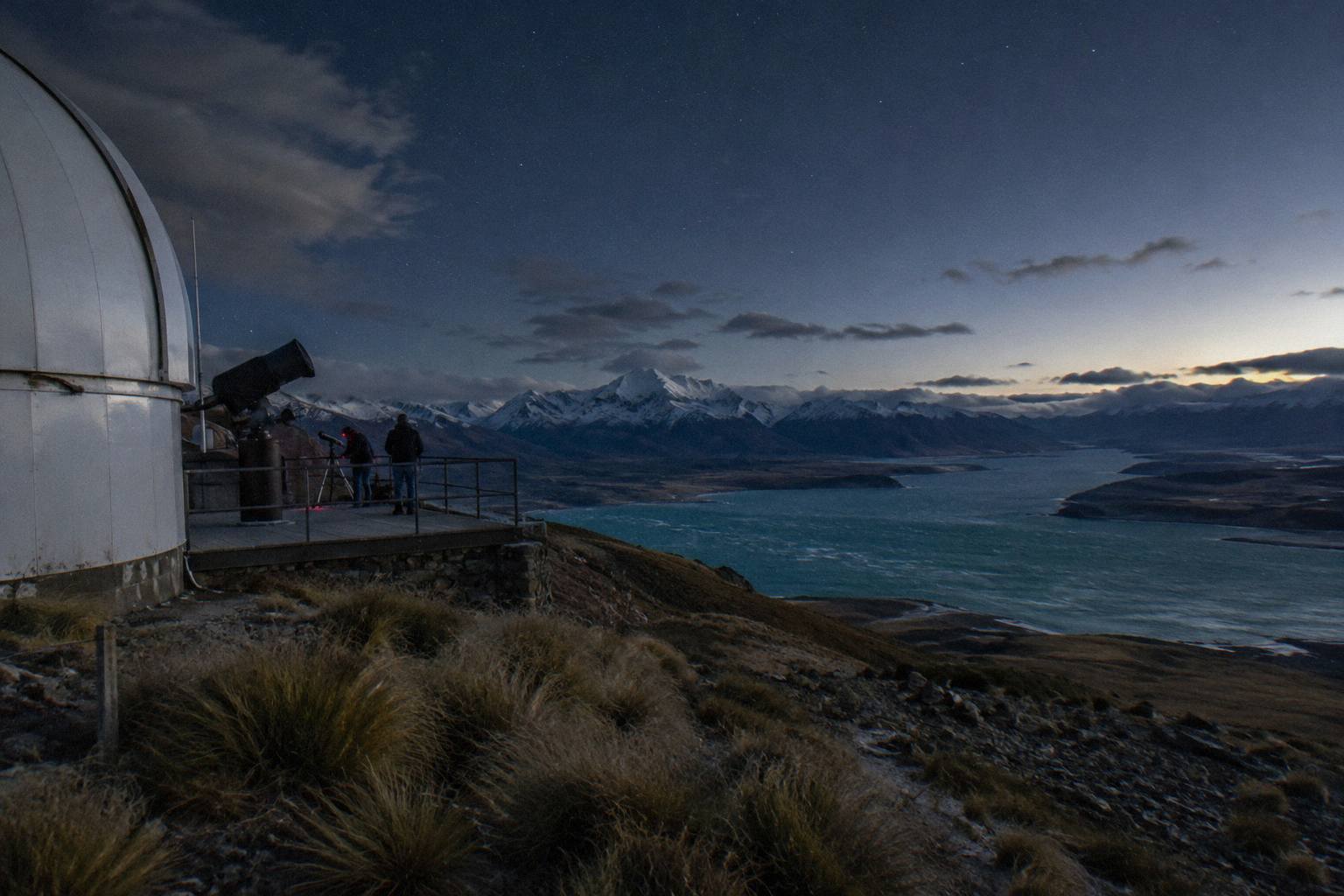
There is a detail here that matters for an aurora hope. The elevation and the research-observatory setting mean the Summit night happens at 1,029 m, above some of the valley haze, with a guide who spends every working night under this sky. Nothing about that guarantees an aurora, and Dark Sky Project does not suggest it does. What it does mean is that if the sky cooperates, you are standing at one of the darkest professional observing sites in the country with someone whose job is to read it. Full details are in the Dark Sky Project Summit Experience guide, and you can also go straight to the Summit Experience tour page.
The Crater Experience trades the summit for Cowan's Private Observatory, a 5-minute drive from base, with purpose-built observation craters sheltered from wind and light. It runs 75 minutes including transport, with 14 inch telescopes or the observatory dome, and a minimum age of 5, which makes it the option for families the Summit's age limit excludes. Wheelchair users can join, driving their own vehicle to Cowan's. Pricing valid to 30 September 2027 is NZD 139 adult, NZD 99 child aged 5 to 17, NZD 377 for a family pass of two adults and two children, and NZD 99 for an extra child.
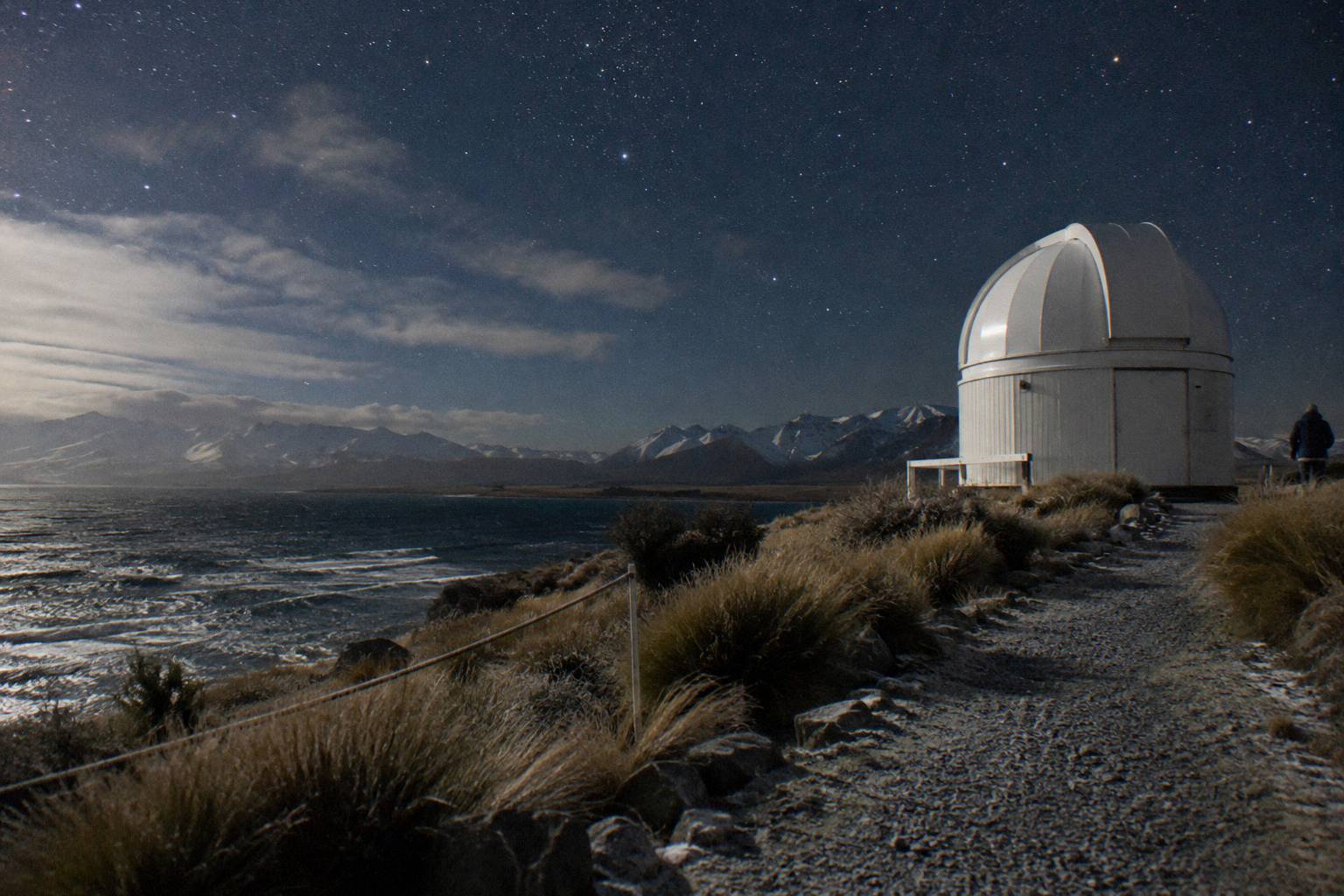
The operator's price schedule is only half the story; the sheltered craters change the experience on a breezy night, and the shorter runtime suits children whose attention fades after an hour. More background is in the Crater Experience guide.
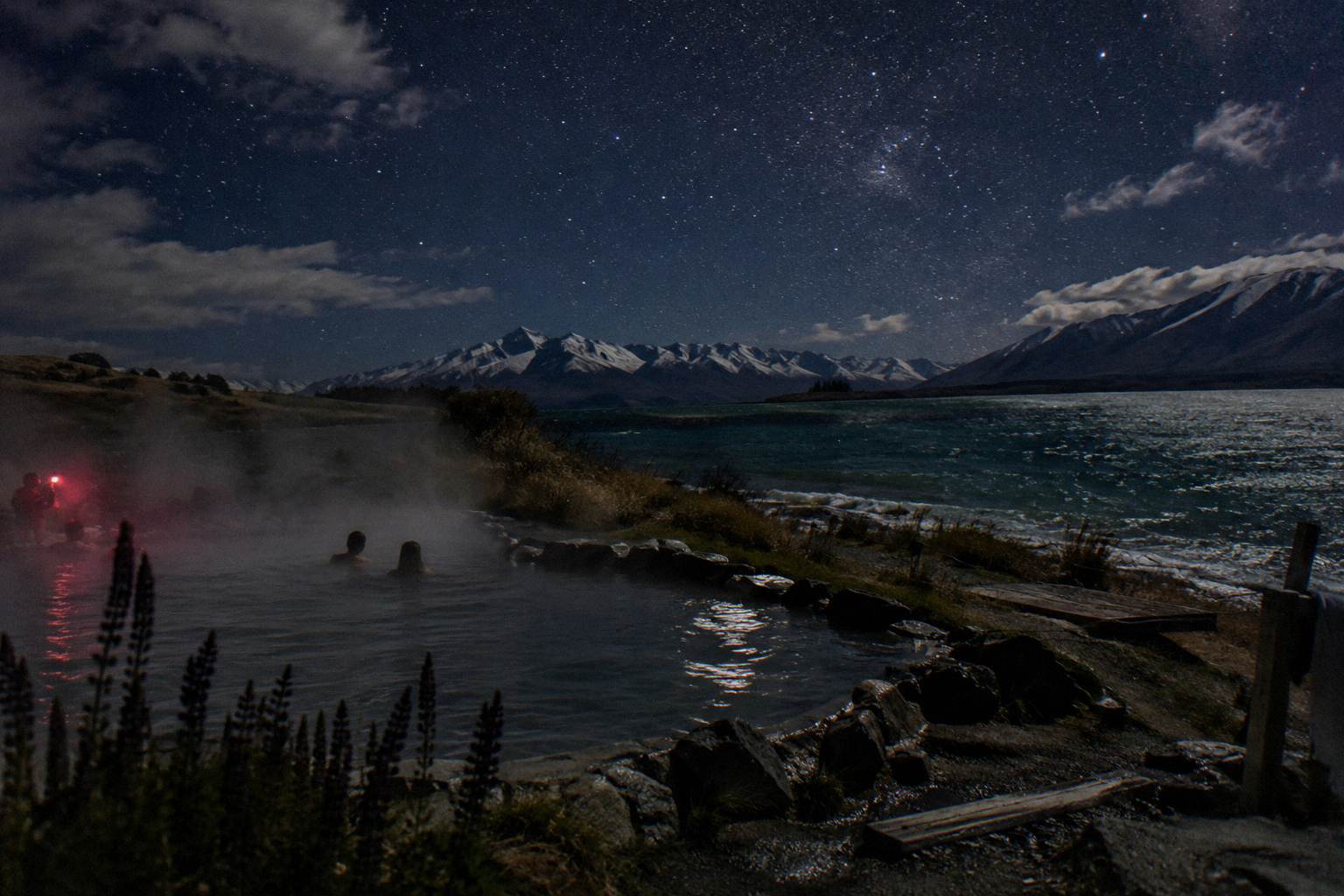
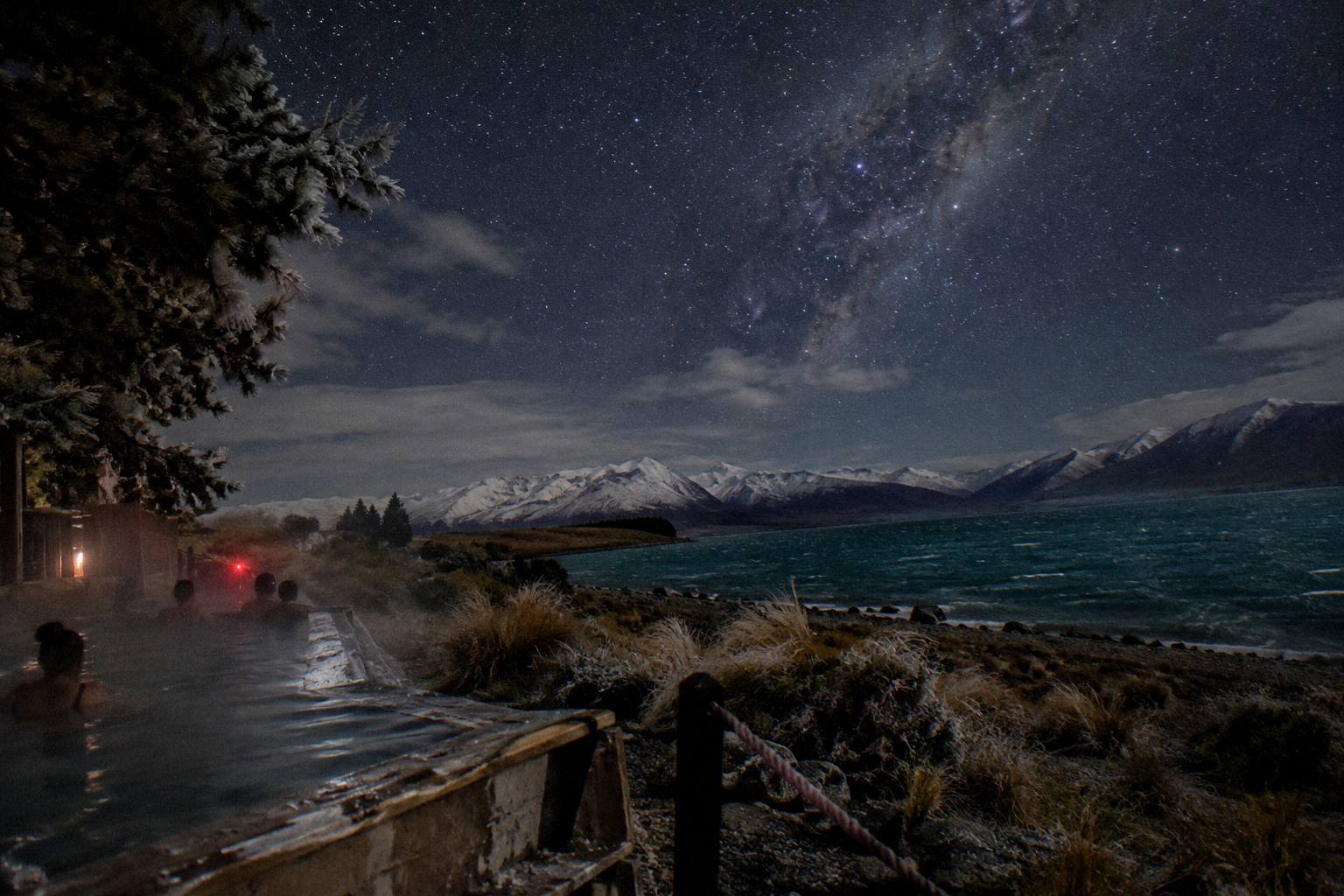
The third option answers a different question. The Hot Pools And Stargazing At Tekapo Springs experience, marketed as Soak in the Stars, is NZD 179 adult, NZD 159 senior or student, NZD 115 child and NZD 499 for a family, for 90 minutes of guided telescope viewing followed by an exclusive hot pool at 37.5 to 38.5 °C with the guide poolside. Towels, robes, hot drinks and warm poncho coats are included, minimum age is 10, and it runs seven evenings a week from October to April, Thursday to Monday from May to September, with some start times after midnight, for example 12:15am. If the sky delivers nothing, you still have a warm soak rather than a cold walk back to the bus.
| Tour | Operator price (NZD) | Duration | Min age | Weather approach |
|---|---|---|---|---|
| Mt John Summit Stargazing Experience | 239 adult, 239 child | 1 hour 45 minutes | 10 | Indoor alternative, reschedule, voucher or refund |
| Crater Stargazing At Cowan's Observatory | 139 adult, 99 child, 377 family | 75 minutes | 5 | Indoor alternative, reschedule, voucher or refund |
| Hot Pools And Stargazing (Soak in the Stars) | 179 adult, 159 senior or student, 115 child, 499 family | 90 minutes | 10 | Runs in all weather, VR fallback, 25% refund if under 30 minutes viewing |
Prices are the operators' own current schedules, valid to 30 September 2027, and can change.
What The Operators Actually Say About Aurora And Weather
Dark Sky Project's own pages say the Milky Way and Aurora Australis depend on conditions and are not guaranteed, and that clarity cannot be guaranteed either. The weather decision comes as close to tour time as possible; if outdoor stargazing is not possible you get an indoor alternative, a reschedule, a voucher or a refund. Tekapo Springs runs in all weather with a VR indoor experience. These are the terms to book against.
It is worth being blunt about why this matters. Marketing copy around stargazing tourism loves the word "guaranteed", and Tekapo Springs itself advertises a guaranteed stargazing adventure, but its own terms say clarity cannot be guaranteed. The binding language is the terms, not the advertisement. For an aurora hope specifically, the gap is even wider: aurora is not a listed feature of any tour here. It is a natural event that a dark site and a clear sky make visible when it occurs. Any sentence that promises you the Southern Lights from Tekapo is a sentence to walk away from.
The practical consequences are concrete. Dark Sky Project asks you to check in 15 minutes before departure for a weather update, so the go or no-go call can come late in the evening. Direct bookings cancelled up to 24 hours ahead get a full refund; inside 24 hours, the full price applies. The reschedule option is subject to availability, which matters if you are in town for one night only. A gift voucher from a cancelled tour is valid three years, which suits travellers who return to the region but not a one-off visit. The operator's terms and conditions page carries the full detail, including the stricter windows for groups of 10 or more.
Tekapo Springs' model deserves equal attention because it changes what a clouded night costs you. Tours run in all weather; the VR indoor experience, with 360 degree imagery of the Church of the Good Shepherd and the Mt John summit, replaces the telescope viewing, and it is not a standalone product. If the tour delivers under 30 minutes of telescope viewing, you get a 25 percent refund per ticket at the end of the tour, for tours from 18 June 2026, excluding Economy, Premium and Premium Plus tickets. Cancellations and changes are possible up to 24 hours before for a full refund, a date change or a voucher. No children under 6 are allowed on any Tekapo Springs tour, babies carried included.
One more fallback completes the picture. The Dark Sky Experience, Indoor Cultural Astronomy is a 45-minute indoor, daytime guided astronomy tour at the Dark Sky Project base, with four zones, Māori astronomy and a restored 125-year-old Brashear telescope, and no stargazing at all. It costs NZD 59 adult and NZD 39 child, with a family ticket at NZD 157 and under 5s free with an adult ticket, and English tours run at 10:30am, 12:30pm and 2:30pm, with a 4:30pm session on Tuesday and Wednesday subject to availability. It is the right product when your outdoor night has already been clouded out, or when your travelling party cannot manage an evening in the cold.
Moonlight, Cloud And Timing Decisions
Start with the moon because it is the one input you can read off a calendar months ahead. On a bright-moon night, faint objects suffer, and an aurora low on the horizon competes with moonlight the same way faint stars do. On a dark-moon night, the background sky is at its darkest, which helps everything faint. Dark Sky Project's weather page makes both points: brighter moonlight affects fainter stars and galaxies, and the moon is a good target in its own right, with telescopes still showing bright objects. Tekapo Springs frames it the same way, full moon reduces the naked-eye Milky Way but not what a telescope can show you. If you are choosing between dates, the darker-moon window is the stronger play, and the deeper version of that argument is in the new moon or full moon guide.
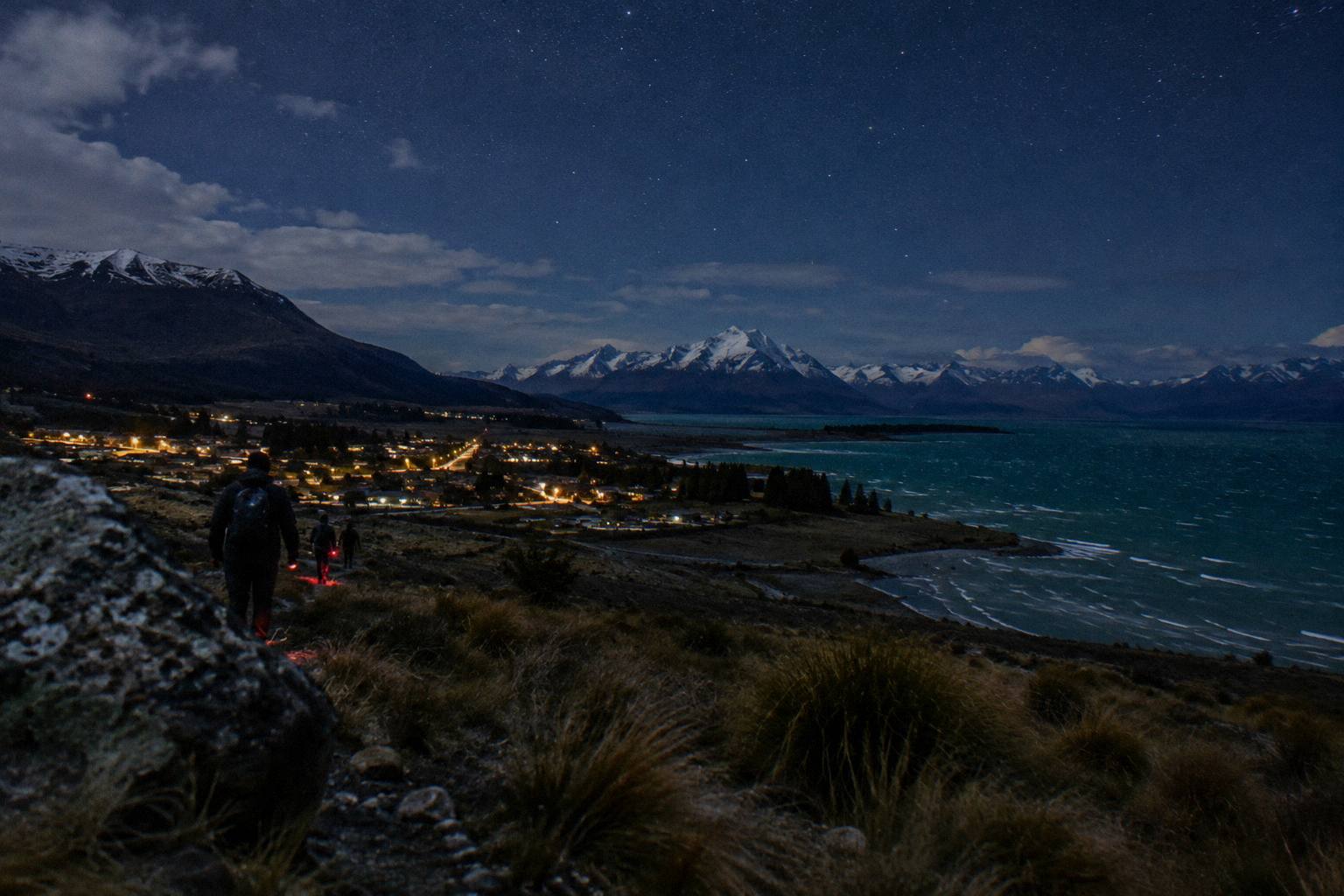
Cloud is less plannable and more decisive. A deck of cloud over the Mackenzie Basin ends the night regardless of everything else, which is why the weather policies in the previous section carry so much weight in the booking decision. The useful habits are simple: keep your cancellation window open until close to the night, check in on time so you hear the operator's call, and avoid booking the one night of your trip if you can spread the risk across two. The fuller version of that logic, including how many nights to budget, is in how many nights you need in Tekapo for stargazing.
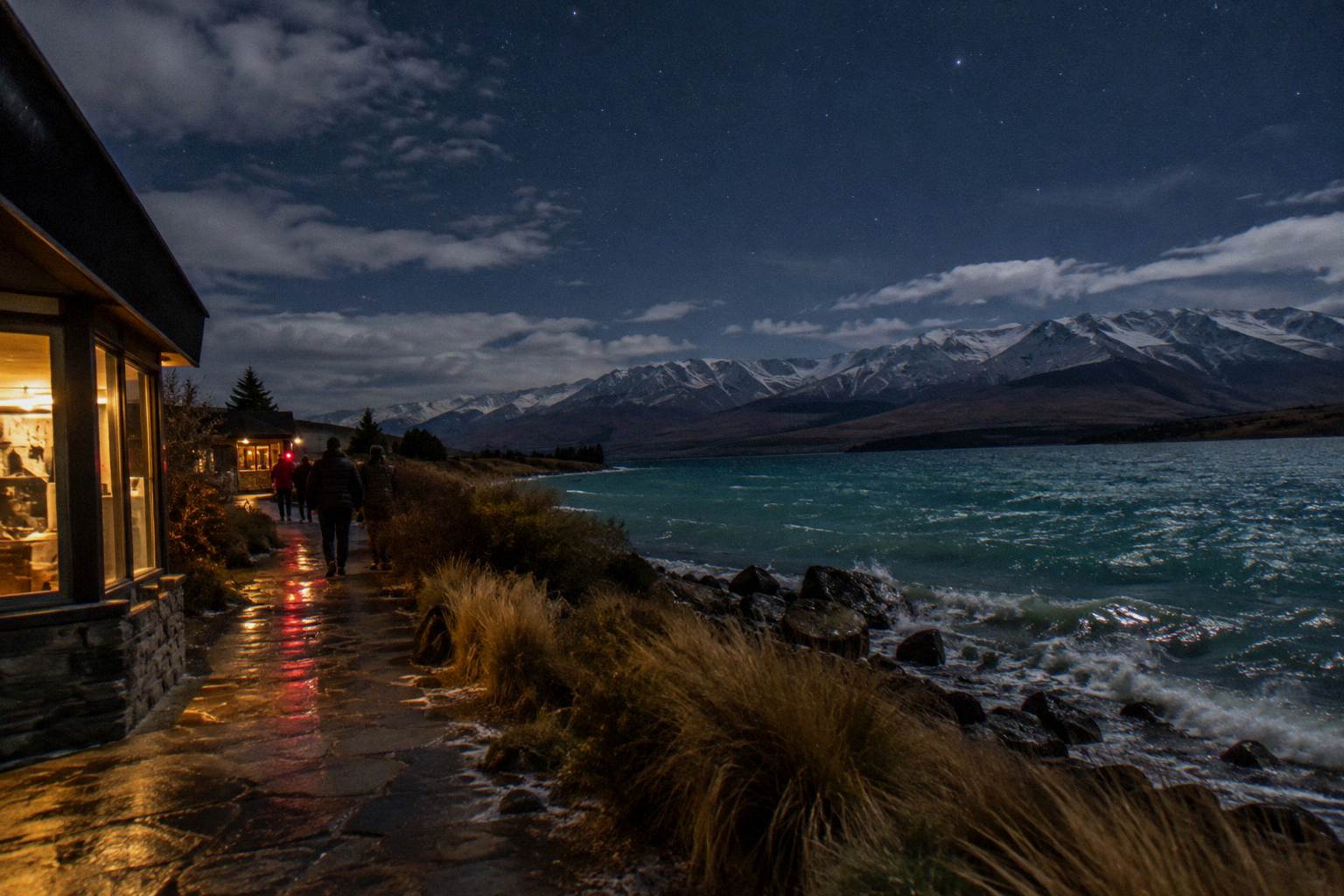
Timing within the night matters too, and here the operators are honest about the limits of prediction. Summit tour times are various times throughout the year, depending on time of sunset, and are not published; Crater times are various evening times after twilight, seven days a week. Tekapo Springs start times are seasonal and by calendar, with some Soak in the Stars tours beginning after midnight, for example 12:15am. Since an aurora can appear at any hour of darkness, a later start is neither an advantage nor a disadvantage in any way an operator will claim; book the slot that fits your sleep and travel plans.
Beyond Tekapo: Mackenzie Basin Options When Aurora Is The Hope
The reserve extends well past Tekapo, and two more bookable experiences operate in the Mackenzie Basin and around Aoraki/Mt Cook: a Twizel tour with an astronomer and a Mt Cook experience. Prices for these are on the booking page rather than the operators' published schedules, and their cancellation windows are 24 hours where stated. They suit travellers already staying west or south of Tekapo.
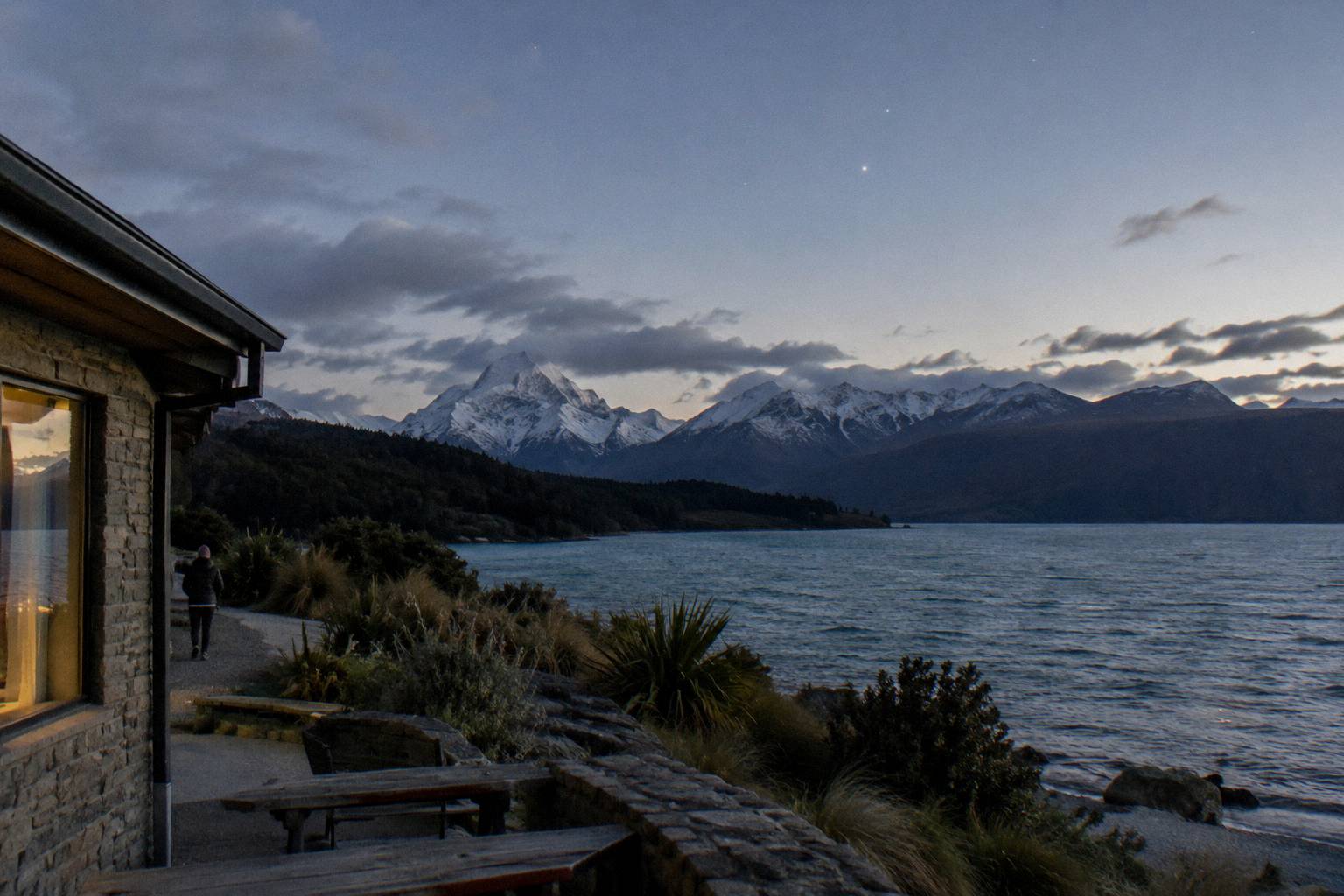
The Twizel Stargazing Tour With An Astronomer, run by Stargaze Mackenzie, meets in Twizel and runs 75 minutes with a minimum age of 6. The Mt Cook Stargazing Experience, run by Silver River Stargazing, runs 75 minutes and meets at the Tasman Glacier car park. Neither has a printable rating or review count, and neither publishes an operator price, so the booking page is the source for both. More on the region's options is in the Mt Cook stargazing tours guide and the Twizel stargazing night sky page.
Why mention these on an aurora page? Because the aurora question is really a dark-sky question, and the reserve covers the whole basin, not just the lake. If your itinerary has you sleeping at Twizel or Aoraki/Mt Cook on the clear night, an experience there serves the same hope without a drive back to Tekapo. The Hermitage's Big Sky Stargazing at Aoraki/Mount Cook Village also exists, from NZD 165 for adults and NZD 94 for children aged 8 to 14, with a 45-minute planetarium show and a 75 percent refund if weather cancels the outdoor portion, but it is not bookable through this site; treat it as regional context only.
The same honesty rules apply basin-wide. None of these operators promises an aurora, and the ones with published weather terms run the same bet between refund-if-clouded and run-in-all-weather. Choosing between Tekapo and the wider basin is mostly an accommodation and driving decision, and the trade-offs are laid out in Mount Cook or Lake Tekapo for stargazing.
| Experience | Operator | Meets at | Duration | Min age |
|---|---|---|---|---|
| Twizel Stargazing Tour With An Astronomer | Stargaze Mackenzie | Twizel | 75 minutes | 6 |
| Mt Cook Stargazing Experience | Silver River Stargazing | Mt Cook, Tasman Glacier car park | 75 minutes | Not stated |
What Trips People Up When Aurora Is The Goal
The mistakes are consistent: booking a tour because its advertising implies the aurora, ignoring the moon phase until arrival, betting the only clear night on a single booking with no cancellation room, and showing up late, which forfeits any refund. Each is avoidable with one decision made in advance. Read the weather terms before paying, keep the 24-hour window intact, pick a darker-moon date where the calendar allows, and check in 15 minutes early as the operators ask.
The first trap is language. Words like guaranteed, promise or "you will see" in any booking copy should end your reading of that copy, because the operators' own terms contradict it. Tekapo Springs advertises a guaranteed adventure while its terms say clarity cannot be guaranteed; Dark Sky Project states flatly that the aurora and the Milky Way depend on conditions. The second trap is the child age ladder: Summit needs age 10, Soak in the Stars needs age 10, Crater takes age 5, Twizel and Astro Tekapo take age 6, Pukaki needs age 12, and Tekapo Springs allows no child under 6 on any tour, babies carried included. A family turned away at check-in over an age limit gets no refund for late arrival.
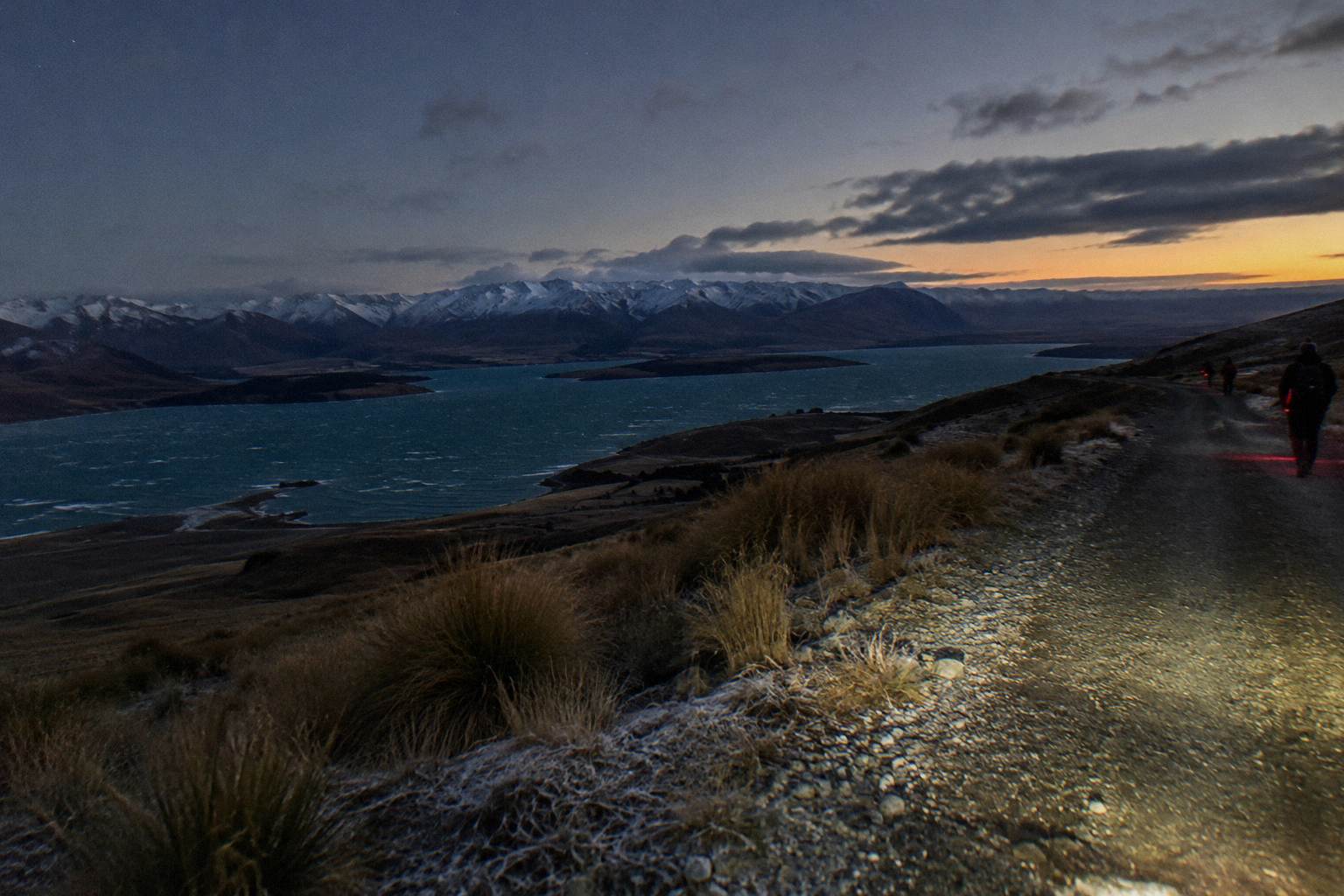
The third trap is treating the forecast as the operator's problem. It is yours up to the 24-hour mark and theirs after. Direct Dark Sky Project bookings cancelled inside 24 hours pay the full price, and late check-in receives no refund, so a missed bus or a long dinner can cost the entire ticket. The fourth trap is forgetting that the Summit needs moderate fitness, a 100 m gravel incline walk and a few steps in the dark, and that the Mt John access road's public hours are 9am to 4pm with a road user fee, facts that matter if you plan your own daytime drive up. The full picture on that is in driving up to Mount John Observatory.
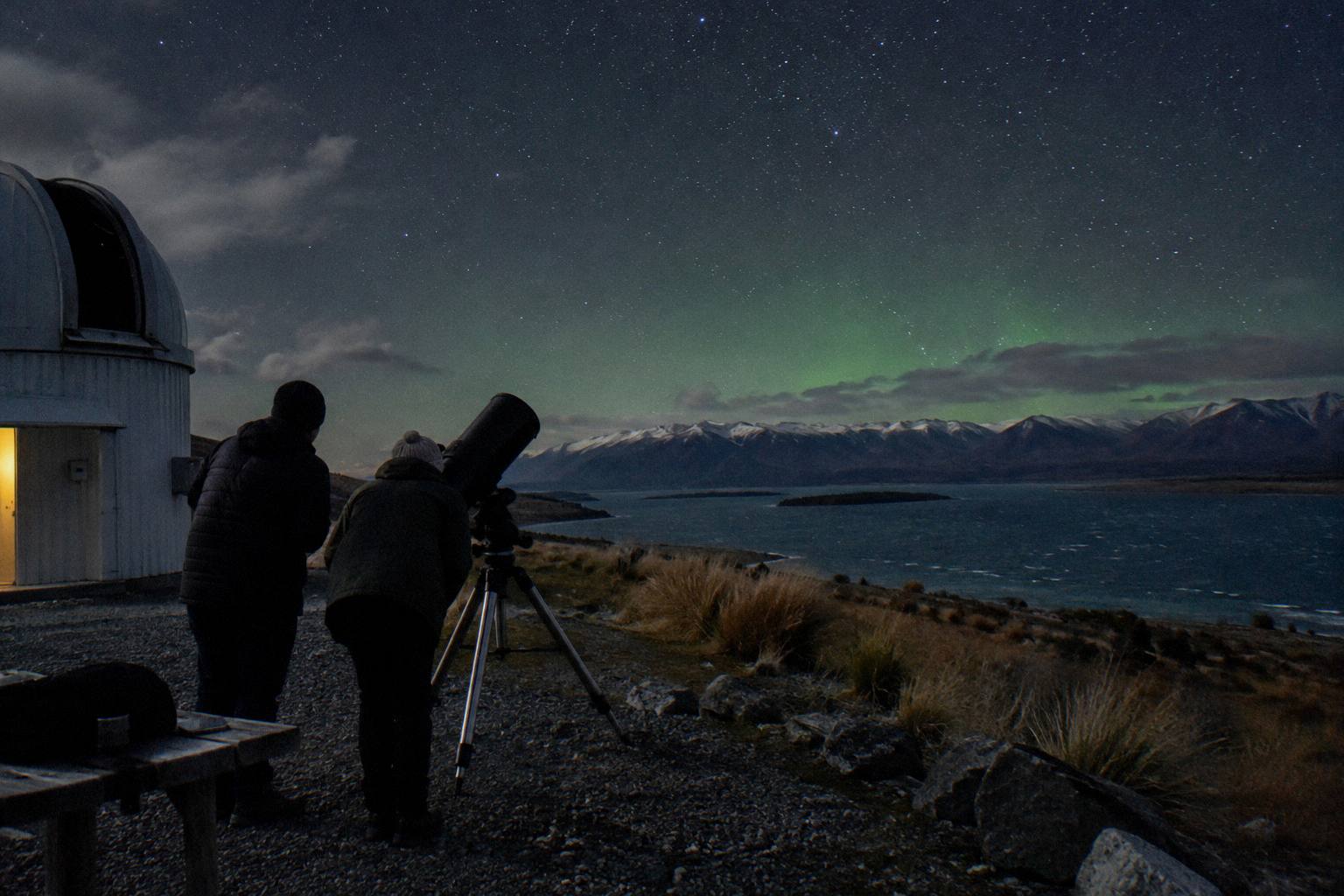
The last trap is spending the whole night staring at the horizon and missing the telescope work you paid for. An aurora, if it comes, is obvious to the naked eye. The tour's value on a non-aurora night is the guiding, the instruments and the reserve itself, and that value is what you actually purchased.
If you are weighing the field as a whole, the honest comparison across all ten options, including the small-group lakeside operators, is in every Tekapo stargazing tour compared, and the month-by-month framing lives in the best time for Lake Tekapo stargazing. Whatever you book, Mt John Stargazing keeps the decision pages that treat the sky as the operator does: something to be read, not promised.
Common Questions About The Southern Lights In Tekapo
Can You See The Southern Lights From Tekapo?
Yes, on some nights. Aurora Australis is a natural event that depends on solar activity and cloud cover, and Lake Tekapo's position inside the largest dark sky reserve in the Southern Hemisphere makes it a strong place to be when conditions line up. No operator guarantees it, and Dark Sky Project states that the aurora depends on conditions.
Do Any Tekapo Tours Include The Aurora?
No. Aurora is not a listed feature of any tour here. The bookable products are stargazing experiences built around telescopes, guiding and storytelling; the operators frame the aurora and the Milky Way as condition-dependent sights, not inclusions.
What Happens If Cloud Covers The Sky On My Tour Night?
Dark Sky Project decides close to tour time and offers an indoor alternative or the Virtual Stargazing Experience, a reschedule subject to availability, a gift voucher valid three years, or a full refund. Tekapo Springs tours run in all weather, with a VR indoor experience replacing telescope viewing and a 25 percent refund per ticket if you get under 30 minutes of telescope viewing.
Does A Full Moon Ruin Aurora And Stargazing?
It changes it. Dark Sky Project says brighter moonlight affects fainter stars and galaxies while the moon stays a good target, and Tekapo Springs says telescopes still show bright objects under a full moon while naked-eye Milky Way drops off. A darker-moon window is the better bet for faint sky phenomena.
Which Tour Should I Book If Aurora Is The Hope?
Book for the sky time and the fallback, not the aurora. The Mt John Summit Stargazing Experience, NZD 239 per person with a minimum age of 10, gives 1 hour 45 minutes at 1,029 m with telescopes up to 16 inch. Families with children aged 5 to 9 fit the Crater Experience at NZD 139 adult. Travellers wanting weather certainty fit the hot pools tour, which runs in all weather.
Can I Cancel If The Forecast Turns Bad?
On the booking pages that state a window, free cancellation is 24 hours before the tour. Direct Dark Sky Project bookings cancelled up to 24 hours ahead get a full refund; inside that window the full price applies, and late check-in gets no refund. Tekapo Springs allows cancellation or change up to 24 hours before for a refund, date change or voucher.